Are Hiking Shoes Good for Walking in Cities? What You Should Know

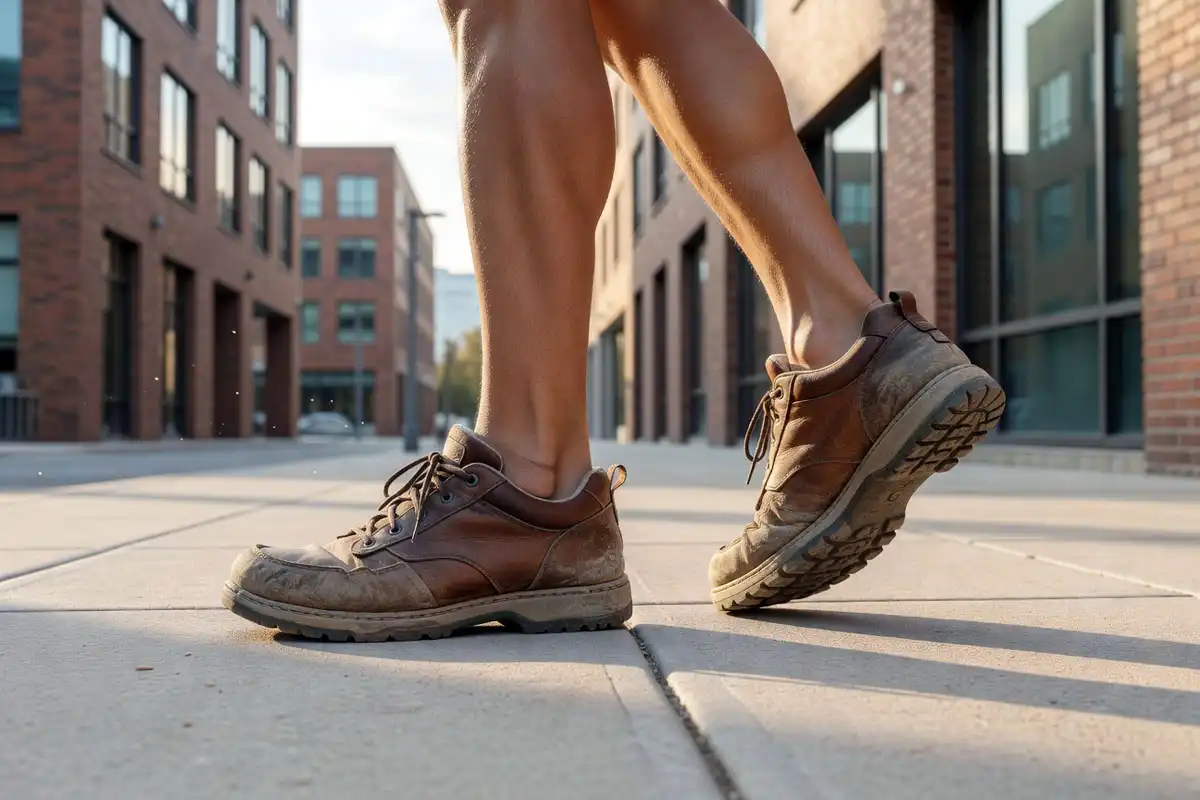
In many cases, hiking shoes work well for walking in cities, but the right fit still depends on the shoe type, sole design, and how much ground you cover. This guide covers what separates hiking shoes from urban footwear, where they perform on pavement, where they fall short, and how to decide if yours will hold up across sidewalks, cobblestones, and transit stations. I draw on years of moving between trail days and city layovers with the same pair on my feet.
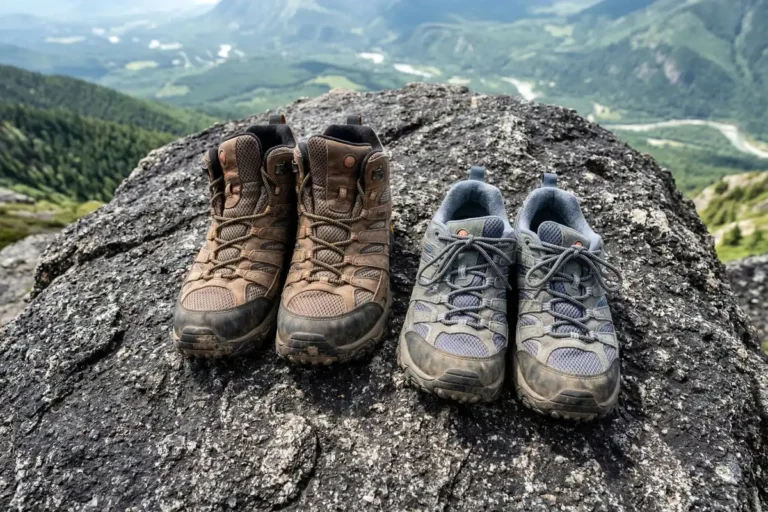
Yes, hiking shoes work for city walking. Low-cut hiking shoes and trail runners handle pavement well. They provide arch support, cushioning, and durability that most casual shoes lack. The trade-off is extra weight, aggressive tread that wears faster on concrete, and a bulkier look. For long city days with mixed terrain or light errands between hikes, they perform reliably.
What Makes Hiking Shoes Different from City Shoes?
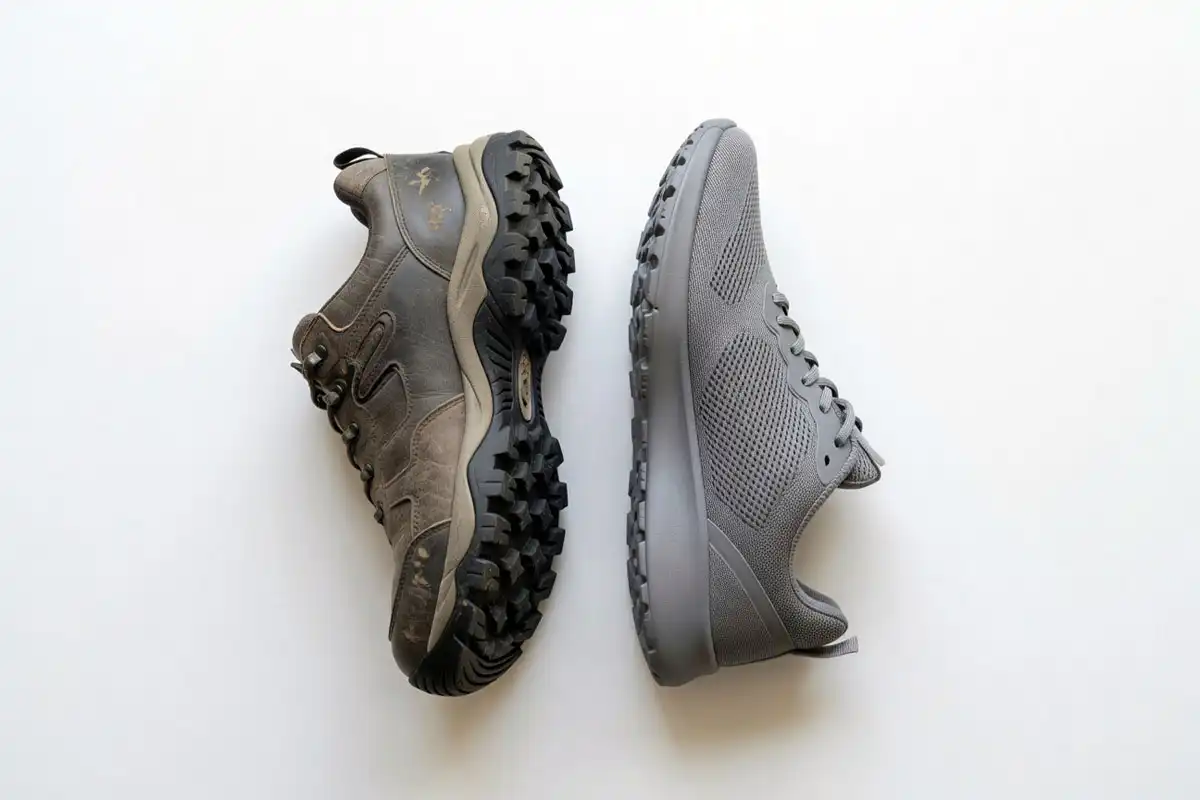
Hiking shoes use stiffer midsoles to protect feet on uneven ground. They also carry deeper lugs on the outsole for grip on dirt, rock, and wet roots.
City shoes use softer, flatter outsoles designed for smooth pavement. They flex more freely with each step.
The key difference is outsole pattern. Hiking lugs grip loose terrain but create less contact area on flat concrete. That reduces cushioning efficiency on long paved walks.
Hiking shoes also weigh more. A typical low-cut hiking shoe weighs around 400 to 500 grams per shoe. A city walking shoe runs closer to 250 to 350 grams.
Do Hiking Shoes Hurt on Pavement?
Stiff hiking boots cause discomfort on pavement during long walks. Low-cut hiking shoes and trail runners cause much less.
The stiffer the midsole, the more fatigue you feel on flat ground. Trail runners use flexible foam construction similar to running shoes, so they adapt well to pavement.
If you already deal with knee strain on hard surfaces, I covered how foot mechanics affect joint load in my piece on managing knee pain on downhill terrain. The same principles apply on flat city ground over long distances.
When Hiking Shoes Work Well in Cities
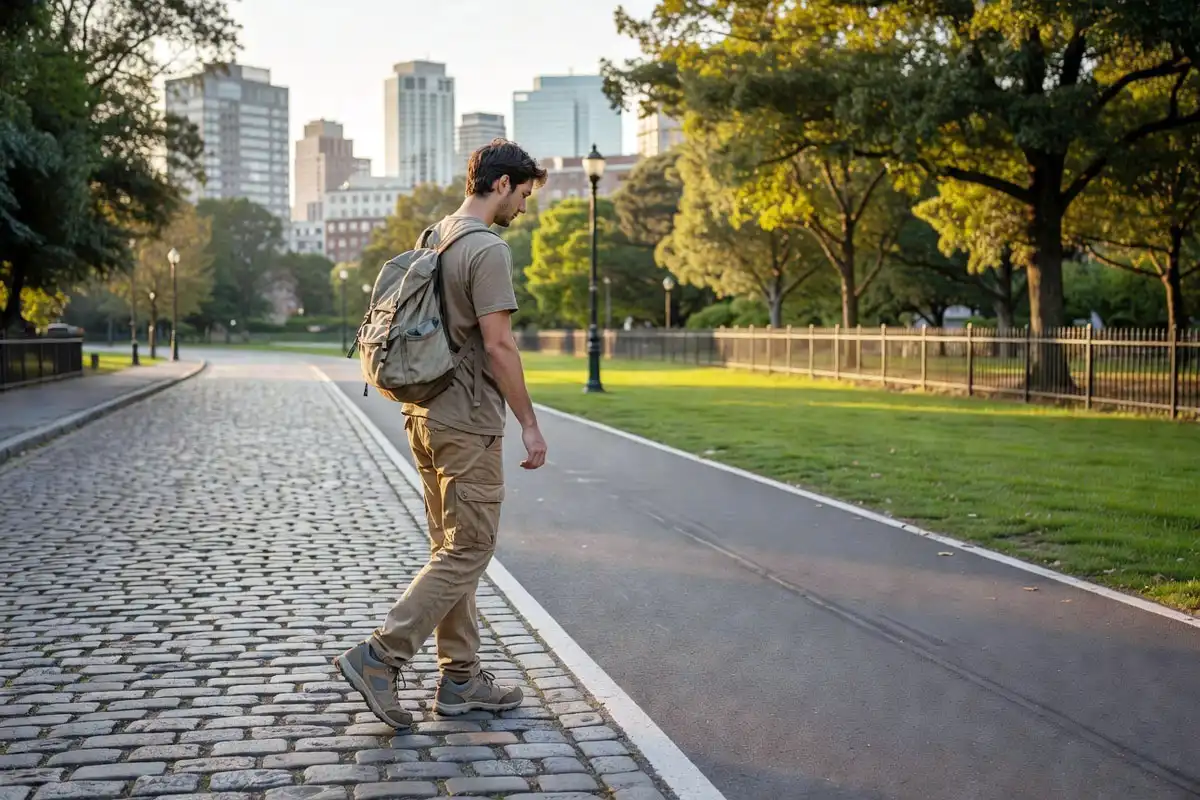
Hiking shoes perform well in cities in these situations:
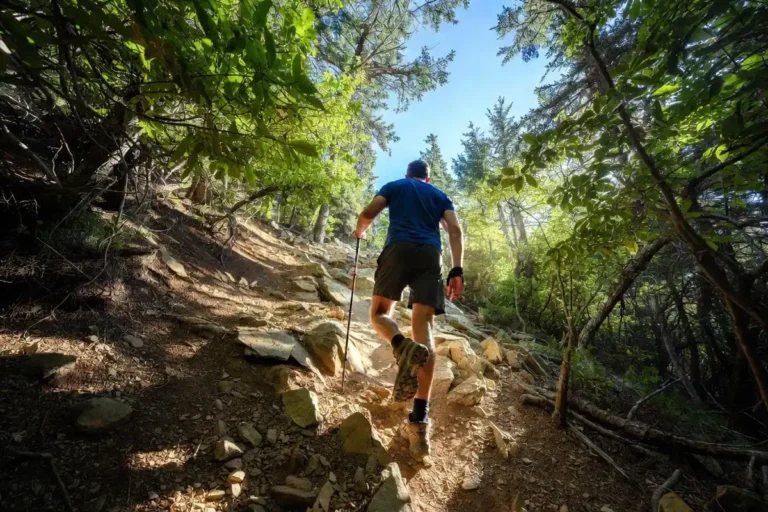
- Mixed-day trips where you hike in the morning and walk city streets in the afternoon
- Wet or rainy cities where waterproof membranes like Gore-Tex keep feet dry on wet pavement
- Cobblestone or uneven urban terrain where hiking outsoles grip irregular surfaces better than smooth-soled shoes
- Heavy travel days where you carry a pack and need ankle support and toe protection
Trail runners specifically perform close to regular walking shoes on pavement. Many city walkers use them daily without problems.
When Hiking Shoes Do Not Work Well in Cities
Aggressive hiking boots with deep lugs wear down faster on concrete. The rubber compounds on trail outsoles are softer than urban shoe rubber and abrade quicker on pavement.
High-cut hiking boots also restrict ankle flex. On flat ground, that restriction causes calf fatigue faster than low-cut alternatives.
If your city day runs longer than 6 to 8 hours of walking, a dedicated walking or running shoe provides better fatigue management on smooth surfaces.
Hiking shoes also look oversized in formal or semi-formal city settings. This is a practical consideration if your trip includes restaurants, offices, or events.
Which Type of Hiking Shoe Handles Cities Best?
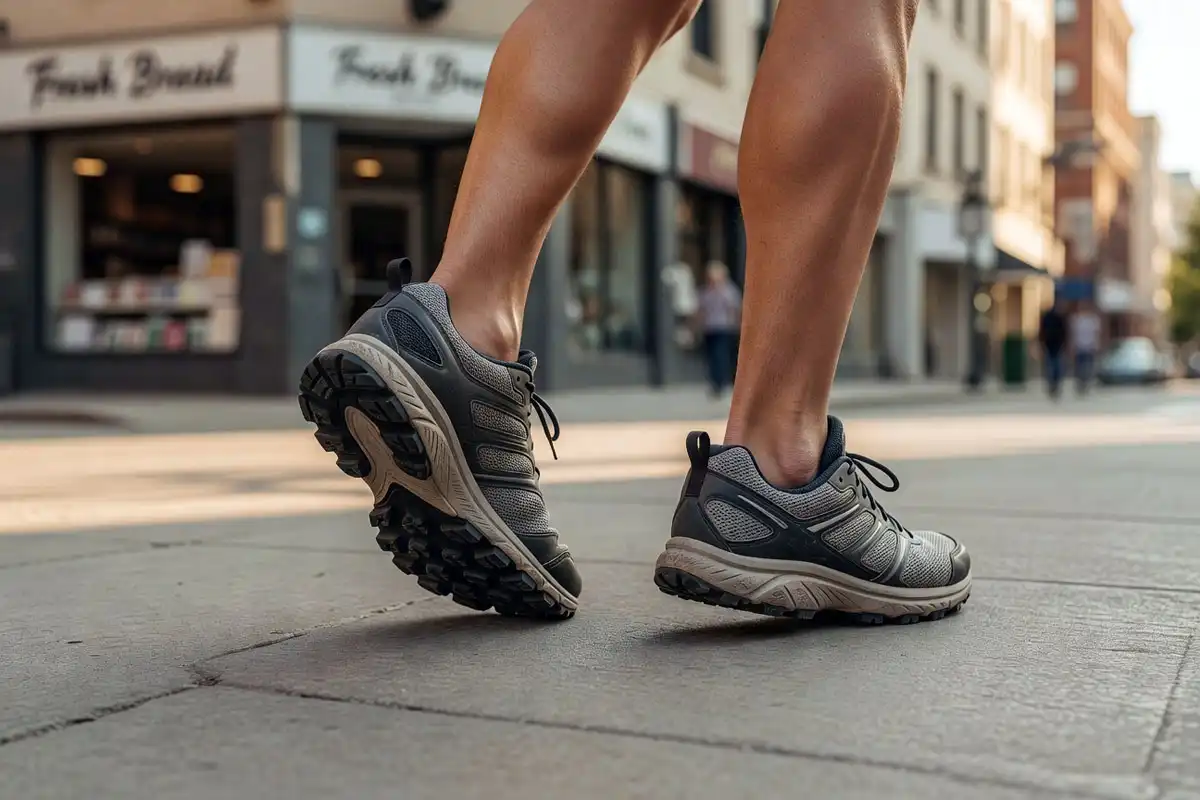
There are three types that vary significantly in city performance:
1. Trail runners perform closest to city shoes on pavement. Flexible build, lighter weight, and low-profile soles make them comfortable for all-day urban walking.
2. Low-cut hiking shoes work well for half-day city walks. They offer more structure than trail runners but stay flexible enough for flat terrain.
3. Mid-cut and high-cut hiking boots suit short city stretches between hikes. They cause more fatigue on extended pavement days than trail runners or low-cut shoes.
Does Hiking Shoe Tread Wear Out Faster in Cities?
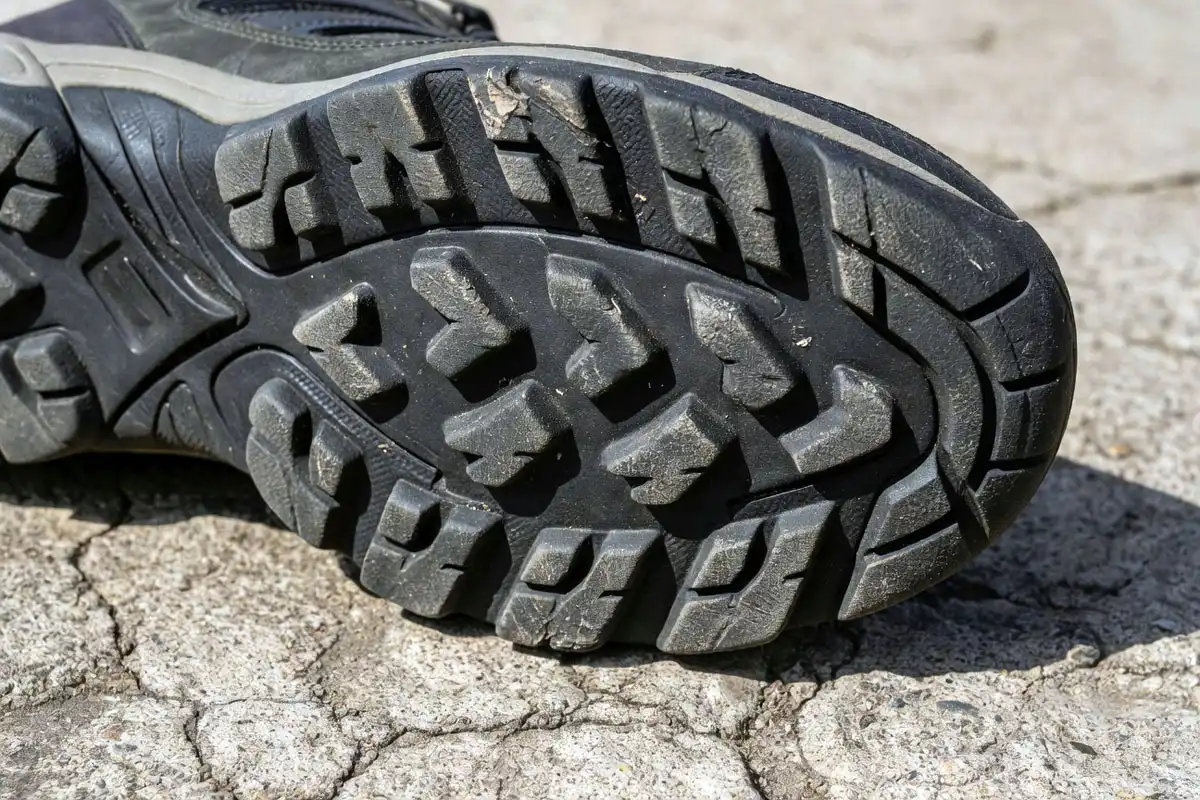
Yes. Hiking outsoles use softer rubber compounds for trail grip. Pavement abrades that rubber faster than dirt or rock.
A trail outsole that lasts 800 kilometers on a mix of trails and soft ground may wear noticeably after 400 kilometers on pure pavement.
If you primarily walk cities with occasional hikes, a trail runner with a firmer road-capable outsole extends durability. Some brands now produce “approach shoes” that bridge trail and urban use with harder rubber.
Breaking In Hiking Shoes Before City Days
New hiking shoes cause blisters on long city walks the same way they do on trails. The fit and break-in process matters regardless of the surface.
I covered the full process in my article on breaking in new hiking boots. The short version: wear them for 30 to 60 minutes daily and increase duration over two weeks before committing to a full city day.
The right socks also reduce friction significantly on paved walks. Merino wool or synthetic hiking socks reduce hotspots better than cotton. I detailed which sock types protect feet best in my guide on socks that reduce friction and prevent blisters on hikes.
Common Mistakes When Using Hiking Shoes in Cities
Wearing stiff boots on all-day city tours. High-cut boots restrict ankle movement and increase fatigue on flat ground. Switch to a low-cut shoe if your hike ends before the city day starts.
Ignoring lace fit on pavement. Hiking shoes laced tightly for trail use cause toe compression on flat ground. Loosen the lace tension slightly for paved walks.
Not accounting for heat. Waterproof membranes that protect on rainy trails trap heat on hot city days. Your feet sweat more, which increases blister risk. I wrote about heat management while active outdoors in my piece on hiking safely in extreme heat, and the foot heat issue applies equally on warm city days.
Skipping foot care. Blisters that form on city pavement progress the same way they do on trails. I covered early treatment steps in my guide on treating minor cuts and blisters at camp. Catch hotspots early.
FAQs on Hiking Shoes

Can I use hiking shoes as everyday shoes?
Yes. Low-cut hiking shoes and trail runners work as everyday footwear. They provide more support and durability than most casual shoes. The trade-off is extra weight and faster outsole wear on pavement compared to dedicated walking shoes.
Are hiking shoes good for walking on concrete all day?
Trail runners and low-cut hiking shoes handle concrete well for 4 to 6 hours. Beyond that, softer-soled walking or running shoes reduce foot fatigue more effectively on flat hard surfaces.
Do hiking shoes cause foot pain on pavement?
Stiff hiking boots cause more foot fatigue on pavement than flexible low-cut options. The stiffer the midsole, the less efficiently it handles the repetitive flat-ground stride. Trail runners cause the least discomfort on pavement among hiking footwear types.
Are waterproof hiking shoes good for city walking in rain?
Yes. Waterproof hiking shoes with a Gore-Tex or similar membrane keep feet dry in wet cities effectively. The trade-off is reduced breathability. In warm wet weather, expect feet to feel warmer than in non-waterproof shoes.
Do hiking shoes look out of place in cities?
Trail runners and sleeker low-cut hiking shoes blend reasonably well in casual urban settings. Chunky high-cut boots look out of place in formal or semi-formal city environments. Fit for purpose matters here as much as function.
Last Notes
Hiking shoes work for city walking when you choose the right type. Trail runners and low-cut hiking shoes handle pavement well for most travelers and outdoor people who move between environments. Stiff high-cut boots belong on trails, not on all-day city tours.
Match the shoe to the day’s demands. If the morning is a trail and the afternoon is a city, a low-cut hiking shoe or trail runner covers both without compromise. If the full day is pavement, a dedicated walking shoe serves your feet better.