What Is the Difference Between a Campground and a Backcountry Campsite

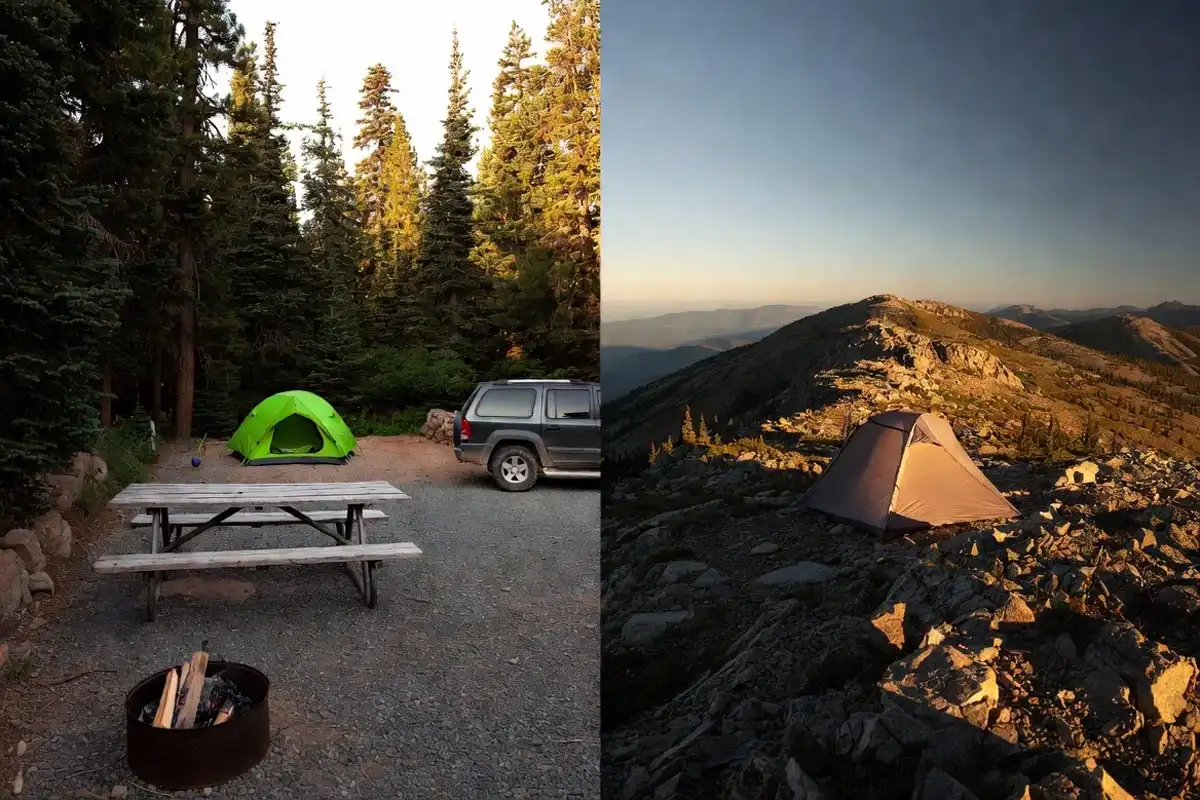
A campground is a managed facility with designated campsite spots, vehicle access, and built-in amenities, whereas a backcountry campsite is a remote campsite location you reach on foot with no services, no infrastructure, and no one nearby to help. This guide covers how the two differ in access, amenities, permits, gear requirements, and safety, so you can decide which setup fits your experience level and trip goals.
A campground provides drive-in access, fire rings, restrooms, and often potable water. A backcountry campsite offers none of that. You carry everything in and pack everything out. The core difference is infrastructure: campgrounds have it, backcountry campsites do not.
What Is a Campground?
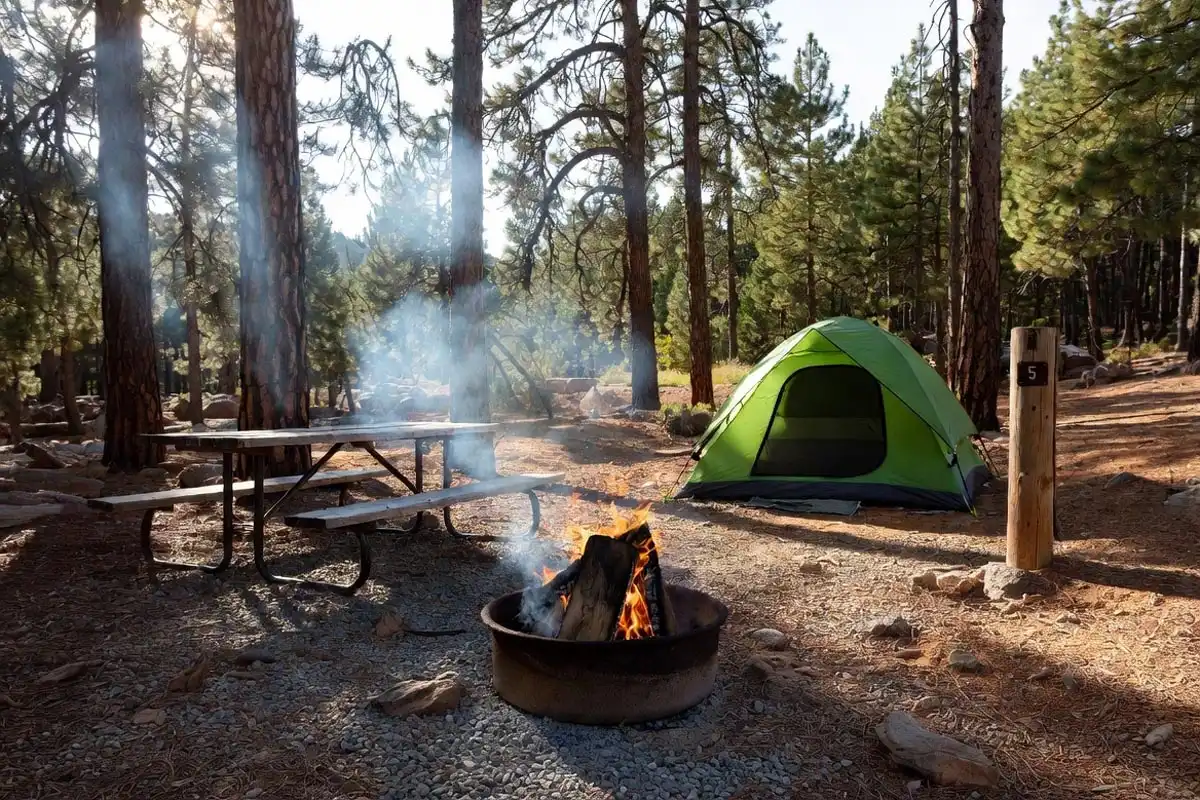
A campground is a designated camping area managed by a park authority, forest service, or private operator. It provides pre-built infrastructure for campers arriving by vehicle or on foot.
Most campgrounds include assigned or first-come sites, fire rings or grills, pit toilets or flush restrooms, and parking pads. Many also offer potable water, picnic tables, bear boxes, and camp hosts on-site.
Campgrounds fall into several types: developed campgrounds (full amenities), primitive campgrounds (minimal facilities, no hookups), and dispersed camping zones (marked areas within a national forest).
What Is a Backcountry Campsite?
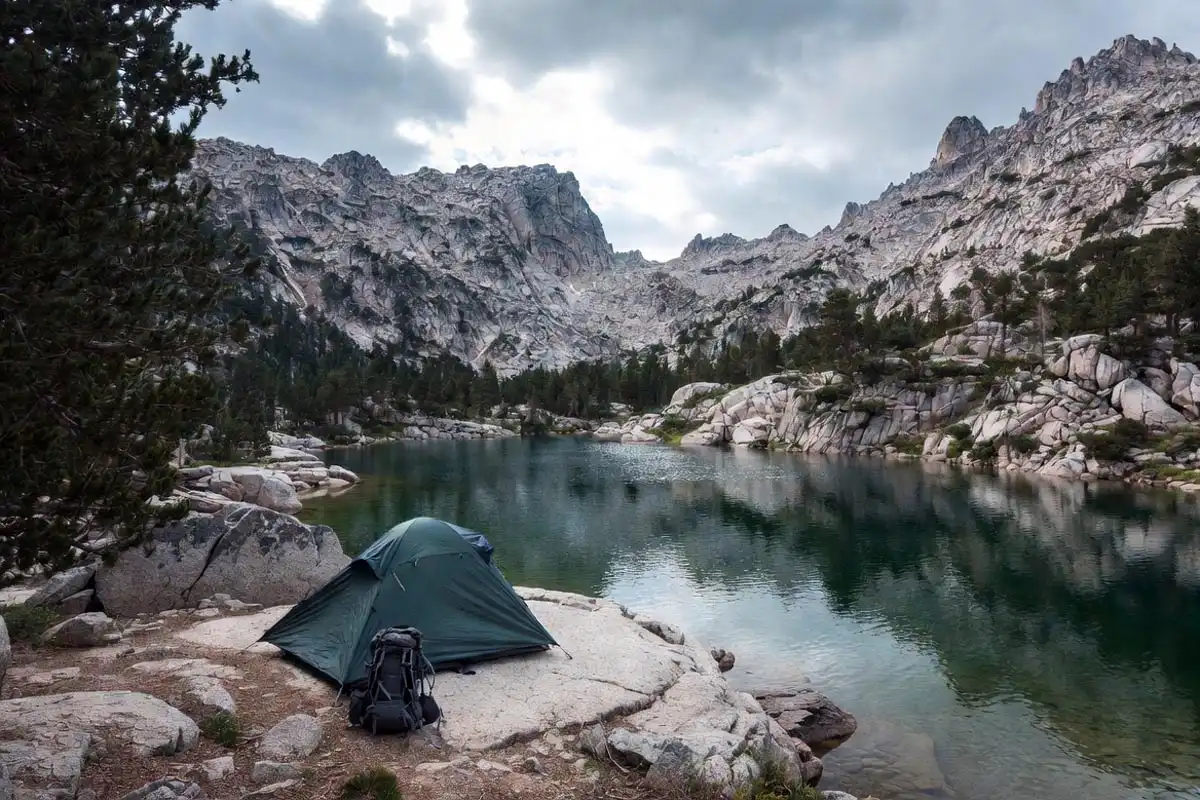
A backcountry campsite is a remote spot located away from roads and managed facilities. You access it by hiking, backpacking, paddling, or horse travel, sometimes covering several miles.
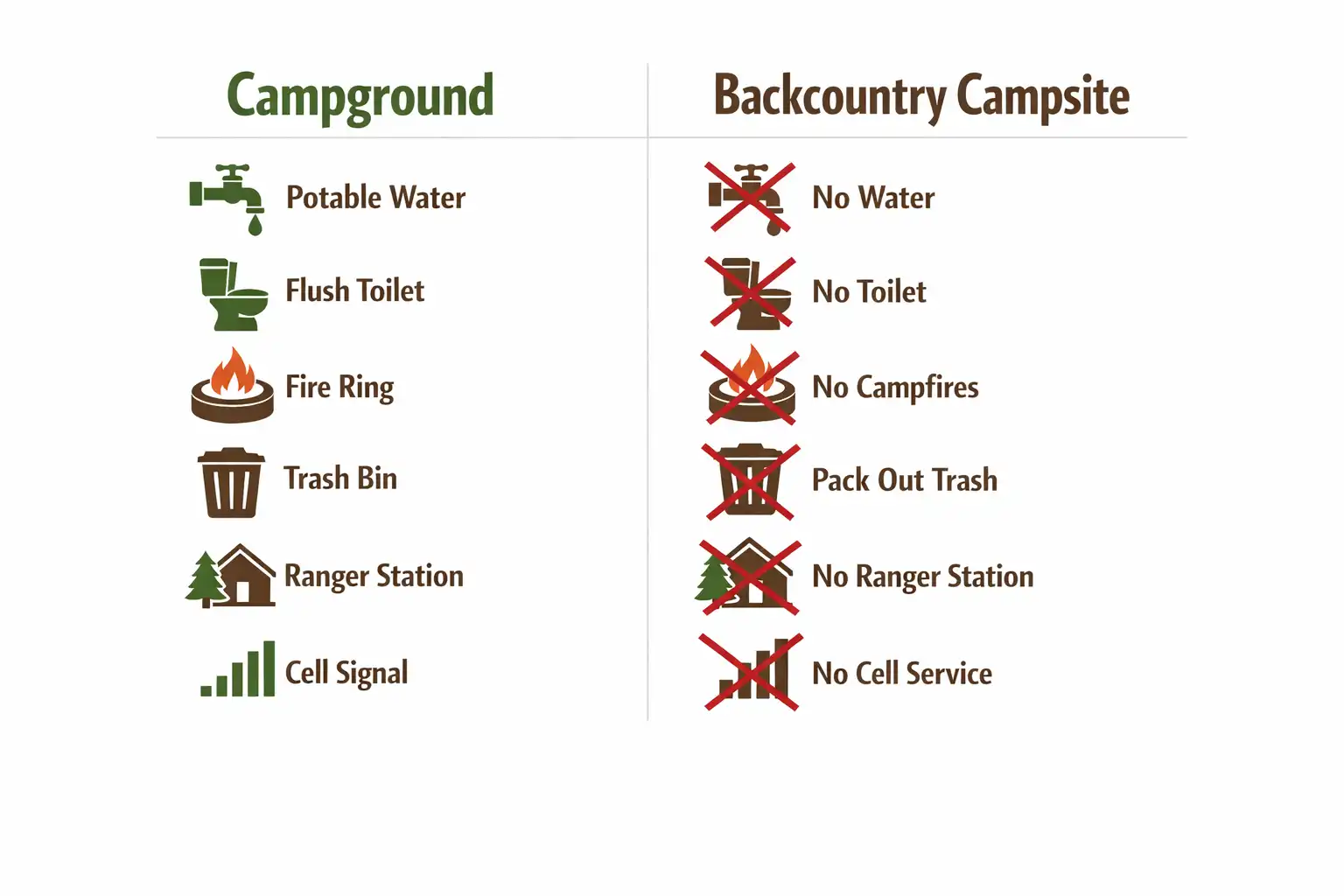
These sites provide no running water, no toilets, no trash collection, and no emergency services. Some designated backcountry zones mark tent pads or bear box anchor points, but many are simply clearings you choose yourself within land-use rules.
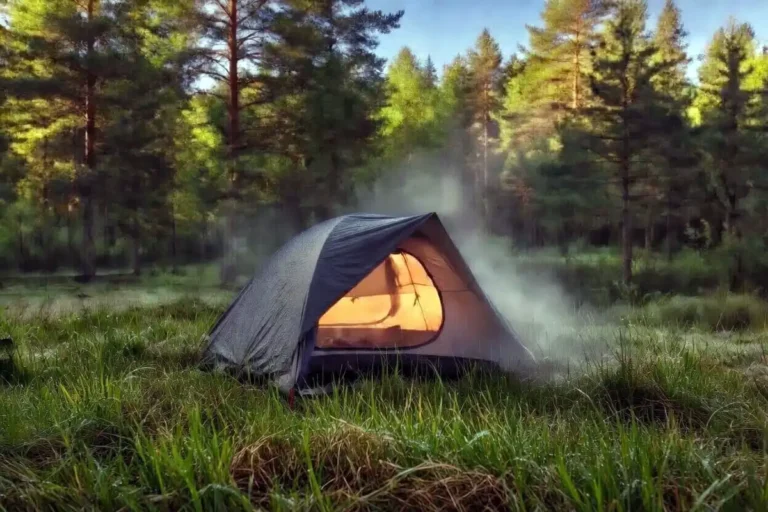
The backcountry environment requires self-sufficiency from the moment you leave the trailhead. Knowing navigate without GPS in a dense forest becomes a practical skill, not optional knowledge.
How Access Differs
Campgrounds sit near roads. You drive in, unload your gear, and set up camp. Access is straightforward and does not require physical fitness beyond basic mobility.
Backcountry campsites require travel on foot or by non-motorized transport. Distance ranges from a half-mile bushwack to a multi-day trek. Elevation gain, trail conditions, and weather all affect your access window.
This difference shapes every other decision, including what gear you bring, how much food you pack, and how you handle emergencies.
Amenities and Facilities
| Feature | Campground | Backcountry Campsite |
|---|---|---|
| Potable water | Often available | None; you treat your own |
| Restrooms | Yes (pit or flush) | None; cat hole or WAG bag |
| Fire ring | Usually provided | You build a Leave No Trace fire or use a stove |
| Trash disposal | On-site bins | Pack it out |
| Cell service | Partial to good | Rare to none |
| Ranger presence | Frequent | Rare |
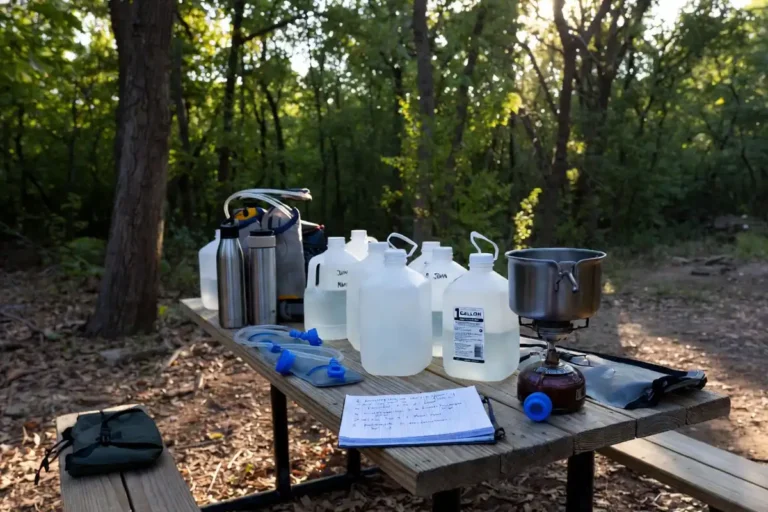
Potable water at campgrounds removes one major burden. At a backcountry site, you source water from streams, lakes, or snowmelt, then treat it. I covered the practical methods for this in my article on purify water in the forest.
Planning water volume also changes between the two settings. My guide on how much water to bring camping per person helps you calculate correctly for either scenario.
Permits and Reservations
Most developed campgrounds require advance reservations through Recreation.gov or a state parks portal. Fees range from around $10 to $50 per night depending on site type and location.
Backcountry campsites in national parks and wilderness areas require a separate backcountry permit. These permits control foot traffic, protect ecosystems, and limit the number of campers per zone per night. Permit availability is often limited, especially during peak season.
Some backcountry areas on national forest land operate on a self-registration or no-permit system, but regulations vary by forest and zone. Always confirm with the managing agency before your trip.
Gear Requirements
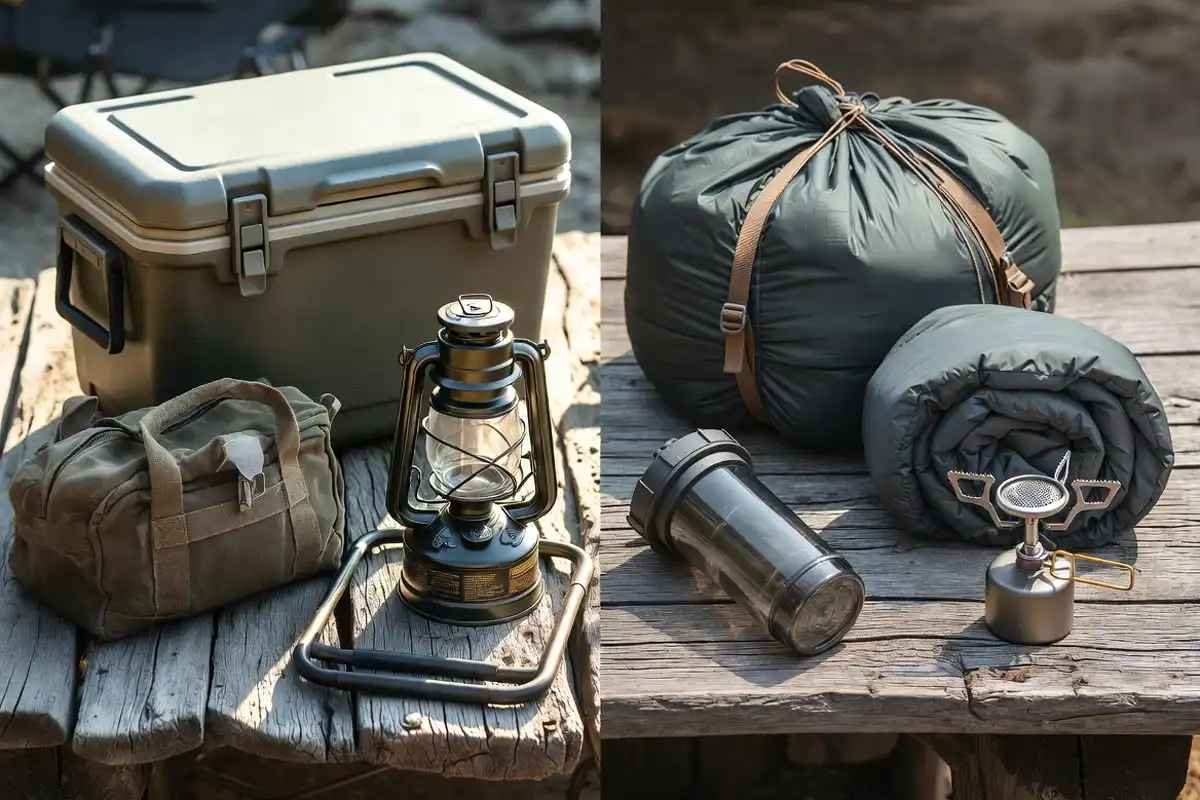
Campground camping tolerates heavier, bulkier gear. You can bring a large family tent, a cooler, a camp chair, and a camp stove without carrying any of it on your back.
Backcountry camping demands lightweight, compact, and multi-purpose gear. Every item you bring adds weight you carry for miles.
Key backcountry gear includes a backpacking tent (under 4 lbs for two people), a sleeping bag rated for below expected low temperatures, a water filter or chemical treatment, a backpacking stove, a bear canister or hang system, and a first-aid kit.
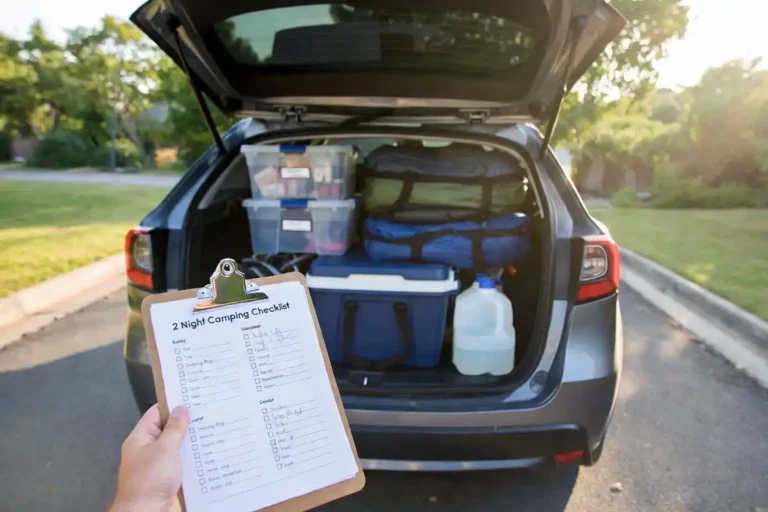
Before any multi-night outing, I run through a packing checklist to avoid forgetting essentials. My article on planning a 2-night camping checklist walks through that process in detail.
Safety Differences
Campgrounds provide a safety net. Rangers patrol regularly. Other campers surround you. Emergency vehicle access exists in most developed sites.
Backcountry camping removes that net completely. You handle all medical situations, navigation errors, and weather changes without outside help. Response time from emergency services in remote wilderness can exceed several hours.
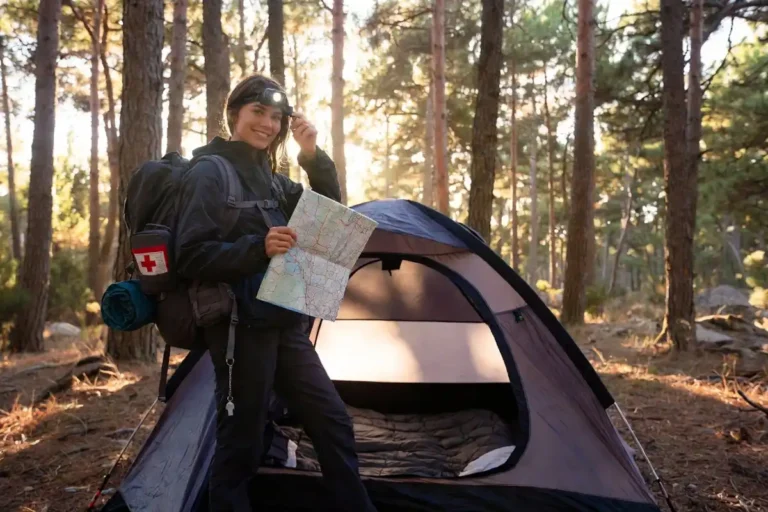
Core backcountry safety practices include carrying a personal locator beacon (PLB) or satellite communicator, telling someone your route and return date, knowing basic wilderness first aid, and understanding when to turn back.
I wrote a full breakdown on staying safe while solo camping that applies directly to backcountry solo trips.
Which One Should You Choose?
Choose a campground if you are new to camping, traveling with children or older adults, bringing large amounts of gear, or want reliable water and toilet access.
Choose a backcountry campsite if you have backpacking experience, carry self-sufficient gear, want solitude and remote scenery, and understand how to operate without services.
Neither option is superior. They serve different purposes. Many experienced campers use campgrounds for family trips and backcountry sites for solo or technical trips.
If this is your first time camping in any form, I recommend starting at a developed campground. My guide on planning a camping trip when you have never camped before covers everything you need to get started.
FAQs about Campground vs Backcountry Campsite

Can you camp anywhere in the backcountry?
No. Backcountry camping follows land-use rules set by the managing agency. National parks require permits and designate zones. National forests allow more dispersed camping but still restrict areas near water sources, trails, and sensitive habitat. Always check regulations before your trip.
Is backcountry camping more dangerous than campground camping?
Yes, in terms of access to help. Backcountry camping increases personal risk because emergency response takes longer, cell service is unreliable, and conditions change without warning. Risk decreases significantly with proper preparation, training, and communication tools like a satellite messenger.
Do backcountry campsites cost money?
Some do. National park backcountry permits carry a fee, often $6 to $12 per person per night, in addition to a park entrance fee. Many national forest backcountry zones carry no fee. Check with the specific land management agency before assuming.
What is dispersed camping, and how does it compare to both?
Dispersed camping sits between the two. It refers to camping outside a designated campground on public land, typically national forest. It offers no amenities like a backcountry site, but access may be by vehicle or short walk. Rules vary; usually you must camp 200 feet from water, trails, and roads.
Can you have a campfire at a backcountry campsite?
It depends on location and current fire conditions. Some wilderness areas prohibit campfires entirely. Where fires are permitted, Leave No Trace principles require you to use existing fire rings, keep fires small, and restore the site. During fire restrictions, a backpacking stove replaces all open-fire cooking.
Conclusion
The core difference between a campground and a backcountry campsite comes down to infrastructure and access. Campgrounds provide facilities, vehicle access, and nearby help. Backcountry campsites provide solitude and wild terrain, and nothing else.
Your choice depends on your experience, gear, physical fitness, and comfort with self-reliance. Start at a campground if you are building skills. Move to the backcountry when your gear, knowledge, and confidence support it.