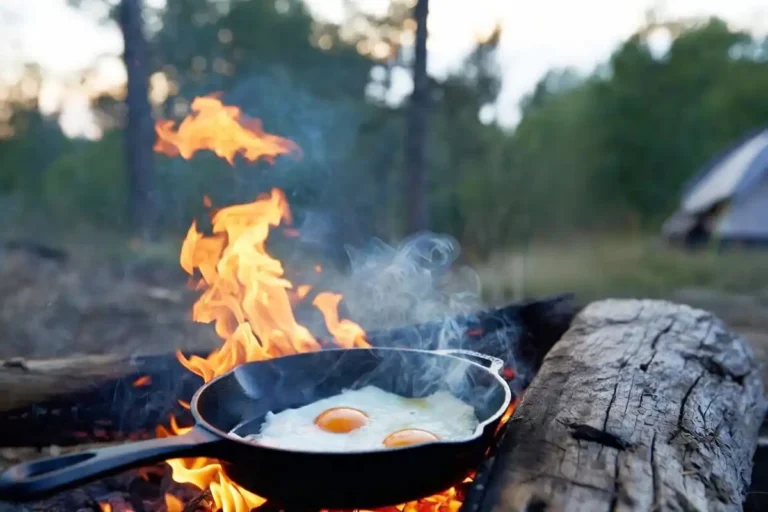
How Hot Can a Campfire Get? 5 Field-Tested Heat Lessons

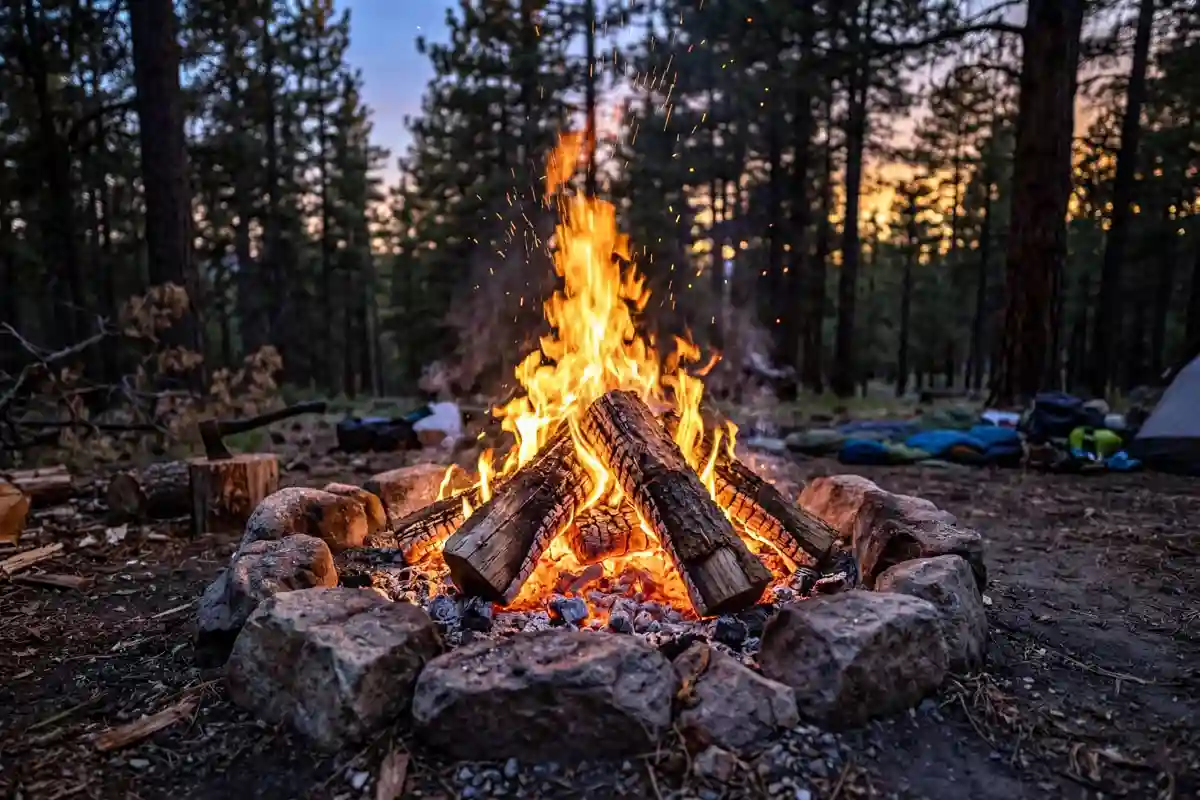
A well-built campfire can get very hot, reaching about 600°C to 1,100°C (1,112°F to 2,012°F) at its hottest point in the coal bed, while the flames above stay cooler and burn less steadily. This guide walks through the temperature ranges you see at a fire pit, what changes the heat, and how to work with it safely for cooking, warmth, and cleanup.
To gauge how hot a campfire gets, look at the coal bed, not the flames. A typical wood campfire burns between 600°C and 1,100°C (1,112°F to 2,012°F). Hardwoods like oak reach the top end; softwoods like pine sit lower. Flame tips look dramatic but carry less usable cooking heat than glowing coals.
What Is the Actual Temperature Range of a Campfire?
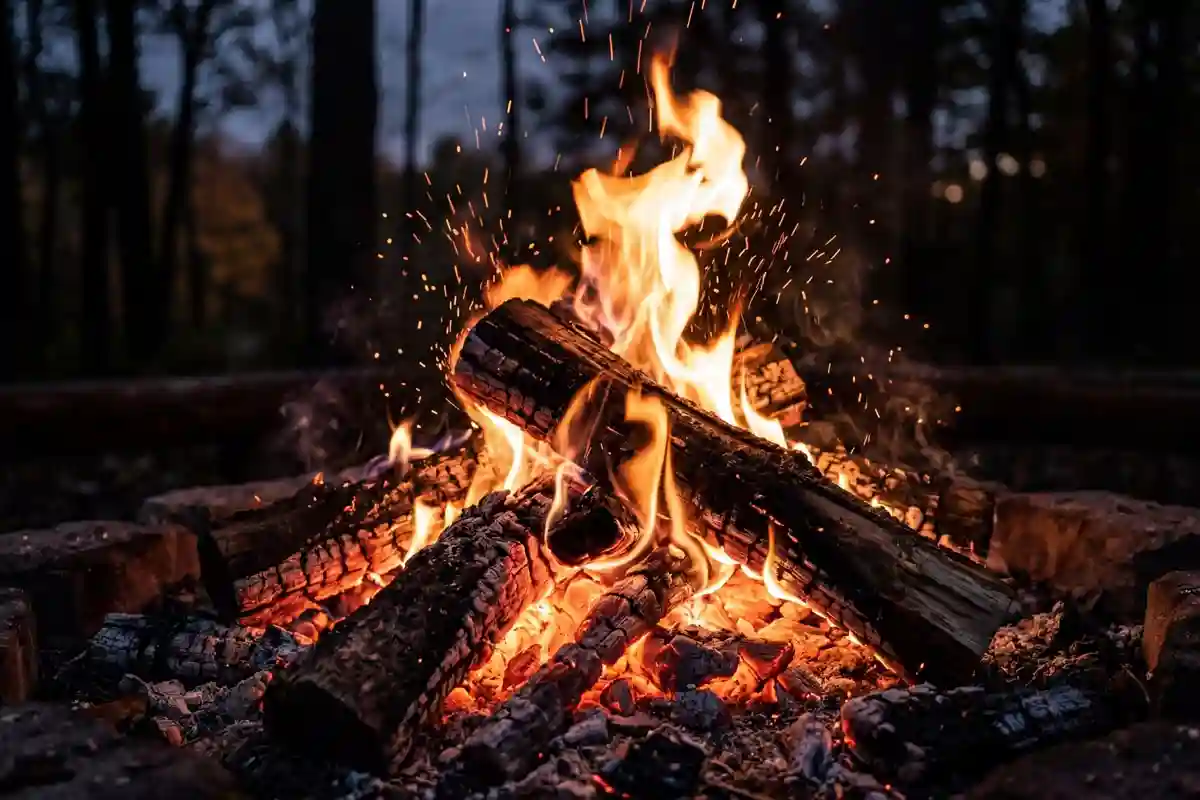
A standard wood campfire burns between 600°C and 1,100°C (1,112°F to 2,012°F) once the coal bed sets in. Small starter flames from kindling sit around 300°C to 500°C. A strong fire with dry hardwood and good airflow climbs toward the upper end. The reading depends on where you place the thermometer.
Three heat zones matter at every campfire:
- Outer flame tips: hottest visible gas, around 900°C to 1,200°C, but brief and unstable
- Main flame body: the yellow and orange zone, roughly 700°C to 1,000°C
- Coal bed: the steady workhorse at 600°C to 900°C, ideal for cooking
I plan my fire’s heat output for cooking around the coal bed. Flames flicker and shift; coals hold a predictable temperature for 20 to 40 minutes.
Where Does the Heat Come From in a Campfire?
Heat comes from burning wood gas and carbon, not from wood itself. As wood heats past 300°C, it releases volatile gases that ignite and produce flames. Once gases burn off, the remaining charcoal oxidizes directly and creates steady infrared heat. This two-stage burn explains why flames feel uneven while coals feel consistent.
Three factors drive total heat output:
- Fuel energy density (hardwood vs softwood)
- Oxygen supply through the fire’s base
- Moisture content in the wood
Dry seasoned wood at 15% to 20% moisture burns cleanly and hot. Green or wet wood wastes energy boiling off water before combustion begins.
How Do Different Wood Types Affect Campfire Temperature?
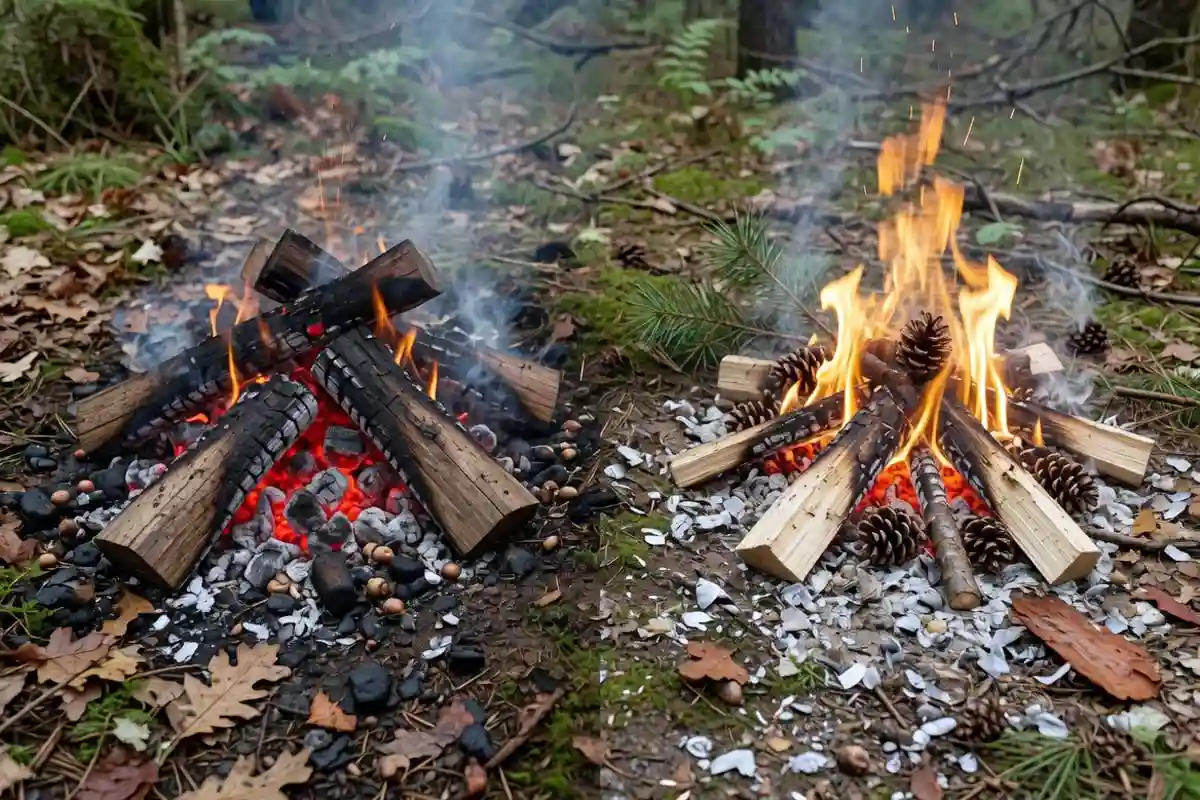
Hardwoods produce higher and longer-lasting heat than softwoods. Oak, hickory, ash, and maple sit at the top. Pine, cedar, and fir burn fast and cooler. The difference comes down to density and resin content.
Typical peak temperatures by wood type:
- Oak and hickory: up to about 1,100°C (2,012°F)
- Ash and maple: around 900°C to 1,000°C
- Birch: around 850°C
- Pine and fir: around 600°C to 800°C
- Cedar: around 600°C, with fast flame but short burn
Hardwood coals also last longer, which matters more than flame height when you cook meat safely at camp. A ten-minute flame fails for grilling. A 40-minute coal bed cooks everything through.
When Do Specific Campfire Temperatures Matter?
Temperature matters most during cooking and fire management. Different tasks need different heat levels.
Useful cooking temperatures:
- Low simmer (coals only): 150°C to 200°C
- Medium grilling: 230°C to 290°C
- Hot searing over flame: 320°C to 400°C
- Boiling water over coals: 280°C to 320°C
The National Park Service’s campfire safety guidance also notes that a fire pit stays dangerously hot for hours after flames die. That residual heat is why ash piles start wildfires days later. I pour water until the hiss stops, stir the ash, then pour again.
How to Control Campfire Heat for Cooking or Warmth
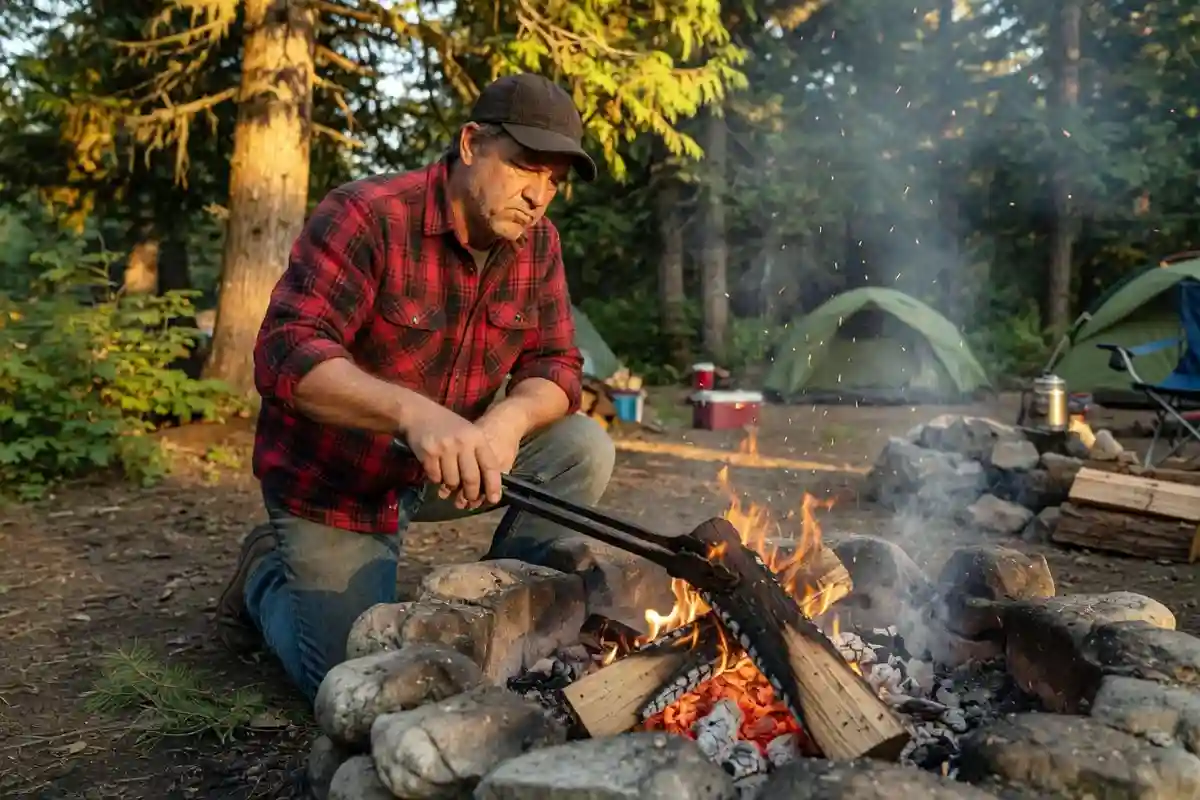
Control fire temperature with fuel choice, oxygen flow, and wood arrangement. These three levers dial heat up or down without special gear.
Practical moves I use at camp:
- For more heat: add small split hardwood and open the base for airflow
- For less heat: stop adding wood, spread coals thin, or cover partially with ash
- For steady heat: build a side pile of coals you can rake into the cooking zone
- For boiling: concentrate coals in a small dense area under your pot
A proper cooking kit for open-fire meals with a tripod, grate, and long tongs makes heat control far easier than working bare-handed. If your oil keeps smoking, check which oil handles the highest smoke point at the fire before assuming the fire is too hot.
Common Campfire Temperature Mistakes to Avoid
Most heat problems trace back to five habits I see often. Each one costs you usable heat or creates a safety risk.
- Burning wet or green wood: steals energy from combustion and smothers flames
- Stacking wood too tight: blocks airflow and drops combustion temperature
- Using softwood alone for cooking: flame fades before food cooks through
- Adding accelerants: creates unpredictable flare-ups with unsafe flame heights
- Cooking on flames, not coals: scorches food while leaving the inside raw
On wet trips I rely on the method from starting a fire for cooking in wet conditions instead of fighting soaked fuel.
Safety Notes for High-Temperature Campfires
A campfire at 800°C or higher burns skin on contact in under a second. Sparks from hardwood coals land several feet away and ignite dry grass. Even cold-looking ash stays above 100°C for hours after the fire appears out.
Key safety rules:
- Keep a full water bucket within arm’s reach
- Wear closed shoes around the pit at all times
- Never leave a fire unattended, even briefly
- Drown the fire fully before sleeping or leaving camp
- Stir ash and soak again until no steam rises
The U.S. Forest Service reports that abandoned campfires cause thousands of wildfires each year. That number comes directly from people underestimating residual heat.
Troubleshooting a Campfire That Is Not Hot Enough
If your fire feels weak, the problem is usually fuel or airflow. Start with the simple checks before rebuilding.
Check in this order:
- Wood moisture: split a log; if it looks damp inside, swap to dry wood
- Airflow: open the base; leave a gap under the fuel pile
- Coal bed: wait 15 to 20 minutes for coals to form before judging heat
- Wood size: pencil-thin kindling starts fires; wrist-thick logs sustain them
- Wind direction: shield the windward side if gusts keep killing flames
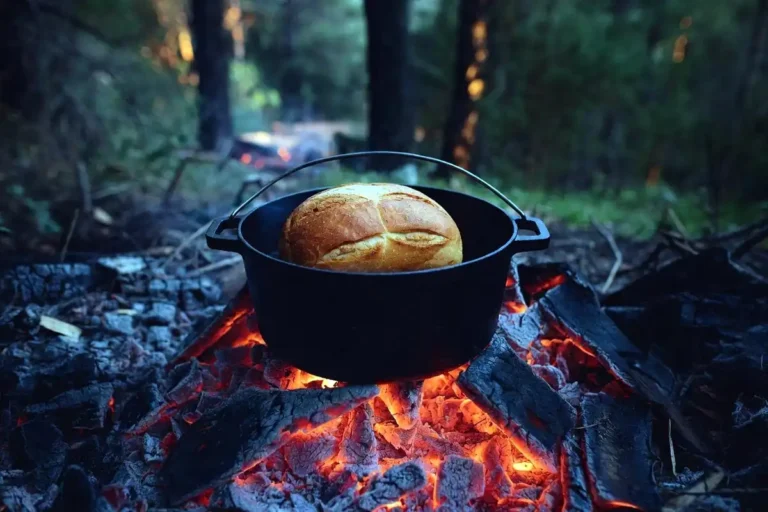
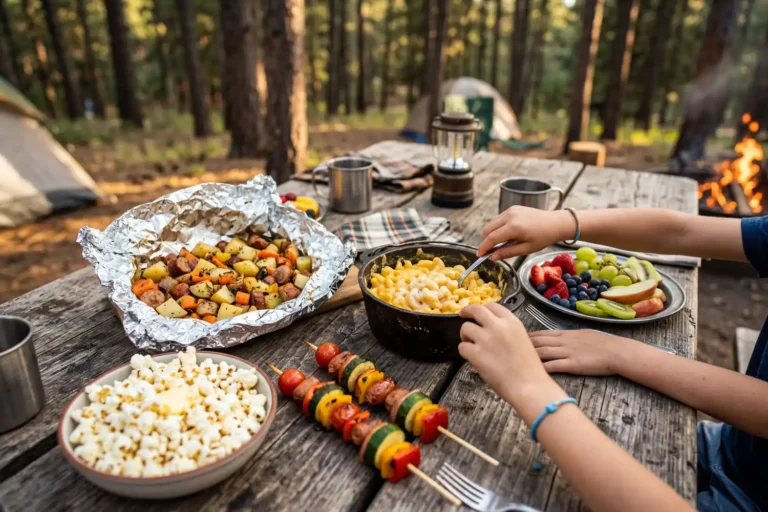
For cooking tasks like building a foil packet meal on coals, let the fire burn 20 to 30 minutes before placing food. Fresh flames scorch; aged coals cook.
FAQs about How Hot Does a Campfire Get

How hot does a typical campfire get at the coal bed?
Can a campfire get hot enough to melt aluminum?
Does hardwood burn hotter than softwood?
How long does a campfire stay dangerously hot after flames die?
Is flame height a good way to measure campfire heat?
Final Thoughts
Knowing how hot a campfire gets changes the way you build, feed, and put it out. The coals between 600°C and 900°C do the real work, whether you are cooking, warming up, or drying wet gear. Pick hardwood when you can, give the fire room to breathe, and treat every ash pile as live heat. A fire you can read is a fire you can use safely. Keep water close, stay patient, and let the coals cook.