How to Avoid Travel Scams Targeting Tourists in Popular Destinations


In popular destinations on every continent, travel scams targeting tourists work because visitors do not know local prices, routes, and customs, but simple checks help you avoid them. This guide covers the most common scam types, the situations where they surface, and the specific steps you take before and during your trip to protect your money, documents, and peace of mind. I’ve been caught off guard once near a busy market in Southeast Asia, and that experience shaped how I approach every international trip since. These steps work whether you travel solo or with a group.
The fastest way to avoid travel scams is to research common local scams before arriving, split your cash across separate locations, decline unsolicited help from strangers, and confirm all prices in writing before accepting any service. Most scams depend on distraction, urgency, or your unfamiliarity with local norms. Preparation removes the majority of that risk before you even land.
What Types of Scams Target Tourists Most?
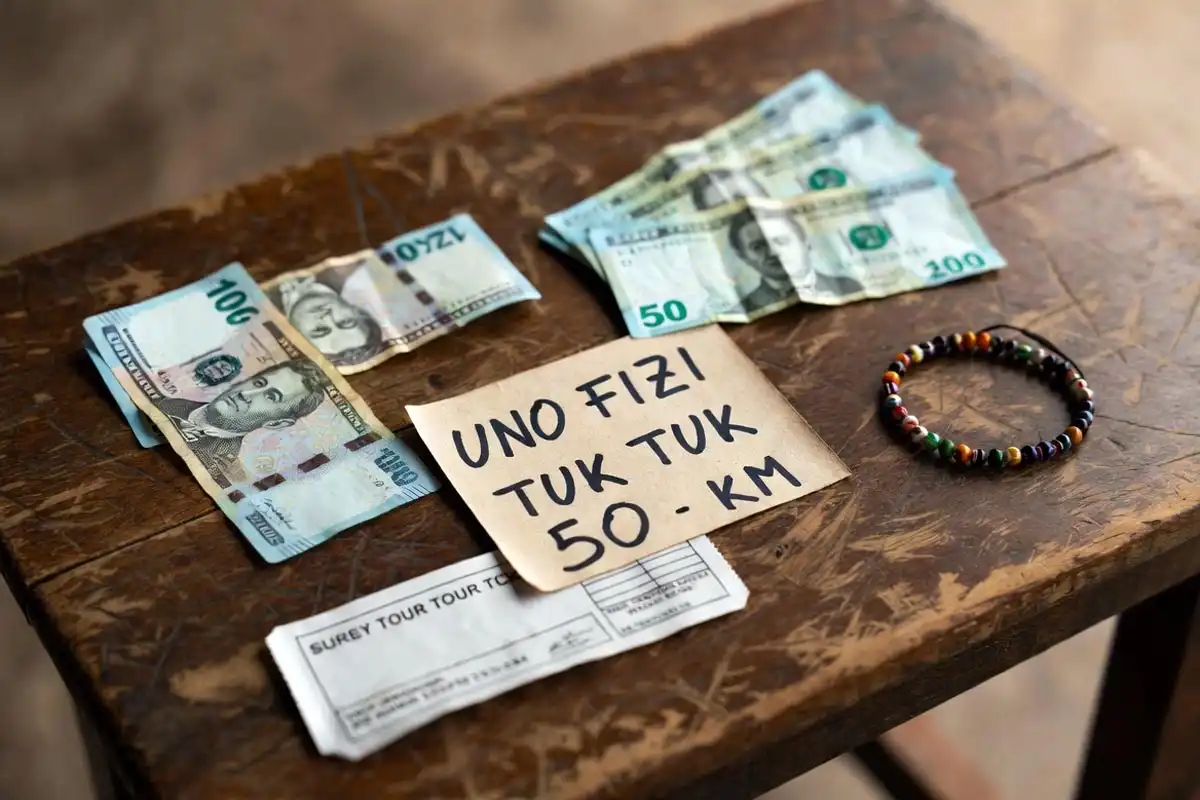
Travel scams fall into several clear categories. Knowing the category helps you spot the setup faster.
Transport scams include taxi drivers with “broken” meters, unlicensed taxis at airports, and drivers who take long routes to inflate fares.
Distraction theft involves someone spilling something on you, bumping into you, or handing you an unsolicited item while an accomplice takes your wallet or phone.
Fake authority figures pose as police officers or government officials. They request to “inspect” your passport or wallet, then demand a fine or steal from you.
Friendship traps involve overly friendly strangers who invite you to a restaurant, tea shop, or bar, then disappear when an inflated bill arrives.
Currency fraud happens at unofficial exchange counters. The operator uses sleight of hand to short-change you or hands you counterfeit notes.
Fake tours and tickets involve sellers at transport hubs or near attractions who offer tickets or guided tours that are counterfeit or nonexistent.
Accommodation bait and switch occurs when a hostel or guesthouse is “full” and a tout steers you to a commission-paying alternative, often lower quality.
Where Do These Scams Appear Most Often?
Scams concentrate where tourists gather and are disoriented.
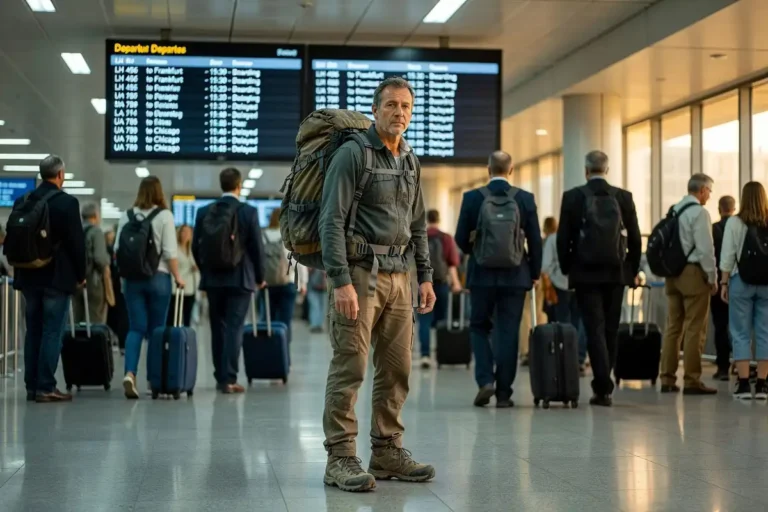
- Airports and border crossings — arrivals halls attract unlicensed taxi operators and fake currency exchangers
- Major tourist landmarks — pickpockets, bracelet-sellers, and fake guides operate near entrances
- Train and bus stations — touts approach confused arrivals with “help” that leads to commissions
- Busy street markets — crowded lanes create conditions for distraction theft
- Restaurant strips near attractions — menus without prices or “tourist menus” with inflated costs
The risk increases when you arrive tired, in a new country after dark, or without a clear plan for getting from the airport to your accommodation.
How to Avoid Travel Scams: Step-by-Step
Step 1: Research Before You Leave Home
Search “[destination] tourist scams” before every trip. Government travel advisory sites and forums like TripAdvisor and Reddit’s travel communities document current, city-specific scams.
Write down the approximate local prices for taxis, bottled water, and a basic meal. This gives you a reference point at the moment someone quotes you an inflated price.
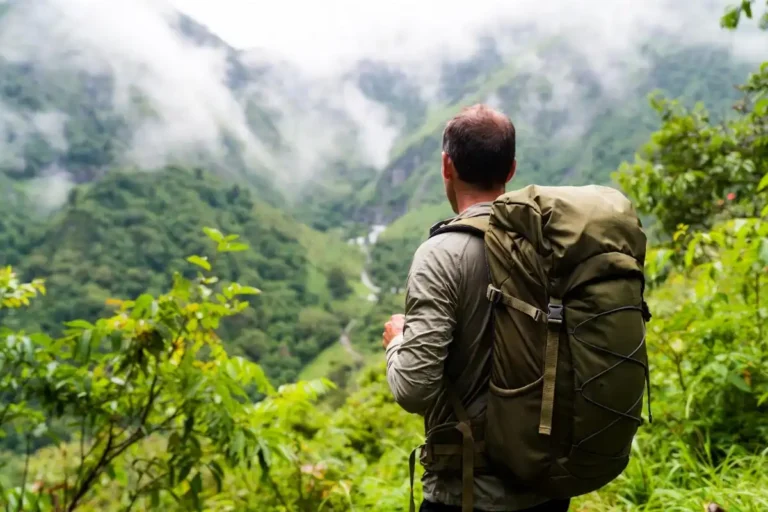
If you’re heading out on a longer outdoor trip, I covered what documents and health preparations you need in my guide on what to prepare for international hiking travel. Scam awareness fits into that same pre-trip checklist.
Step 2: Divide and Protect Your Money
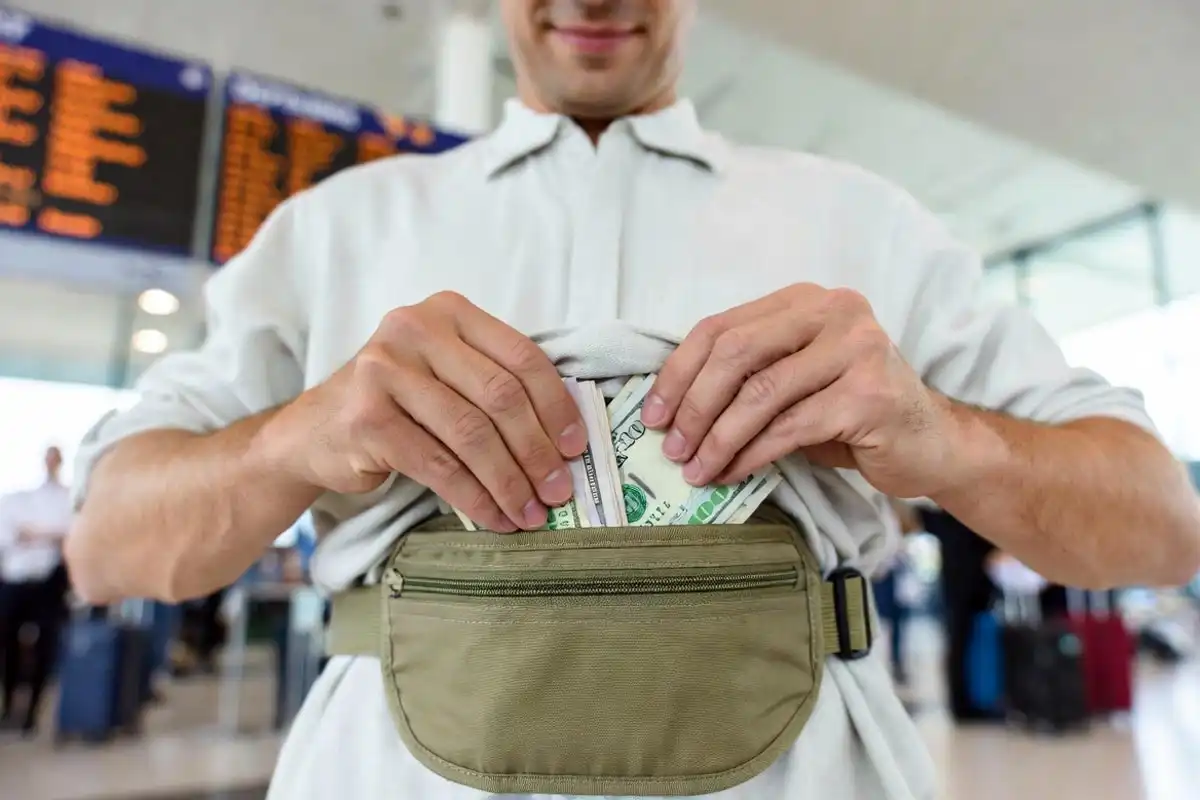
Carry cash across at least three separate locations: a front pocket, a concealed money belt, and your accommodation safe. Never keep all your cash in one wallet.
Use ATMs inside bank branches rather than standalone street machines. Standalone ATMs in tourist zones carry a higher risk of card skimming devices.
Notify your bank before departure. Card blocks at checkout or ATMs in unfamiliar countries create pressure that makes you easier to exploit.
I’ve also written about planning an outdoor trip budget which covers how to structure your spending across different expense categories on a trip abroad.
Step 3: Secure Your Documents
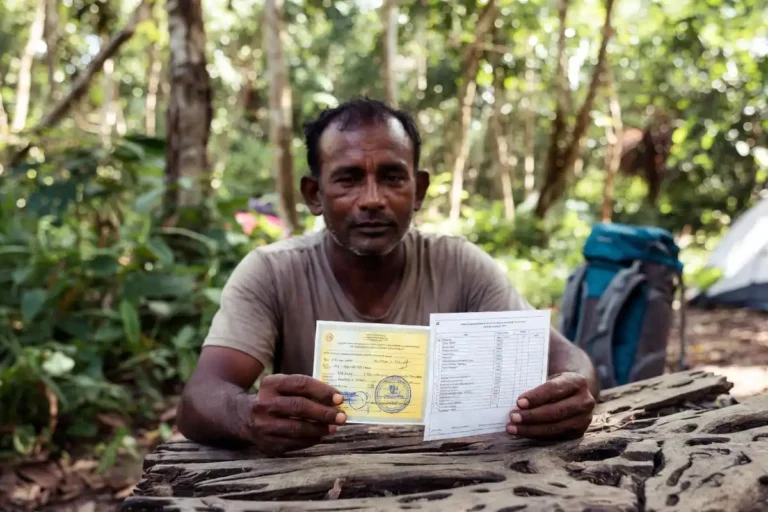
Keep your passport in a hotel safe after check-in. Carry a certified color photocopy for daily use. Some countries legally permit a copy for identity checks; verify this for your specific destination.
Never hand your passport to a stranger on the street, including anyone claiming to be a police officer. A genuine officer will conduct checks at an official location.
Step 4: Use Only Official or Pre-Booked Transport
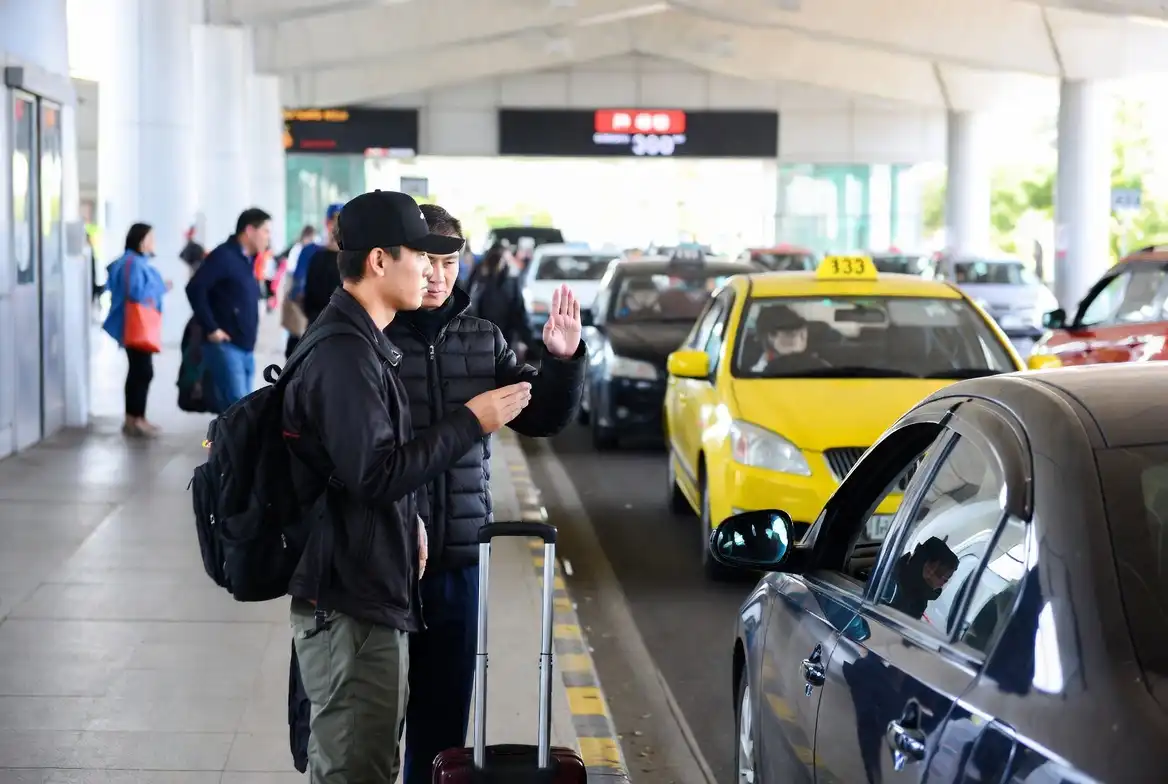
Book airport transfers in advance through your hotel or a verified app. If you take a taxi on arrival, use only licensed vehicles with visible meters and official signage.
Agree on the fare before you enter any unmetered vehicle. State the destination clearly and confirm the price out loud.
Avoid transport touts who approach you inside airports or stations. Walk past them toward the official taxi rank or app pickup zone.
Step 5: Decline Unsolicited Help
If a stranger approaches you unprompted near an attraction and offers to show you something, guide you somewhere, or place something in your hands, decline and walk away.
The friendliness is almost always the setup. The bracelet placed on your wrist “as a gift” becomes a demand for money thirty seconds later. A stranger who guides you to a shop receives a commission at your expense.
Staying situationally aware matters especially when you travel alone. My article on staying safe while traveling solo covers the mindset and habits that reduce risk on any solo trip.
Step 6: Verify Prices Before You Commit
At restaurants near tourist sites, ask for a written menu with prices before ordering. If no menu exists, confirm the price of each item before the food arrives.
At currency exchange counters, use only bank branches or official exchange offices with licensed signage. Count your money before leaving the counter.
For tours, book through your hotel, a verified booking platform, or the official visitor center at the attraction. Verify that your ticket includes a booking reference number.
Common Mistakes Tourists Make
Carrying all cash and cards in one place. A single theft or loss takes everything.
Accepting help they didn’t ask for. Friendliness from strangers near tourist sites carries a cost more often than not.
Ignoring the urgency signal. Any offer that pressures you to decide immediately is worth refusing. Legitimate services do not expire in the next thirty seconds.
Using unmarked currency exchanges. Street-side exchangers operate outside regulation and often use sleight of hand.
Trusting a “tourist information” stand not affiliated with the government. Many are private commission agencies.
Showing your phone or camera in crowded areas. Theft of devices in markets and public transport is common in high-traffic destinations.
What to Do If You Get Scammed
Act quickly. The faster you respond, the better the outcome.
- Report to local police — file a formal report, even if recovery is unlikely. You need the report number for insurance claims.
- Contact your bank or card issuer immediately if cards were involved. Request a freeze and dispute any unauthorized transactions.
- Notify your travel insurer — many policies cover theft and fraud. I wrote a article about what travel insurance pays for on adventure trips in detail, including documentation requirements for claims.
- Contact your embassy or consulate if your passport was taken. Emergency travel documents take one to two business days at most embassies.
- Document everything — write down times, locations, descriptions, and names while your memory is fresh.
FAQs about Avoid Travel Scams Targeting Tourists

Is it safe to use ATMs abroad?
ATMs inside bank branches are generally safe. Avoid standalone ATMs in tourist-heavy outdoor areas or near markets. Check for loose card readers and cover your PIN when entering it.
What should I do if a fake police officer approaches me?
Stay calm and do not hand over your passport or wallet. Ask to see official identification and offer to accompany them to the nearest police station. Real officers accept this; scammers walk away.
How do I know if a tour operator is legitimate?
Verify through your hotel’s front desk, the official attraction visitor center, or a licensed booking platform. Legitimate operators provide written booking confirmations with a business name and contact number.
Are travel scams worse in certain regions?
Scams operate in all major tourist destinations, including Western Europe. The type varies by location. Pickpocketing concentrates in crowded European cities; overcharging is common in transport hubs globally. Research the specific city, not just the country.
Does travel insurance cover scam-related losses?
It depends on the policy. Most travel insurance covers theft and loss of documents. Fraud coverage varies. Review your policy’s definitions of theft versus fraud before departure, and keep all receipts and police report numbers.
Conclusion
Travel scams follow predictable patterns: distraction, urgency, and unfamiliarity. Research before arrival, split your cash, decline unsolicited contact, and confirm prices before committing. These four habits cover the majority of situations you encounter at any popular destination. Getting caught once is a lesson; the second time is avoidable.