How to Choose the Best Season for a Destination Trip With Confidence

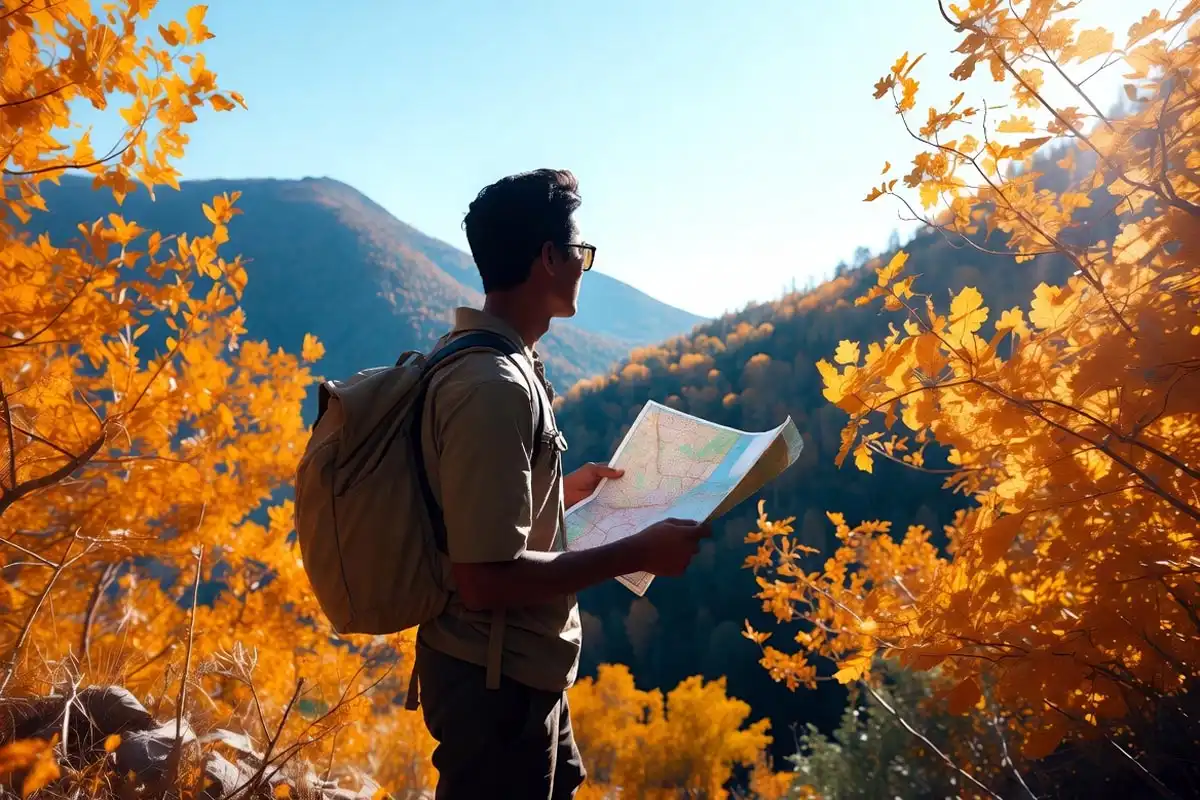
To choose the best season for your destination trip, focus on three things: local weather patterns, crowd levels, and the activities you plan to do. This guide covers how to evaluate each factor for any destination, from mountain treks to beach stays to cultural city tours. I apply this same process before every trip I plan from Rangamati, and it consistently prevents expensive surprises, overcrowded sites, and weather-related disappointments. By the end, you have a clear framework to pick the right travel window every time.
To choose the best travel season for a destination trip, match your activity type with stable weather and low-crowd periods. Research monthly rainfall averages, temperature ranges, and local peak seasons before booking. Shoulder season, the window just before or after peak, reduces accommodation costs while delivering comparable conditions at most popular destinations.
What Factors Determine the Best Travel Season?
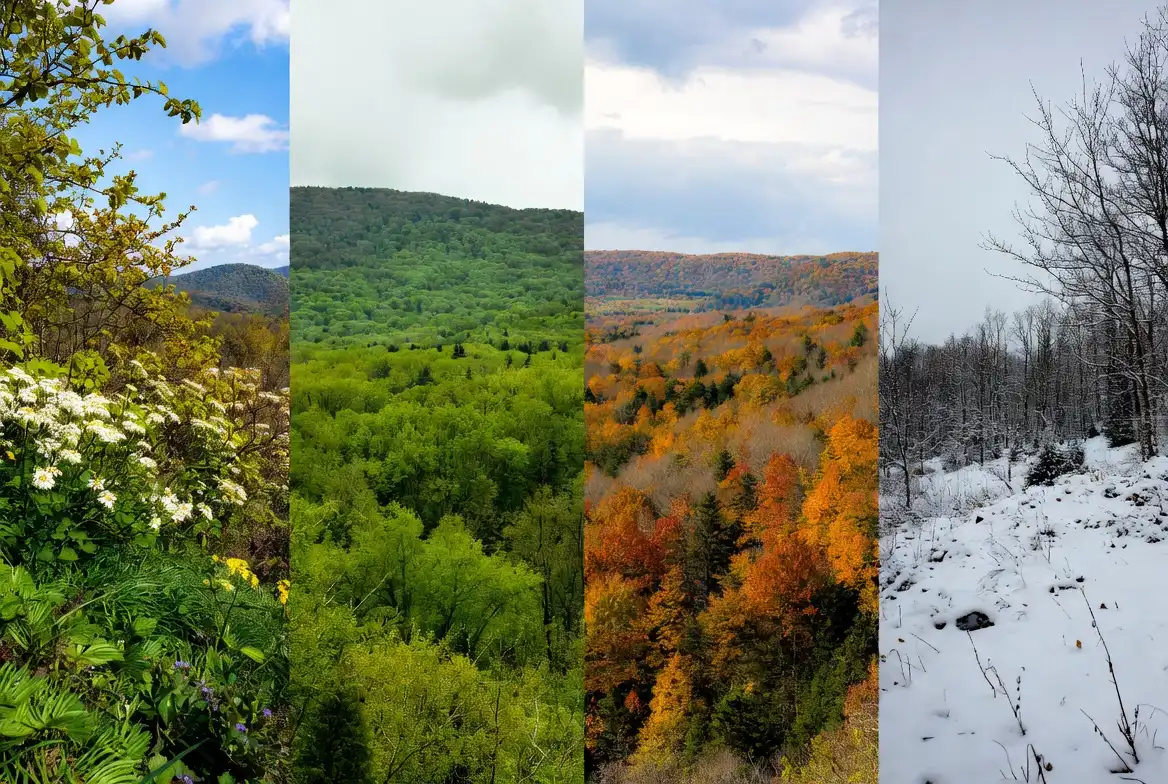
Four core factors influence the right season: weather stability, crowd volume, pricing windows, and local events.
Weather stability affects safety and comfort directly. A monsoon season closes trekking trails, raises river levels, and increases road flood risk. A heat wave pushes outdoor temperatures above safe thresholds for physical activity.
Crowd volume controls your site access and accommodation availability. Peak seasons at popular destinations fill guesthouses weeks in advance. Shoulder seasons deliver noticeably thinner visitor numbers without sacrificing the core experience.
Pricing windows shift based on demand. Flights and hotels cost significantly less during off-peak periods at most destinations. Booking shoulder season captures much of that savings without the weather trade-offs that full off-peak brings.
Local events change both appeal and congestion. A national festival creates cultural value but raises hotel rates sharply. A harvest season opens access to local markets and fresh regional food.
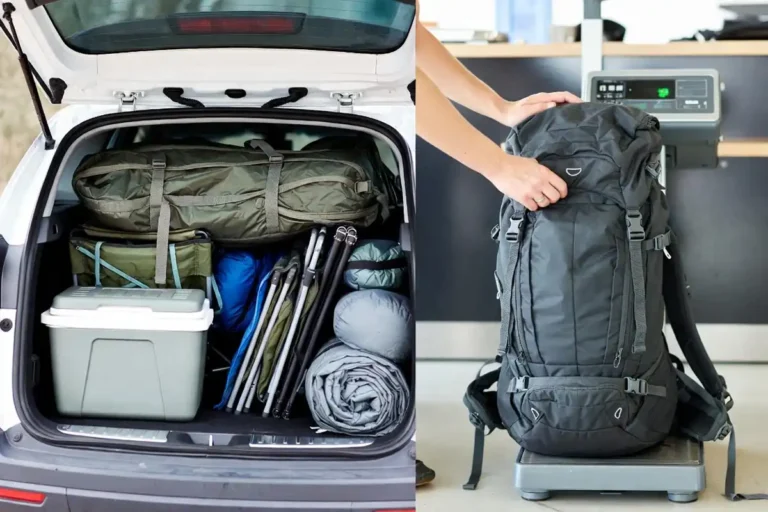
Know more: Pack for a Camping Trip by Car vs by Flight
How Do You Research Seasonal Conditions for Any Destination?
Start with historical climate data, not current forecasts. Current forecasts cover 10 to 14 days. Historical averages reflect 20 to 30-year patterns that predict what to expect month by month.
Three reliable sources for seasonal research:
- National meteorological offices publish monthly rainfall and temperature averages for major regions. These figures reflect recorded data, not estimates.
- Tourism authority websites identify official peak, shoulder, and off-peak seasons. They also flag public holidays and festival dates that affect crowd levels.
- Traveler forums and recent trip reports provide ground-level conditions from the past 12 months. These flag trail closures, transport disruptions, and local changes that official sources miss.
Cross-reference all three sources before confirming your travel window.
For a fuller picture of trip-stage costs across that window, I covered the outdoor trip planning budget framework in detail in this budget planning guide for outdoor travel.
Step-by-Step: How to Choose the Right Travel Season
Step 1: Define Your Activity Type
List the two or three activities that form the core of your trip. Hiking, snorkeling, cultural sightseeing, and wildlife photography each perform best in different seasonal windows. Start with the activities before looking at any calendar.
Step 2: Identify the Weather Window for Those Activities
Each activity has an optimal weather range. Hiking requires dry trails and moderate temperatures. Snorkeling requires clear, calm water with low swell. Wildlife photography peaks during migration or breeding seasons.
Match your activity list to the months that deliver those specific conditions.
Step 3: Compare Crowd and Pricing Data

Look up accommodation prices across 3 to 4 months within your identified weather window. Find the shoulder season: the weeks just before or after peak when weather remains stable but prices and visitor numbers decrease.
Booking this window typically delivers the strongest value-to-experience ratio.
Step 4: Verify the Local Event Calendar
Search the destination’s official tourism calendar for your target months. Flag any events that add value, such as cultural festivals or wildlife migrations, and any that create congestion, such as national holidays, marathons, or large conferences.
Step 5: Confirm Seasonal Access and Infrastructure
Some destinations have hard access restrictions tied to season. Mountain passes close in winter. Island ferry services reduce in low season. National parks cap daily visitor numbers during peak months.
Confirm that roads, ferries, permits, and guides remain available in your chosen window before purchasing flights.
Step 6: Book 8 to 12 Weeks Ahead for Shoulder Season
Shoulder season books faster than most travelers expect. Popular guesthouses and guided tours fill 8 to 10 weeks before the travel date at most mid-tier destinations. Waiting until 4 weeks out often leaves limited options.
Which Season Works Best by Trip Type?
Mountain and Trekking Trips
Spring (March to May) and autumn (September to November) deliver the strongest trekking conditions at most mountain destinations in the Northern Hemisphere. These months provide dry trails, stable temperatures, and clear summit views.
Summer brings lush vegetation but also monsoon risk across many Asian mountain ranges. Winter closes high-altitude routes and introduces serious cold and avalanche hazard.
If your trek passes through high-heat lowland sections, the techniques I covered in this guide on hiking safely in extreme heat apply directly to warm-season approaches on any trail.
Beach and Coastal Trips
Dry season delivers calm seas and low humidity at most coastal destinations. The specific dry season months vary by hemisphere and ocean exposure.
For Southeast Asian beaches, dry season runs November to April across most Gulf of Thailand and Andaman Coast destinations. Avoid the monsoon core months (June to September) for snorkeling and open-water activities. Swell increases and underwater visibility drops significantly.
Cultural and City Tours
Spring and autumn provide comfortable urban touring conditions at most temperate city destinations. Temperatures stay moderate and rainfall stays low.
Avoid major national holidays unless the cultural event is your specific purpose. Cities compress with domestic tourists during these windows, which fills transport links and accommodation fast.
Wildlife and Safari Trips
Each ecosystem has a specific viewing window tied to migration, breeding, or dry season water concentration.
African savanna safaris peak during dry season (June to October at most East and Southern African parks) when animals concentrate around water sources. Amazon wildlife viewing improves during low-water season (June to November) when riverbanks expose animal movement.
Research the specific migration or breeding calendar for your target species before selecting months.
What Travel Season Mistakes Do Most People Make?
Booking around school holidays instead of weather: School holiday windows represent peak pricing and crowds. They rarely align with the optimal weather window. Booking outside school holidays saves money and improves the experience at most destinations.
Assuming peak season means best conditions: Peak season reflects the most popular travel period, not always the best weather. Shoulder seasons deliver comparable conditions with fewer visitors at most sites.
Ignoring microclimate differences within a country: Large countries contain multiple climate zones. Northern Thailand experiences a cool, dry winter while southern Thailand receives heavy rain from November to January. Treating one country as a single climate zone produces poor planning.
Underestimating monsoon impact on logistics: Monsoon rain does not mean rain all day. Most monsoon destinations receive heavy downpours for 2 to 4 hours then clear. However, monsoon conditions flood roads, close trails, and cancel boat and ferry services. Those logistics failures create larger problems than the rain itself.
Skipping shoulder season entirely: Many travelers choose peak or off-peak and overlook the shoulder window completely. Shoulder season combines acceptable weather with lower costs and thinner crowds. It delivers the strongest balance at most destinations.
How Do You Stay Safe When Traveling in Non-Peak Seasons?
Off-peak and shoulder seasons reduce crowds but introduce different risks. These steps help you prepare before you leave.
Confirm infrastructure availability: Ferry routes, mountain roads, and national park facilities run on reduced schedules in low season. Verify schedules 2 to 3 weeks before travel, not the day before.
Carry weather-appropriate gear: Shoulder season weather shifts faster than peak season at most mountain and coastal destinations. Pack a rain layer, sun protection, and temperature-layering options regardless of the forecast.
Tell someone your itinerary: Low-season travel means fewer tourists on trails and in remote areas. I covered the full safety communication framework in this solo camping safety guide, and the same principles apply to solo destination trips in thin-season conditions.
Save local emergency contacts before arrival: Tourist assistance centers operate reduced hours in low season. Save the local emergency number, your accommodation contact, and your home country’s embassy number before you land.
You can also find a broader collection of destination planning resources in the travel planning section of OutdoorAwaits.
FAQs about Best Season for a Destination Trip

What is the cheapest season to travel to most destinations?
Off-peak season delivers the lowest prices. Flights and accommodation drop noticeably when tourist demand falls. The exact months vary by destination, but it typically falls 4 to 8 weeks outside the main peak window.
Is shoulder season better than peak season?
For most travelers, yes. Shoulder season offers lower prices, thinner crowds, and weather that remains close to peak conditions. It runs 2 to 4 weeks on either side of the peak period.
How far ahead should I book shoulder season travel?
Book flights 8 to 12 weeks ahead and accommodation 6 to 8 weeks ahead. Popular shoulder season spots fill faster than most travelers expect, especially guided tours and well-reviewed guesthouses.
Does weather vary within the same country?
Yes, significantly. Large countries like India, Thailand, and Australia contain several distinct climate zones. Always research the specific region you plan to visit, not just the country as a whole.
Conclusion
Choosing the right season requires three steps: match your activities to a stable weather window, find the shoulder period within that window, and verify logistics before booking. That process takes 2 to 3 hours of research and prevents the majority of costly travel mistakes.
I apply this framework before every trip, from day hikes near Kaptai to longer destination travel. It consistently produces better conditions, lower costs, and less crowded sites than choosing based on habit or calendar alone.
Start with your activity list, work backward to the weather window, then check pricing and crowd patterns. That sequence identifies the best travel season for any destination.