How to Deal with Mosquitoes on Trails Before Your Next Hike
Mosquitoes on trails follow predictable patterns, and targeted preparation stops most bites before they start. This guide covers repellent selection, protective clothing, trail timing, campsite placement, and bite-response steps so you have a complete action plan from trailhead to tent. I’ve hiked trails through the hill forests of Rangamati where mosquito pressure runs high from April through October, and every method here reflects what consistently works under heavy-bite conditions.
To deal with mosquitoes on trails, apply an EPA-registered repellent containing DEET (20–30%) or picaridin (20%) before hitting the trail. Wear light-colored, long-sleeved, tightly woven clothing. Hike during midday when mosquito activity decreases. Avoid standing water, boggy terrain, and dense canopy. Treat bites promptly with soap, water, and hydrocortisone cream to prevent scratching-related infection.
Why Do Mosquitoes Target Hikers on Trails?
Female mosquitoes detect hikers through carbon dioxide, body heat, and lactic acid from sweat. Mosquitoes detect carbon dioxide from a hiker’s breath from up to 50 feet away. They also respond to body heat, lactic acid in sweat, and dark-colored clothing.
Standing water produces the highest trail mosquito density. Puddles, bog crossings, and slow-moving stream edges all serve as active breeding sites.
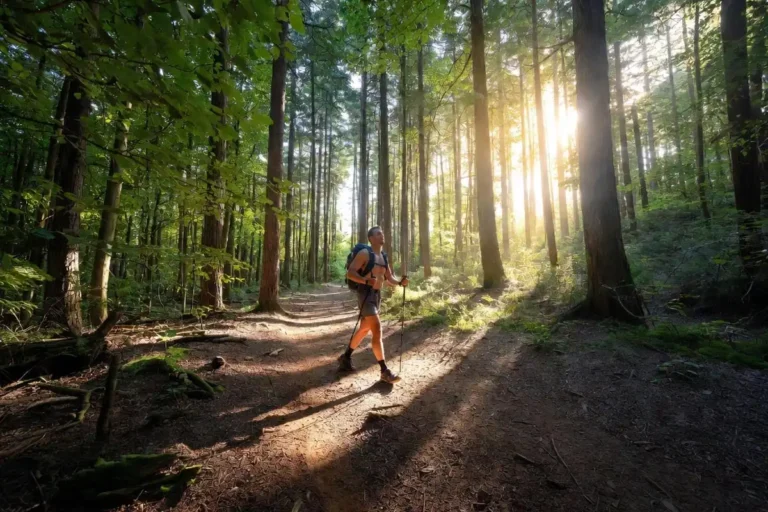
Dense tree canopy traps humidity close to the ground. High humidity extends mosquito feeding activity well beyond the dawn and dusk windows.
Learn more: Plan a Day Hike to Avoid Getting Lost with 5 Key Checks
When Mosquitoes Are Most Active on Trails
Mosquitoes peak at dawn and dusk. Activity decreases sharply during midday when temperatures exceed 80°F (27°C) and UV exposure increases.
After heavy rain, mosquito populations increase within 7 to 10 days as standing water accumulates in low terrain. Spring and early summer produce the highest trail pressure in temperate regions.
Wind speeds above 10 mph reduce mosquito flight significantly. Exposed ridgelines and open trail sections carry lower bite pressure than valley floors and creek corridors.
Where on Trails Mosquitoes Concentrate
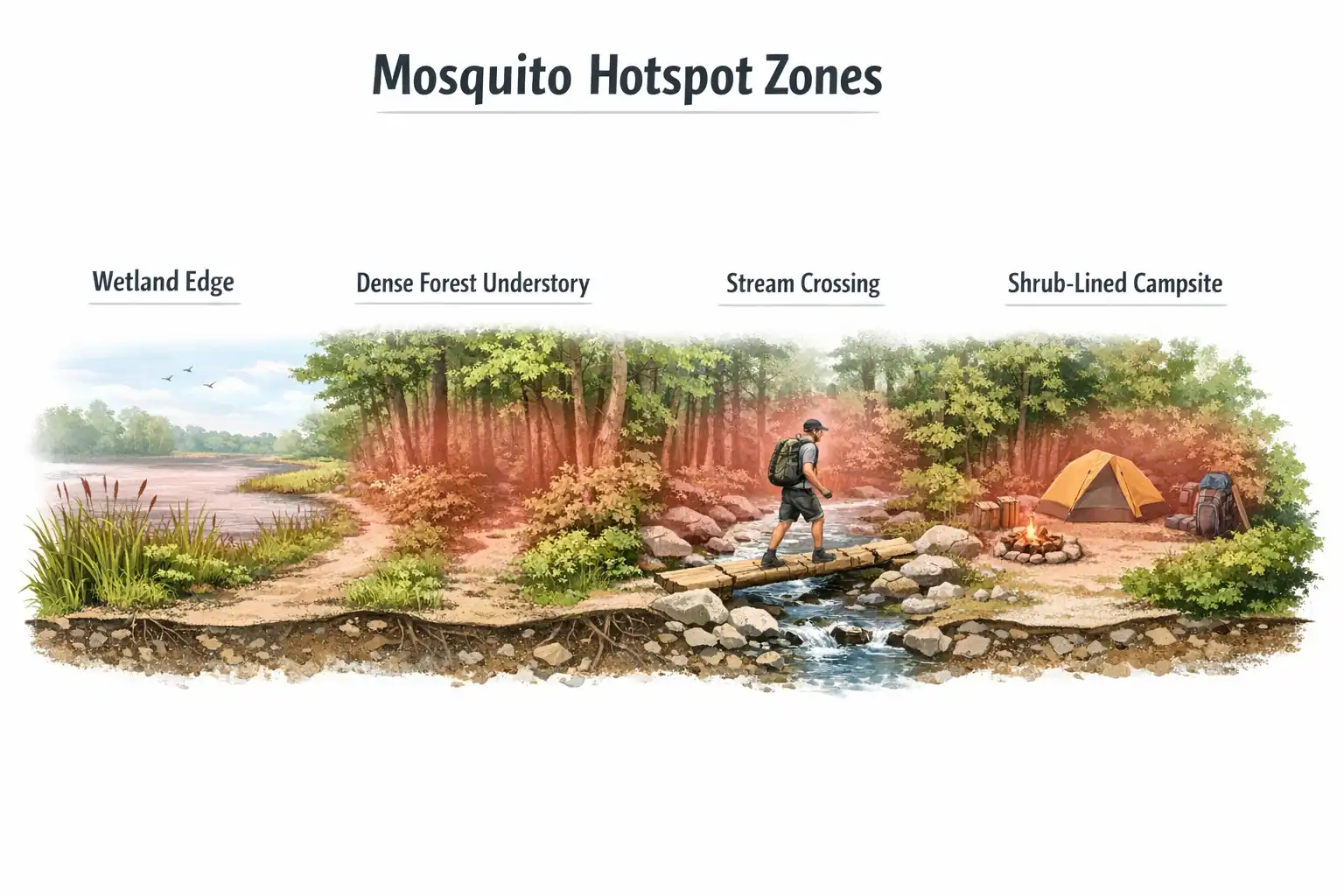
Mosquitoes concentrate in four specific trail environments:
- Wetland edges and bog crossings — standing water within 300 feet increases bite frequency
- Dense forest understory — low light and high humidity support longer feeding windows
- Stream and river crossings — slow-moving water and shaded banks support high populations
- Campsites near tall vegetation — grass and shrubs provide resting cover between feedings
Knowing these zones helps you plan your pace and gear up before entering them rather than reacting after bites start.
How to Deal with Mosquitoes on Trails: Step-by-Step
Step 1: Apply Repellent Before You Start
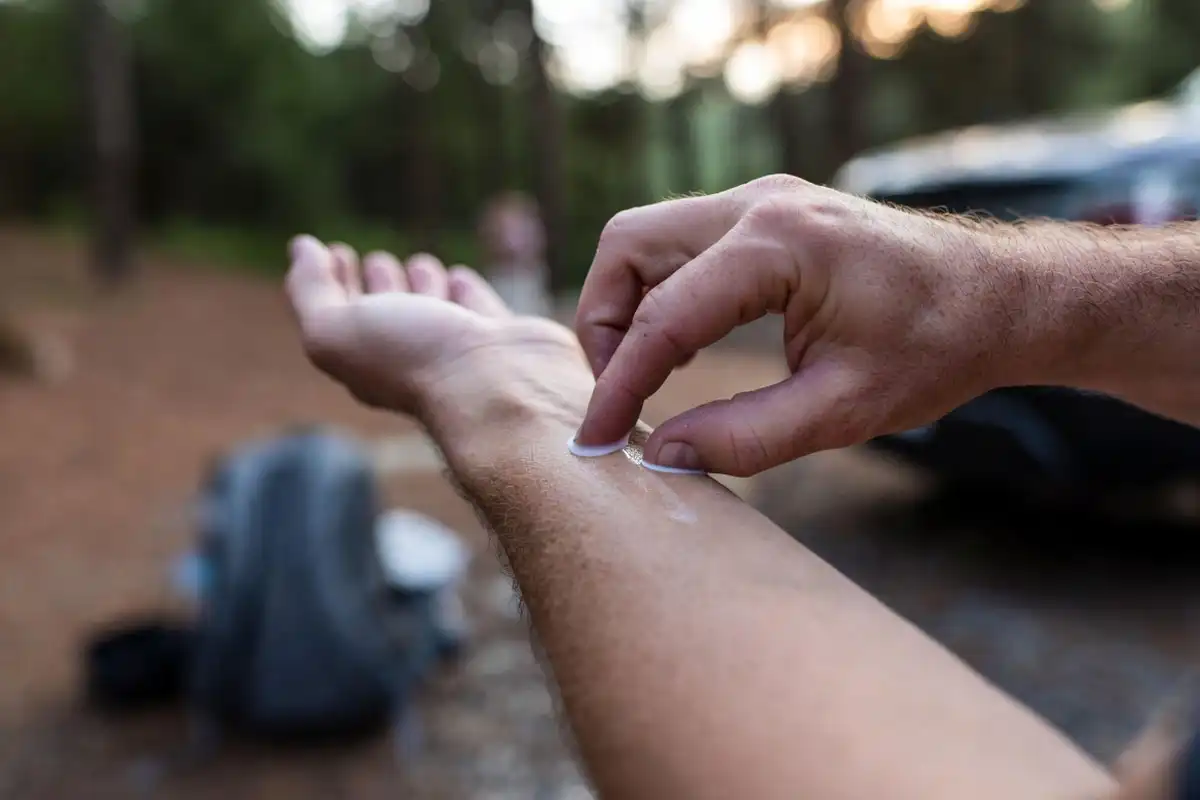
Apply repellent at home or at the trailhead. Skin needs 10 to 15 minutes to absorb the active ingredient fully before trail entry.
Repellent options by active ingredient:
| Active Ingredient | Protection Duration | Best Use Case |
|---|---|---|
| DEET 20–30% | 5–8 hours | All-day hikes, high-pressure zones |
| Picaridin 20% | 8–12 hours | Sensitive skin, gear-safe use |
| IR3535 20% | 4–8 hours | Moderate exposure hikes |
| Oil of lemon eucalyptus (OLE) | 4–6 hours | Mild conditions |
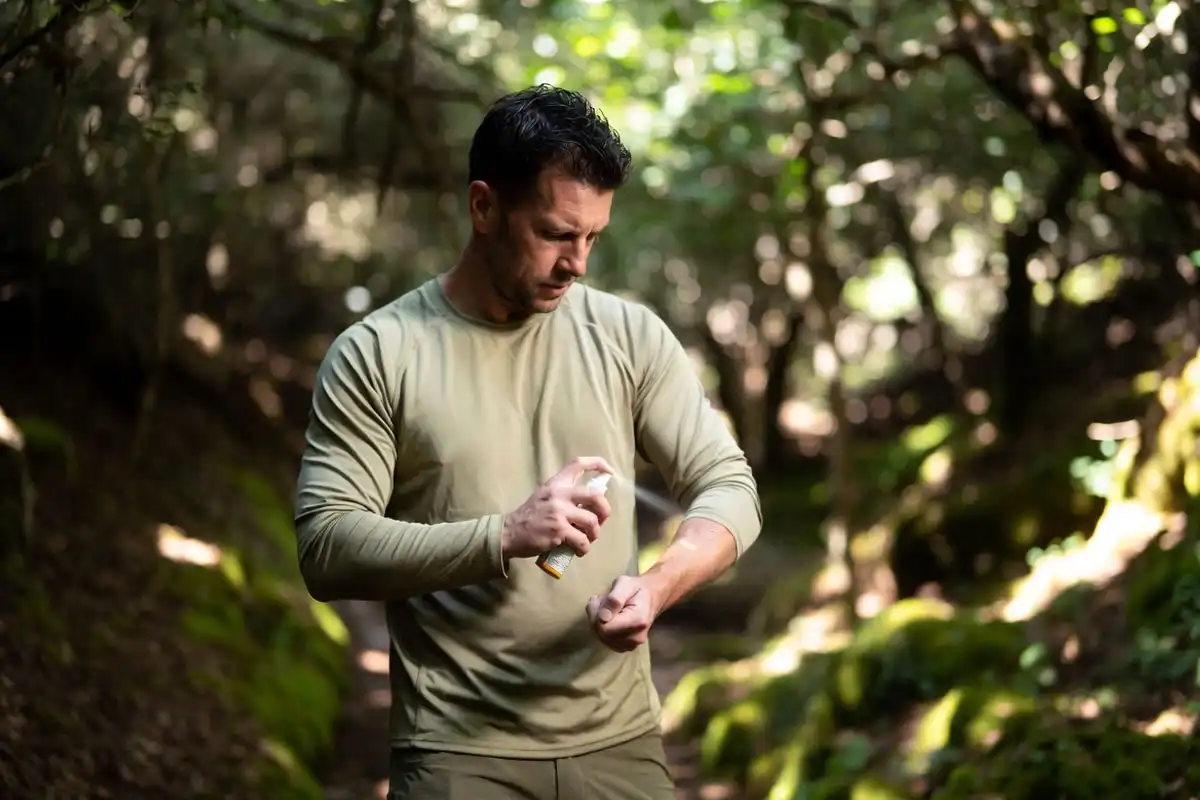
Apply repellent to all exposed skin. Cover the back of the neck, ears, and wrists. These are the spots hikers miss most consistently.
Do not apply repellent under clothing. Clothing blocks bites; repellent on skin handles the gaps between fabric edges.
Step 2: Dress for Protection
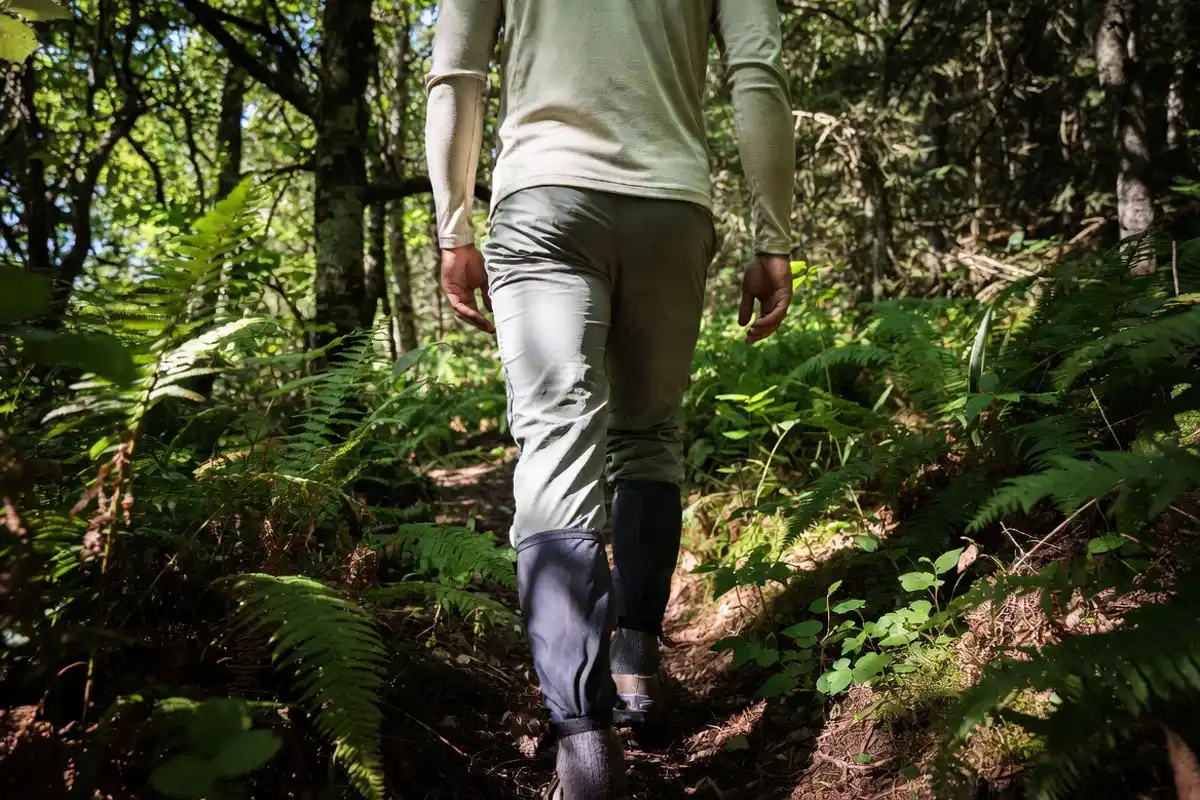
Light-colored clothing reduces mosquito attraction. Mosquitoes locate targets visually using dark contrast against a background.
Wear long sleeves and long pants on mosquito-heavy sections. Tightly woven fabric — nylon or polyester — blocks more bites than loose cotton weaves.
Treat clothing with permethrin for extended protection. Permethrin-treated fabric repels and kills mosquitoes on contact and survives 6 to 10 wash cycles.
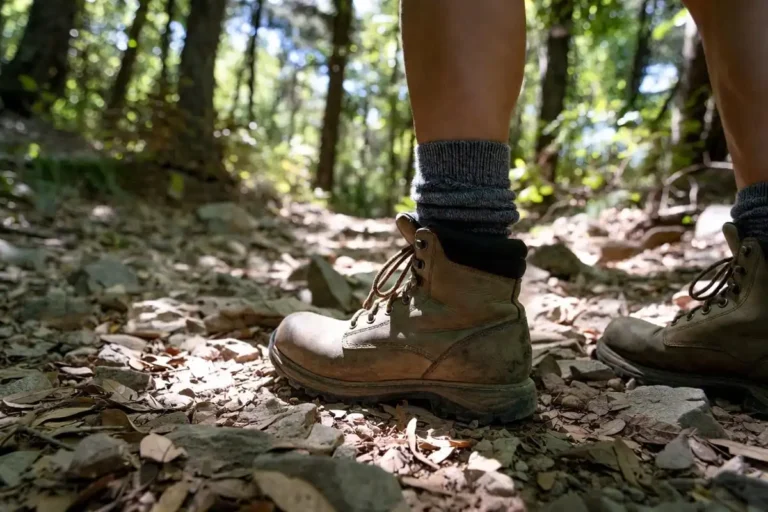
Tuck pants into socks on wetland and forest trails. This eliminates the ankle and lower-leg gap that produces a high share of trail bites.
Since covering up also builds heat, I covered how to balance clothing and temperature management in a detailed guide on hiking safely in extreme heat — those ventilation principles apply here too.
Step 3: Time Your Hike Strategically
Start hikes between 10 a.m. and 3 p.m. to avoid peak dawn and dusk mosquito windows.
Plan rest breaks on open, breezy terrain rather than shaded, humid areas. Ridgelines and rocky viewpoints carry lower mosquito pressure than valley floors.
If the hike requires a dawn start for summit timing or cool-weather preference, double the repellent application and cover all exposed skin before leaving the vehicle.
Step 4: Choose Campsites with Lower Mosquito Exposure
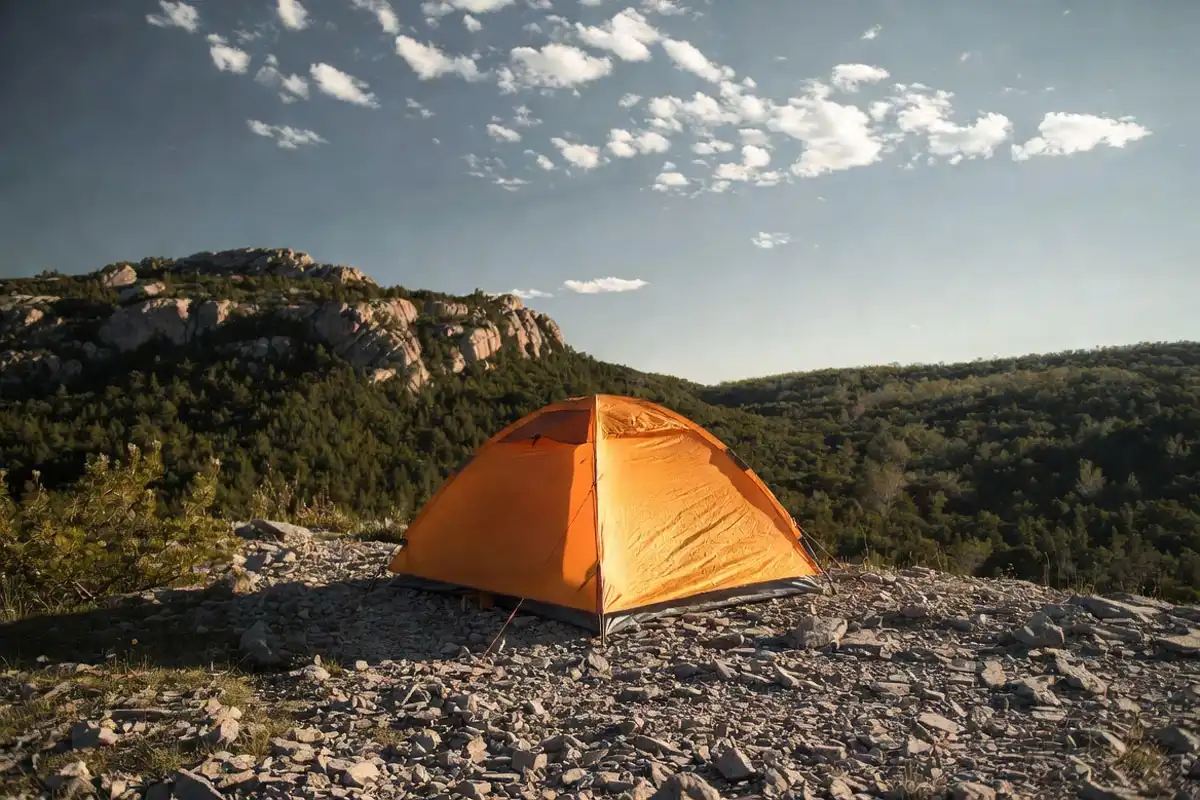
Set up camp at least 200 feet from standing water, stream banks, and boggy ground.
Elevated terrain with airflow reduces ground-level mosquito density. Even a 20-foot elevation gain above a valley floor produces a noticeable drop in bite pressure.
I covered smart campsite scouting in detail in an earlier article on choosing a campsite when you arrive late — the same terrain-reading approach helps identify low-mosquito spots.
Use a tent with fully sealed mesh. A no-see-um mesh with openings under 1 mm blocks mosquitoes while maintaining airflow.
Step 5: Manage Scent and Sweat
Mosquitoes respond to lactic acid on sweat-covered skin. Wiping down with a damp cloth at rest stops reduces surface lactic acid concentration.
Avoid scented soaps, shampoos, and lotions before hiking in high-activity mosquito zones. Floral and fruity scents increase mosquito attraction.
Use unscented sunscreen on exposed skin. It reduces surface fragrance while maintaining UV protection on open trail sections.
Step 6: Treat Bites Promptly
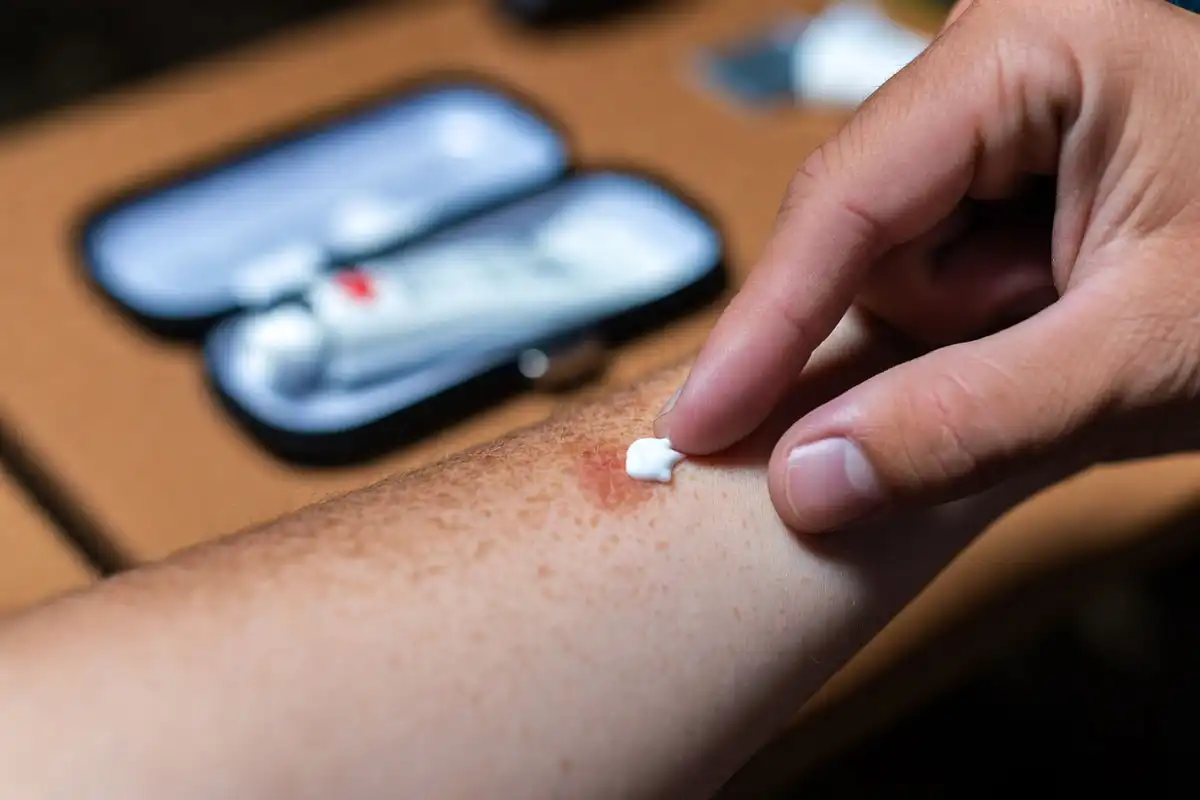
Clean a mosquito bite with soap and water within the first few minutes. This reduces surface bacteria that worsen inflammation.
Apply hydrocortisone cream or calamine lotion to reduce itching. Avoid scratching — it breaks the skin and allows bacterial entry.
I covered general wound and skin care for trail situations in an earlier piece on treating minor cuts and blisters at camp, and the same cleaning and monitoring steps apply to infected bite sites.
Natural Repellents on Trails: What Works and What Doesn’t
Natural repellents provide shorter protection periods than synthetic options. They work in moderate conditions but require more frequent reapplication.
Oil of lemon eucalyptus (OLE) contains PMD (para-menthane-3,8-diol). The CDC recognizes OLE as an effective mosquito repellent and rates it for 4 to 6 hours of protection.
Citronella provides around 20 minutes of protection on open skin. It performs better as a spatial deterrent at camp — candles and coils — than as a personal trail repellent.
Neem oil repels some mosquito species for 2 to 3 hours. It carries a strong odor and works better as a supplemental layer than as a standalone option.
Do not rely on natural repellents alone in high-pressure zones, during peak tropical season, or in malaria-endemic areas.
Trail Gear That Reduces Mosquito Exposure
Mosquito head nets weigh under 1 oz and provide full facial coverage on heavily infested trails. They fold to pocket size and fit over any hat brim.
Gaiters seal the ankle and lower leg gap. They add protection on forest and wetland trail sections without adding significant pack weight.
Buff or neck gaiter seals the neck and chin area, which standard shirt collars leave exposed.
At camp, staying near a fire reduces mosquito approach. I keep a campfire cooking set in my pack, and cooking over open flame at dinner time naturally keeps mosquito pressure lower around the eating area — smoke disrupts their CO2 detection.
Common Mistakes Hikers Make
Applying repellent over sunscreen reduces effectiveness. Apply sunscreen first, wait 10 minutes, then apply repellent over the top.
Using DEET above 30% does not increase protection duration. Higher concentrations increase skin absorption without proportional benefit.
Forgetting reapplication reduces coverage. Most repellents need reapplication every 4 to 8 hours, or immediately after water crossings and heavy sweating.
Camping in low-lying areas increases exposure. Valley floor campsites collect cold, humid air that extends mosquito active hours into late evening.
Wearing dark clothing in forest environments increases bite frequency. Dark blues, blacks, and reds contrast sharply against green backgrounds and attract more mosquito attention.
Safety Considerations
DEET Safety
DEET concentrations of 10 to 30% are safe for adults when applied as directed. The American Academy of Pediatrics recommends a maximum of 30% DEET for children over 2 months old.
Do not apply DEET to hands, near eyes, or on broken or irritated skin.
Mosquito-Borne Disease Risk
Mosquitoes transmit diseases including West Nile virus, dengue fever, Zika virus, malaria, and chikungunya. Risk levels vary by region and season.
Check CDC or WHO regional advisories before hiking in tropical or subtropical areas. Repellent use reduces but does not eliminate disease transmission risk.
If you develop fever, headache, joint pain, or rash within 2 weeks of a trail hike in an endemic area, see a doctor and mention mosquito exposure.
Allergic Reactions to Bites
Some hikers develop papular urticaria — a stronger allergic response that produces raised welts lasting several days.
Antihistamines such as cetirizine or loratadine reduce reaction severity. Hikers with known strong reactions benefit from carrying oral antihistamines on every trail outing.
I covered building a practical safety kit for solo outings in an earlier guide on staying safe while camping alone, which includes the medical supplies that handle bite reactions in the field.
Troubleshooting When Standard Methods Stop Working
Repellent washes off in high humidity — switch from spray to a gel or lotion formulation. Gels adhere better to moist skin and last longer between applications.
Mosquitoes bite through thin clothing — add a permethrin treatment or switch to a tightly woven synthetic fabric. Loose-weave fabrics allow proboscis penetration through the gaps.
Evening camp remains heavily infested — move camp at least 300 feet uphill and away from water. If relocation isn’t possible, use a head net and close all tent openings before 5 p.m.
Children react to strong repellents — picaridin 10–20% tolerates better with children than DEET and provides equal protection for most mosquito species.
Conclusion
Mosquitoes on trails respond to predictable conditions, and a layered approach covers all of them. DEET or picaridin repellents, protective clothing, smart trail timing, and elevated campsite selection reduce bites by a wide margin. Combine these methods rather than relying on any single one.
The forests around Kaptai and Rangamati taught me early that no single trick handles the mosquito problem fully. Layer your protection, know where and when they concentrate, and keep your bite response clean and fast. That combination keeps the hike comfortable and the health risk low.