How to Hike in the Rain and Stay Dry Without Overheating

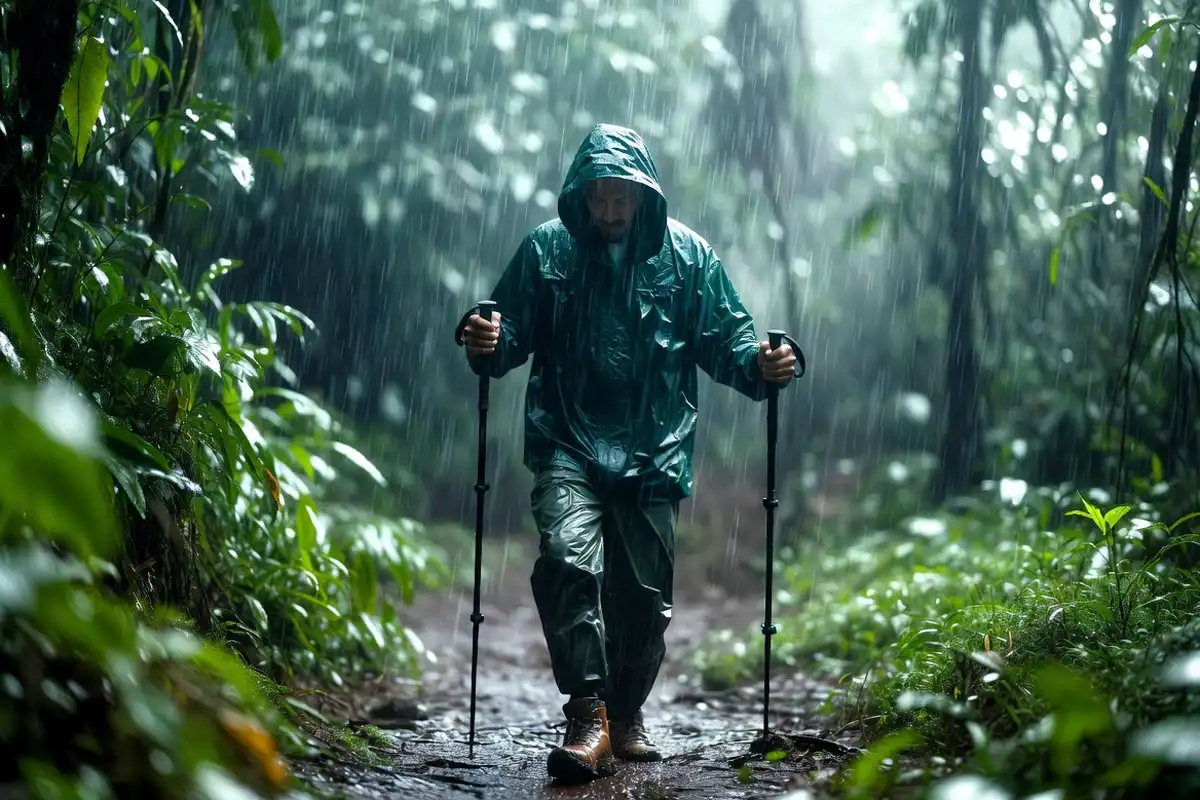
A hike in the rain stays comfortable when you choose breathable waterproof layers, manage your body heat before it builds, and stay dry without overheating. This guide covers gear selection, layering strategy, pacing, ventilation, and foot care, so you finish a wet trail without soaked clothes or heat trapped under your shell. I’ve hiked through heavy monsoon trails in Kewkradong and learned which choices carry real weight. Whether you face drizzle or a full downpour, the steps here give you a clear system to stay dry and regulate heat on any rainy trail.
To hike in the rain without overheating, wear a breathable waterproof jacket with pit zips over a moisture-wicking base layer. Add waterproof pants and waterproof boots. Slow your pace by 10 to 15 percent on wet terrain. Open vents before your core feels hot, not after. Cover your pack with a rain cover. These steps together block rain from outside and release heat from inside.
What Gear Do You Need for Hiking in the Rain?
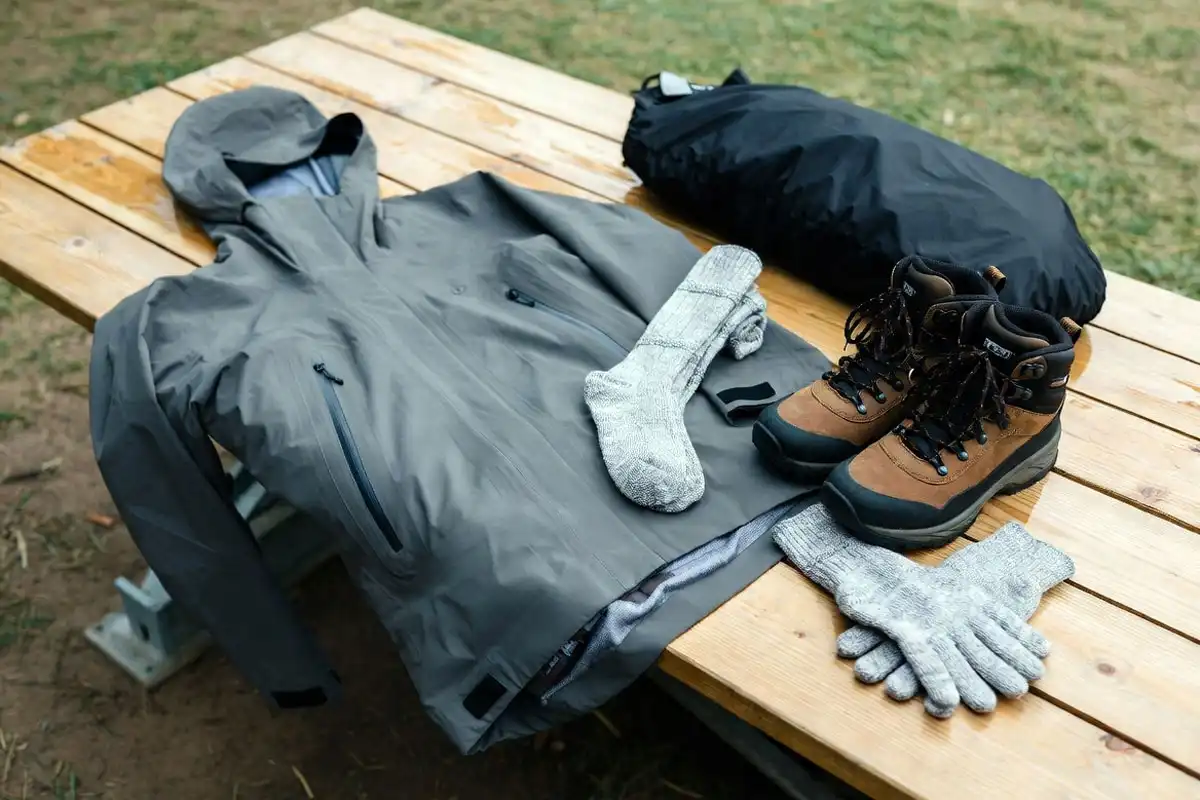
Four gear categories form the foundation of a dry rainy hike: a rain jacket, rain pants, waterproof footwear, and pack protection.
Rain jacket: Choose a jacket with a DWR (durable water repellent) coating and pit zips or underarm vents. Pit zips release trapped heat without exposing your torso to rain.
Base layer: Merino wool or synthetic fabrics pull sweat off your skin. Cotton absorbs moisture from both sweat and rain, so avoid it entirely on wet trails.
Rain pants: Lightweight waterproof pants prevent soaked legs. Wet legs cause chafing and accelerate heat loss on long hikes.
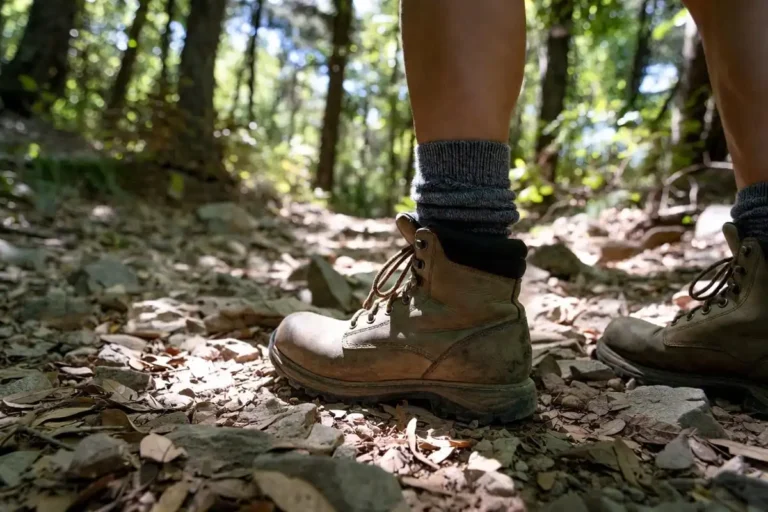
Footwear: Waterproof boots with a membrane lining keep feet dry in rain and shallow puddles. Pair them with gaiters on flooded or muddy trails.
Pack cover: A fitted rain cover protects your gear inside the main compartment. Some packs include a built-in cover in the base pocket.
How Does Layering Keep You Dry Without Overheating?
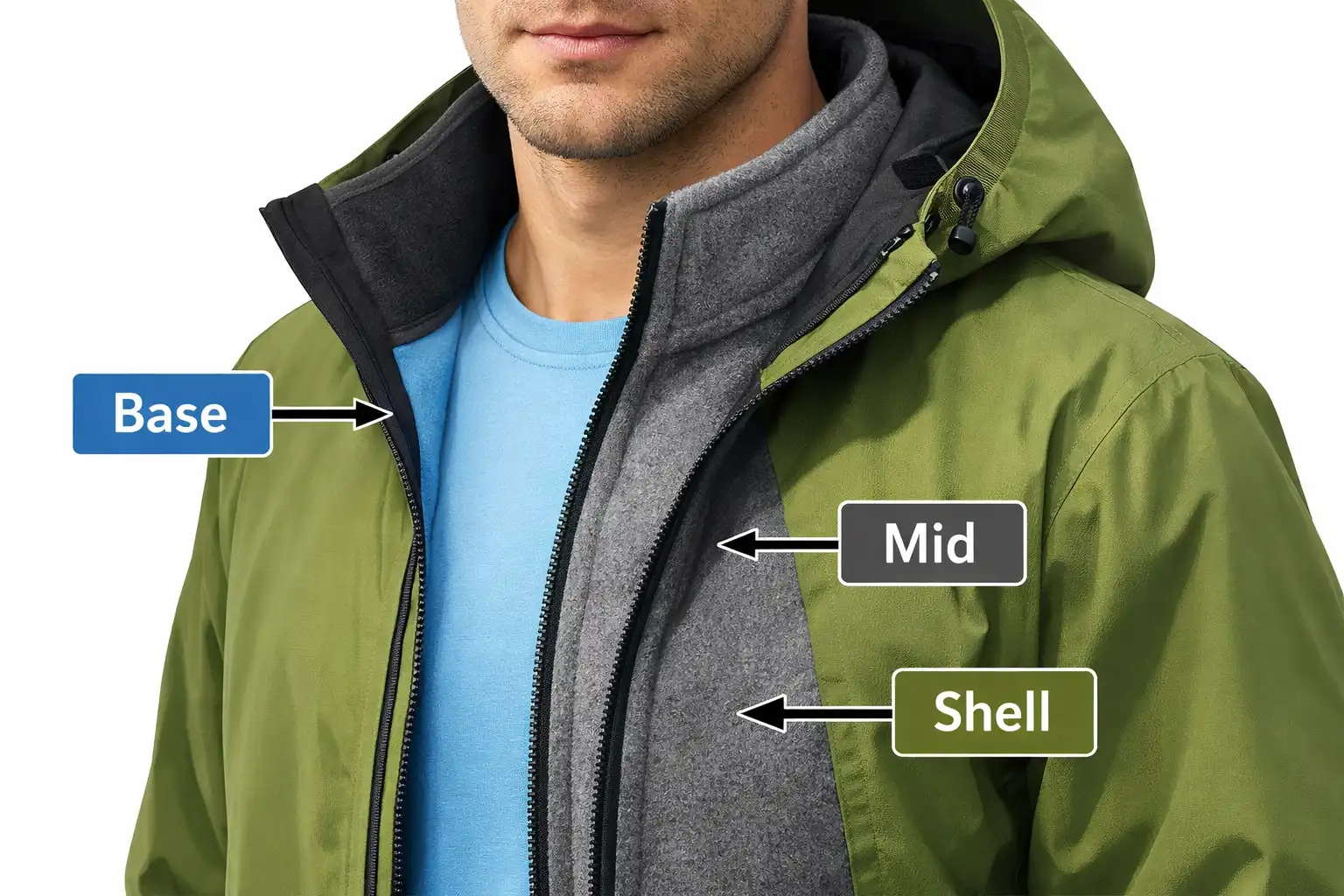
A three-layer system controls moisture and temperature together. Each layer handles one job.
Layer 1 (base): A moisture-wicking synthetic or merino wool shirt pulls sweat away from skin. This layer prevents that cold, clammy feeling from internal moisture.
Layer 2 (mid): A thin fleece or insulating layer retains warmth on cold, rainy days. Skip this layer when temperatures stay above 15°C (59°F).
Layer 3 (shell): A breathable, waterproof rain jacket blocks incoming rain and releases internal vapor. Jackets rated at 10,000mm hydrostatic head or higher provide reliable waterproofing across most trail conditions.
When body heat builds on a climb, remove or vent the mid layer first. Never pull off your shell in active rain.
Step-by-Step: How to Hike in the Rain Without Getting Soaked
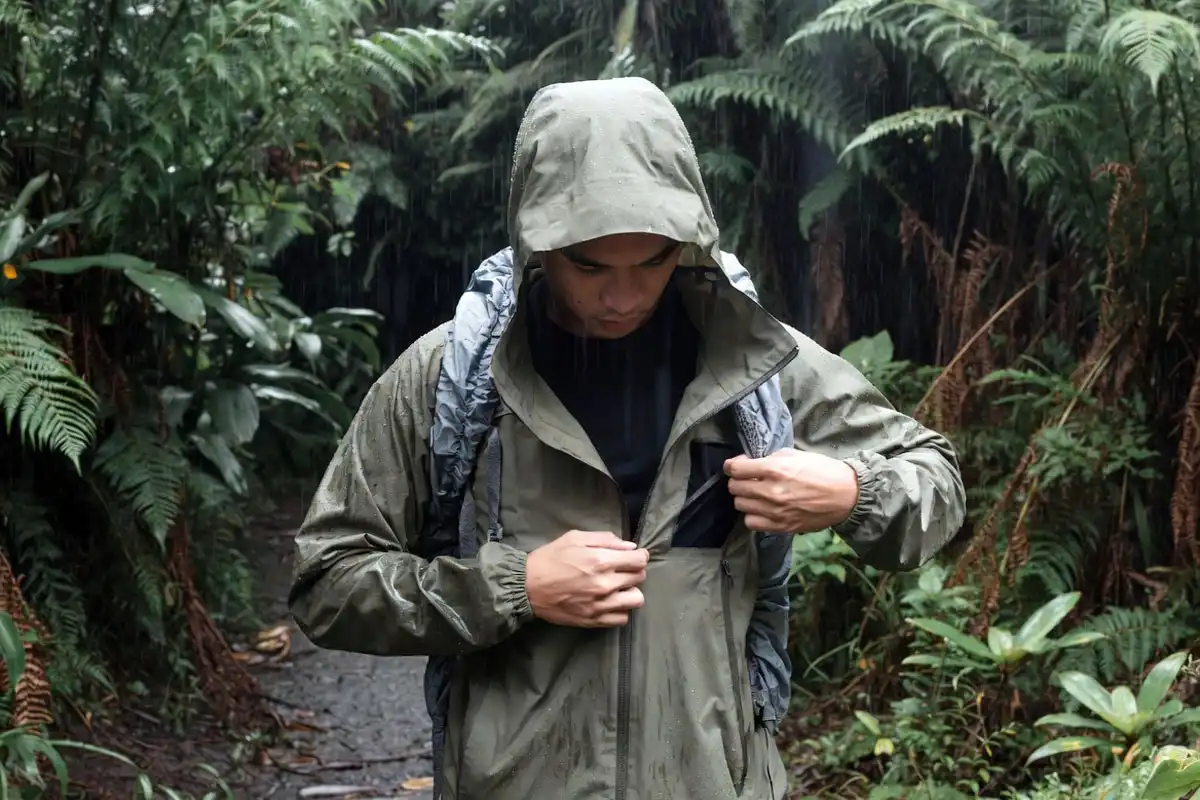
Step 1: Check the forecast before you leave. Know whether you face light drizzle, steady rain, or a storm. Heavy storms with lightning require a shelter plan. I wrote about building a simple shelter in sudden rain as a standalone skill worth knowing before you head out.
Step 2: Start with your moisture-wicking base layer. Put it on before you reach the trailhead. Starting with dry, breathable fabric next to skin gives your layering system the best chance to work.
Step 3: Add your mid layer if temperatures drop below 15°C. A thin fleece adds warmth without bulk. Pack it away if the rain feels warm and humid.
Step 4: Dress in your rain jacket and pants at the trailhead. Put on your shell before you start sweating, not after. Layers already wet with sweat lose effectiveness fast.
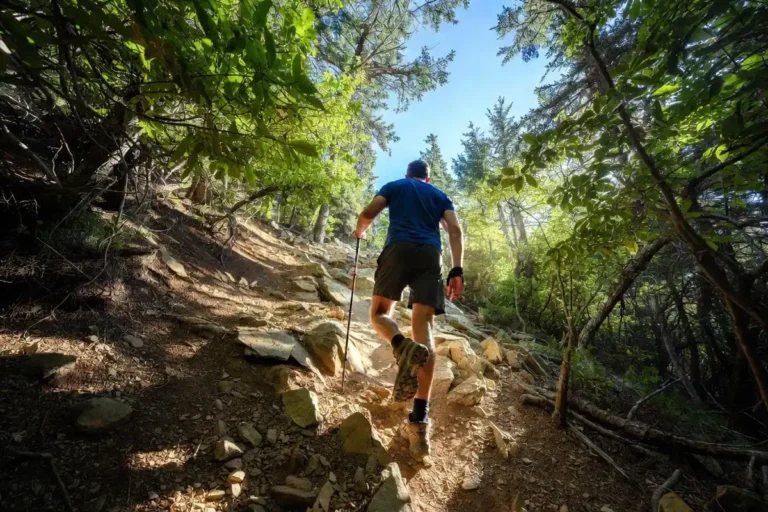
Step 5: Set a slower pace than usual. Wet terrain increases slip risk and raises effort per step. Reduce your normal pace on climbs. This controls sweat production and prevents heat from building under your shell.
Step 6: Open vents as soon as your core feels warm. Pit zips and front zips release heat before sweat soaks your base layer. Cool through ventilation, not by removing your jacket.
Step 7: Adjust layers at natural breaks, not mid-climb. If you feel overheated after a steep section, open vents or remove your mid layer at a rest point. Waiting too long means sweat has already soaked through.
Step 8: Keep your head and hands dry. A waterproof hat brim or hood channels rain away from your face and neck. Thin wool or waterproof gloves keep hands warm and functional in cold rain.
Step 9: Protect your feet at every creek crossing. Step on stable rocks and use trekking poles for balance. Wet socks cause blisters faster than dry ones. I covered this in detail in my article on preventing blisters while hiking, and the same rules apply when your feet stay wet for hours.
Step 10: Pack a dry base layer set in a waterproof bag. Seal a spare shirt and socks inside a dry bag inside your pack. Changing into dry layers after the hike or at camp prevents chilling.
How Do You Prevent Overheating Under a Rain Jacket?
Overheating under rain gear happens when body vapor has nowhere to exit. Three adjustments reduce this.
Vent early. Open pit zips at the first sign of warmth, before sweat builds. Reactive venting, waiting until you feel hot, comes too late.
Choose breathable fabric. A jacket with a higher moisture vapor transmission rate (MVTR) releases more internal vapor than a budget waterproof shell. For all-day rain hiking, breathability matters as much as waterproofing.
Reduce pace on climbs. Steep sections generate heat faster than flat terrain. Slowing down before a climb starts controls heat generation at the source.
What Footwear Works Best in Rainy Conditions?
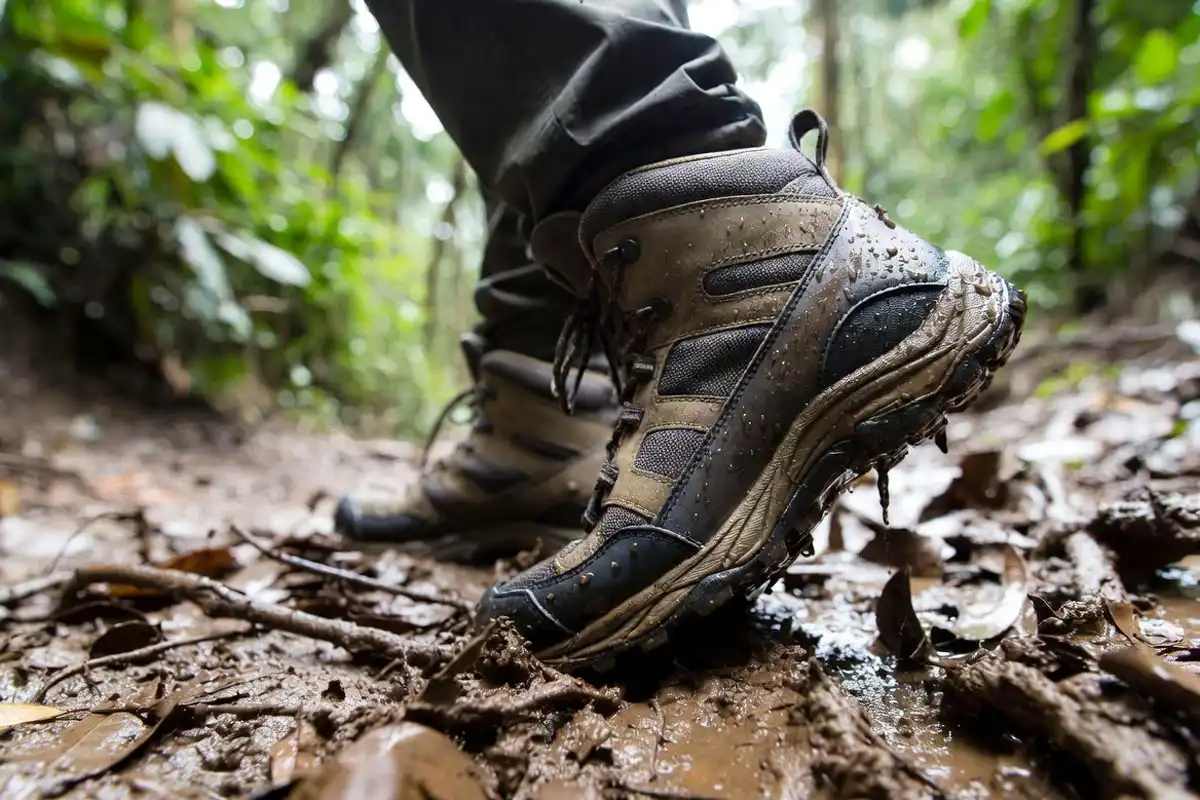
Waterproof hiking boots handle most rainy trail conditions. The right choice depends on trail depth and temperature.
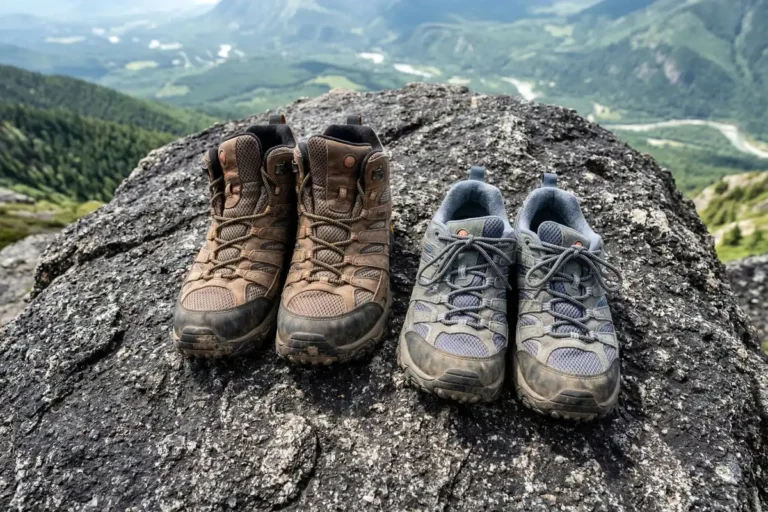
Boots with a waterproof membrane resist water from outside and work in rain and puddles up to ankle depth. They suit most day hikes in moderate to heavy rain.
Trail runners with waterproof lining dry faster when fully submerged. They suit mild, warm-weather wet trails with shallow crossings.
Pair either option with wool socks. Wool retains warmth even when damp, which reduces blister risk and keeps feet comfortable through long wet sections.
Getting your footwear fit right before a wet hike matters more than most hikers realize. I wrote the full process of breaking in new hiking boots, and a poorly fitted boot gets far worse when wet.
Common Mistakes to Avoid When Hiking in the Rain
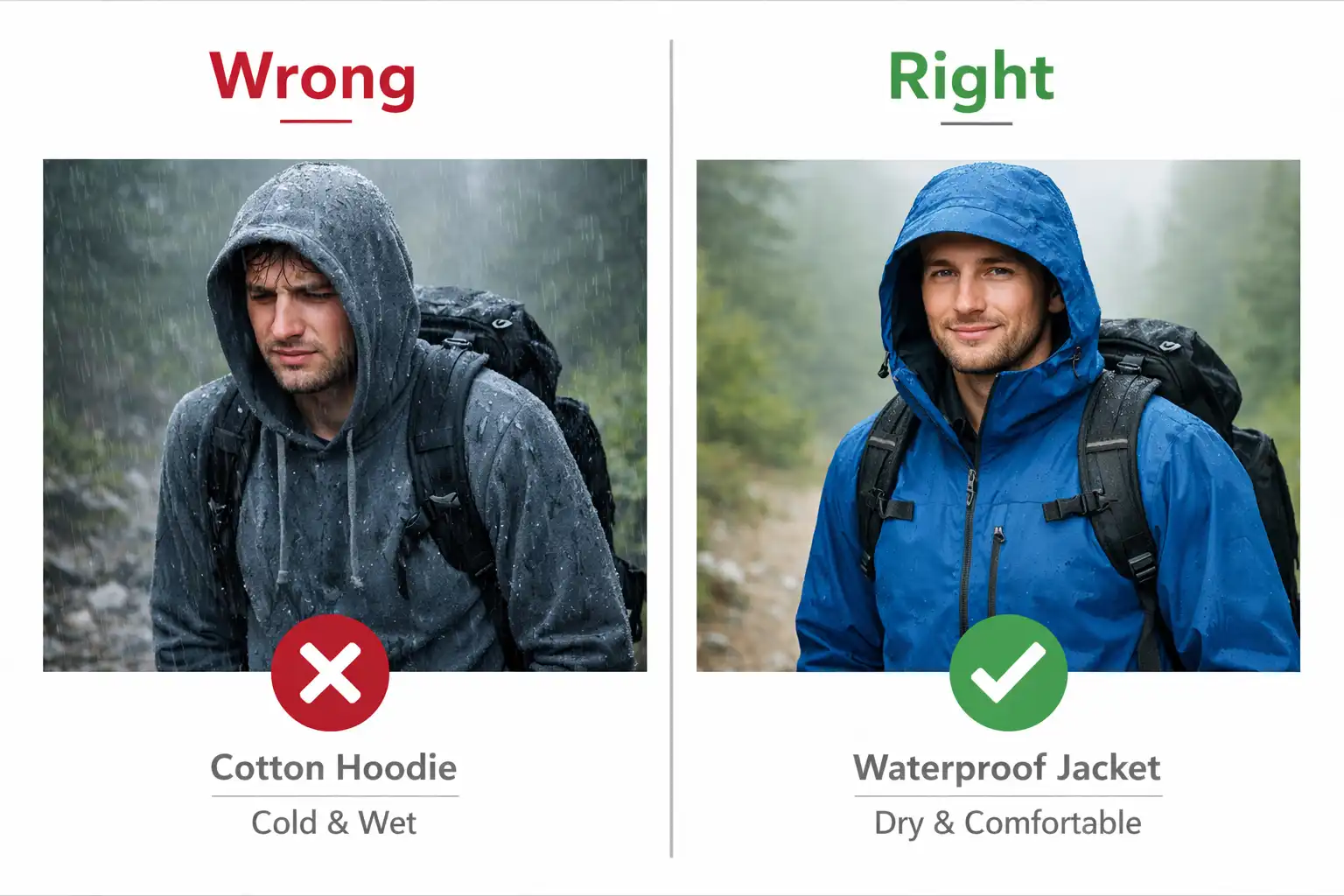
Wearing cotton. Cotton absorbs water from both sweat and rain. It stays wet, increases chilling risk, and provides no insulation when soaked.
Putting on rain gear too late. Dressing after the rain starts, or after you’re already sweating, reduces the system’s effectiveness. Wear your layers from the beginning.
Ignoring foot care. Wet feet blister faster than dry ones. Carry a spare pair of wool socks and change at the midpoint of long hikes.
Hiking too fast on uphill sections. Speed on climbs raises sweat production beyond what a vented jacket can manage. A steady, slower pace controls heat far better.
Skipping trekking poles. Wet roots, rocks, and muddy switchbacks increase slip risk. Trekking poles provide stability and reduce knee strain on descents. On rainy trails, they serve as a safety tool, not just a comfort one.
Safety Rules for Rainy Hiking
Rain changes trail conditions and raises risk in specific ways. Keep these in place before and during your hike.
Check for flash flood risk. River and low-lying trails flood faster than ridgeline routes. Check local flood advisories before you start any trail near moving water.
Stay below the treeline in lightning. Open ridges and summits draw lightning. Move off exposed terrain before a storm reaches your position.
Know the early signs of hypothermia. Uncontrolled shivering, slurred speech, and confusion signal a temperature emergency. I covered this fully in my guide on suspected hypothermia first aid — it’s worth reading before any cold, wet hike.
Tell someone your plan. Share your trailhead, destination, and expected return time before hiking alone in rain.
Carry emergency shelter. A lightweight emergency bivy or small tarp provides a dry option if the rain intensifies and you need to wait it out.
FAQs about Hike in the Rain and Stay Dry Without Overheating

Can I hike in the rain with a regular non-waterproof jacket?
A regular jacket absorbs water instead of repelling it. In steady rain, it soaks through within 20 to 30 minutes. A jacket with a DWR coating and a waterproof membrane provides reliable protection that a standard jacket cannot.
Does a rain jacket always make you sweat more?
A non-breathable rain jacket traps body vapor and creates a wet layer from the inside. A breathable jacket with a high MVTR rating reduces this significantly. Pit zips and front zip venting also control heat buildup before it becomes a problem.
How do I keep my backpack dry in the rain?
A fitted pack rain cover blocks water from entering the main compartment. For critical items like electronics and dry clothes, add internal dry bags as a second layer of protection inside the pack.
Are trekking poles worth carrying in the rain?
Trekking poles improve balance on wet, slippery surfaces and reduce knee strain on wet descents. On muddy switchbacks and creek crossings, they function as a practical safety tool. I consider them non-negotiable on rainy hiking days.
What socks should I wear for rainy trail conditions?
Merino wool hiking socks at medium cushion weight retain warmth even when damp and reduce blister risk better than cotton or thin synthetic socks. Carry a spare pair in a dry bag for long hikes.
Take the Rain as Part of the Trail
Rainy hiking delivers something dry-day trails can’t: full waterfalls, empty paths, and a forest that smells like itself. The system holds when you layer correctly, pace yourself on climbs, vent before heat builds, and protect your feet.
Gear choice at the start makes the difference. Prepare the layers, know the venting points, and rain becomes part of the experience rather than a reason to turn back.