How to Keep Insects Out of Your Tent at Night: 9 Proven Steps

Keeping insects out of your tent at night starts before you even zip the door. This guide covers every practical step, from choosing the right campsite to sealing entry points, applying repellents, and handling the gear details most campers overlook. I have spent years camping across hilly forests and riversides, and the methods here come from real nights in the field, not theory.
Close every zipper fully each time you enter or exit. Pitch your tent away from standing water, tall grass, and bright camp lights. Apply DEET or picaridin repellent on exposed skin before dark. Use a tent with fine-mesh no-see-um netting. Avoid eating or keeping food inside the tent. These five steps reduce insect entry by a significant margin on most campsites.
Why Do Insects Enter Tents at Night?
Insects enter tents because they follow heat, carbon dioxide, light, and food odors.
Mosquitoes detect body heat and CO2 from up to 30 meters away. Moths and beetles fly toward light sources. Ants and beetles follow food smells left on gear or clothing. Understanding what attracts them helps you cut off each entry point before it becomes a problem.
How to Choose a Campsite That Reduces Insect Pressure
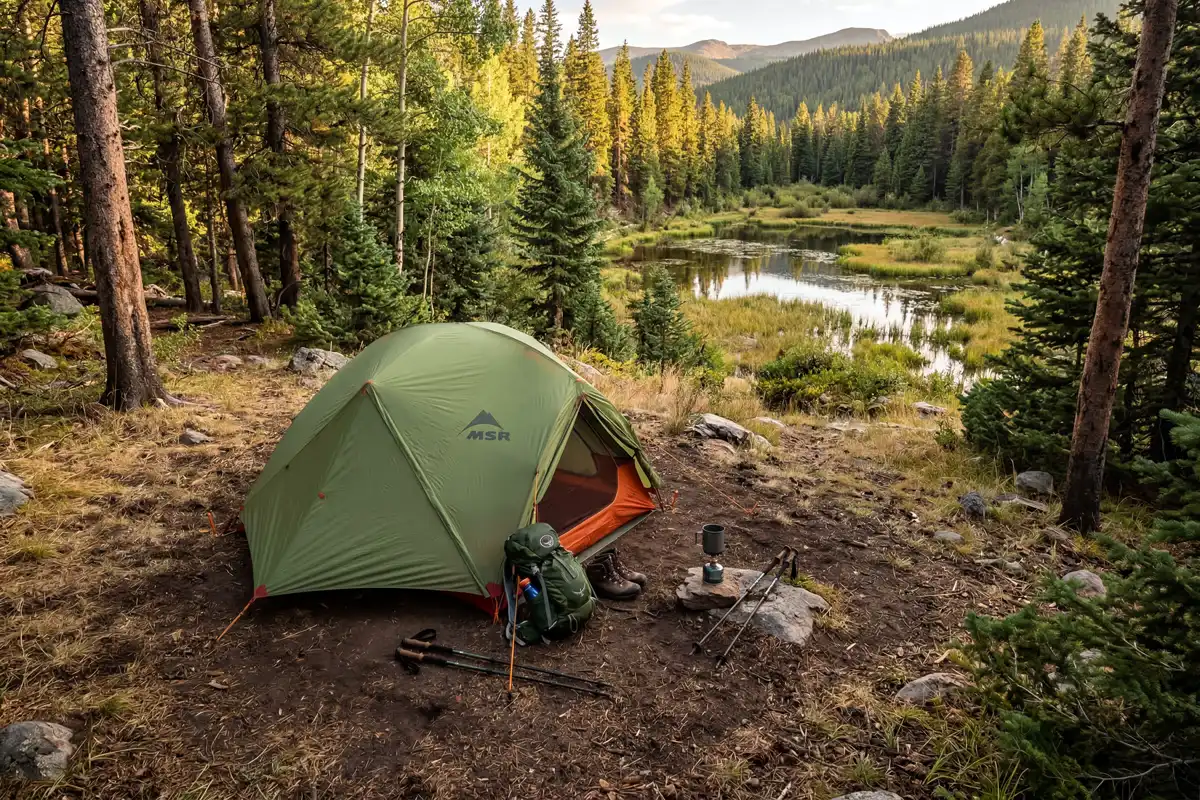
Pick dry, elevated ground. Mosquitoes breed in standing water, ponds, and swampy areas. A campsite 50 meters or more from still water produces noticeably fewer mosquitoes after dark.
Avoid tall grass and dense shrubs near your tent door. Ticks and no-see-ums shelter in low vegetation and transfer onto gear as you brush past.
Face your tent door away from standing lights. Camp lanterns and fire attract flying insects. Positioning the tent door on the opposite side reduces the number of insects hovering near the zipper.
I covered site selection details in my earlier article on choosing the right campsite when you arrive late, which also applies here when scouting for insect-free ground.
Step-by-Step: How to Keep Insects Out of Your Tent at Night
Follow this sequence each evening for a consistent result.
Step 1: Set up the tent during daylight. Inspect all seams and mesh panels before dusk. Repair small holes with seam tape or mesh repair patches. Holes as small as 1 mm allow no-see-ums and gnats through.
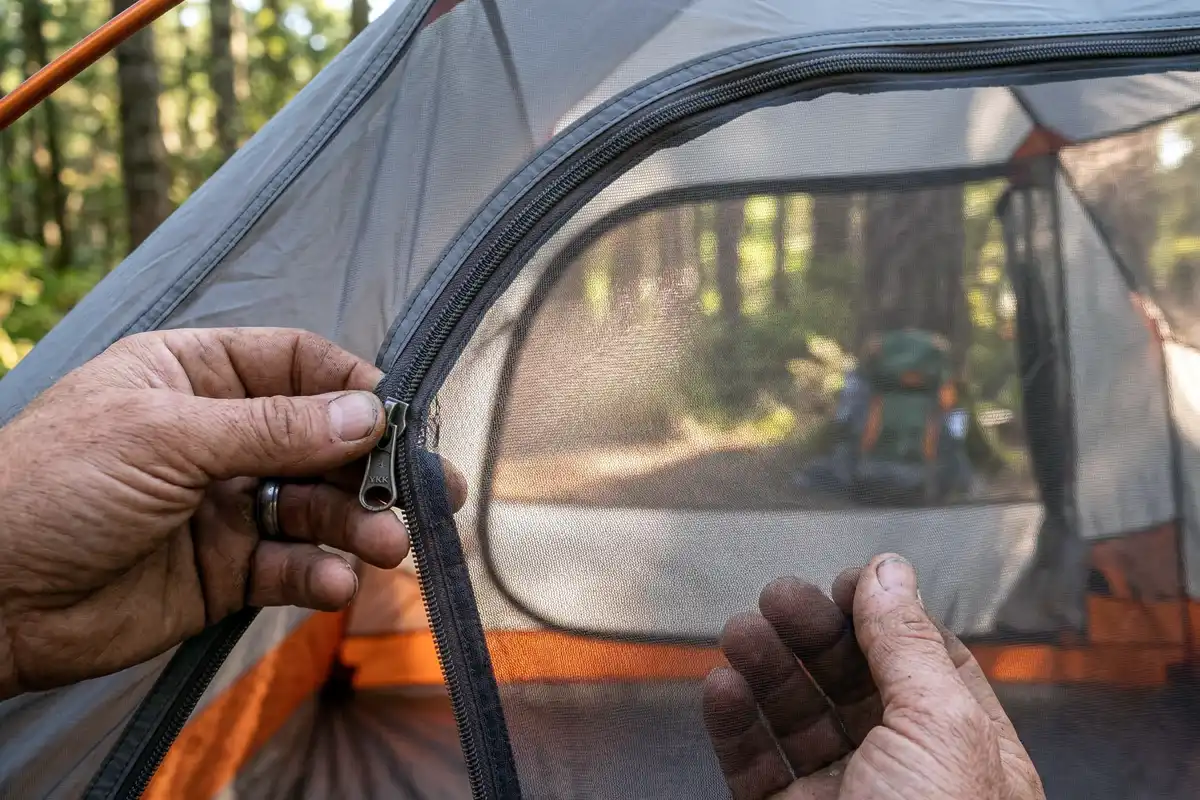
Step 2: Clear the ground under and around your tent. Remove leaf litter, rotting wood, and damp soil from a 1-meter radius. These materials harbor beetles, ants, and centipedes that crawl under the groundsheet and find gaps.
Step 3: Apply insect repellent before entering for the night. Apply DEET (20–30% concentration) or picaridin repellent to exposed skin 20 minutes before going to bed. DEET disrupts insect sensory receptors and reduces landing behavior. Picaridin works at a similar effectiveness level and leaves less residue on skin.
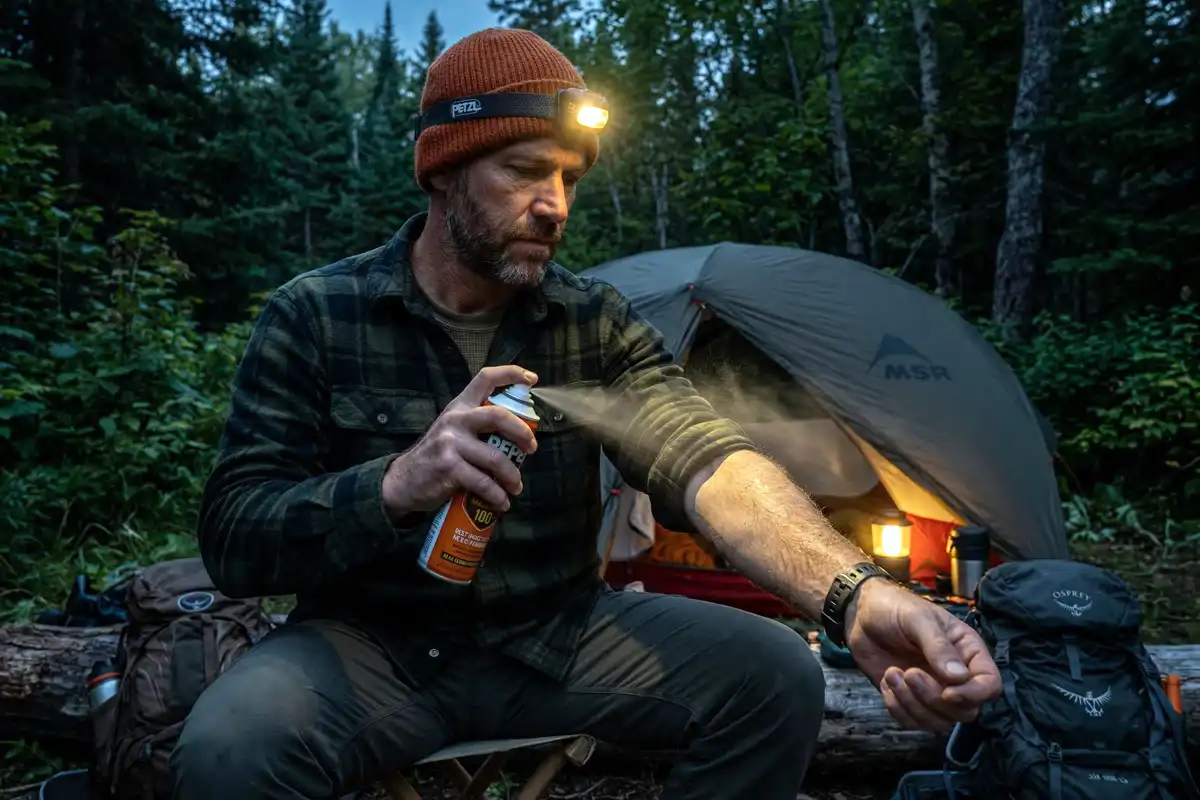
Step 4: Change and store clothing outside the sleeping area. Clothing worn near food, fire, or vegetation carries insect attractants. Store worn clothes in a sealed bag outside the inner tent.
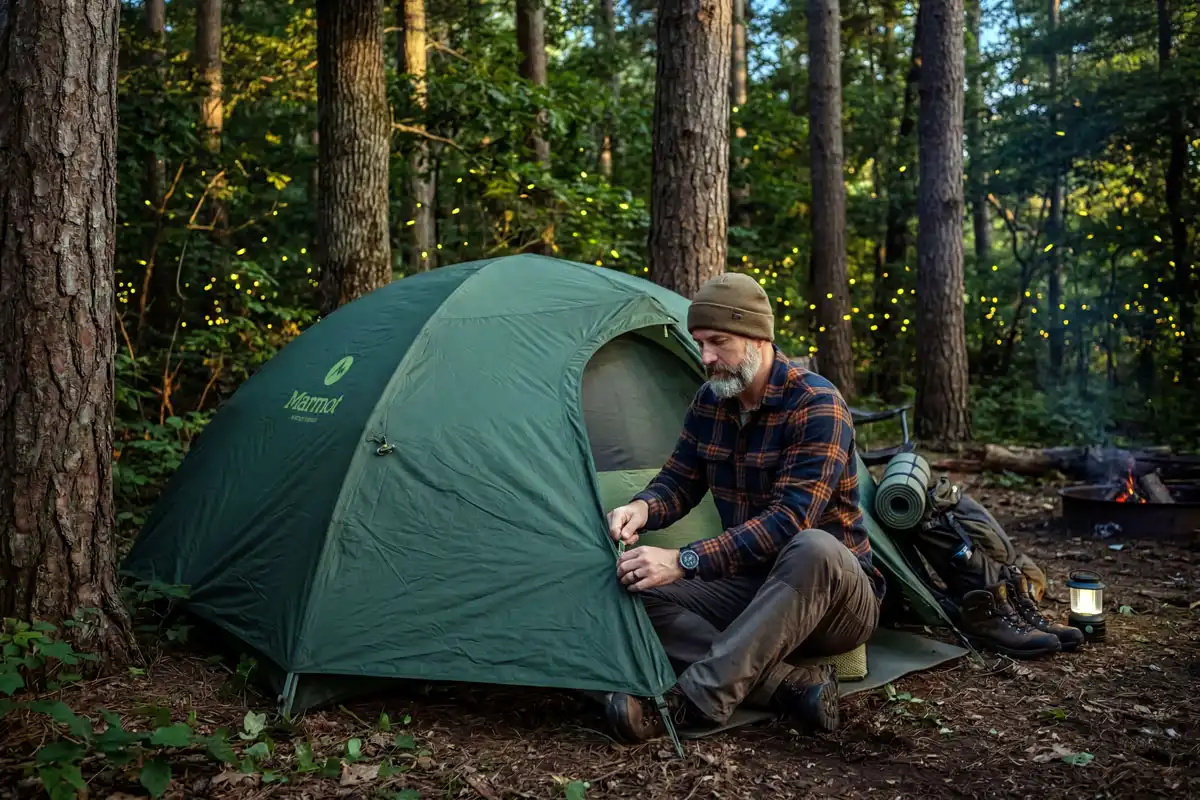
Step 5: Close the zipper completely every time. A zipper left open for 10 seconds during entry lets in more insects than a gap in the mesh. Develop the habit of closing it immediately behind you. Use a small safety pin through the zipper pull if the slider tends to creep down.
Step 6: Keep food and scented items out of the tent. Food wrappers, lip balm, sunscreen, and even toothpaste attract ants and beetles overnight. Store them in a sealed bag hung from a tree or placed in a camp kitchen box.
Step 7: Use a tent footprint or ground cloth. A fitted groundsheet under the tent floor blocks soil-dwelling insects, including ants and earwigs, from finding floor seams. Learn more about choosing the right ground cloth material for wet conditions if you camp on damp terrain.
Step 8: Run a fan or create airflow inside the tent. A battery-powered fan set on low creates a mild breeze inside the tent. Mosquitoes struggle to land and bite in moving air above 1 m/s. This also reduces the CO2 concentration near your face.
What Tent Features Block Insects Most Effectively?
No-see-um mesh (≤ 0.6 mm mesh size) stops the smallest biting insects, including biting midges and sand flies. Standard mosquito mesh (1.2–1.5 mm) allows smaller insects through.
Double-door vestibules create an airlock entry. You step in, close the outer door, then open the inner door. This two-stage entry prevents insects from following you inside.
Bathtub floors extend the waterproof floor material 15–20 cm up the sides. This design removes the floor-to-wall seam at ground level, blocking crawling insects.
Factory-sealed seams prevent insects from entering through stitching gaps that open during extended use.
If your current tent doesn’t have these features, you can check out the camping tents I mentioned, which help block insects.
Do Natural Insect Repellents Work at Camp?
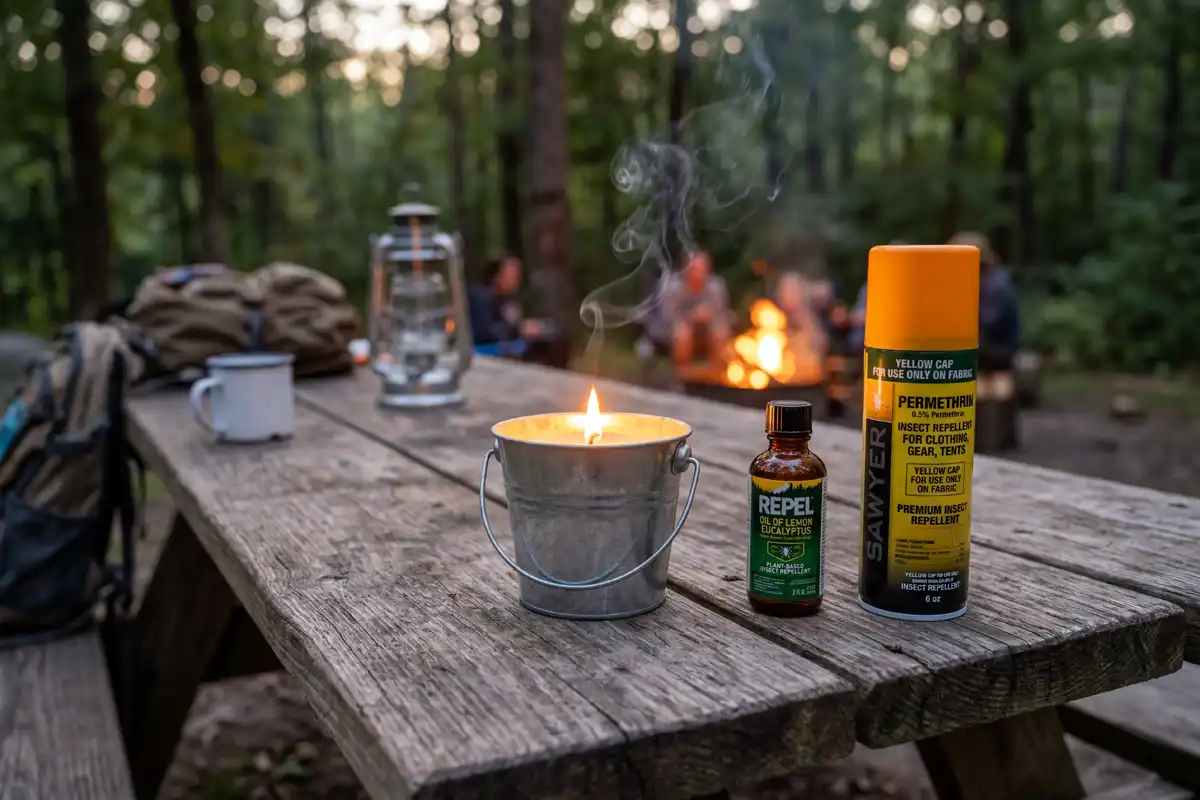
Natural repellents provide partial protection and work best as a supplement to DEET or permethrin-treated gear.
Citronella candles reduce mosquito activity in a 1-meter radius around the flame. They produce inconsistent results in wind.
Oil of lemon eucalyptus (OLE) contains PMD, an active compound that the CDC lists as an effective repellent. Apply it to skin like standard repellent.
Permethrin-treated clothing and tent mesh kills or repels insects on contact. Treat a tent fly and door panels with permethrin spray and allow 4 hours to dry. One treatment lasts through 6 wash cycles on clothing.
Campfire smoke produces carbon particles and volatile compounds that deter mosquitoes near the fire circle. The effect stops when you move into the tent.
I also discussed managing mosquitoes and biting insects in more detail in my guide on dealing with mosquitoes on hiking trails, which covers repellent application and timing.
Common Mistakes That Let Insects In
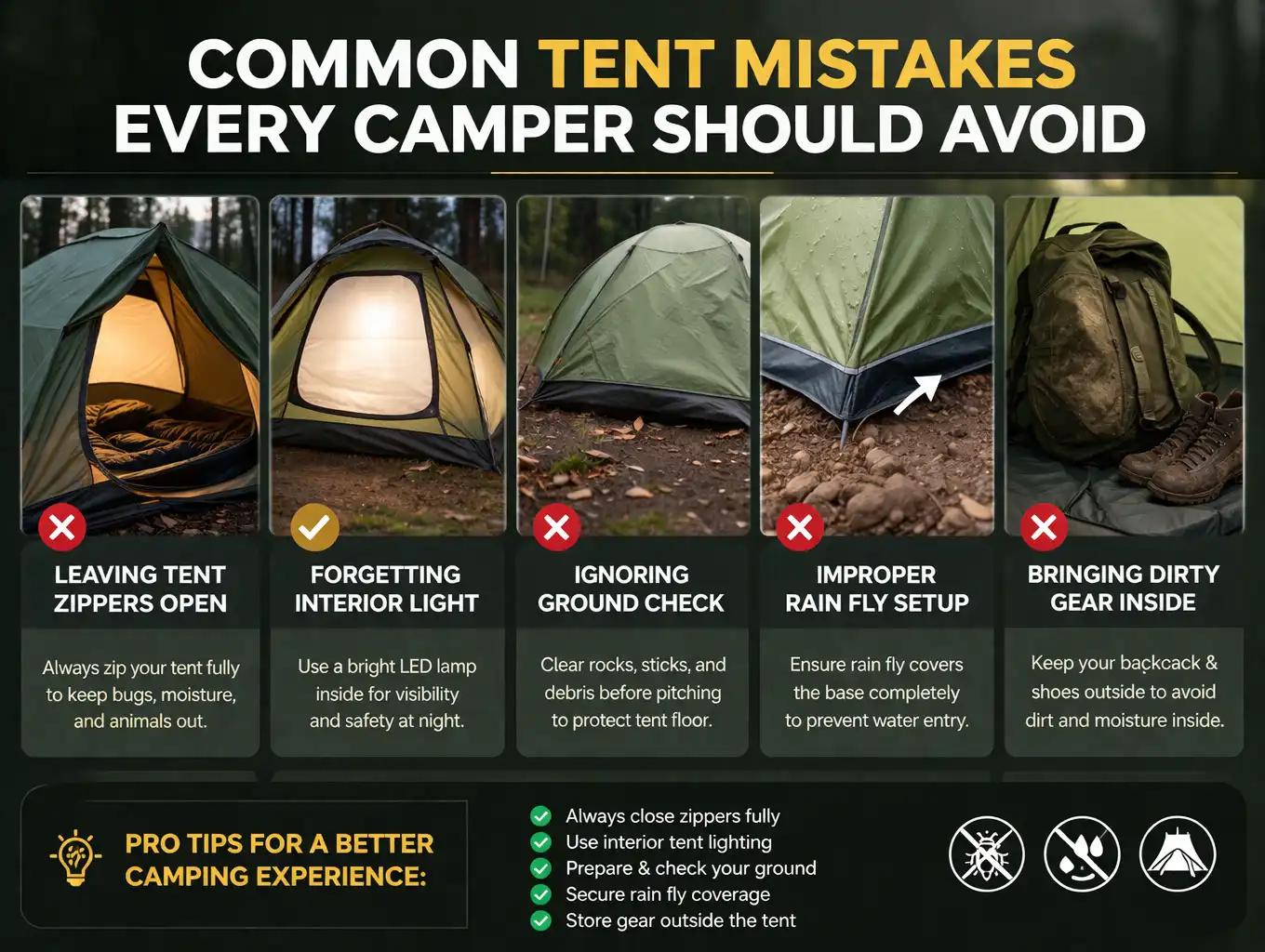
Leaving the rain fly partially open at the vents. Many tent rain flies include adjustable vents. Leaving them fully open allows small flying insects to enter through the mesh vent panels.
Using white or bright-colored lights inside the tent. White LED light emits wavelengths that attract moths, beetles, and flying insects. Switching to red-light mode on a headlamp reduces insect attraction by a measurable degree.
Pitching directly on disturbed soil. Digging, moving rocks, or clearing ground during setup displaces ants and beetles. They relocate and probe nearby structures, including tent floors, for shelter.
Ignoring the rain fly gap. Some double-wall tents leave a small gap between the inner mesh and the fly at the base. Check that the fly reaches ground level and stake it out tightly.
Bringing in gear without inspection. Backpacks, firewood, and boots left outside and then brought in carry insects. Shake out boots and brush down gear before bringing it through the door.
If an insect does get through and bites you, I covered the steps for treating minor injuries at camp in my article on treating minor cuts and blisters, which also applies to insect bite care.
How to Handle Specific Insects at Night
Mosquitoes: Close mesh fully, apply DEET, run a fan, and sleep with a treated mesh barrier if available.
Ants: Remove all food odors from the tent floor. Place tent legs or stakes in water-filled containers if available. Ants follow scent trails and stop when the trail is interrupted.
No-see-ums (biting midges): Use no-see-um rated mesh (≤ 0.6 mm). Standard mesh does not stop them. Apply DEET or OLE repellent on exposed skin before sleep.
Moths and beetles: Switch off internal lights or switch to red-mode lighting. Remove any white or UV light sources from inside the tent.
Spiders and centipedes: Shake out sleeping bags and gear before use. Keep clothing off the tent floor. Centipedes enter through floor seams on rocky and leaf-covered ground.
FAQs on Keep Insects Out of Tent at Night

Does keeping the tent zipped prevent all insects?
Zipping prevents entry through the door but does not stop insects that enter through mesh holes, floor seams, or damaged zippers. Inspect the full tent for gaps before each use.
Can insects bite through tent fabric?
Mosquitoes bite through thin fabrics placed directly against skin. Keep sleeping bags and arms away from contact with tent walls at night.
Is DEET safe to use inside a tent?
DEET degrades some synthetic fabrics, including nylon and spandex. Apply it to skin only, not to tent walls or floors. Ventilate the tent after application.
Does burning citronella candles inside a tent keep insects away?
Never burn candles inside a tent. Citronella candles work outside the tent as a perimeter deterrent only. Burning inside creates carbon monoxide risk and fire hazard.
Why do insects still get in despite mesh?
Mesh allows entry when zipper pulls fail to close fully, mesh panels develop micro-tears, or tent vents remain open. Inspect zippers and panels after every trip.
Final Notes
Keeping insects out of your tent at night involves a sequence of layered steps. Seal the tent structure, treat the surrounding area, apply repellent correctly, and eliminate food odors inside the sleeping space. No single method works alone. Combining a well-sealed tent, DEET or picaridin on skin, permethrin on gear, and a camp setup away from standing water produces reliable protection across most camping environments.
Pack mesh repair tape, a small safety pin for zipper pulls, and your preferred repellent on every trip. These three items cost little but solve the majority of insect entry problems before they disrupt your sleep.