How to Manage Jet Lag Before a Multi-Day Hiking Trip

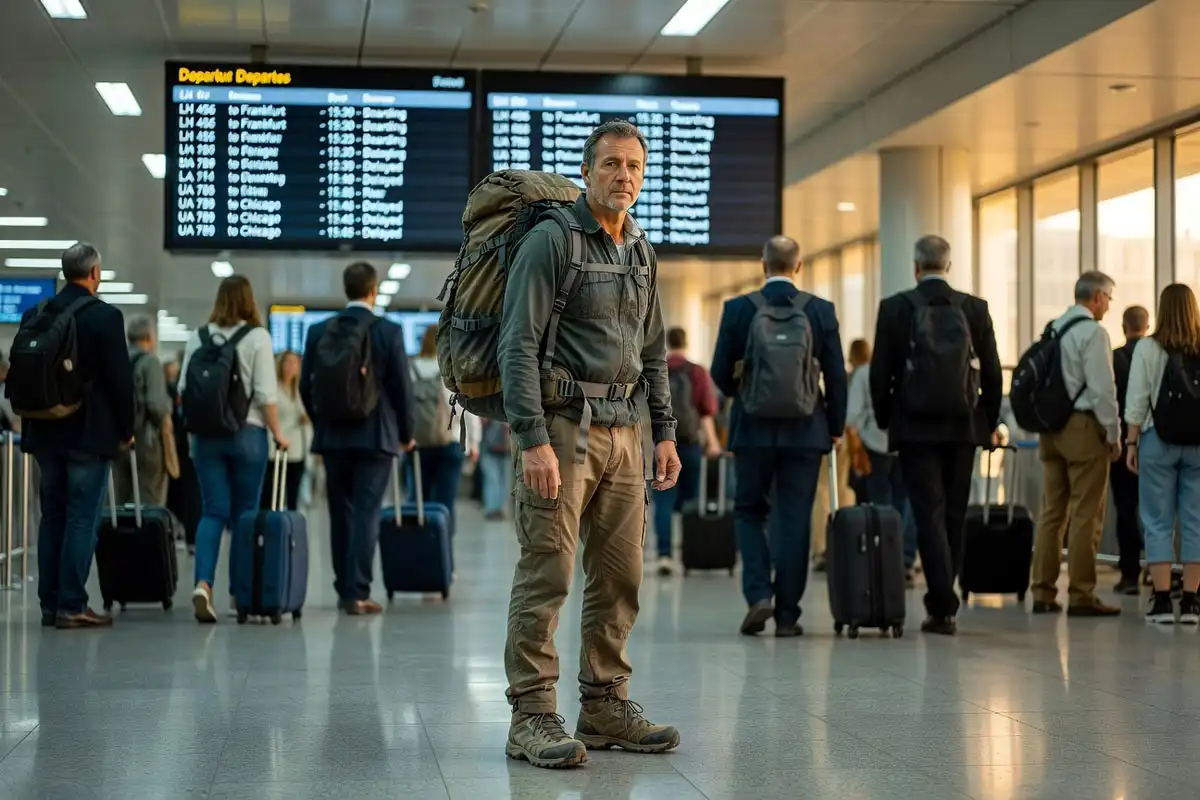
Jet lag reduces physical performance and disrupts sleep, and when you’re trying to manage jet lag before a multi-day hiking trip, that combination can ruin the trip before it starts. This guide covers what jet lag does to your body, when to begin adjusting, and a step-by-step plan to arrive at the trailhead feeling ready instead of exhausted.
Start shifting your sleep schedule 3 to 5 days before departure. Fly in at least 2 days early. Prioritize morning light exposure at your destination, stay well-hydrated, avoid alcohol on the flight, and keep your first hiking day easy. These steps reduce jet lag recovery time from several days to 24 to 48 hours.
What Jet Lag Does to a Hiker’s Body
Jet lag occurs when your circadian rhythm (internal body clock) falls out of sync with the local time zone. It triggers fatigue, poor sleep, reduced coordination, slower reaction time, and weakened endurance.
For a hiker, those effects are more than inconvenient. Fatigue on steep terrain increases the risk of rolled ankles and poor decisions. Disrupted sleep reduces muscle recovery between hiking days.
Crossing 3 or more time zones produces noticeable symptoms. Eastward travel (flying toward sunrise) causes more severe jet lag than westward travel for most people.
Learn more: Reduce Travel Costs by Traveling in Shoulder Season
When to Start Managing Jet Lag
Start 3 to 5 days before your departure date. That window gives your body time to shift gradually without forcing an abrupt change.
If you cross 5 or more time zones, give yourself more lead time. One day of adjustment per time zone crossed is a commonly used guide for planning recovery.
How to Manage Jet Lag Before a Multi-Day Hiking Trip
Step 1: Shift Your Sleep Schedule Before You Leave

Move your bedtime and wake time by 1 hour per day in the direction of your destination.
Traveling east? Go to bed and wake up earlier. Traveling west? Push both later. Start this 3 to 5 days before your flight.
This pre-adjustment reduces the shock your body experiences on arrival. You land closer to the local rhythm instead of completely off it.
Step 2: Choose Your Flight Time Strategically
Book a flight that arrives at your destination in the early evening local time. That timing allows you to stay awake a few hours, then sleep at a normal hour.
Avoid overnight flights when you know you cannot sleep on planes. Arriving exhausted after a sleepless overnight flight makes day-one recovery harder.
Step 3: Manage Light Exposure on the Plane and Arrival Day

Light is the strongest signal your circadian clock responds to.
On eastward flights, use an eye mask and limit bright screen time during the final hours. On westward flights, seek light and stay awake as long as the local time allows.
On arrival day, get outside in natural morning light for 20 to 30 minutes. Morning sunlight advances your body clock faster than any supplement. Since I wrote earlier about choosing the right season for a destination trip, destination daylight hours affect this adjustment significantly.
Step 4: Hydrate Before, During, and After the Flight

Airplane cabin air lowers humidity below 20%, which accelerates dehydration. Dehydration worsens jet lag symptoms including headaches and fatigue.
Drink 250 ml (about 8 oz) of water per hour of flight. Avoid alcohol during the flight. Avoid caffeine 6 hours before your intended sleep time at the destination.
Step 5: Avoid Long Naps on Arrival Day
A nap longer than 20 to 30 minutes on arrival day delays overnight sleep and resets your internal clock in the wrong direction.
If you feel drowsy in the afternoon, take a short rest. Keep it under 30 minutes. Push through to local bedtime.
Step 6: Arrive at Least 2 Days Before Your Hike Starts
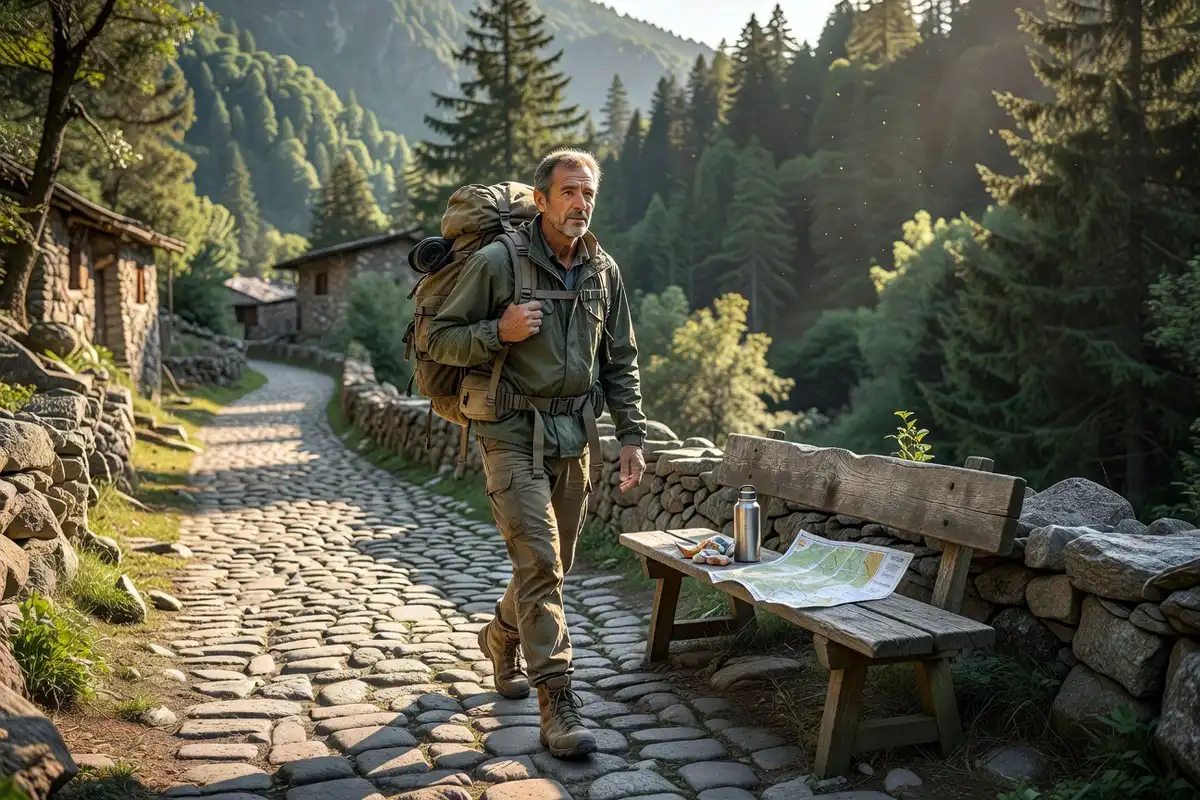
This is the step most hikers skip, and it costs them the most on trail.
Flying in the night before day one means you start your hike with one or two nights of poor-quality sleep already behind you. Arrive 2 days early at minimum. Arrive 3 days early if you cross 5 or more time zones.
Use that buffer time for short, low-intensity walks, gear checks, and food sourcing. I covered how to think through documents and gear need for international hiking which includes pre-hike logistics you can handle during those buffer days.
Step 7: Keep Day One on Trail Easy
Your first hiking day should not be your hardest one. Plan a shorter route with lower elevation gain.
This approach protects against fatigue-related injury and gives your cardiovascular system time to stabilize. If you travel to high-altitude destinations, this step matters even more. I covered this in depth when writing about fitness level need for a multi-day backpacking trip.
Does Melatonin Help with Jet Lag?
Melatonin supplements help shift sleep timing when taken correctly. A dose of 0.5 mg to 3 mg taken at the target bedtime on arrival days produces better results than higher doses for most adults.
Take it at the local bedtime, not on the plane. Higher doses (5 mg or more) do not accelerate adjustment and may cause grogginess the next morning.
Consult a doctor before use if you take other medications or have underlying health conditions.
Common Mistakes That Extend Jet Lag
Relying on caffeine to push through. Caffeine masks fatigue without restoring sleep quality. It delays recovery.
Eating large meals late at night. Heavy late meals disrupt sleep. Eat lighter in the evenings during your adjustment days.
Staying on home-time meals. Eating at local mealtimes helps reset your circadian rhythm faster than sleep schedule changes alone.
Skipping the pre-trip sleep shift. Adjusting only after you land forces your body to do all the work in 24 to 48 hours. Starting before departure spreads that load over a full week.
Safety Notes for Jet-Lagged Hikers
Fatigue from jet lag impairs judgment in a way similar to mild sleep deprivation. On trail, that affects route-reading, footing on uneven ground, and decision-making at junctions.
If you feel significantly impaired on the morning of a planned hike, delay by one day. No itinerary is worth a fall on a remote trail.
I cover what to do when conditions go wrong in my article on stay safe while camping alone, and the same principle applies here: recognize when your body is not ready and act accordingly.
Carry travel insurance that covers outdoor activities before any international hiking trip. Jet-lag-related delays, illness, or incidents abroad carry real costs without it.
FAQs on Pre-Trip Jet Lag Management Plan for a Multi-Day Hiking

How many days does it take to recover from jet lag before hiking?
Most people need 1 day per time zone crossed for full recovery. With pre-trip sleep adjustment and early arrival, you can reduce that to 24 to 48 hours of mild symptoms.
Can you hike while jet-lagged?
Yes, but keep the first day short and low-intensity. Jet lag reduces coordination and endurance. Avoid technical terrain or long climbs on day one.
Does direction of travel change jet lag severity?
Yes. Eastward travel produces more severe jet lag than westward travel for most people because advancing your clock is harder than delaying it.
Should I take sleeping pills on the flight to fight jet lag?
Sleeping pills on a long flight can help you arrive more rested, but they do not shift your circadian clock. Use them only if you know they work well for you and avoid them if you are traveling solo on a connecting route.
Final Notes
Managing jet lag before a multi-day hiking trip takes one week of preparation, not willpower at the trailhead. Shift your sleep schedule early, arrive 2 days before you hike, get morning light, stay hydrated, and keep your first day on trail light. That combination protects your body so you hike at full capacity from day two onward.