How to Pace Yourself on a Long Hike to Avoid Burnout

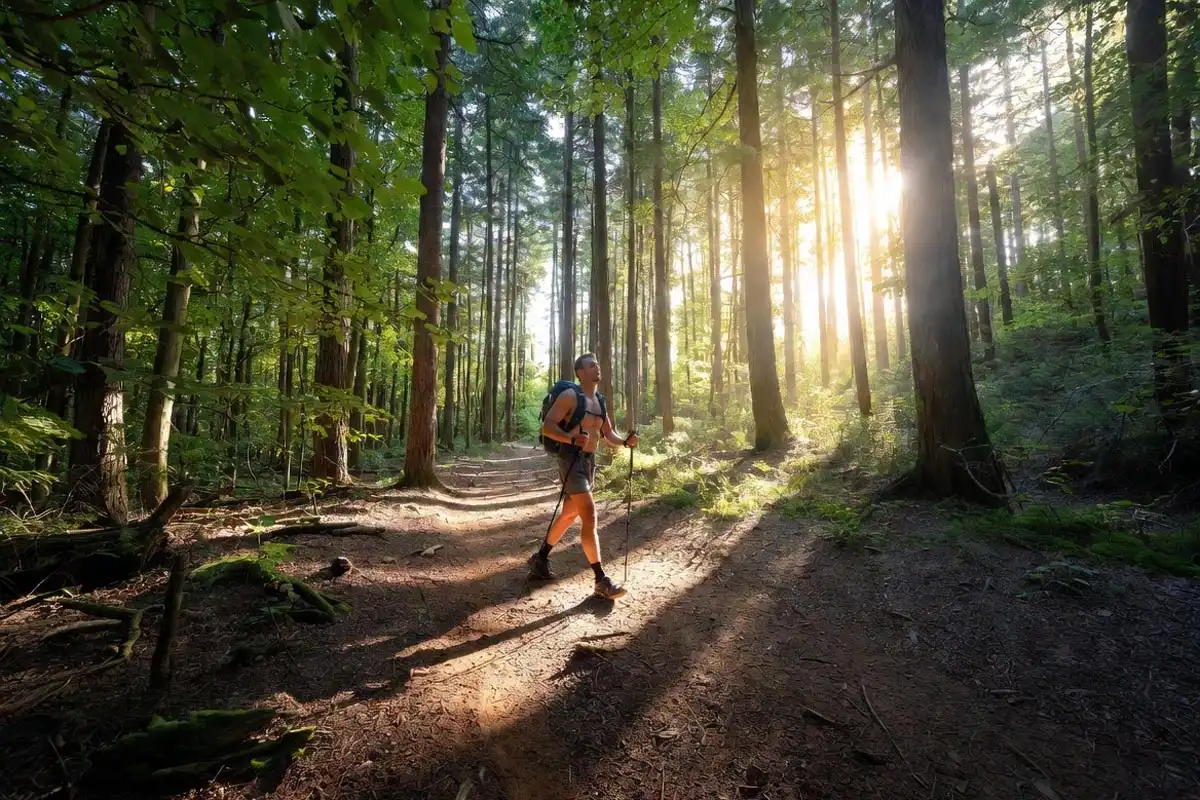
To pace yourself on a long hike and avoid burnout, control your effort from mile one so your body holds up through the last stretch, not just the first few hours. This guide covers how to set a sustainable speed, time your rest breaks, fuel on schedule, and catch the early signs of burnout before they strand you on the trail, whether your route is 8 miles or 18.
Start at 60–70% of your maximum effort. Use the talk test: if you can speak full sentences without gasping, your pace is sustainable. Rest 5–10 minutes every 45–60 minutes of walking. Eat 150–200 calories every 1.5–2 hours. Shorten your stride on climbs and slow down rather than push through early fatigue.
What Causes Burnout on a Long Hike?
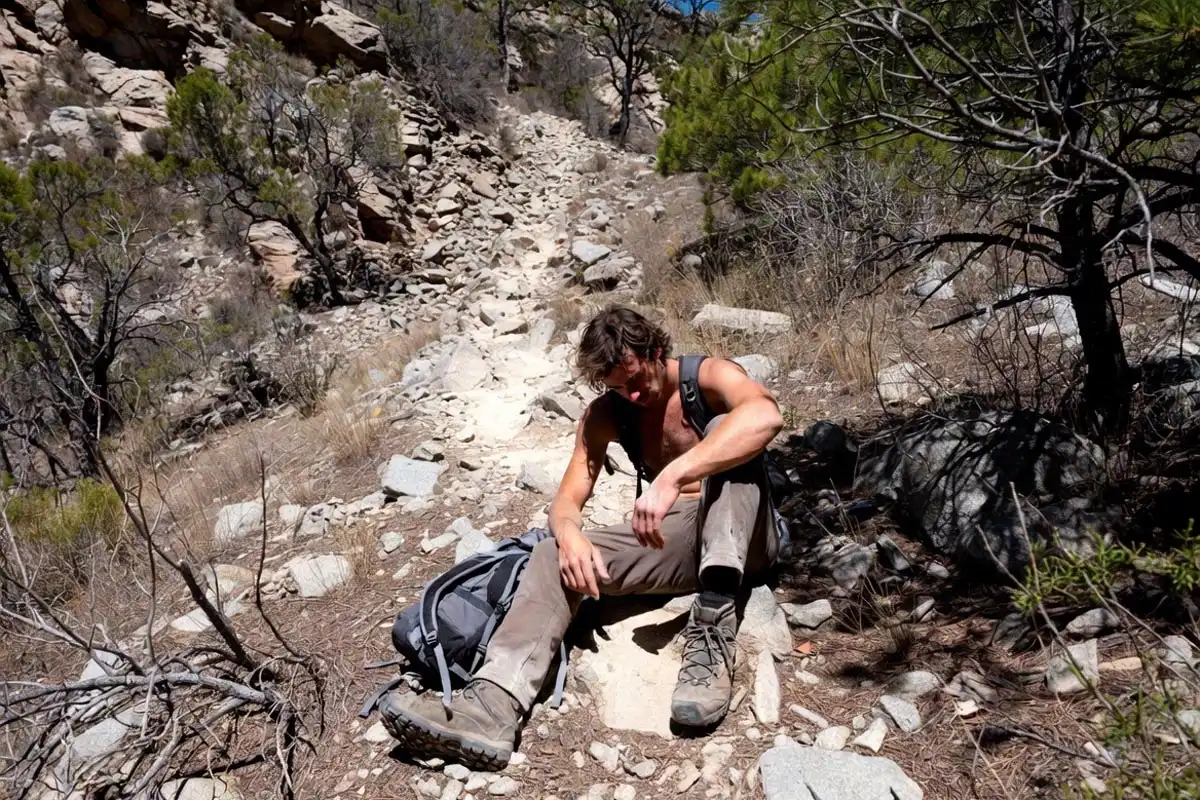
Burnout on a trail is not ordinary tiredness. It is the point where your muscles, blood sugar, and hydration all drop below the threshold needed to continue at any useful pace.
Four causes produce it consistently: starting too fast, skipping food, waiting until thirsty to drink, and taking no scheduled rest breaks. Remove any one of these errors and your endurance improves. Remove all four and most hikers finish strong.
Learn more: Do When Your Hiking Trail Disappears in Dense Forest
When Pacing Becomes Critical
Pacing matters on any hike over 5 miles or with 1,000 feet or more of elevation gain. It becomes more critical above 85°F, at altitudes over 8,000 feet, and on back-to-back hiking days.
The first 30 minutes carry the highest burnout risk. Energy feels high, the trail feels easy, and most hikers push harder than the distance warrants. That early debt collects interest by mile six.
If your route involves a lot of sun exposure or summer heat, I wrote about hike safely in extreme heat in a separate guide, since heat compounds pacing errors faster than any other factor.
How to Pace Yourself on a Long Hike: Step-by-Step
Step 1: Calculate a Realistic Time for Your Route
Use Naismith’s Rule as a baseline: allow 20 minutes per mile on flat ground, then add 1 hour for every 2,000 feet of ascent. A 10-mile hike with 2,000 feet of elevation gain takes roughly 4.5 to 5.5 hours at a comfortable pace, not counting breaks.
Knowing your time window prevents rushing. Rushing is the root cause of most burnout.
I also covered building a reliable daily plan in my guide on plan a day hike to avoid getting lost, which pairs well with pacing if you are still building your pre-hike routine.
Step 2: Start Slower Than Feels Natural
For the first 20–30 minutes, walk at a pace that feels slightly too easy. This settles your breathing, warms up your joints, and establishes a rhythm your body can sustain for hours. Most hikers feel strong at the start and overshoot.
A deliberate slow start costs two or three minutes over the first mile. It saves 30 or more minutes of forced recovery later.
Step 3: Apply the Talk Test Throughout
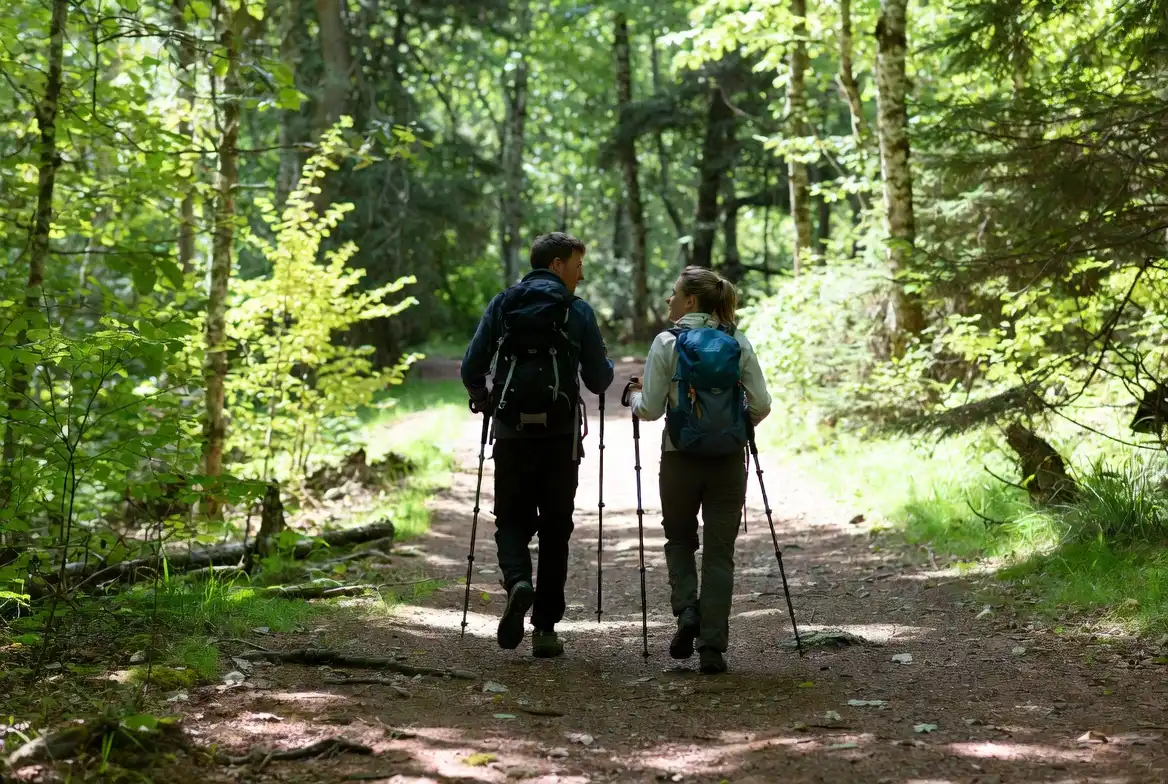
The talk test is the simplest pacing tool available without any equipment. If you can speak 5–6 words per breath in full sentences, you are in a sustainable aerobic zone. If you manage only 2–3 words before needing to inhale, slow down immediately.
Check this every 15–20 minutes, especially after the terrain changes.
Step 4: Adjust Speed on Climbs, Not Effort
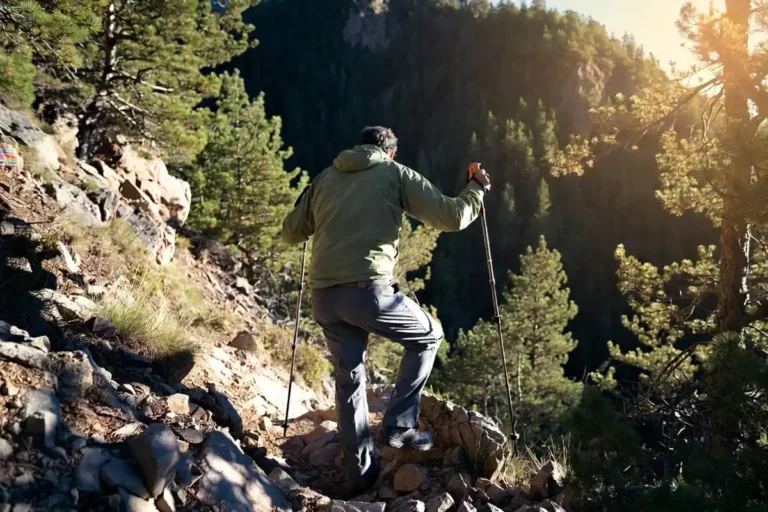
On uphill sections, reduce your speed to keep your breathing controlled. Shorten your stride, lean slightly forward from the hips, and plant each foot flat rather than on your toes. Trekking poles distribute load across your arms and reduce leg muscle strain on steep sections.
I covered climbing technique in detail in my guide on hiking uphill without losing energy too fast. The short version: slow and steady on climbs keeps your heart rate stable so you recover quickly at the top.
Step 5: Schedule Rest Breaks Before You Feel Tired
Take a 5–10 minute seated break after every 45–60 minutes of walking. Do not wait for your legs to feel heavy. Fatigue accumulates faster than you notice it, and by the time you feel it strongly, you are already behind on recovery.
During breaks, sit down, elevate your feet slightly if you feel lower-leg heaviness, eat a snack, and drink water.
Step 6: Eat on a Schedule, Not by Hunger

Your body uses carbohydrates as its primary fuel during sustained hiking. Blood sugar drops quietly before hunger signals appear. By the time you feel hungry, energy output has already decreased.
Eat 150–200 calories every 1.5–2 hours: trail mix, a bar, dried fruit, or crackers. This keeps blood sugar stable and prevents the sudden energy crash hikers call “bonking.”
For full guidance on pre-hike and on-trail nutrition, I put together a practical breakdown in my article on what to eat before and during a long day hike.
Step 7: Hydrate on a Schedule
Drink roughly 0.5 liters (about 17 oz) of water per hour in moderate conditions. In heat or at elevation, increase to 0.75 liters per hour. Do not rely on thirst. Thirst signals that mild dehydration has already started, and a 2% drop in body water reduces physical performance noticeably.
Set a reminder on your watch or phone if you frequently forget to drink while focused on the trail.
Step 8: Monitor Your Energy Every 30 Minutes
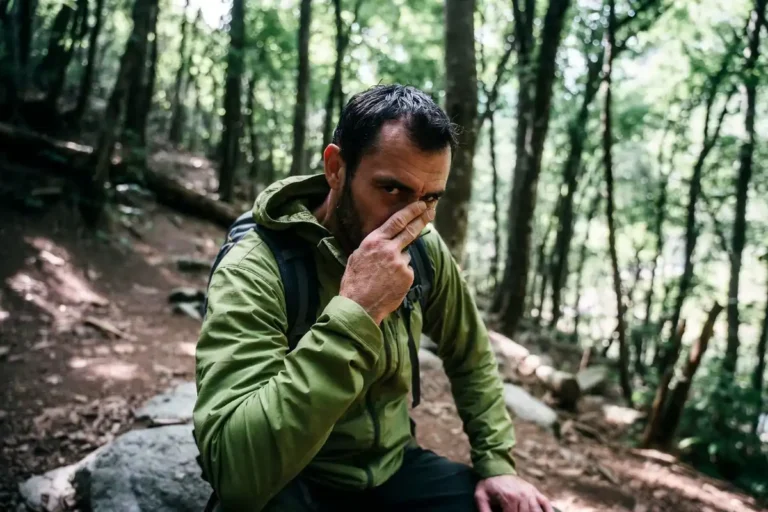
Rate your energy on a 1–10 scale at regular intervals. At a 6 or below, slow your pace or take an unscheduled break before you drop lower. At a 4 or below, stop, eat, drink, and rest for at least 10 minutes before continuing.
Dizziness, a throbbing headache, or numbness in your feet are signals to stop and address the cause, not push through.
Common Pacing Mistakes to Avoid
Starting at full speed. Adrenaline and fresh legs mask effort in the first mile. Set your pace deliberately based on your plan, not on how you feel at the trailhead.
Skipping food to save time. A 10-minute snack break at mile 4 costs less time than recovering from a bonk at mile 7, which can take 20–30 minutes of standing still.
Matching the fastest hiker in your group. Pace to your own fitness. A speed that is comfortable for one hiker may be unsustainable for another with a different fitness base or pack weight.
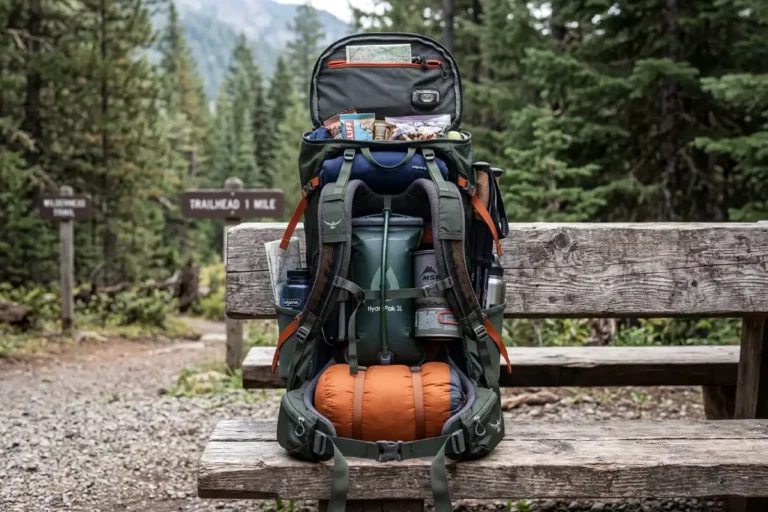
Ignoring pack weight in your plan. A loaded pack that weighs 25–30 pounds increases energy expenditure significantly compared to hiking light. Reduce your target mileage or add extra breaks when carrying a heavy load.
Pushing through knee discomfort on descents. Downhill sections stress the knees more than climbing. Slow down and use short, controlled steps. I wrote about manage knee pain on downhill hikes with specific techniques if this affects you.
Safety Notes
Burnout at the halfway point of a remote trail is a safety issue. Carry food for one extra meal beyond your plan. Apply the turnaround rule: if you have not covered half your target distance by the midpoint of your time window, turn around.
Tell someone your planned route and expected return time before you leave. On remote trails, carry a fully charged phone or a personal locator beacon. Your pacing plan only works if you also have a plan for when conditions change unexpectedly.
FAQs about Pace Yourself on a Long Hike to Avoid Burnout

How slow is too slow when hiking?
No pace is too slow if you complete the trail safely. Most hikers cover 2–3 miles per hour on moderate flat terrain. If you are moving below 1.5 mph consistently, check whether pack weight, elevation, heat, or fatigue is the cause and adjust your daily mileage target.
Should I hike at the same pace the whole time?
No. Adjust speed based on terrain. Slow down on climbs and technical ground. Recover your natural pace on flat or moderate downhill sections. Consistent effort matters more than consistent speed.
How do I know if I am hiking too fast?
If you cannot hold a short conversation, your breathing stays labored after two minutes of walking, or your heart rate does not settle between uphills, you are moving too fast. Slow down until breathing normalizes.
What is a good pace for a beginner on a long hike?
Beginners do well at 1.5–2 miles per hour on moderate terrain. Budget 30 minutes per mile, add time for elevation gain, and build in extra break time until you know how your body responds to longer distances.
Does pacing affect next-day soreness?
Yes. Hikers who maintain a steady, moderate pace report less next-day muscle soreness than those who sprint sections and stop repeatedly. Consistent effort reduces eccentric muscle strain, particularly on descents.
Conclusion
Pacing on a long hike comes down to three habits: start slower than impulse suggests, eat and drink on a schedule rather than by sensation, and rest before your body demands it. These habits cost almost no extra time and produce a hike you finish strong. The trail is still there at mile ten. The only question is whether your energy is too.