How to Pack for a Camping Trip by Car vs by Flight
Packing for a camping trip differs completely depending on whether you drive or fly to your trailhead. This guide covers gear selection, bag organization, weight limits, and airline rules for both methods, so you arrive prepared without overpacking. I’ve driven to campsites in Kaptai and flown to remote destinations across Southeast Asia, and the two methods require completely different strategies. Understanding those differences before you pack saves time, money, and frustration.
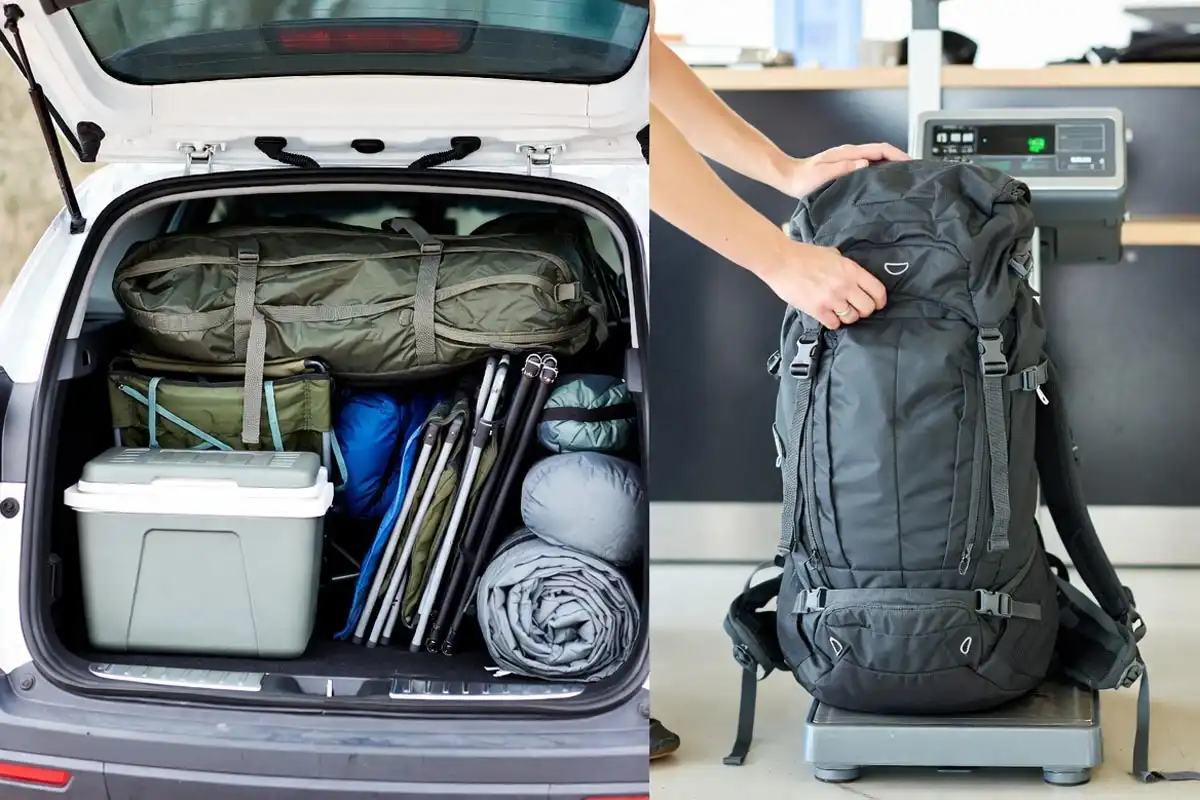
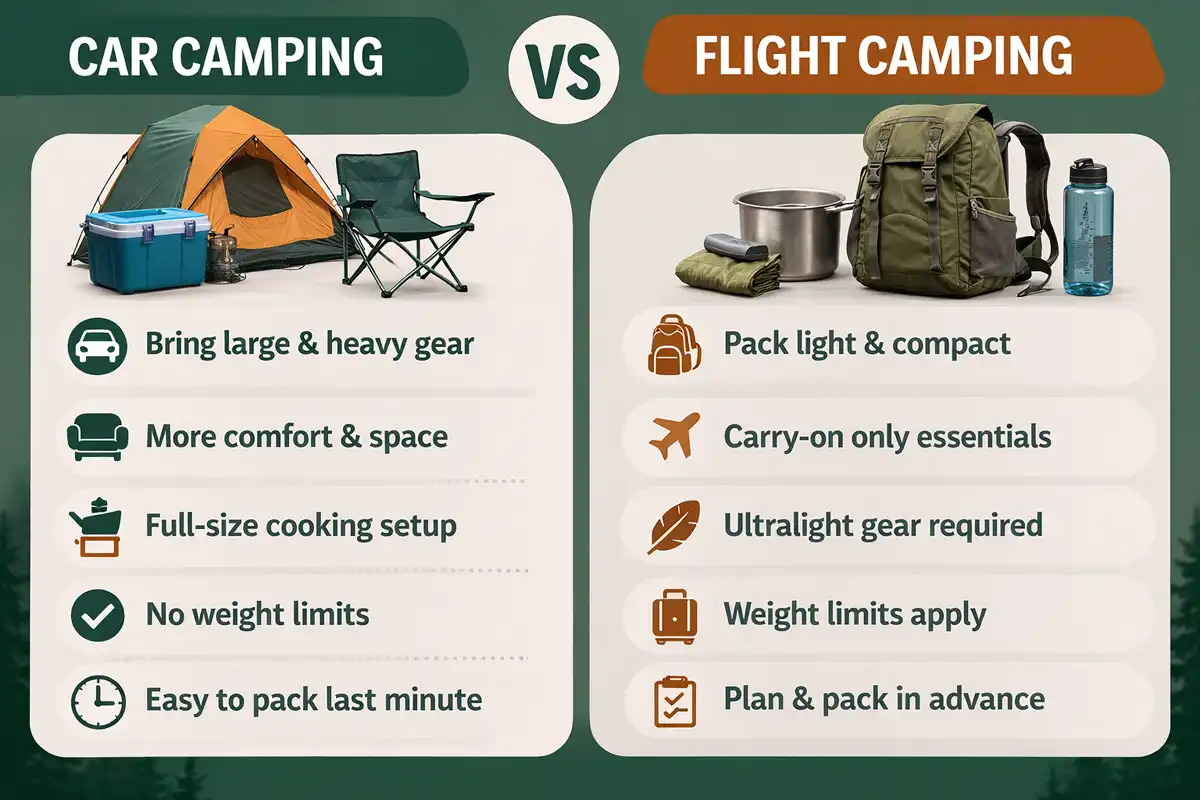
Car campers pack by volume and comfort because vehicle weight limits rarely apply. Flight campers pack by weight and size, keeping checked bags under 50 lbs (23 kg) and carry-ons within airline dimensions, typically 22 x 14 x 9 inches. Car camping rewards bringing more; flight camping rewards bringing less but better.
How Does Car Camping Packing Differ from Flight Camping Packing?
Car camping packing focuses on convenience and comfort. You load gear directly into your vehicle, so weight and size matter less. Flight camping packing focuses on compliance and efficiency. Airlines restrict bag weight, size, and certain items, so every item requires deliberate selection.
Both methods start from the same place: a gear list. From there, they split into two separate systems.
Learn more: TSA Rules Every Camper Needs to Know
What Are the Core Rules for Packing a Car Camping Trip?
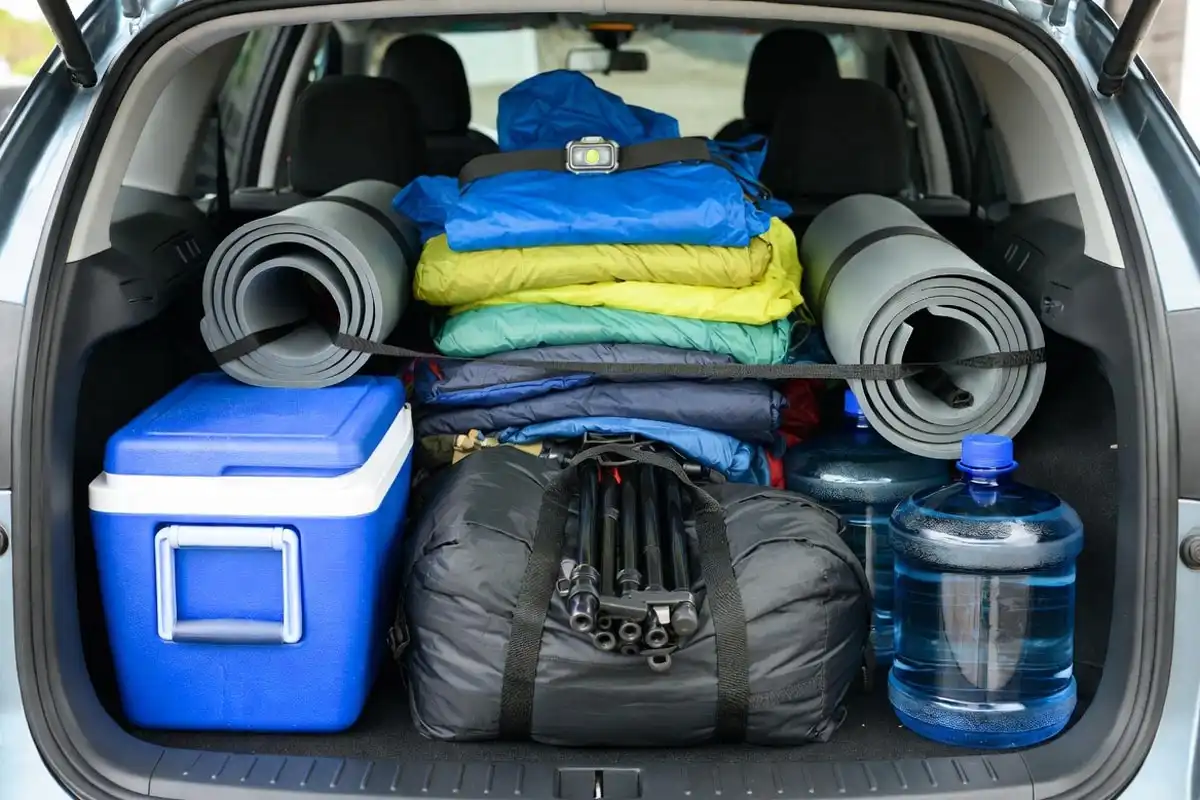
Car camping packing follows one rule: bring what you need without cluttering the vehicle. Most passenger cars hold 12 to 15 cubic feet of cargo space, which fits a full weekend camping kit.
Start with the non-negotiables:
- Shelter: tent, sleeping bag, sleeping pad
- Cooking: stove, fuel, cookset, utensils
- Water: containers, filter, or purification tablets
- Clothing: layered system suited to the forecast
- Safety: first aid kit, headlamp, fire starter
I put together a complete 2-night camping checklist if you want a category-by-category reference before your next trip.
Pack by zone, not by item:
Load heavy items (coolers, water containers) on the floor behind the front seats. Place medium items (tent bags, sleeping bags) above them. Keep frequently accessed items (snacks, rain gear, headlamp) on top or in the back seat.
Car camping also allows gear that flight camping cannot accommodate: large coolers, cast iron cookware, full-size lanterns, folding chairs, and extra blankets. These add comfort with no extra cost.
To know more: Plan an Outdoor Trip Budget and Avoid Costly Mistakes
How Do You Pack a Camping Kit for a Flight?
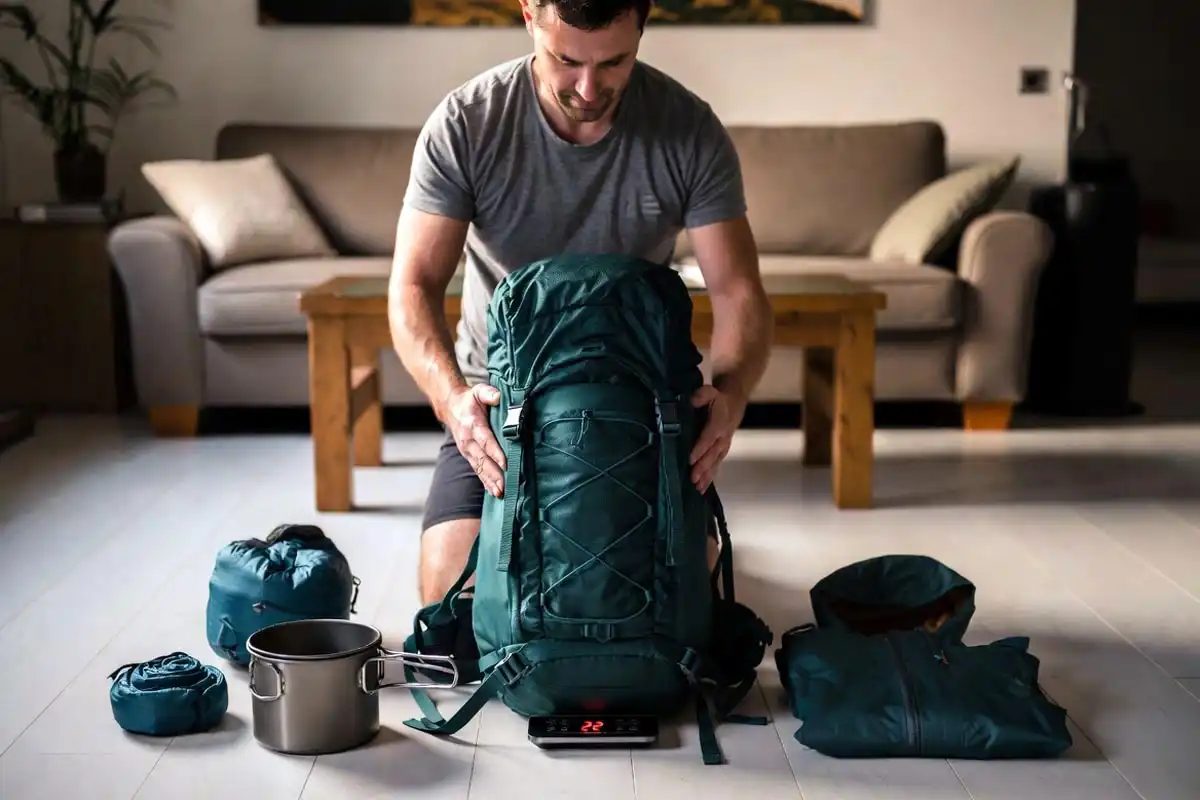
Flight packing works differently. Airlines set hard limits on baggage weight, size, and restricted items. Breaking those rules produces fines or confiscated gear.
Know the limits before you pack:
- Checked bag limit: most carriers allow 50 lbs (23 kg) per bag
- Carry-on size: typically 22 x 14 x 9 inches (56 x 36 x 23 cm)
- Personal item: varies by airline, usually under 18 x 14 x 8 inches
TSA-restricted camping items:
- Fuel canisters: banned from all flights, checked and carry-on
- Stove fuel (liquid or gas): not permitted in any bag
- Bear spray: banned from all aircraft
- Knives: permitted in checked bags only, never in carry-on
- Lighters: one disposable lighter in carry-on only
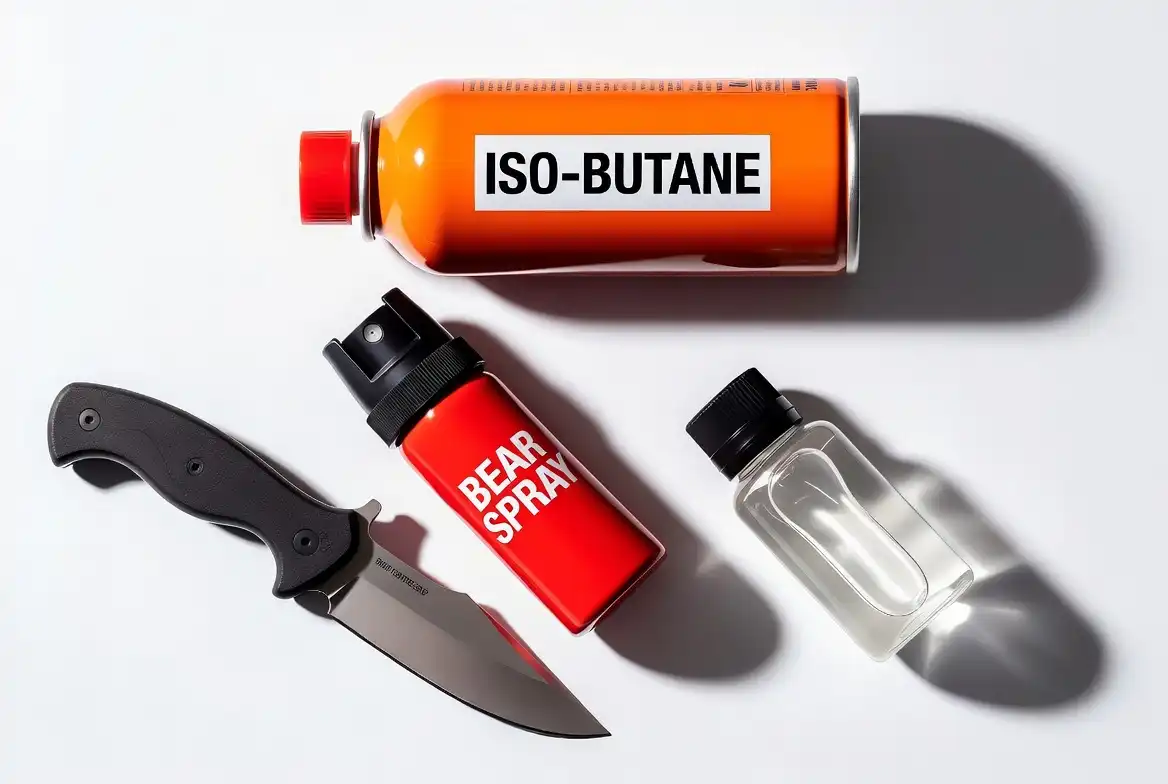
These restrictions change how you plan the trip. You cannot fly with a filled fuel canister, so you buy fuel at your destination or rent gear locally.
Step-by-step flight packing process:
- Write your complete gear list. Include every item you plan to bring.
- Flag restricted items. Identify what cannot fly. Plan to buy, rent, or ship those items.
- Weigh each item individually. Use a luggage scale. A complete weekend camping system runs 20 to 35 lbs total.
- Choose lightweight alternatives. A titanium pot replaces a steel one and saves 8 to 12 oz. A down sleeping bag compresses to a fraction of synthetic.
- Pack the checked bag first. Place heavy items (boots, tent) at the bottom near the wheels. Roll clothing tightly to reduce bulk.
- Pack the carry-on second. Include valuables, electronics, navigation tools, and any item you cannot afford to lose in checked luggage.
- Weigh both bags before leaving home. Overweight fees run $50 to $200 per bag on most carriers, depending on the airline.
Which Tent Works Best for Flight Camping?
A flight-friendly tent weighs under 3 lbs and packs into a stuff sack no larger than a football. Backpacking tents from brands like Big Agnes, MSR, and Naturehike meet those standards. A standard car camping tent weighs 8 to 15 lbs and rarely fits within airline checked bag size guidelines.
For two people flying to a campsite, I covered lightweight options in this two-person camping tent guide that balances weight with weather protection.
What Cooking Gear Do You Bring for Each Method?
Car camping cooking gear:
Car campers bring full cooking systems. A campfire cooking utensils including a grill grate, cast iron skillet, and full-size pot handles multi-meal cooking over an open fire. Weight does not limit these choices.
Flight camping cooking gear:
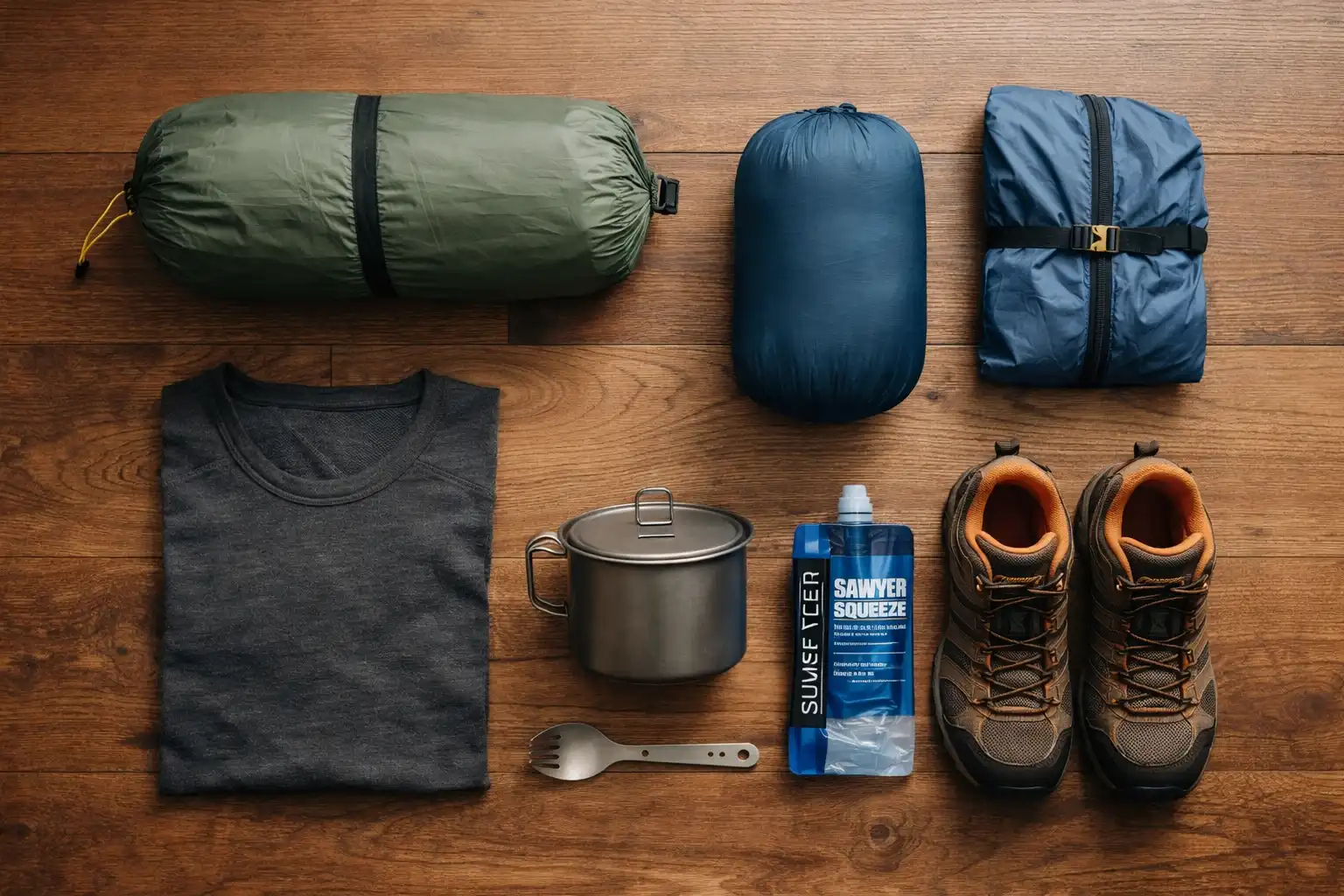
Flight campers use compact, multi-use systems. A single titanium pot, folding spork, and stove body (without fuel) replace a full kit. Source fuel locally from an outdoor retailer. Solid fuel tablets work as a backup, are lighter than canisters, and are permitted in checked bags — verify with your airline before packing.
How Do You Plan Water for a Car Trip vs a Flight?
Car campers carry large containers (5 to 10 gallons) because weight does not restrict them. I covered the exact amounts in my guide on water to bring camping per person, which applies to both travel methods.
Flight campers skip carrying water on the flight and rely on filtration at the destination. A Sawyer Squeeze or LifeStraw filter weighs under 3 oz and processes thousands of gallons over its lifespan. Pack the filter in your carry-on for direct access.
What Clothing System Works for Both Methods?
Car camping clothing:
Bring more layers than you expect to need. A full rain suit, extra base layer, and camp shoes add real comfort with no consequence in a vehicle.
Flight camping clothing:
The layered system still applies, but each item serves two or more purposes. A merino wool base layer functions as a sleep shirt and a hiking layer. A rain jacket doubles as a wind layer. Aim for 4 to 5 clothing items total for a 3-day trip.
Wear your heaviest items on the flight: hiking boots, fleece jacket, and cargo pants. This approach reduces checked bag weight by 4 to 6 lbs without any sacrifice at camp.
Car vs Flight Camping: Side-by-Side Comparison
| Category | Car Camping | Flight Camping |
|---|---|---|
| Weight limit | Vehicle capacity | 50 lbs checked; 22 lbs carry-on typical |
| Tent size | Any size | Under 3 lbs preferred |
| Cooking fuel | Bring any type | Buy or rent at destination |
| Cooler | Full-size allowed | Not practical |
| Clothing | Bring extras freely | 4 to 5 items, multi-use |
| Water | Large containers | Filtration system |
| Checked bag cost | None | $35 to $200 per bag |
What Mistakes Do Car and Flight Campers Make Most Often?
Car camping mistakes:
- Packing duplicate items (two headlamps, three knives) and running out of cargo space
- Placing heavy coolers unsecured in the trunk, which shifts on curves and damages gear
- Skipping a rain tarp or tent footprint because the forecast looks clear
Flight camping mistakes:
- Packing fuel canisters and having them confiscated at the security checkpoint
- Underestimating checked bag weight and paying $75 to $200 in overage fees
- Failing to verify local gear rental or fuel availability before the flight
For solo travelers, I also recommend reviewing stay safe while camping alone since those considerations apply regardless of how you arrive at the campsite.
FAQs on Pack for a Camping Trip by Car vs by Flight

Can you bring a camping stove on a plane?
You can bring the stove body in a checked bag, but not the fuel. Airlines ban all compressed gas canisters and liquid fuel containers. Purchase fuel from an outdoor retailer at your destination.
How heavy should a flight camping pack be?
A complete weekend flight camping kit runs 20 to 35 lbs total across checked and carry-on bags. Keeping the checked bag under 45 lbs gives you a buffer before airline overweight fees apply.
What camping gear can you rent instead of fly with?
Most outdoor destinations offer tent, sleeping bag, sleeping pad, and stove rentals. Renting bulky or heavy items reduces checked bag weight and lowers airline fees. Contact local outfitters near your campsite before you book your flight.
Can you bring bear spray on a plane?
No. Bear spray is prohibited on all commercial flights in both carry-on and checked bags. Purchase it at your destination or ship it through a carrier that accepts hazmat packages.
Is a duffel bag or backpack better for flight camping?
A 50 to 65-liter backpacking pack works better than a duffel for flight camping. It distributes weight correctly for hiking from a trailhead to camp. A duffel suits car camping where you carry gear short distances from the vehicle.
Conclusion
Car camping packing rewards volume and comfort. Flight camping packing rewards precision and weight control. Both methods start from the same point: a complete gear list matched to trip length, climate, and campsite access.
Drive-in trips let you bring the full kit without compromise. Fly-in trips require choosing gear that does more with less. In my experience, a disciplined flight kit produces better gear choices overall and often outperforms an overpacked car trunk at the actual campsite.
Pack smart for either method and you spend more time at camp, less time solving problems you created at home.