How to Plan an Outdoor Trip Budget and Avoid 4 Costly Mistakes
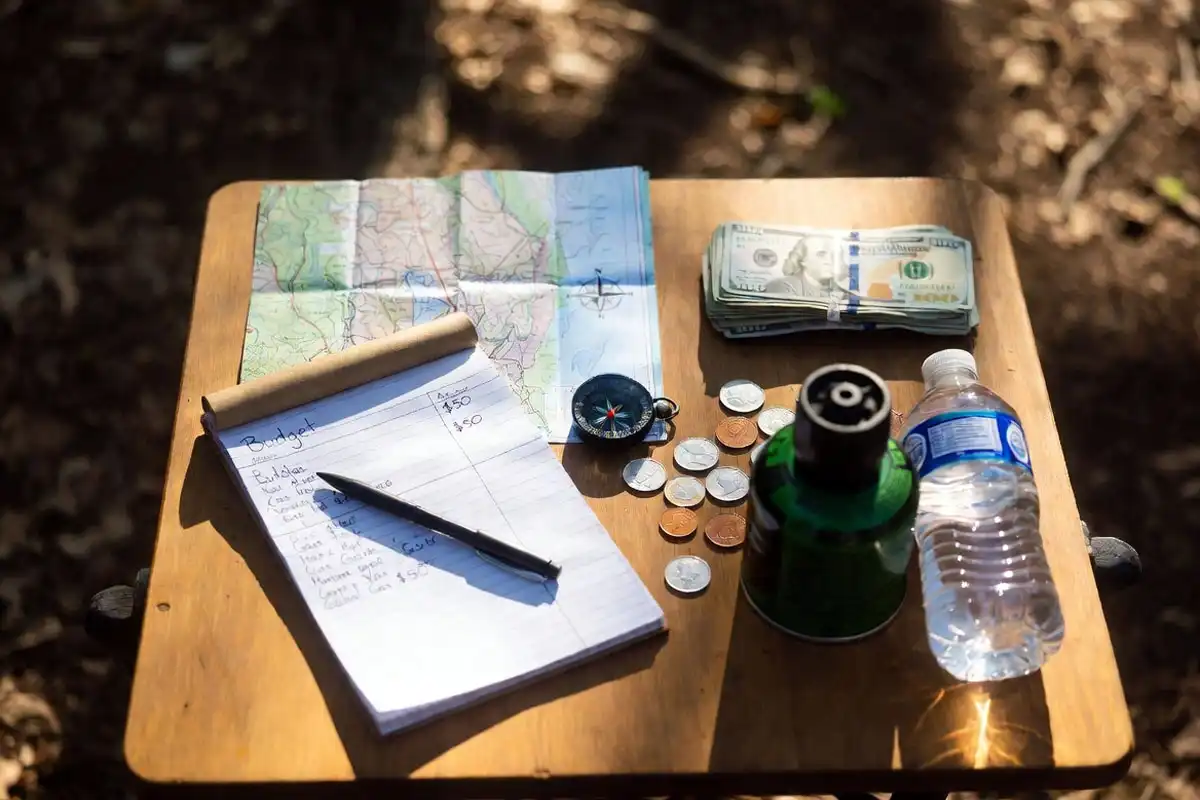
To plan an outdoor trip budget, you list every cost category, transport, permits, food, gear, lodging, and emergencies, before you commit to a destination or date. This guide covers transportation, gear, permits, food, water, and safety expenses so you can build a realistic total for any camping or hiking trip. I’ve planned dozens of trips across the Rangamati hill tracts and beyond, and the costs that catch people off-guard most often are permit fees and forgotten small gear items. Whether you’re prepping a single overnight or a five-day trail trip, this system gives you a clear framework to follow.
To plan an outdoor trip budget, list six cost categories (transportation, gear, food and water, permits and campsite fees, safety supplies, and an emergency reserve), assign a real number to each using current prices, total everything, then add a 15-20% contingency buffer. Start this process at least 4-6 weeks before departure.
What Does an Outdoor Trip Budget Include?
An outdoor trip budget covers six distinct cost areas. Each one contributes differently depending on your destination and trip length.
- Transportation: fuel, vehicle rental, shuttle fees, or transit fares
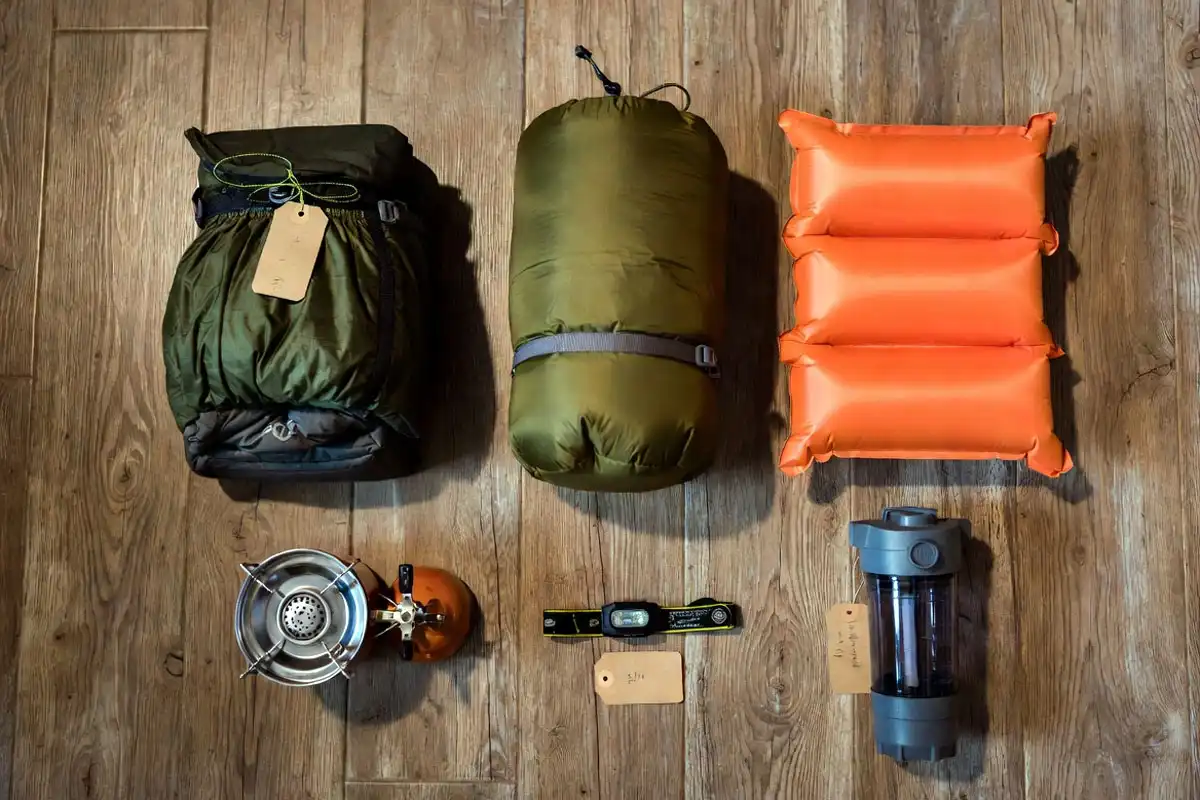
- Gear: tent, sleeping bag, sleeping pad, cooking system, clothing layers
- Food and water: meals, snacks, drinks, and water treatment supplies
- Campsite fees: nightly site charges at front-country or designated backcountry sites
- Permits: required entry permits for national parks, wilderness areas, or protected land
- Safety supplies: first aid kit, navigation tools, emergency communication device
Skipping any one of these categories produces an underestimate. The goal is to account for every dollar before day one.
When Should You Start Budgeting?
Start at least four to six weeks before your departure date. Popular permit systems for national parks and wilderness areas often require reservations two to six months in advance.
Early budgeting gives you time to compare gear prices, borrow equipment from friends, and split costs with trip partners. Last-minute planning increases total trip costs because rushed gear purchases tend to cost more and campsites with immediate availability often carry premium fees.
Where Do the Biggest Costs Come From?
Gear produces the largest one-time cost for first-time campers. A basic setup covering a tent, sleeping bag, sleeping pad, and cook system costs $200-$600 when purchased new. Buying used gear from outdoor exchange shops or online resale platforms reduces that figure by 40-60%.
Transportation generates the largest recurring cost for most campers. A 300-mile round trip in a standard vehicle costs $40-$80 in fuel alone before tolls or trailhead parking fees.
Food runs $10-$20 per person per day for standard camp meals. Freeze-dried backpacking meals cost more per serving at $8-$15 each but reduce pack weight significantly on multi-day trips.
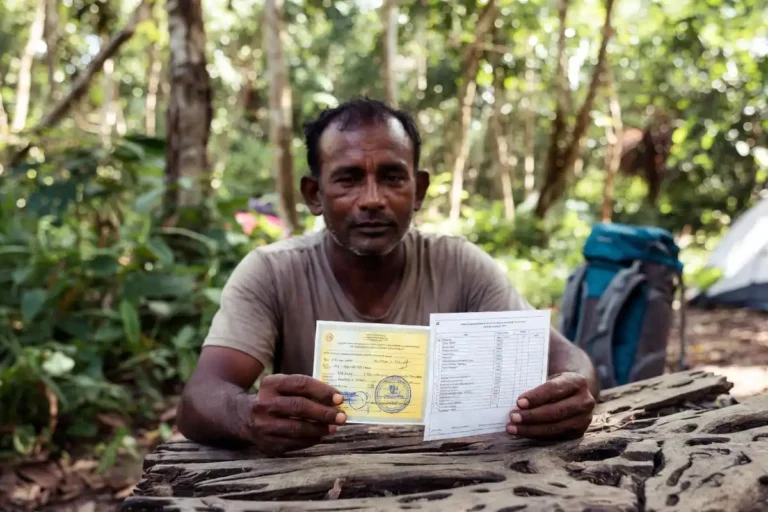
Permits vary more than most people expect. Some designated wilderness permits cost $6-$15 per person per day. Others require a flat group reservation fee. Always check the specific land management agency’s website for your destination before estimating this category.
How to Plan an Outdoor Trip Budget: Step-by-Step
Step 1: Define Your Trip Parameters
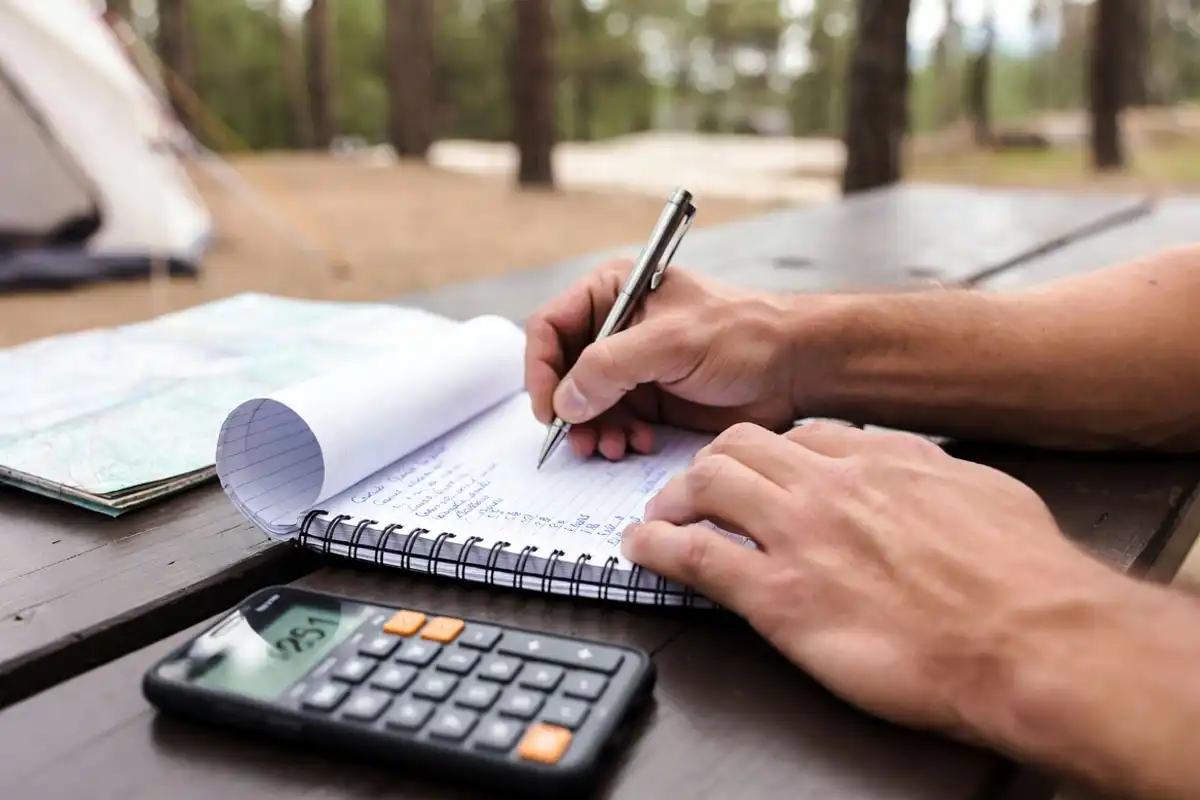
List three things: trip length in nights, number of people, and destination type. These three inputs determine every cost calculation that follows.
A front-country campground trip costs differently than a backcountry permit trip. A solo trip costs differently than a group of four splitting a campsite fee. Nail down these three variables before touching any numbers.
Step 2: Estimate Transportation Costs
Calculate your round-trip distance. Multiply total miles by your vehicle’s fuel cost per mile. Add parking fees, shuttle costs, or transit fares if applicable.
If you’re flying to a trailhead region, add airfare and ground transportation as separate line items. For group trips, divide total transportation cost by the number of people to get your per-person figure.
Step 3: Audit Your Existing Gear
List every piece of gear the trip requires. Mark each item as owned, borrowed, or needed. Gear you already own costs $0 for this trip. Borrowed gear saves $30-$300 depending on what you need.
I wrote a complete gear checklist in my article on preparing for a 2-night camping trip, which helps identify overlooked small items that add up fast.
For any item you need to purchase, get at least two price comparisons: one for new and one for used. Buy used when condition is acceptable and you have time to inspect it.
Step 4: Build Your Food and Water Budget
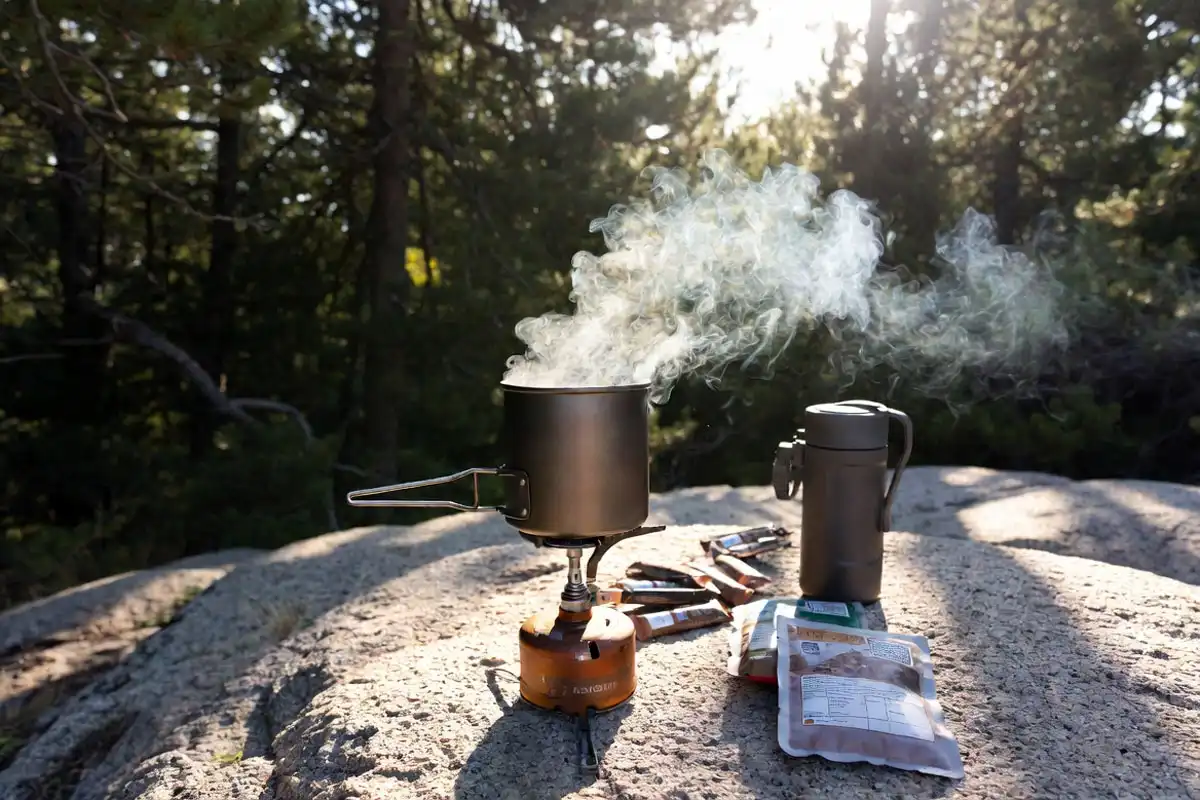
Multiply your per-person daily food cost by trip length and number of people. For a 2-night trip with three people at $15 per person per day, the food budget is $135. Add a 10% buffer for forgotten snacks or a delayed return.
Water treatment equipment belongs in this budget line. A quality filter costs $25-$60 and serves hundreds of trips. Purification tablets cost $8-$15 per pack. Never rely solely on untreated water sources.
I covered water needs in detail in my article on how much water to bring per person, which helps you estimate water weight and treatment supply quantities.
For cooking gear, a basic campfire cooking kit covers most camp meal needs and reduces reliance on expensive single-use packaged meals.
Step 5: Research Permit and Campsite Fees
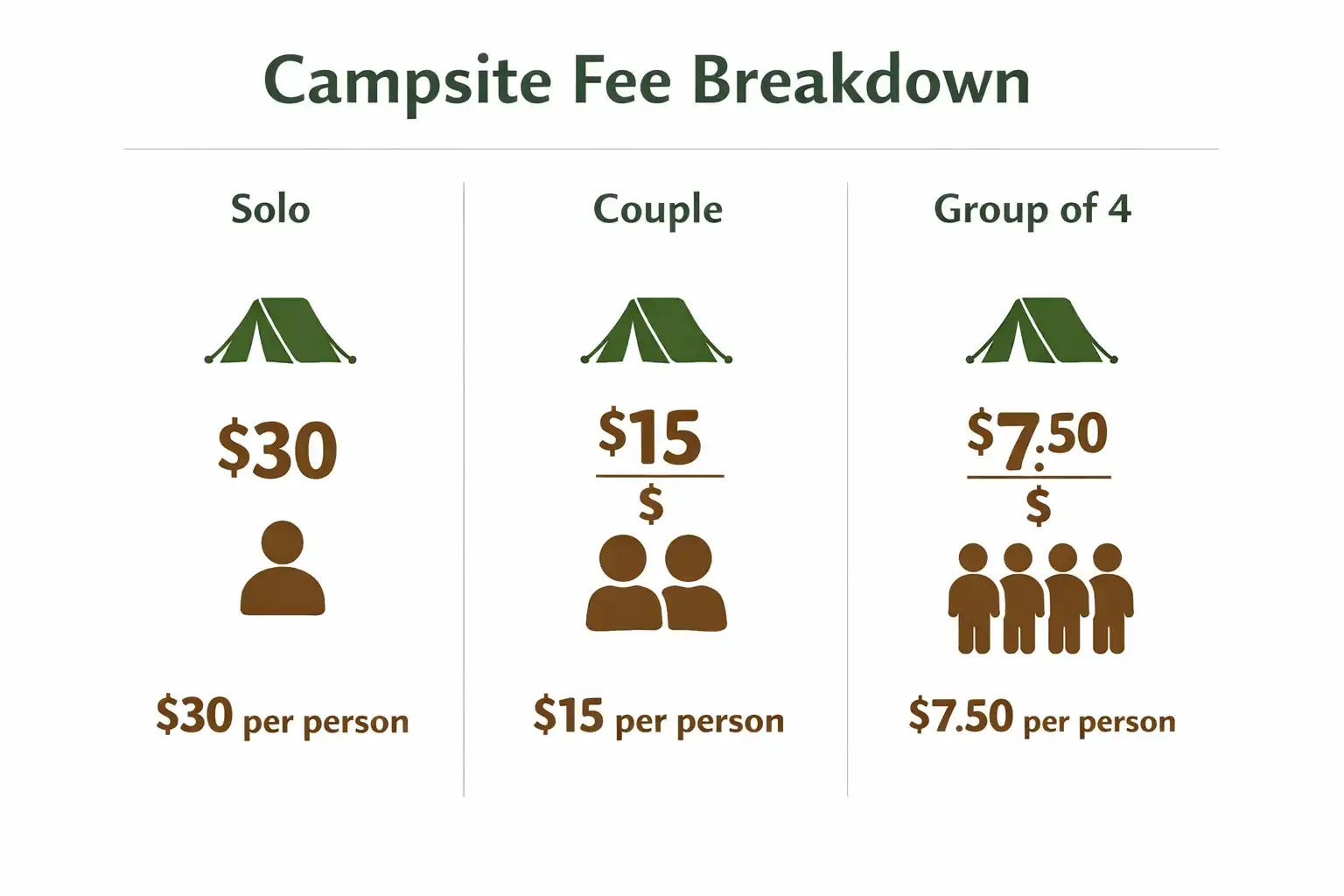
Look up the land management agency for your destination. Note the nightly campsite rate, any permit application windows, and whether group size affects cost.
Some sites charge per person. Others charge a flat site rate regardless of group size. A four-person group sharing a $30/night site pays $7.50 each. A solo camper at the same site pays $30. Group trips reduce per-person costs significantly on flat-rate sites.
Step 6: Add Safety and Emergency Costs
Budget for a basic first aid kit at $15-$30. If your destination requires a bear canister, rental runs $5-$10 per day. Travel insurance for trips involving remote terrain costs vary widely by provider and coverage level.
A personal locator beacon (PLB) rental costs $5-$10 per day and provides emergency evacuation signaling capability in areas without cell coverage. This cost is worth including on any backcountry or multi-day trip.
I covered treatment of common camp injuries in my guide on handling minor cuts and blisters at camp, which helps you decide exactly what to include in a first aid kit.
Step 7: Apply a Contingency Buffer
Add 10-15% to your total calculated budget before finalizing. Unexpected costs on trips include fuel price changes, gear repairs, an extra night due to weather, and resupply items you forgot to pack.
Do not treat the buffer as spending money. It covers genuine overruns. If you return home without touching it, it rolls forward to your next trip fund.
Step 8: Track and Split Shared Costs
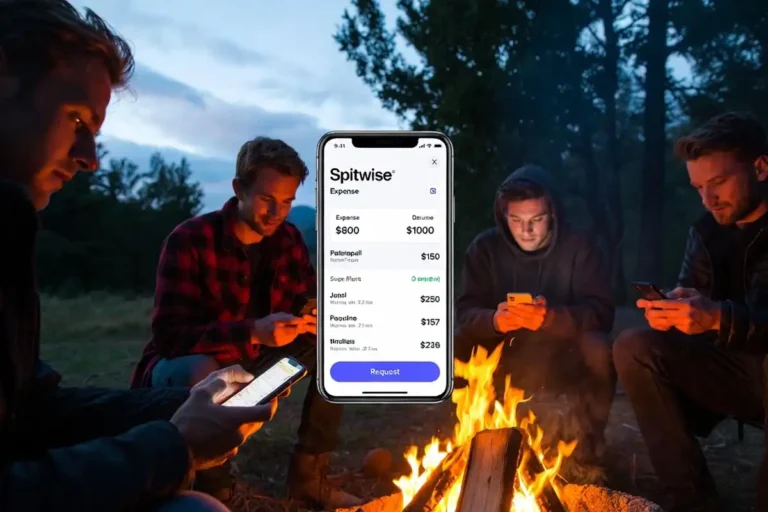
Use a spreadsheet or a cost-sharing app to list every expense and who paid. Tracking shared costs as you go prevents end-of-trip confusion about who owes whom.
Assign one person to track the group’s campsite fees, permit costs, and shared food purchases in real time. Settle balances at the end of the trip or before driving home.
What Are Common Budget Mistakes to Avoid?
Underestimating gear costs ranks as the most frequent error. First-time campers often forget minor items like a headlamp, water filter, trekking poles, or a sleeping bag liner. These items together cost $60-$150 and rarely appear on basic gear lists.
Ignoring permit fees creates problems on arrival. Some scenic trail corridors require advance permits that sell out weeks ahead. Arriving without a valid permit can result in denied access or fines.
Skipping the contingency buffer leaves no room for manageable surprises. A broken tent zipper, an extra night of camping due to rain, or a fuel price higher than expected can each cost $20-$50 that an unpadded budget can’t absorb.
Splitting gear costs unevenly causes friction in group trips. Agree in writing before the trip on who buys shared consumables like fuel canisters, toilet paper, and fire starter.
Which Safety Costs Should You Never Cut?
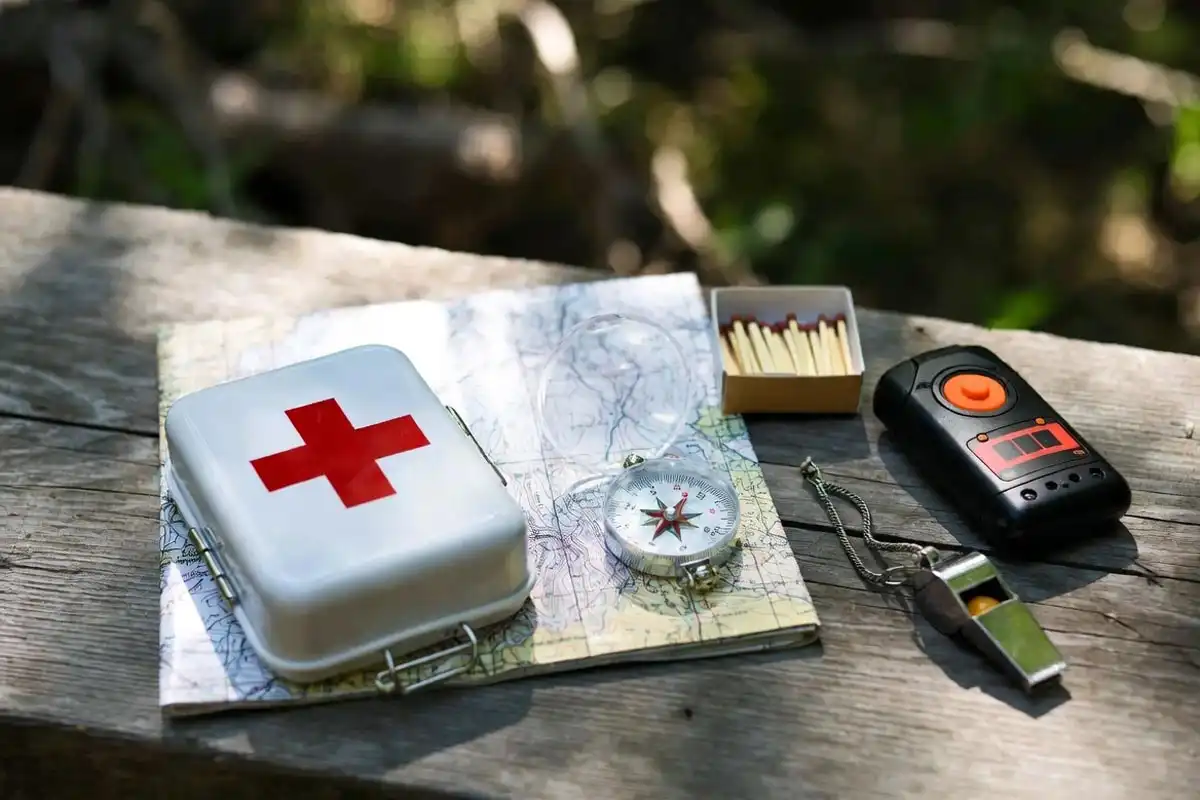
Water treatment is non-negotiable. A quality filter or purification tablets protect against waterborne pathogens that cause illness within hours of exposure. I covered safe water preparation in my article on making camp water safer, which outlines treatment options at different price points.
Navigation tools at minimum means a printed topographic map and compass for your specific destination. These cost under $30 and function without batteries. GPS devices add cost but provide significant value on remote or poorly marked routes.
First aid supplies cover the injuries that happen most often: blisters, cuts, ankle rolls, and minor burns. A pre-built kit handles these for $15-$30. Do not substitute this with a single bandage roll.
How Much Does an Outdoor Trip Actually Cost?
These ranges apply when gear is already owned. Add $200-$500 for first-time gear purchases.
| Trip Type | Estimated Cost Per Person |
|---|---|
| Day hike (no overnight) | $10-$40 |
| 1-night front-country camping | $30-$80 |
| 3-night front-country camping | $80-$150 |
| 3-night backcountry (with permit) | $100-$200 |
Costs increase with distance from home, higher park permit fees, and more expensive food choices.
Budget Tips That Reduce Trip Costs
Borrow before you buy. One borrowed tent saves $100-$300 on a first trip. Most gear works for a single trip evaluation before committing to a purchase.
Buy bulk trail food. A 14-meal resupply pack costs 20-30% less per meal compared to individual pouches from outdoor retailers.
Share campsite fees. A flat-rate site accommodating four people reduces per-person cost by 75% compared to solo booking.
Camp mid-week. Campsite availability increases Tuesday through Thursday on popular reservations systems. Some dispersed camping areas within national forests charge no fee at all.
Plan overlapping ingredients. Oats, rice, and tortillas serve multiple camp meals across a trip. Reducing the variety of ingredients reduces both cost and pack weight.
Conclusion
An outdoor trip budget covers six categories: transportation, gear, food and water, permits and campsite fees, safety supplies, and a 15-20% emergency reserve. A solid outdoor trip budget follows a clear sequence: define trip parameters, audit gear, calculate transportation and food costs, research permits and fees, add safety supplies, and apply a 10-15% buffer. This process takes 30-60 minutes and prevents the stressors that derail trips mid-way. Every cost category you plan ahead is a problem you avoid on the trail.