How to Reduce Tent Weight When Backpacking Solo for Multiple Days

If you want to reduce tent weight on a solo backpacking trip of multiple days, start by choosing the right shelter and auditing your gear list before you leave the trailhead. This guide covers shelter types, sleeping systems, pack selection, and a weight audit process I run before every multi-day trip. It also identifies the common mistakes that silently add weight, so you arrive at camp with more energy on day two and beyond.
To reduce tent weight when backpacking solo, switch from a double-wall tent to a tarp, bivy, or single-wall shelter weighing under 1.5 lbs. Replace heavy sleeping bags and pads with lightweight alternatives. Target a base weight below 15 lbs. Cutting 2 to 3 lbs from your shelter system alone reduces cumulative fatigue across three or more days on the trail.
Why Does Shelter Weight Matter on a Multi-Day Solo Backpacking Trip?
On a solo trip, you carry every piece of gear yourself. There is no one to share the poles or split the cook kit.
A 4-lb tent feels manageable on day one. By day three, that same tent drains energy, slows your pace, and strains your hips and knees on long climbs. The damage adds up silently, mile by mile.
I covered the physical demands of extended trail time in my article about fitness level you need for a multi-day backpacking trip. Pack weight connects directly to how well your body holds up across those days.
What Shelter Weight Should You Target for Solo Backpacking?
For solo trips, your shelter system should weigh between 1 and 2 lbs. This includes the shelter body, stakes, poles, and stuff sack.
| Shelter Type | Typical Weight |
|---|---|
| Silnylon or DCF tarp | 0.5 to 1 lb |
| Bivy sack and tarp combo | 0.8 to 1.2 lbs |
| Single-wall tent | 1.2 to 2 lbs |
| Double-wall 3-season tent | 3 to 5 lbs |
A double-wall tent manages condensation better than most tarps. A single-wall or tarp setup cuts weight significantly but requires more pitch skill and site selection.
How to Choose a Lightweight Shelter System
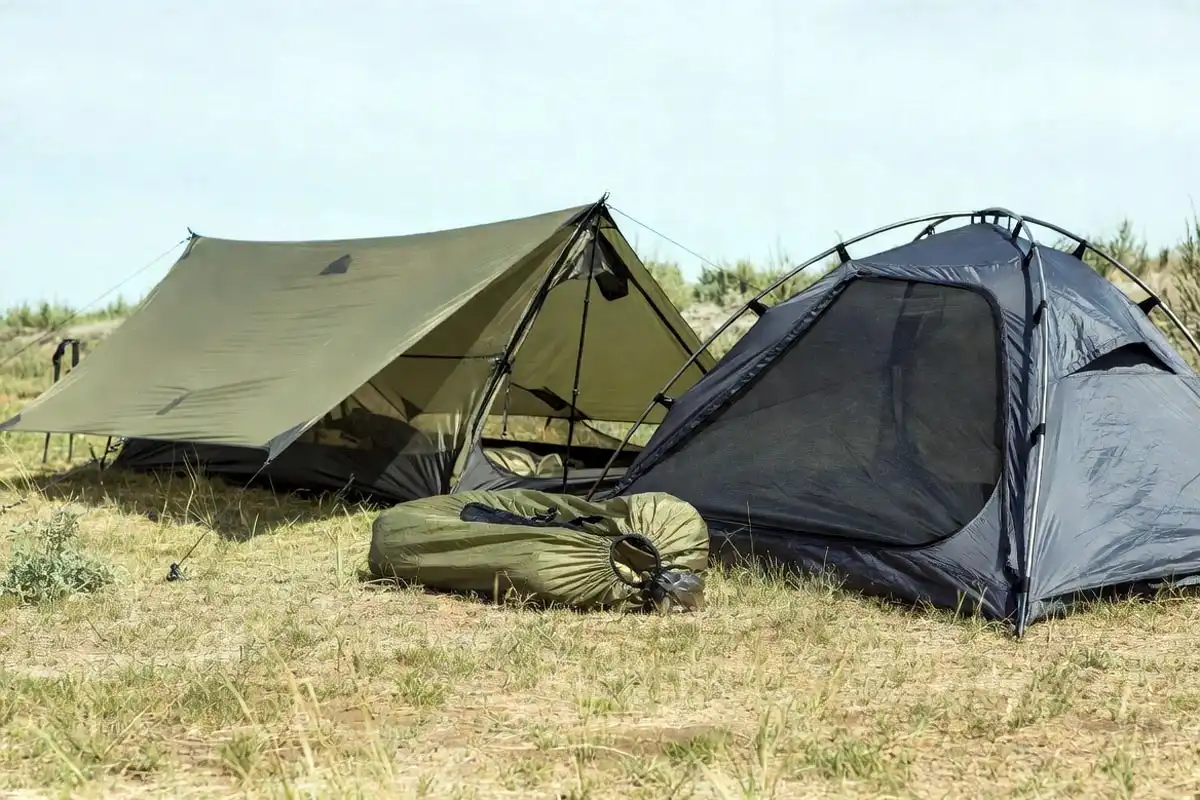
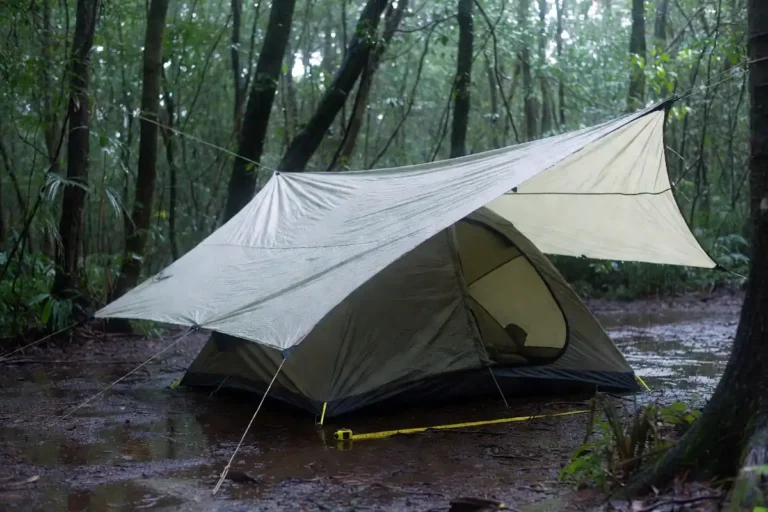
Tarp shelters use thin silnylon or Dyneema Composite Fabric (DCF). They weigh under 1 lb and pack very small. They require trekking poles or trees to pitch and leave your sleeping bag exposed without a bivy underneath.
Bivy sacks weigh 0.5 to 1 lb and protect your sleeping bag from moisture. A bivy paired with a small tarp provides full rain and wind coverage at a combined weight under 1.5 lbs.
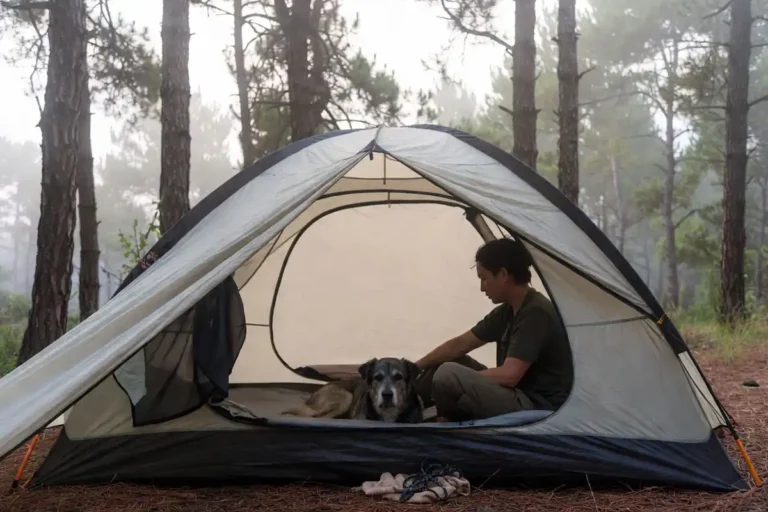
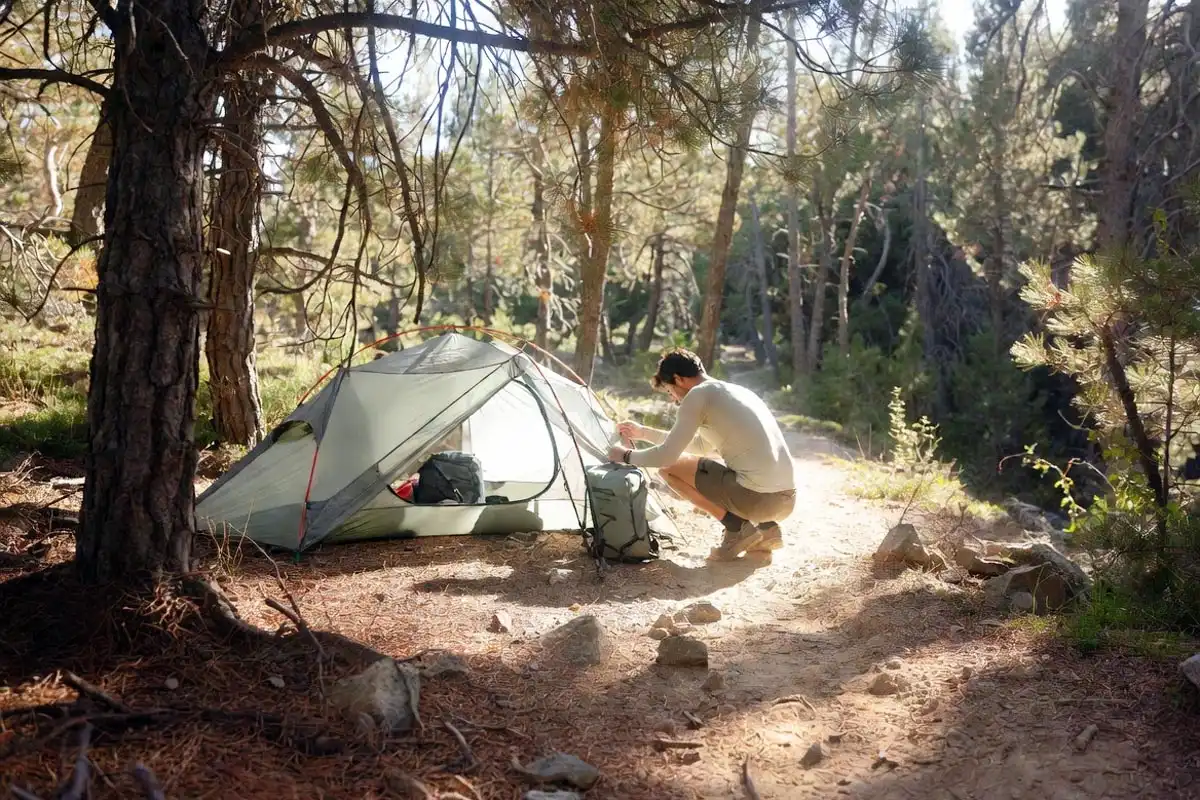
Single-wall tents like the MSR Carbon Reflex or models from Zpacks weigh 1 to 2 lbs. They provide enclosed shelter without the setup complexity of a tarp. For backpackers new to ultralight systems, a single-wall tent is the better starting point.
Choose based on terrain and weather, not weight alone. A tarp in a sheltered forest works well. A tarp above treeline in wind and rain requires solid pitch skills to stay safe.
What Else to Cut Beyond the Tent
The tent is one part of your base weight. The sleeping system and pack often carry more weight than backpackers expect.
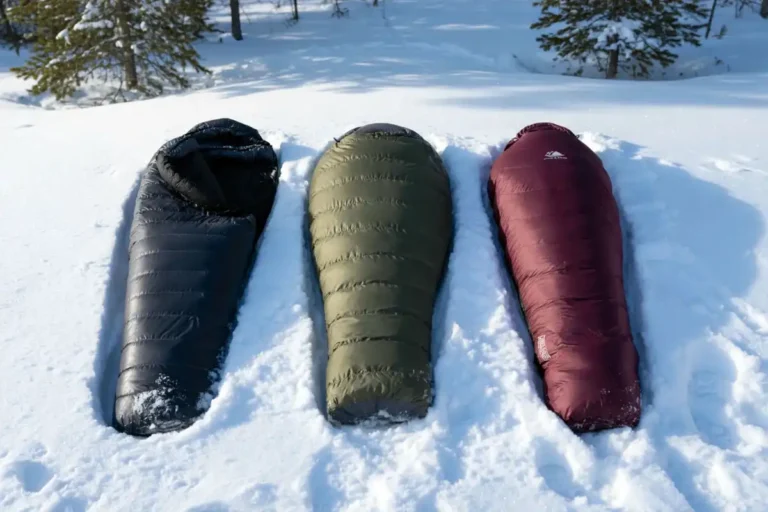
Sleeping bag: A 20°F down bag weighs 1.5 to 2 lbs. A synthetic bag at the same temperature rating weighs 2.5 to 3.5 lbs. Down saves weight but loses insulation when wet. Use a waterproof stuff sack or a down bag with a DWR-treated shell in wet climates.
Sleeping pad: A closed-cell foam pad weighs around 0.5 lbs. An inflatable pad like the Therm-a-Rest NeoAir XLite weighs about 12 oz and insulates better in cold conditions.
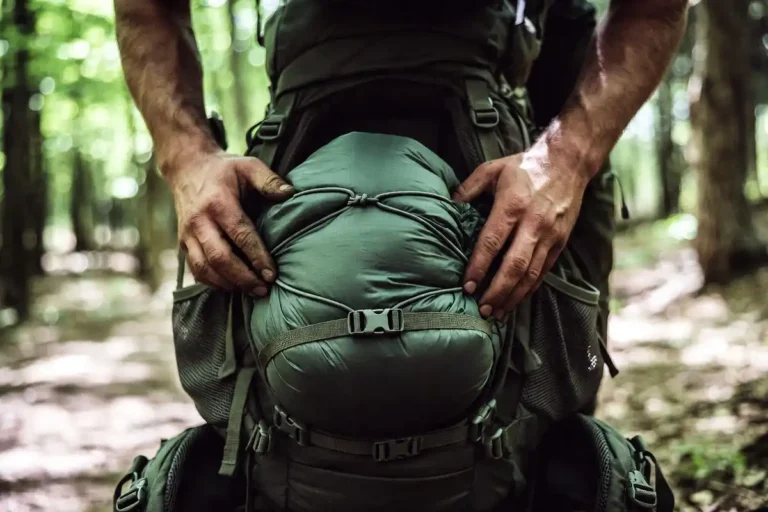
Backpack: A frameless pack weighs 1 to 1.5 lbs. A framed pack with a hipbelt weighs 3 to 5 lbs. Frameless packs work well at total carry weights under 20 lbs. Above that, a frame reduces spinal fatigue on steep terrain.
Clothing: Carry one base layer, one insulating layer, and one rain layer. Avoid cotton. Merino wool and synthetic fabrics dry faster and weigh less per ounce of warmth.
Cook system: A titanium pot with a canister stove weighs under 10 oz. An alcohol or wood stove cuts weight further but reduces cooking precision on cold mornings.
I covered general packing decisions in my article on pack light for a longer outdoor trip, which applies directly to multi-day backpacking loads.
Step-by-Step: How to Audit and Reduce Your Pack Weight
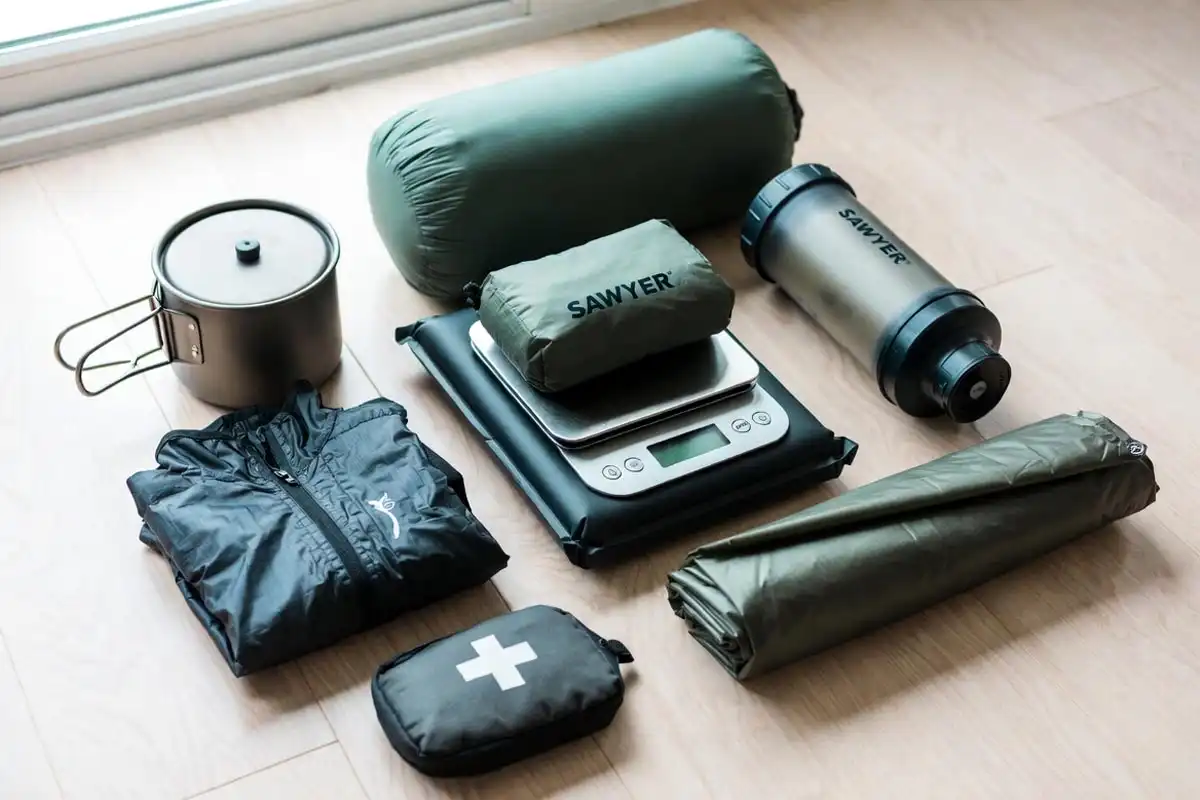
Step 1: Weigh every item individually. Use a kitchen scale. Record each weight in a list. Most backpackers carry 5 to 10 lbs of untracked weight they have never measured.
Step 2: Sort gear into three groups. Group one includes essential safety items: navigation tools, first aid kit, shelter, water filter, and fire starter. These stay in the pack without cuts.
Group two includes comfort items such as extra fuel, a full-size towel, or camp sandals. These get reviewed and cut if the weight penalty is high.
Group three includes duplicates. Most backpackers carry two of something they need only one of.
Step 3: Replace the three heaviest non-essential items. After sorting, identify the three heaviest items outside group one. Find a lighter alternative for each. You do not need to replace everything at once.
Step 4: Calculate your base weight. Base weight equals all gear minus food, water, and fuel. A base weight below 15 lbs works comfortably for most solo backpackers. Below 10 lbs falls into the ultralight category.
Step 5: Test the loaded pack before your trip. Walk with the full pack for 30 to 60 minutes before the trip starts. Adjust the fit. Identify what shifts or creates pressure points. Fix issues at home, not on the trail.
I use a pre-trip gear list for every outing. My guide on building a 2-night camping checklist covers that process in detail.
What Mistakes Add Weight Without You Noticing?
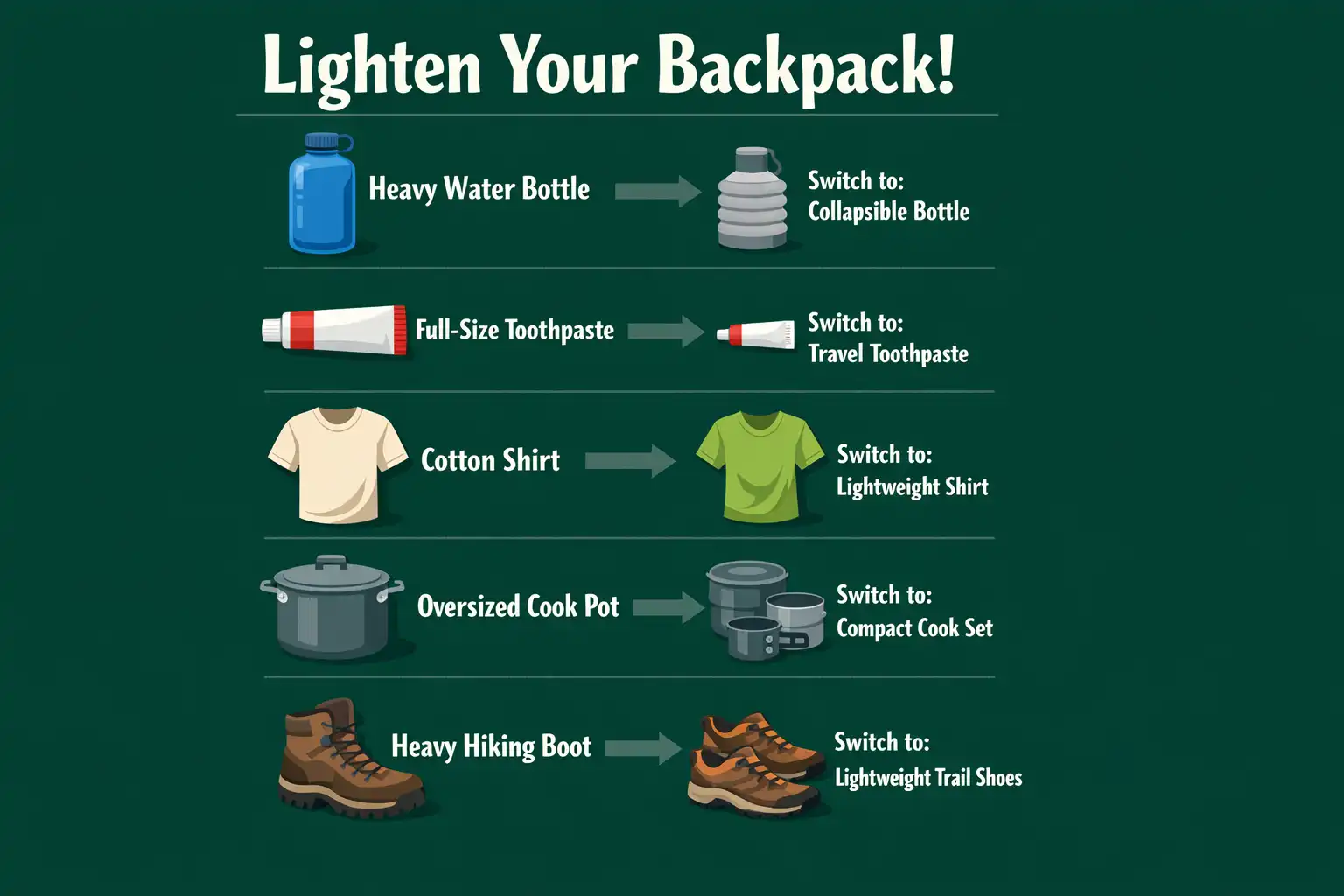
Carrying too much food. Most backpackers need 1.5 to 2 lbs of food per day. Packing for every emergency scenario adds 1 to 2 extra lbs that rarely gets eaten.
Choosing heavy water containers. A hard plastic bottle weighs 3 to 5 oz. A soft Cnoc or Platypus reservoir weighs under 1 oz. A Sawyer Squeeze filter weighs 3 oz and replaces heavier UV or pump systems.
Packing full-size toiletries. A standard toothpaste tube weighs 3 oz. A travel-size tube weighs under 1 oz. Apply this to every hygiene item in your kit.
Not learning dual-pitch options. Some ultralight tents pitch with only the fly or only the inner depending on conditions. Using the fly-only option on dry nights removes 4 to 8 oz from your effective carry.
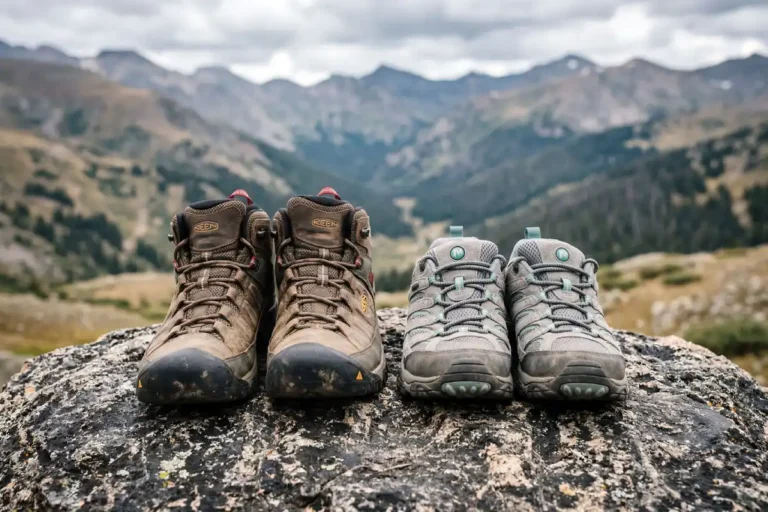
Ignoring footwear weight. Trail runners weigh 8 to 12 oz per shoe. Heavyweight hiking boots weigh 20 to 35 oz per shoe. Footwear weight multiplies with every step across a full day. I’ve written about choosing and breaking in hiking boots, which ties directly into this decision.
Is It Safe to Go Ultralight on a Solo Backpacking Trip?
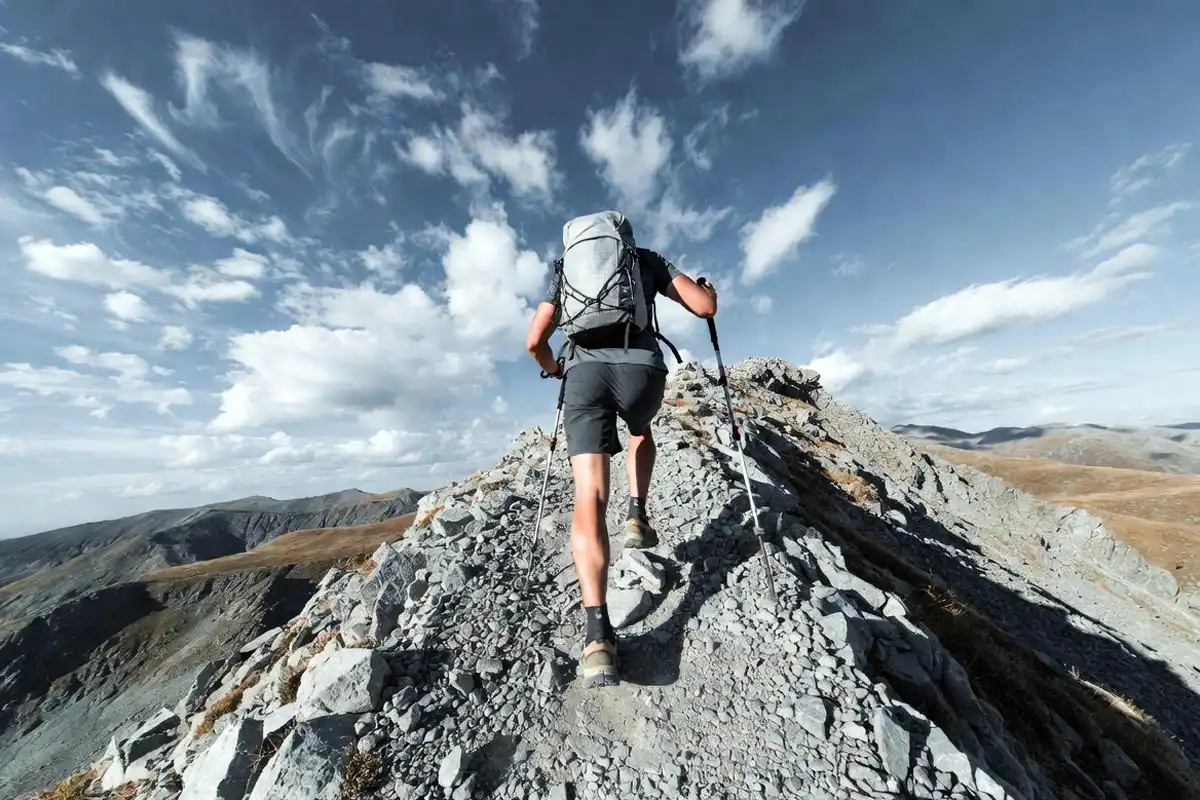
Yes, with preparation. Lighter packs reduce injury risk on descent and improve stability on uneven terrain.
Carry the ten essentials regardless of your base weight. These include navigation tools, sun protection, insulation, illumination, first aid supplies, fire starting tools, repair items, nutrition, water treatment, and emergency shelter.
A lighter pack on solo trips reduces stress on the knees on downhill sections. I’ve addressed that specific issue in my article on managing knee pain during downhill hikes.
Never cut your rain layer or sleeping insulation to hit a weight target. These two items prevent hypothermia. Cutting warmth or weather protection creates a safety risk that no weight saving justifies.
FAQs about Reduce Tent Weight for Solo Backpacking

What is a good base weight for solo backpacking?
A base weight below 15 lbs is comfortable for most backpackers on multi-day trips. Below 10 lbs is ultralight. Below 5 lbs is super-ultralight, which requires significant gear investment and experience managing minimal systems.
What is the lightest shelter option available for backpacking?
A DCF tarp weighs 4 to 8 oz and provides full rain coverage. It requires trekking poles and a suitable pitch site. A bivy adds 6 to 12 oz for enclosed protection. Combined, this system weighs under 1 lb.
Can a hammock replace a tent to reduce weight?
A lightweight hammock system with tarp and underquilt weighs 2 to 3 lbs. It saves weight compared to a heavy tent but requires trees within 12 to 15 feet. It does not work above treeline or in open terrain.
Does listed tent weight include stakes and poles?
Most manufacturers list packed weight, which includes poles, stakes, and stuff sack. Trail weight sometimes excludes the bag. Always confirm what is included before comparing weights across brands.
How do I know if my pack is too heavy to go ultralight?
If your total loaded pack weight exceeds 30% of your body weight, it increases injury risk. Carry no more than 20% to 25% of your body weight for multi-day solo trips. A lighter base weight gives you room to carry enough food and water without exceeding that threshold.
Final Thoughts
Reducing tent weight when backpacking solo is a process that starts with the shelter and moves through every item in your pack. Use the weight audit method before every trip. Replace the heaviest non-essential items first. That single habit produces the biggest improvement in energy and comfort across multiple days on the trail.
You do not need to replace everything at once. Start with the shelter system, then the sleeping bag, then the pack. Each change compounds the benefit over distance and elevation.