How to Reduce Travel Costs by Traveling in Shoulder Season

Traveling in the shoulder season helps reduce travel costs on flights, accommodation, and activities by 20 to 50 percent compared to peak travel periods. This guide covers what shoulder season means, when it occurs at different destinations, and a practical step-by-step approach to planning a budget-friendly trip around it. Whether you camp, hike, or travel internationally, these strategies apply directly to how you book, move, and spend.
Shoulder season falls between a destination’s peak and off-season periods. Travelers who book flights and lodging during these windows typically pay 20 to 50 percent less, encounter smaller crowds, and still get favorable weather at most destinations. For outdoor travelers, late May to early June and mid-September to mid-October deliver the strongest savings.
What Is Shoulder Season?
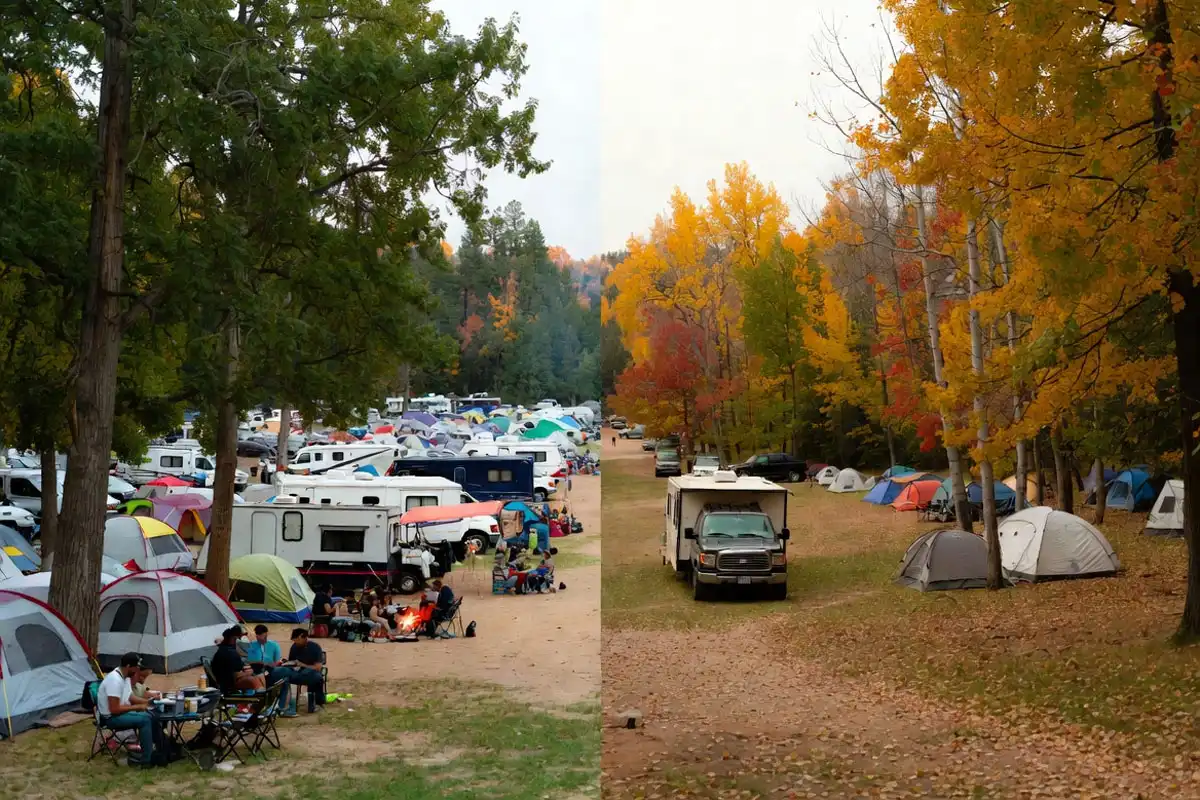
Shoulder season is the period between peak tourist season and the off-season at a given destination. It typically runs 4 to 8 weeks before or after the busiest travel months.
Peak season drives maximum prices, fully booked campsites, and crowded trailheads. Off-season often brings closed facilities and unreliable weather. Shoulder season sits in the middle and delivers value on both fronts.
When Does Shoulder Season Fall?
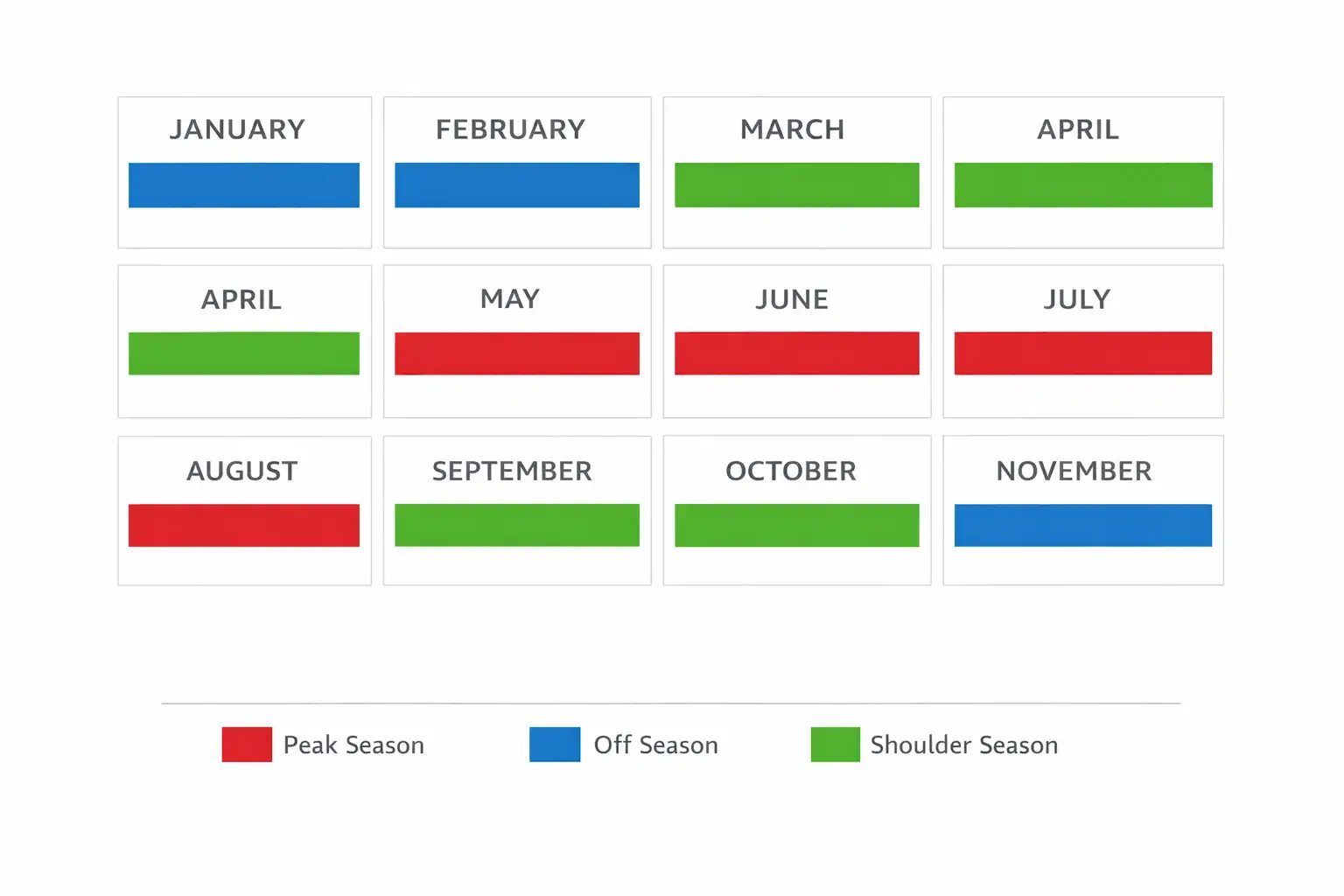
Timing varies by destination type. Here are the ranges I use when planning outdoor trips:
Mountain and hiking destinations: Late May to mid-June and mid-September to mid-October.
Beach and coastal areas: April to May and September to October.
European cities and national parks: March to April and October to early November.
Tropical and subtropical destinations: The 2 to 4 weeks just before or after monsoon season.
For most outdoor travelers, late September hits the sweet spot. Campground prices drop, trail crowds thin, and temperatures stay comfortable at mid-elevations.
I cover how to match season timing with your destination in detail in this guide on choosing the best season for a destination trip.
How Shoulder Season Reduces Costs
Flights Cost Less
Airlines reduce fares when demand drops between school holidays and peak vacation periods. Flights during shoulder months often cost 15 to 35 percent less than peak-season equivalents on the same routes.
Booking 6 to 10 weeks before departure captures most of this savings on domestic routes. International routes reward booking 3 to 4 months ahead.
Accommodation Prices Drop
Hotels, lodges, and campgrounds reduce nightly rates when occupancy falls. A campsite or cabin that costs $80 per night in July may run $45 to $55 in late September.
National park lodge reservations that sell out months in advance in peak season become available 2 to 3 weeks out during shoulder months.
Activity and Tour Fees Decrease
Guided tours, kayak rentals, gear outfitters, and park concessions lower prices to maintain bookings during slower weeks. Many providers offer 10 to 25 percent reductions without advertising them publicly.
Calling or emailing directly to ask about current rates often produces better pricing than booking through third-party platforms during these periods.
Crowds Are Smaller
Shorter wait times and less competition for campsites mean you spend less time driving between alternatives. Fuel costs decrease when you secure your first-choice site on arrival instead of searching.
Step-by-Step: How to Plan a Shoulder Season Trip
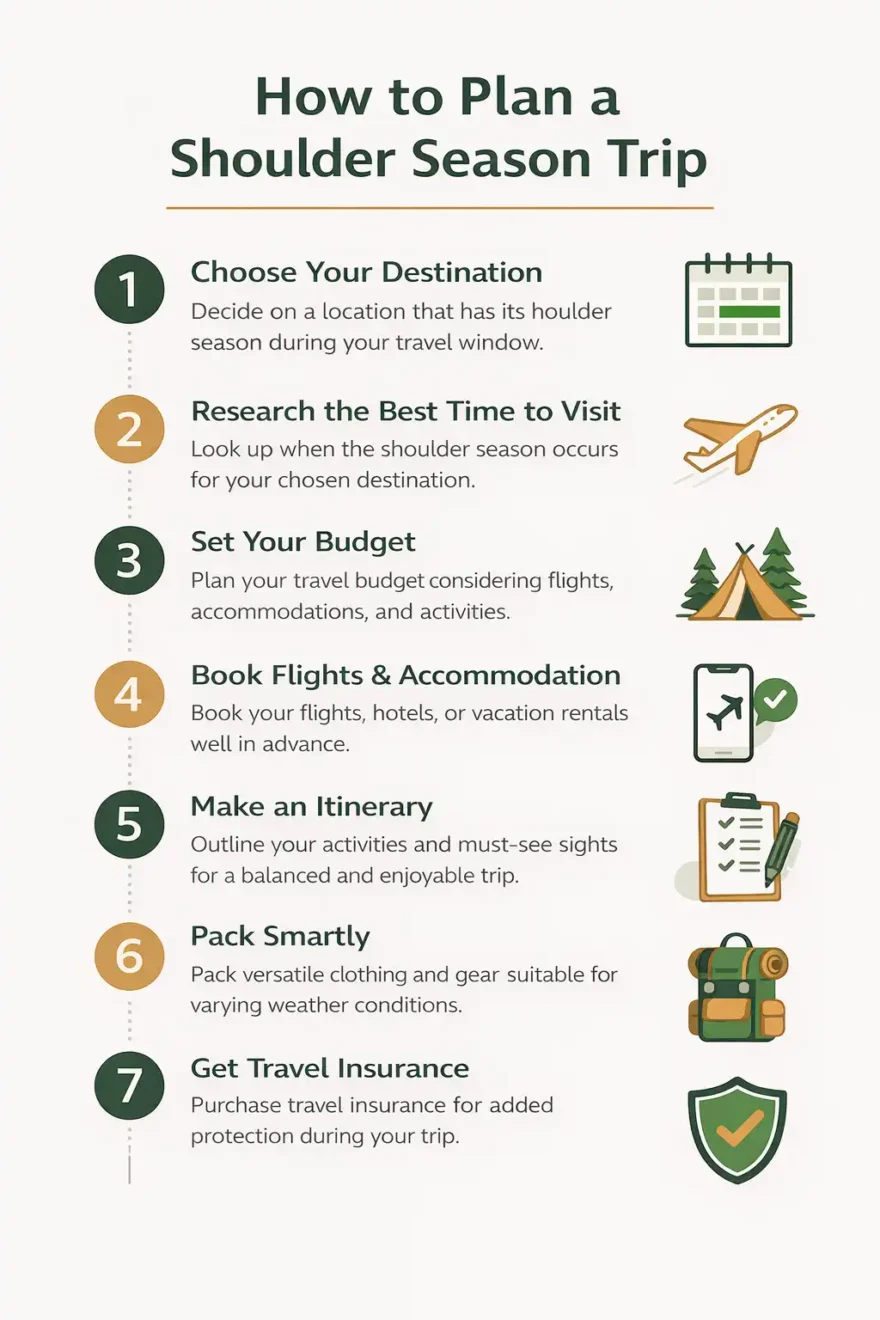
Step 1: Identify Your Destination’s Shoulder Window
Research the specific peak season for your destination. National park visitor statistics and regional tourism boards publish monthly visitor data. Find the two months on either side of the peak.
For example, if a national park peaks in July and August, the shoulder windows run May to June and September to October.
Step 2: Set a Target Date Range
Choose dates 2 to 4 weeks before or after the peak ends. This captures maximum savings while the destination still operates fully.
Avoid the final 2 weeks of off-season, when facilities begin closing and weather becomes less predictable.
Step 3: Search Flights Across a Flexible Window
Use fare search tools that display prices across a full month calendar. Midweek travel (Tuesday, Wednesday) consistently produces lower fares than weekend travel, even within shoulder season.
Set price alerts on multiple search platforms 8 to 10 weeks before your trip.
Step 4: Book Accommodation Directly
Contact lodges, campgrounds, and inns directly. Many apply shoulder season rates only to direct bookings. Third-party booking platforms often display outdated or peak-season pricing during these windows.
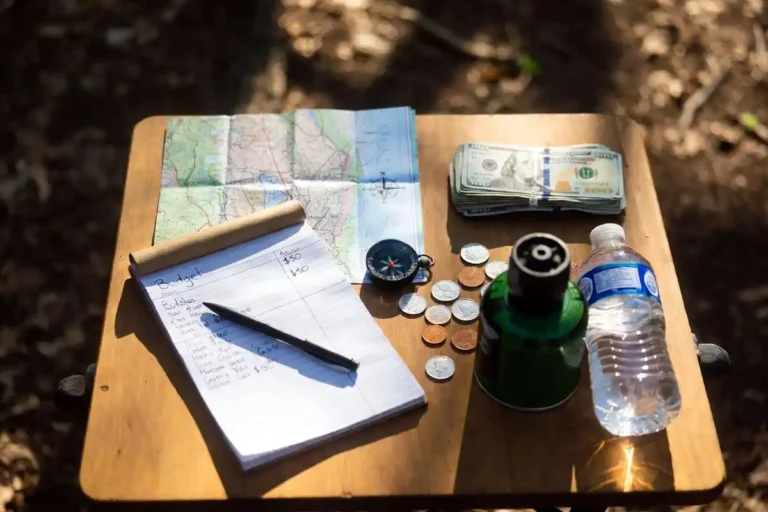
I covered the full process of building a realistic outdoor travel budget in this outdoor trip budget planning guide.
Step 5: Confirm What Remains Open
Some facilities close in early October at higher elevations. Confirm operating dates for campgrounds, visitor centers, shuttle services, and trail access before finalizing dates.
Call the park or visitor center directly. Online calendars frequently lag behind actual closure announcements.
Step 6: Pack for Variable Weather
Shoulder season weather shifts faster than peak season. Mornings run cold, afternoons warm quickly, and precipitation increases at many destinations.
Pack layering systems rather than single-weight clothing. A waterproof shell, mid-layer fleece, and moisture-wicking base layer covers most shoulder season conditions.
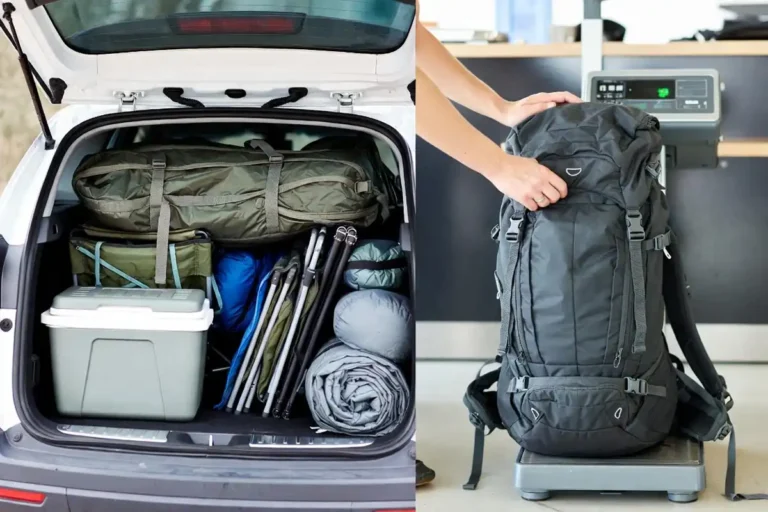
I wrote a detailed packing breakdown for longer outdoor trips in this guide on packing light for a two-week outdoor adventure abroad.
Step 7: Purchase Travel Insurance Early
Shoulder season sits near weather transition periods. Trip cancellation coverage protects against sudden closures, trail shutdowns, and weather-related delays.
Purchase insurance at the time of booking, not after. Coverage for pre-existing conditions and trip interruption requires purchase within 14 to 21 days of the first trip deposit at most providers.
This breakdown of what travel insurance covers for outdoor activities covers what outdoor-specific policies typically include.
Mistakes to Avoid
Booking too late for international routes. Shoulder season savings on international flights disappear within 6 weeks of departure as remaining seats sell at higher prices.
Assuming all facilities stay open. Campgrounds at elevations above 8,000 feet often close in early October. Always verify specific dates with land management agencies.
Ignoring weather variance. Shoulder season delivers averages, not guarantees. A cold snap or early snowfall can arrive 2 to 3 weeks ahead of historical averages. Gear selection needs a buffer.
Relying only on aggregator pricing. Third-party booking sites sometimes show outdated peak-season rates during shoulder months. Direct contact with providers consistently returns better pricing.
Skipping the shoulder and choosing full off-season to save more. Off-season travel introduces facility closures, permit suspensions, and safety risks in some terrain that shoulder season avoids entirely.
FAQs about Reduce Travel Costs by Traveling in Shoulder Season

How much money can I save traveling in shoulder season?
Travelers typically save 20 to 50 percent on flights and accommodation compared to peak season rates. Actual savings depend on destination, route, and how early you book. Outdoor travel expenses like guided tours and gear rentals often decrease by 10 to 25 percent during shoulder months.
What are the downsides of shoulder season travel?
Weather becomes less predictable. Some facilities, trails, and services close during the latter half of shoulder season. Daylight hours decrease in autumn shoulder periods. These trade-offs are manageable with flexible dates and confirmed operating schedules.
Is shoulder season safe for camping and hiking?
Shoulder season camping and hiking remain safe with proper preparation. The primary risks are sudden weather changes and early trail closures. Carrying layered clothing, checking forecasts daily, and confirming trail status before departure addresses these risks directly.
Does shoulder season apply to camping trips, not just international travel?
Shoulder season applies to any destination with peak demand. National park campgrounds, state park facilities, and popular hiking areas all experience demand peaks and follow the same pricing patterns as hotels and airlines. The savings principles apply equally to a domestic camping trip.
When is the best month for shoulder season outdoor travel in North America?
September delivers the strongest combination of savings and conditions for most North American outdoor destinations. Campsite availability increases, temperatures remain comfortable at most elevations, and both flights and lodging run at reduced rates through mid-October at most destinations.
Final Thoughts
Shoulder season travel produces real savings without sacrificing the quality of an outdoor trip. The approach is straightforward: identify the destination’s peak period, target the 4 to 6 weeks on either side, book flights and accommodation early through direct channels, and verify operating dates before finalizing plans.
The savings on flights, campsites, and activities free up budget for better gear, longer trips, or additional destinations. That trade-off makes shoulder season planning one of the most practical decisions an outdoor traveler makes.