How to Stay Warm in a Tent When Temperatures Drop at Night

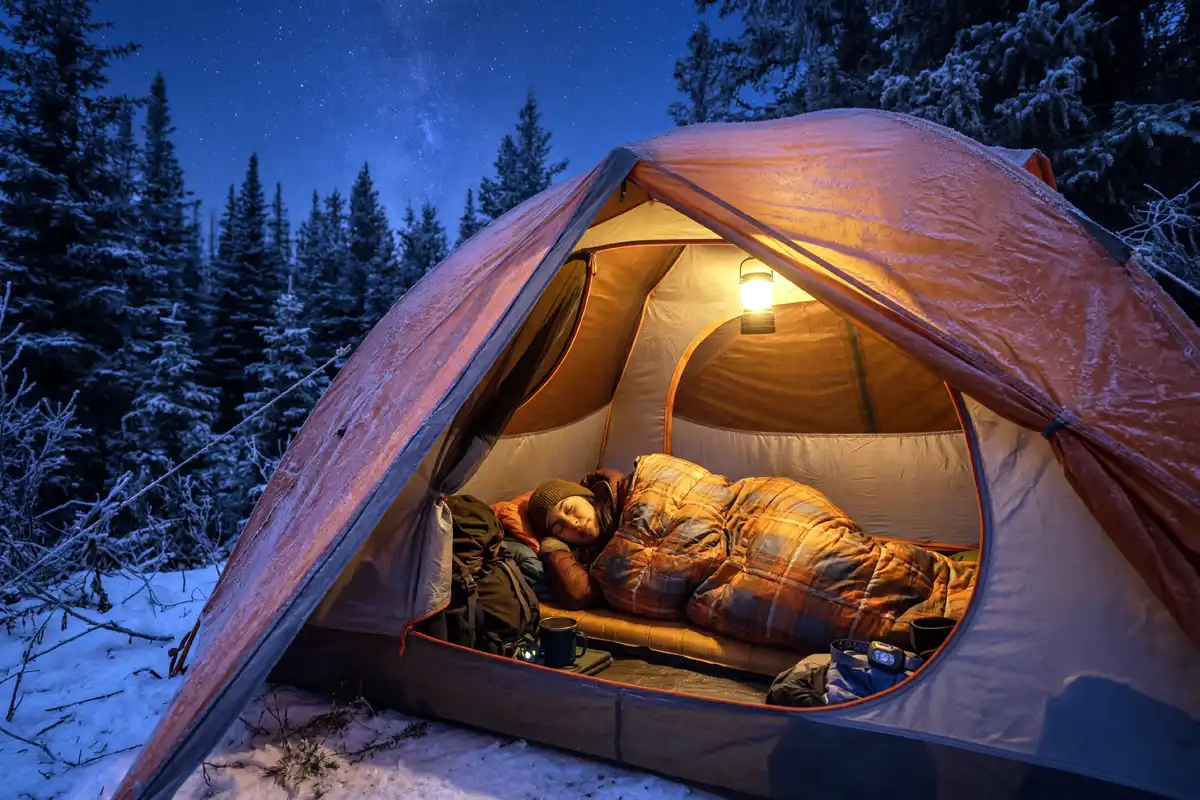
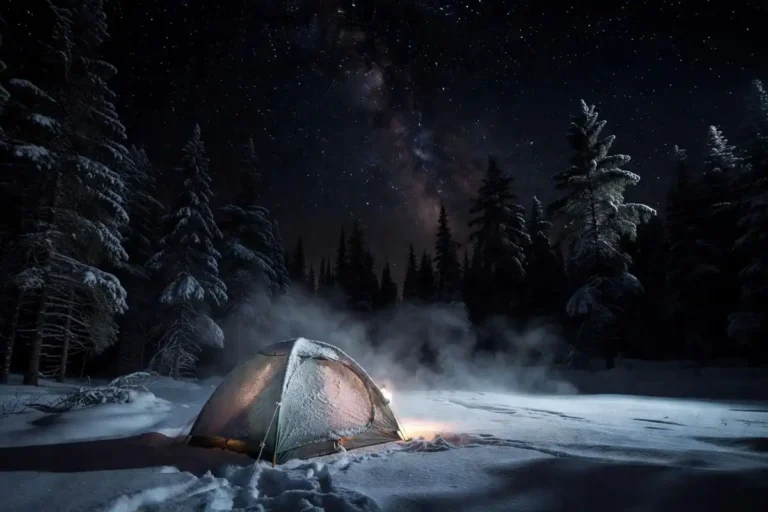
Cold air drops fast after sunset, and a thin nylon tent won’t keep you warm when temperatures drop at night. This guide covers everything I rely on to stay warm when temperatures fall: choosing the right sleeping bag, insulating the ground, layering clothing correctly, and managing moisture inside the tent. These steps apply whether you camp in low-elevation forests, high mountain sites, or cold coastal areas. Each method works together to protect your core temperature through the night.
To stay warm in a tent at night, use a sleeping bag rated at least 10°F below the expected nighttime low. Add a sleeping pad with an R-value of 4 or higher to block ground cold. Wear a dry moisture-wicking base layer and a wool hat. Eat a high-calorie snack 30 to 60 minutes before sleeping. Managing dead air space inside your bag and keeping moisture out of your sleep system also maintain warmth through the night.
Why Does a Tent Lose Heat So Quickly at Night?
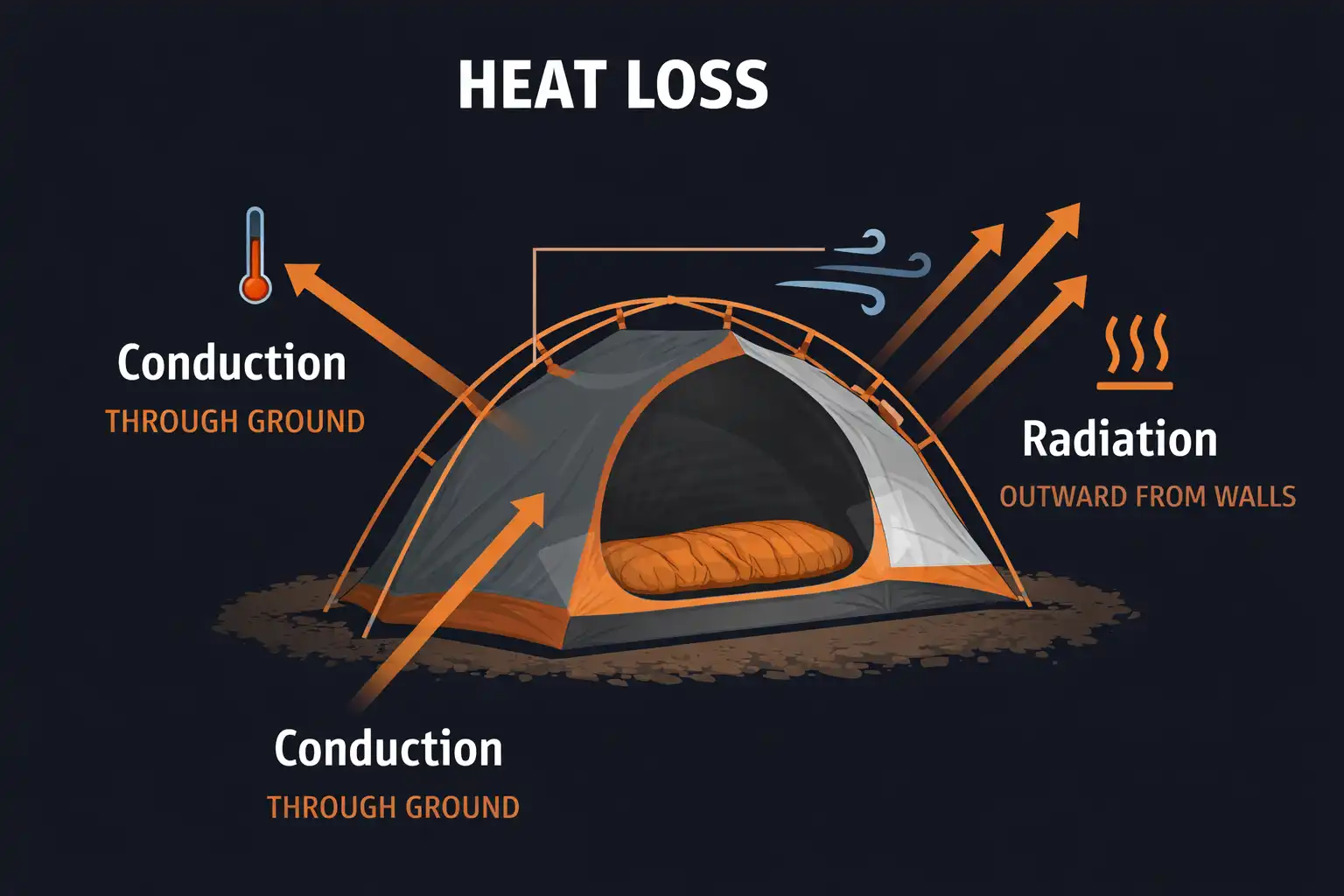
Tents lose heat through three pathways: conduction, convection, and radiation.
The ground conducts cold directly into your sleeping bag from below. Wind moving across the tent shell pulls warm air through the fabric. Tent walls radiate stored heat outward as the air temperature drops.
Ground cold causes the most heat loss. Most campers focus entirely on the sleeping bag and ignore the floor. That single error causes more cold nights than any other factor.
How to Stay Warm in a Tent at Night
Step 1: Choose a Sleeping Bag With the Right Temperature Rating
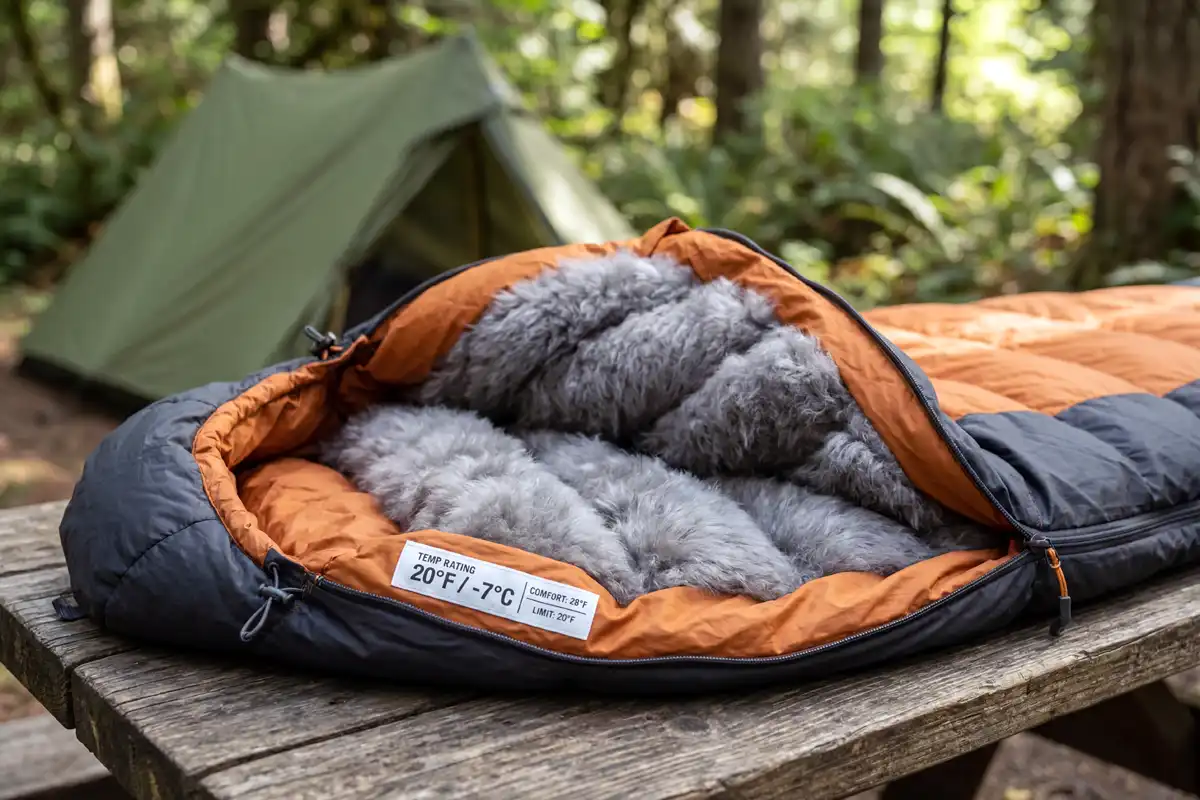
Select a sleeping bag rated at least 10°F (5°C) lower than the expected nighttime low. Sleeping bag ratings follow the EN 13537 or ISO 23537 standard. These standards provide a comfort rating and a lower limit rating.
Women generally need a warmer bag than men for the same temperature. A bag rated for 20°F handles nights that drop to 30°F for most adult men.
Down sleeping bags provide a higher warmth-to-weight ratio than synthetic bags. Synthetic fill retains insulation value when wet, which matters in humid or rainy conditions.
Step 2: Insulate the Ground Under Your Sleeping Bag
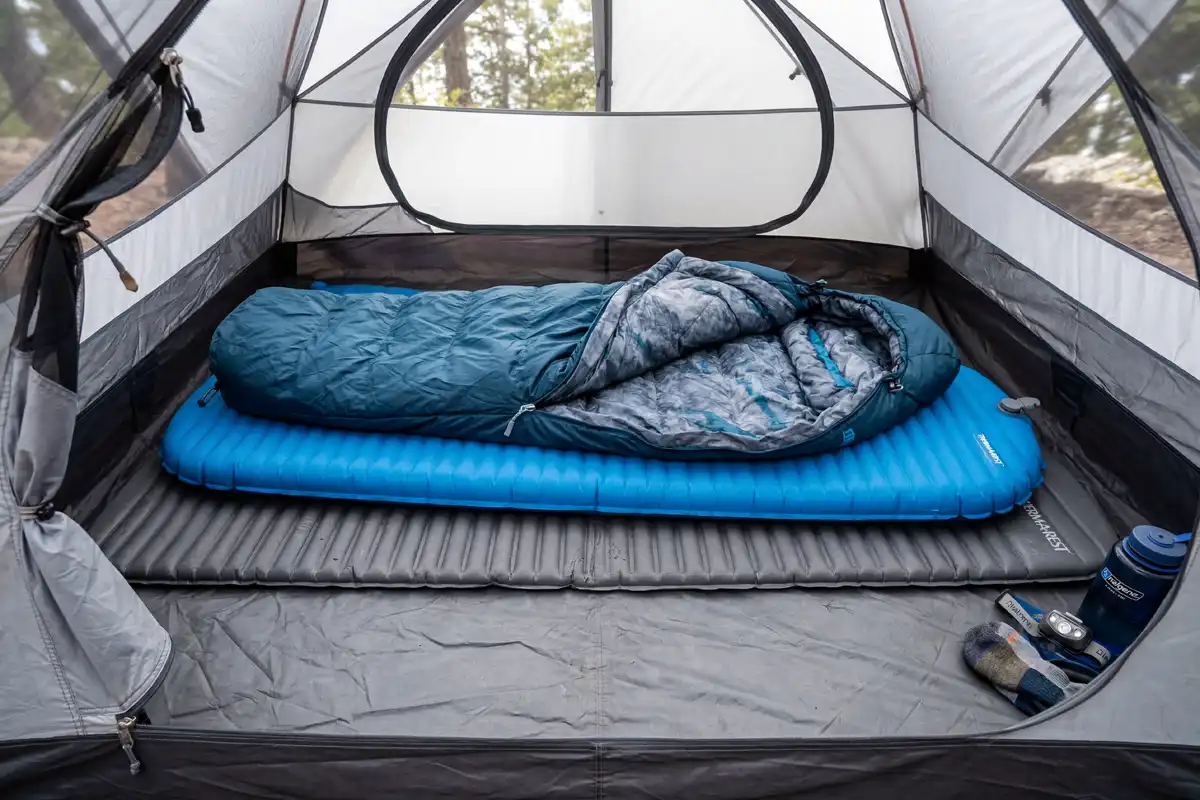
Ground cold reduces your sleeping bag’s effective warmth more than cold air does. A sleeping pad with an R-value of 4 or higher blocks ground cold efficiently.
I wrote about which ground cloth materials work fine under a tent on wet soil in an earlier article, and the same principle applies here: the barrier between you and the ground determines how well you sleep in cold conditions.
Place a closed-cell foam pad under an inflatable sleeping pad for doubled insulation. The foam pad adds R-value and protects the inflatable pad from punctures on rough ground.
Step 3: Position Your Tent to Reduce Wind Exposure
Wind increases heat loss from the tent shell. Position your tent behind natural windbreaks such as boulders, dense shrubs, or hillside contours.
Avoid low-lying areas and valley floors. Cold air drains downhill and pools at the lowest terrain points. A slightly elevated site stays measurably warmer than a valley floor on calm nights.
I covered tarp setups that improve tent protection in a separate guide. A tarp pitched above your tent adds a dead-air buffer that reduces heat loss from the tent roof.
Step 4: Reduce Dead Air Space Inside Your Sleeping Bag
A sleeping bag insulates by trapping warm air close to your body. Large empty spaces inside the bag force your body to heat more air than necessary.
Draw the bag’s hood tightly around your face before sleeping. Up to 30% of body heat escapes through the head and neck when left uncovered.
A hot water bottle wrapped in a sock and placed at the foot of your bag adds direct warmth for 3 to 5 hours. Wearing a base layer reduces the air gap between your skin and the bag lining.
Step 5: Wear the Right Clothing to Sleep
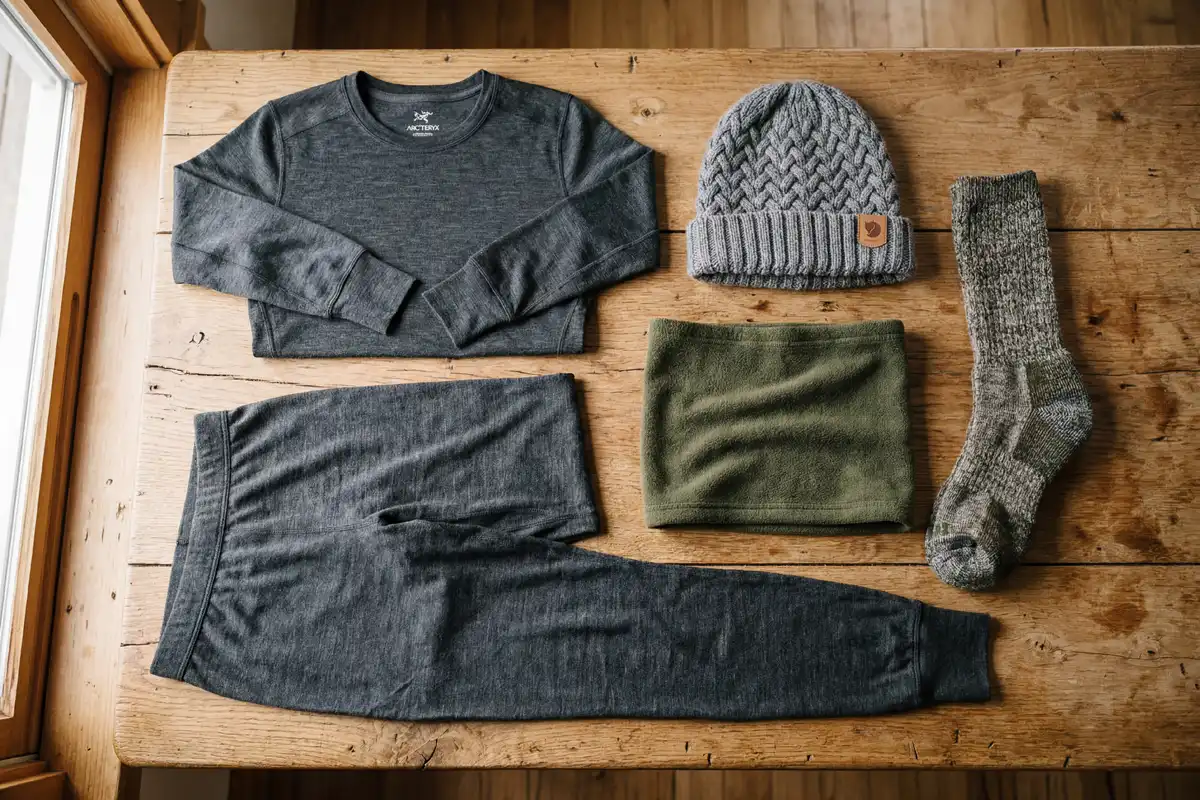
Sleeping in proper clothing improves warmth without causing overheating. A moisture-wicking base layer pulls sweat away from your skin. Wet skin loses heat rapidly, even inside a warm bag.
Wear:
- A lightweight merino wool or synthetic base layer (top and bottom)
- Wool or fleece socks
- A wool or fleece beanie
- A neck gaiter when temperatures fall below 25°F (-4°C)
Avoid sleeping in the same clothing you hiked in. Sweat-saturated layers cool your body steadily through the night.
Step 6: Manage Moisture and Condensation Inside the Tent
Moisture inside a tent reduces insulation value in your sleeping bag and clothing. Breathing through the night releases water vapor that settles on the inner tent walls and fabric.
I covered ventilate a camping tent in cold weather with full detail. The key point: crack the vents slightly even in cold conditions to allow moisture to escape.
A damp down sleeping bag loses a significant portion of its loft. Store your sleeping bag inside a dry compression sack during the day to protect it from ambient humidity. I also covered keeping bedding dry in humid camping conditions with more steps on protecting sleep insulation.
What to Eat and Drink Before Sleeping in the Cold
Your body produces heat by metabolizing food. Eating a high-calorie snack 30 to 60 minutes before sleep increases core temperature as digestion begins.
Choose snacks that combine fat and carbohydrates, which include trail mix, peanut butter, hard cheese, or a dense protein bar. Fat metabolizes slowly and generates heat over several hours.
Drink warm water or herbal tea before bed. Avoid alcohol. Alcohol dilates blood vessels, increases surface heat loss, and drops core temperature faster than cold air alone.
Stay hydrated throughout the day. Dehydration reduces your body’s heat production efficiency during the night.
Mistakes That Make You Colder at Night
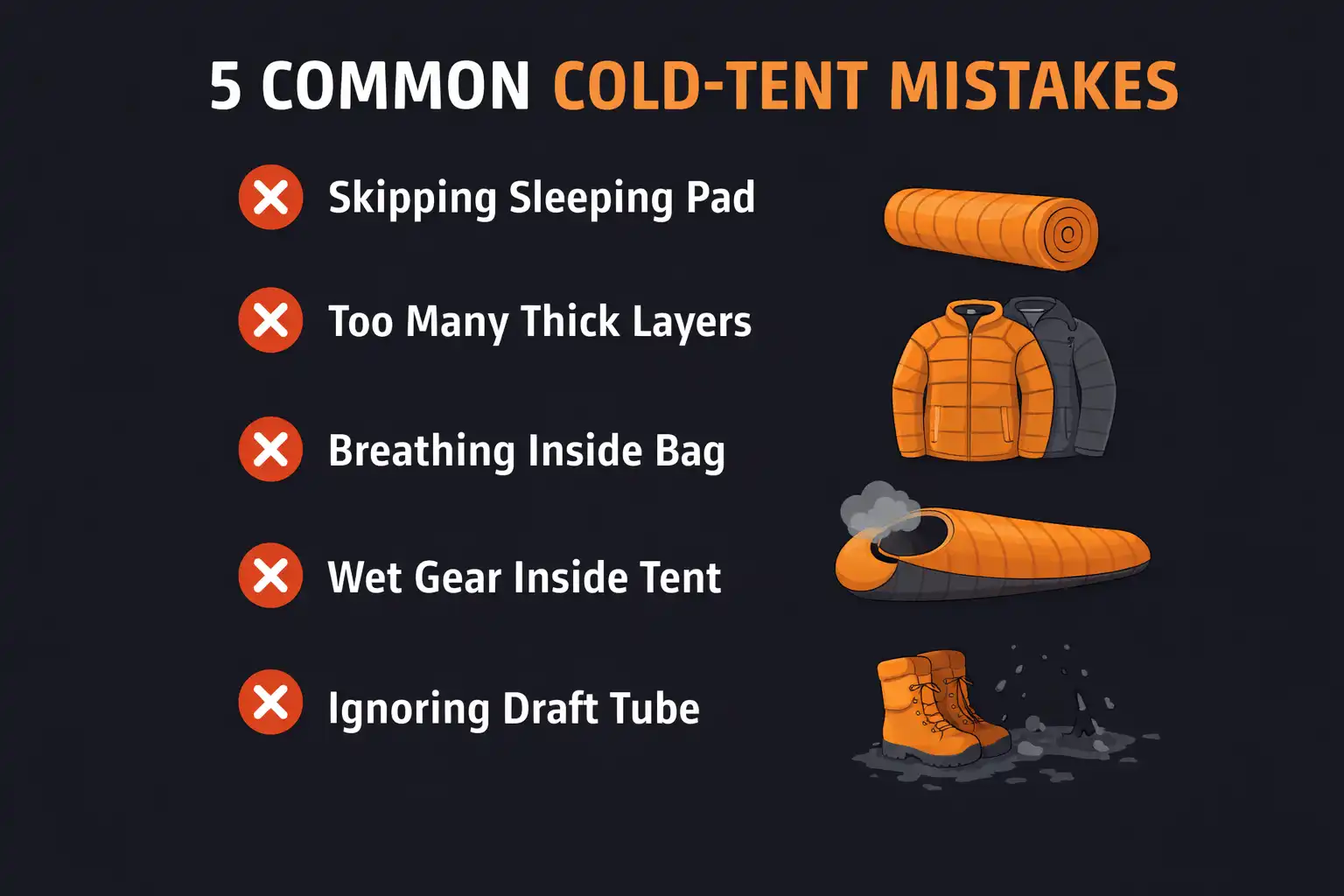
Skipping a sleeping pad: A sleeping bag alone provides no protection from ground cold. Cold earth draws warmth downward faster than cold air.
Wearing too many thick layers inside the bag: Heavy clothing compresses bag insulation and flattens the loft that creates the warm air layer. Wear a fitted base layer, not bulky fleece.
Breathing inside the sleeping bag: Exhaled breath saturates fill material with moisture quickly. Breathe outside the bag and protect your face with a neck gaiter or balaclava instead.
Leaving wet gear inside the tent: Wet clothing and rain gear release moisture into the tent air throughout the night. Store wet gear in the tent vestibule.
Ignoring the draft tube: Most cold-weather sleeping bags include a draft tube behind the zipper. Ensure it lies flat and covers the zipper length fully before sleeping.
Safety Notes for Cold-Weather Tent Sleeping
Never use a gas stove, propane heater, or candle lantern inside a closed tent. Carbon monoxide builds rapidly in an enclosed shelter and causes unconsciousness without warning.
Catalytic heaters marketed for tent use still produce carbon monoxide. Always maintain tent ventilation and watch for symptoms including headache, nausea, or dizziness.
Keep a spare beanie and a pair of dry socks inside your sleeping bag at the foot. Putting on dry socks when you wake cold produces fast, measurable warmth.
Recognize the early signs of hypothermia: persistent shivering, confusion, slurred speech, and loss of coordination. If shivering stops unexpectedly in cold conditions, treat it as a medical emergency and seek shelter immediately.
I wrote a full guide on suspect hypothermia that covers recognition and field response in detail.
FAQs on Stay Warm in a Tent When Temperatures Drop at Night

Can a hot water bottle keep you warm inside a sleeping bag?
Yes. Fill a stainless steel or BPA-free bottle with hot water, wrap it in a sock or fleece, and place it at your feet or against your core. It produces warmth for 3 to 5 hours. Never use a standard plastic water bottle; high water temperatures cause deformation and leaking.
Does a smaller tent stay warmer than a larger tent?
Yes, within limits. A smaller volume means your body heat warms less air. A 2-person tent used solo stays warmer than a 4-person tent in the same conditions. However, a tent too small for your gear restricts airflow and increases condensation buildup on inner walls.
Should I leave tent vents open or closed in cold weather?
Leave them slightly open. Closed vents trap moisture from breathing, which collects on inner walls and wets sleeping bag fill through the night. Even a 1-inch gap reduces moisture buildup significantly without causing a noticeable temperature drop inside.
What R-value sleeping pad do I need for cold-weather camping?
Use a sleeping pad with an R-value of 4 or higher for temperatures below 20°F (-7°C). For temperatures between 20°F and 40°F, an R-value of 2 to 4 provides adequate ground insulation. Stacking two pads increases the combined R-value when a single pad falls short.
Is it safe to sleep in a tent when temperatures drop below freezing?
Yes, with the correct gear. A sleeping bag rated below 20°F, a sleeping pad above R-4, moisture-wicking base layers, and a wool hat provide reliable protection in freezing conditions. Check the forecast before sleeping and identify a nearby hard shelter in case conditions change overnight.
Final Thoughts
Staying warm in a tent comes down to four things: the right sleeping bag rating, solid ground insulation, dry clothing, and moisture control. None of these requires expensive gear.
Start with the ground first, then the sleeping bag, then your layers. That sequence matches how heat loss actually works in a tent.
A foam pad, a well-fitted bag rated 10°F below the forecast low, and a dry base layer handle most cold camping nights reliably.