How to Ventilate a Tent in Cold Weather in 6 Easy Steps

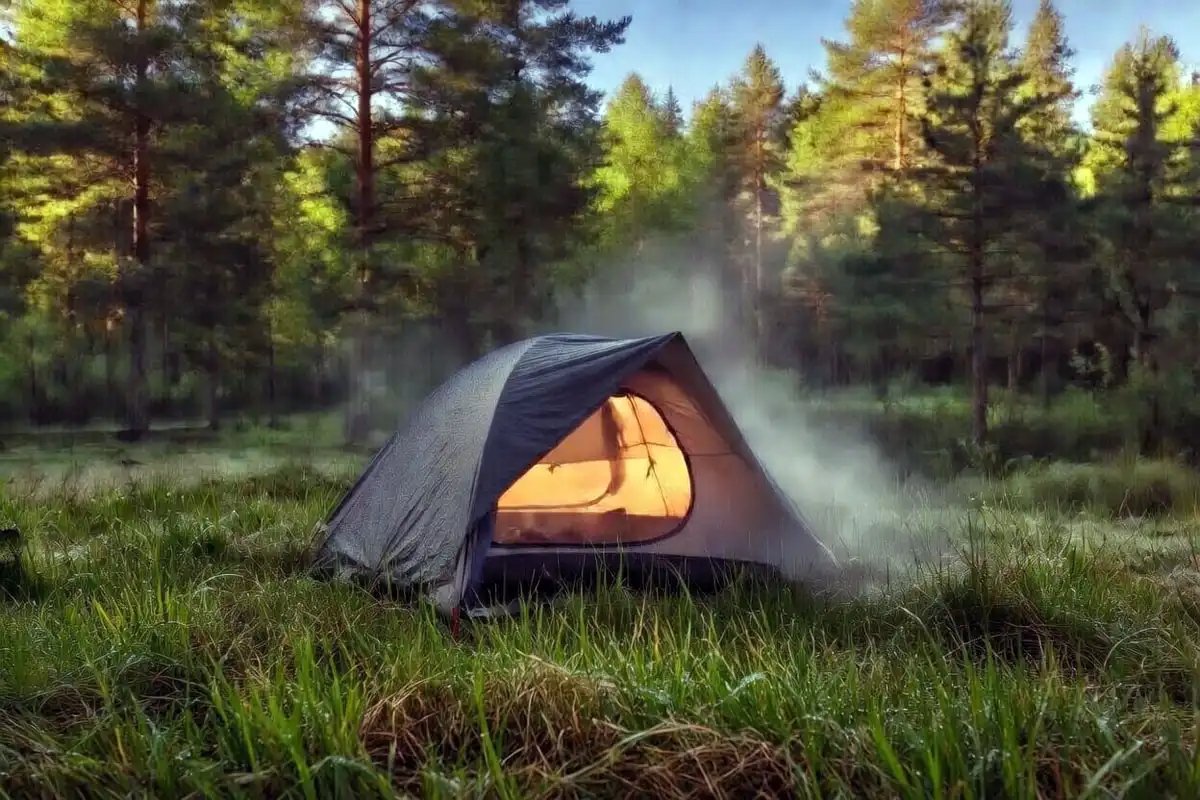
Proper tent ventilation helps you ventilate your tent properly in cold weather by removing moisture and refreshing the air inside without chilling your sleeping space, as long as you open roof vents and high door gaps rather than low mesh panels on cold nights. This guide covers how your tent’s airflow system works, which openings to use in cold conditions, and how to adjust ventilation as temperature drops overnight. These steps apply to all standard double-wall tent designs.
To ventilate a tent in cold weather, open your roof or ridge vent and crack the door zip a few inches from the top only. Keep low mesh panels closed so cold air stays out while moist air escapes upward. Never seal every vent to stay warm because trapped moisture condenses on the inner fabric, soaks your insulation, and makes you colder overnight.
Why Tent Ventilation Matters in Cold Weather Camping
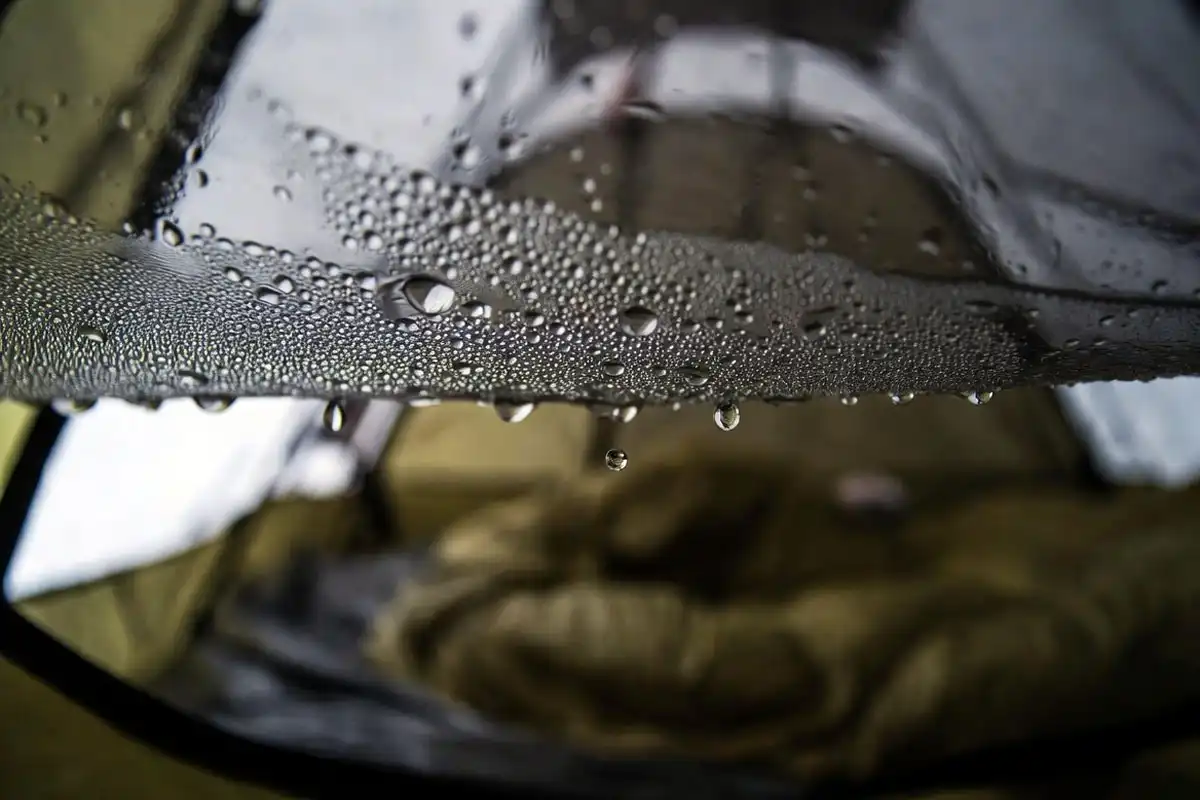
Sleeping bodies produce moisture. Two people in a sealed tent generate enough humidity to soak the inner walls by morning.
That moisture condenses on cold tent fabric and drips onto sleeping bags, clothing, and gear. Wet insulation loses warmth fast, so you end up cold even with no breeze entering. Carbon dioxide from breathing also builds up in a sealed tent, reducing sleep quality overnight.
Ventilation removes moisture before it settles and replaces stale air with fresh air.
Learn more: Ground Cloth Material Works Best Under a Tent on Wet Soil
When You Need More Ventilation, Not Less
Most campers ventilate without thinking in summer. The mistake happens in cold weather: every vent gets sealed, and by morning, the tent is soaked from the inside.
Ventilation matters most when:
- Outside temperature drops below 10°C (50°F)
- You camp near water, on grass, or inside dense tree cover
- Two or more people share one tent
- You use a high-fill sleeping bag rated for cold conditions
The colder the night, the faster warm exhaled air hits the cold inner wall and condenses. Sealing the tent makes condensation worse, not better.
Understanding Your Tent’s Airflow System
Before adjusting vents, know what your tent has and where each opening sits.
Double-wall tents use a breathable inner layer plus a separate rainfly. Air circulates in the gap between them. This design handles cold-weather ventilation better than single-wall designs.
Single-wall tents breathe through the fabric itself and condense more in cold, still air. They need active vent management on every cold night.
Key vent types:
- Roof or ridge vents sit at the tent’s highest point. Hot moist air rises and exits here. These are your primary cold-weather vents.
- Low side vents and mesh panels sit near the ground. Cold air enters through these. Keep them closed on cold nights.
- Door panels typically have dual zips. You can open the top section while keeping the lower half sealed.
If you’re still deciding which tent to buy, I covered the key design features in my review of reliable two-person camping tent options.
How to Ventilate a Tent Properly in Cold Weather
Step 1: Open Roof Vents First
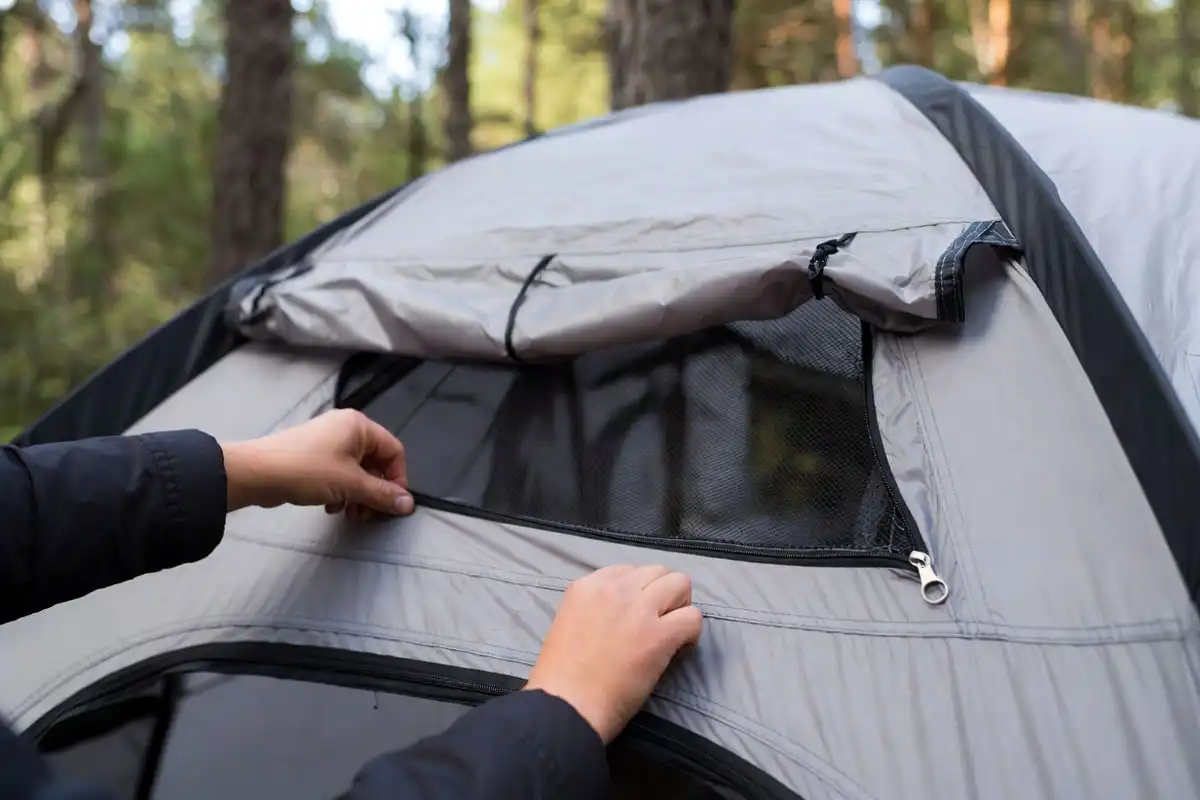
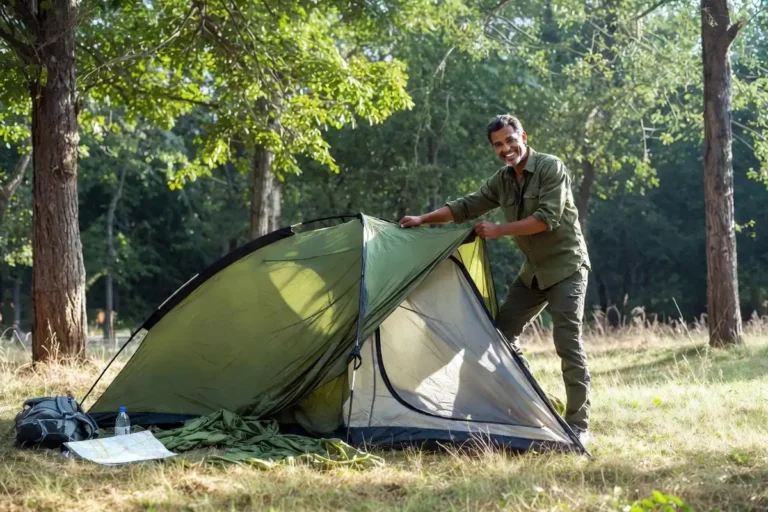
Start with the roof or ridge vent. Warm, moist air rises inside the tent and exits here, creating an upward draft that naturally draws fresh air in from any small gap lower down.
Most tents have a fly vent covered by a storm flap. Open the vent fully but leave the flap positioned to block rain. Moisture exits; rain stays out.
Step 2: Crack the Door from the Top
Unzip the inner door from the top, leaving the lower portion zipped shut. A 5 to 10 cm gap at the top lets moist air escape without pulling cold ground-level air across your sleeping bag.
If your tent has a vestibule, unzip the outer fly door slightly as well. This draws air through the roof gap and out without creating a direct draft into the sleeping area.
Step 3: Create Cross-Ventilation at Height
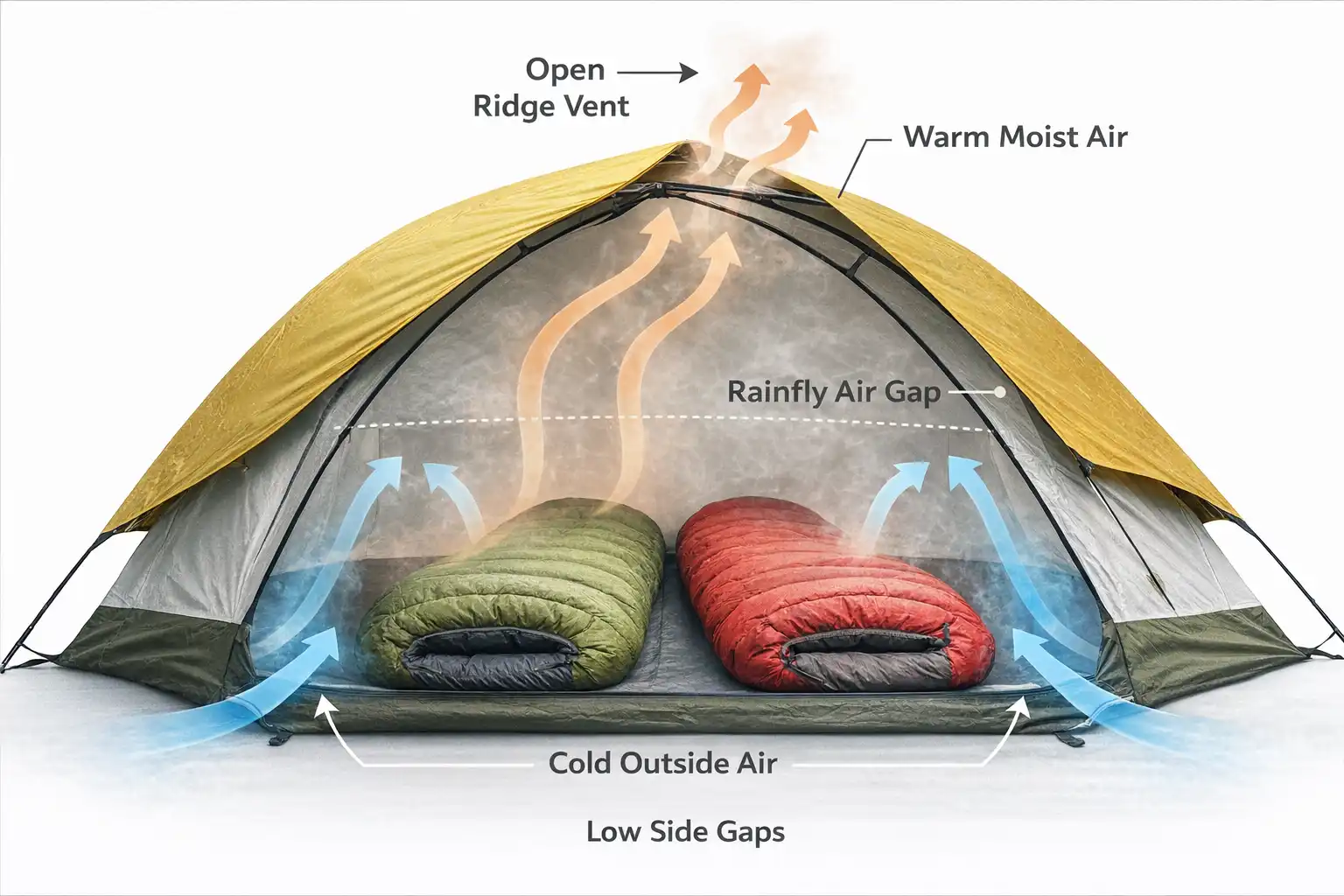
Two high openings work better than one. Open a small vent or door gap on the opposite side of the tent as well.
Air travels from one high opening to the other. This cross-ventilation pattern removes humid air efficiently without any cold draft at floor level.
Step 4: Angle the Rainfly for Low Airflow Entry
On most freestanding tents, loosening the guy lines on one side lifts the rainfly hem slightly off the ground. This creates a small low gap for air entry on the windward side.
Combine this with open roof vents. Cold air enters low, warms as it rises through the tent, picks up moisture, and exits at the roof. This passive airflow system works overnight without any adjustment.
Step 5: Face the Tent to Use Wind Direction
Position the tent so the vestibule or main door opening faces the leeward side (away from wind). Let wind pressure push air into the windward wall naturally. Open a vent on the leeward side to let air exit.
Even a light breeze removes moist air significantly faster than still-air venting.
Step 6: Check Condensation in the Morning
Run your hand along the inner wall before packing. Light surface moisture is normal. Heavy dripping means ventilation was insufficient.
Open vents wider the next night, or check that the rainfly is pitched taut. A sagging fly presses against the inner tent and closes the airflow gap between the two layers.
How Rainfly Pitch Affects Ventilation
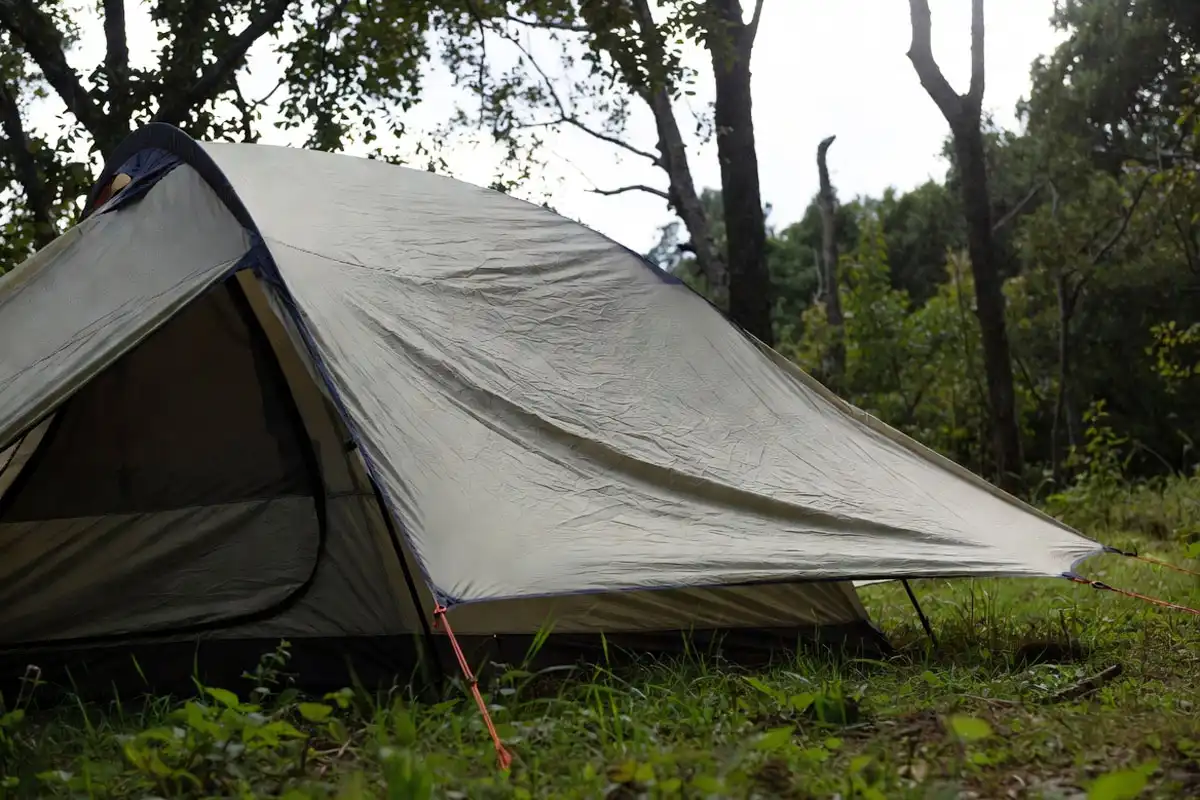
A well-tensioned rainfly maintains a clear air gap of several centimeters from the inner tent. That gap acts as the ventilation channel for the entire tent.
If the fly touches the inner wall anywhere, moisture transfers directly through contact. Tighten every guy line and stake point so the fly stands clear on all sides.
I wrote about pitching a tent on difficult ground types if uneven terrain is making it hard to stake the fly taut.
Common Mistakes That Worsen Condensation
Sealing every vent. Trapped moisture has nowhere to go. You wake up wetter than if you’d left a single vent cracked.
Opening low mesh panels on cold nights. This pulls cold air directly across your body. Open high, not low.
Cooking inside the tent. Steam and combustion gases add large amounts of moisture and CO2 quickly. Cook outside or under a vestibule with the inner tent closed.
Leaving wet gear in the sleeping area. Wet boots, damp jackets, and soaked towels release moisture throughout the night. Store wet gear in the vestibule.
Pitching in a hollow or between trees with no airflow. Still air causes condensation regardless of vent position. Choose a site with natural airflow when possible.
I covered the full approach to keeping bedding and gear dry in humid camping conditions if you want a broader moisture management strategy.
What to Do When Condensation Persists
Some nights produce condensation regardless of vent management: fog, near-100% humidity, or heavy frost on a clear night.
In those conditions:
- Use a sleeping bag liner to keep the bag dry even if the surrounding air is saturated.
- Wipe the inner walls with a small camp towel before sleeping to remove water before it drips.
- Use a sleeping bag rated 5°C lower than the actual night temperature to compensate for some moisture loss in insulation.
Safety: Never Use a Gas Stove or Heater in a Closed Tent
Combustion consumes oxygen and produces carbon monoxide. A sealed tent traps both CO2 and CO quickly, creating serious risk.
Even with vents open, gas-powered heaters inside a tent remain dangerous. If temperatures drop severely, use a sleeping bag rated for the conditions instead of adding an internal heat source. I covered the signs and response to hypothermia separately; a dry, properly rated sleep system prevents the problem from starting.
FAQs about Ventilate a Tent in Cold Weather

Does opening tent vents make it significantly colder inside?
Roof vents cause minimal heat loss on cold nights when you use a rated sleeping bag. The bigger warmth risk is sealed moisture soaking your insulation overnight, which drops sleeping temperature more than a small vent opening does.
Should I keep vents open in rain?
Yes. Most tent roof vents include a storm flap or overhang that blocks rain while letting moist air escape. Keep those vents open in rain. Only close them during driving sideways wind with no storm protection.
How do I know if my tent ventilated enough overnight?
Check the inner wall in the morning. A thin film of surface moisture is acceptable. Visible drips or a soaked inner ceiling indicate insufficient ventilation the previous night.
Do single-wall tents ventilate differently from double-wall tents?
Single-wall tents breathe through the fabric itself and condense more in cold air. Open any available vents wider than you would on a double-wall tent, and position the tent in natural airflow to compensate.
Can I ventilate properly on a completely still night?
Yes, but passive airflow slows down without wind. Open roof vents wider, crack the door gap slightly larger, and consider wiping inner walls once before sleeping if humidity is high. A slight tent position on a slope also helps air move through naturally.
Conclusion
Cold-weather tent ventilation follows one principle: move air high, block cold low. Open roof vents, crack doors from the top, keep the rainfly pitched taut, and leave low mesh panels closed. When moisture has an exit path, your sleeping bag stays dry and your gear stays warmer through the night.