How to Wash a Sleeping Bag Without Ruining the Insulation
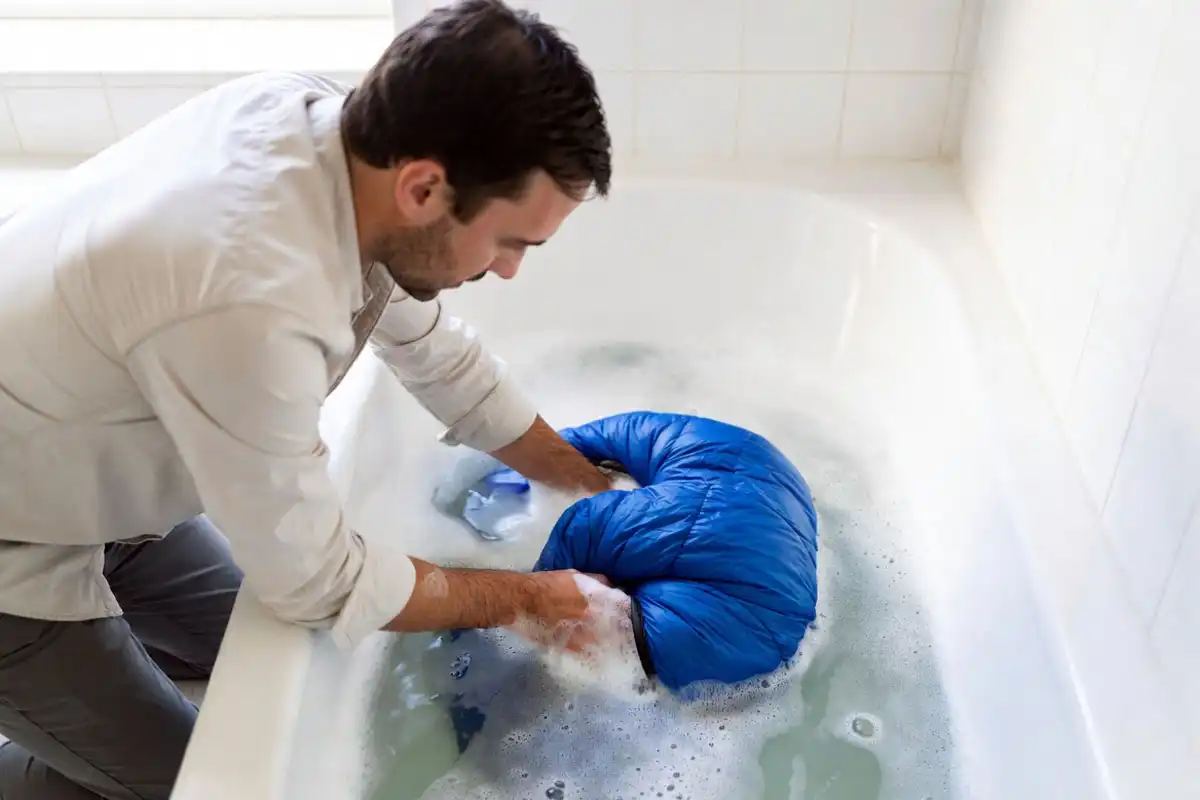
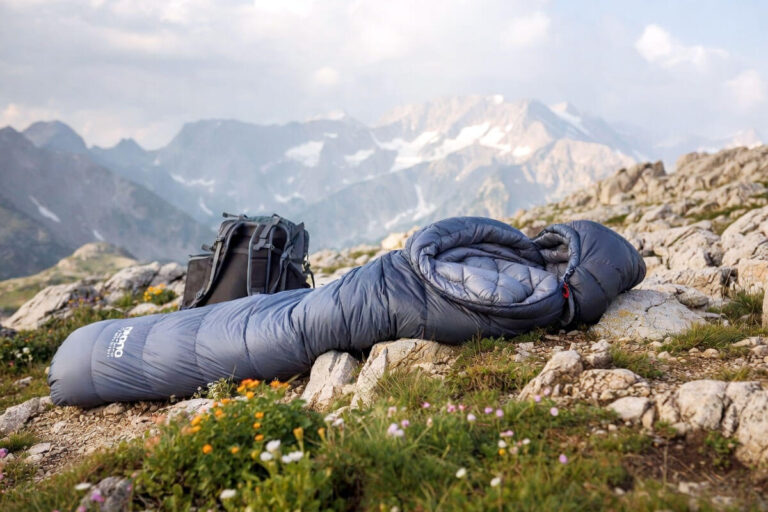
A sleeping bag loses warmth when body oils, sweat, and dirt build up inside the insulation, which is why you need to wash it the right way. Washing restores the loft that traps heat and keeps you comfortable at camp. This guide covers the full process for down and synthetic bags, from spot cleaning to drying and storage.
Wash a sleeping bag in a front-loading machine on a gentle cycle with warm water. Use down-specific detergent for down bags or mild liquid soap for synthetic bags. Tumble dry on low heat with 2-3 tennis balls. Never use a top-loader with an agitator, fabric softener, bleach, or dry cleaning.
Why Does a Sleeping Bag Need Washing?
Body oils and sweat coat the insulation over time. That coating prevents down clusters and synthetic fibers from lofting. Less loft means fewer air pockets, and fewer air pockets means less warmth.
A dirty bag also develops odor from bacteria. The nylon shell absorbs sunscreen, cooking grease, and campsite grime. Cleaning removes all of that and restores insulation performance.
I have noticed this on multi-day trips. A bag that felt warm on night one feels noticeably colder by night five without basic care. If you are choosing the right bag for cold conditions, I covered options in my guide on cold weather sleeping bags.
When to Wash a Sleeping Bag
Wash once a year if you camp regularly, or after 30 to 50 nights of use. A sleeping bag liner and clean sleep clothes extend that interval. Always wash before long-term storage. Body oils left on the fill during storage break down insulation faster than washing does.
Your bag needs a wash when the insulation feels flat, the bag smells after airing out, the shell looks greasy near the hood, or you notice cold spots from clumped fill.
What You Need Before Washing
For down bags: A down-specific detergent like Nikwax Down Wash Direct. Regular detergent leaves residue and contains brighteners that coat down fibers.
For synthetic bags: A mild liquid soap or Nikwax Tech Wash. Avoid powder detergent. It dissolves unevenly and leaves residue in the fill.
Equipment: A front-loading washing machine, a large tumble dryer, and 2-3 clean tennis balls.
Check your bag’s care label first. The FTC Care Labeling Rule requires manufacturers to include at least one safe cleaning method. Follow the label if it differs from general advice.
How to Spot Clean a Sleeping Bag
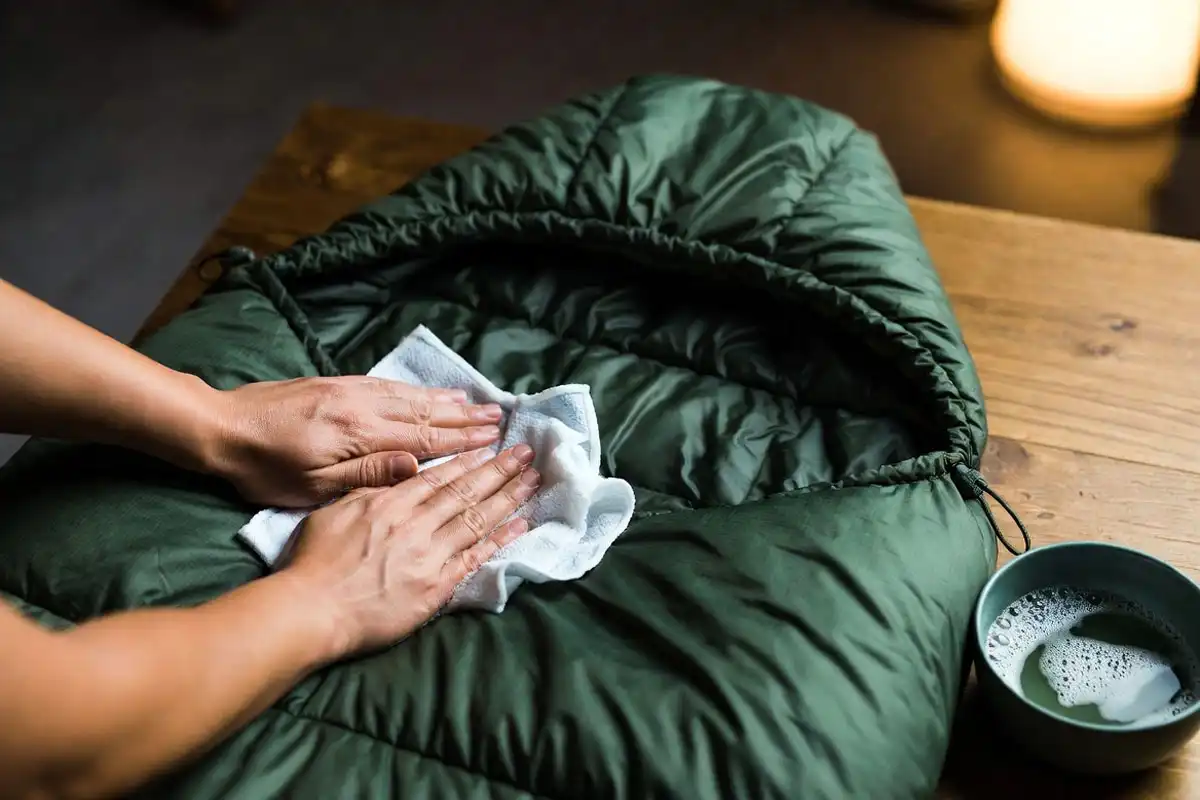
Spot cleaning handles localized dirt without washing the full bag.
- Lay the bag flat on a clean surface.
- Mix mild soap with warm water.
- Dip a soft cloth into the solution and gently rub the soiled area.
- Wipe with a clean damp cloth to remove soap.
- Air dry completely before packing.
The hood, collar, and zipper flap collect the most grime. If spot cleaning does not fix flatness or odor, move to a full wash.
How to Wash a Down Sleeping Bag Step by Step
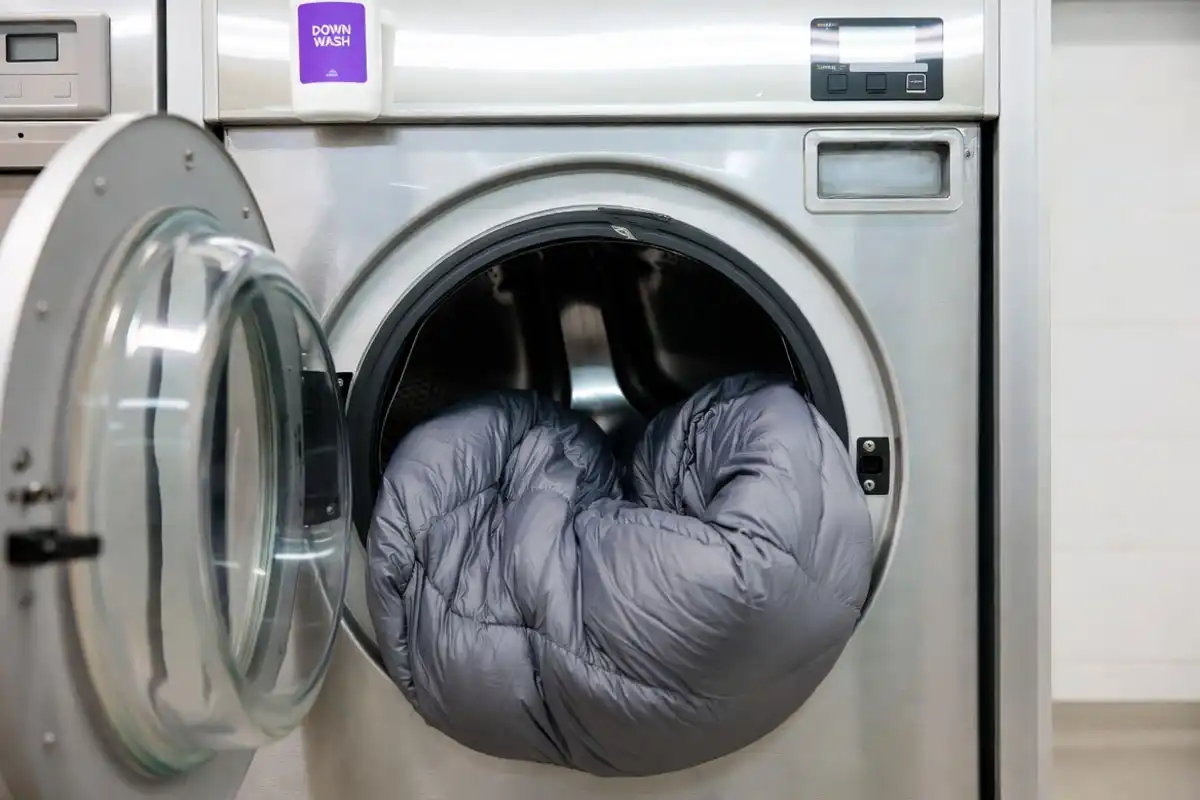
Step 1: Prepare. Close all zippers and fasteners. Turn inside out. Repair any tears first. Wet down escapes through small holes.
Step 2: Load the machine. Use a front-loading washer. Commercial machines at a laundromat give the bag more room to rinse. Never use a top-loader with an agitator. It twists baffles and rips seams.
Step 3: Add detergent. Use a down-specific wash. Follow the dosage on the label.
Step 4: Wash. Set warm water on a gentle cycle. Run an extra rinse to flush all detergent. Residue prevents down from lofting.
Step 5: Remove carefully. Support the entire bag with both arms. A wet down bag is heavy. Lifting by one end strains baffles and seams.
A proper wash preserves warmth for cold nights. I wrote more about staying warm when temperatures drop if you want tips beyond bag care.
How to Wash a Synthetic Sleeping Bag Step by Step
Synthetic bags tolerate washing better than down. The polyester fill resists clumping and dries faster.
Step 1: Close zippers and fasteners. Check for tears. Turn inside out.
Step 2: Use a front-loading washer. Avoid top-loaders with agitators.
Step 3: Add mild liquid soap or synthetic-safe gear wash. No bleach, fabric softener, or powder detergent.
Step 4: Wash on gentle with cold or warm water. Run an extra rinse cycle.
Step 5: Let the spin cycle finish to remove excess water. Support the full bag when lifting.
How to Hand Wash a Sleeping Bag
Hand washing works when no front-loading machine is available.
- Fill a clean bathtub with lukewarm water and add the appropriate detergent.
- Submerge the bag and press it down until the fabric absorbs water.
- Knead gently for 10-15 minutes. Do not twist or wring.
- Drain. Press the bag against the tub to push out soapy water.
- Refill with clean water and knead again. Repeat 2-3 times until no soap remains.
- Roll the bag loosely and support it with both hands when lifting.
Thorough rinsing matters. A laundering guide from Kansas State University confirms that trapped detergent residue damages fibers over time.
How to Dry a Sleeping Bag
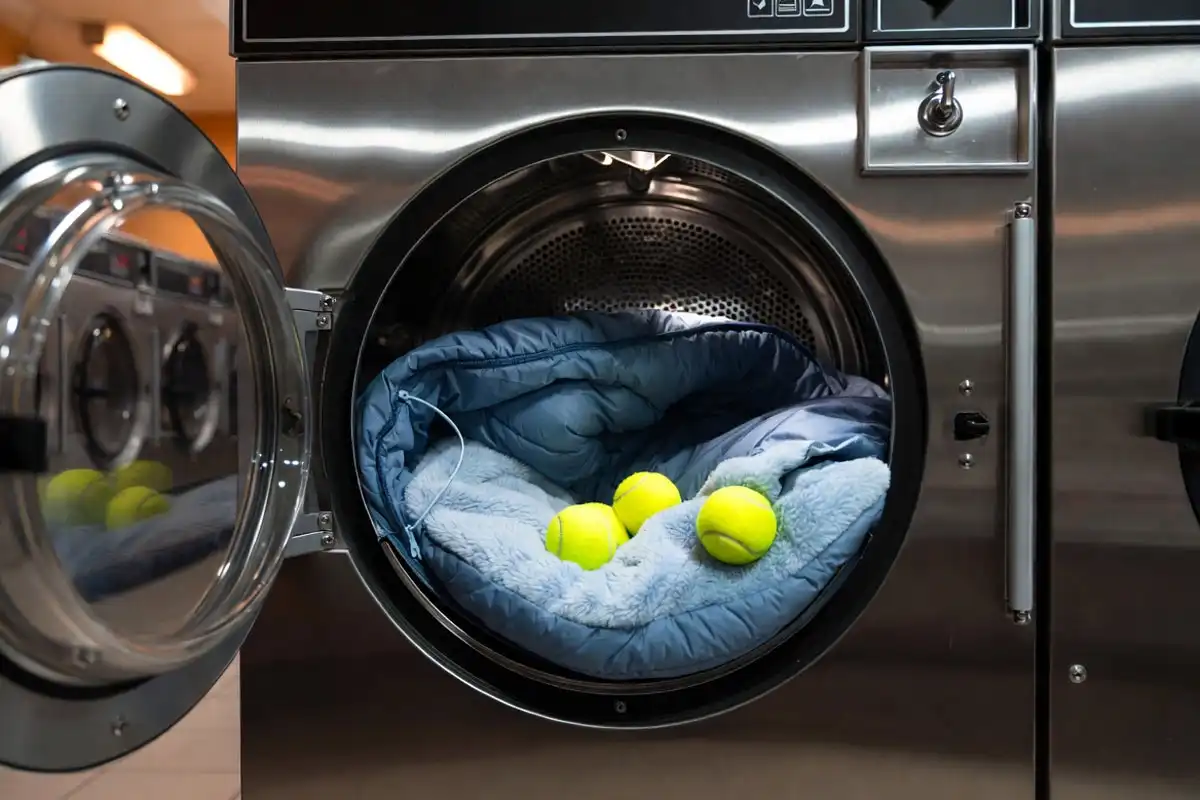
Drying takes the longest. Incomplete drying causes mildew and odor.
Machine drying: Use a large tumble dryer on low heat. Add 2-3 tennis balls to break up wet clumps and restore loft. Check every 30 minutes. Pull apart stubborn clumps by hand. Run multiple cycles. Expect 2-4 hours for synthetic bags and 3-5 hours for down.
Air drying: Lay flat in a ventilated area away from direct sunlight. Flip every few hours. Air drying a down bag can take 1-2 days.
The bag is done when the insulation feels uniformly fluffy with no damp clumps inside the baffles. I covered faster methods in my article on drying wet camping gear at the campsite.
How to Store a Sleeping Bag After Washing
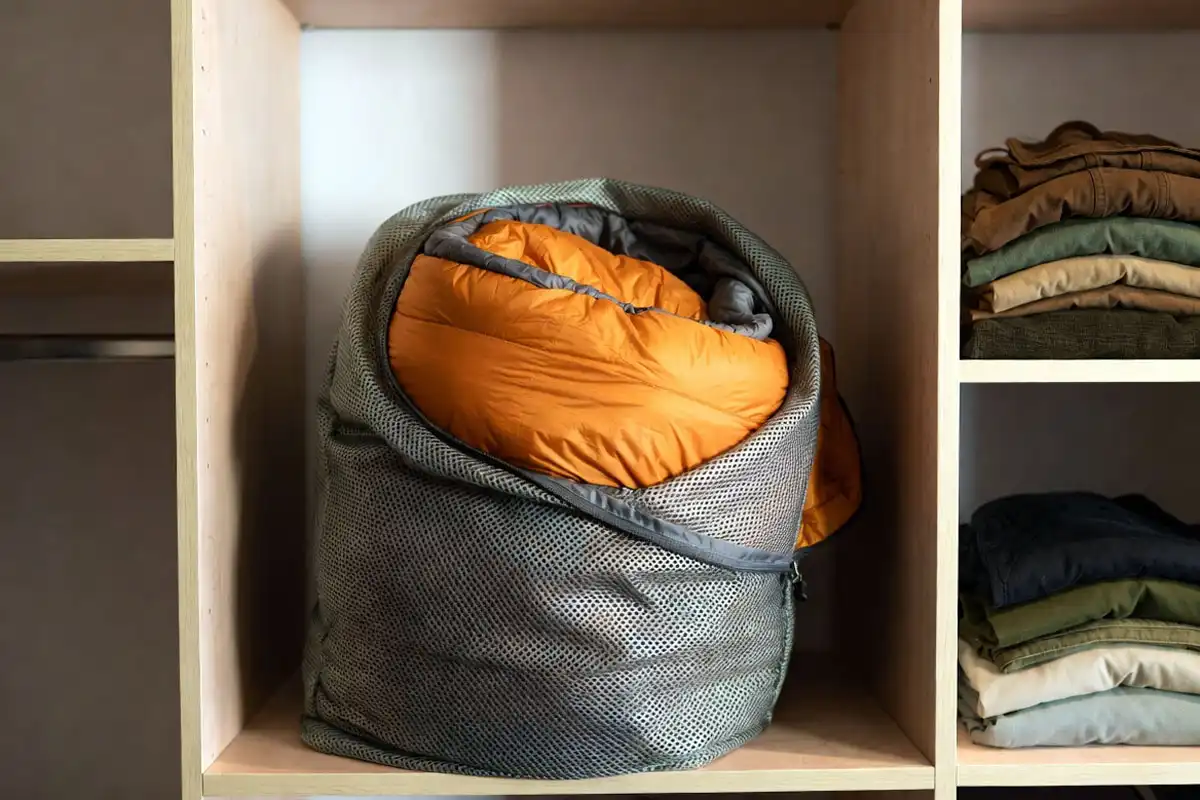
Store the bag uncompressed in a large cotton or mesh storage sack, or hang it in a closet. Never leave it compressed in its stuff sack for weeks or months. Long-term compression crushes insulation and permanently reduces loft.
Avoid airtight bags. Trapped moisture causes mildew. Store in a cool, dry place. If moisture is a recurring problem at camp, I discussed solutions in my article on keeping bedding dry in humid weather.
Mistakes to Avoid When Washing a Sleeping Bag
Top-loading washer with an agitator. It tangles the bag and rips seams. Use a front-loader.
Regular detergent on a down bag. Brighteners and fillers coat down fibers and reduce loft.
Dry cleaning. Solvents strip natural oils from down and damage synthetic fills permanently.
Bleach or fabric softener. Both damage insulation and degrade the nylon shell.
Storing before fully dry. Even slight dampness causes mildew and odor.
How to Keep a Sleeping Bag Clean Between Washes
Use a liner. Sleeping bag liners absorb sweat and oils instead of the insulation. They wash easily after each trip and add 5-15°F to the bag’s temperature rating.
Sleep in clean clothes. Change out of hiking clothes before getting in the bag.
Air out daily. Drape the bag over a line for 15-30 minutes each morning to evaporate moisture. If you are new to all of this, I walked through the basics in my guide on best way to start camping.
FAQs on Sleeping Bag Cleaning

Can you put a sleeping bag in the washing machine?
Yes. Use a front-loading machine on a gentle cycle with warm water. Avoid top-loaders with center agitators. They strain seams and damage insulation baffles.
How often should you wash a sleeping bag?
Wash a sleeping bag once a year or after 30 to 50 nights of use. Using a liner and sleeping in clean clothes extends the interval. Wash before long-term storage to remove body oils.
Can you tumble dry a sleeping bag?
Yes. Tumble dry on low heat with 2 to 3 tennis balls to break up insulation clumps. Never use high heat. Check the bag every 30 minutes and run multiple cycles until fully dry.
What happens if you dry clean a sleeping bag?
Dry cleaning solvents strip the natural oils from down feathers and damage synthetic fills. The bag loses loft and warmth permanently. Always hand wash or machine wash instead.
Is it safe to wash a sleeping bag with regular detergent?
Regular detergent leaves residue on down fibers and reduces loft. Use a down-specific detergent for down bags. A mild liquid soap or gear wash works for synthetic bags. Avoid powder detergent.
Final Thoughts on Clean a Sleeping Bag
Washing a sleeping bag takes time, but the payoff is a bag that lofts properly and keeps you warm for years. Use the right detergent, the right machine, and dry on low heat until every clump is gone. Store it loose, and the insulation holds its shape between trips. A clean bag performs better and lasts longer, whether you camp once a season or spend weeks on the trail.