What Snacks Provide Fast Energy Without Weighing Down Your Hiking Pack

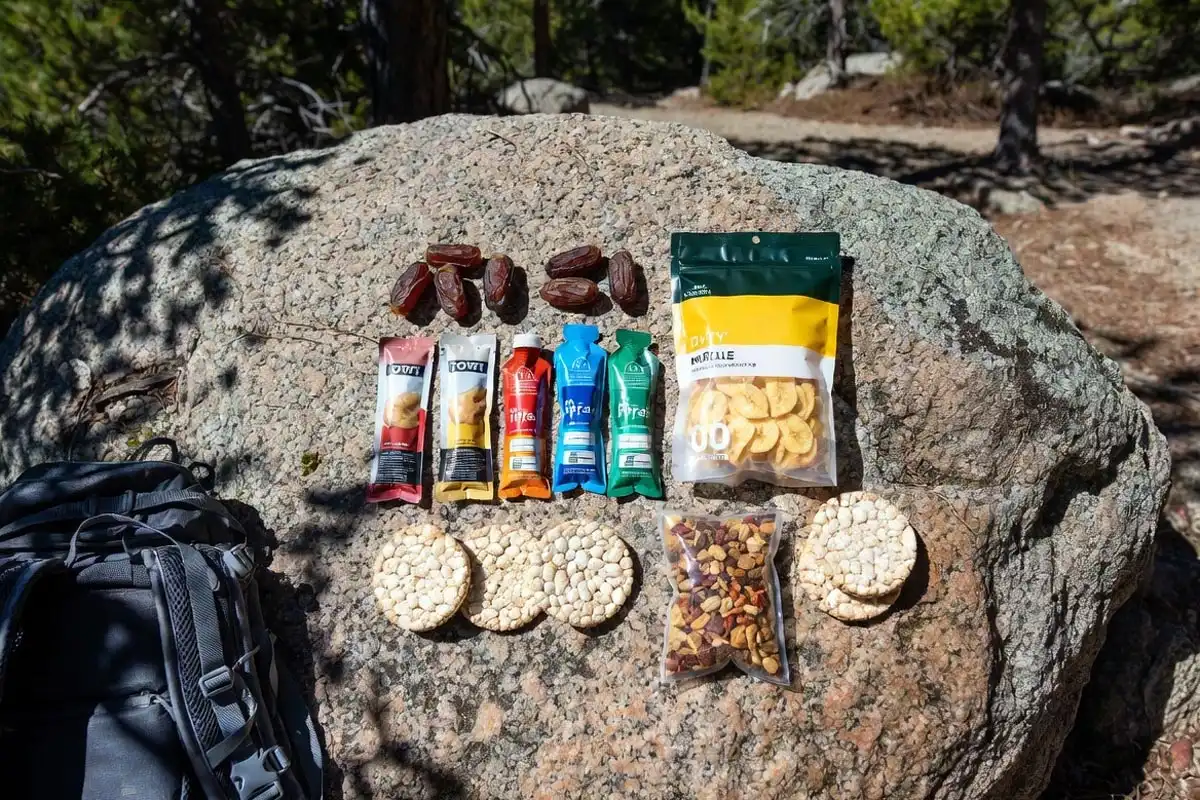
Fast-energy hiking snacks that provide quick energy include dried fruit, energy gels, nut butter packets, trail mix, and rice cakes, delivering carbohydrates and calories fast without weighing down your hiking pack with significant weight or bulk. This guide covers which snacks fuel your muscles fastest, how many calories to carry per hour on the trail, and how to pack them so they stay fresh and easy to reach. Whether you’re on a half-day walk or a multi-day trip, the right snacks keep energy steady from the first mile to the last.
The fastest trail energy comes from simple carbohydrates. Dates, energy gels, and banana chips digest in 15-30 minutes and weigh under 50g per serving. Carry 100-250 calories per hour of hiking. Combine fast carbs with a small amount of fat or protein to prevent an energy spike and crash mid-trail.
Why Snack Weight Matters on the Trail
Every 100g of unnecessary food weight accumulates across a full hiking day. A heavier pack increases fatigue and slows your pace, especially on uphill sections.
The calorie-to-weight ratio is the key metric. Nuts deliver roughly 600 calories per 100g. Dried mango delivers around 300 calories per 100g. Whole fruit like apples delivers about 50 calories per 100g, which makes it far less efficient for a loaded pack.
Lightweight, calorie-dense snacks reduce total pack weight without reducing fuel output.
What Makes a Snack “Fast Energy”
Fast energy comes from simple carbohydrates. The digestive system breaks simple carbs into glucose within 15-30 minutes. Complex carbs and protein take 45 minutes to 2 hours to convert to usable energy.
Simple carbs include glucose (energy gels), fructose (dried fruit), and maltodextrin (sports chews). These enter the bloodstream quickly and reach working muscles fast.
Snacks that combine fast carbs with a small amount of fat or protein extend that energy window by 60-90 minutes and reduce the risk of a blood sugar crash.
Best Fast-Energy Snacks for Hiking
Dates and Dried Fruit
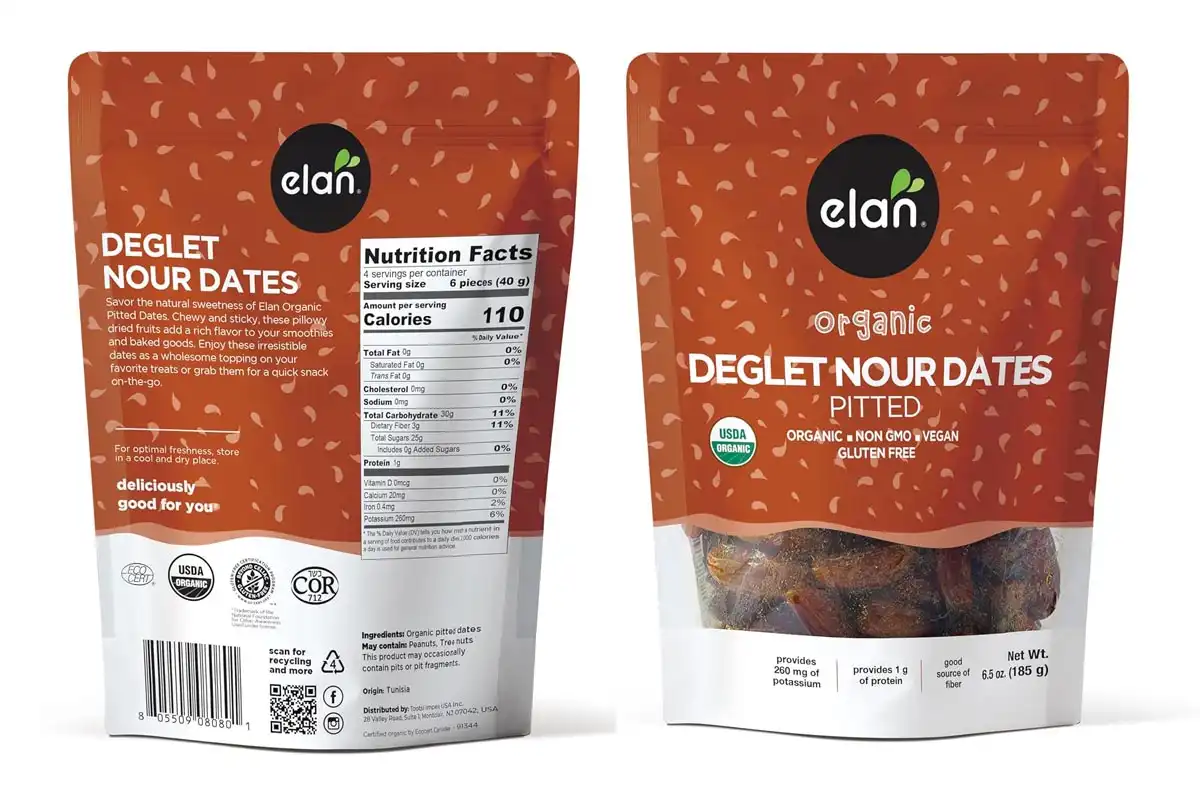
Dates provide around 280 calories per 100g and contain fast-digesting natural sugars. Dried mango, apricots, and raisins perform similarly. They weigh little, require no refrigeration, and need no preparation at all.
Pairing dried fruit with a small handful of nuts slows sugar release slightly and prevents a mid-hike energy dip.
Energy Gels and Chews
Energy gels deliver 80-100 calories per 32g packet and absorb in under 20 minutes. This makes them useful mid-climb when you need immediate fuel. Chews offer similar energy with a more solid texture; one 60g packet provides around 100 calories.
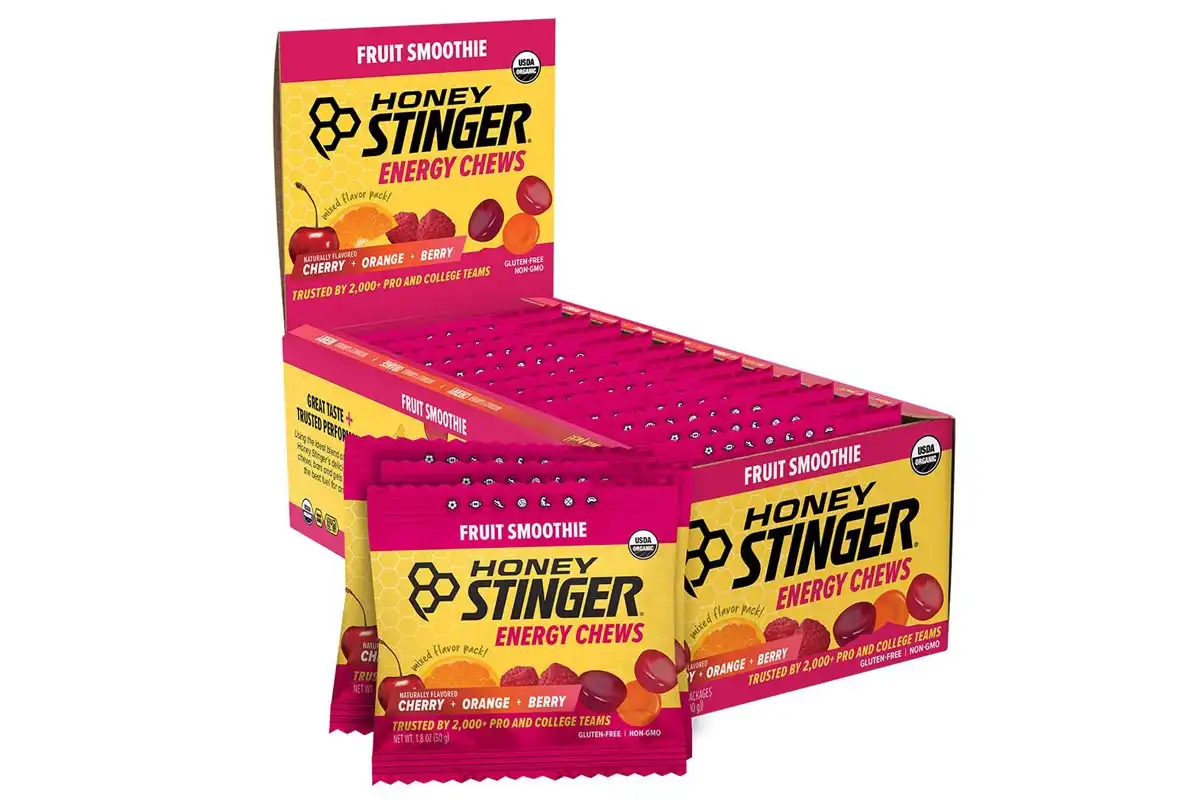
Both formats suit high-intensity sections better than casual strolls. They’re not filling, so combine them with a more substantial snack at your next full rest stop.
Nut Butter Packets
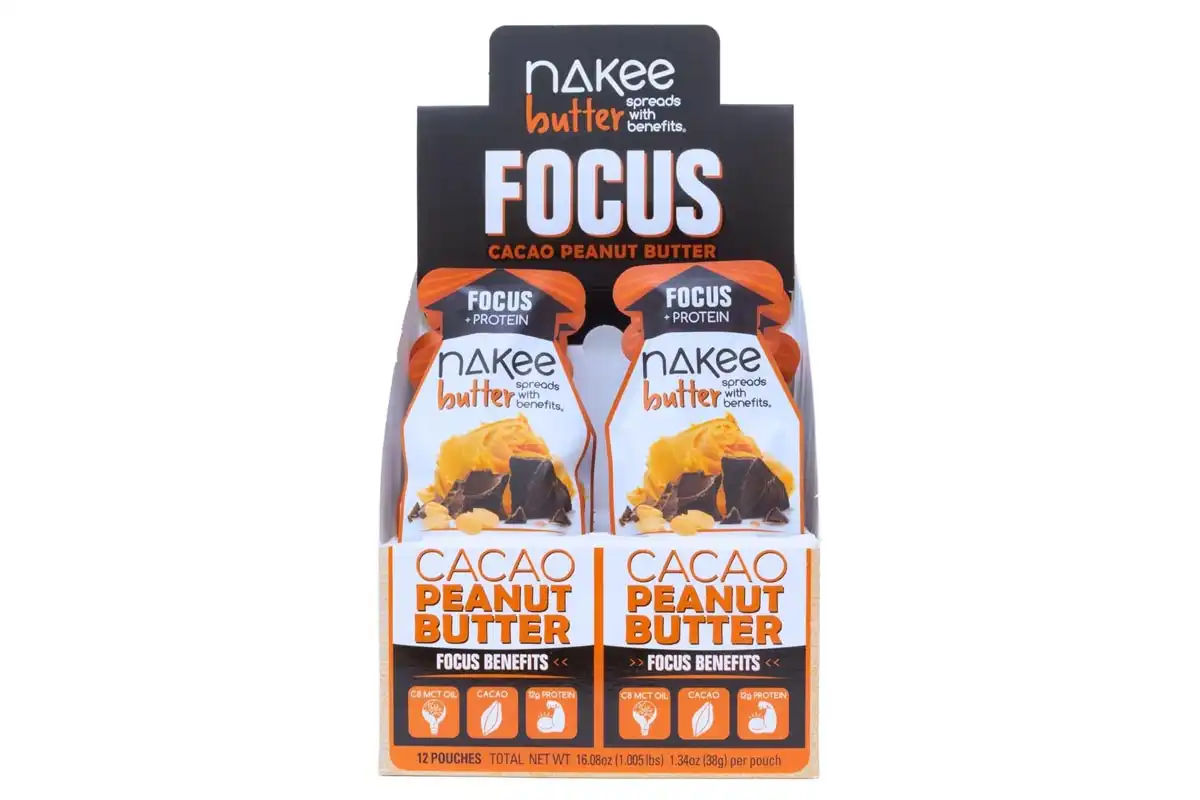
Single-serve nut butter packets (almond or peanut) weigh 32g and deliver around 190 calories. They combine fat and protein with carbs, which extends energy output over 1-2 hours rather than providing a single spike.
I eat these with plain rice cakes on longer climbs where I want steady fuel rather than a quick burst.
Trail Mix
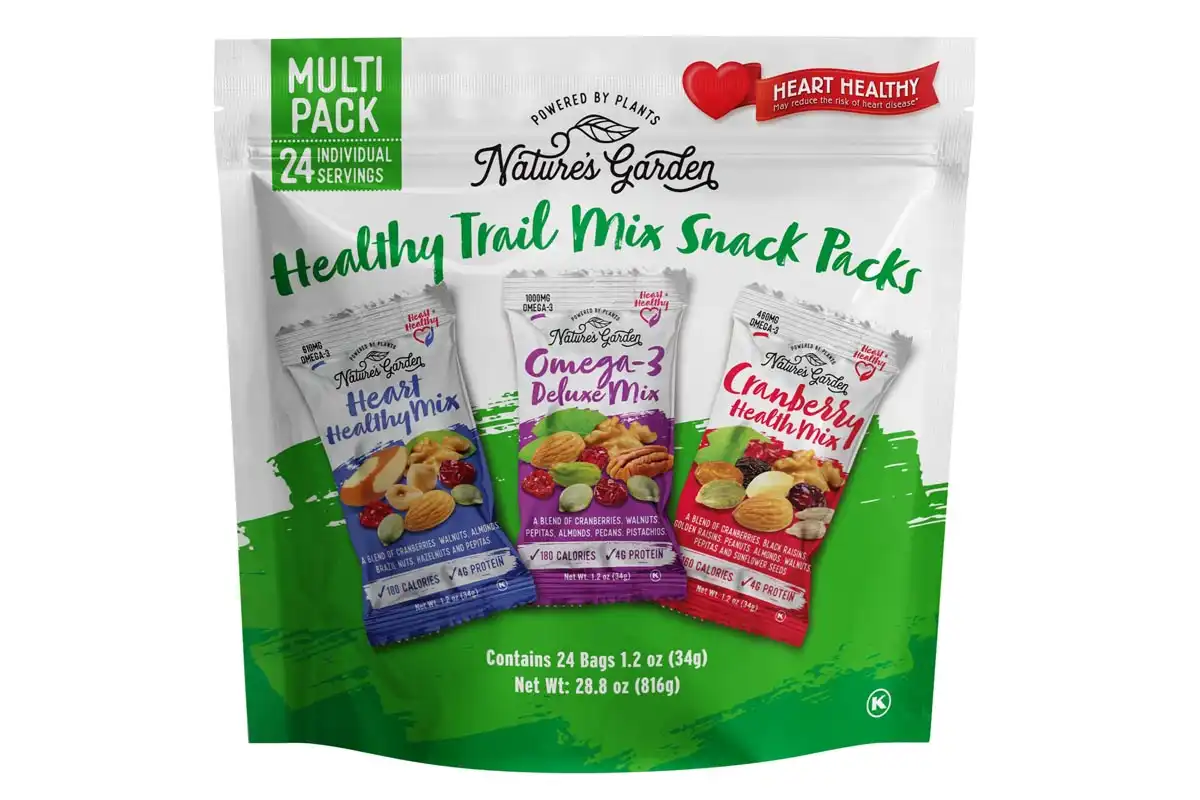
A standard trail mix of nuts, seeds, and dried fruit provides 450-550 calories per 100g depending on the nut-to-fruit ratio. Pre-portioning into 50g bags before the trip helps with calorie tracking and pack organization.
Adjust the ratio based on hike intensity: more dried fruit for fast-moving sections, more nuts for longer steady terrain.
Rice Cakes
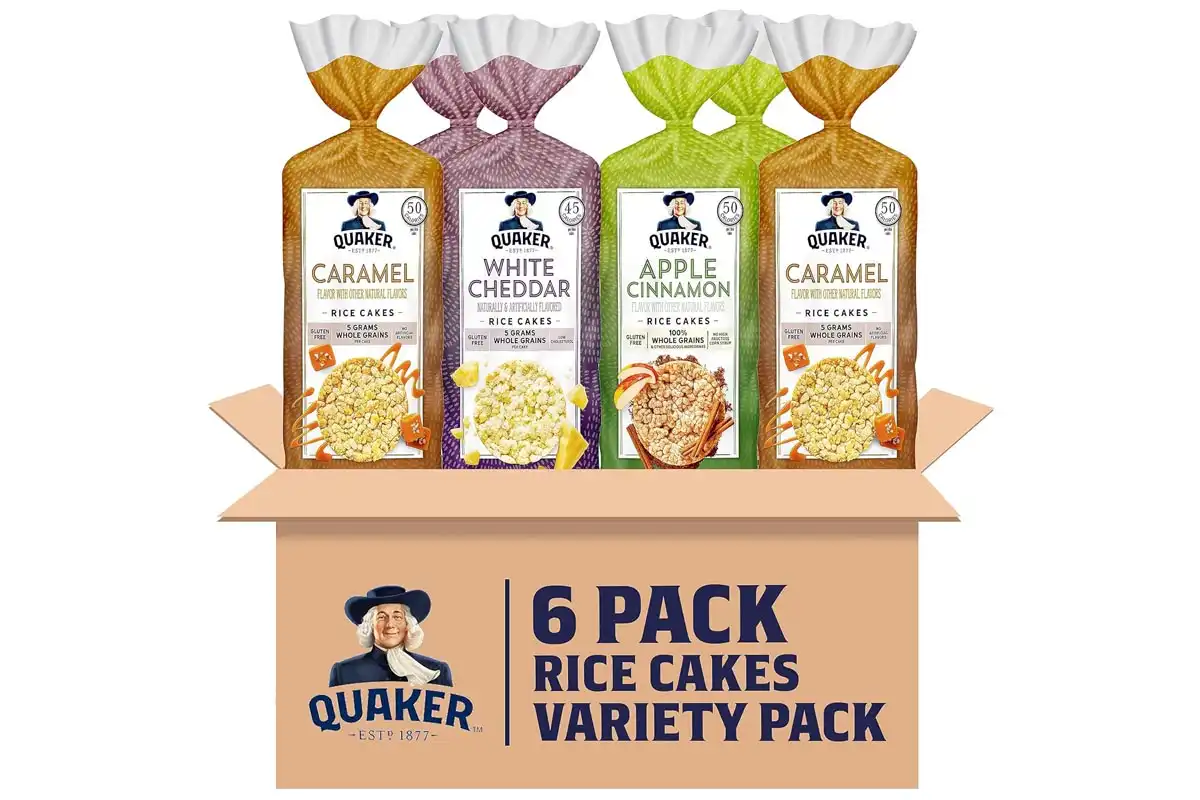
Plain rice cakes weigh about 9g each and provide 35 calories. Lightly salted options help replace sodium lost through sweat. Endurance athletes use rice cakes because they digest easily without causing stomach discomfort on technical terrain.
Banana Chips
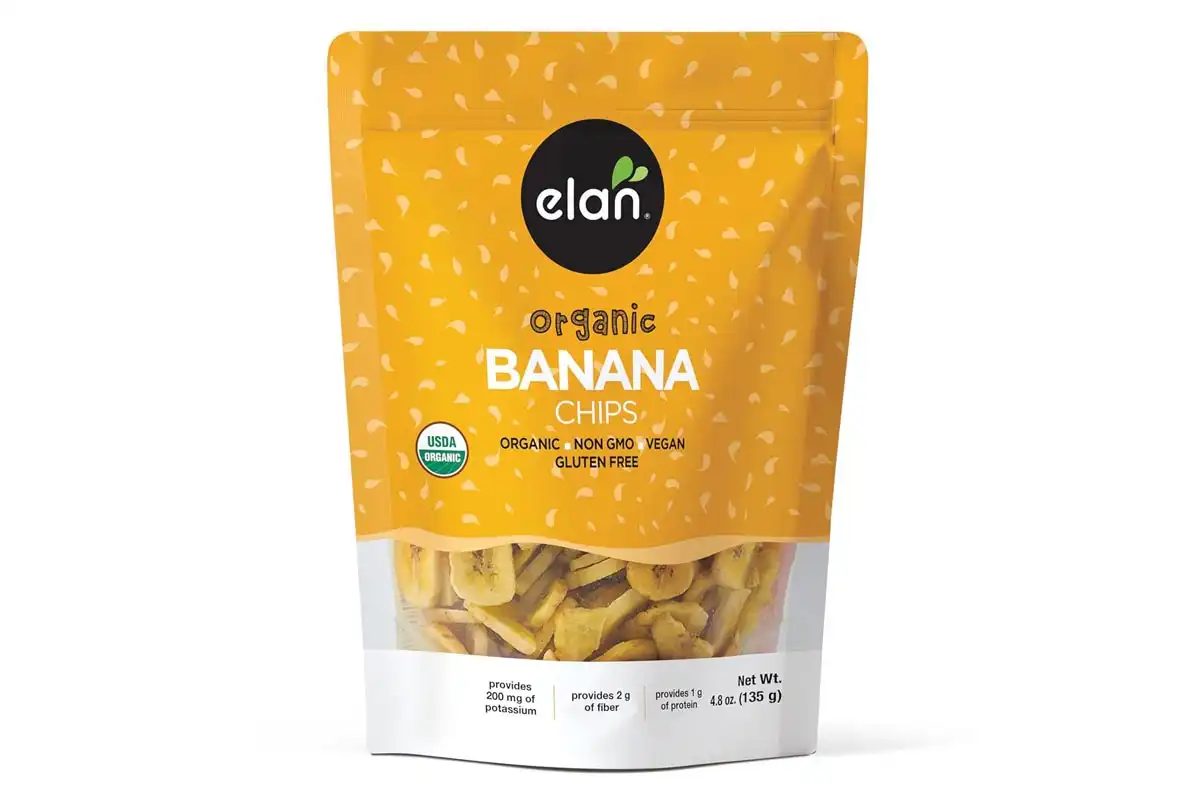
Banana chips provide around 520 calories per 100g and digest faster than fresh banana. They stay intact in a pack and don’t bruise or leak. The natural sugars from banana provide quick fuel, while the small fat content from the frying process slows digestion slightly for a more sustained effect.
How Many Calories to Carry Per Hour
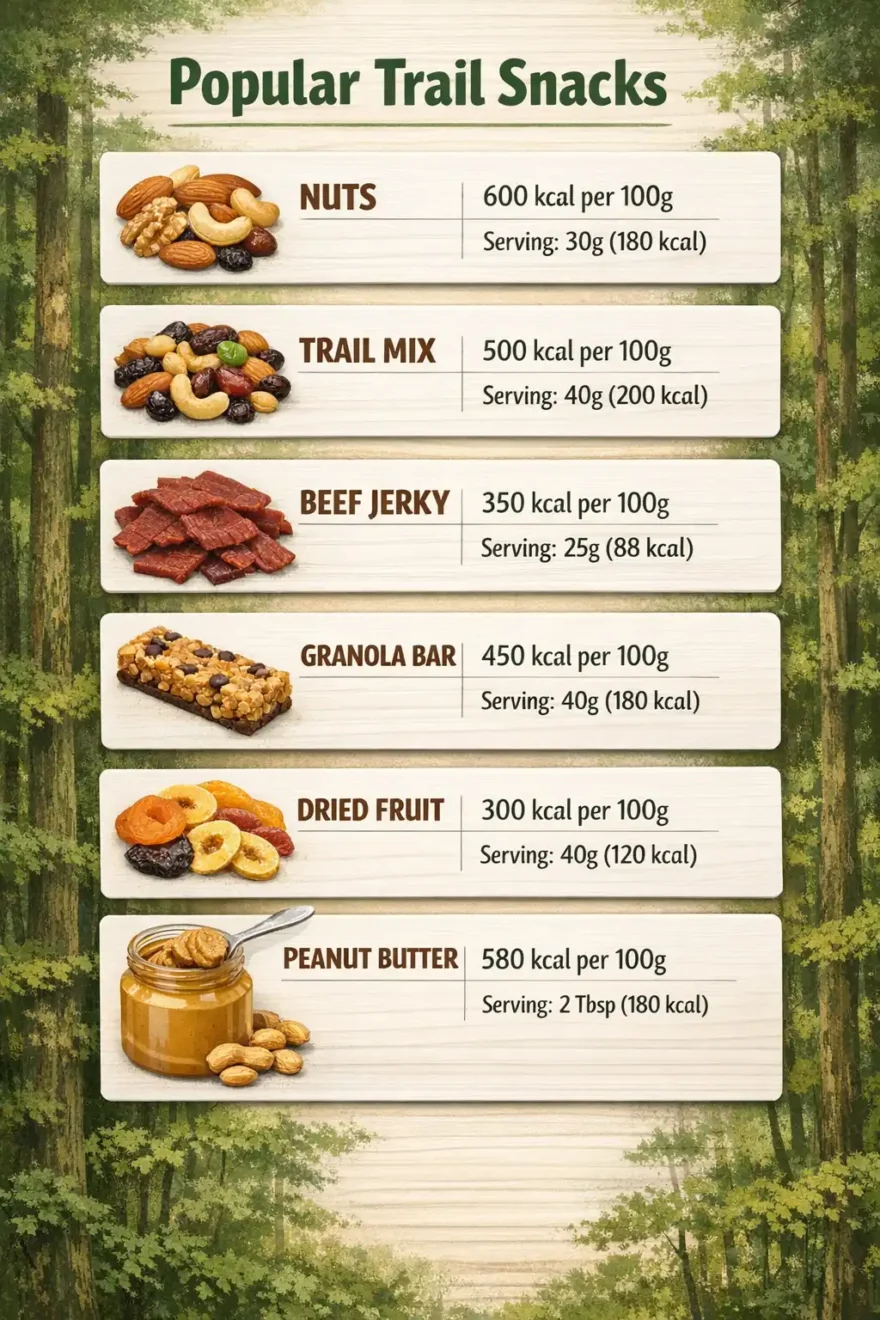
Hiking burns roughly 300-600 calories per hour depending on body weight, terrain, and pace. A practical snack target is 100-250 calories per hour on top of your main meals.
For a 6-hour day hike, carry 600-1,500 calories in snacks. That equals roughly 150-350g of mixed trail snacks – a manageable weight that fits in a single hip belt pocket.
I covered related fueling strategies in an earlier article on what to eat before and during a long hike, which pairs directly with this snack guide for full-day outings.
How Often Should You Eat on a Hike?
Eat small amounts every 45-60 minutes rather than waiting until you feel hungry. Hunger arrives late; by the time you feel it, blood glucose has already dropped.
A pattern I use: eat 100-150 calories at each rest break. Pair every snack with water to support digestion. How much water you carry affects how well your body processes food on the trail – I covered this in detail in an earlier piece on how much water need for per man while camping.
How to Pack Trail Snacks for Easy Access
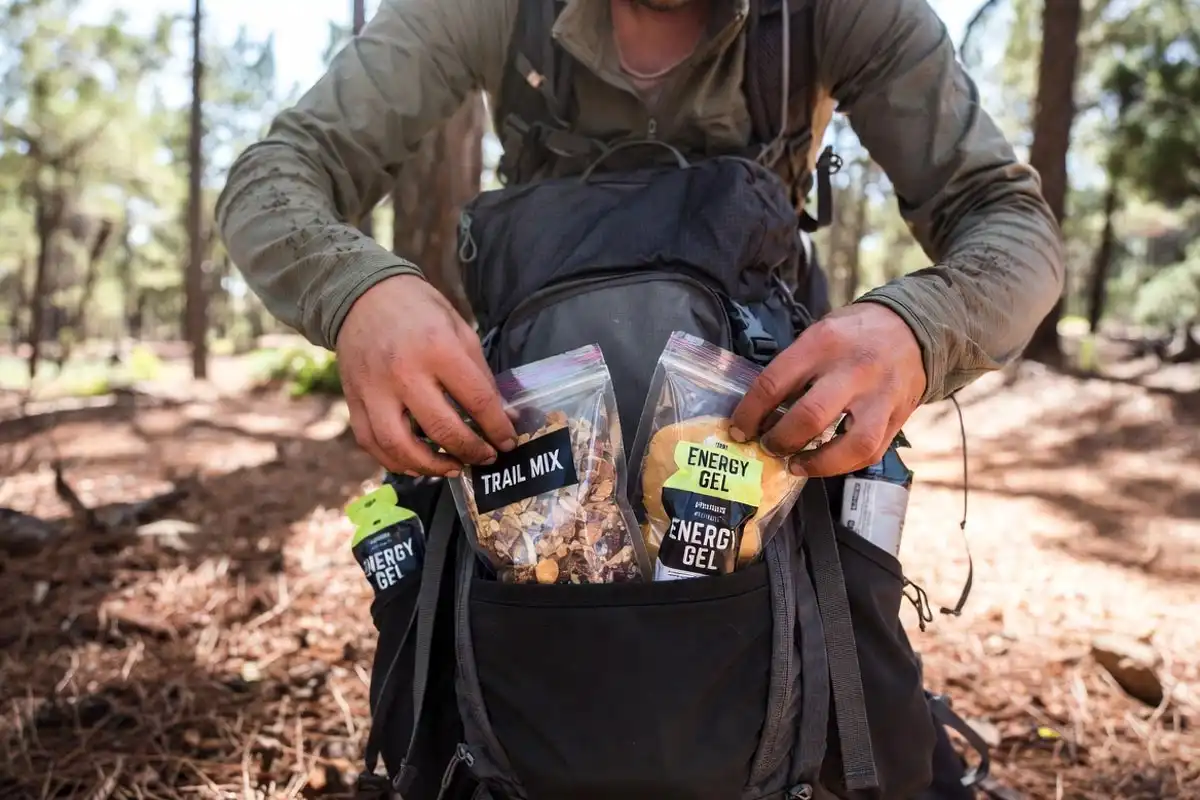
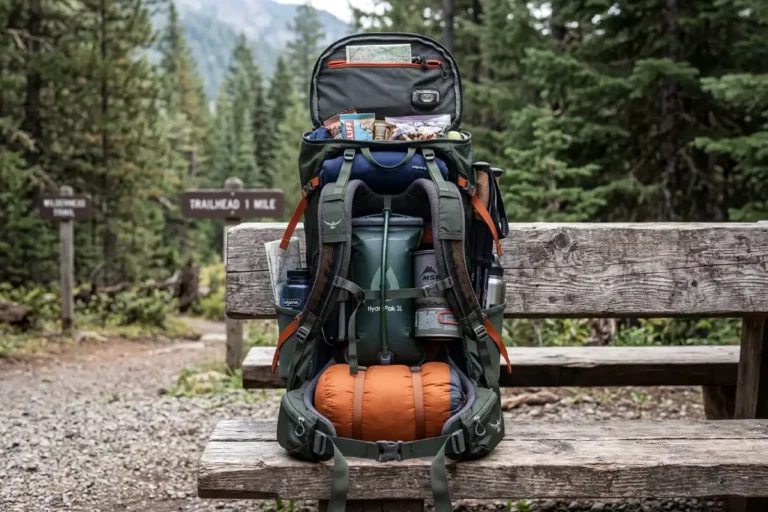
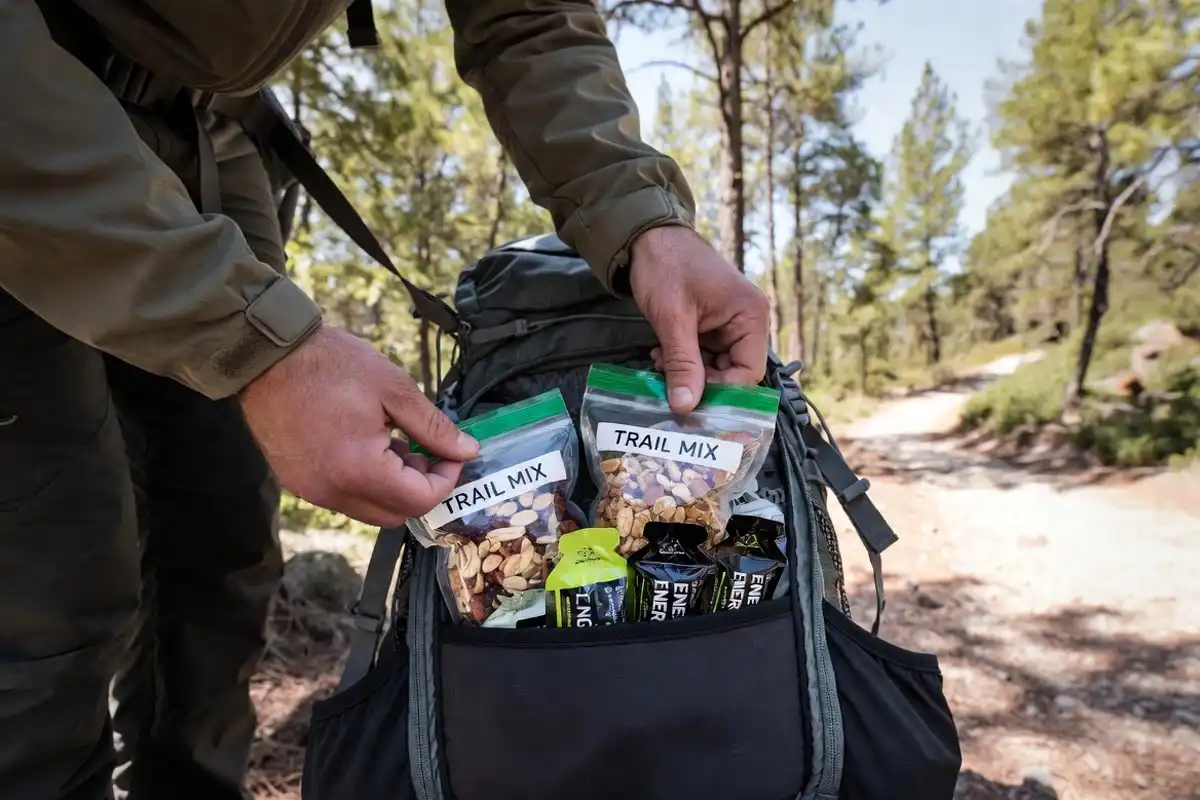
Place snacks in the top lid pocket or hip belt pocket. Stopping to dig through your main pack on technical terrain slows momentum and breaks focus.
- Pre-portion snacks into small zip-lock bags before leaving.
- Keep gels in a chest pocket or the front of your hip belt for immediate reach during climbs.
- Label bags by hour if you want to manage intake across a long day.
Avoid loose snacks in the main compartment. They crush, leak, and attract insects.
Snacks to Avoid on Long Hikes
Whole fresh fruit adds water weight and bruises easily. A single apple weighs 180-200g and delivers only 90-100 calories – poor return for the weight.
High-sugar bars with under 2g of fiber cause fast energy spikes followed by crashes. If sugar appears as the first or second ingredient on the label, that bar belongs at the trailhead, not in your mid-hike rotation.
Salty crackers with no fat or protein digest too fast and leave you hungry again within 20 minutes.
Protein bars as a primary fuel source slow digestion. Protein supports recovery but doesn’t deliver the fast carbs muscles need during active climbing. Save protein bars for post-hike recovery.
Common Mistakes with Trail Snacks
Skipping snacks on “easy” hikes. Even moderate terrain burns significant calories. Under-fueling on a 3-hour hike causes fatigue on the descent, which is when most injuries occur.
Packing snacks you haven’t tested. Trail hunger is real, but if a snack tastes poor, you’ll skip it at the worst moment. Test every snack on shorter training hikes first.
Packing all snacks at the bottom of the pack. This forces a full unpack at every rest break. Accessible snacks get eaten; inaccessible snacks get skipped.
If maintaining energy on long ascents is a challenge, my earlier guide on hike uphill without losing energy addresses pacing and fueling strategies together.
FAQs about Hiking Snacks That Boost Energy Fast

What is the best single snack for quick energy on a hike?
Dates rank among the best options for fast, natural energy on a hike. They deliver around 280 calories per 100g, digest in 20-30 minutes, and need no preparation. Energy gels absorb faster but contain more processed ingredients. Dates suit hikers who prefer whole-food options with a similar speed of digestion.
How much does a day's worth of hiking snacks weigh?
A full day of hiking snacks (600-1,500 calories) weighs roughly 150-350g when built around nuts, dried fruit, and nut butter packets. This weight fits comfortably in a hip belt pocket without noticeable impact on overall pack load.
Are energy gels worth carrying for regular hiking?
Energy gels suit high-intensity sections like steep climbs or fast ridge traverses. For steady, moderate hiking, whole-food options like dates or trail mix provide similar energy with longer-lasting satiety. Carry 2-3 gels for hard sections and rely on trail mix or nut butter for general pacing.
Can snacks alone replace a main meal on the trail?
For hikes under 4 hours, snacks alone sustain energy if they total 400-600 calories and include a mix of carbs and fat. For hikes over 4 hours, a proper meal provides sustained fuel and amino acids that snacks alone cannot deliver. Do not skip meals on multi-day trips.
Do trail snacks need to stay refrigerated?
Most trail-optimized snacks – dried fruit, nuts, nut butter packets, energy gels, and rice cakes – stay stable at trail temperatures with no refrigeration needed. In summer heat above 35°C (95°F), avoid chocolate-coated snacks; they melt and stick. Check nut butter packets in high heat for oil separation before eating.
Conclusion
Fast-energy trail snacks work because they deliver simple carbohydrates quickly, stay light in the pack, and require no preparation on the move. Dates, energy gels, trail mix, nut butter packets, rice cakes, and banana chips each serve a specific fueling role.
Match the snack to the terrain: gels for steep climbs, trail mix for steady ground, nut butter for longer hauls. Eat every 45-60 minutes, pre-portion before you leave, and keep snacks within reach in your hip belt or lid pocket.