What Is the Best Way to Split Camping Costs Fairly in a Group

The fairest way to split group camping costs is to list every shared expense upfront, assign a clear payment method before the trip, and settle all balances through a shared tracking app after the trip ends. This guide covers how to categorize costs, choose the right splitting method for your group, avoid the common disputes I’ve seen on group trips, and collect money without the awkwardness. Whether you camp with two people or ten, the system below works.
Split group camping costs by listing all shared expenses (campsite, food, gear, fuel), dividing them by an agreed method (equal split or per-use), tracking with a free app like Splitwise or Trail Wallet, and settling up the day after the trip. Agree on the method before you book, not after.
What Costs Does a Group Camping Trip Actually Include?
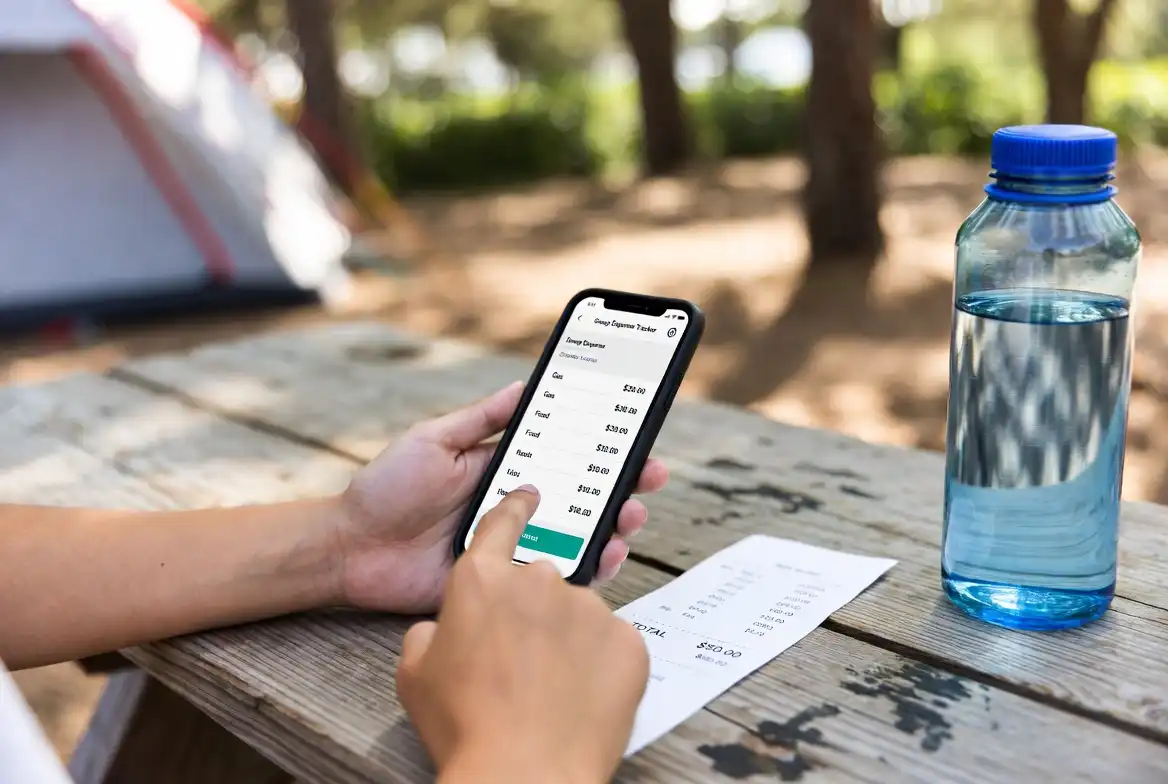
Group camping expenses fall into four main categories: site costs, food, transport, and shared gear.
Site costs include reservation fees, parking, and firewood permits. These divide equally because everyone uses the campsite.
Food costs include group meals, shared snacks, and communal cooking supplies. Individual meals each person buys separately stay separate.
Transport costs include fuel, tolls, and vehicle wear for drivers who carry passengers. Drivers deserve reimbursement from non-drivers.
Shared gear covers rentals or one-time purchases the group uses together, such as a camp cooking kit, tarps, or a water filter. These split equally.
Personal costs, including personal snacks, alcohol one person drinks alone, or a private hotel room, stay personal and do not enter the group pool.
When Should You Agree on a Splitting Method?
Agree before you book the campsite, not after the trip ends.
Money conversations after the fact create tension. When everyone knows the system before spending starts, no one feels surprised by what they owe.
I recommend a short group message thread or a 10-minute call at least one week before departure. Confirm three things: who pays upfront for shared items, how you will split those costs, and when everyone settles up.
If you need help building a full pre-trip checklist, the 2-night camping checklist guide covers what to plan and confirm before you leave.
How to Split Group Camping Costs
Step 1: List Every Shared Expense Before the Trip
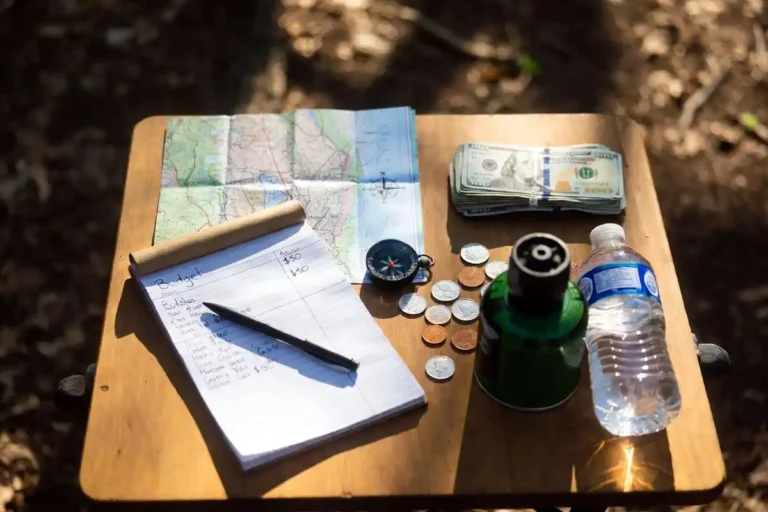
Write out every cost the group shares. Include: campsite fee, reserved parking, shared food for group meals, fuel contributions for drivers, firewood, and any shared rentals.
Leave personal items off the list entirely.
Step 2: Choose a Splitting Method That Fits Your Group
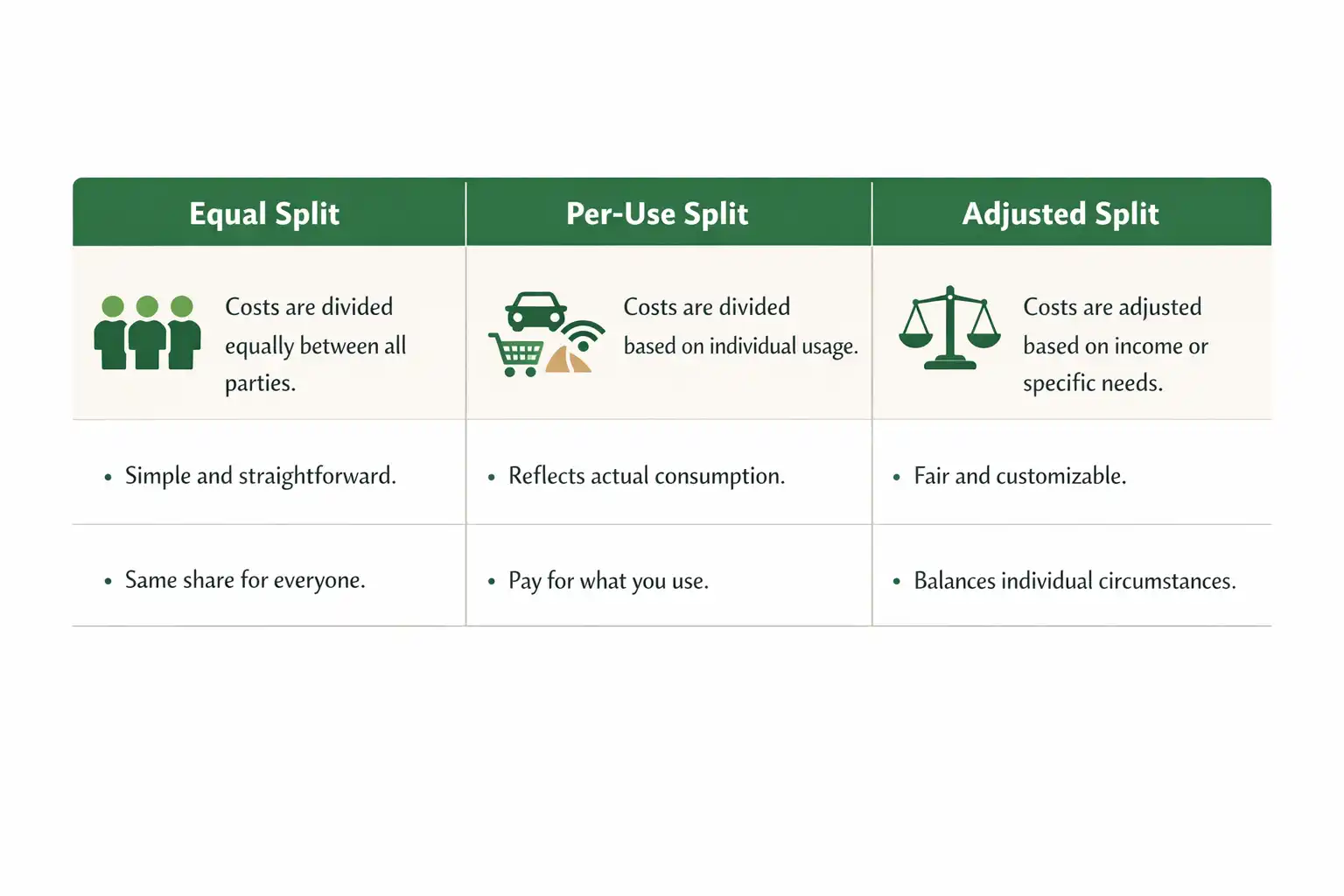
Three methods work for most camping groups:
Equal split divides the total by the number of people. This works when everyone has a similar budget and uses resources equally.
Per-use split charges only people who benefit from a specific item. One person rents a kayak; only kayakers split that cost. Non-kayakers pay nothing.
Adjusted split accounts for income differences in groups where one person earns significantly less. The group agrees voluntarily to reduce that person’s share. This approach works only when everyone agrees freely and without pressure.
For most trips I’ve been on, equal split for site and food costs combined with per-use for optional activities handles 90% of situations without argument.
Step 3: Assign a Payer for Each Category
One person pays the campsite reservation. One person handles the food run. One person tracks fuel costs.
Spreading payment roles reduces the burden on any single person and keeps records clean.
If you’re planning a trip that involves flights or driving gear to a trailhead, the car vs. flight packing guide explains how transport costs differ and how to estimate them.
Step 4: Track Every Expense in Real Time
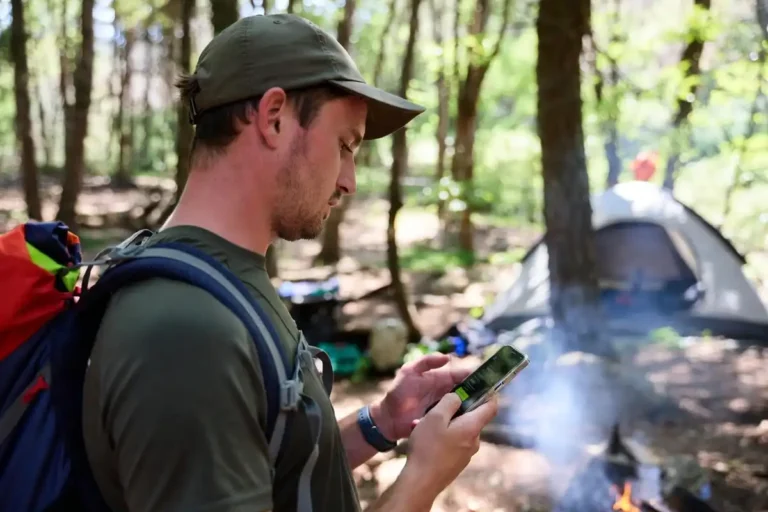
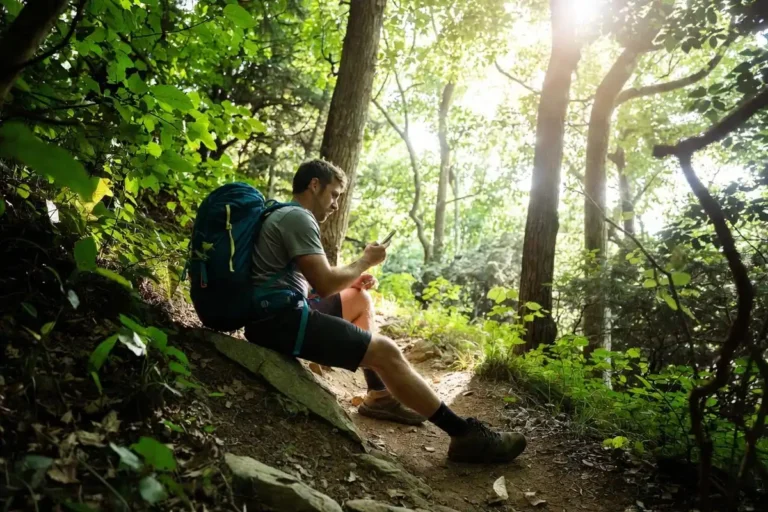
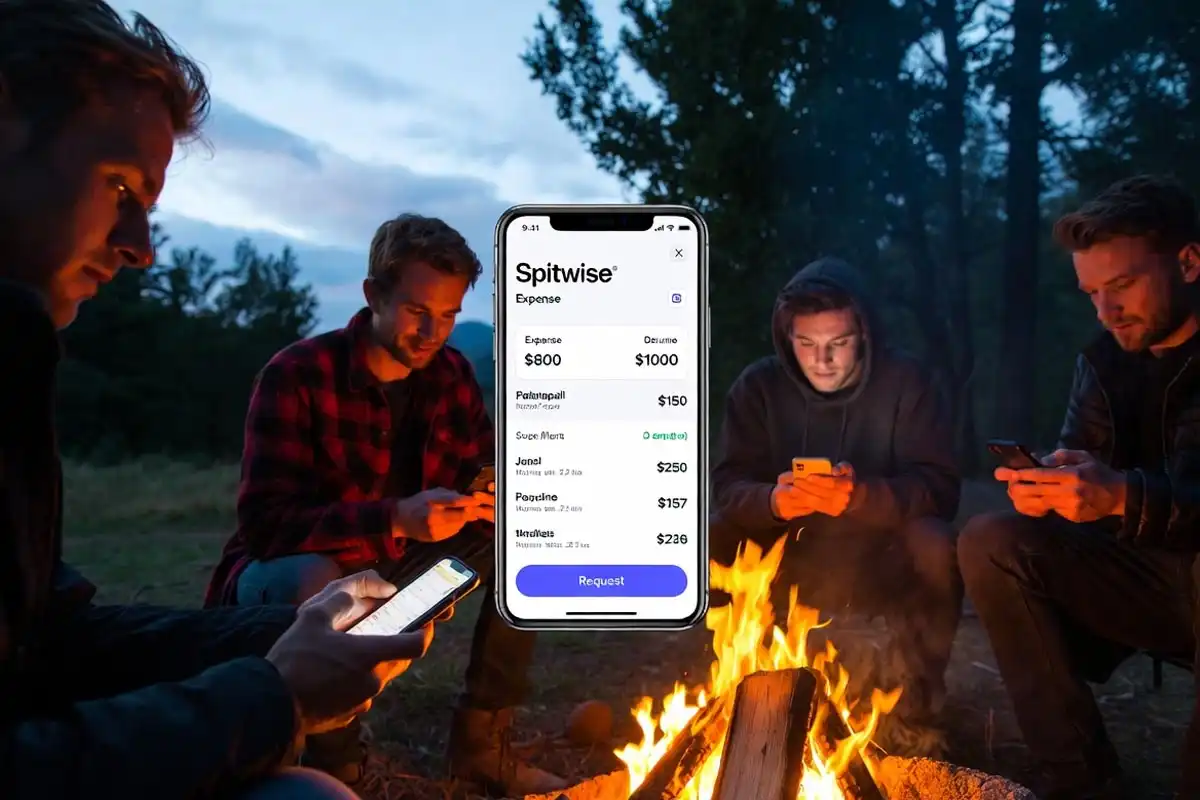
Use a free expense-splitting app. Splitwise, Trail Wallet, and Tricount all allow group members to log expenses as they happen and calculate who owes what automatically.
Open the app at the campsite, not three days after you get home. Memory fades. Receipts disappear.
Step 5: Settle Up Within 24 Hours of Returning Home
Set a deadline before the trip: everyone pays balances by the day after return.
Use bank transfers, Venmo, or PayPal. Avoid cash when possible because it leaves no record.
Which Splitting Method Works Best for Different Groups?
Close friends with similar incomes: Equal split. Fast, no friction.
Mixed groups with couples and singles: Per-couple and per-person hybrid. A couple shares one tent cost; individuals pay individual portions.
Groups with one lower-income member: Adjusted split, discussed openly before the trip. Never assume; always ask.
Large groups of 8 or more: Assign a trip treasurer who collects all receipts and runs one final calculation at trip end.
What Tools Help Track and Collect Group Camping Money?
Splitwise is the most widely used group expense app. Members add expenses, assign payers, and the app calculates net balances.
Tricount works offline, which helps in areas without cell service. It exports a full summary at trip end.
Google Sheets works for groups comfortable with spreadsheets. One shared sheet, one tab per expense category, one column per person.
Trail Wallet focuses on budget tracking per trip but does not calculate group splits automatically.
I covered broader trip budgeting strategies in the outdoor trip budget planning guide, which includes how to estimate costs before you commit to a destination.
What Mistakes Cause Group Camping Money Problems?
Splitting food costs without agreeing first. One person buys steak; another buys instant noodles. Equal splits feel unfair when spending levels differ. Set a per-person food budget before the grocery run.
Forgetting driver compensation. Drivers use fuel and add mileage to their vehicles. A standard fuel reimbursement per mile, or a simple “driver doesn’t pay for food” agreement, prevents resentment.
Waiting to discuss money until after the trip. This is the single biggest source of group camping disputes I’ve seen. Bring it up early.
Not tracking small purchases. A bag of charcoal, extra ice, or a campfire starter adds up. Log every shared purchase, even small ones.
Lending money between friends and calling it a “trip expense.” Keep personal loans separate from shared camping costs entirely.
How Do You Handle It When Someone Can’t Pay Their Share?
Talk to that person privately before the trip, not after.
If someone faces a genuine financial constraint, offer to reduce their share in exchange for a non-cash contribution: they cook all the meals, handle all camp cleanup, or bring specific shared gear.
Non-financial contributions balance the group dynamic without embarrassing anyone.
If a group member consistently avoids paying after trips, adjust the system. Collect payment upfront for the next trip or remove shared costs from that person’s group total.
FAQs about Best Way to Split Camping Costs Fairly in a Group

Should camping costs be split equally or by what each person uses?
Equal split works best for fixed shared costs like the campsite and group meals. Per-use splitting works better for optional activities or gear only some people use. Most groups combine both methods.
What happens if one person pays for everything upfront?
The person who pays upfront submits all receipts to the group tracker immediately. Other members reimburse their share within a set deadline, typically 24 hours after the trip ends.
How do you split costs when group sizes change last minute?
Recalculate the per-person share using the final confirmed headcount the morning of departure. Pre-paid fixed costs like a campsite reservation divide by actual attendees only.
Is it fair to charge couples the same as individuals?
Couples share one tent and one sleeping space. For tent-related costs, a couple counts as one unit. For food and activity costs, each person counts individually unless the group agrees otherwise.
What if someone cancels before the trip?
Non-refundable deposits that the group already paid split among the remaining members. Refundable costs return to whoever paid. If you need guidance on canceling reservations, I covered this in the campsite reservation cancellation guide.
Conclusion
The best way to split camping costs fairly is to agree on a method before you book, track every shared expense in real time, and settle balances within one day of returning home.
Equal splits work for most fixed costs. Per-use splits handle optional items. A free tracking app removes the math and the guesswork. The goal is a system everyone trusts, so the focus stays on the trip, not the bill.