What Physical Fitness Level Do You Need for a Multi-Day Backpacking Trip
A physical fitness level for a multi-day backpacking trip means moderate cardiovascular endurance, functional leg strength, and the ability to carry a loaded pack for 6 to 10 miles per day over varied terrain. This guide covers the specific fitness benchmarks you need to meet, how to test your current level, and how to build the right conditioning base before your trip. Whether you plan a 2-night route or a week-long trail, these standards apply across all experience levels.
For most multi-day backpacking trips, you need to hike 5 to 8 miles with a 25 to 35 lb pack without stopping more than twice. You need enough cardiovascular endurance for 2 to 3 hours of sustained uphill walking and enough leg strength to descend safely on tired legs. Build this base 8 to 12 weeks before your trip date.
What Fitness Does Multi-Day Backpacking Actually Require?
Multi-day backpacking sits between casual hiking and technical mountaineering. It demands sustained aerobic effort, not peak athletic performance.
Most trails require 6 to 10 miles of daily hiking with 1,000 to 3,000 feet of elevation gain. You carry a pack weighing 25 to 45 lbs. Your body repeats this effort for 2 to 7 consecutive days.
Three components matter most: cardiovascular endurance, leg strength, and core stability. Each one supports a different demand on the trail.
What Are the Minimum Fitness Benchmarks?

These benchmarks apply to a moderate 3-day trip with 8 miles per day and 1,500 feet of gain.
Cardiovascular endurance:
- Hike 5 miles on flat terrain without stopping
- Maintain a 2.5 mph pace with a loaded pack
Leg strength:
- Complete 20 bodyweight squats without knee pain
- Descend stairs for 10 minutes without quad burn
Core and back:
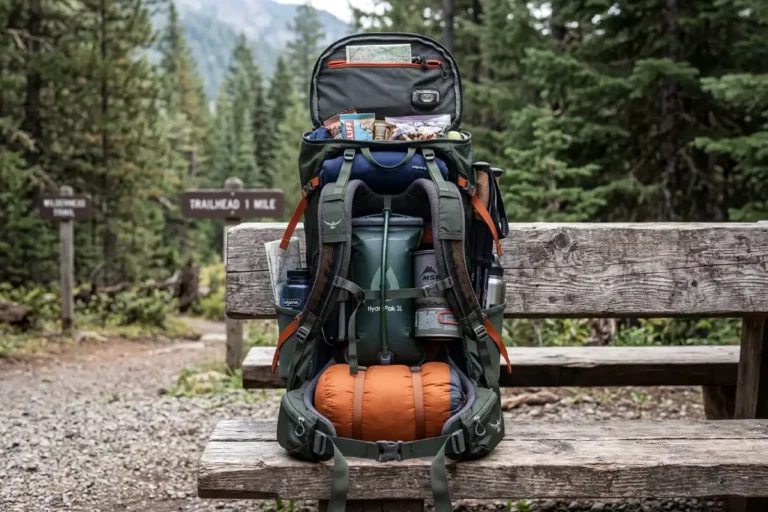
- Carry a 25 lb pack for 3 hours without lower back pain
If any benchmark feels difficult during training, your body signals it needs more preparation time.
How Does Terrain Change the Fitness Requirement?
Flat trails (coastal, desert, lowland): moderate cardiovascular fitness suffices. A person who walks 30 minutes daily at a brisk pace handles these routes well.
Rolling hills (most forest and national park trails): requires 6 to 8 weeks of stair climbing or hill training before the trip.
Alpine or high-elevation routes (above 8,000 ft): altitude decreases oxygen availability by roughly 25% compared to sea level. These routes need a strong aerobic base and prior altitude exposure.
I covered pacing strategies for uphill terrain in an earlier article on hiking uphill without losing energy too fast, which pairs well with this fitness prep.
How to Test Your Fitness Before Committing to a Multi-Day Trip
Run these self-tests 6 to 8 weeks before your trip date.
Test 1: The loaded day hike test Hike 8 miles with your full pack weight. Track how you feel at mile 5 and at the end. If your knees ache or your pace drops below 1.5 mph, increase strength training.
Test 2: The elevation test Find a trail with 1,000 feet of gain in under 3 miles. Complete it with your pack. If your heart rate recovers within 3 to 5 minutes at the top, your cardiovascular base is adequate.
Test 3: The consecutive-day test Hike two moderate days back-to-back. If day 2 performance drops more than 30%, your recovery fitness needs more work.
How to Build Fitness for Multi-Day Backpacking
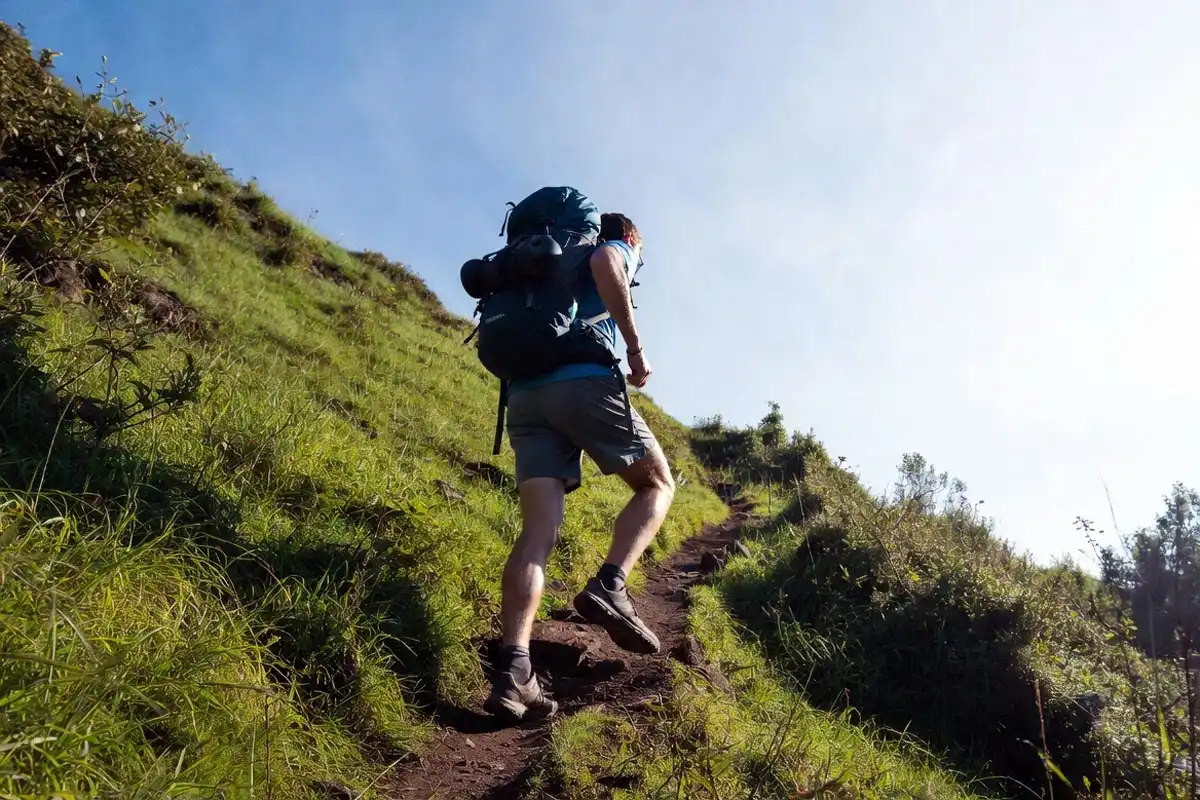
Start training 8 to 12 weeks before your trip. Progress gradually to avoid overuse injuries.
Weeks 1 to 3: Base building Walk 30 to 45 minutes daily. Add one stair-climbing or hill-walking session per week. No pack required yet.
Weeks 4 to 6: Load introduction Add a daypack with 10 to 15 lbs. Increase walk time to 60 to 90 minutes. Introduce one 4 to 5 mile hike per week.
Weeks 7 to 9: Trail simulation Hike 6 to 8 miles weekly with a pack at 60 to 70% of your target trip weight. Include terrain with 500 to 1,000 feet of elevation gain.
Weeks 10 to 12: Full simulation Complete the loaded day hike test. Hike two consecutive days. Rest and taper the final week before the trip.
Three strength exercises support this plan:
- Squats and lunges — develop quad and glute strength for ascents and descents
- Step-ups with pack — simulate trail movement under load
- Plank variations — stabilize the core while carrying weight
I covered knee pain on descents in an article on handling knee pain on downhill hikes. Strength training reduces that risk significantly, especially in weeks 7 to 9.
What Role Does Age or Body Weight Play?
Age affects recovery time more than peak fitness. A 50-year-old with consistent trail experience often outperforms a sedentary 28-year-old on day 3.
Body weight adds load to every step. Carrying extra body weight alongside a 35 lb pack increases joint stress on knees and ankles. Gradual conditioning reduces injury risk regardless of starting weight.
The goal is not elite fitness. The goal is trail-specific conditioning.
What to Eat During Training and on the Trail
Nutrition supports the fitness base you build. Protein intake at 0.7 to 1g per pound of body weight daily supports muscle recovery during training weeks.
On the trail, caloric needs increase to 2,500 to 4,500 calories per day depending on pack weight, terrain, and body size. Carbohydrates provide immediate fuel. Fats provide sustained energy on long climbs.
I covered snack timing and calorie-dense options in an earlier article on what to eat before a long day hike.
Common Fitness Mistakes Backpackers Make
Training only on flat ground Flat walks build cardiovascular base but not descent strength. Trails punish the quads on the way down. Train on hills.
Skipping the loaded pack during training Body weight training differs from weighted trail movement. Train with your actual pack to build specific conditioning.
Starting too late 8 weeks is the minimum. Starting 2 weeks before the trip does not produce meaningful fitness gains.
Ignoring recovery days Rest days produce fitness gains. Two hard training days with no rest increases injury risk, not fitness.
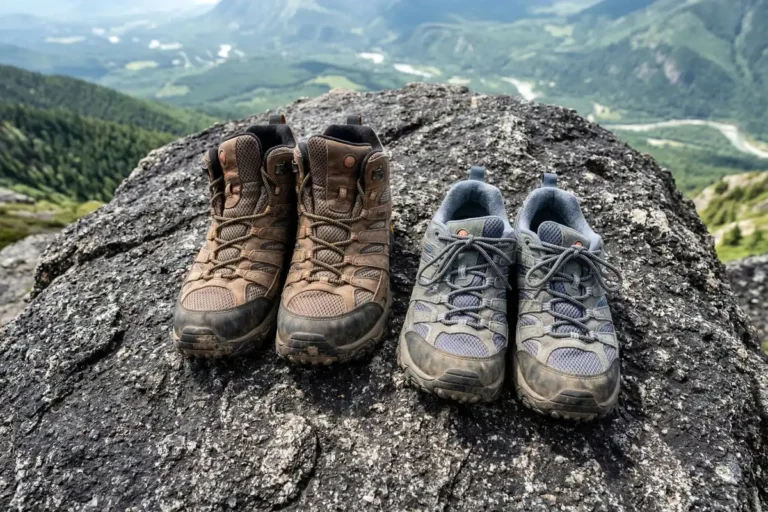
Overlooking footwear conditioning New boots cause blisters on day 1 regardless of fitness level. I covered this in an article on breaking in new hiking boots.
How to Know You Are Ready
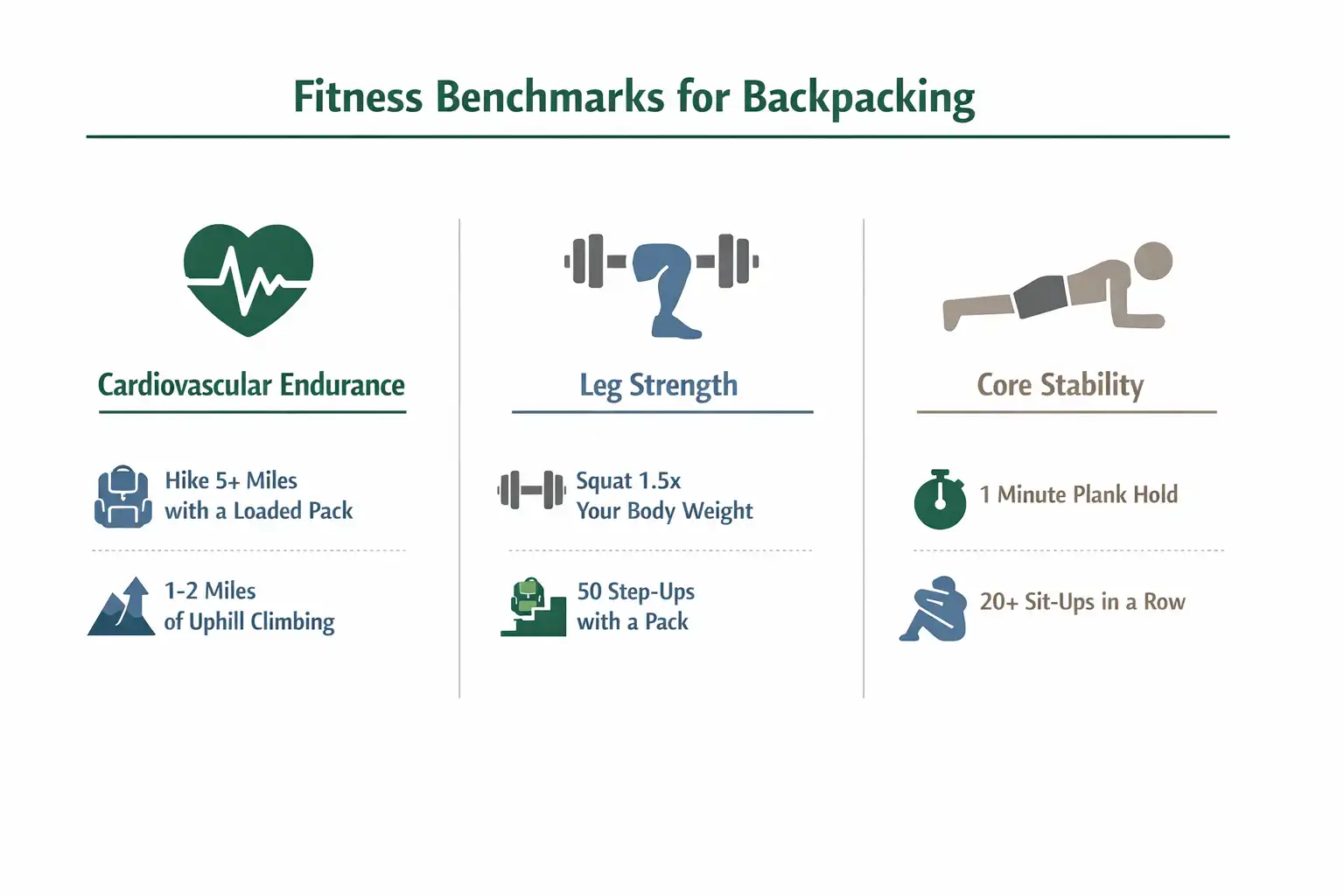
You are trail-ready when you meet all three conditions:
- You complete the loaded day hike test without significant discomfort
- You recover well on day 2 of back-to-back hikes
- Your total pack weight does not exceed 25% of your body weight
If you pace well and manage energy through the test hike, your body handles the actual trip. I wrote about pacing in an article on avoiding burnout on long hikes, which applies directly to multi-day planning.
FAQs about Physical Fitness Level Do You Need for a Multi-Day Backpacking Trip

Can a beginner do a multi-day backpacking trip?
Yes, with proper preparation. Beginners need 10 to 12 weeks of progressive training and should start with a 2-night trip on moderate terrain with less than 1,000 feet of daily gain.
How many miles per day should a fit person cover while backpacking?
A fit person with a loaded pack covers 8 to 12 miles per day on moderate terrain. Beginners target 5 to 7 miles. Adjust down for high elevation or technical sections.
Does cardio training alone prepare you for backpacking?
No. Backpacking requires leg strength and core stability alongside cardiovascular endurance. Running improves cardio but does not develop the descent strength required for loaded downhills.
How heavy should a beginner's pack be?
Keep base pack weight under 20 lbs. Total pack weight, including food and water, should not exceed 25% of body weight on longer trips.
Can someone who is overweight go backpacking?
Yes. Joint-friendly training such as walking, cycling, or swimming builds the base safely. Keep pack weight minimal and choose flatter routes until trail-specific conditioning improves.
Conclusion
Multi-day backpacking does not require elite fitness. It requires trail-specific conditioning built over 8 to 12 weeks. Meet the benchmarks, train with your actual pack, and test yourself on back-to-back days before the trip. Start the training plan early, and the trail becomes manageable for almost anyone willing to prepare.