What Vegetables Hold Up Best for Multi-Day Camping Trips
Root vegetables, dense squashes, and alliums like onions and garlic last the longest on multi-day camping trips without refrigeration. These vegetables have thick skins, low moisture content, and resist bruising during transport. This guide covers which vegetables survive 3 to 7 days at camp, how to store them, and when to eat each type.
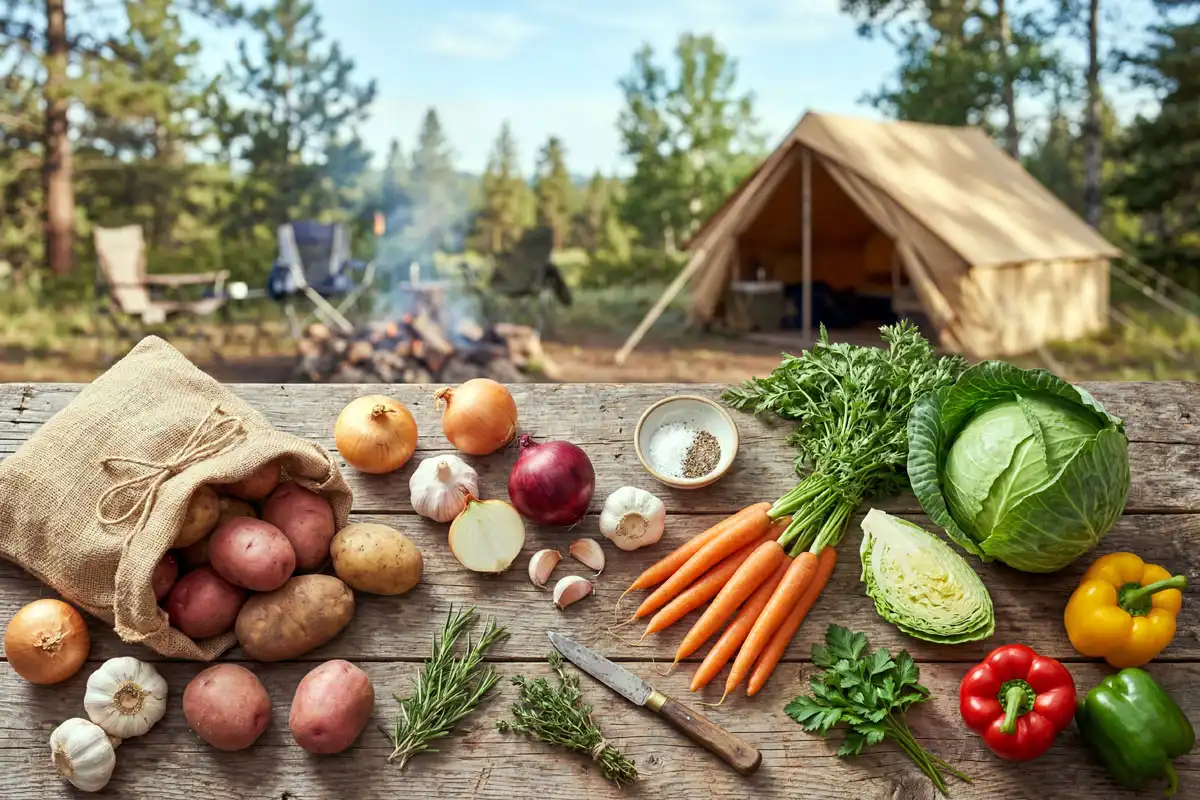
Carrots, potatoes, onions, garlic, cabbage, and bell peppers hold up best for multi-day camping trips. Potatoes and onions last over a week in a cool, dark spot. Cabbage keeps for 1 to 2 weeks whole. Carrots stay fresh for up to 5 days in a damp paper towel. Eat softer vegetables like zucchini and leafy greens within the first 2 days.
Which Fresh Vegetables Last Longest Without Refrigeration?
Vegetables with thick skin, low water content, and dense flesh survive the longest outside a cooler.
5 to 10+ days:
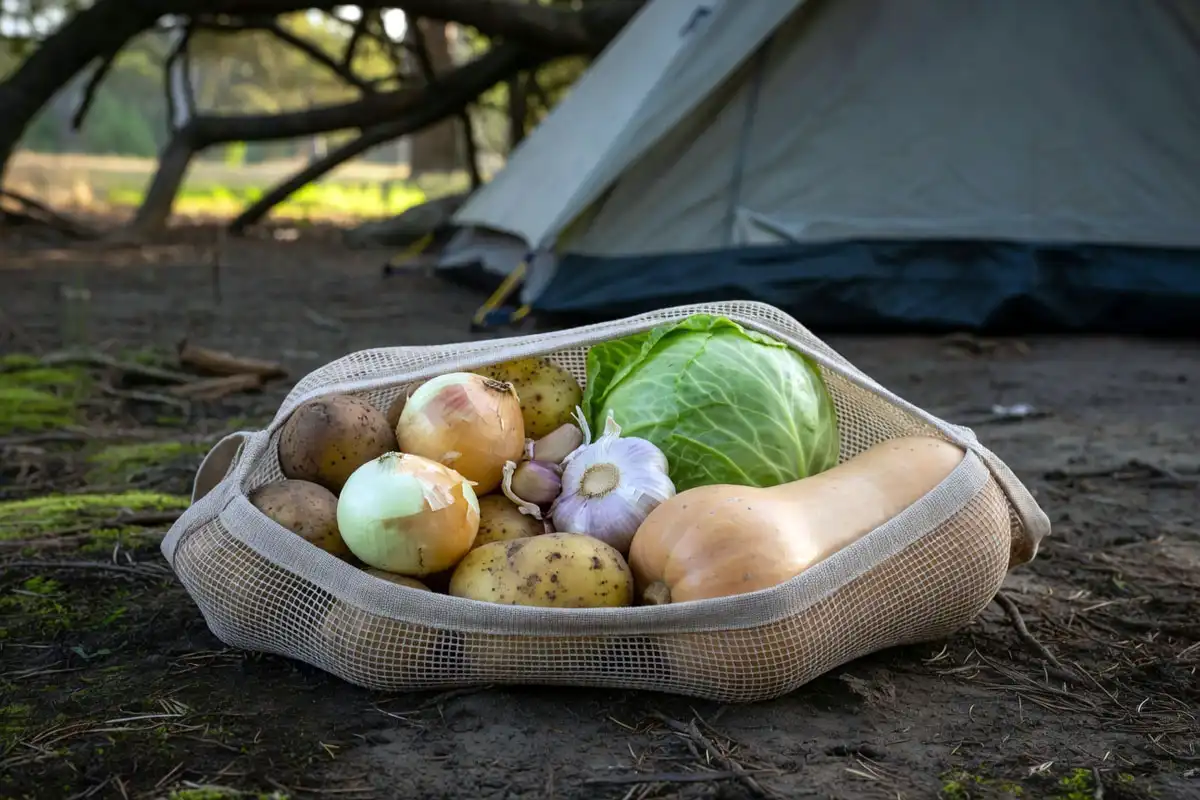
- Potatoes stay firm for 1 to 2 weeks in a dark, ventilated bag. Keep them away from onions, as both release gases that speed spoilage.
- Sweet potatoes last 7 to 10 days at cool ambient temperatures.
- Onions hold for 1 to 2 weeks in a dry, dark spot inside mesh or paper bags.
- Garlic lasts a month or more whole and unpeeled. Keep bulbs dry and out of plastic.
- Cabbage remains crisp for 1 to 2 weeks whole. It works as a practical substitute for lettuce, which wilts within a day.
- Winter squash (butternut, acorn) holds for weeks with its hard rind intact.
3 to 5 days:
- Carrots stay crunchy for up to 5 days wrapped in a damp paper towel inside a partly open bag. Whole, unpeeled carrots outlast pre-cut baby carrots.
- Bell peppers keep their structure for 4 to 5 days. Green peppers outlast red or yellow ones.
- Celery lasts 3 to 5 days wrapped in foil or a damp cloth.
- Broccoli stays usable for 3 to 4 days in a breathable bag.
1 to 2 days:
- Zucchini softens fast in warm weather. Use it within the first 2 days.
- Tomatoes bruise easily. Bring slightly underripe ones wrapped in paper towels for 3 to 4 days, but eat ripe tomatoes on day 1.
- Leafy greens like spinach and kale wilt within 1 to 2 days. Kale lasts slightly longer in cool weather.
- Snap peas stay fresh 2 to 3 days. Do not wash them until you eat them.
- Mushrooms last 2 to 3 days in a paper bag with air circulation.
If you keep food cold at camp without a cooler, you can extend mid-range vegetables by a day or two.
How to Store Vegetables at the Campsite
Proper storage adds days to your produce.
Buy never-refrigerated produce when possible. Vegetables from farmers’ markets that were never chilled last longer outside a fridge. Once a vegetable has been cooled and returned to ambient temperature, it spoils faster.
Use breathable packaging. Paper bags, mesh produce bags, or cloth wraps allow air circulation. Sealed plastic traps ethylene gas and moisture, which speeds rot. The USDA Food Safety guidelines confirm that proper packaging and temperature reduce bacterial growth risk.
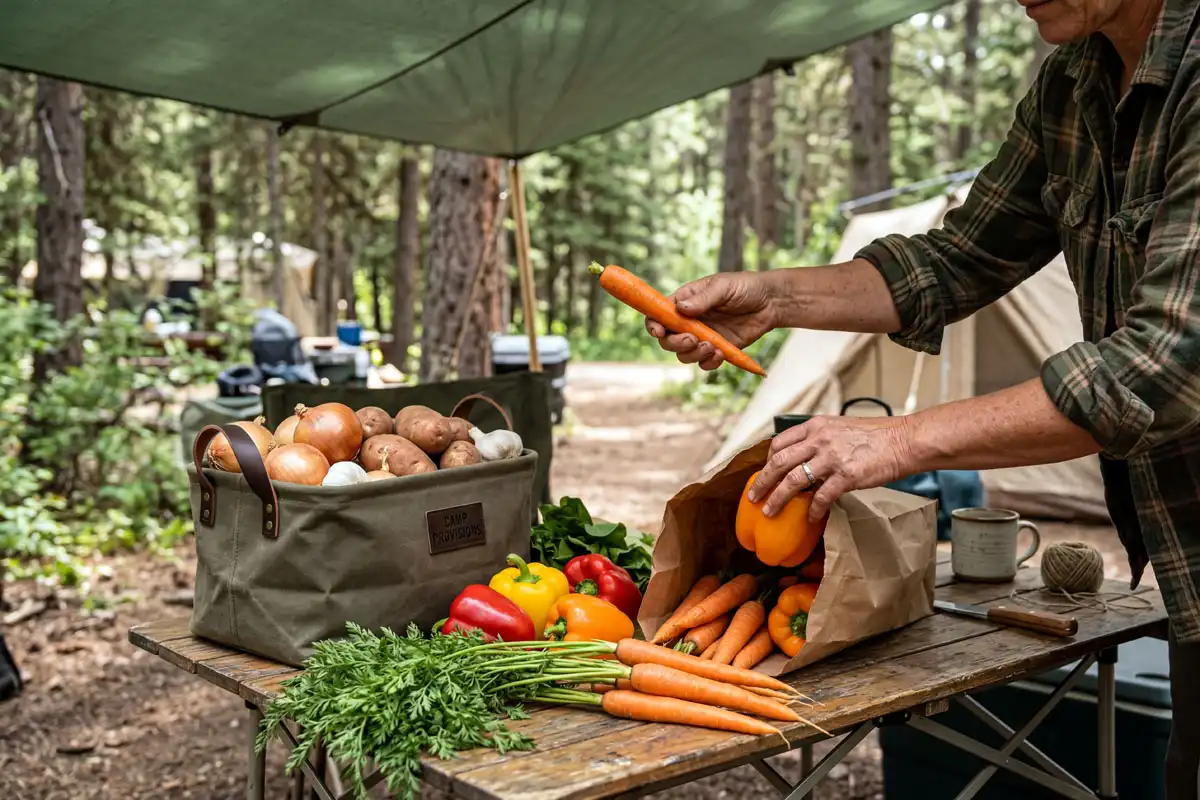
Keep produce in the shade. Store your camp food bin under a tarp, inside a shaded tent vestibule, or beneath tree cover.
Separate ethylene producers. Onions and tomatoes release ethylene gas that causes other vegetables to ripen faster. Store them apart from carrots, potatoes, and leafy greens.
Wrap bruise-prone items individually. Tomatoes and peppers benefit from paper towel or newspaper wrapping to prevent contact damage during transport.
I covered preventing food poisoning while camping in a separate article if you want more on campsite food safety.
What Order to Eat Your Vegetables
Eating vegetables in the right sequence prevents waste across your trip.
Day 1 to 2: Eat leafy greens, mushrooms, zucchini, and snap peas first. These spoil fastest.
Day 3 to 4: Use broccoli, celery, carrots, bell peppers, and ripe tomatoes. These hold reasonable firmness but decline after day 4.
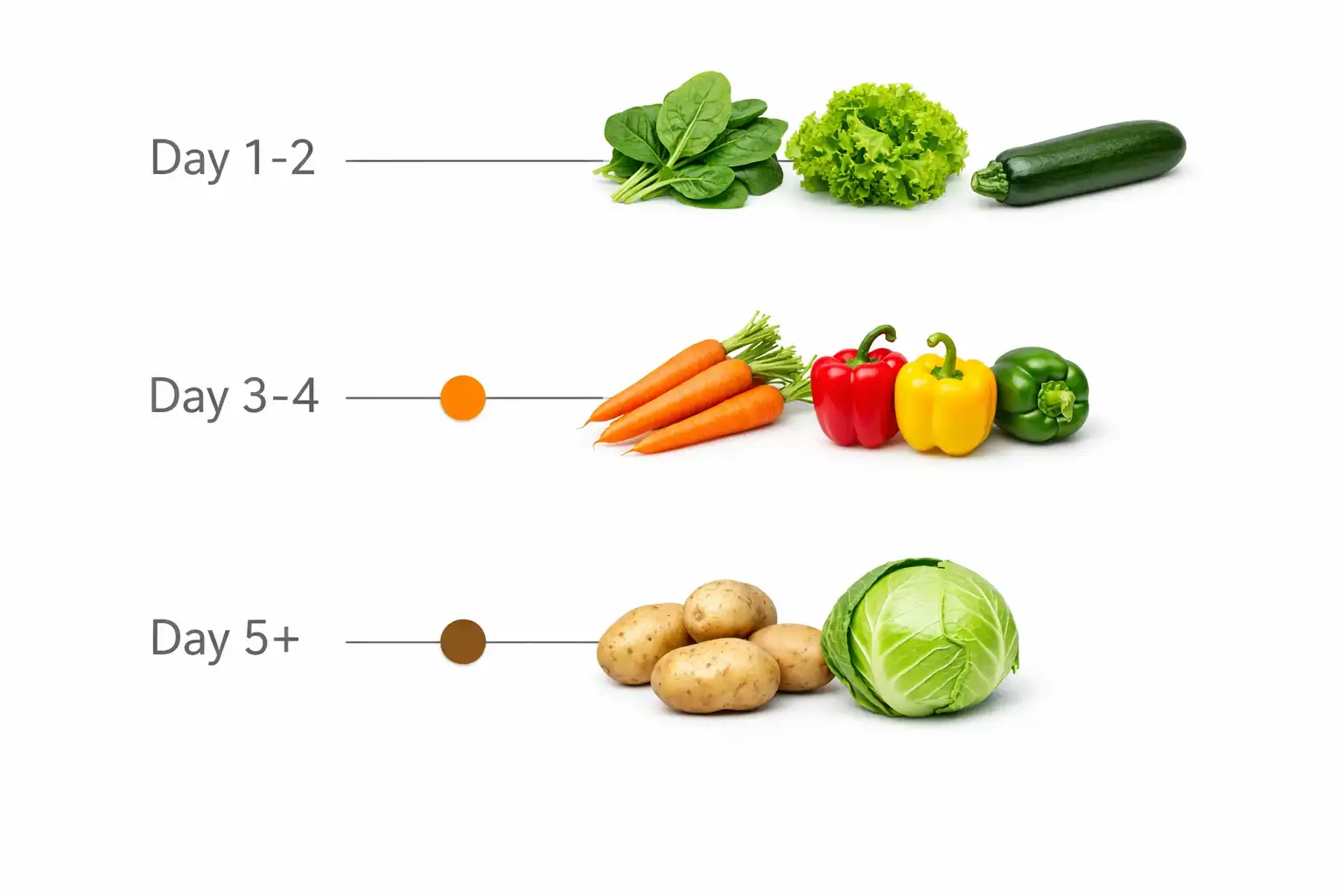
Day 5 and beyond: Rely on potatoes, sweet potatoes, onions, garlic, cabbage, and winter squash. Plan hearty one-pot meals around them. This approach pairs well when cooking a full camping breakfast with limited gear. Potatoes and onions make a solid base for camp skillet meals on later mornings.
Prep Tips Before Leaving Home
Pre-cut sturdy vegetables only. Carrots, celery, and bell peppers can be sliced at home and stored in a lightly damp paper towel. Avoid pre-cutting potatoes or onions. Cut surfaces spoil fast without refrigeration. The UConn Food Safety Extension recommends storing all cut vegetables at 4°C (40°F) or below.
Choose slightly underripe produce. Firm tomatoes and green bell peppers ripen during the trip. This gives you fresher produce mid-outing.
Inspect everything before packing. A single bruised potato or soft pepper speeds spoilage for the rest of the batch.
Dehydrated and Canned Vegetables as Backup
Dehydrated vegetables weigh almost nothing and rehydrate in hot water within 10 to 15 minutes. Zucchini, peppers, kale, and tomatoes dehydrate well. A single bag of freeze-dried mixed vegetables can last a week of dinners. They work well in one-pot camping meals that feed four.
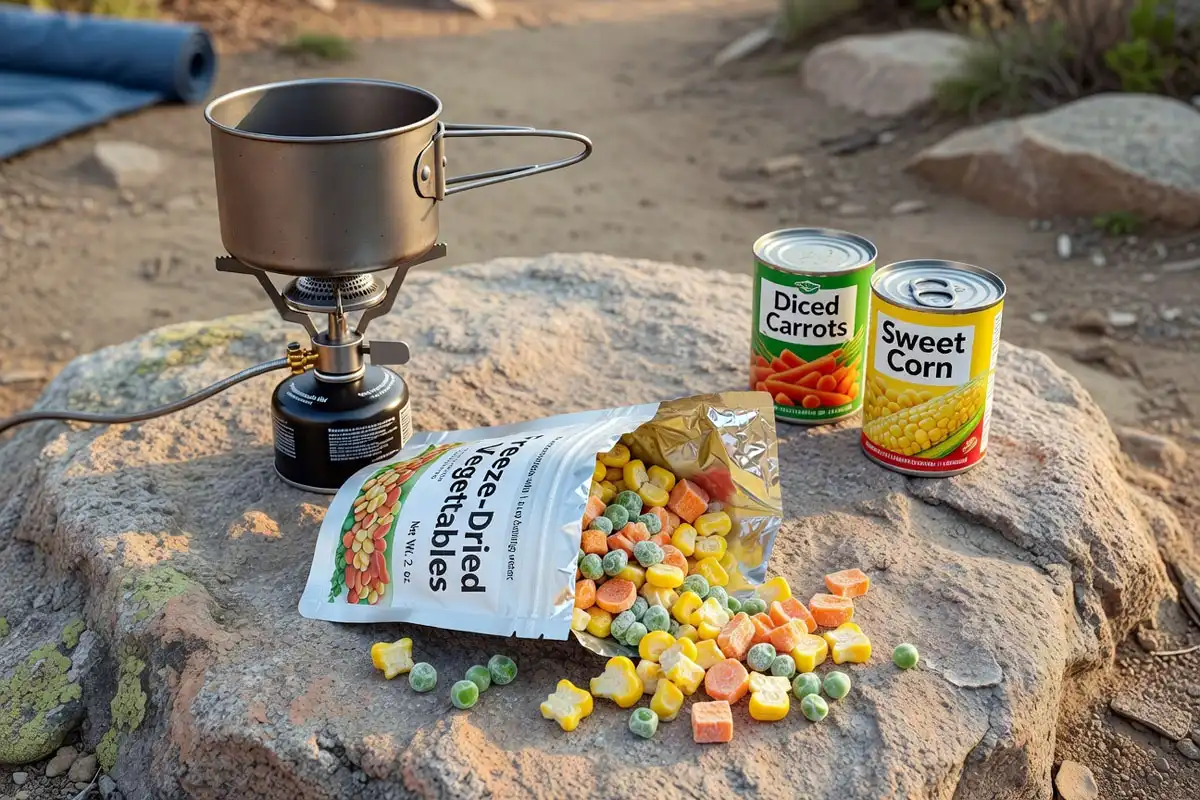
Canned vegetables are shelf-stable and pre-cooked. Canned corn, beans, and tomatoes add substance to camp stews. The downside is weight, around 400 to 500 grams per can. For backpacking, dehydrated options save significant pack weight.
If you are packing light for an extended trip abroad, dehydrated vegetables reduce load without sacrificing nutrition.
FAQs on Vegetables That Last on Multi-Day Camping Trips

How long do fresh vegetables last without refrigeration while camping?
Root vegetables like potatoes and onions last 1 to 2 weeks. Carrots and bell peppers hold 3 to 5 days. Leafy greens spoil within 1 to 2 days. Temperature and storage conditions affect these timelines.
Can you bring fresh vegetables on a backpacking trip?
Yes. Carrots, bell peppers, and snap peas travel well for 2 to 3 days. For longer trips, switch to dehydrated or freeze-dried vegetables. These weigh less and last months.
What is the best way to store vegetables at a campsite?
Keep them in breathable bags, out of direct sunlight, in a cool ventilated area. Separate ethylene-producing vegetables like onions from sensitive items like carrots and potatoes.
Do I need a cooler for camping vegetables?
Not for whole, uncut root vegetables and alliums. Potatoes, onions, garlic, cabbage, and winter squash store safely at ambient temperature. Cut vegetables and leafy greens need cooler storage.
What vegetables work best in campfire meals?
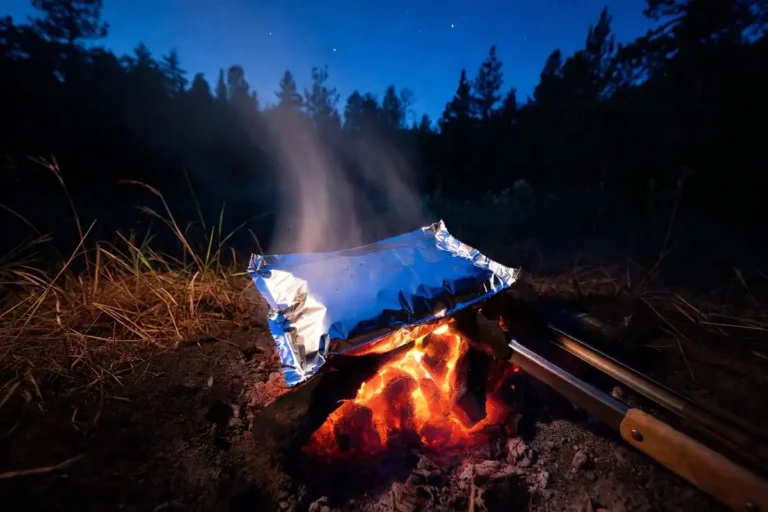
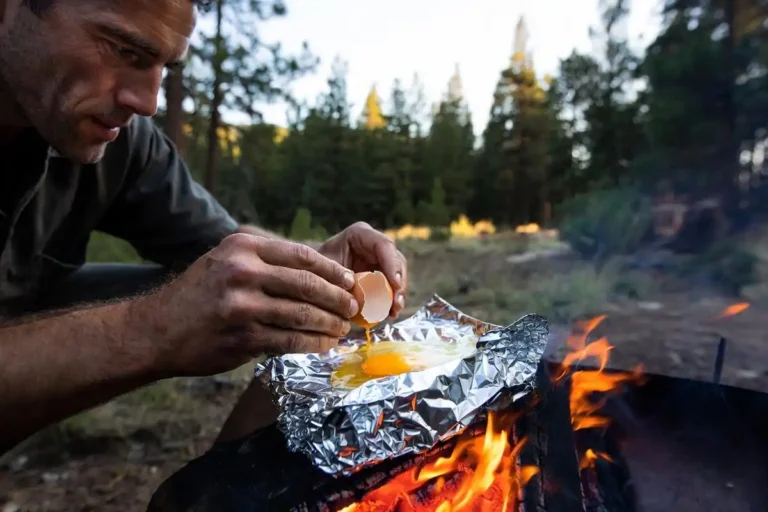
Potatoes, onions, carrots, bell peppers, and zucchini cook well over a campfire. They hold their shape in foil packets, skillet dishes, and one-pot stews.
Final Words
The best vegetables for multi-day camping trips are the ones that tolerate heat, resist bruising, and stay fresh without a fridge. Potatoes, onions, garlic, cabbage, carrots, and sweet potatoes form a reliable foundation for camp meals lasting 5 days or more.
Eat delicate produce early, save hardy root vegetables for later, and store everything in breathable packaging away from direct sunlight. With a simple eating-order plan and proper storage, fresh vegetables stay a part of every meal from the first night to the last.