What Is the Difference Between Car Camping and Backpacking Camping
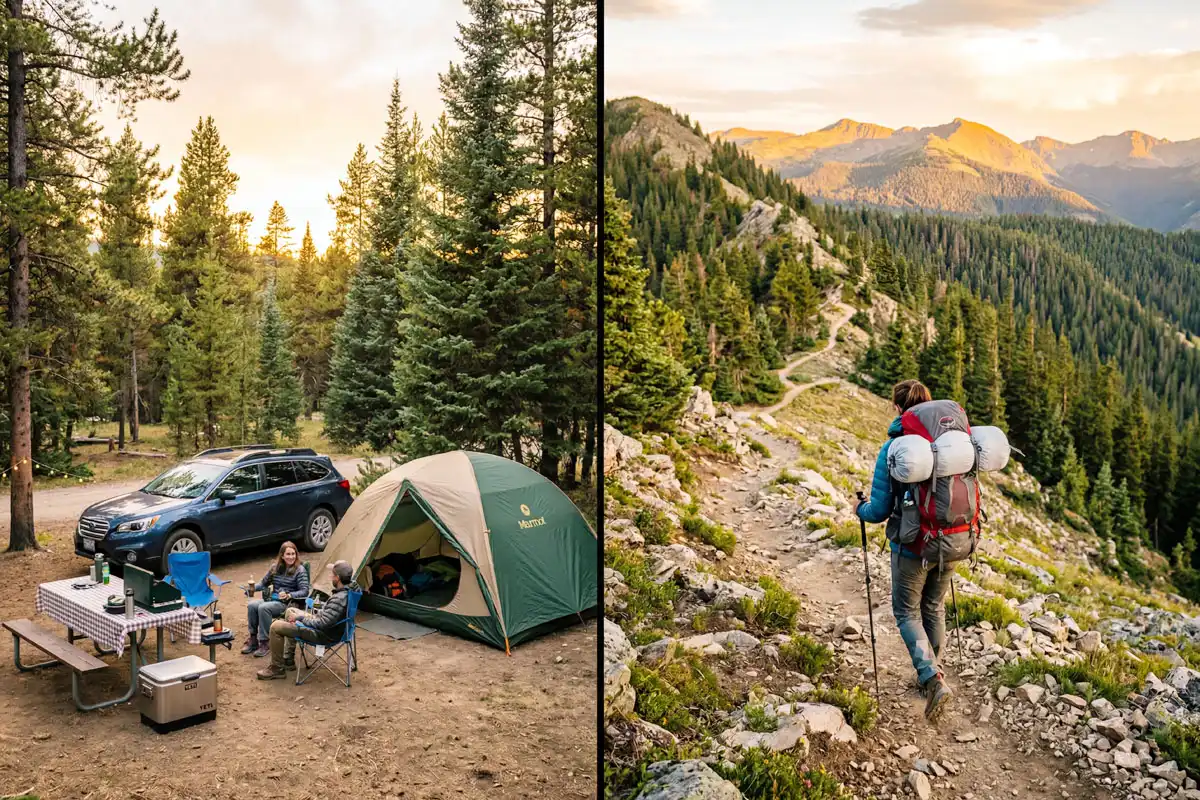
Car camping uses a vehicle to haul gear to a designated campsite, while backpacking camping carries all supplies in a pack to remote backcountry locations. This guide compares gear, food, comfort, cost, and skill level so you can pick the camping style that fits your next trip.
Car camping means you drive to a campground and set up next to your vehicle. Backpacking camping means you hike to a remote site carrying everything on your back. The core difference comes down to access, gear weight, comfort level, and how far you travel from a road.
What Is Car Camping vs Backpacking Camping
Car camping is when you drive to an established campground and pitch your tent near the parking area. Your vehicle stores extra gear, food, and supplies. Most car camping happens at state parks, national parks, or private campgrounds with amenities like fire rings, restrooms, and picnic tables.
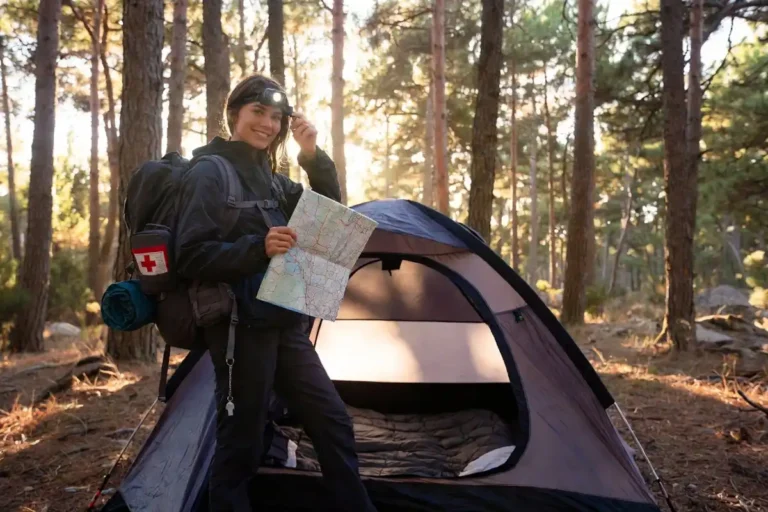
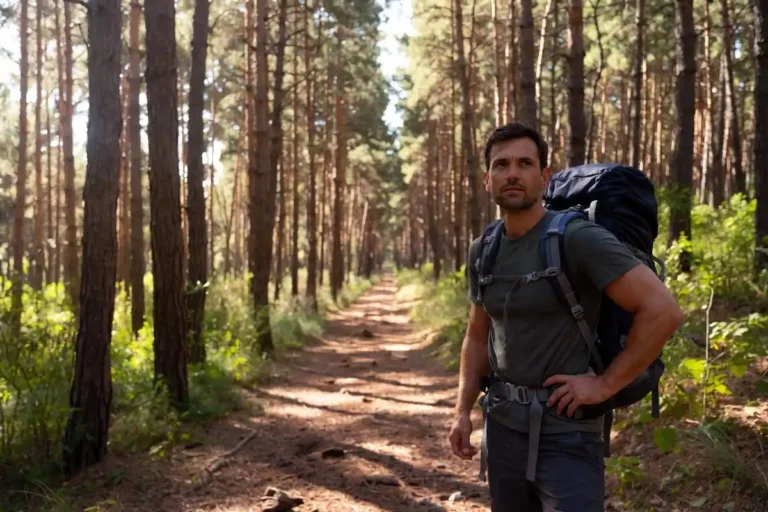
Backpacking combines hiking and camping. You load a backpack with your shelter, sleep system, food, and safety gear, then hike to a backcountry site far from any road. Some spots require a wilderness permit. Amenities are rare or nonexistent.
In short, car camping prioritizes comfort and convenience. Backpacking prioritizes solitude and self-sufficiency.
How Gear Differs Between Car Camping and Backpacking
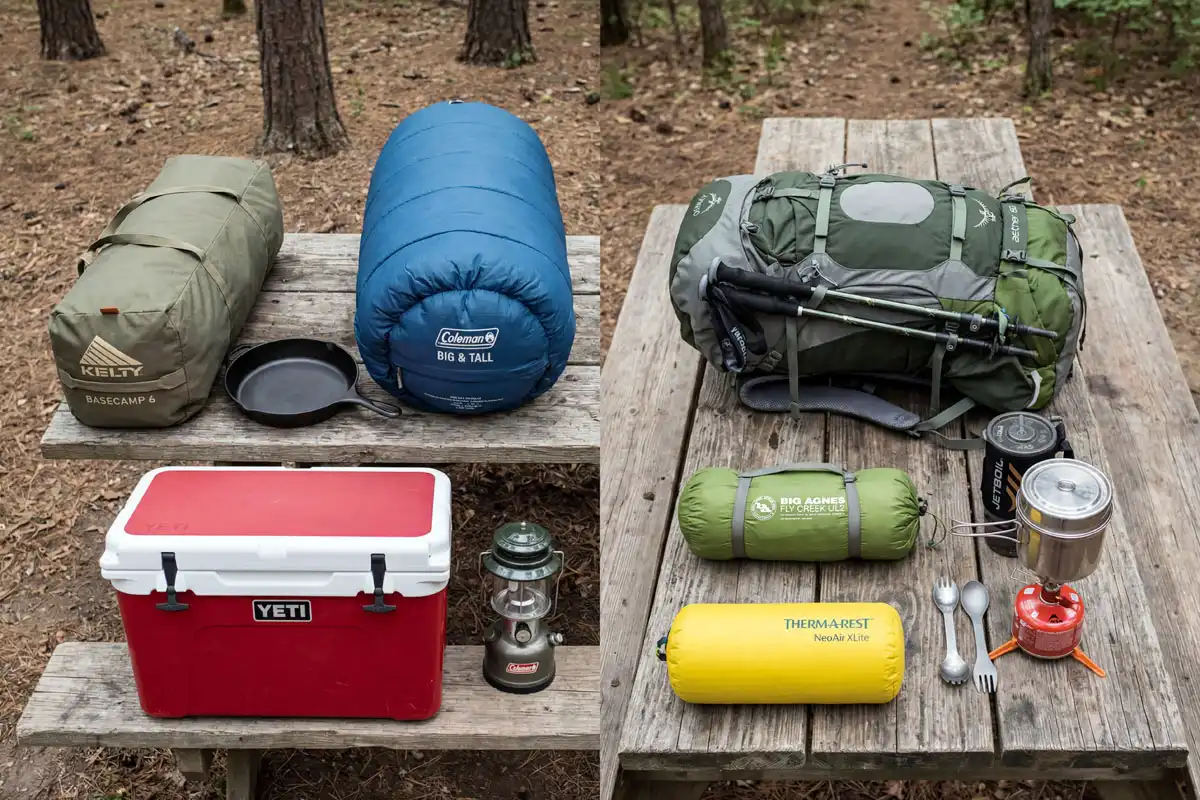
Gear is the biggest practical difference. Here is how equipment changes based on how you reach camp.
|
Category |
Car Camping |
Backpacking |
|---|---|---|
|
Tent |
4-8 person, 5-9 kg |
1-2 person, 1-2 kg |
|
Sleep system |
Air mattress, heavy bag |
Inflatable pad, lightweight bag |
|
Cooking |
Two-burner stove, cooler |
Compact stove, freeze-dried meals |
|
Storage |
Vehicle trunk |
50-70 liter backpack |
Car campers use heavier, roomier gear because the car carries the weight. A 6-person cabin tent at 9 kg is no problem when you walk 20 meters from the parking lot.
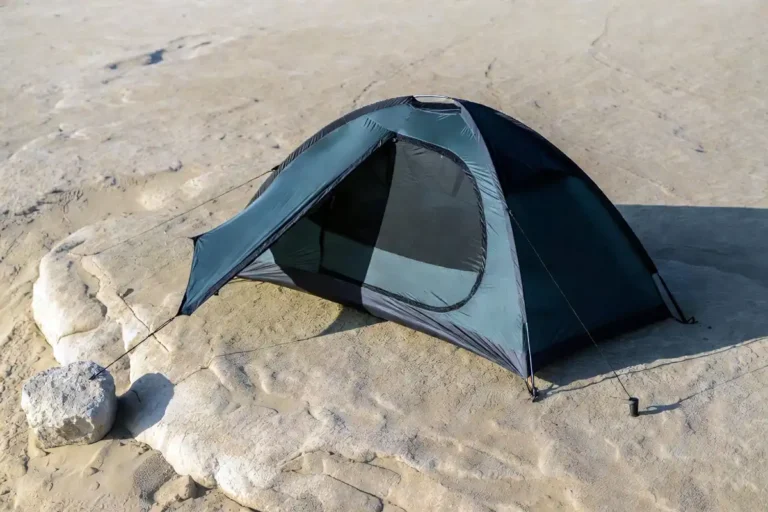
Backpackers choose ultralight shelters under 1.5 kg. Every gram adds up over hours on a trail. I covered strategies for cutting tent weight on solo trips in a separate article.
When packing a backpack to distribute weight evenly, place heavy items close to your back and near your hips. This reduces strain on long hikes.
How Food and Cooking Compare
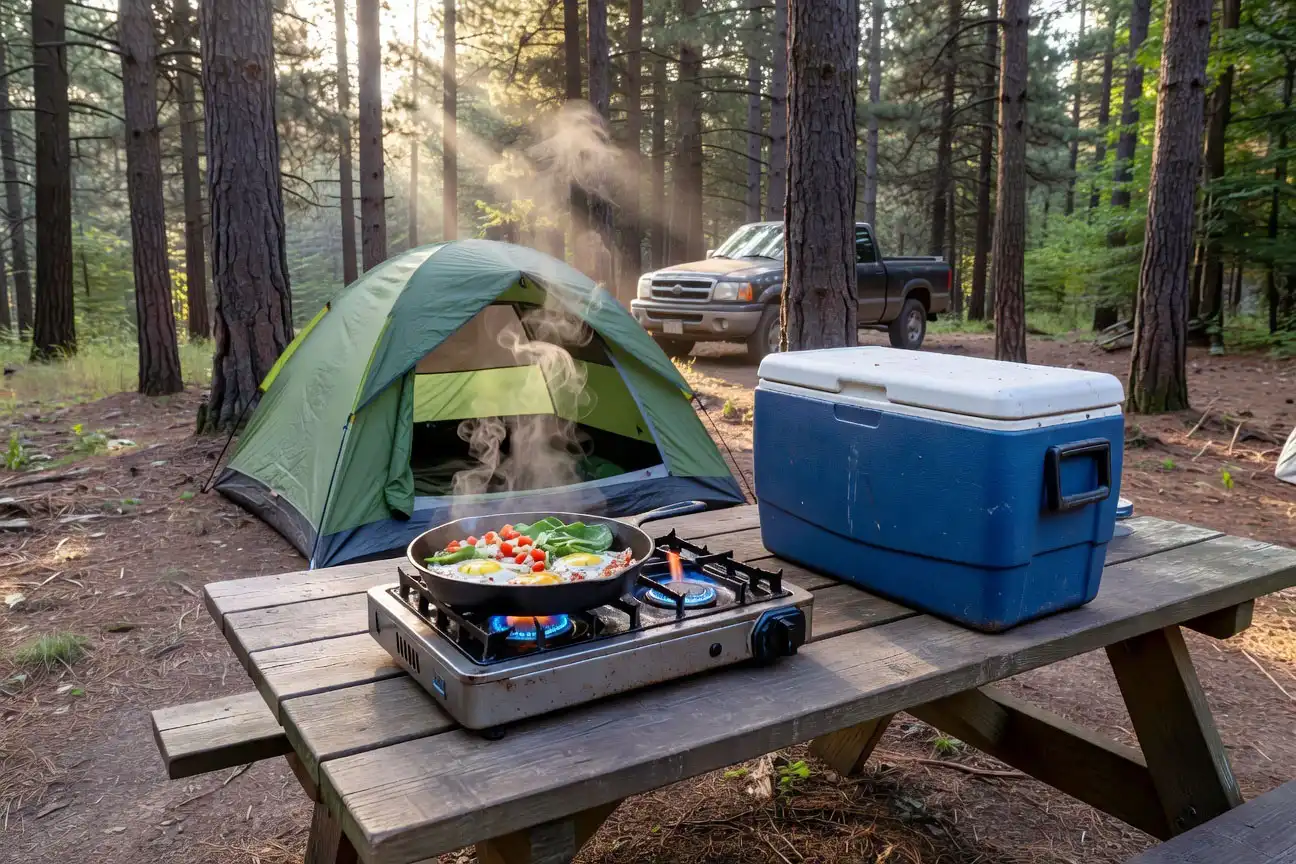
Car campers bring fresh food in coolers: steaks, eggs, vegetables, cold drinks. A two-burner propane stove or a campfire cooking set handles full meals.
Backpackers carry dehydrated meals, trail mix, and energy bars. A compact canister stove weighing under 100 grams boils water in minutes. Most backcountry meals only need hot water poured into a pouch.
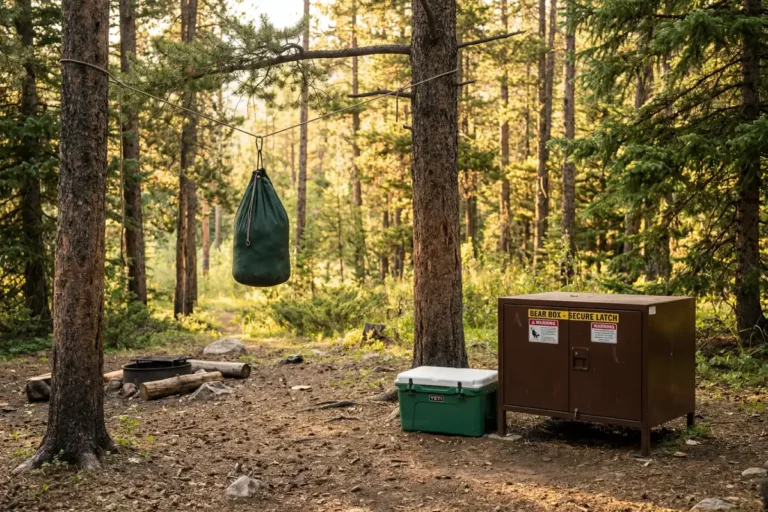
Food storage differs too. Car campers lock food in the vehicle overnight. Backpackers use bear canisters or hang food from a tree. The National Park Service recommends storing food at least 60 meters from your sleeping area in bear country.
How Comfort and Cost Compare
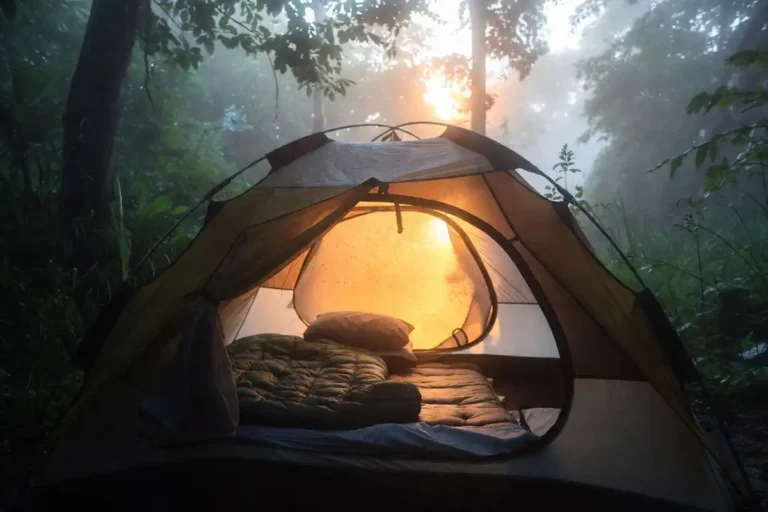
Car camping provides near-home comfort. A queen air mattress, real pillows, a spacious tent with standing room, and a vehicle to retreat to during storms.
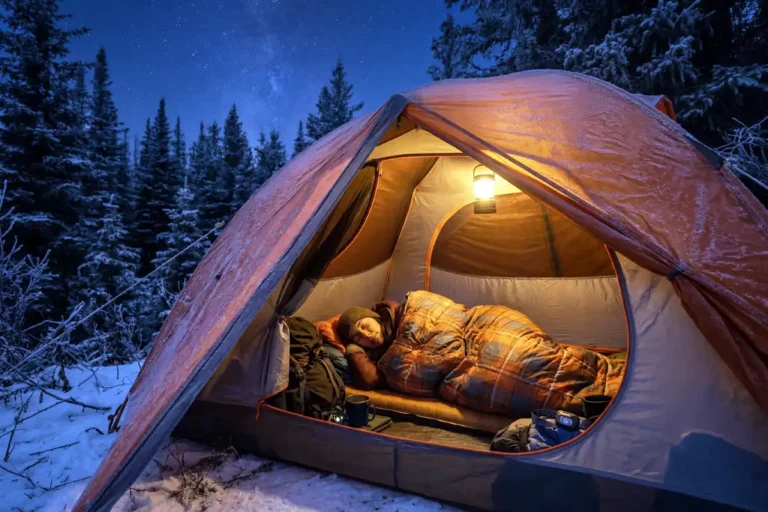
Backpacking comfort depends on how much weight you accept. A thin pad, mummy bag, and low-profile tent define the experience. You gain mobility but trade comfort for it. Weather exposure is higher because there is no vehicle to shelter in.
On cost, car camping gear runs $200 to $500 for a basic setup. Campground fees range from $15 to $50 per night. Backpacking gear costs more upfront ($800 to $2,000+) because lightweight materials raise prices. But backcountry campsites are often free, and permits cost $5 to $30 in most areas.
The University of New Hampshire Cooperative Extension notes that beginners save money by borrowing or renting gear before buying their own.
Where Each Camping Style Works Best
Car camping fits established campgrounds with road access near lakes, rivers, or scenic drives. Backpacking fits wilderness areas, national forest backcountry, and long-distance trails like the Appalachian Trail.
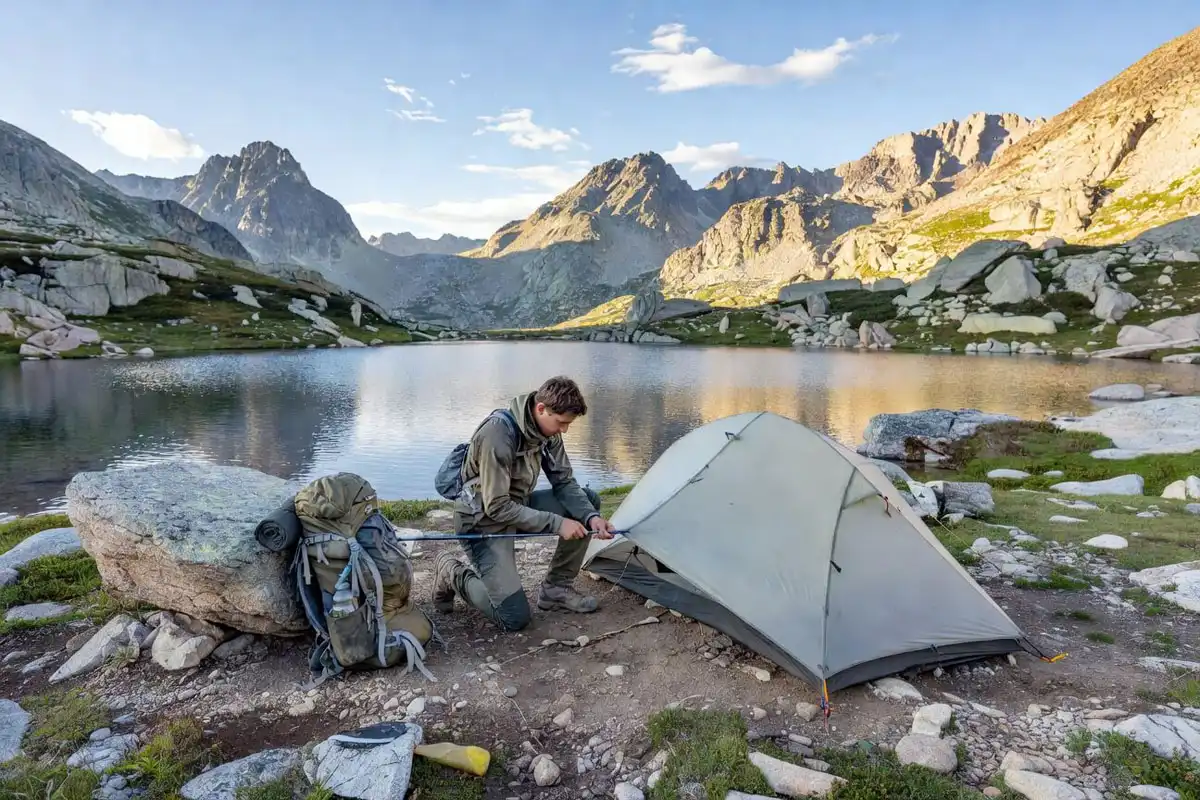
Some trips combine both. You can car camp as a base and take day hikes from the campground. Or drive to a trailhead, then backpack into the backcountry for a few nights before returning.
Which Style Fits Beginners
Car camping is the better starting point. Your vehicle provides a safety net. If you forget something, the nearest store is a short drive away. If weather turns bad, you sit in the car or leave.
Car camping teaches foundational skills: pitching a tent, building a fire, cooking outdoors, sleeping outside. These transfer directly to backpacking later. I wrote a step-by-step guide on beginner’s start camping that walks through the first trip.
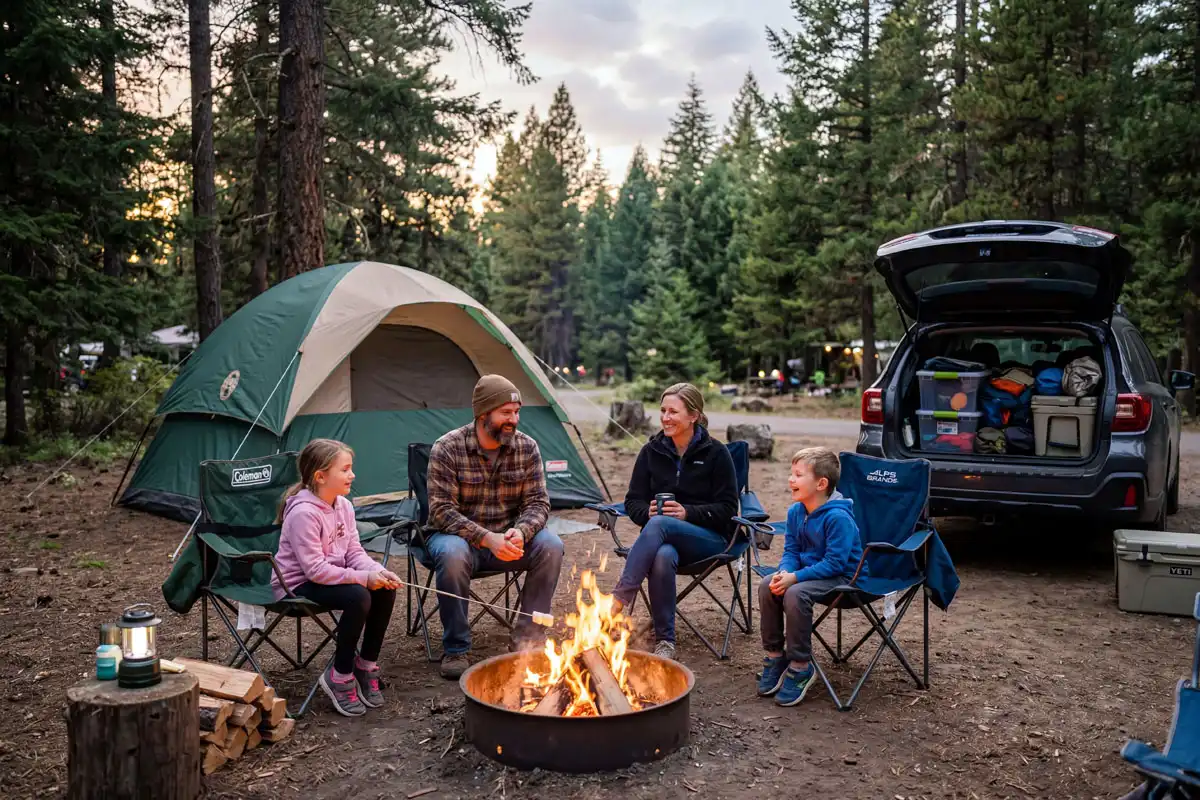
Once comfortable at a campground, try an overnight backpacking trip on a short, well-marked trail. This builds endurance and confidence without committing to a multi-day trek.
Mistakes to Avoid and Safety Tips
Car campers overpack. Unlimited trunk space tempts you to bring items you never touch. Pack intentionally.
Backpackers carry too much weight, which causes fatigue and joint pain. Weigh your loaded pack at home and cut items that duplicate another piece of gear. Not checking water sources along a route can leave you dehydrated. Verify availability on trail maps and carry a filtration system.
For both styles, check the forecast before every trip. Car campers should lock food in the vehicle at night. Backpackers should carry a first aid kit, map and compass, and water filter. Tell someone your route and expected return date.
I shared more guidance on staying safe while solo camping that applies to both styles. Always follow Leave No Trace principles: pack out all trash, use established fire rings, and respect wildlife distances.
FAQs on Car Camping VS Backpacking Camping

Is car camping easier than backpacking?
Yes. Car camping needs less physical effort, lighter planning, and no long hikes with a heavy pack. Beginners and families find it more accessible because the vehicle provides storage and a shelter backup.
Can I use backpacking gear for car camping?
Yes. Backpacking gear works at a car campground. Your lightweight tent and compact stove perform the same job. You lose some comfort compared to larger car camping equipment, but everything functions.
How much does a loaded backpacking pack weigh?
A 3-day backpacking pack weighs 9 to 18 kg (20 to 40 lbs) depending on gear and food. Ultralight setups aim for a base weight under 4.5 kg (10 lbs) before adding food and water.
Do I need a permit for backpacking camping?
It depends on the location. National parks and some wilderness areas require backcountry permits. State forests and BLM land often allow dispersed camping without one. Check regulations before the trip.
Which style is better for families with kids?
Car camping. Children have more space to play, meals are easier to prepare, and the vehicle provides a retreat if weather changes or someone gets tired.
Conclusion
Car camping and backpacking camping serve different goals but share the same foundation: spending time outdoors. Car camping offers comfort, convenience, and accessibility.
Backpacking offers solitude, challenge, and access to remote landscapes. Start with the style that matches your current fitness and experience. Build skills at the campground, then carry them into the backcountry when you feel ready.