How Many Lumens Do You Really Need From a Headlamp

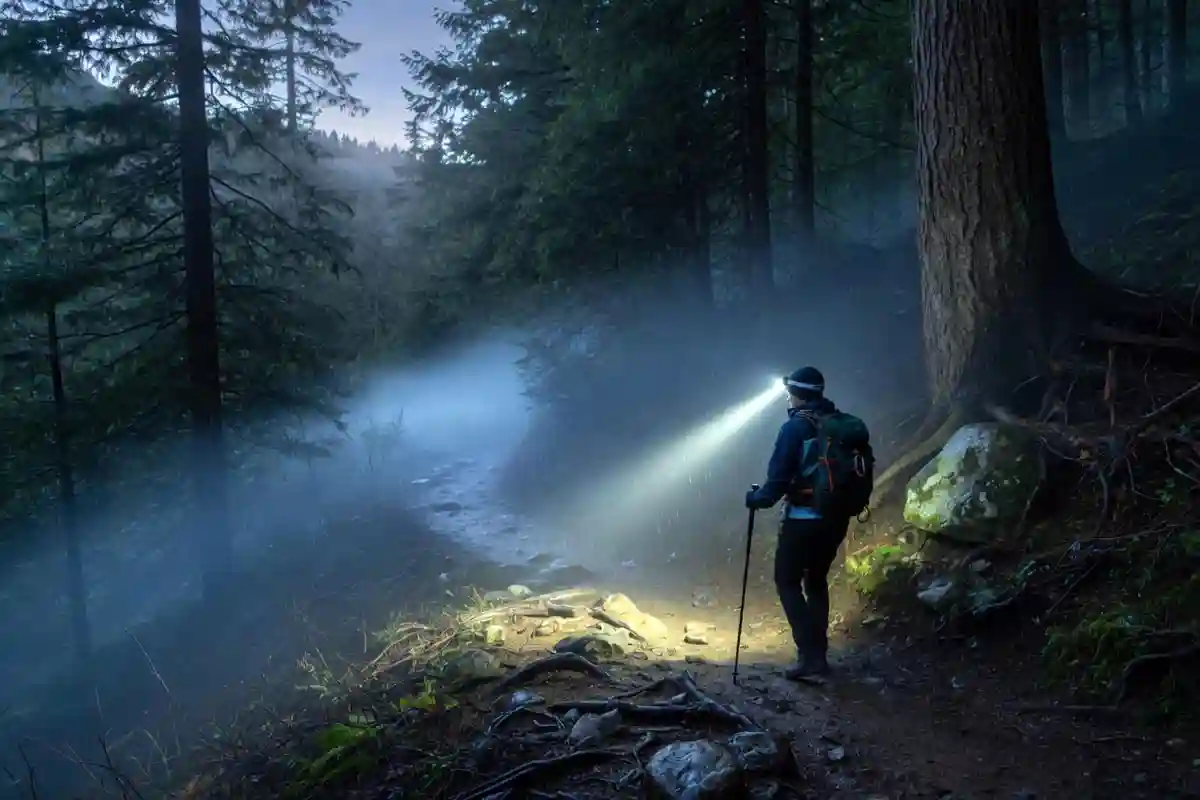
Most campers and hikers only need 200 to 400 lumens from a headlamp for general trail and camp use. Stronger output helps in technical terrain or fast night travel, but it drains batteries quickly. This guide breaks down lumen needs by activity, explains how beam distance and runtime fit in, and helps you pick a headlamp that matches how you camp.
To pick the right headlamp lumens for camping and hiking, match output to activity: 50 to 100 lumens for tent and camp tasks, 200 to 400 lumens for trail hiking, and 500 plus lumens for technical or fast night travel. Beam distance and runtime matter as much as raw brightness.
What a Lumen Measures
A lumen is the total amount of visible light a source produces in all directions. The U.S. Department of Energy defines it as a measure of light output, not power draw. A 200 lumen headlamp produces twice the light of a 100 lumen headlamp, but you won’t always see twice as much on the ground.
Three other numbers matter alongside lumens:
- Beam distance (in meters): how far the light reaches before it drops to moonlight level.
- Runtime (in hours): how long the headlamp holds output before dimming.
- Beam pattern (flood vs spot): how the light spreads or focuses.
A 300 lumen headlamp with a tight spot beam throws light farther than a 500 lumen headlamp with a wide flood. Both have a place in your kit.
After years of camping in Kaptai and the Bandarban hills, I’ve seen people buy 1,000 lumen headlamps for casual car camping and burn through batteries in one night. I’ve also seen hikers bring 80 lumen lights on rocky ridge trails and stop every few minutes because they couldn’t see the next step. Lumens are a tool. The right number depends on the job. I covered general night travel basics earlier in a piece on hiking trails after sundown with one light source, and the lumen question fits inside that bigger picture.
How Many Lumens You Need by Activity
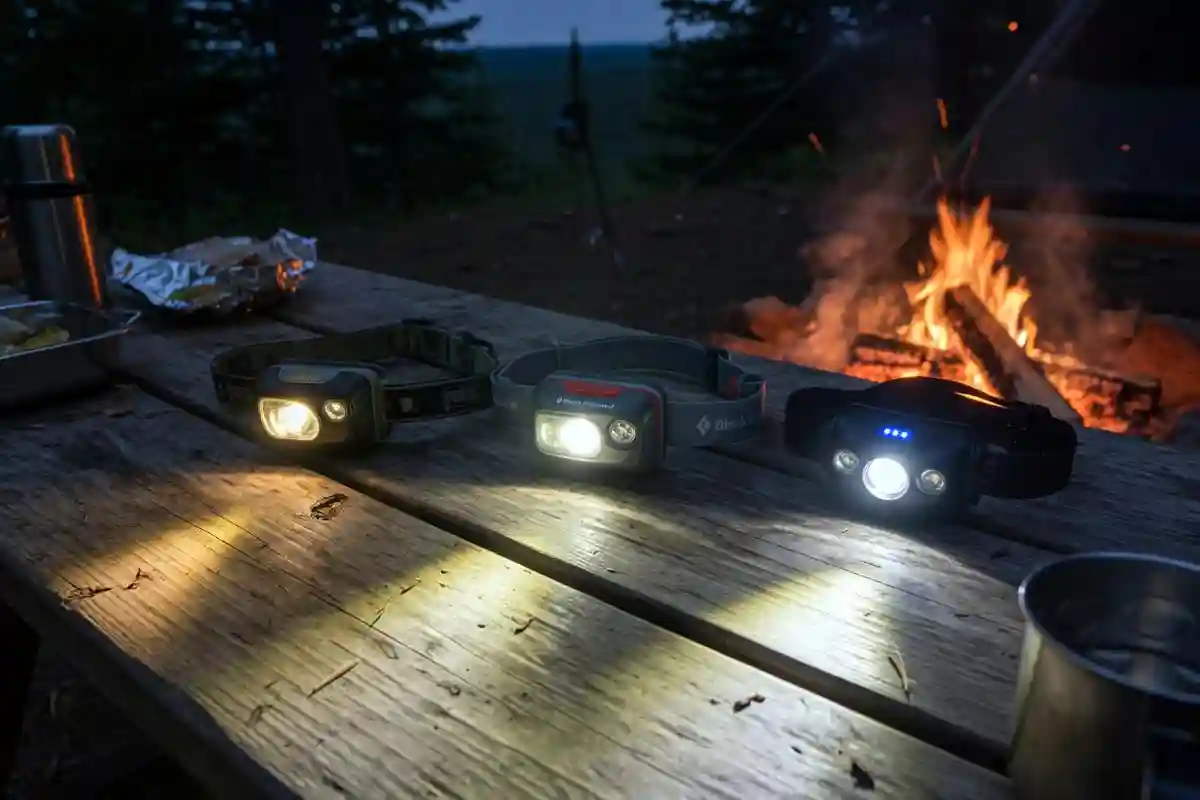
The right output depends on what you’re doing and how fast you’re moving. Here’s what works in the field.
Reading and Tent Tasks: 20 to 100 Lumens
For reading a map, finding gear inside a tent, or eating dinner, 20 to 100 lumens is enough. Higher output ruins your night vision and bothers tent partners. Most headlamps include a low-power mode in this range.
Camp Cooking and Chores: 100 to 200 Lumens
Cooking over a stove, washing dishes, or finding the food bag at camp calls for 100 to 200 lumens. This range gives you a clear view of the cook surface without blowing out your eyes when you look up.
Trail Hiking and Walking: 200 to 400 Lumens
For walking established trails at a normal pace, 200 to 400 lumens covers most situations. You can see roots, rocks, and trail markers about 30 to 50 meters ahead. This is the sweet spot for backpacking and casual night hikes.

Fast Hiking and Trail Running: 400 to 600 Lumens
If you move faster than a walk, your eyes need more reach. Trail runners and fast hikers need 400 to 600 lumens to spot hazards in time. Beam distance becomes as important as raw output here.
Technical Terrain and Mountaineering: 600 to 1,000 Lumens
Scrambling, route-finding off-trail, or climbing in the dark calls for 600 to 1,000 lumens. You need to read terrain at distance and pick lines through rock and snow. I covered the wider skill set in an earlier post on moving through forest without GPS, and brighter output helps when landmarks thin out.
Search, Rescue, and Emergency Use: 1,000 plus Lumens
Locating a lost group member, marking a position for rescuers, or working on an injured camper in the dark needs 1,000 lumens or more, often in burst mode. This output drains batteries fast, so use it in short pulses. Light is also part of how you handle signaling for help in the backcountry.

How Far Does That Light Reach?
Beam distance tells you what lumens mean on the ground. A typical 200 lumen headlamp reaches 40 to 60 meters. A 500 lumen headlamp reaches 80 to 120 meters. A 1,000 lumen headlamp pushes 150 meters or more.
For trail walking at 3 km per hour, you need to see 20 to 30 meters ahead. For trail running at 8 km per hour, you need 60 to 80 meters of clear view. Match beam distance to your speed, not just your trail.
How to Pick the Right Headlamp Brightness
Use this short process before you buy:
- Define your main activity. Car camping, backpacking, trail running, and technical climbing all have different needs.
- Set a maximum lumen target. Match the activity ranges above.
- Check runtime at that output. A 500 lumen headlamp that runs 2 hours on high is useless for an all-night hike.
- Look at the battery type. Rechargeable lithium packs hold output longer in cold weather than alkaline AAAs.
- Test the beam pattern. A mixed flood and spot beam covers most outdoor uses.
For most campers, a headlamp rated 300 to 500 lumens on high with a low mode under 50 lumens covers nearly every situation, including planned day hikes that run past sundown.

Common Mistakes With Headlamp Lumens
People often pick the wrong headlamp for these reasons.
- Buying for the box number. Manufacturers list peak lumens, not sustained output. The light dims within minutes on many budget models.
- Ignoring runtime. A 1,500 lumen headlamp that lasts 90 minutes won’t get you through a 6 hour night hike.
- Skipping the low mode. A headlamp without a sub-50 lumen setting kills your night vision and your batteries.
- Forgetting red light. Red mode protects night vision and draws fewer insects, which matters when you’re keeping bugs out of your tent at night.
Safety and Battery Trade-Offs
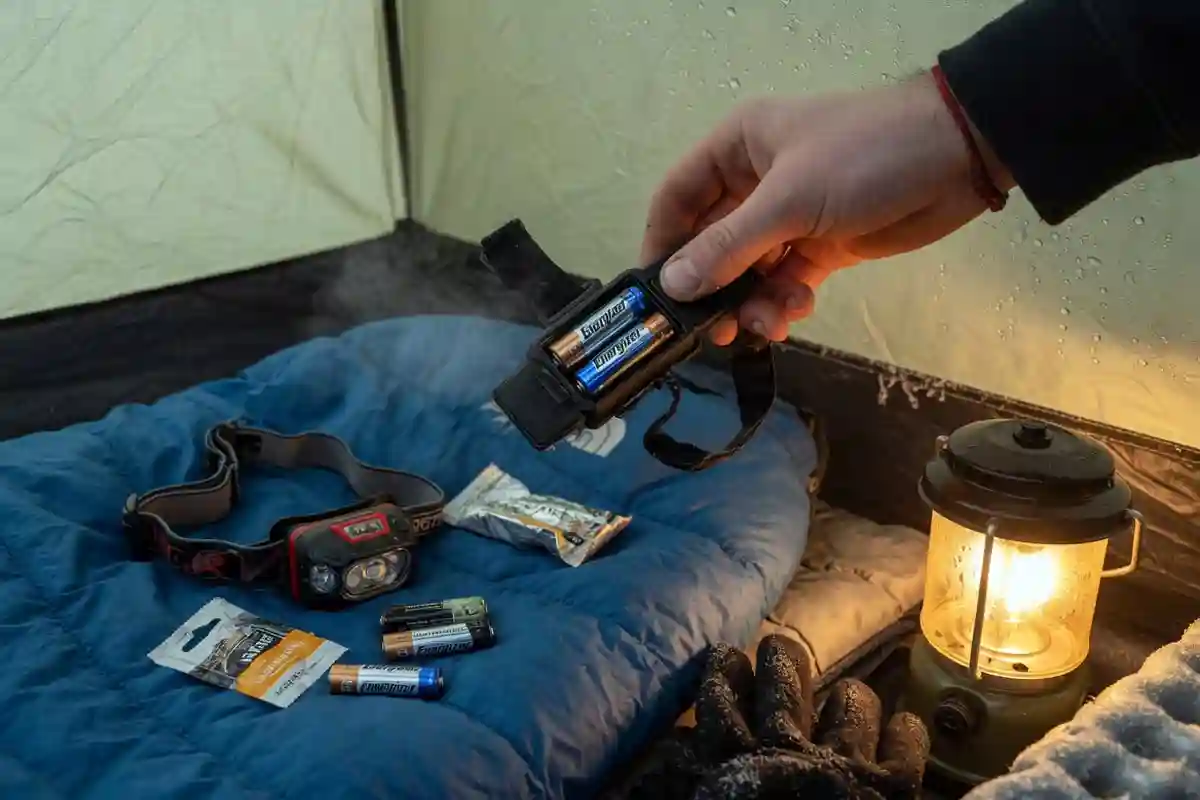
Higher lumens cost battery life and weight. A 1,000 lumen headlamp on full output lasts 1 to 2 hours. The same headlamp at 200 lumens runs 8 to 12 hours. Always carry spare batteries or a backup light, especially on solo overnight trips.
The National Park Service includes extra light sources in the ten essentials for any backcountry trip. Two 300 lumen headlamps beat one 1,000 lumen headlamp in real conditions.
Cold weather cuts battery output by 20 to 40 percent. In freezing temperatures, keep spare batteries in an inside pocket and pick a headlamp with an external battery pack you can tuck under a jacket.
FAQs about How Many Lumens in a Headlamp Is Enough

Is 1,000 lumens too bright for camping?
How many lumens do I need for backpacking?
Are more lumens always better in a headlamp?
What lumens do I need for night trail running?
How long do headlamp batteries last on high lumens?
Final Thoughts
The best headlamp brightness is the one that matches your activity, your speed, and your battery plan. For most campers and hikers, 300 to 500 lumens on high covers tent tasks, camp work, and trail walking with room to spare. Save 1,000 lumen output for the moments that demand it. Pick a headlamp with a real low mode, a beam pattern that fits your terrain, and runtime numbers you trust, then practice with it before you need it after dark.