How to Keep Food Cold While Camping Without a Cooler

Keeping food cold while camping without a cooler is possible using insulation layers, pre-chilling, natural cold sources like streams, and smart food selection. This guide covers every method I use on trips where I skip the cooler entirely, including how to pack, where to store food, and what mistakes will spoil your meals fast.
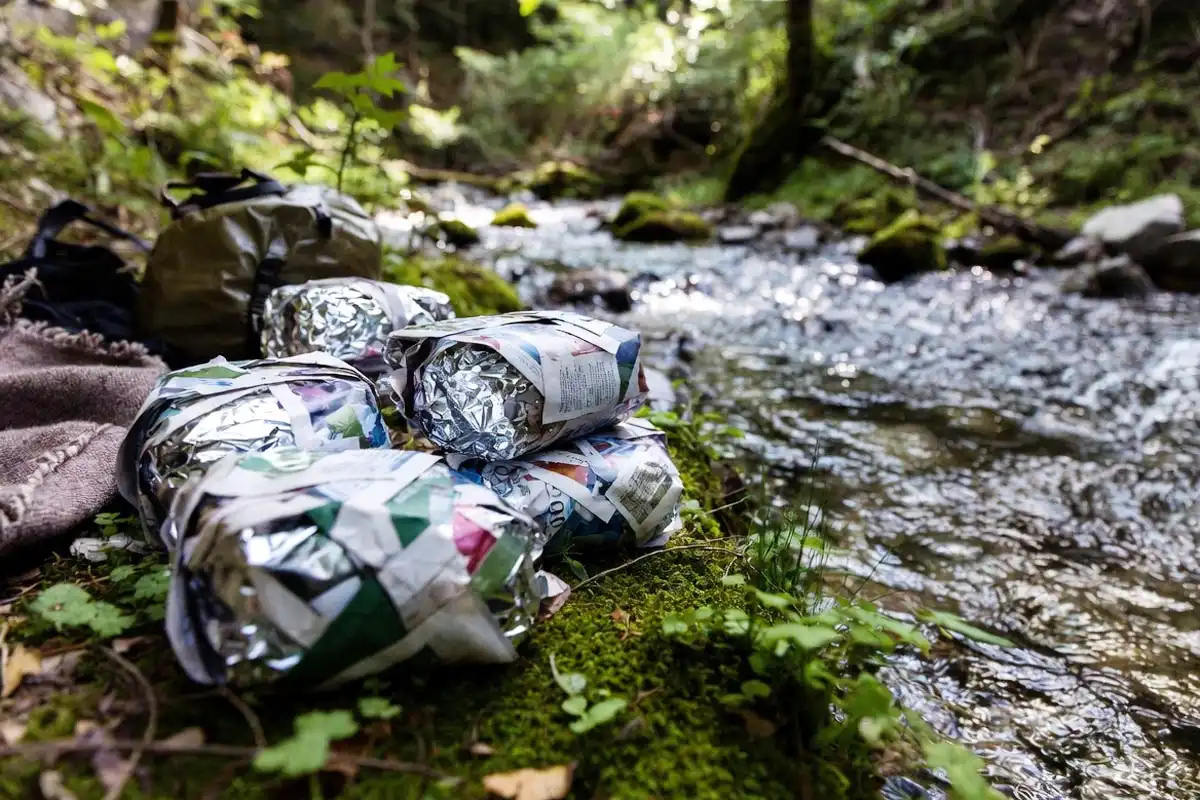
Wrap food tightly in layers of newspaper or a wool blanket inside a dry bag. Pre-chill everything before you leave. Store the bundle in the shade, close to the ground, or submerged in cold running water. Avoid opening the bundle often. This setup keeps food acceptably cold for 12 to 24 hours in mild conditions.
Why You Might Camp Without a Cooler
Coolers add weight and bulk. On a backpacking trip or a fly-in adventure, carrying one is not realistic.
Knowing how to keep food cold without a cooler gives you more flexibility in what you bring and how long you can safely eat fresh food on the trail.
Learn more: Start Camping for Beginners
How Long Can Food Stay Safe Without a Cooler?
Most perishable foods stay safe below 40°F (4°C). Above that temperature, bacteria multiply quickly.
Without active refrigeration, food safety time depends on:
- Starting temperature of the food
- Outdoor ambient temperature
- Insulation quality around the food
- How often you open your pack
In cool weather (50°F and below), properly insulated food stays safe for up to 24 hours. In warm weather above 70°F, that window drops to 4 to 6 hours for meat and dairy.
Pre-Chill Everything Before You Leave Home
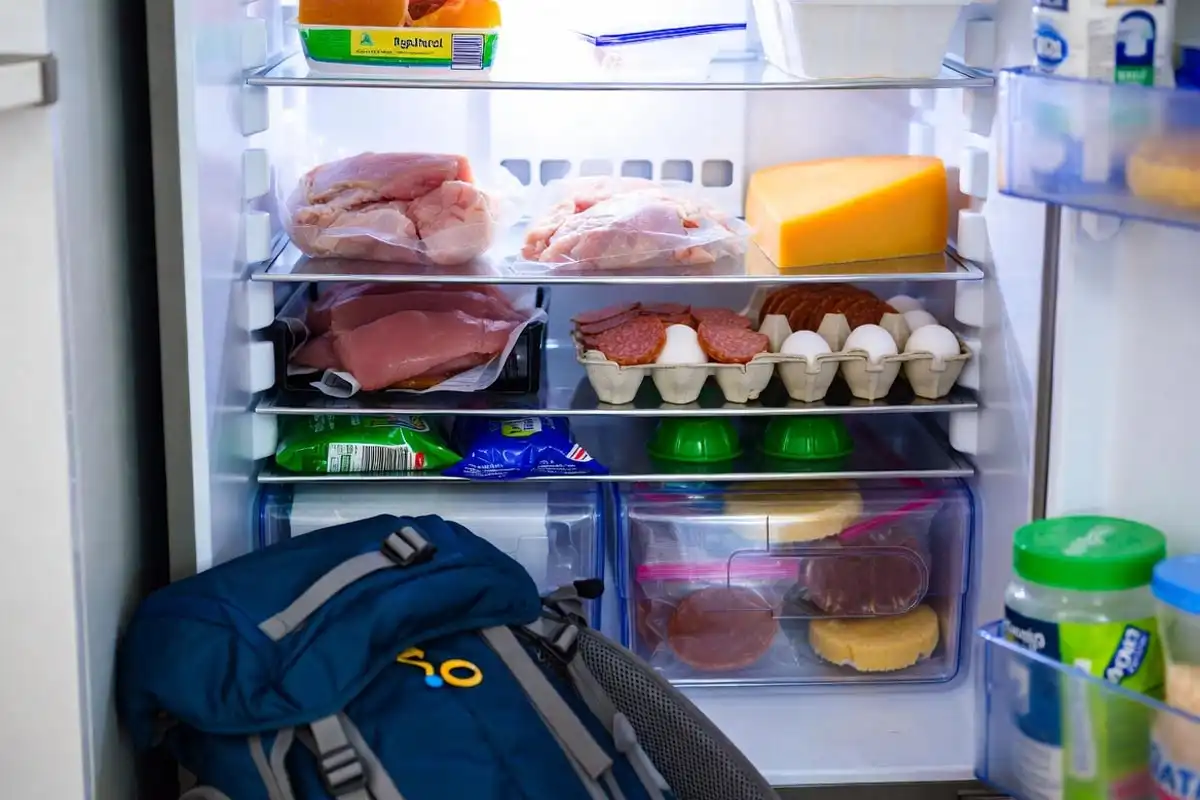
This step makes the biggest difference. Cold food stays cold longer than food at room temperature.
The night before your trip, put all food in the refrigerator. For meat and cheese, place them in the coldest part of the fridge (usually the back of the bottom shelf).
Frozen items like chicken or ground beef act as their own ice packs. I often freeze meat solid, which gives me an extra 8 to 12 hours of safe carrying time even without a cooler.
The Best Insulation Methods Without a Cooler
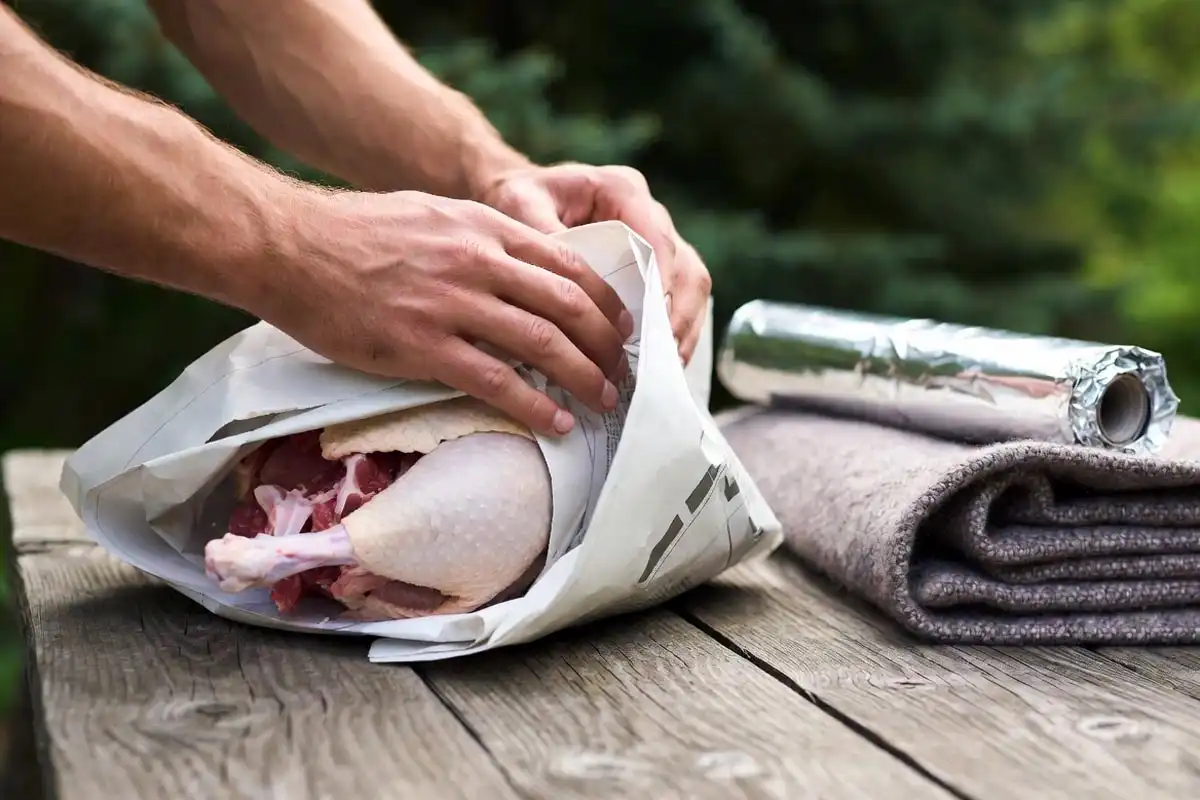
1. Newspaper Wrapping
Newspaper traps air and slows heat transfer. Wrap each food item separately, then bundle them together.
Use 6 to 10 layers around meat or dairy. The thicker the wrap, the longer the cold holds.
2. Wool Blanket or Fleece Layer
Place the wrapped food items inside a wool blanket or fleece jacket, then roll it tight and secure it.
Wool insulates well even when slightly damp, which makes it a reliable option on humid trail days.
3. Dry Bag or Stuff Sack
After wrapping in newspaper or fleece, seal the bundle inside a dry bag. This prevents moisture from breaking down the insulation and keeps food away from condensation.
4. Aluminum Foil
Foil reflects heat and works well as a secondary layer. Wrap individual items in foil before the newspaper layer. It adds measurable protection in direct sunlight.
5. Insulated Grocery Bags
These soft bags use thin foam lining and work better than a bare pack. I covered this in detail when I wrote about pack for a camping trip by car vs by flight since the method changes based on transport.
Use Natural Cold Sources at the Campsite
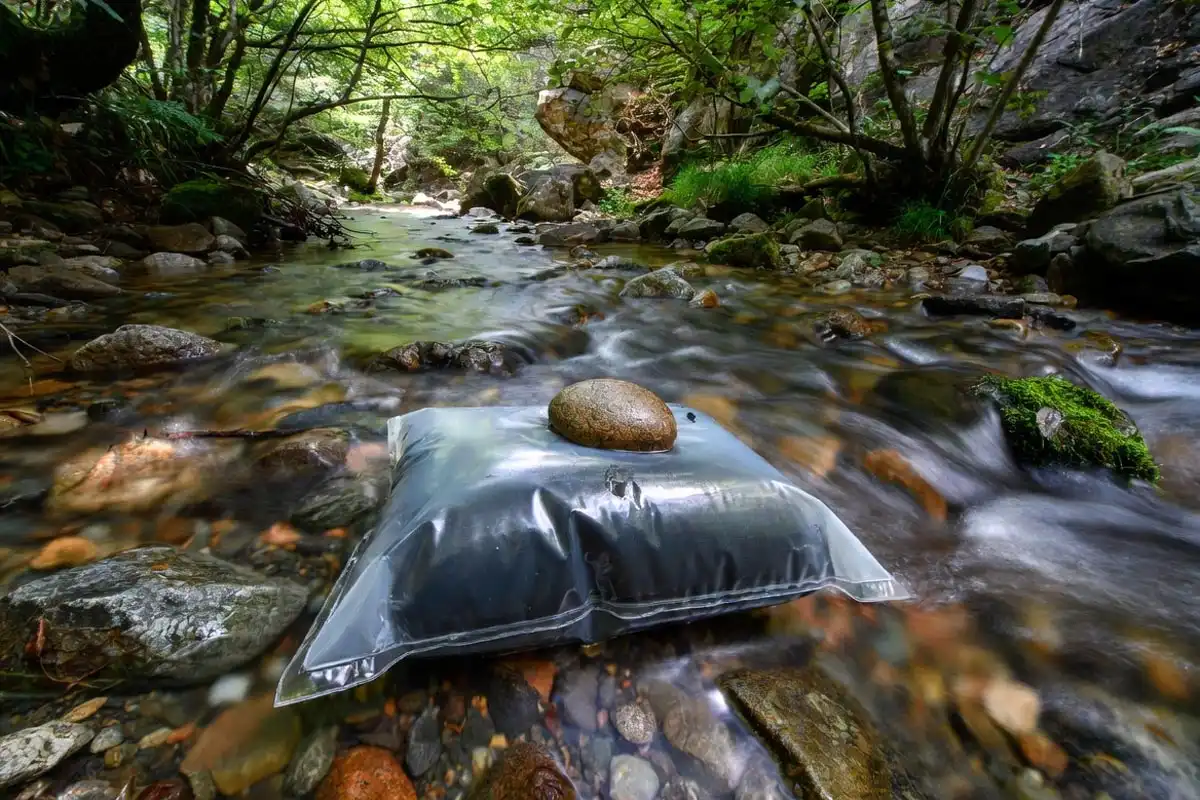
Cold Streams and Rivers
Running water stays cold because it constantly moves. Place sealed food in a watertight bag and submerge it in a cold stream.
Anchor the bag securely with a rock or tie it to a root. Do not leave it unattended in fast-moving water.
Water temperature in mountain streams ranges from 40°F to 55°F, which keeps food safely below the danger zone.
Shaded Ground
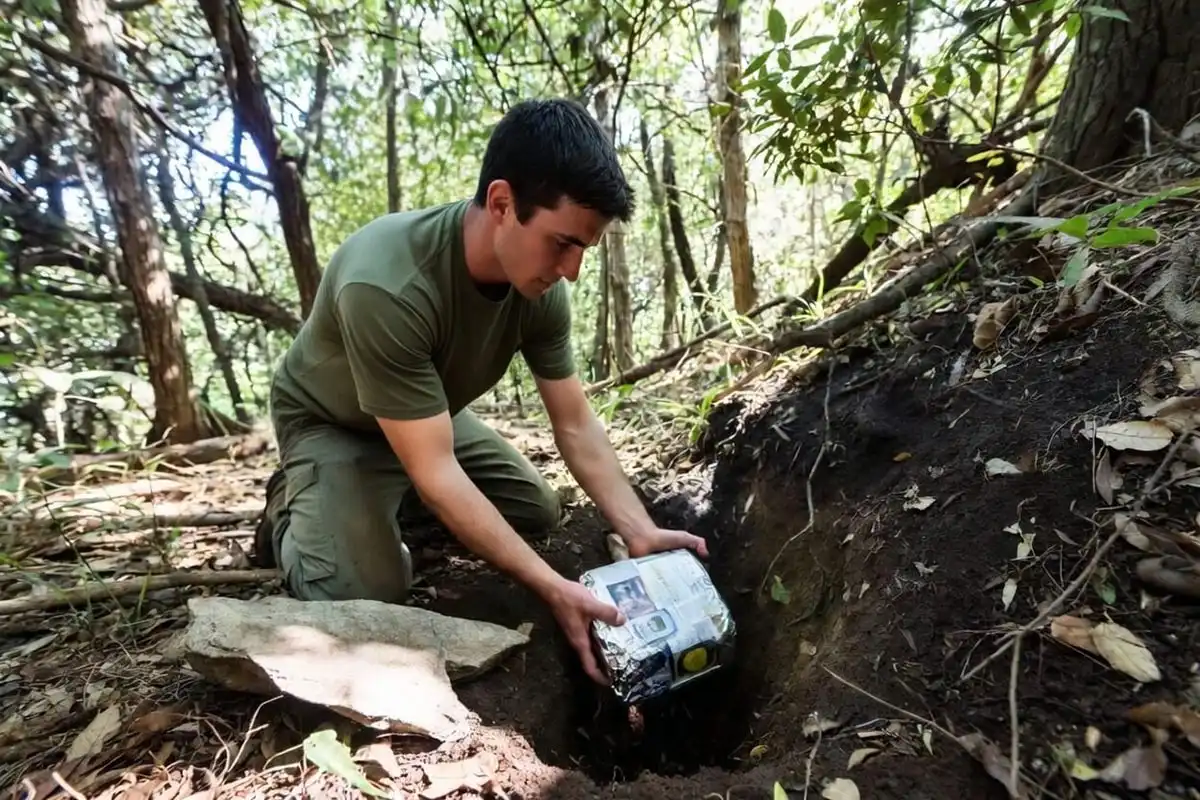
The ground below the surface stays cooler than air temperature. Dig a small hole 6 to 10 inches deep in shaded soil. Place your insulated food bundle in the hole and cover it with a flat rock or bark.
This method works best in forest shade where the sun never directly hits the ground.
Rock Caves and Crevices
Shaded rock overhangs and natural crevices hold cool air longer than open ground. Place food deep inside where sunlight cannot reach.
Check first for insects or animals already using the space.
What Foods Work Best Without a Cooler
Some foods tolerate warm conditions better than others. I plan my food list around this when I know I am going without a cooler.
- Foods that hold well (12+ hours): Hard cheeses, cured meats like salami and pepperoni, whole eggs, fruits, vegetables, nut butters, rice, oats.
- Foods that need extra care (use within 4 to 6 hours): Soft cheeses, raw ground meat, fish, cooked leftovers.
- Foods to avoid entirely: Mayonnaise-based salads, raw shellfish, liquid dairy like milk or yogurt in warm conditions.
If you are planning meals around what cooks well at camp, I wrote a article about food you can cook directly on campfire coals which well with a no-cooler food plan.
How to Pack Food to Stay Cold Longer: Step-by-Step
- Step 1: Freeze or chill all perishables at least 12 hours before departure.
- Step 2: Group perishables together. Clustering cold items preserves group temperature better than separating them.
- Step 3: Wrap each item in aluminum foil to reflect external heat.
- Step 4: Add 6 to 10 layers of newspaper around the foil-wrapped bundle.
- Step 5: Wrap the entire bundle in a wool blanket or fleece.
- Step 6: Seal inside a dry bag or airtight stuff sack.
- Step 7: Store in the coolest location available at your campsite (stream, shaded hole, rock crevice).
- Step 8: Open as infrequently as possible. Each opening allows warm air in and cold air out.
Common Mistakes That Spoil Food Fast
Packing at room temperature. This is the most common error. Food that starts warm gives insulation almost nothing to work with.
Leaving food in direct sunlight. Even 30 minutes of direct sun on an insulated bundle increases internal temperature significantly.
Using a single thin layer. One layer of newspaper does very little. Thickness is what creates the insulating effect.
Not sealing properly. Any gap in the wrapping allows warm air to circulate around the food.
Over-packing perishables. Bring only what you need for the specific time window. I addressed this when planning food quantities in my guide on make a one-pot camping meal for four people.
Food Safety Rules at Camp
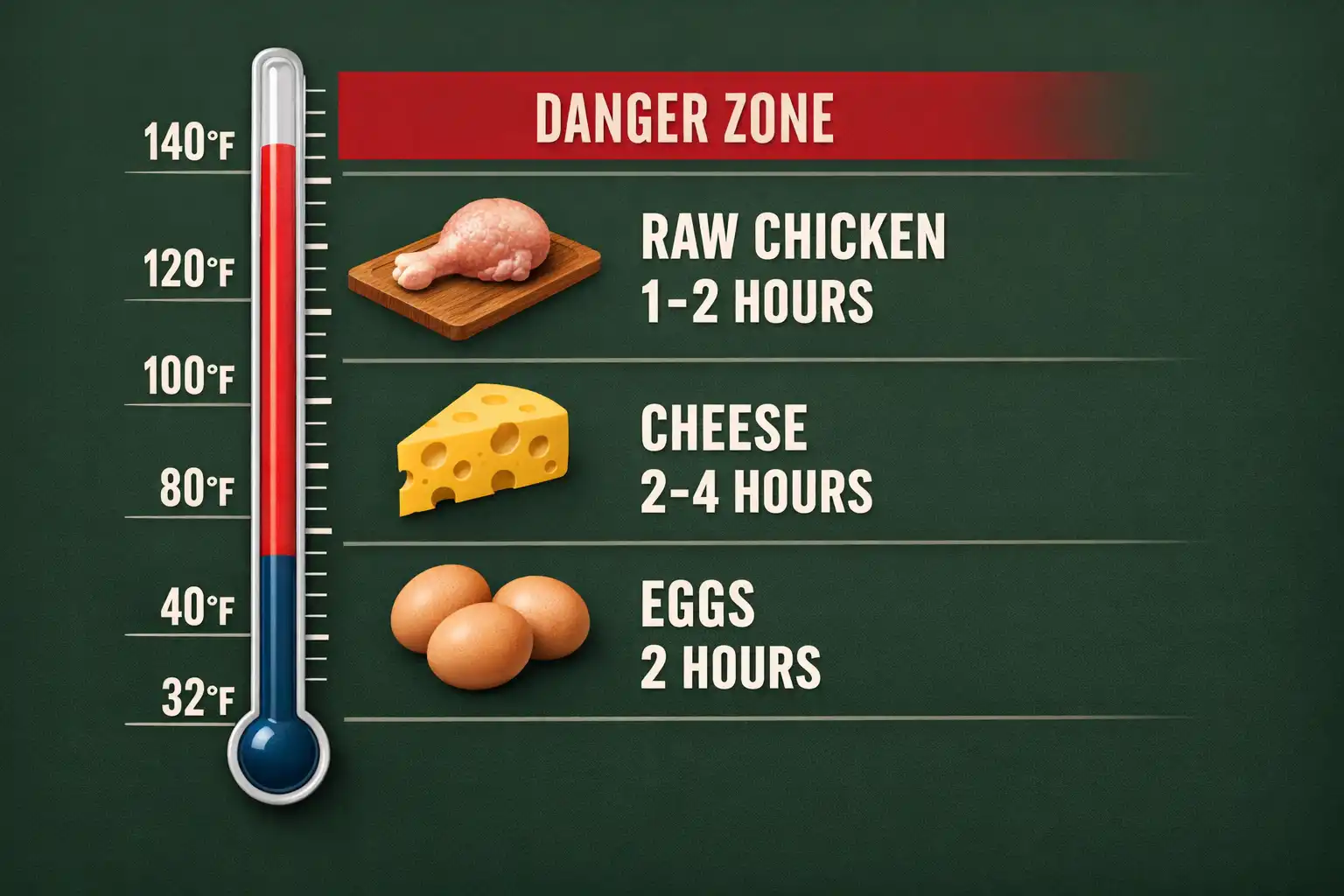
Follow these non-negotiable rules to prevent food poisoning:
- Cook meat to a safe internal temperature: chicken to 165°F, beef to 145°F, pork to 145°F.
- Never eat meat that smells off, has changed color, or feels slimy.
- When in doubt, throw it out. Foodborne illness in the backcountry is serious.
- Wash hands before handling food, especially after handling raw meat.
I wrote a full breakdown on prevent food poisoning while camping if you want the complete picture on safe food handling at camp.
How to Tell If Food Has Gone Bad at Camp
Smell test: Any sour, ammonia, or off smell signals spoilage. Trust your nose.
Texture test: Slimy texture on meat or cheese means bacterial growth has started.
Color change: Gray or greenish tones on meat indicate it is no longer safe.
Swollen packaging: Gas buildup inside sealed bags signals active bacterial activity.
FAQs about Keep Food Cold While Camping Without a Cooler

Can you use ice without a cooler to keep food cold?
Yes. Wrap ice or frozen gel packs in a towel, then add your insulation layers around it. The ice extends cold time by several hours. Use a dry bag to contain the meltwater.
How long does food stay cold in a backpack?
In cool weather (below 60°F), pre-chilled food in multiple insulation layers stays cold for 12 to 18 hours. In warm weather above 75°F, reduce that estimate to 4 to 6 hours for meat and dairy.
Does burying food keep it cold?
Yes. Burying food 6 to 10 inches deep in shaded soil extends cold time because ground temperature stays 10°F to 20°F cooler than surface air temperature in most conditions.
Can I use a wet sock or damp cloth to cool food?
Wrapping food in a damp cloth uses evaporative cooling, which reduces surface temperature slightly. It works better in dry, breezy conditions than in humid weather. It is not reliable enough for raw meat or dairy alone.
Conclusion
Keeping food cold without a cooler takes preparation more than gear. Pre-chill everything, use layered insulation, and find the coldest natural spot at your campsite. Choose foods that tolerate field conditions and follow strict food safety habits.
The cooler is convenient, but it is not the only option. With the right approach, you can eat fresh food safely for a full day in the backcountry without carrying extra weight.