How to Plan a Camping Trip When You Have Never Camped Before

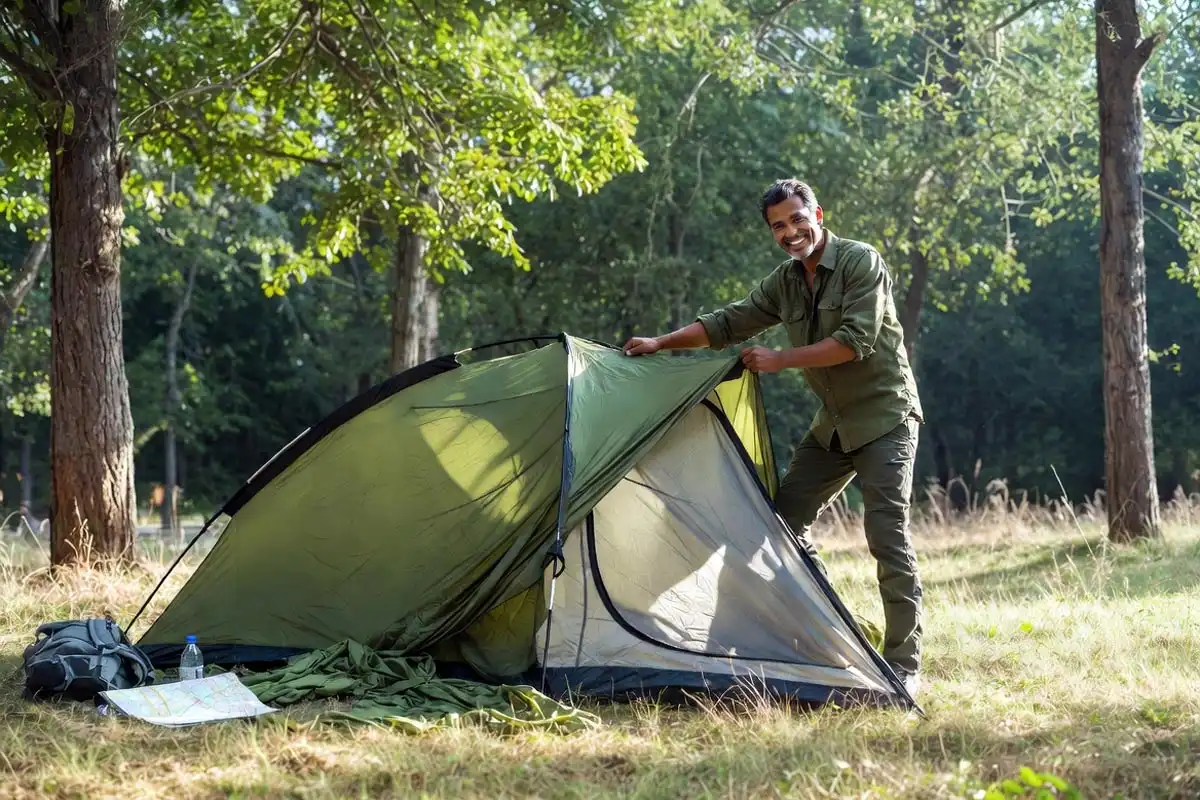
If you’ve never camped before, you can plan a successful caming trip by working through 6 stages: choosing a campground, building a gear list, planning food and water, setting a budget, reviewing safety rules, and running a final gear check the night before leaving. This guide covers every stage in sequence with practical steps, decision points, and safety checks so you arrive at your first site ready to set up and sleep well. I’ve camped for over 20 years across the hills and forests of Rangamati, and the advice here comes from real time in the field.
Plan a first camping trip in 6 steps: pick a beginner-friendly campground, check the season and weather, build a gear list, plan food and water, review basic safety rules, and do a pack check the night before. Car camping at an established campground with toilets and water access suits first-timers best.
What Does a First-Time Camper Actually Need to Plan?
First-time campers need a plan that covers location, gear, food, water, budget, and safety. Most beginners underplan in one of those areas and overprepare in another. The goal for trip one is a clean overnight at a safe, simple site. Save the remote backcountry for later trips when you know your gear and your limits.
When Is the Best Time for a First Camping Trip?
Late spring and early fall provide the most forgiving conditions for new campers. Temperatures stay moderate, rainfall is predictable, and campgrounds operate with fewer crowds than peak summer.
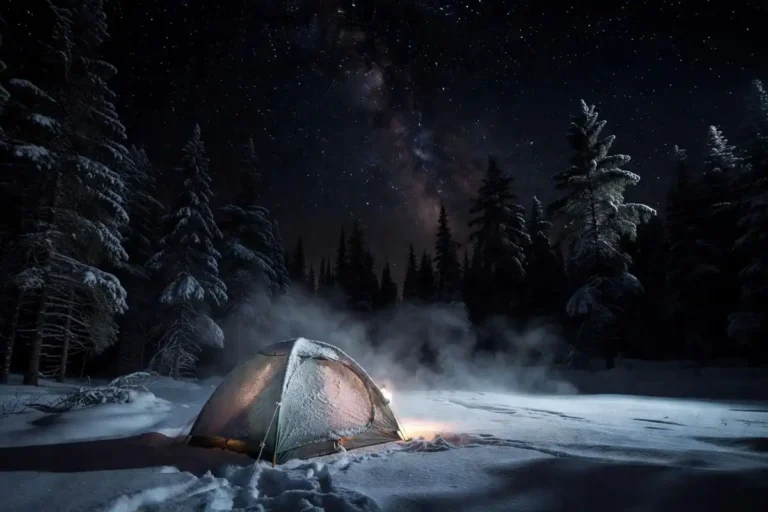
Summer works for beginners too, but heat and insects add pressure you do not need on trip one. Winter camping punishes small gear mistakes fast. Start in a mild season, get one good overnight under your belt, then expand from there.
Where Should You Camp for the First Time?
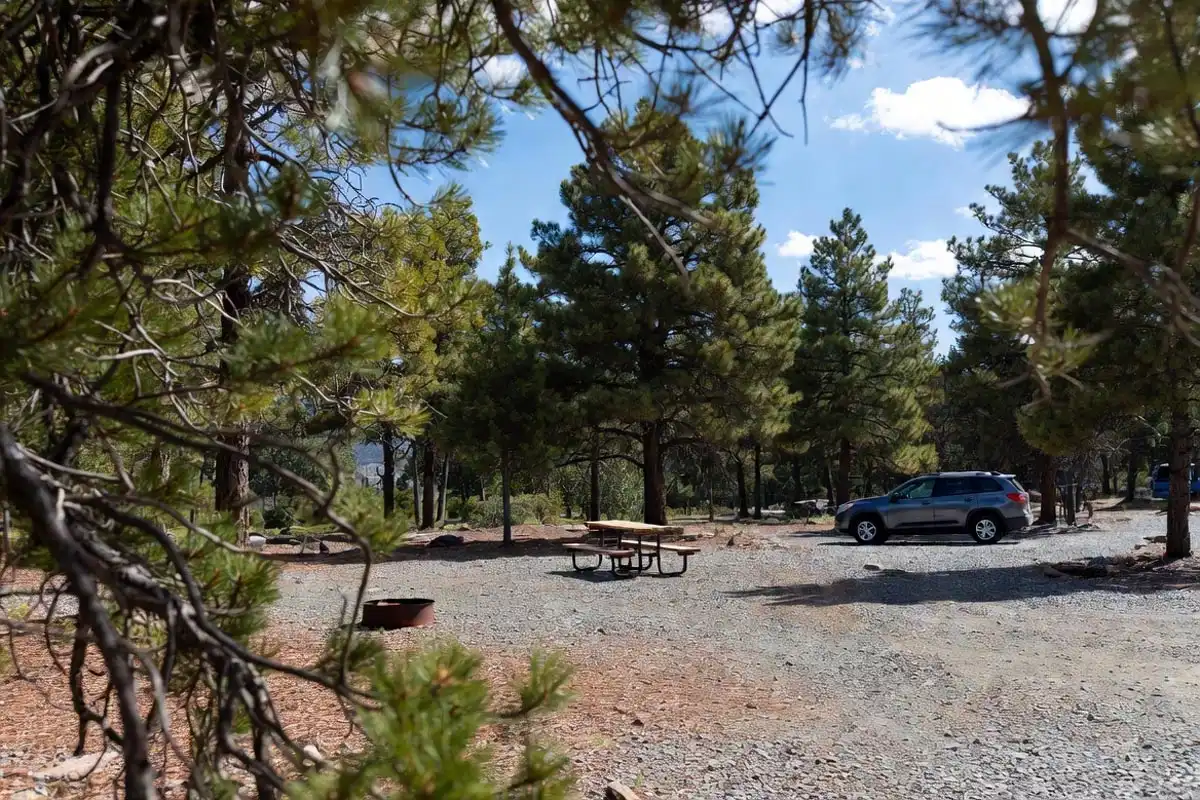
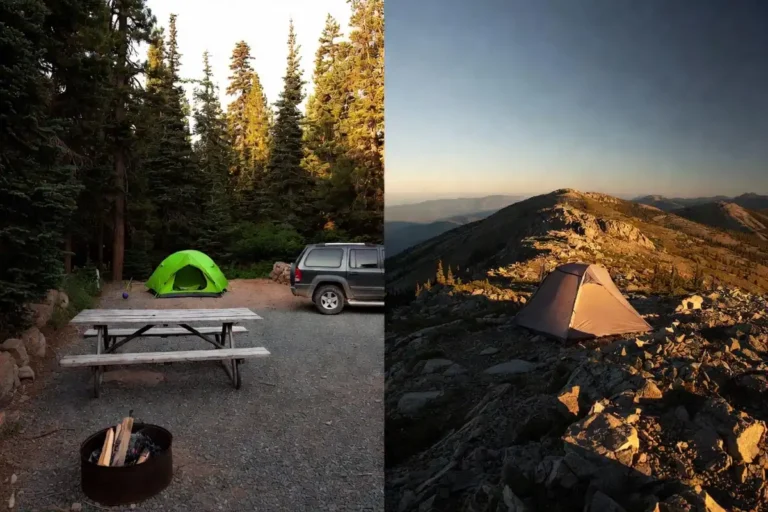
A developed campground with designated pitches, toilets, fire rings, and nearby water access gives first-timers the best foundation. State and national parks offer staffed sites with rangers nearby and clear posted rules.
Dispersed backcountry camping demands navigation skills, Leave No Trace discipline, and self-sufficient gear management. Those skills take time to develop. Choose a site within 2 hours of home for trip one. A short drive means you return easily if something goes wrong. I covered what to do when you reach a campground late in my article on choosing a campsite when you arrive after dark.
How to Plan a First Camping Trip Step by Step
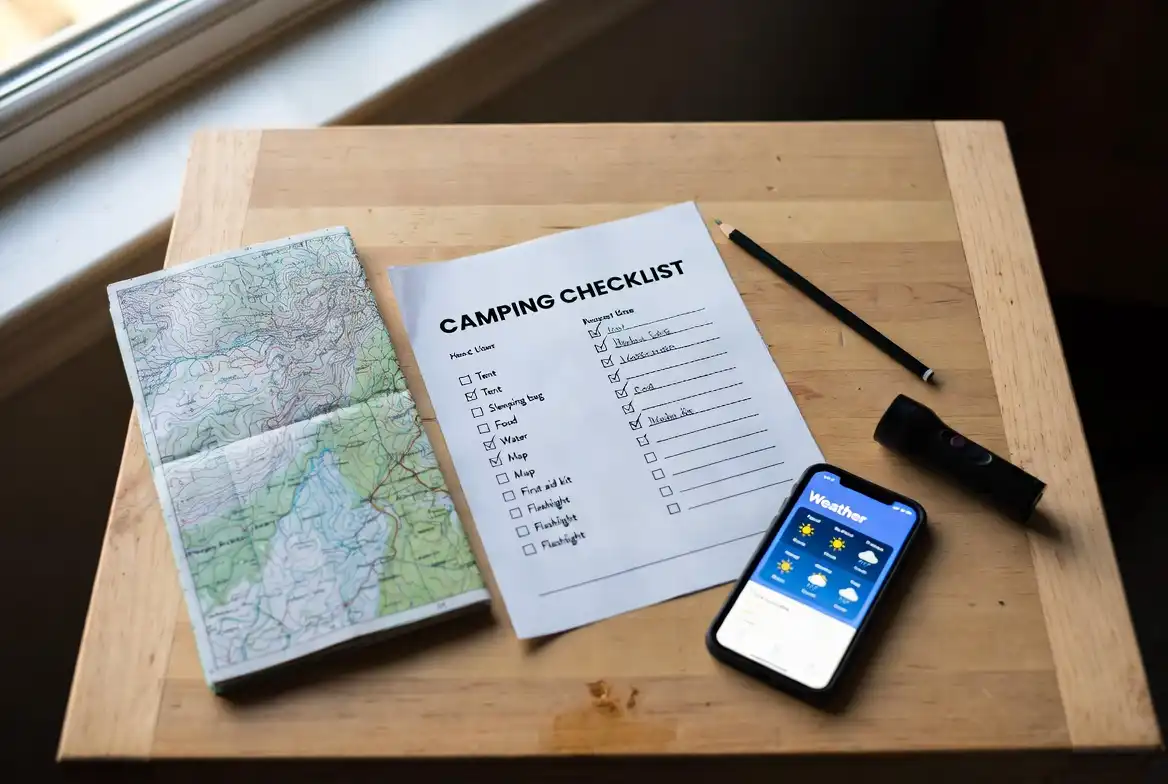
Follow these 6 steps in order. Skipping steps creates problems that surface at camp, not at home.
Step 1: Set a date and book your site
Choose a developed campground and reserve your spot. Popular parks book out 2 to 6 months ahead. Confirm the site includes a flat sleeping area, a fire ring, and vehicle access.
Step 2: Check the weather and plan for rain
Look at a 10-day forecast before you pack. Build a rain plan: know how your tent handles wet conditions and pack a tarp as backup. I covered which tarp sizes work for specific tent setups in the guide on matching tarp size to your tent configuration.
Step 3: Build a gear list and check it twice
Start with four core items: tent, sleeping bag, sleeping pad, and headlamp. Add a camp stove or fire kit, a first aid kit, water bottles, and food supplies. Run a printed checklist, not a mental one. I published a detailed 2-night camping checklist, including items most beginners miss.
Step 4: Plan food and water
Calculate 2 liters of water per person per day for drinking plus extra for cooking. Carry a 1-day buffer supply in sealed bottles. I broke down exact water quantities by activity level and trip length in the article on water to bring camping per people. For food, plan 3 meals per full day and keep each one to one pot and minimal prep.
Step 5: Set a realistic budget
Site fees at established campgrounds range from $15 to $50 per night. Gear is the largest upfront cost. Borrow a tent and sleeping bag from a friend or rent them for trip one. My outdoor trip budget guide breaks down costs by category with practical ways to reduce them.
Step 6: Run a full gear check the night before
Lay every item on the floor and check it against your list. Test the stove ignition. Inflate the sleeping pad and check for leaks. Open the tent bag and confirm all poles and stakes are present. Pack rain gear at the top of the bag, not buried at the bottom.
What Gear Does a First-Time Camper Need?
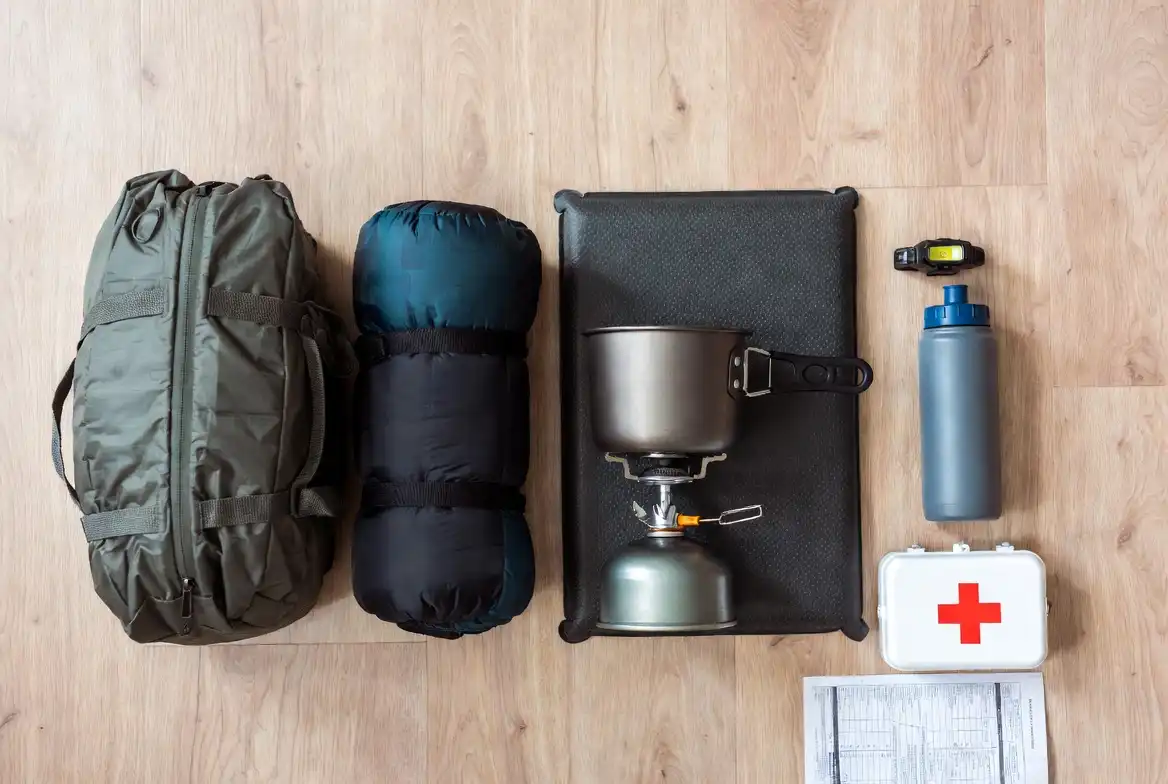
A first-time camper needs gear across 5 categories: shelter, sleep, light, cooking, and safety.
Shelter: A 3-season tent rated for 2 people provides enough space and weather protection. Look for a hydrostatic head rating of 1,500mm or above for rain resistance.
Sleep system: A sleeping bag rated 10°F (about 6°C) below the expected overnight low prevents cold wakeups. A foam or inflatable sleeping pad insulates from the ground and improves sleep quality.
Light: A headlamp with at least 200 lumens covers cooking, reading, and night walks. Carry fresh batteries or a backup power source.
Cooking: A canister stove, one medium pot, and a spork handle the majority of camp meals. A campfire cooking tools adds flexibility when fire is permitted at your site.
Safety: A 10-piece first aid kit, a whistle, a printed map of the campground area, and a fully charged phone form the minimum baseline.
How to Plan Camp Food for the First Trip
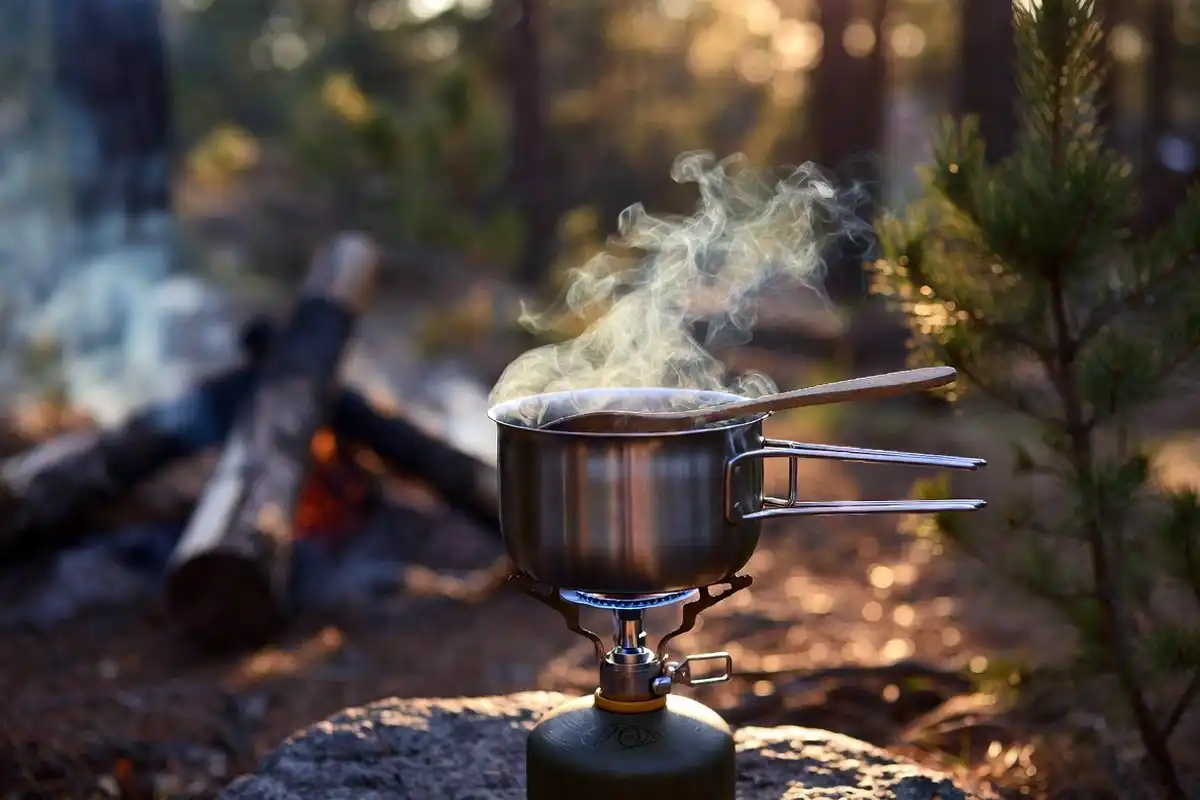
Plan 3 meals per full day plus snacks. Simple meals reduce stress and prevent food waste.
Breakfast options include oats, eggs, or bread with nut butter. Lunch works as no-cook: wraps, crackers, and dried fruit. Dinner suits one-pot cooking: pasta, rice dishes, or hearty soups.
Store food in a hard cooler with ice or in a bear canister, depending on the campground rules. Keep raw meat sealed and below all other food in the cooler. Check the park website for specific food storage requirements before you arrive.
Never assume a campground water tap runs at full capacity. Carry a 4-liter sealed backup supply per person regardless of site facilities.
See my one-pot meal for four campers idea.
What Safety Rules Apply on a First Camping Trip?
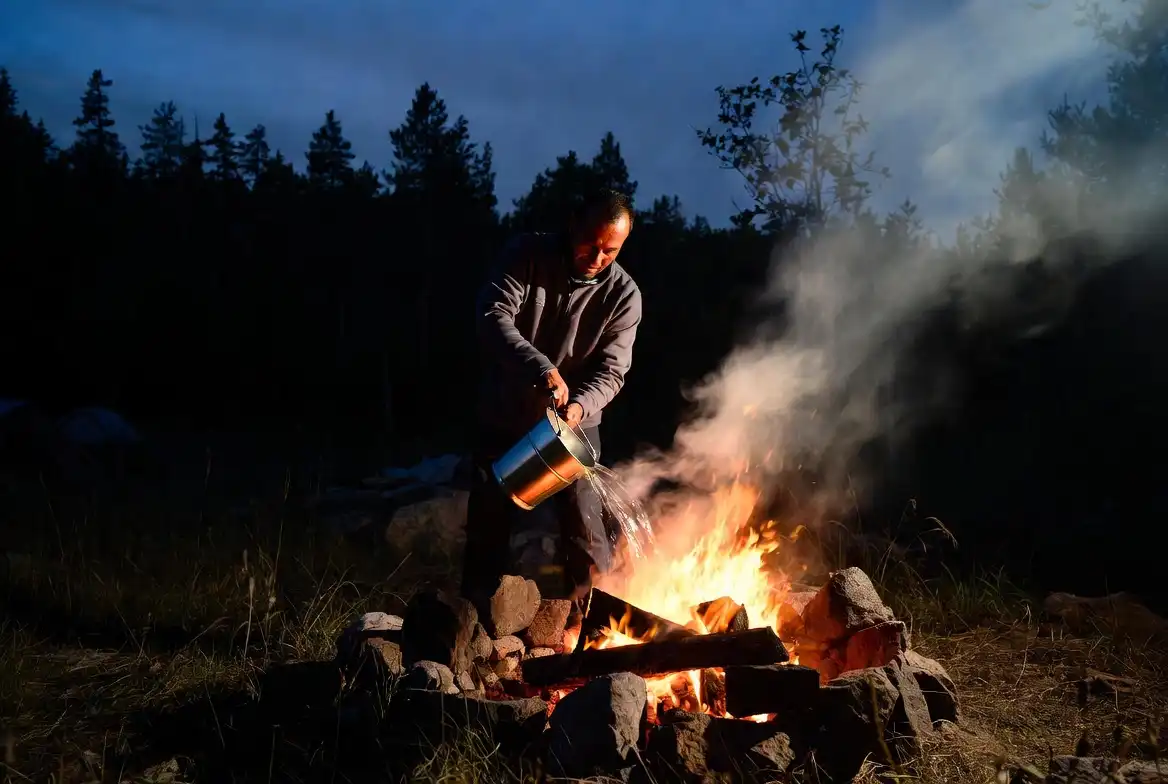
Safety on a first trip comes down to 4 priorities: fire management, wildlife awareness, weather response, and communication.
Fire: Never leave a campfire unattended. Drown it with water, stir the ash, and repeat until the coals feel cold. A fire that feels cool on the surface can hold heat underneath for hours.
Wildlife: Store food and scented items away from your sleeping area. Hang food from a bear line or use a hard canister if the campground requires one. Check the local wildlife section on the park website before arrival.
Weather: Pitch your tent on flat or slightly elevated ground. Low spots collect water fast during heavy rain. Move to your vehicle if lightning closes in. Do not wait for the storm to pass overhead.
Communication: Tell someone at home your site name, arrival time, and expected return date. Send a confirmation text when you return.
I covered detailed safety protocols for people camping without a group in the solo camping safety guide.
Common Mistakes First-Time Campers Make
Overpacking: New campers bring full kitchen sets and redundant clothing for scenarios that never happen. Pack from your list, not from anxiety.
Arriving after dark: Setting up a tent at night doubles setup time and increases mistakes. Reach your site by 3 PM on the first trip.
Skipping a home tent test: Pitch your tent in the garden or living room before the trip. A missing pole at camp has no workaround.
Ignoring weather forecasts: One night in a leaking tent ends most beginners’ enthusiasm fast. Check the forecast twice and prepare for the worst version of it.
Not testing gear before leaving: Sleeping bags compress and zippers stiffen. Air out your bag for 24 hours beforehand and test every zip closure.
FAQs about Plan a Camping Trip When You Have Never Camped Before

How long should a first camping trip be?
One or two nights suits a first trip. One night delivers a full camping experience without multi-day supply pressure. Two nights let you settle in on the first evening and actually enjoy the second day.
Do I need a permit to camp for the first time?
Most developed campgrounds require a site reservation, not a permit. Dispersed camping in national forests and some backcountry areas requires a free or low-cost permit. Check the park or forest service website for the specific site you choose.
What if it rains on my first camping trip?
Rain does not cancel a camping trip. A waterproof tent, a tarp over the cooking area, and dry clothes stored in a sealed bag keep the experience manageable. Most beginners who camp through rain find it less difficult than they expected.
How much does a first camping trip cost?
A first trip costs between $50 and $300 depending on gear owned, site fees, and travel distance. Borrowing a tent and sleeping bag reduces upfront costs significantly. Site fees at established campgrounds range from $15 to $50 per night.
Is camping safe for complete beginners?
Car camping at a developed campground carries low risk for beginners. Ranger staff, nearby campers, and established infrastructure reduce most hazards. Follow fire rules, store food correctly, and share your itinerary with someone at home before you leave.
Conclusion
A first camping trip succeeds when planning happens at home, not at the trailhead. Choose a simple site, build a solid gear list, calculate your food and water, and run a safety check before you leave.
Trip one is about getting one successful night outdoors. That foundation makes every trip after it easier and more enjoyable. Start simple and build from there.