What to Do If You Suspect Hypothermia: 7 Fast, Safe Steps

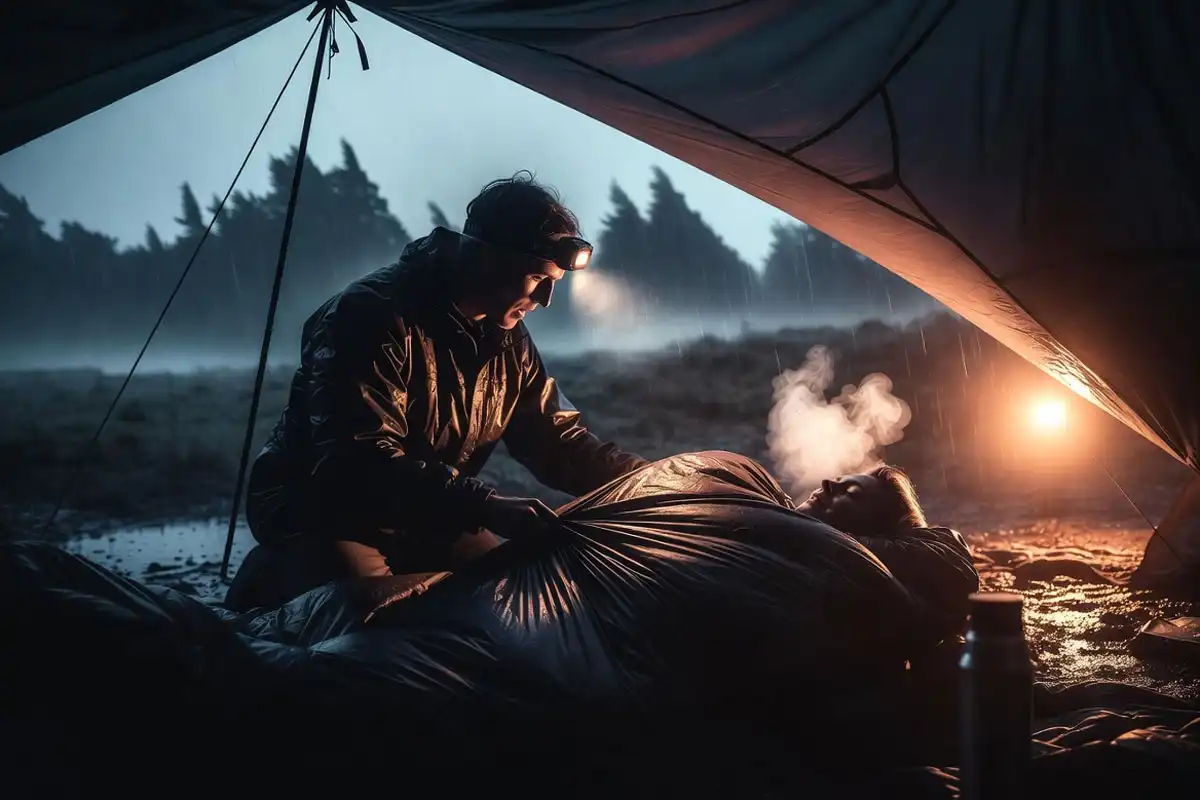
If you suspect hypothermia, act early and treat it as urgent: stop heat loss, warm the person’s core safely, and get medical help when symptoms go beyond mild shivering. This article helps you recognize the warning signs fast, then walk through the first 5 to 15 minutes step by step. You’ll also learn what not to do, how to manage common backcountry problems (no dry clothes, no shelter), and when evacuation becomes the safest choice.
Move the person out of wind and wet, handle them gently, and call emergency help if they are confused, unusually sleepy, or getting worse. Remove wet clothing, dry the skin, insulate from the ground, and warm the chest, neck, and groin with warm (not hot) compresses. Give warm, sweet drinks only if fully awake and swallowing well.
What Hypothermia Is
Hypothermia is a dangerous drop in core body temperature, defined as below 95°F (35°C). Cold slows the brain and heart, which is why a person can make poor decisions and insist they are fine while getting worse.
When to Suspect Hypothermia
Suspect hypothermia anytime cold exposure and moisture meet a change in behavior.
Common triggers I see outdoors:
- Cold rain plus wind
- Sweat-soaked layers after hiking, then stopping
- Cold-water immersion (even short)
- Overnight camping with damp bedding or poor ground insulation
If the person is wet and starts acting “off,” treat it as hypothermia until proven otherwise.
Learn more: How to Treat Minor Cuts and Blisters at Camp: 8 First Aid Moves
Where Hypothermia Sneaks up on People
Hypothermia isn’t only a snowstorm problem. I’ve seen it start on cool, wet days above freezing because wind and water strip heat fast.
High-risk spots include:
- Open shorelines and boats
- Exposed ridgelines
- Campsites with wind funnels
- Vehicles after a breakdown
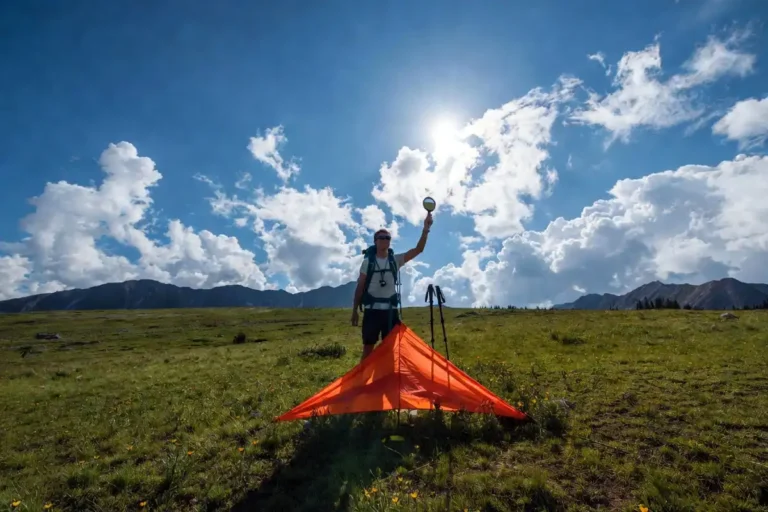
If you routinely camp in wet or windy conditions, a tarp becomes part of your safety kit, not just comfort. A guide like choosing the right tarp size for your tent setup helps you block wind and keep insulation dry.
How to Recognize Hypothermia Quickly

What are the early signs?
Early hypothermia often looks like cold plus clumsy thinking.
Signs include shivering, exhaustion, confusion, fumbling hands, memory trouble, slurred speech, and drowsiness.
What are red-flag signs?
Treat these as an emergency:
- Confusion that worsens or the person cannot follow simple directions
- Shivering stops while the person still feels cold
- Very slow, shallow breathing or a weak pulse
- Loss of consciousness
What about babies and kids?
Babies can show bright red, cold skin and low energy instead of obvious shivering. Kids cool faster than adults, especially when wet.
Immediate Steps: What to Do in the First 5 to 15 Minutes
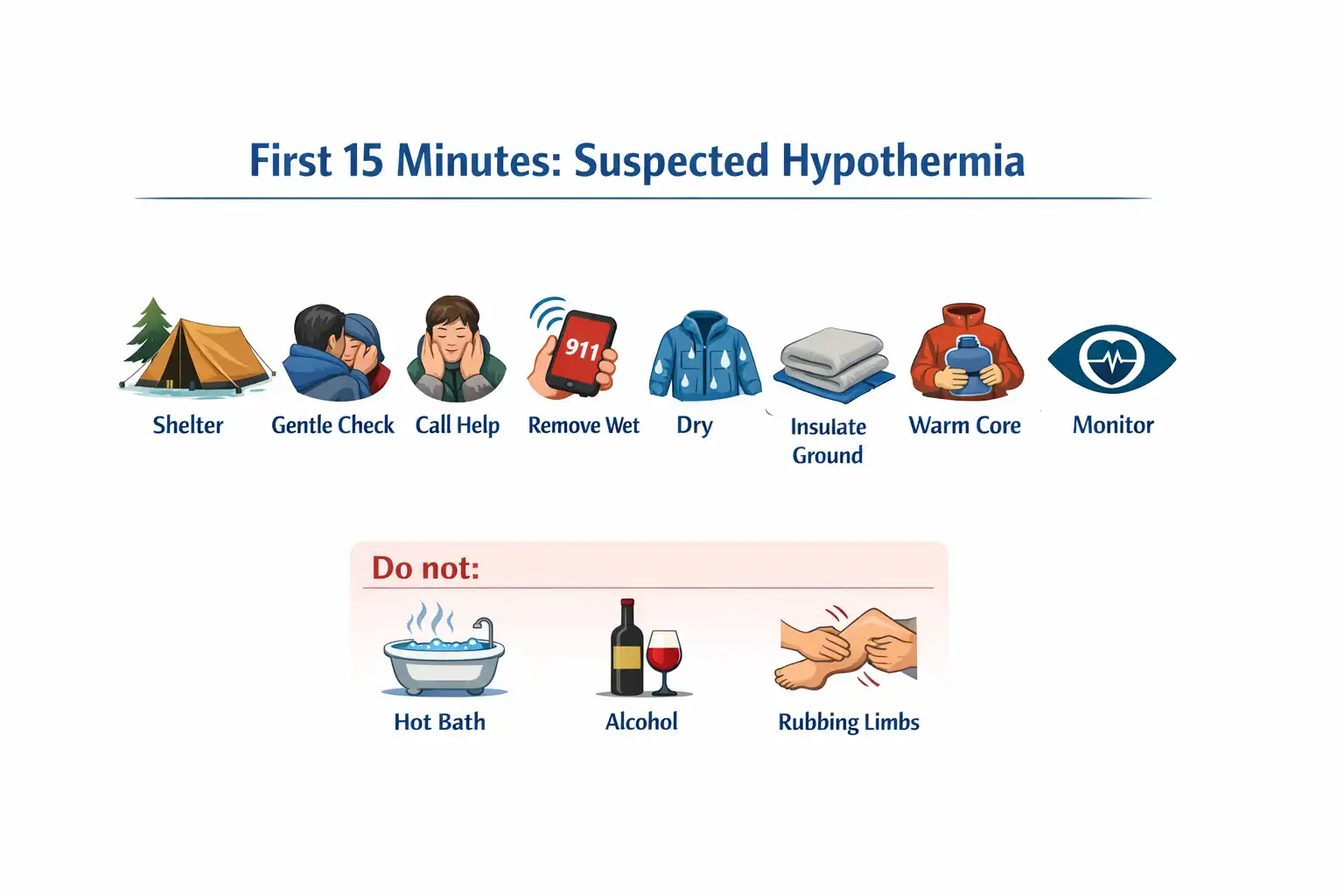
This is the field order that works because it tackles the problem in the right sequence: stop heat loss first, then add heat safely.
Step 1: Get them into shelter and out of the wind
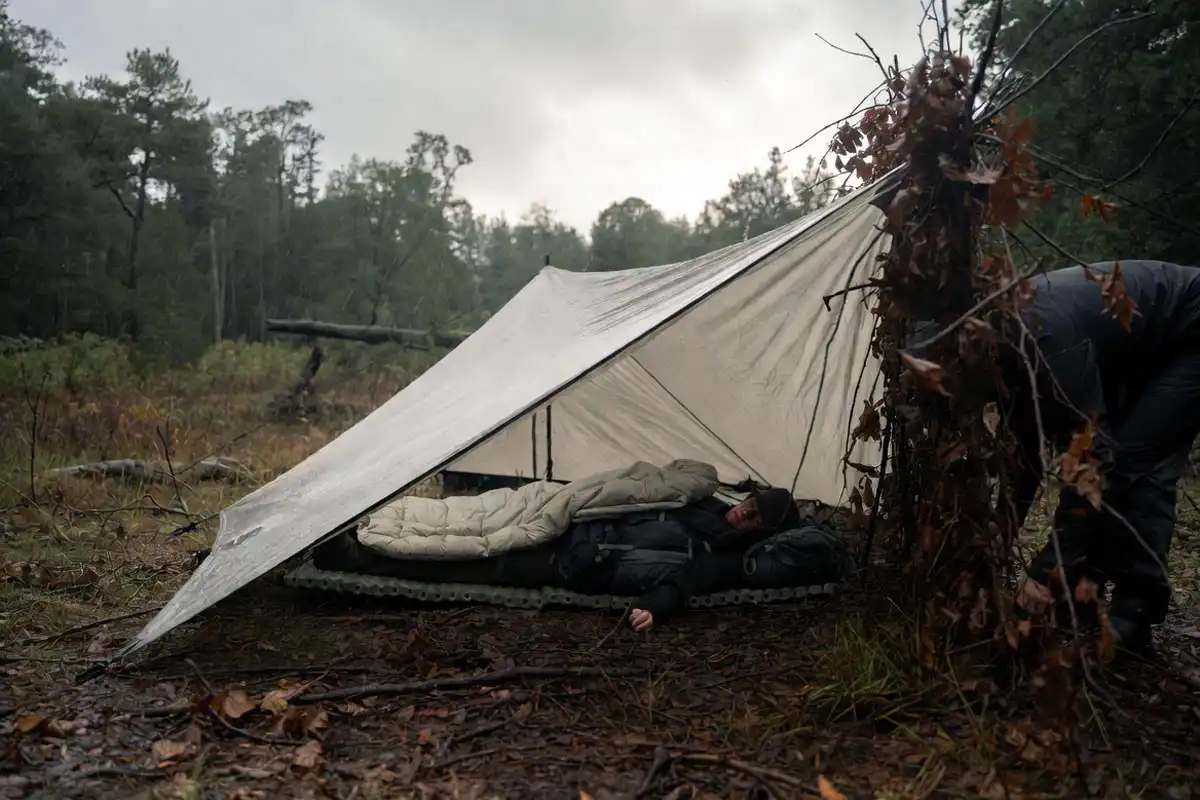
Wind steals heat even through “warm” jackets. Move into a tent, car, building, or behind a solid windbreak.
If you arrive late and rushed, you’re more likely to set up in a windy spot and lose heat while fiddling with gear. This is where picking a campsite quickly when you arrive late helps you choose shelter first, not convenience.
Step 2: Handle them gently and check responsiveness
Move the person slowly. In more severe hypothermia, rough movement can stress a cold heart.
Check two things:
- Are they answering clearly?
- Is their breathing normal?
If they are not responsive, call emergency services and be ready to start CPR if they stop breathing or have no signs of life.
Step 3: Call for help early when symptoms are more than mild
Call your local emergency number if any of these are true:
- Confusion, slurred speech, or unusual sleepiness
- Symptoms keep worsening after shelter and insulation
- Cold-water immersion happened
- The person is elderly, very young, or medically fragile
If you camp solo, call early even for “borderline” cases. It is hard to warm someone and keep yourself safe at the same time. Solo camping safety habits can reduce that risk before you ever face an emergency.
Step 4: Remove wet clothing and dry the skin
Wet fabric keeps pulling heat away.
Work fast but gently:
- Strip wet layers from the torso first
- Dry the skin
- Put on dry layers, a hat, and dry socks
Step 5: Insulate from the ground
The ground is a cold sponge. Put something under them immediately: sleeping pad, foam, backpack, piled clothing, even a folded tarp.
Step 6: Warm the core safely

Warm the center of the body first, not the hands and feet.
Use warm, dry compresses on:
- Chest
- Neck
- Groin
If you use a hot water bottle or chemical heat pack, wrap it in cloth so it doesn’t burn skin.
Step 7: Give warm drinks only if they are fully alert
Warm, sweet, non-alcoholic drinks support calories and heat, but only if the person is awake and swallowing well.
If they are confused or drifting off, skip drinks and focus on insulation and medical help.
Step 8: Keep monitoring and prevent cooling again
Every few minutes, re-check:
- Are they thinking more clearly or less?
- Is shivering steady, slowing, or stopped?
- Are they staying warm once wrapped?
Improvement is good, but keep them insulated. Hypothermia can rebound if they cool again.
Solutions by Situation
If you’re at home or in town
Home treatment still follows the same order: dry, insulate, warm the core, and get medical evaluation if symptoms go beyond mild.
Avoid fast heating like a hot bath.
If you’re in the backcountry
You’re working with limited tools, so use simple gear well:
- Tarp or tent to block wind
- Dry layer swap even if it’s only a base layer
- Ground insulation pad plus spare clothing
- Core heat warm water bottle wrapped in cloth, placed at the chest or groin
A sloppy pitch on hard ground often leaves gaps that funnel wind under the tent. Pitching a tent on rocky or sandy ground can help you seal the edges and reduce heat loss.
If cold water caused the problem
Cold water cools the body fast and raises risk even when the person says they “feel okay.”
Treat it as higher urgency:
- Get out of the water
- Strip wet layers immediately
- Insulate heavily and warm the core
- Plan for evacuation or medical evaluation
Troubleshooting: Common Problems and Fixes
“We don’t have dry clothes.”
Create a dry barrier against the skin first, then insulate over it.
Good options:
- A spare shirt or towel
- A sleeping bag liner
- A trash bag with holes for head and arms (as a vapor barrier layer), worn under insulation
“They are shivering hard.”
Strong shivering means the body is still producing heat. Help it by stopping heat loss and adding insulation.
If shivering stops while the person remains cold and confused, treat it as a danger sign and get emergency help.
“They want to sleep.”
Drowsiness can be part of hypothermia. Keep them awake enough to answer questions and swallow safely. If they cannot stay alert, call emergency services and focus on insulation and gentle core warming.
“They are confused and won’t cooperate.”
Use short, concrete directions and do the work for them:
“Sit here.” “Arms up.” “Drink a sip.”
Confusion is a symptom, not stubbornness.
Avoid These Mistakes
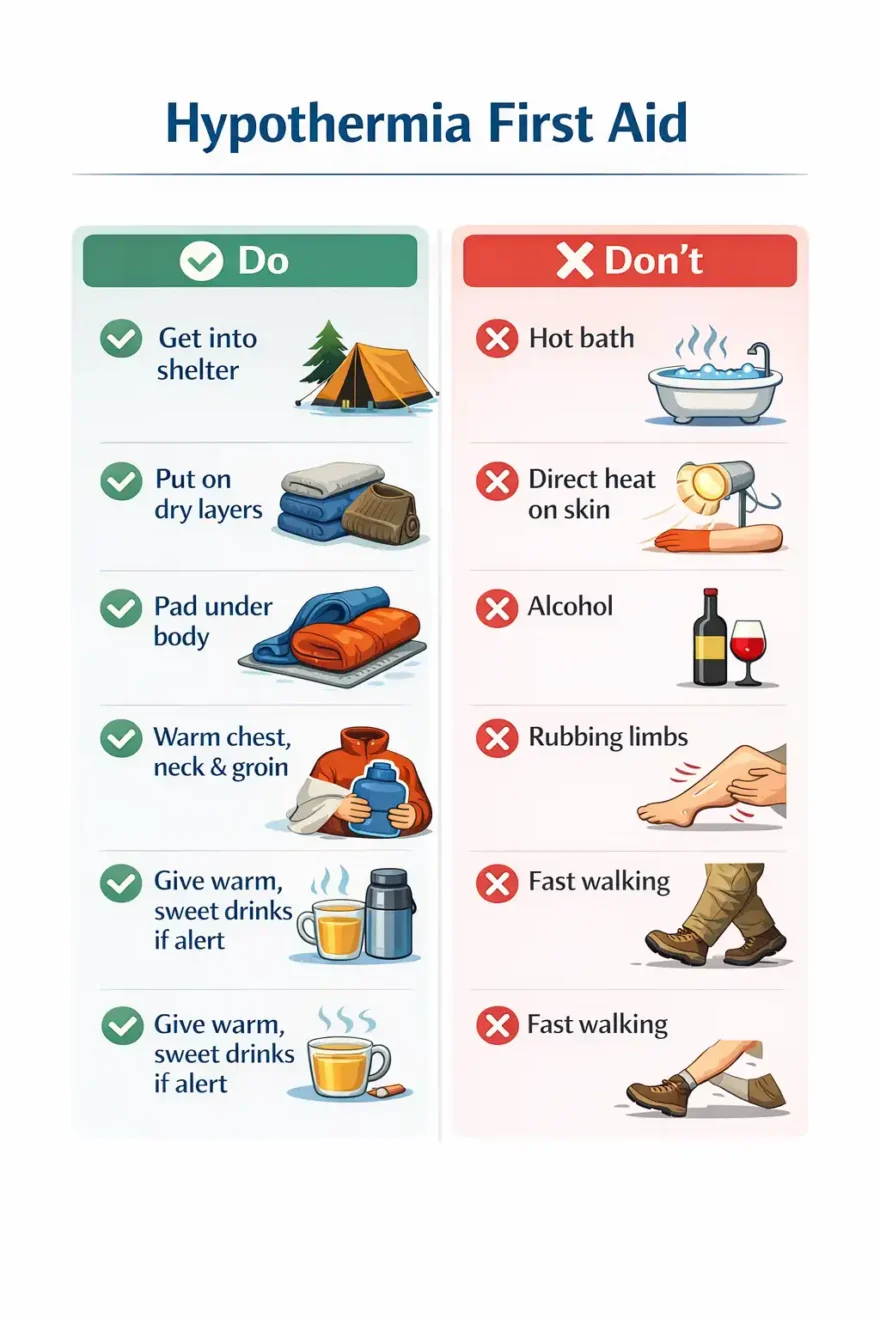
These actions can worsen hypothermia or trigger complications:
- Don’t use a hot bath, heat lamp, or direct high heat on skin
- Don’t rub arms and legs
- Don’t try to warm hands and feet first
- Don’t give alcohol
- Don’t force drinks if the person is not fully awake
Safety Notes
- Treat moderate to severe symptoms as a medical emergency.
- Move the person gently and keep them as still as practical.
- Protect them from wind and ground cold before adding heat.
- Keep yourself safe too. Rescuers get hypothermia while helping others.
Prevention is easier than rescue. A packing routine that always includes dry layers, wind protection, and warm drink options reduces risk. This 2-night checklist helps you keep those basics consistent, and keeping bedding dry in humid weather helps prevent the damp-sleep cold spiral.
Conclusion
If you suspect hypothermia, act early: shelter first, then dry the person, insulate from the ground, and warm the core gently. Watch for confusion, worsening drowsiness, or shivering that stops, and call for emergency help when those red flags appear. The goal is steady warming and careful monitoring, not fast heating.