What Travel Insurance Covers for Outdoor and Adventure Activities

Travel insurance covers outdoor and adventure activities, but the level of protection depends on the policy type and how the insurer classifies each activity. This guide covers what standard plans include, which activities require a separate add-on, and how to confirm coverage before you leave. I apply these checks every time I plan a backcountry trip or sign up for guided trekking abroad, so the guidance here comes from direct experience planning both domestic and international outdoor adventures.
Most standard travel insurance plans cover emergency medical care, evacuation, and trip cancellation. They do not automatically cover high-risk adventure activities such as mountaineering, paragliding, or whitewater rafting. Travelers who plan those activities require an adventure sports rider or a specialist policy. Read the activity exclusion list before buying any plan.
What Counts as an Adventure Activity in a Travel Policy?
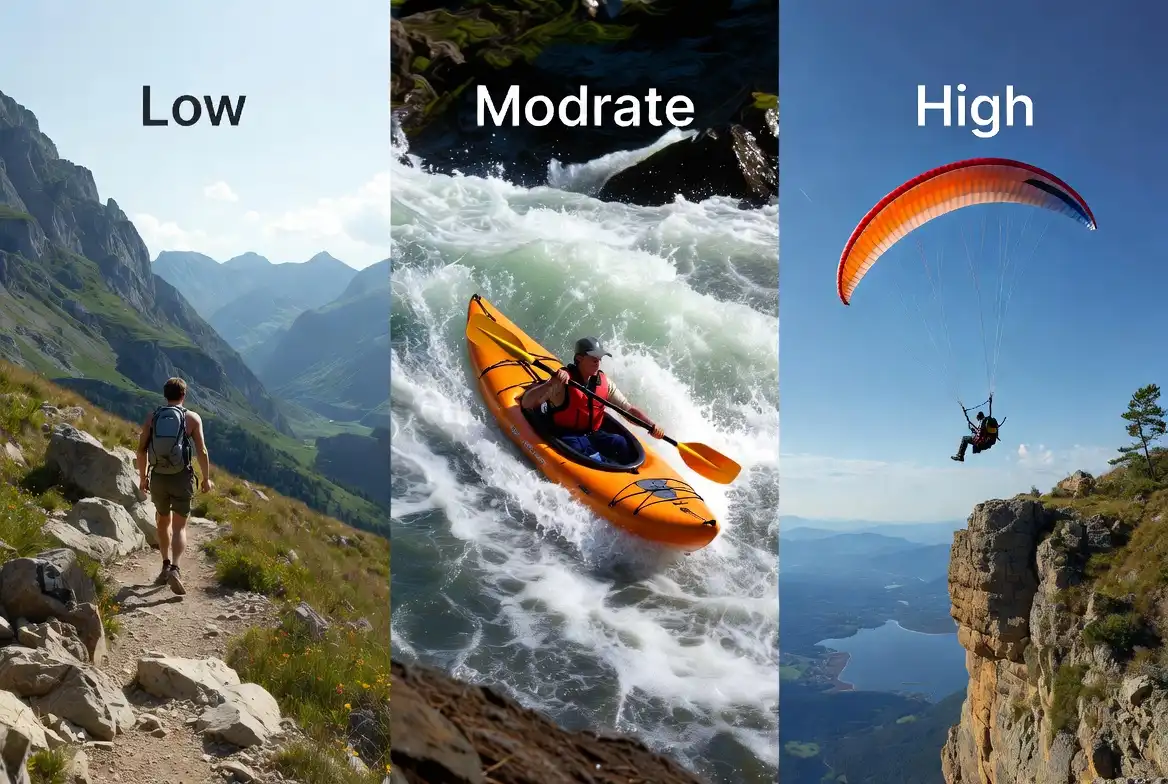
Insurers classify activities by risk level. Most policies group them into three tiers.
Low-risk activities include hiking on marked trails, snorkeling, and recreational cycling. Standard policies cover these without any add-on.
Moderate-risk activities include mountain biking, kayaking, and beginner-level rock climbing. Some standard policies cover these; others require a rider.
High-risk activities include skydiving, mountaineering above a set altitude, base jumping, and motor racing. Standard policies exclude these unless you purchase a specific adventure sports add-on.
The insurer’s risk classification determines your coverage, not your personal assessment of how dangerous the activity feels.
Know more: Documents and Gear Do You Need for International Hiking Travel
What Standard Travel Insurance Covers
Standard travel insurance provides four core protections that apply during most outdoor trips.
Emergency medical expenses. The policy pays for hospital treatment, surgery, and medication if you get injured or fall ill. Coverage limits range from $50,000 to $500,000 depending on the plan tier.
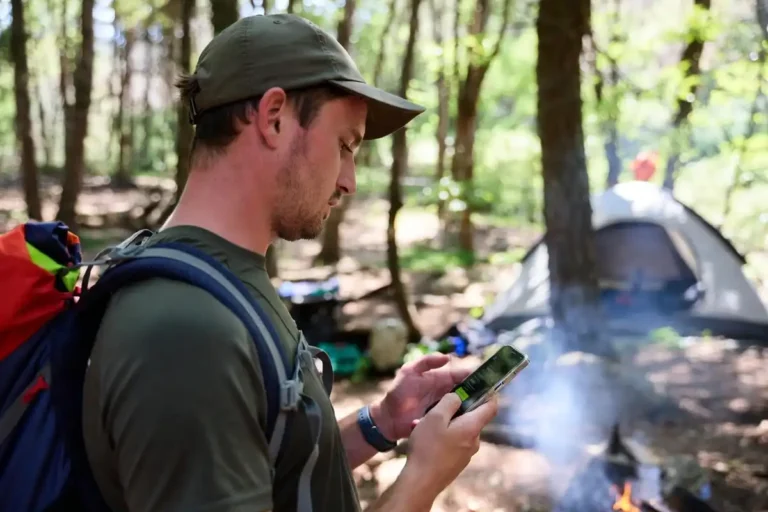
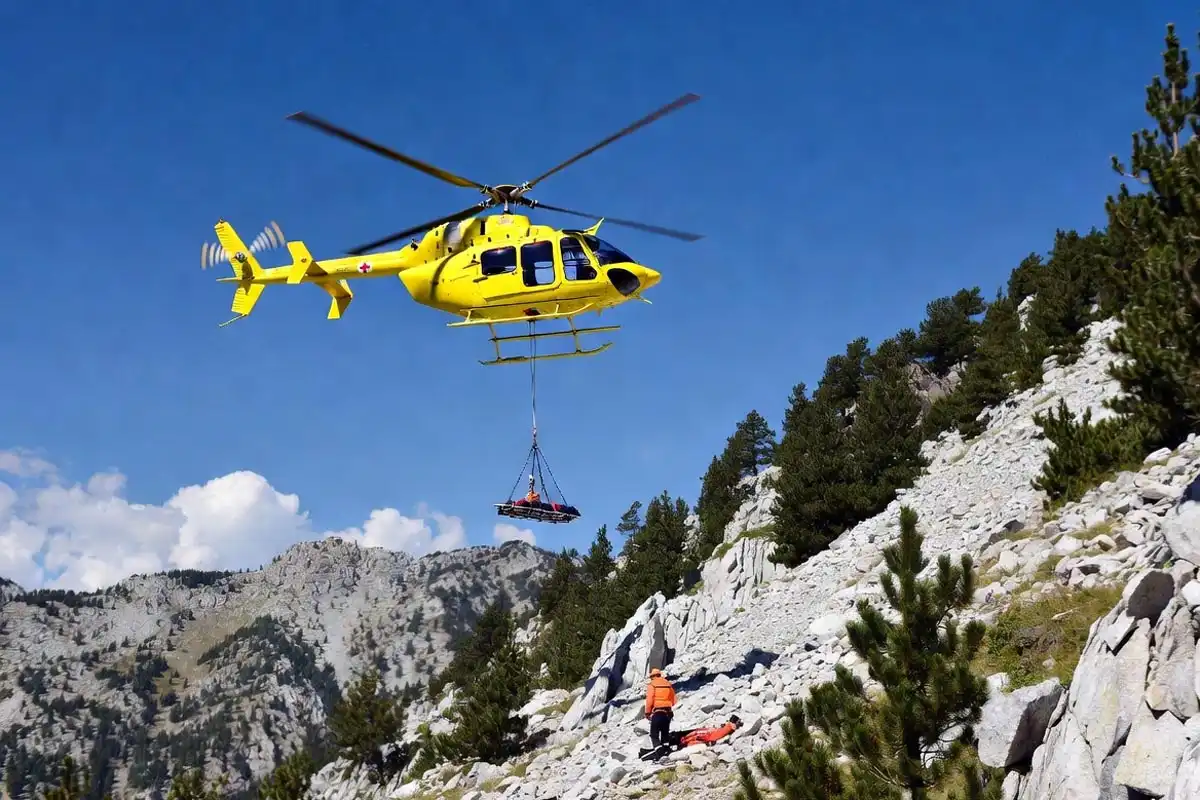
Medical evacuation. The insurer arranges and pays for transport to the nearest adequate medical facility. In remote areas, this means helicopter extraction, which can cost between $10,000 and $100,000 without coverage. When I covered signal for help in the backcountry, I noted that calling for rescue is one thing; having financial protection for that rescue is another.
Trip cancellation and interruption. The policy reimburses prepaid, non-refundable costs if a covered reason forces you to cancel or cut a trip short. Injury on an earlier leg of a multi-stage outdoor trip qualifies under most cancellation clauses.
Baggage and gear. The policy reimburses lost, stolen, or damaged luggage. Outdoor gear including tents, sleeping bags, and trekking poles falls under this category, though per-item sub-limits apply.
What an Adventure Sports Add-On Covers
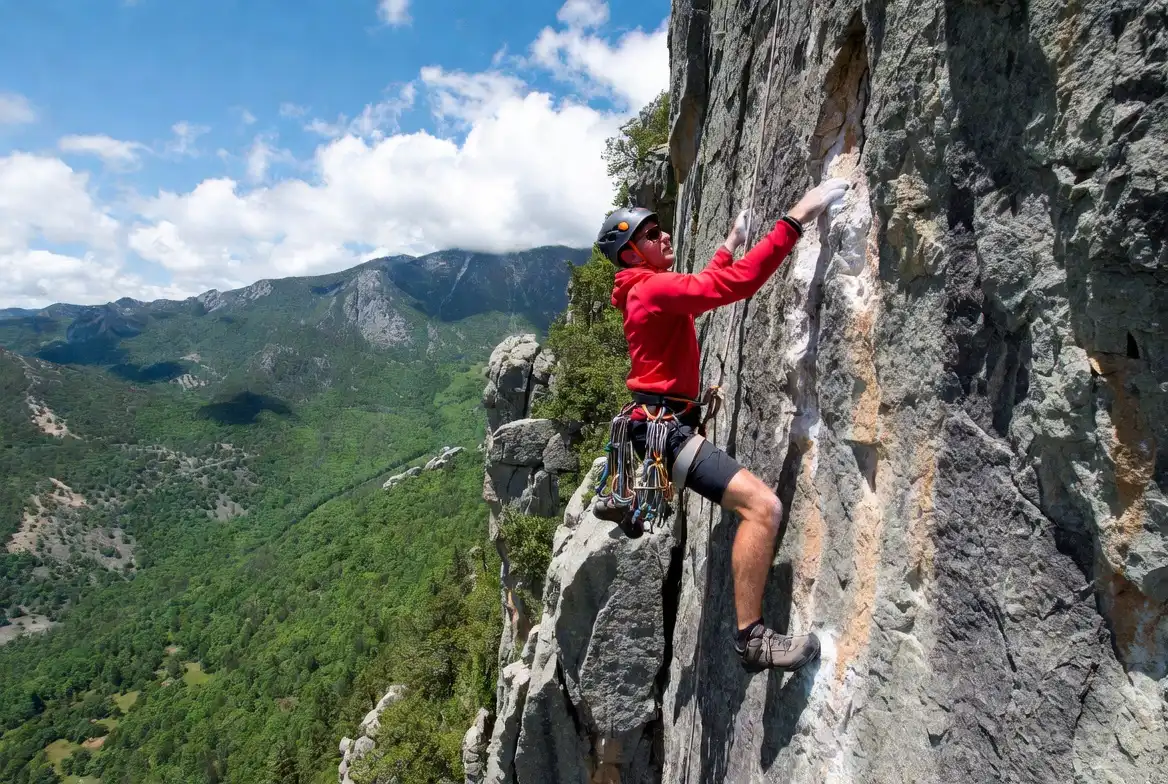
An adventure sports rider expands the base policy to include higher-risk activities. It adds three specific protections.
Search and rescue costs. The insurer covers the operational cost of a rescue if you go missing in the backcountry. Without this add-on, that bill lands directly on you.
Technical terrain medical coverage. Standard policies sometimes exclude injuries that occur above a certain altitude or on technical terrain. The add-on removes that restriction.
Specialist equipment coverage. Climbing hardware, avalanche airbags, and similar gear receive higher reimbursement limits under an adventure rider than under the standard baggage clause.
Activities Typically Excluded Without a Rider
The following activities appear on the exclusion list of most standard travel insurance policies:
- Mountaineering and high-altitude climbing
- Skydiving and base jumping
- Paragliding and hang gliding
- Whitewater rafting (Class IV and above)
- Bungee jumping
- Motorized off-road activities
Some insurers also exclude scuba diving beyond recreational depth limits and solo trekking above a specific elevation.
If you travel and camp alone, check whether solo travel affects your evacuation coverage. Some policies require a licensed guide or companion to activate full rescue benefits.
How to Check Whether Your Activity Is Covered
Step 1: Find the activity schedule. Most policies include an appendix listing covered and excluded activities. Search for your specific activity by name, not by category.
Step 2: Check the altitude clause. Many trekking policies cap coverage at 4,000 meters or 6,000 meters. Confirm the limit matches your planned elevation before purchasing.
Step 3: Read the guided-vs-unguided clause. Some policies cover an activity only when booked through a licensed operator. Solo or unguided attempts may fall outside the covered scope.
Step 4: Contact the insurer directly. If the policy wording is unclear, call or email before you buy. Ask the insurer to confirm in writing that your specific activity is covered.
These four steps take under 20 minutes and prevent the most common claim denials.
What to Look for When Buying Adventure Travel Insurance
Four features separate a useful adventure policy from one with significant gaps.
High evacuation limits. Choose a policy with at least $300,000 in medical evacuation coverage. Helicopter rescues from remote mountains exceed $50,000 in many regions.
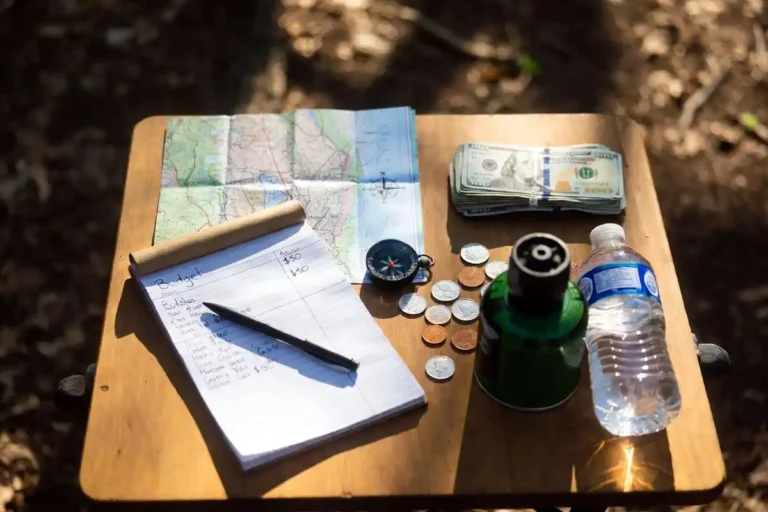
No altitude cap, or a high one. For Himalayan trekking or similar routes, confirm the altitude limit sits at or above your target elevation. I wrote about plan your outdoor trip budget in a separate guide, and insurance should appear as a fixed line item in that budget, not an afterthought.
24-hour emergency assistance. The insurer needs a team available at any hour to coordinate evacuations and approve emergency treatment abroad.
Gear coverage with adequate sub-limits. Check the per-item and per-trip limits for equipment. A $500 sub-limit does not cover a $1,400 mountaineering pack.
Common Mistakes Outdoor Travelers Make With Insurance
Assuming all hiking is covered. Off-trail or technical hiking sometimes falls under the exclusion list. Confirm whether your planned terrain qualifies as standard recreational hiking.
Buying the cheapest plan. Budget policies reduce evacuation limits and exclude non-standard activities. For any trip beyond a marked trail, a minimum-cost plan often provides no useful protection.
Not declaring pre-existing conditions. An undisclosed condition can invalidate a claim entirely, even if the injury has no connection to that condition.
Forgetting gear sub-limits. A $200 sub-limit on a $1,200 trekking kit leaves you largely unprotected for gear loss.
Buying coverage at the last minute. Purchasing travel insurance within 14 to 21 days of your initial trip deposit typically activates a pre-existing condition waiver. Buying the night before departure removes that option.
On the medical side, if you hike in extreme heat, heat-related illness qualifies as a medical event under most travel insurance policies, provided the activity type is covered. The same applies to hypothermia and altitude sickness. I wrote about what to do if you suspect hypothermia separately, and having a policy that covers the evacuation following that event is the other half of the preparation.
FAQs about What Travel Insurance Covers for Outdoor and Adventure Activities

Does travel insurance cover rock climbing?
Most standard policies exclude technical rock climbing. An adventure sports add-on covers it when climbing appears on the insurer’s approved activity list. Confirm whether the policy distinguishes between guided and unguided climbing, as that distinction affects the claim.
Is scuba diving covered by travel insurance?
Recreational scuba diving to standard depth limits (typically 40 meters) falls under many standard or mid-tier travel policies. Technical or cave diving requires a specialist add-on. Some policies require a valid dive certification to activate coverage.
Does travel insurance pay for search and rescue?
Standard policies rarely include search and rescue as a standalone benefit. Adventure sports riders and specialist outdoor policies usually cover search and rescue costs directly. Without this coverage, rescue bills in remote terrain reach tens of thousands of dollars.
Can I add adventure sports coverage after I leave home?
Most insurers do not allow mid-trip policy upgrades. You need to buy the adventure sports rider before your departure date. A small number of specialist providers offer on-demand daily coverage, but availability varies by country and activity.
What happens if I get injured doing an excluded activity?
The insurer denies both the medical and evacuation claim. You pay all costs out of pocket. If the excluded activity caused the injury, the base policy protections do not apply to that incident either.
Final Thoughts
Travel insurance covers more outdoor activities than most people expect, but the gap between standard coverage and adventure coverage is significant. Standard plans handle trail hiking, snorkeling, and recreational cycling without any add-on. Technical terrain, altitude, and high-risk activities require a dedicated rider.
Read the activity schedule, check the altitude clause, and confirm the evacuation limit before purchasing. Those three steps take under half an hour and prevent the most common coverage failures on outdoor trips.