Camping With Kids: First-Trip Tips and Packing Checklist

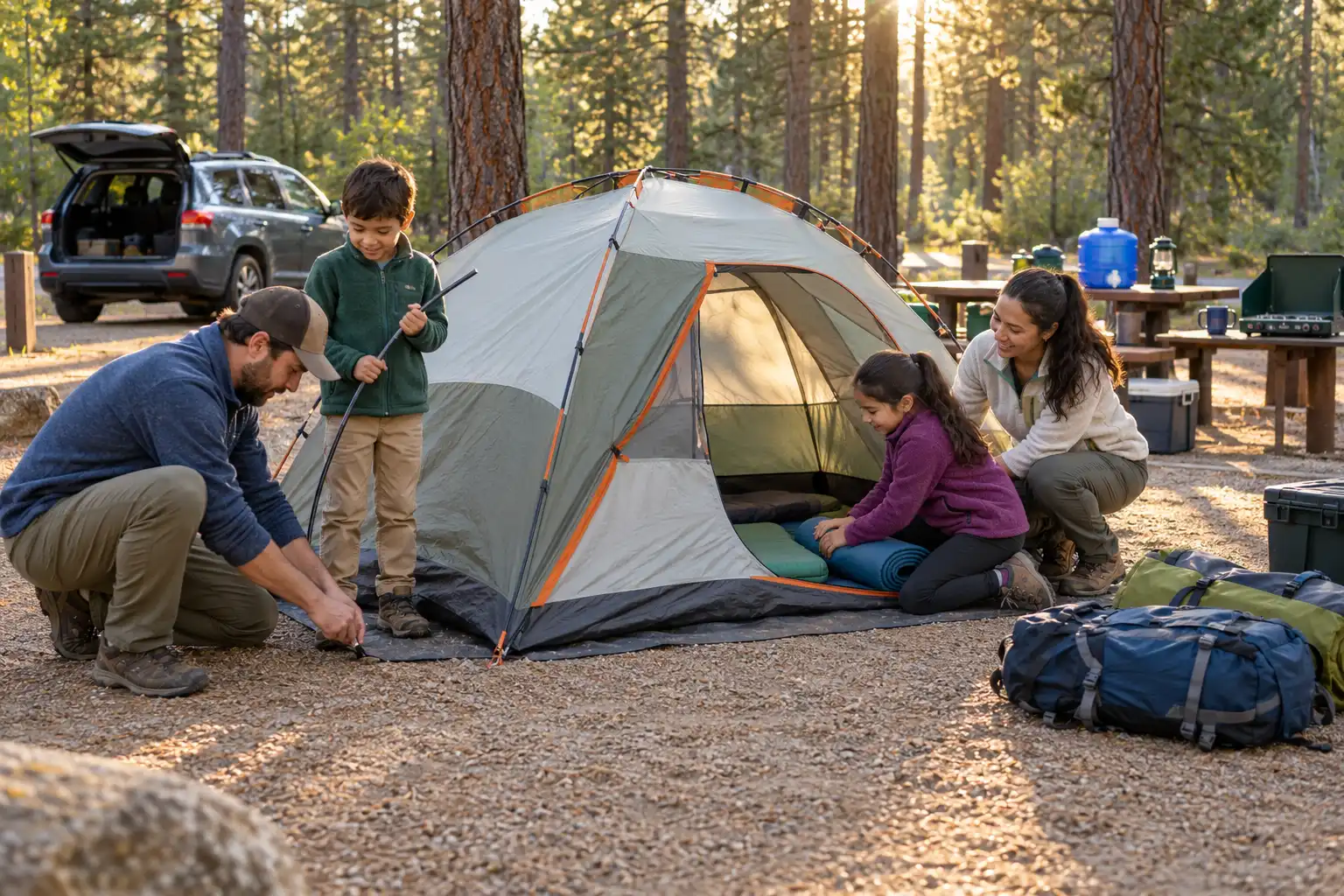
Camping with kids works best when the trip is simple, comfortable, and flexible. I recommend starting with a nearby campground rather than a remote site. That leaves more time for family fun and less time handling surprises. Here’s how I would plan the first night, from packing to bedtime.
Start with one night at a developed campground with restrooms and drinking water. Practice setting up the tent at home, check the overnight forecast, and pack extra dry clothes, warm sleeping gear, familiar food, and a first-aid kit. Keep children within sight, set firm rules around fire and water, and leave room for breaks.
Start With a Short, Easy Family Camping Trip
I would plan the first family outing in five steps:
- Choose one night near home. For example, a short drive makes forgotten items and an early return easier to manage. Before departing, share the campsite and your expected return time with a trusted person.
- Book a developed campground. Look for clean toilets, potable water, a level tent pad, and a site away from traffic, steep drops, and open water. Also, check fire rules and food-storage requirements before booking.
- Check the forecast, including nighttime lows. Postpone the trip if storms, extreme temperatures, wildfire smoke, or other warnings make conditions unsuitable for your children or gear.
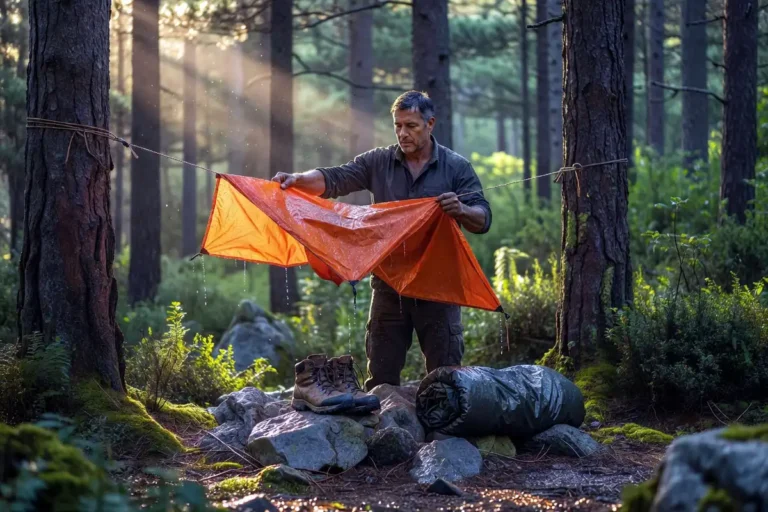
- Practice in the backyard. Pitch the tent, test the sleeping pads, and let children try their headlamps. That way, adults can catch missing parts before leaving home.
- Arrive well before sunset. Set up the shelter, locate the bathrooms, and eat before everyone gets tired.
If you’re new to camping too, learn the basic steps for getting started before bringing the whole family. Long hikes and more remote camping can wait for a later trip.
Camping With Kids Checklist: What to Pack
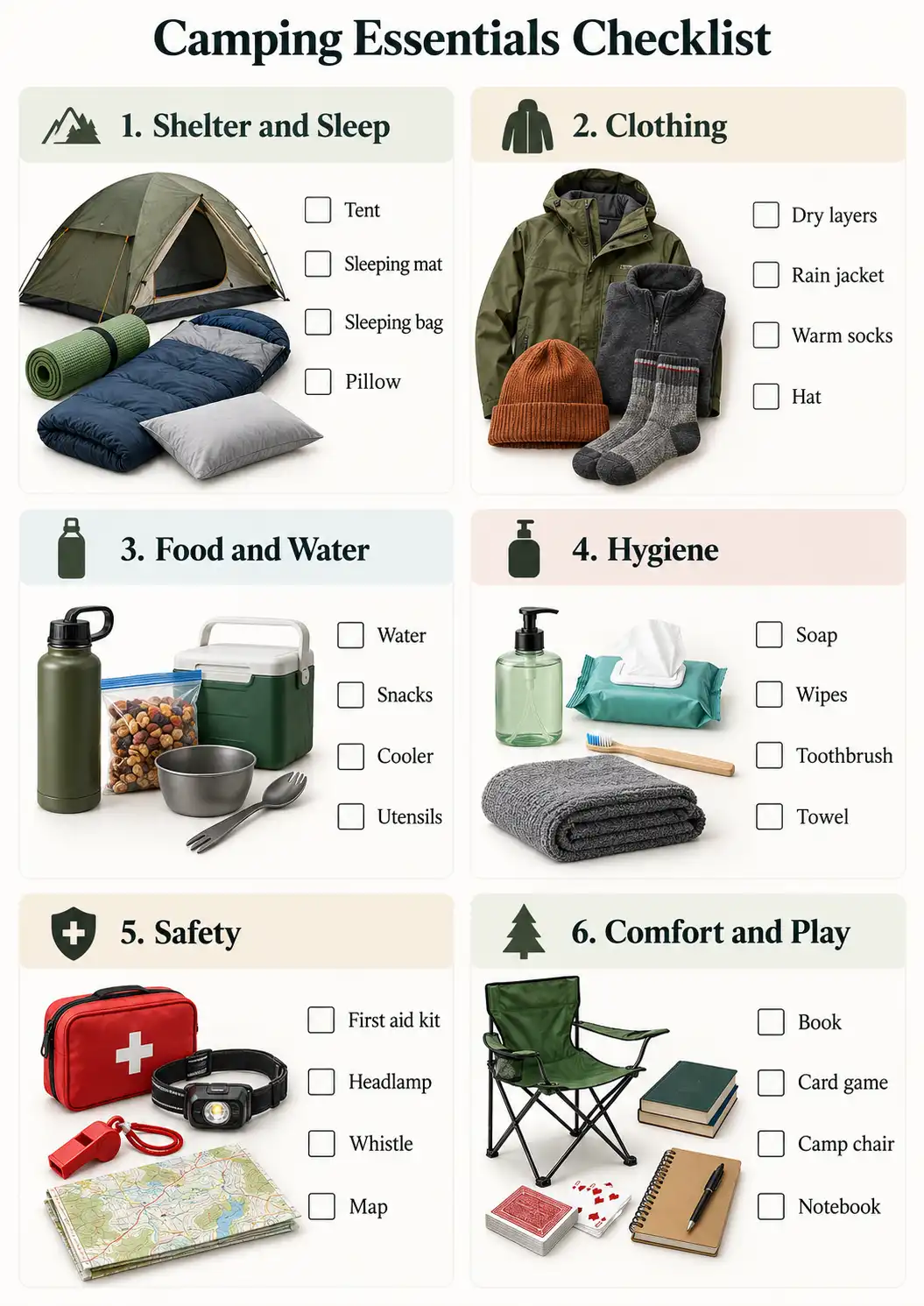
I use separate packing groups so the most important items don’t get buried under toys. This family camping checklist covers a typical one-night car-camping trip; adjust quantities for your children’s ages, weather, and campground facilities.
- Shelter and sleep: Tent with room for people and gear, poles and stakes, groundsheet if needed, sleeping pads, weather-appropriate sleeping bags, and pillows for older children and adults.
- Clothing: Extra socks and underwear, dry sleepwear, warm layers, rain jackets, sun hats, sturdy shoes, and a full spare outfit for each child.
- Food and water: Drinking water, refillable bottles, familiar meals, easy snacks, cooler with ice or cold packs if carrying perishables, camp stove and fuel, cookware, cups, and utensils.
- Hygiene: Soap, handwashing water, toilet paper, toothbrushes, wipes, trash bags, and diapers or a portable potty when needed.
- Safety: First-aid kit, required medications, sunscreen, age-appropriate insect repellent, headlamps with spare batteries, whistle, charged phone, and offline map or campground directions.
- Comfort and play: Small towel, sit mat or camp chairs, a favorite bedtime book, and two or three lightweight games.
Keep fuel, medicines, sharp tools, matches, and repellents under adult control. Then, let children check off their own clothes and comfort items while an adult verifies every bag.
Set Up a Campsite You Can Supervise
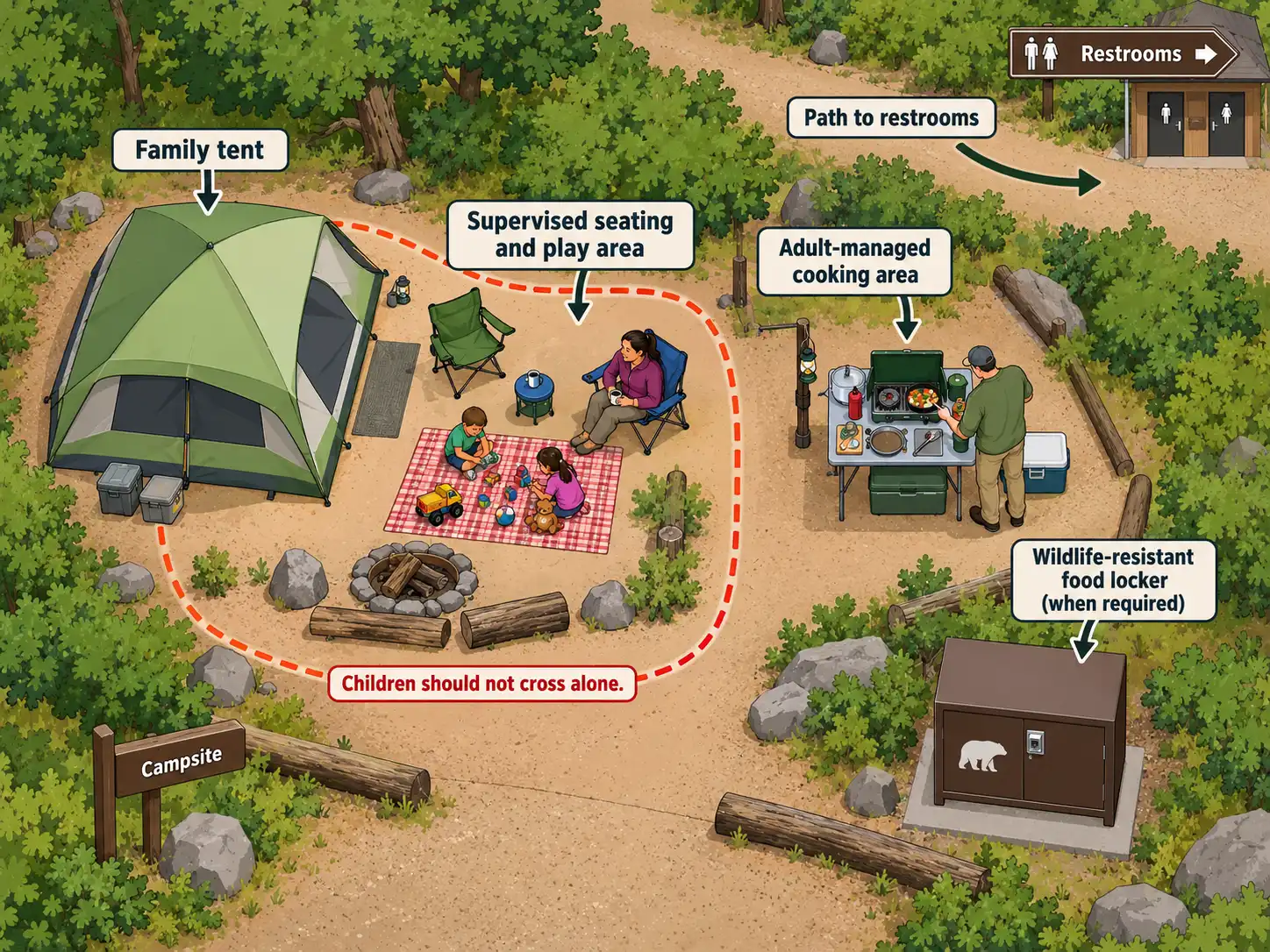
Before unpacking, I would walk the site and look for dead branches overhead, uneven ground, sharp objects, and nearby roads or water. Choose a safe tent position, then show the children the boundaries they may not cross without an adult.
Put the tent and family sitting area together. Meanwhile, keep the stove and any permitted campfire in a separate adult-controlled area. Never let children play where someone is cooking, and never leave a lit fire unattended.
I also keep food and trash secured according to campground rules. In wildlife areas, use required food lockers or other approved storage rather than taking snacks into the tent. Finally, identify the nearest restroom and agree on who supervises each child during busy moments like cooking or packing.
Keep Children Warm and Comfortable Overnight
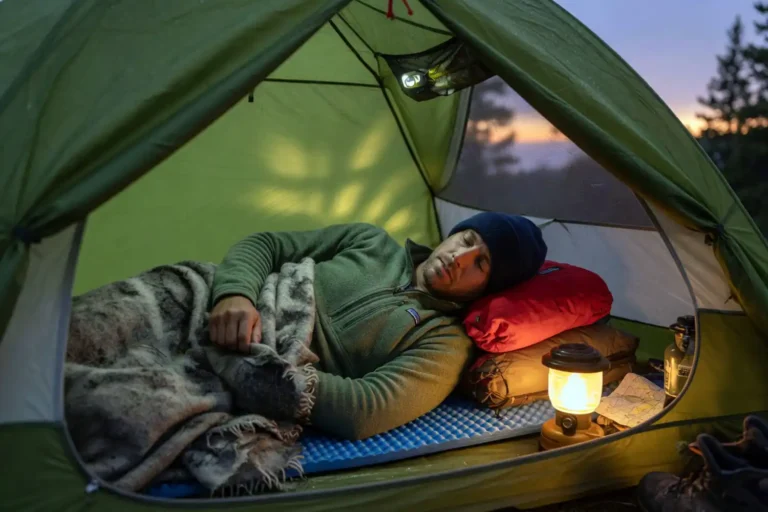
The cold ground can make an otherwise mild night uncomfortable. So I focus on staying warm inside the tent: each older child needs an insulating sleeping pad and a bag suited to the expected low. Then, I would change them into clean, dry layers before bed, even if their daytime clothes feel only slightly damp.
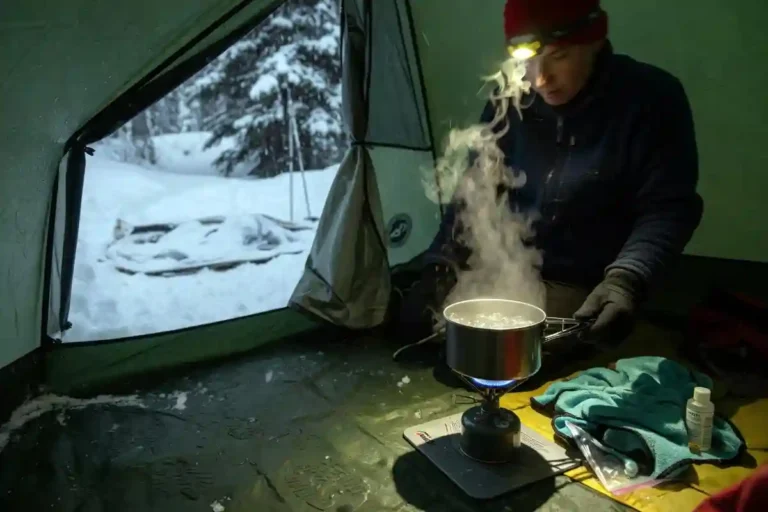
For easier nights, use the bathroom before bedtime, place a headlamp where an adult can find it, and keep a water bottle nearby. However, never use a fuel-burning stove, heater, or charcoal grill inside a tent, even with the door open, because of carbon monoxide and fire risks.
Camping with a baby needs a different sleep setup. Following the American Academy of Pediatrics’ safe-sleep advice, place an infant on their back in their own firm, flat, safety-compliant portable crib or bassinet, without pillows, loose blankets, or toys. Share the tent, not the sleep surface, and avoid camping in temperatures you cannot manage safely.
Plan Simple Meals, Snacks, and Safe Drinking Water
Hungry children rarely enjoy a delayed camp dinner. That’s why I would choose familiar meals that need little preparation: sandwiches for arrival, a simple one-pot dinner, oatmeal for breakfast, and fruit or shelf-stable snacks between activities. For more choices, I would pick from these easy meals children can enjoy at camp.
Prepare and portion food at home when possible. Also, plan how much water your family needs at camp before leaving, and bring safe drinking water or confirm that the campground’s supply is potable. Never assume a stream is safe to drink.
If you carry milk, meat, or other perishables, use a cooler and thermometer to keep them at 40°F (4°C) or below. The USDA’s outdoor food-safety guidance says to discard perishables left above that temperature for more than two hours, or one hour when the air is above 90°F (32°C). Wash hands before eating, keep raw foods separate, and supervise all stove use. Adjust food texture and size to prevent choking in younger children.
Teach Safety Rules Before Play Begins
I would explain these rules at home, repeat them when we arrive, and use simple words that suit each child’s age:
- Stay where an adult can see you. Toddlers need close, continuous supervision; older children need clear boundaries and a buddy rule.
- Stop at water. Near lakes, rivers, and pools, follow the CDC’s guidance on constant, distraction-free supervision by assigning an adult to watch children. Stay within arm’s reach of young or inexperienced swimmers, and use properly fitted life jackets for boating or other activities that require them.
- Keep away from fire and the cooking area. Only adults handle stoves, hot pans, fuel, and firewood near flames. Extinguish permitted campfires fully with water and stir until cold before leaving.
- Leave animals alone. Never feed, follow, or touch wildlife, even when it looks calm.
- Know what to do if separated. Teach children to stop in a safe place, call for help, and blow a whistle. Adults should contact campground staff or emergency services promptly if a child is missing.
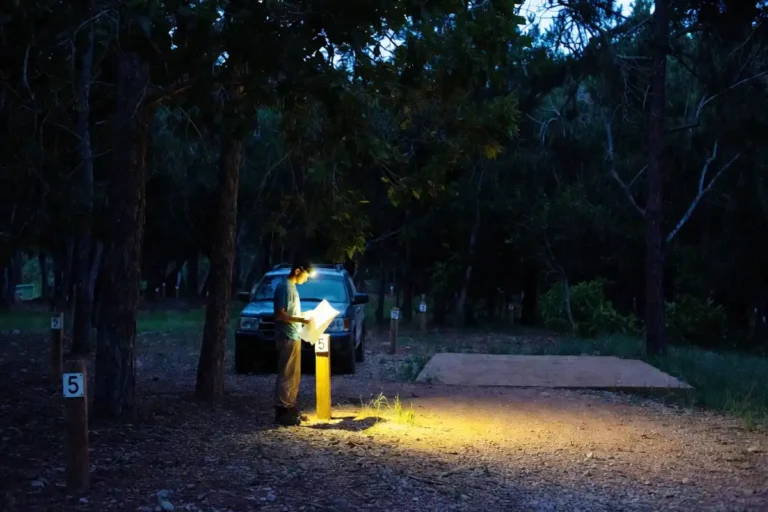
Because campsite hazards vary, ask the campground host about wildlife, weather alerts, and emergency contacts. Also, I would point out a recognizable meeting spot and teach children the campsite number.
Handle Sun, Bugs, Rain, and Small Injuries
Shade and frequent drink breaks matter, especially during warm afternoons. So I pack hats, sunscreen, dry clothes, and weatherproof layers instead of relying on a single outfit.
For insects, use an EPA-registered repellent according to the label and check children for ticks after time in brush or tall grass. The CDC advises against oil of lemon eucalyptus or PMD repellents for children under three. For babies, use protective clothing and mosquito netting over a stroller or carrier. Apply repellent for young children rather than letting them handle it themselves. Meanwhile, keeping the tent zipped between entrances helps keep insects outside at night.
Clean minor scrapes promptly and keep the first-aid kit easy to reach. However, don’t try to push through serious illness, breathing problems, severe weather, or unsafe temperatures. Changing the plan is better than waiting for an emergency.
Camping Activities for Kids That Need Little Gear
I prefer activities that fit the child’s attention span instead of a packed schedule:
- Toddlers and preschoolers: Look for different leaf shapes, listen for bird calls, or match colors on a picture card, always alongside an adult.
- Elementary-age kids: Try nature bingo, a short marked-trail walk, cloud watching, or a scavenger hunt for things they can spot without collecting.
- Older kids and teens: Let them read a trail map, take nature photos, help prepare a no-heat snack, or identify stars on a clear night.
- Everyone: Share stories, draw the campsite, or play a small card game when it rains.
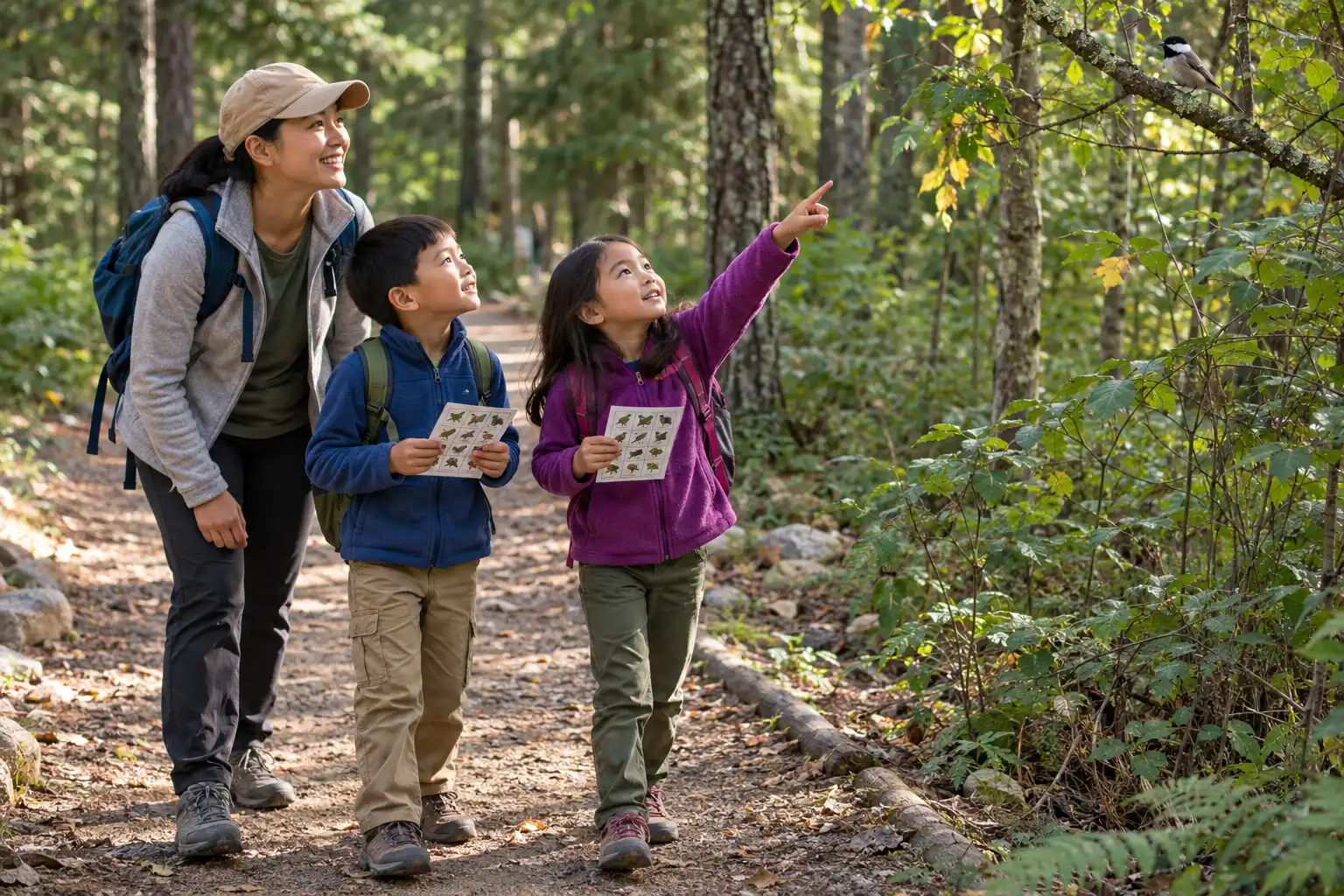
I would plan just one main activity for the afternoon and leave the rest flexible. Also, keep hikes short enough that tired legs, snacks, and unexpected bathroom breaks won’t turn the outing into a struggle.
Camping With Kids Hacks That Reduce Stress
A few small systems can save repeated trips between the tent and car:
- Pack one labeled clothing bag per child. Include a complete dry bedtime outfit in its own waterproof bag.
- Keep a nighttime kit beside the tent door. Put an adult’s flashlight, shoes, tissues, and toilet supplies together for quick bathroom trips.
- Use one easy-to-reach snack box. Then, refill it away from the tent and return leftover food to approved storage after eating.
- Give every item a home. For instance, separate bins for cooking, sleep gear, and hygiene make cleanup faster.
- Let kids help with safe jobs. Younger children can sort clean utensils or roll sleeping pads; older children can check the packing list.
I wouldn’t buy special gadgets until I knew what the family actually missed on the first trip. Instead, I’d borrow or rent bulky equipment where practical and spend on safe sleeping gear first.
A Simple One-Night Camping Schedule
A predictable plan helps, but I would leave enough space for slow moments:
| Time | Plan |
|---|---|
| Early afternoon | Arrive, inspect the site, set up the tent, and explain boundaries. |
| Late afternoon | Have a snack, take a short nature walk, then rest. |
| Early evening | Prepare a simple dinner, clean up, and secure food. |
| Before dark | Visit the bathroom, put on dry sleepwear, and get lights ready. |
| Bedtime | Read a familiar story and settle into the usual sleep routine. |
| Next morning | Eat breakfast, pack together, inspect the site for trash, and head home. |
If a child becomes overtired or the weather changes, skip the activity rather than the rest. Instead, the goal is a comfortable first experience, not completing every line of a schedule.
Make the First Trip Worth Repeating
For camping with kids, I would choose a safe, easy night over an ambitious itinerary every time. Start close to home, involve children in simple decisions, and pack for warmth, clean food, and changing weather. Above all, supervise water and fire closely and keep bedtime familiar. After the trip, ask what everyone enjoyed and what felt difficult. That feedback will make your next family campout easier to plan, without filling the car with things you never use.