How to Choose Sunglasses for Mountaineering: Lens, Fit, Safety

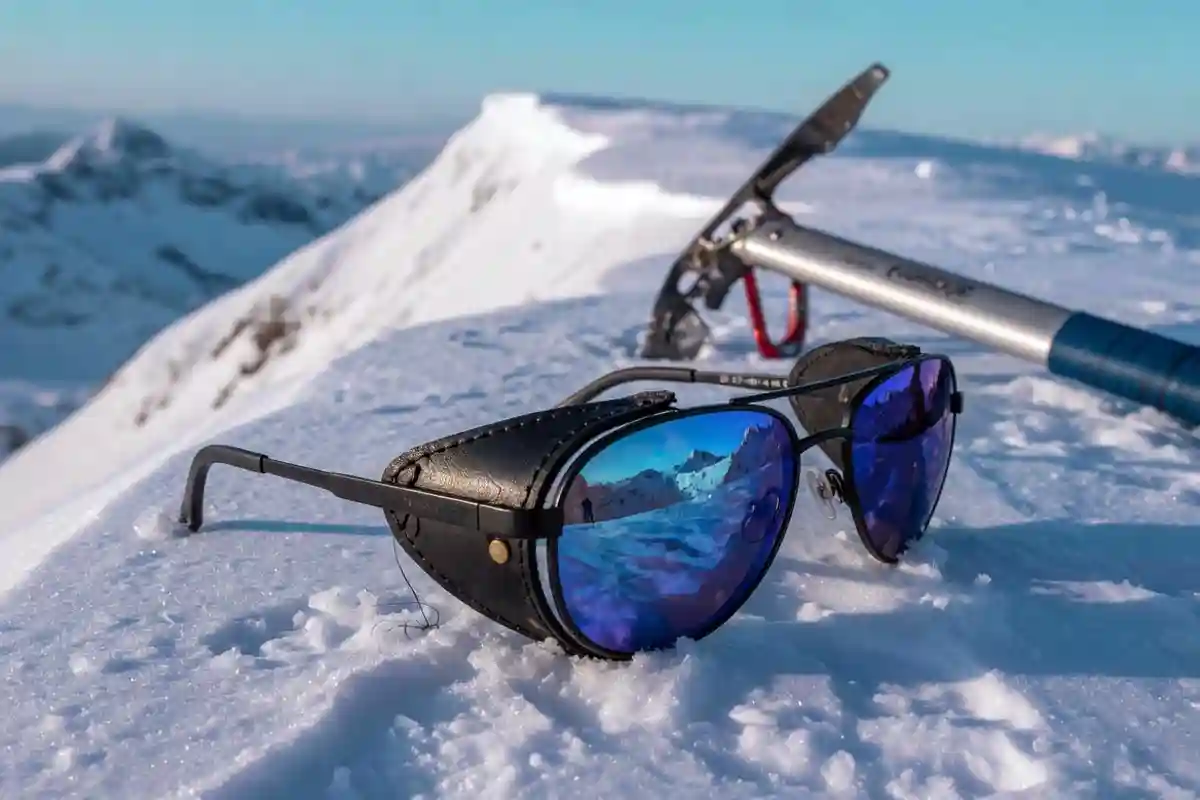
Mountaineering sunglasses need a Category 3 or 4 lens, UV400 protection, side coverage, and an impact-resistant frame that fits under a helmet. This guide covers lens categories, frame fit, materials, and the field checks I use before every climb so you can pick a pair that holds at altitude. Snow and thin air change everything once you climb past the tree line.
To choose sunglasses for mountaineering, pick Category 3 lenses for mixed terrain or Category 4 for glaciers and snowfields. Look for 100% UV400 protection, polycarbonate or Trivex lenses for impact safety, removable side shields, and a snug wraparound fit. The pair should sit flat under your helmet without pressure points.
Why Mountaineering Sunglasses Are Different
Alpine UV exposure rises about 10 to 12 percent for every 1,000 meters of elevation gain. Snow reflects up to 80 percent of that UV back into your eyes, and ice reflects nearly as much. The CDC reports that UV radiation at high altitude reaches the skin and eyes with greater intensity than at sea level.

Regular sunglasses are not built for this load. Mountaineering sunglasses use darker lenses, full UV blocking, side shields, and frames that stay put during scrambling, ridge walks, and exposed ice travel. The lenses also resist impact from rockfall, ski edges, and pole tips.
When You Need Mountaineering-Grade Sunglasses
You need climbing-rated sunglasses anytime you spend hours above the tree line, on snow, or on ice. Day hikes in dry forest do not require Category 4 lenses, but a glacier crossing absolutely does.

Use this rough guide:
- High-altitude trekking above 2,500 meters: Category 3
- Snowfields and ski touring: Category 3 or 4
- Glacier travel and snow blindness risk zones: Category 4 with side shields
- Mixed weather days with passing cloud: photochromic Category 2 to 4 lenses
For warm, lower-altitude routes, the same eye protection rules I covered in my piece on hiking safely in extreme heat still apply, only with lower lens darkness.
Lens Categories (0 to 4)
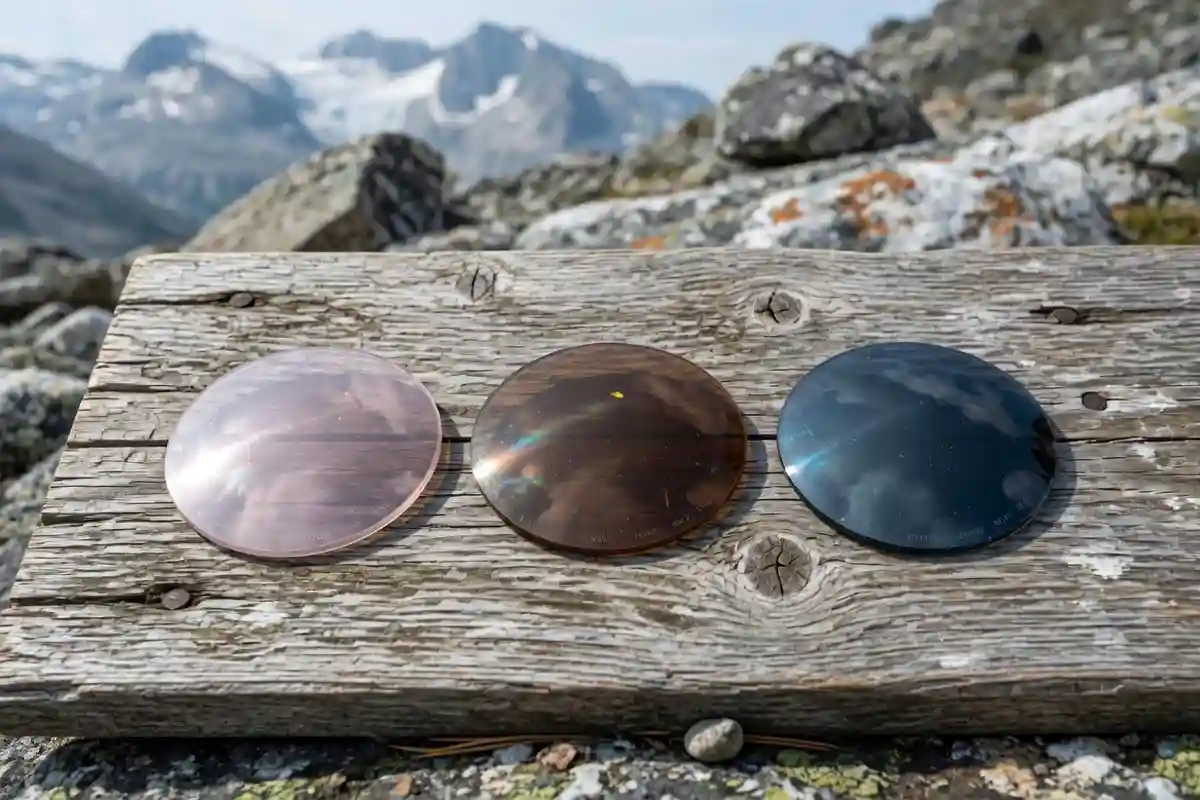
The European EN 1836 standard rates sunglass lenses by visible light transmission (VLT). A lower VLT number means a darker lens.
- Category 0: 80 to 100 percent VLT (clear, fashion only)
- Category 1: 43 to 80 percent VLT (light tint, overcast days)
- Category 2: 18 to 43 percent VLT (medium sun)
- Category 3: 8 to 18 percent VLT (strong alpine sun)
- Category 4: 3 to 8 percent VLT (glaciers, high snowfields)
Category 4 lenses are not legal for driving in many countries because they cut too much light. That same property is what saves your retinas above 4,000 meters.
How to Choose Sunglasses for Mountaineering: Step by Step
Here is the workflow I run through before buying or packing a pair.
Step 1: Match the Lens Category to the Terrain
Decide where you will use them most. Glacier and snow travel call for Category 4. Mixed alpine routes with rock and snow patches work well with Category 3. If you climb in shifting weather, photochromic lenses that shift between Category 2 and 4 give you one pair for many conditions.
Step 2: Confirm 100% UV400 Protection
UV400 means the lens blocks all light up to 400 nanometers, which covers UVA and UVB. The National Eye Institute notes that long-term UV exposure raises the risk of cataracts and macular damage. Lens darkness alone does not block UV. Always read the label or ask the retailer.

Step 3: Pick the Right Lens Material
Three lens materials matter on a climb:
- Polycarbonate: light, shatter-resistant, scratches more easily
- Trivex: similar impact safety with sharper optics, costs more
- Glass: clearest optics, heavier, can shatter on impact
For climbing, polycarbonate or Trivex is the safer pick. Glass belongs on casual mountain walks, not technical routes.
Step 4: Check Frame Fit and Helmet Compatibility
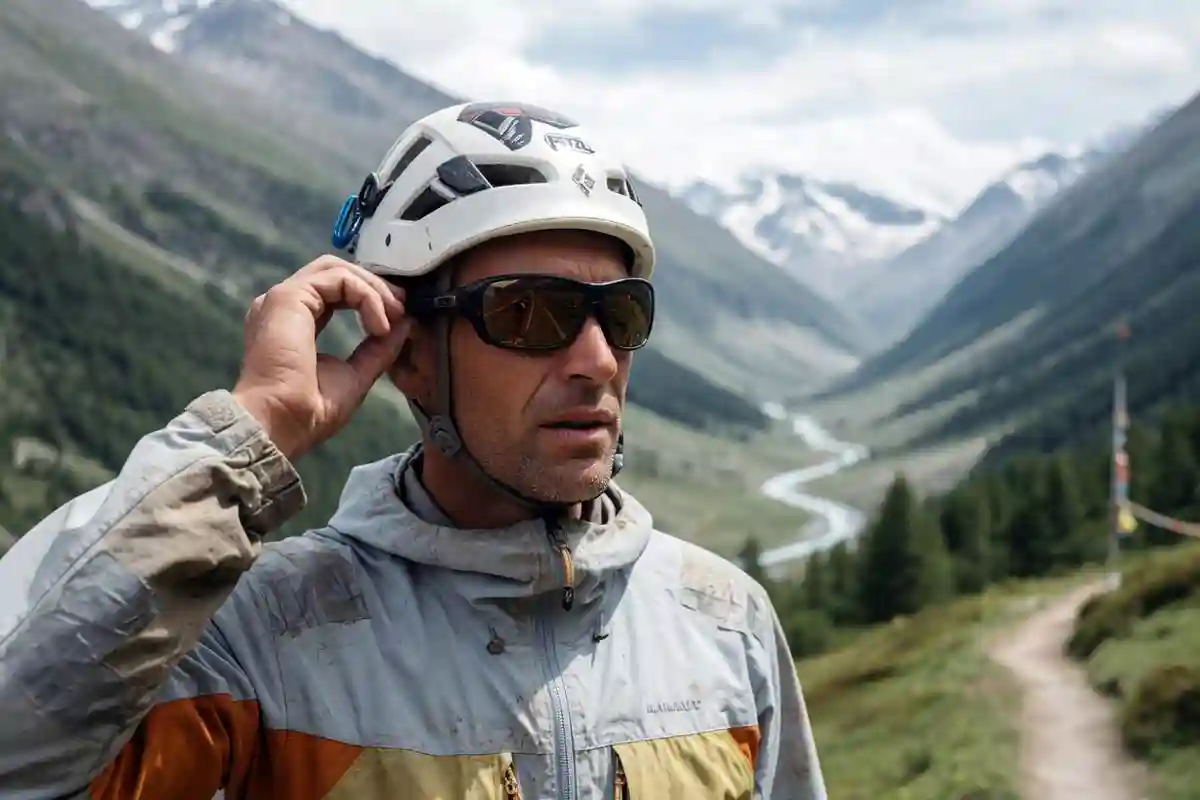
Put the sunglasses on with your climbing helmet. The temples should sit flat and not pinch. The arms should not push the helmet forward. A wraparound frame, rubber nose pads, and grippy temple tips reduce slip when you sweat.
I keep my sunglasses in an outer hip-belt pocket on hard climbs. If you are not sure how to organize gear like this, my guide on packing a hiking backpack the right way covers placement for fast-access items.
Step 5: Look for Side Coverage
Side shields, leather blinkers, or deep wraparound frames block light from the corners of your eye. On snow and ice, this is non-negotiable. Several brands sell removable side shields that clip onto the temples for glacier days and come off for normal use.
Step 6: Decide on Polarization
Polarized lenses cut horizontal glare from snow and water. Most climbers like them on glaciers and lakes. Some technical ice climbers prefer non-polarized lenses because polarization can flatten the look of ice texture and crevasses. If you mix terrain, pick one polarized pair and one neutral pair, or buy interchangeable lenses.
Step 7: Test Weight, Grip, and Strap Compatibility
Walk around the shop or your living room for ten minutes with the sunglasses on. Tilt your head, look up, look down. The sunglasses should not slide. Add a retainer strap for windy ridges and summit pushes.
Common Mistakes to Avoid
- Buying fashion sunglasses for alpine use because they look the part
- Skipping side shields on a glacier day to save weight
- Picking the darkest lens available for cloudy mountain weather
- Wearing scratched lenses that distort your view of crevasses
- Carrying only one pair, with no backup for breakage or loss
I always pack a second pair of cheap Category 3 sunglasses in a chest pocket. A lost or broken primary pair on day three of a route is not a problem you want to deal with.
Safety Notes for Eye Protection at Altitude
Snow blindness, also called photokeratitis, is a sunburn on the cornea. Symptoms include burning, watering, blurred vision, and light sensitivity, usually 6 to 12 hours after UV exposure. Recovery takes 24 to 72 hours.
To lower the risk:
- Wear Category 4 lenses with side shields on snow and ice
- Apply zinc-based sunscreen around the eye sockets
- Use a brimmed cap or visor under your helmet
- Pack a backup pair in a hard case
- Keep a clean lens cloth, since fogged or smudged lenses get pulled off and forgotten
If you climb in cold, windy ranges, I cover the rest of your kit in my post on layering clothing for cold wind on the trail, which works alongside your eye protection plan. For international expeditions, climbing-grade eyewear sits beside your visa and insurance documents in my guide on gear and documents for international hiking trips.
FAQs on Sunglasses for Mountaineering

Are ski goggles a substitute for mountaineering sunglasses?
Can I use polarized sunglasses on a glacier?
How dark should my mountaineering sunglasses be?
Do prescription sunglasses work for climbing?
How long do mountaineering sunglasses last?
Conclusion
Picking the right sunglasses for mountaineering comes down to four anchors: lens category, UV400 protection, impact-safe lens material, and a frame that fits under your helmet with full side coverage. Match the lens to the terrain, carry a backup pair, and keep them clean. Get those four right and your eyes stay protected from the trailhead to the summit.