How to Control Allergies While Camping Without Cutting Trips Short

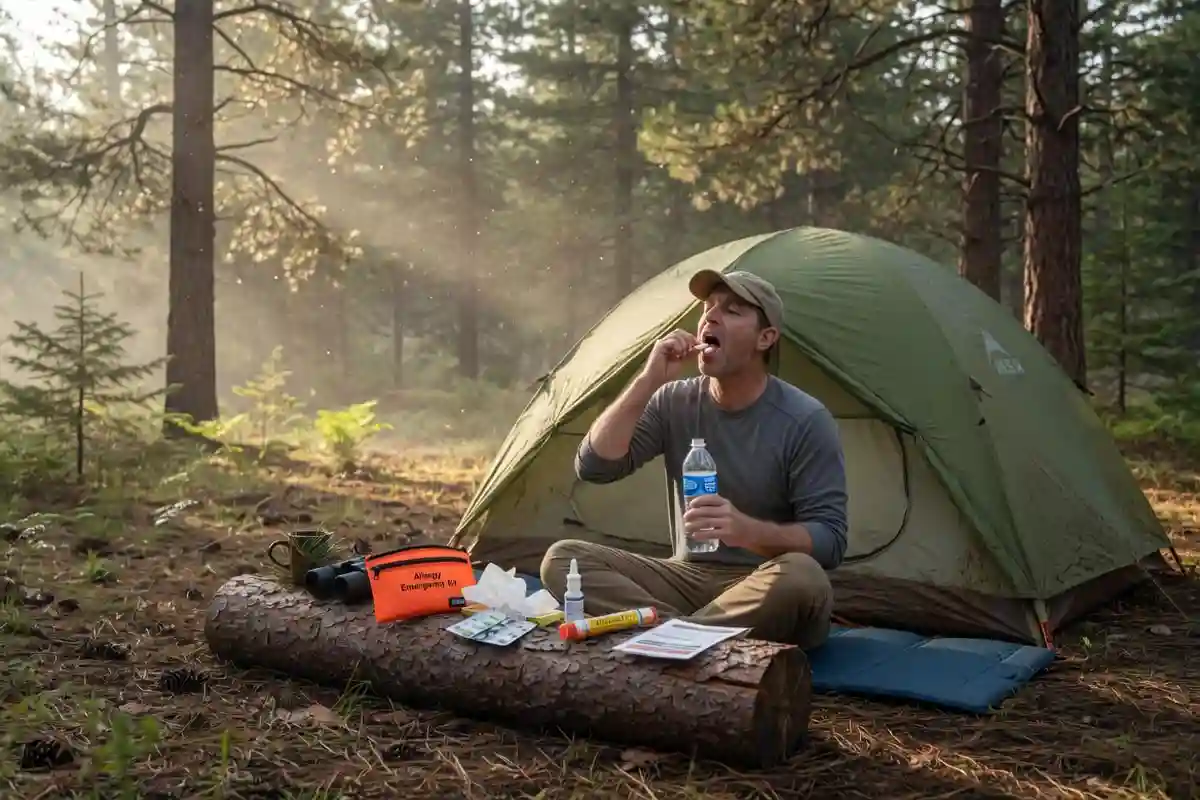
Learning to control allergies while camping starts with knowing your triggers, packing the right medication, and choosing a campsite that reduces exposure to pollen, mold, insect stings, and plant irritants. This guide covers what causes outdoor allergic reactions, when symptoms peak, where to camp safely, and how to treat flare-ups without cutting your trip short.
To control allergies while camping, take antihistamines before symptoms start, pitch your tent away from blooming grass and standing water, keep food sealed to avoid wasps, and carry an EpiPen if you have a history of anaphylaxis. Check the local pollen forecast before you leave and rinse off allergens each night.
What Causes Allergies While Camping
Outdoor allergies trigger from four main sources: pollen, mold spores, insect venom, and plant oils. Tree pollen, grass pollen, and ragweed circulate through open campgrounds. Mold grows on damp leaves, rotting logs, and wet tent fabric. Bees, wasps, and yellow jackets sting when threatened. Poison ivy, oak, and sumac release urushiol that causes contact dermatitis.
Dust mites also hide in old sleeping bags and stuff sacks that sit in storage all year. Animal dander from camp dogs and local wildlife adds another layer for sensitive campers.
When Outdoor Allergies Peak
Pollen counts peak between 5 a.m. and 10 a.m. on dry, windy days. Tree pollen dominates spring (March to May). Grass pollen runs strong from May through July. Ragweed takes over August through October. Mold spores rise after rain and during humid summer nights.
Stinging insects stay most active from late morning to early evening, especially in late summer when colonies get aggressive. If you are sensitive, plan hikes for early morning or after dusk.
Where to Set Up Camp to Reduce Exposure
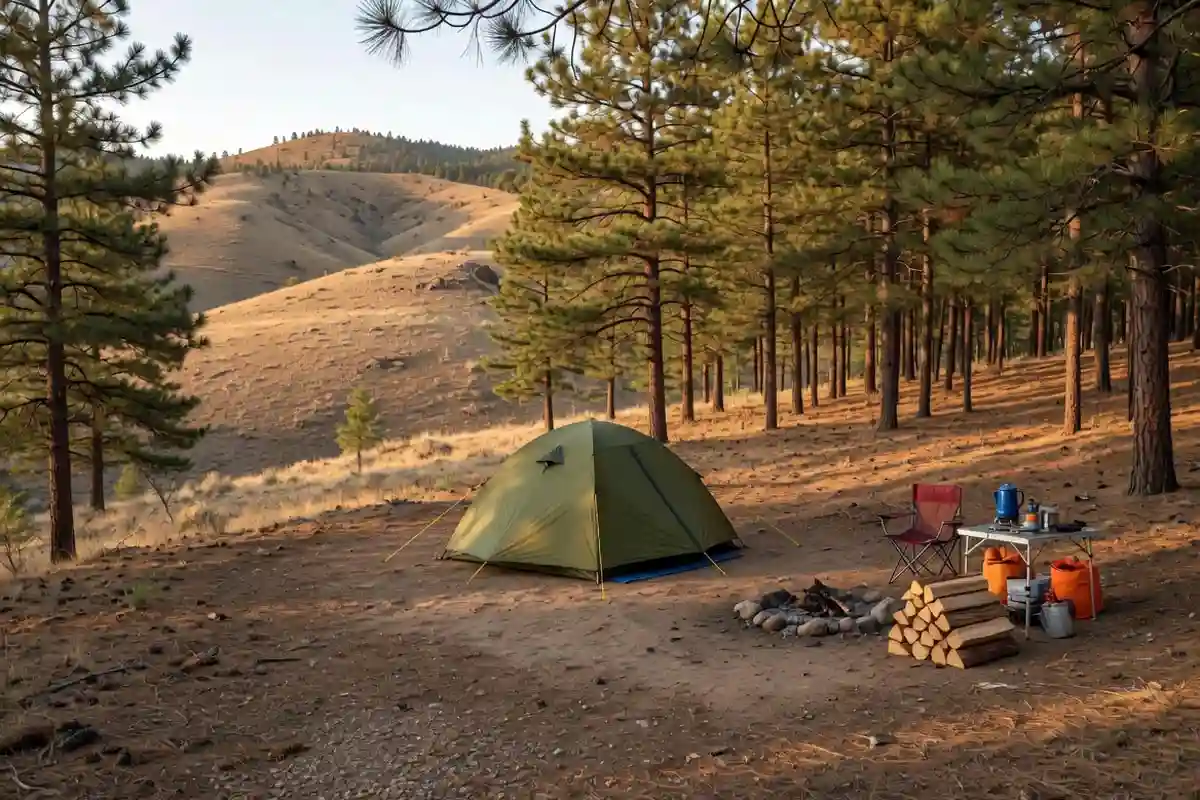
Pick a campsite on dry, well-drained ground. Avoid these spots:
- Tall grass meadows during bloom season
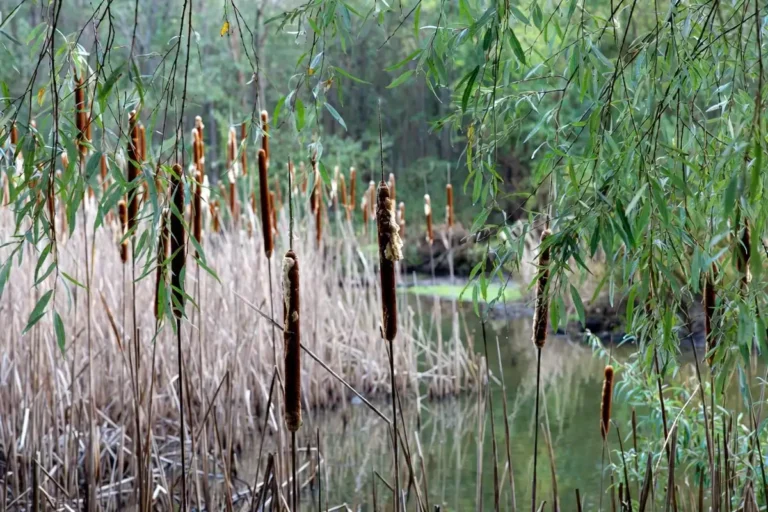
- Standing water and marshy edges where mold thrives
- Dead logs and rotting stumps that release spores
- Wildflower fields that attract bees and wasps
- Low valleys where pollen settles overnight
Open ridgelines and pine forests usually carry less pollen than mixed hardwoods. Check the area for poison ivy before pitching your tent. The leaves grow in clusters of three with pointed tips and a glossy surface.
How to Control Allergies While Camping: Step-by-Step
Here’s the workflow I follow on every trip after years of dealing with seasonal allergies in the Kaptai forests.
Step 1: Plan Before You Leave
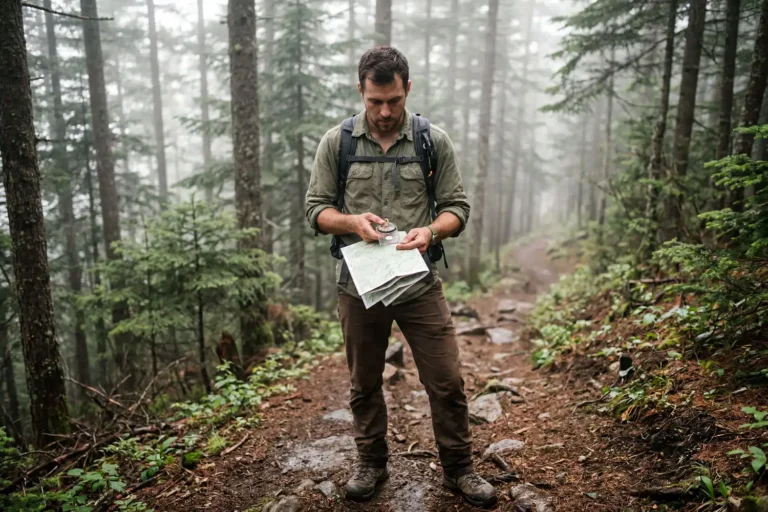
Check the pollen forecast for your destination 48 hours out. Refill your prescriptions. Start non-drowsy antihistamines (cetirizine or loratadine) 24 hours before arrival so the medication is already working when you reach camp.
If you carry an EpiPen, check the expiration date and pack two units. Heat and cold both degrade auto-injectors, so keep them in an insulated pouch.
Step 2: Pack the Right Allergy Kit
Your allergy kit should include:
- Non-drowsy oral antihistamines
- Saline nasal spray
- Lubricating eye drops
- Hydrocortisone cream 1%
- Calamine lotion for plant rashes
- EpiPen (if prescribed)
- Insect bite relief stick
- Wet wipes and a microfiber towel

I keep all of this in a dry bag inside my pack, separate from food and cooking gear.
Step 3: Pick a Smart Campsite
Pitch your tent uphill from water, away from blooming plants, and at least 30 feet from rotting logs. Face the door away from prevailing wind to keep pollen from drifting inside. I covered placement basics in my piece on sealing your tent against bugs, and the same principles cut down on pollen drift.
Step 4: Manage Exposure During the Day
Wear long sleeves, long pants, and a wide-brim hat on high-pollen days. Sunglasses block pollen from your eyes. Keep food sealed in airtight containers so wasps do not swarm your site, which is also part of safe food storage at camp.
If you are hiking through tall grass, tuck pants into socks. This blocks ticks and reduces contact with poison ivy.
Step 5: Decontaminate at Night
Pollen sticks to hair, skin, and clothing. Before getting into your sleeping bag:
- Wipe down arms, face, and neck with wet wipes.
- Change into clean sleep clothes.
- Store the day’s clothes in a sealed dry bag outside the tent.
- Rinse your nasal passages with saline spray.
This routine keeps your sleeping area free of allergens and helps you sleep through the night without congestion. Good tent airflow in cold weather also prevents condensation that feeds mold.
Solutions for Specific Allergic Reactions
Pollen and Hay Fever
Take an oral antihistamine in the morning. Use saline spray every few hours. Rinse your eyes with clean water if they itch. Stay inside the tent during peak pollen hours if symptoms get strong.
Insect Stings
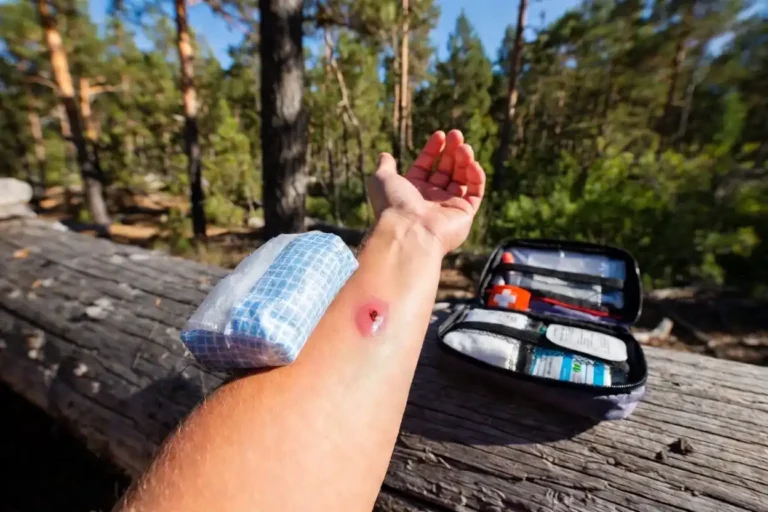
Remove the stinger by scraping with a card edge, not tweezers. Wash with soap and water. Apply a cold pack for 10 minutes. Take an antihistamine. If breathing changes or swelling spreads, use the EpiPen and call for help. I walked through full sting response in my guide on treating bee stings and allergic reactions outdoors.
According to the CDC’s outdoor worker guidance on bees and wasps, people with severe allergies should never camp alone in remote areas without two epinephrine auto-injectors.
Plant Rashes (Poison Ivy, Oak, Sumac)
Wash the area with cold water and soap within 15 minutes of contact. Hot water spreads urushiol. Apply calamine or hydrocortisone. Avoid scratching, which spreads the rash to new spots.
Mold Reactions
If your tent smells musty, your gear is the source. Air everything out and clean the fabric properly. I covered the full method in removing mold from tent fabric without ruining the waterproof coating. The EPA’s mold cleanup guide covers principles that apply to camping gear too.
Troubleshooting When Symptoms Get Worse
If your usual antihistamine is not working, check the pollen count for that day. Some species bloom in waves. Try a second-generation antihistamine if the first does not help after 90 minutes. Switch your tent location if symptoms started after pitching.
For persistent congestion, a saline rinse twice a day clears more pollen than oral medication alone. If wheezing starts and you have no inhaler, head to lower elevation and call for evacuation.
Mistakes That Make It Harder to Control Allergies While Camping
- Starting medication after symptoms begin instead of before
- Storing the EpiPen in a hot tent or freezing cold pack
- Pitching the tent next to wildflowers for the view
- Using the same clothes for hiking and sleeping
- Skipping the pollen forecast check
- Carrying expired auto-injectors
- Drying laundry on tree branches that hold pollen
Safety Notes and When to Seek Help
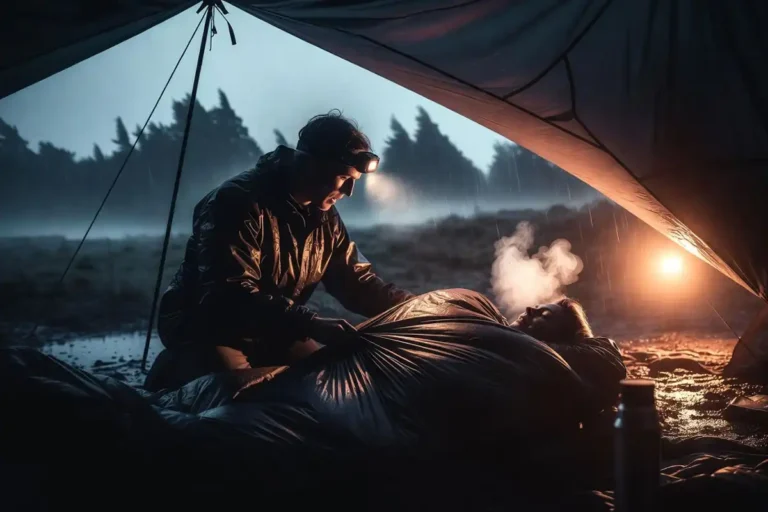
Anaphylaxis is a medical emergency. Signs include throat tightness, swelling of lips or tongue, rapid heartbeat, dizziness, or trouble breathing. Use the EpiPen immediately, lay the person flat, and call emergency services. A second dose is sometimes needed after 5 to 15 minutes.
Never wait to see if symptoms improve on their own. Severe reactions close the airway within minutes. If you are camping with someone who has a known allergy, learn how to use their auto-injector before you leave.
FAQs about Control Allergies While Camping

Can I take Benadryl while camping?
How do I keep pollen out of my tent?
Are tents safe for people with mold allergies?
Should I carry two EpiPens when camping?
What plants cause the worst camping allergies?
Last Notes
Controlling allergies while camping comes down to preparation, smart site selection, and a steady medication routine. Start your antihistamines early, pack a complete allergy kit, and pick campsites that keep you away from common triggers. With the right setup, you spend more time enjoying the trail and less time fighting symptoms in your tent.