How to Hike Safely in Extreme Heat: 9 Smart Rules for Summer

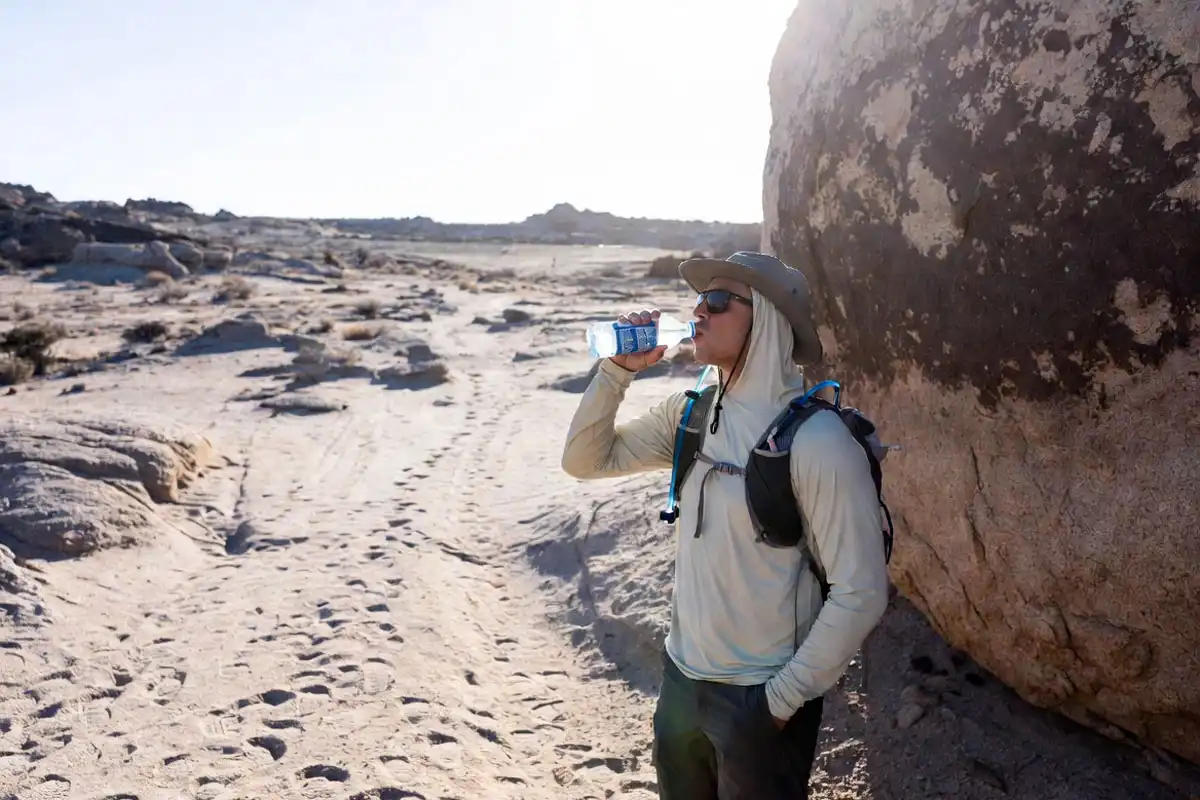
To hike safely in extreme heat, start early or late, pace yourself, drink small sips often with electrolytes, take shade breaks to cool your skin, and stop immediately if heat illness signs appear.
Hiking safely in extreme heat comes down to three actions: plan around the heat index, carry enough water plus electrolytes, and follow a strict pace-and-cooling routine on trail. This guide walks you through the full workflow from choosing the right time and route to spotting heat illness early and cooling fast. Use it for desert heat, humid heat, exposed ridgelines, and any hike where shade and water feel scarce.
Check the heat index, then hike at dawn or late afternoon, not mid-day. Carry water in an easy-to-sip system and add electrolytes for long, sweaty hikes. Wear light, loose sun clothing, take shade breaks, and cool skin with wet fabric. At the first signs of heat illness, stop, get to shade, cool fast, and seek medical help for confusion or collapse.
What counts as “extreme heat” for a hike?
Extreme heat on trail is not only air temperature. Humidity raises heat stress by slowing sweat evaporation, and the heat index reflects that “feels like” load.
The U.S. National Weather Service groups heat index risk like this:
- Caution (80–90°F / 27–32°C): fatigue risk with long exposure
- Extreme Caution (90–103°F / 32–39°C): heat cramps or heat exhaustion risk
- Danger (103–124°F / 39–51°C): heat cramps or heat exhaustion likely; heat stroke possible
- Extreme Danger (125°F+ / 52°C+): heat stroke risk rises sharply
One more detail matters: heat index values assume shade. Direct sun exposure raises the effective heat index by up to 15°F.
Decision rule: When forecasts land in Danger or Extreme Danger, shorten the plan, increase rest and cooling, or move the hike to a cooler day.
Learn more: How to Navigate Without GPS in Forest: 10 Practical Off-Trail Tips
Who faces higher risk in extreme heat?
Heat harms people unevenly. The National Park Service lists higher-risk factors that include age extremes, dehydration, sunburn, alcohol use, and several health conditions.
Higher-risk groups on trail include:
- Kids and older adults
- Hikers with heart disease, poor circulation, fever, or mental illness
- Anyone starting dehydrated or sunburned
- Anyone using alcohol or certain prescription drugs
If you fit a higher-risk group, cut distance and exposure time first. Keep the route close to shade, water, and exits.
When and where heat turns dangerous fast
Time of day controls heat load. The National Park Service recommends starting before 10am or after 4pm to avoid the hottest window.
Place matters as much as temperature. Heat stress climbs on:
- Exposed ridges and open sand
- Dark rock slabs that radiate heat upward
- Windless valleys and humid forests
- Trails with long climbs and no shade
Water access changes everything. If your route includes natural water, plan purification and safe handling before the hike.
Use these guides when your plan depends on refills: purify water in the wild and make camp water safer.
How to Hike Safely in Extreme Heat
1) Check heat stress, not only temperature
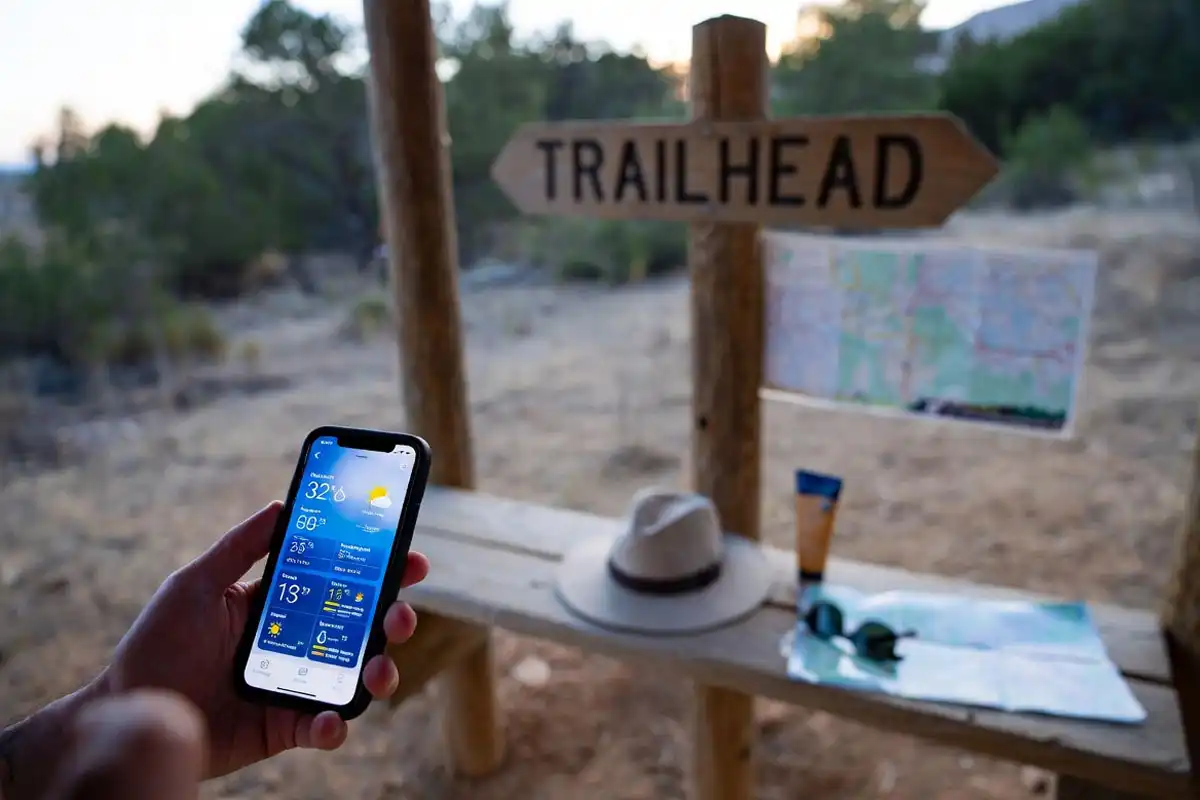
Look at temperature, humidity, and heat index categories. Use alerts and park updates when available.
Add HeatRisk when you have it. CDC describes HeatRisk as a 5-level scale (green to magenta) that tracks rising health impact potential.
2) Pick a route with exits, shade, and a hard turn time
Write a turnaround time based on exposure, not distance. Choose routes with:
- Shade bands (trees, canyon walls, boulders)
- Shorter “escape” options back to trailhead
- Water access you already confirmed
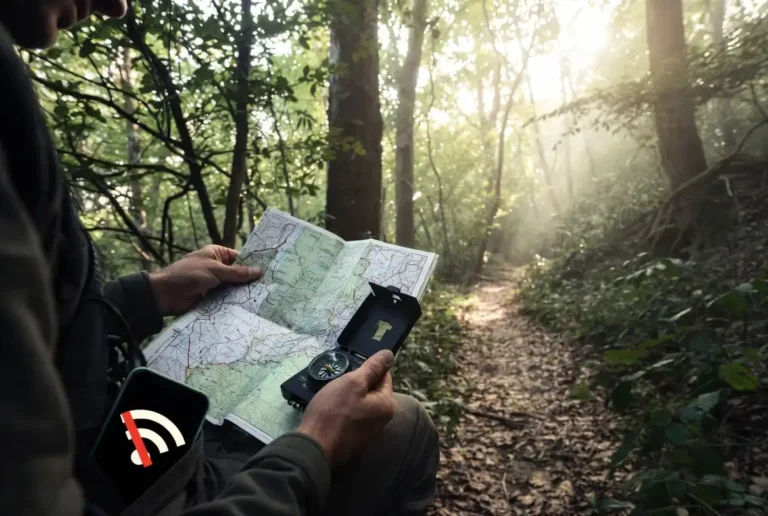
If the route includes confusing junctions, carry a map and share your plan. If you need a back-up plan for disorientation, keep this saved: Know what to do when you get lost on a hike.
3) Build a hydration plan that matches sweat loss
A simple, evidence-based baseline from CDC/NIOSH for moderate heat activity under 2 hours is 1 cup (8 oz) every 15–20 minutes.
CDC/NIOSH also sets a ceiling: fluid intake generally stays under 6 cups per hour.
For sweating that lasts hours, add balanced electrolytes. For a practical way to estimate carry needs, use your own site’s water planning guide: Understanding how much water to bring per person.
4) Pack sun protection and heat-friendly clothing
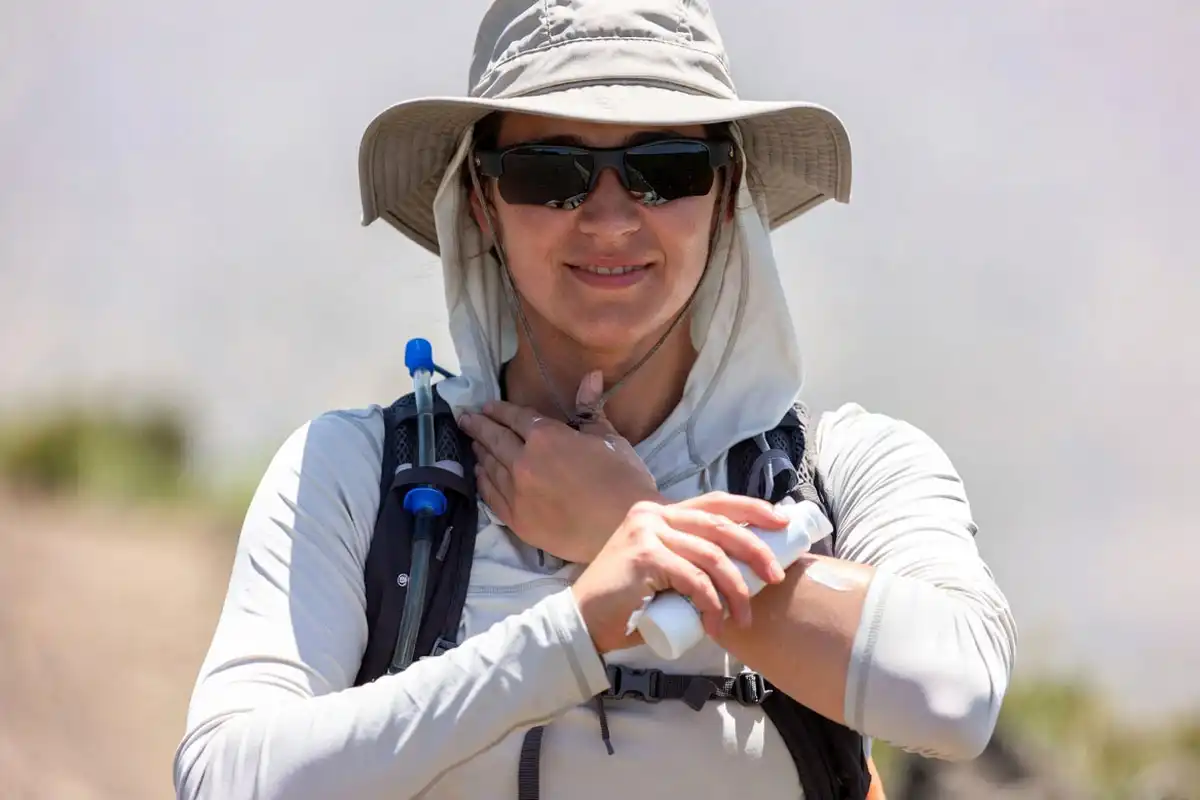
The National Park Service recommends:
- Sunscreen, hat, and sunglasses
- Lightweight, light-colored, loose-fitting clothes (dark colors absorb heat)
5) Build heat tolerance across 7–14 days
Heat acclimatization reduces risk by gradually increasing exposure. CDC/NIOSH describes a 7–14 day ramp for hot conditions.
For your first hot hikes of the season, reduce time and intensity, then increase in small steps across a week.
6) Set your emergency communication plan
Extreme heat punishes delays. Carry a way to call or signal, and keep a clear “help” protocol. This guide supports that step: Understanding how to signal for help in the backcountry.
How to Prepare for a Hot-Weather Hike
Hydration Strategy: Before, During, and After
Hydration in extreme heat is not something you improvise on the trail. It requires a deliberate strategy that starts the night before.
Pre-hydration: Drink at least 16 to 20 ounces of water in the two hours before your hike begins. Do not start the hike already thirsty.
On-trail hydration: Drink a minimum of 16 to 24 ounces (half a liter) of water per hour of hiking. In very high heat or with significant elevation gain, increase this to 1 liter per hour.
Do not rely on thirst: By the time you feel thirsty, you are already mildly dehydrated. Set a timer on your watch or phone to drink every 15 to 20 minutes.
Post-hike rehydration: Continue drinking water after you finish. Your body continues to need extra fluid for hours after intense heat exposure.
Electrolytes: The Overlooked Piece
Drinking water alone is not enough during prolonged heat exposure. When you sweat heavily, you lose sodium, potassium, magnesium, and other electrolytes that your nervous system and muscles depend on.
Drinking too much plain water without replacing electrolytes can actually cause hyponatremia, a dangerous condition where sodium levels drop too low. This is surprisingly common among well-intentioned hikers who drink constantly but ignore electrolytes.
Carry electrolyte tablets, powder packets, or sports drinks. Use them every one to two hours during strenuous hot-weather hikes.
What to Eat on a Hot Hike
Heat reduces appetite, but you still need fuel. Focus on easy-to-digest, salty snacks that help you retain water.
Good options include trail mix with salted nuts, pretzels, crackers, jerky, and electrolyte chews. Avoid heavy, greasy foods that tax your digestive system and redirect blood flow to your gut when it is needed elsewhere.
Eat small amounts frequently rather than large meals that slow you down.
Clothing for Extreme Heat
Your clothing choices directly affect how your body manages heat. This is not about style.
Color: Light colors (white, tan, light grey) reflect solar radiation. Dark colors absorb it.
Fabric: Moisture-wicking synthetic fabrics or merino wool move sweat away from your skin and allow evaporative cooling. Avoid cotton. When cotton gets wet with sweat, it stays wet, adds weight, and chafes.
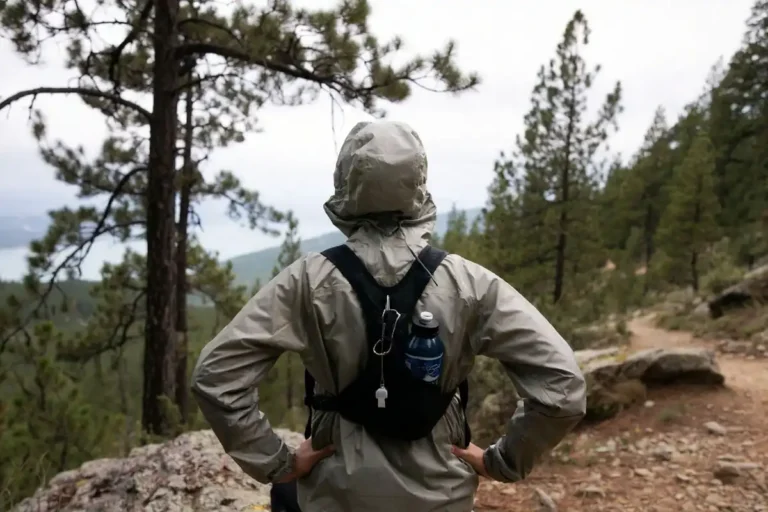
Coverage: Counterintuitively, covering more skin can protect you in extreme sun. Lightweight, breathable long sleeves and pants protect against UV radiation and help regulate evaporative cooling more efficiently than bare skin in direct sunlight.
Sun protection: A wide-brimmed hat that shades your face, ears, and the back of your neck is non-negotiable. A neck gaiter or sun hoody adds additional protection.
Sunscreen Application
Apply a broad-spectrum sunscreen of SPF 30 or higher to all exposed skin at least 15 minutes before sun exposure. Reapply every two hours and immediately after heavy sweating.
Do not neglect the backs of your hands, the back of your neck, your ears, and the top of your feet if wearing sandals. Sunburn impairs your skin’s ability to regulate temperature and increases dehydration risk.
Essential Gear for Hot-Weather Hiking
| Item | Purpose |
|---|---|
| Hydration reservoir (2-3L minimum) | Constant access to water without stopping |
| Electrolyte tablets or powder | Sodium and mineral replacement |
| Wide-brim hat | UV protection for face and neck |
| Lightweight, light-colored long sleeves | UV and heat protection |
| High-SPF sunscreen | Prevent sunburn and skin damage |
| Cooling towel | Rapid evaporative cooling at rest stops |
| Personal locator beacon (PLB) or satellite communicator | Emergency rescue signal in remote areas |
| Headlamp with fresh batteries | Safety if descent takes longer than expected |
| First aid kit including blister care | Wound care in sweaty conditions |
| Phone with downloaded offline maps | Navigation without cell service |
How to Pace Yourself in the Heat
Slow Down Significantly
Hiking in extreme heat requires you to reduce your typical pace by 30 to 50 percent. Your cardiovascular system is already working hard just to cool your body. Every extra effort you add on top of that increases your core temperature faster.
This is not weakness. This is physiology. Accept a slower pace as part of the safety strategy.
The Rest and Shade Rule
Plan scheduled rest stops of 10 to 15 minutes for every hour of hiking. During each stop, find the deepest shade available, drink water, consume a small salty snack, and assess how your body feels.
These stops are not optional luxuries. They allow your core temperature to drop slightly and your cardiovascular system to recover before the next stretch.
Elevation Gain and Heat
Steep climbs in heat are particularly dangerous because they dramatically increase internal heat production. Ascending 1,000 feet in heat can spike your core temperature in a way that flatland hiking does not.
Limit elevation gain on extreme heat days. If your usual route climbs 3,000 feet, choose a variation with half that gain or less.
Buddy System and Check-Ins
Never hike alone in extreme heat. A partner can recognize early signs of heat illness that you may not notice in yourself, and can summon help if you become incapacitated.
If you must hike alone, tell a specific person your exact route, your expected return time, and at what time they should call for help if they do not hear from you. This is not paranoia. It is standard backcountry practice.
Pack list for hiking in extreme heat
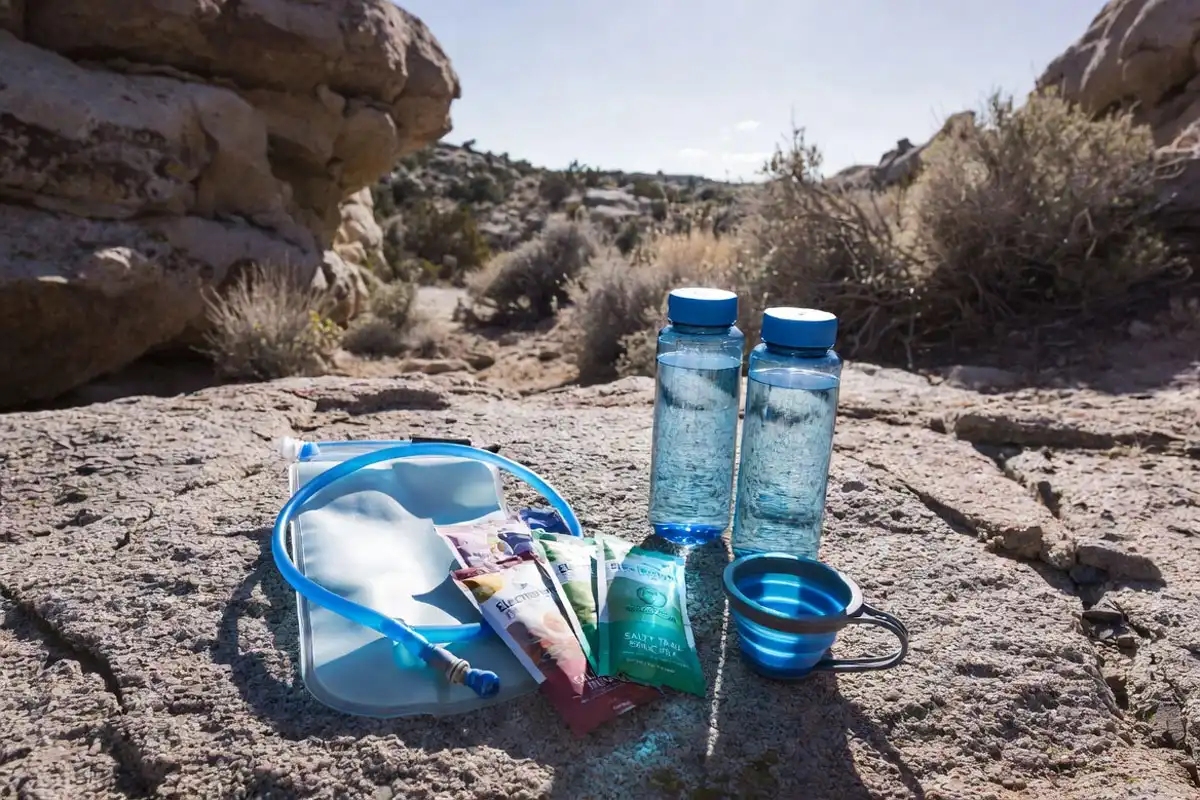
Pack to manage heat, not only distance.
Hydration and salts
- Water in bottles or a hydration bladder for frequent sips
- Electrolyte source for long, sweaty hikes (drink mix or salty snacks)
Sun and skin
- Wide-brim hat, sunglasses, sunscreen
- Light, loose, breathable long sleeves for sun protection
Cooling kit
- Small cloth or bandana for wet cooling
- Extra water reserved for cooling skin in an emergency
Navigation and safety
- Offline map or paper map
- Basic first aid kit
What to do on trail: a simple heat routine that works
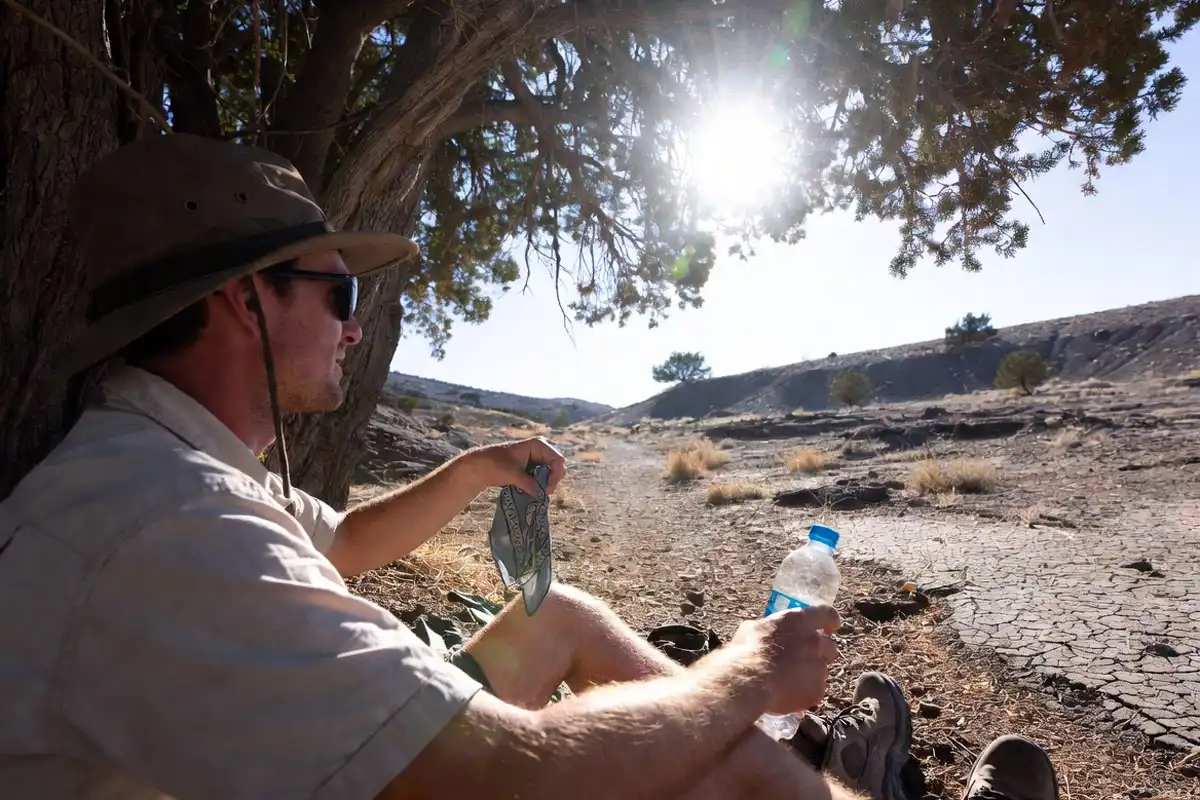
Start early and protect your pace
Keep intensity steady. Heat illness rises when effort spikes on climbs and exposed sections.
Use a repeatable break pattern
Take short breaks in shade whenever you find it. The National Park Service highlights shade rests as a direct cooling tool.
Cool skin fast with water and airflow
Wet fabric on skin drops heat load quickly. The National Park Service recommends soaking a towel or shirt, and even soaking yourself when water is available.
Hydrate in small, regular sips
Use the CDC/NIOSH baseline: 8 oz every 15–20 minutes for moderate activity in heat, and keep total intake below 6 cups per hour.
Balance water with electrolytes on long, sweaty hikes
Sweat removes water and salt. The National Park Service recommends salty snacks to replace electrolytes lost through sweat.
Important caution: Overdrinking plain water also creates risk. Exercise-associated hyponatremia is defined as blood sodium below 135 mmol/L during or up to 24 hours after prolonged activity.
That is one reason the CDC/NIOSH hourly ceiling matters.
How to recognize heat illness early
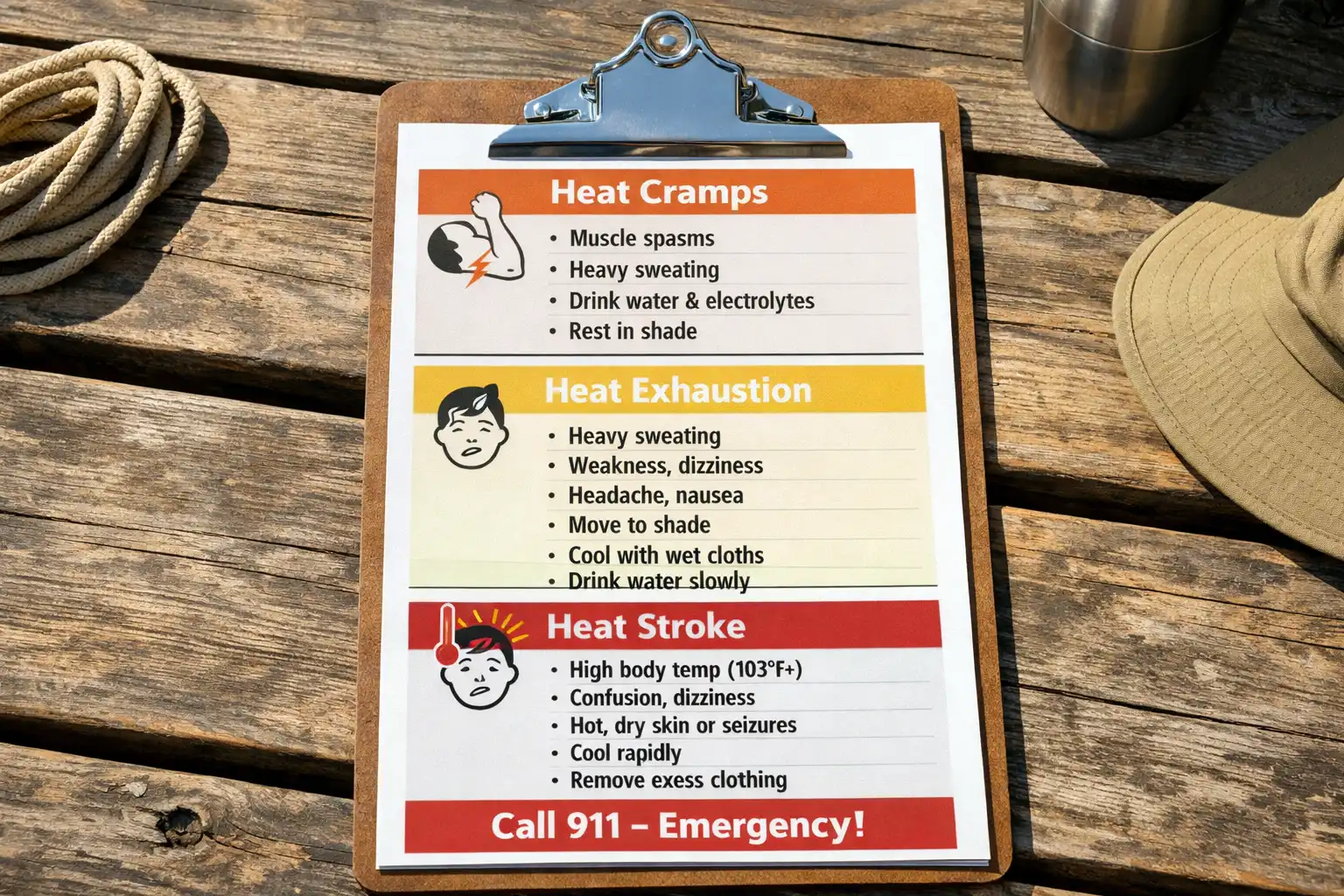
What does heat exhaustion feel like?
Heat exhaustion often shows headache, nausea, dizziness, weakness, thirst, heavy sweating, and reduced urine output.
Action: stop, get out of the sun, cool skin with cold compresses or water, and sip cool fluids. Seek medical evaluation if symptoms persist or worsen.
What does heat stroke look like?
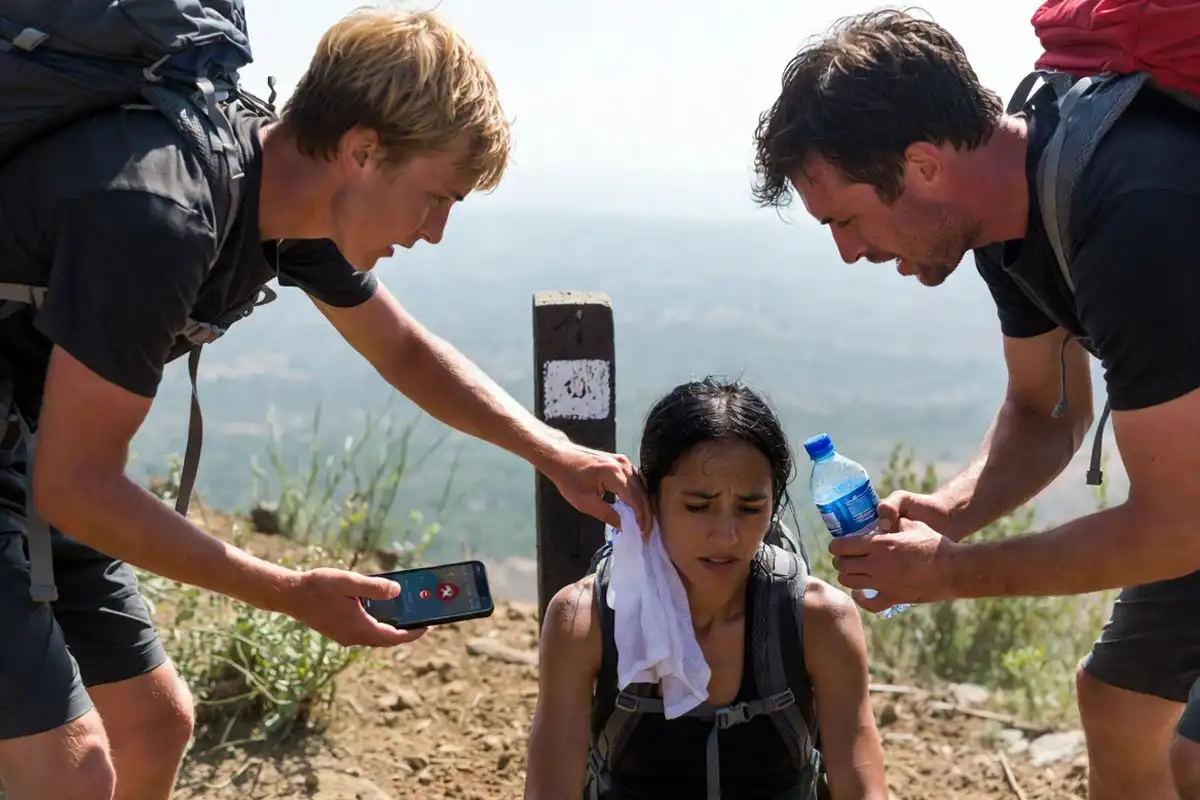
Heat stroke is life-threatening. CDC describes it as failure of temperature control, with body temperature rising rapidly. It may reach 106°F or higher within 10–15 minutes.
Signs include confusion, altered mental status, slurred speech, loss of consciousness, hot dry skin or heavy sweating, seizures, and very high temperature.
Action: call emergency services, move to shade, remove outer clothing, and cool rapidly with cold water, wet cloths, or an ice bath if available. Stay with the person until help arrives.
What about heat cramps?
Heat cramps often follow heavy sweating and salt loss. CDC lists painful spasms in legs, arms, or abdomen.
Action: rest in shade, drink water, and take electrolytes from food or a balanced drink. Avoid salt tablets. Get medical help if cramps persist past an hour or the person has heart problems or a low-sodium diet.
Troubleshooting: common extreme-heat problems on a hike
You burn through water faster than planned
Stop in shade and reassess. Turn around early. If the route depends on refills, treat and purify before drinking.
You feel chills or stop sweating in full heat
Treat this as an urgent warning sign. Stop, cool fast, and seek medical help, especially with confusion or fainting.
Your stomach rejects electrolyte drinks
Switch to small sips of water and use salty snacks in small bites. Pause intensity until nausea settles. If vomiting continues, get help.
Blisters show up from heat-swollen feet
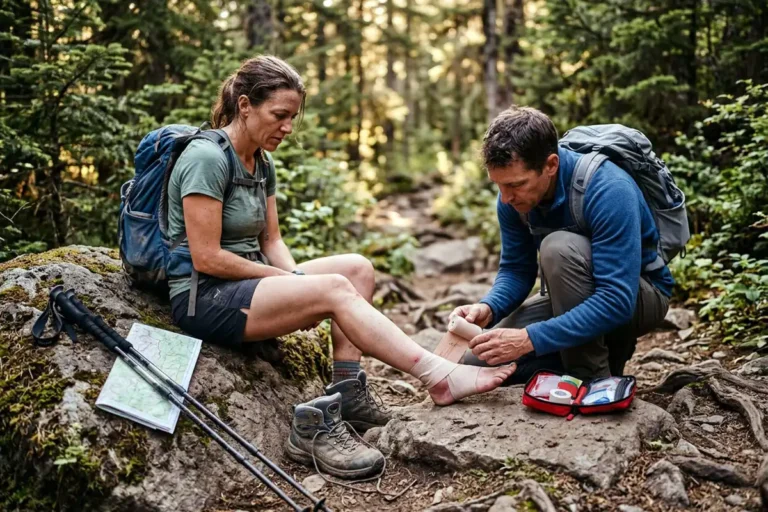
Stop early, dry socks, and protect hotspots with tape or a blister pad. If you want a full care workflow, use: Know how to treat minor cuts and blisters at camp.
Mistakes that raise heat risk
These errors stack together and create trouble fast:
- Starting mid-day instead of the cooler window
- Wearing dark, heat-absorbing clothing
- Pushing climbs without shade breaks
- Skipping electrolytes on long, sweaty hikes
- Ignoring early heat exhaustion signs
- Hiking without a clear exit plan or communication plan
Safety rules that end the hike early
End the hike early when any of these occur:
- Heat index reaches Danger or Extreme Danger and your route lacks shade or exits
- Anyone shows confusion, collapse, or seizures
- Heat exhaustion signs persist after cooling and fluids
- Your group falls behind schedule with no cool refuge ahead
Turning around is a skill. It keeps small problems from becoming rescue problems.
Post-hike recovery checklist
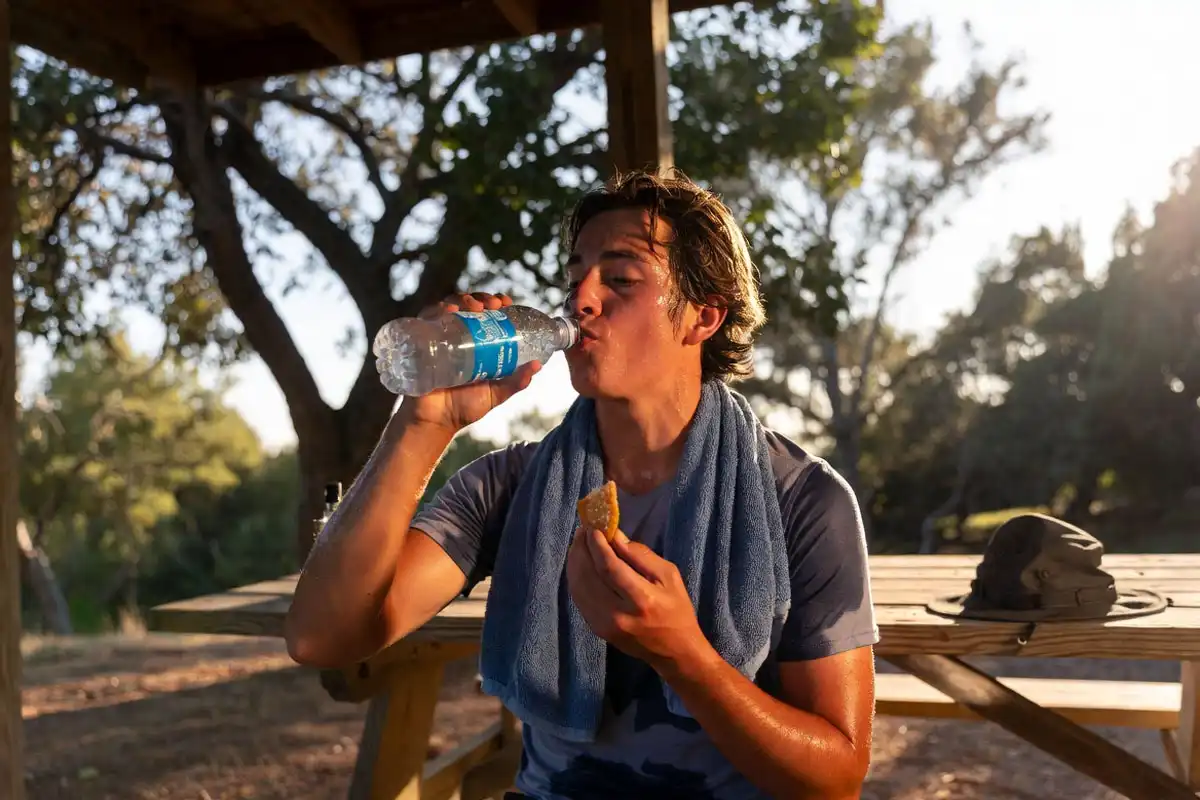
- Move to shade or air-conditioned space.
- Sip fluids and eat salty food if you sweated for hours.
- Cool skin with a shower, wet cloth, or fan airflow.
- Recheck everyone for lingering dizziness, headache, nausea, or weakness.
- Seek medical care for severe symptoms, confusion, fainting, or symptoms that do not resolve.
Final Thoughts
Extreme heat is one of the most underrated dangers in the outdoors. It is invisible, gradual, and easily dismissed until it becomes a crisis.
But hikers who respect the heat and prepare accordingly continue to enjoy trails all summer long. The strategies in this guide are not complicated. They require planning, discipline, and the humility to turn back when conditions demand it.
The trail will be there tomorrow. Your goal on any extreme-heat hike is simply to come home.
Start early. Drink constantly. Know the signs. And never be ashamed to call it a day when your body tells you to.