How to Keep Flies Away While Camping in Summer Heat

Flies stay away from camp when you remove their food sources, block their entry points, and use scent-based repellents they hate. This guide covers what attracts flies at outdoor sites, how to set up a clean cooking area, which repellents work best in field conditions, and the small daily habits that keep your tent fly-free across a full trip.
To keep flies away while camping, store food in sealed containers, take out trash twice a day, hang fly traps 10 feet from your tent, and use repellents with DEET, picaridin, or oil of lemon eucalyptus. Cook downwind of your sleeping area and zip the tent fast.
Why Flies Show Up at Your Campsite
Flies follow smell. House flies and blow flies detect food odors from up to a mile away, so an open snack bag or grease drip on the picnic table draws them within minutes.
Three smells pull them in:
- Food scraps and meat juice
- Sweet drinks, fruit peels, and trash
- Pet waste and unwashed dishes
Heat speeds this up. Warm meat or fish goes rancid fast, and the scent reaches more flies. The CDC reports house flies can carry over 100 pathogens, including those that cause food poisoning. Fly control is a hygiene job, not a comfort one. This connects to the food handling I covered in keeping food cold without a cooler.
When Flies Are Worst at Camp
Flies peak in warm weather. Most species stay active between 60°F and 90°F. They go quiet in cold mornings and disappear after dusk because they need light to navigate.
The worst hours are 10 a.m. to 4 p.m. on hot summer days. If you camp near livestock, lakes, or deep forest, expect higher numbers. Spring and late summer carry the heaviest fly loads in most U.S. campgrounds.
Where Flies Gather Around Your Site
Flies cluster around three zones at almost every campsite:
- The cooking and dish-washing area
- The trash bag or food bin
- Damp ground with organic residue (compost, fish bins, food spills)
If you set your tent near these zones, flies follow you inside. Place your sleeping spot at least 100 feet from the kitchen. Site choice matters here, and I went deeper into that in picking a campsite when you arrive late.
How to Keep Flies Away While Camping: Step by Step
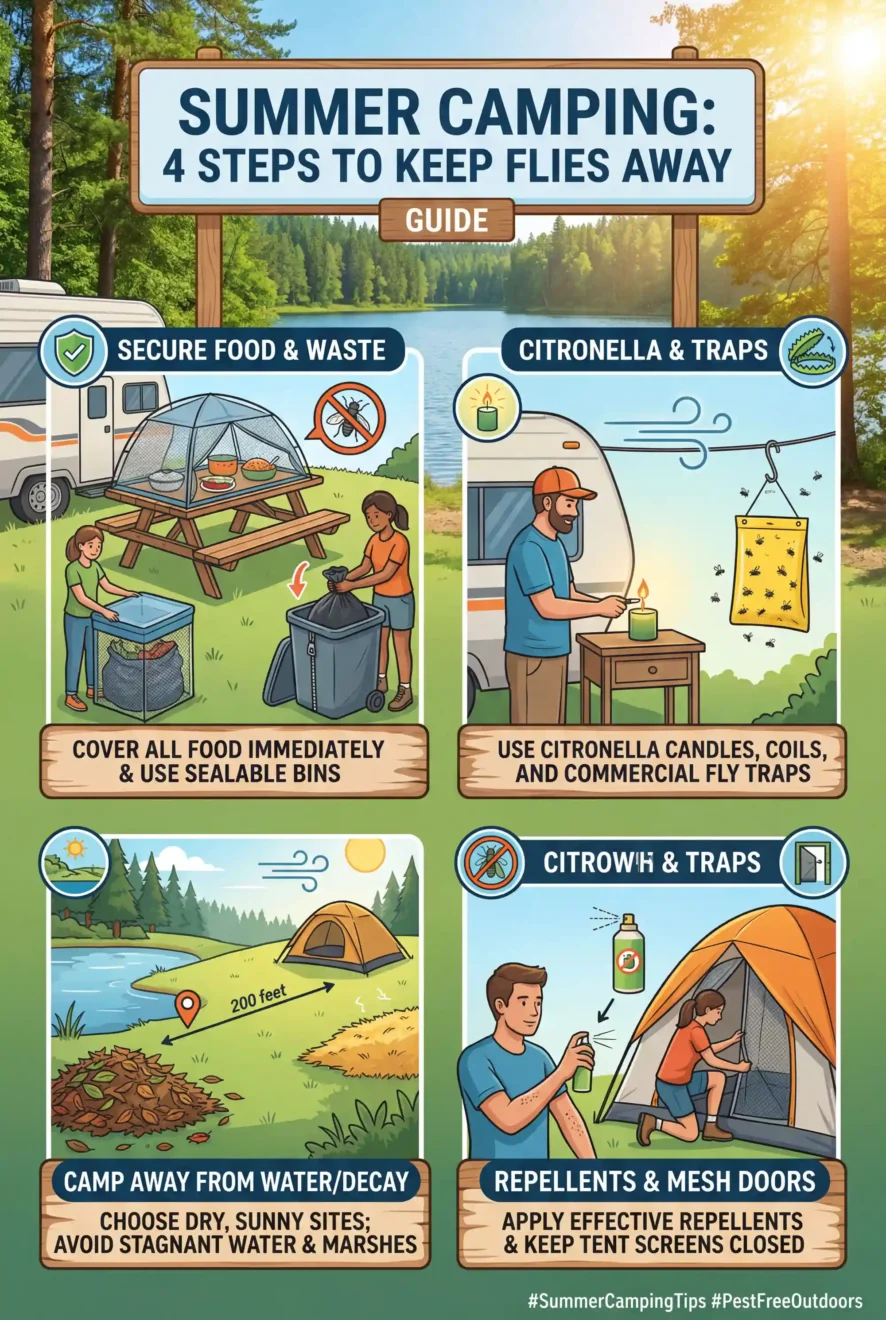
Here is the field workflow I follow on every trip in the Chittagong hills and on lake camps at Kaptai.
Step 1: Pick a fly-resistant campsite
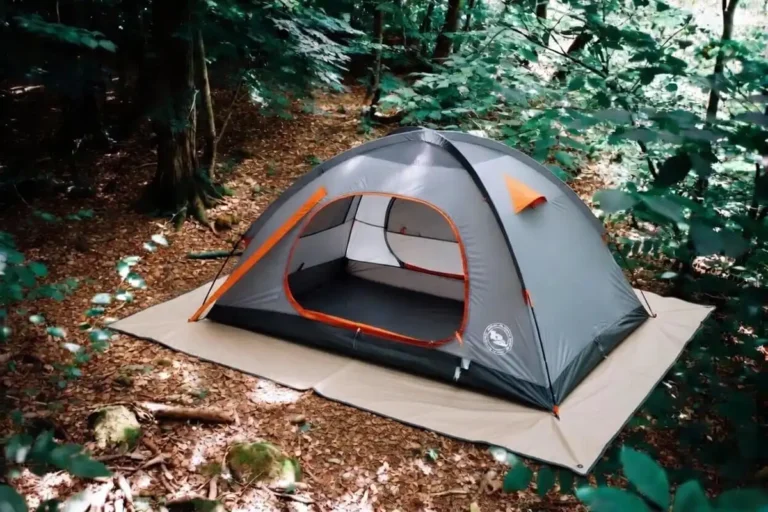
Choose a breezy, dry spot away from standing water, livestock fields, and old fire pits with food residue. Wind blows flies off course. A site with a steady 5 mph breeze cuts fly activity by half.
Step 2: Seal your food zone
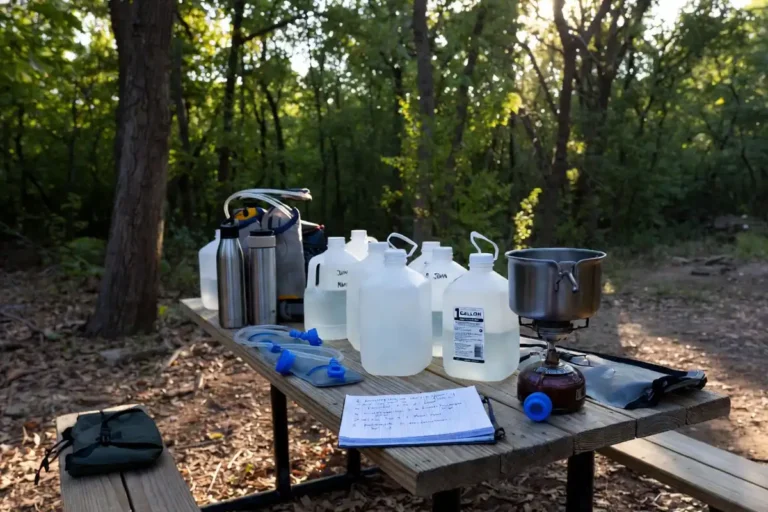
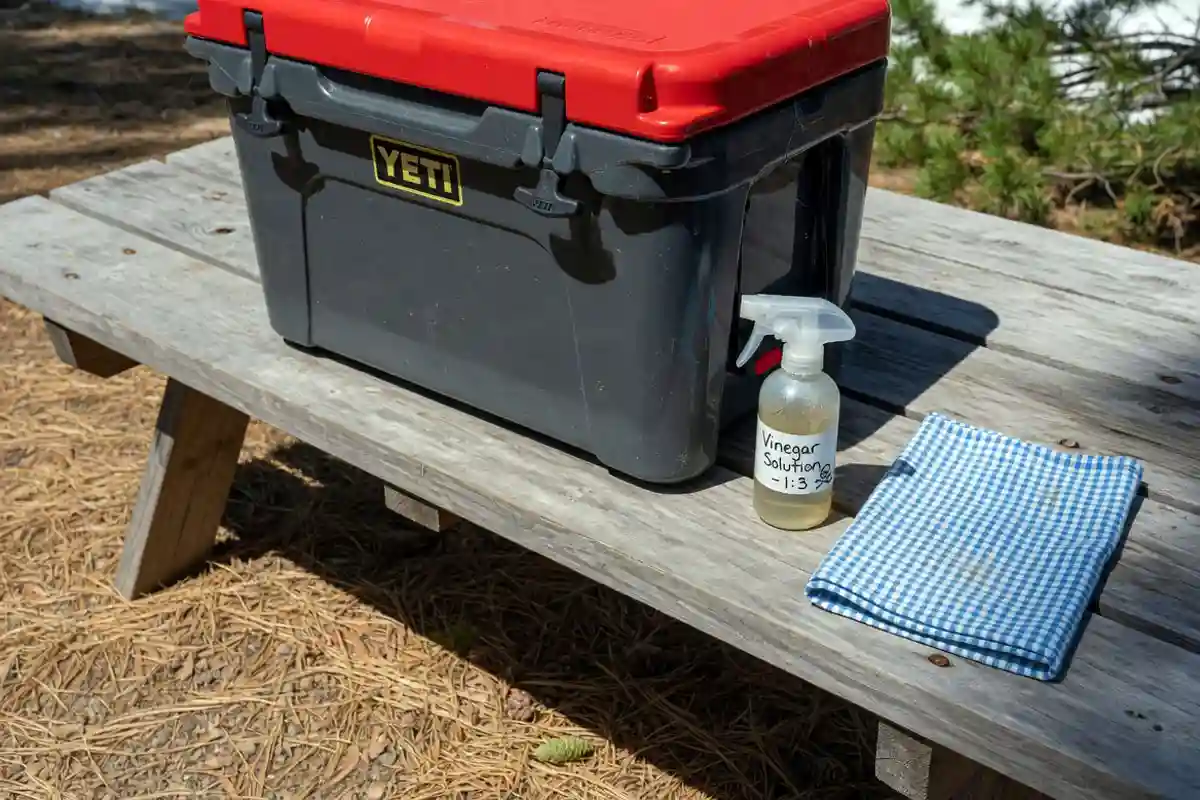
Use hard-sided coolers with tight latches. Put dry goods in zip-top bins. Wipe the table after every meal with a vinegar and water mix (1:1). Vinegar breaks the scent trail flies follow.
Step 3: Cook downwind of your tent
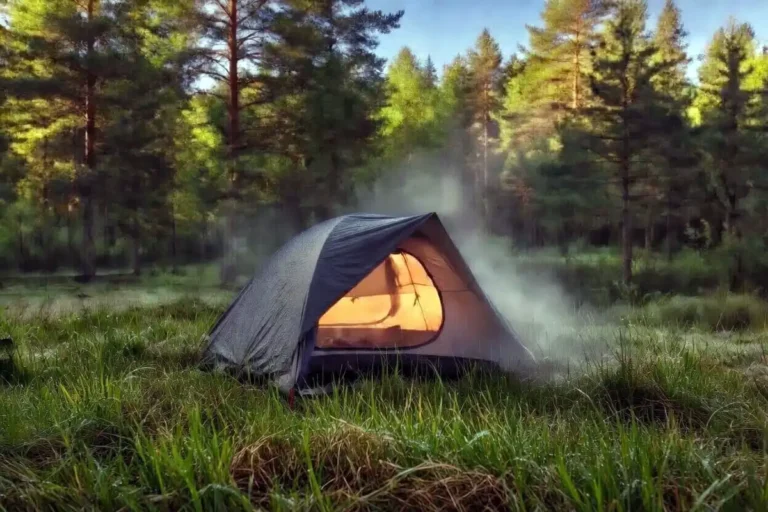
Place your kitchen so smoke and cooking smell drift away from the sleeping area. Light smoke alone repels many flying insects. Related habits help here, and I covered them in keeping insects out of your tent at night.
Step 4: Take trash out twice a day
Double-bag wet trash. Tie it tight. Hang it in a tree 100 feet from camp or stash it in a sealed canister. Open trash brings 50 plus flies in under an hour on warm days.
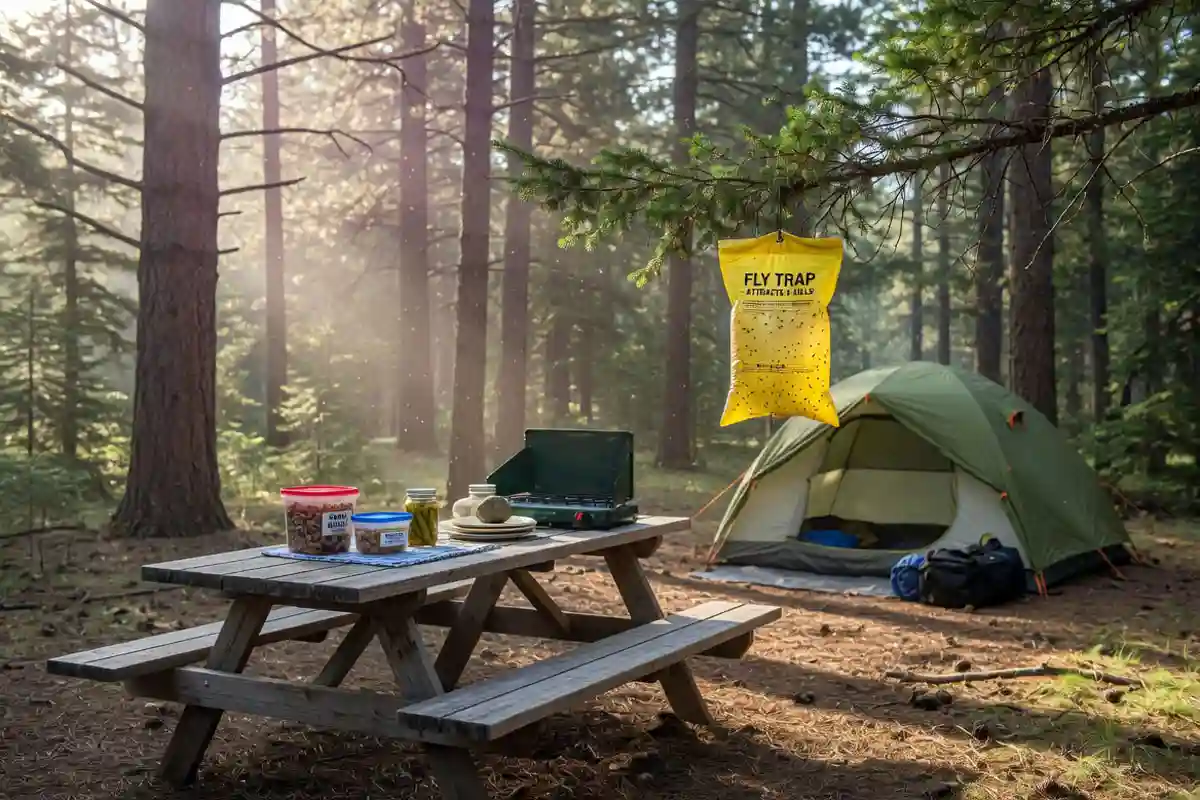
Step 5: Hang fly traps 10 feet from camp
Disposable bag traps attract flies with bait, then drown them. Place them downwind so the bait scent pulls flies away from your eating area, not toward it.
Step 6: Apply repellent on skin and gear
Use EPA-registered repellents like DEET (20 to 30 percent), picaridin (20 percent), or oil of lemon eucalyptus. Spray hat brims, sleeves, and tent doorways. Reapply every 4 to 6 hours.
Step 7: Zip the tent fast and check at dusk
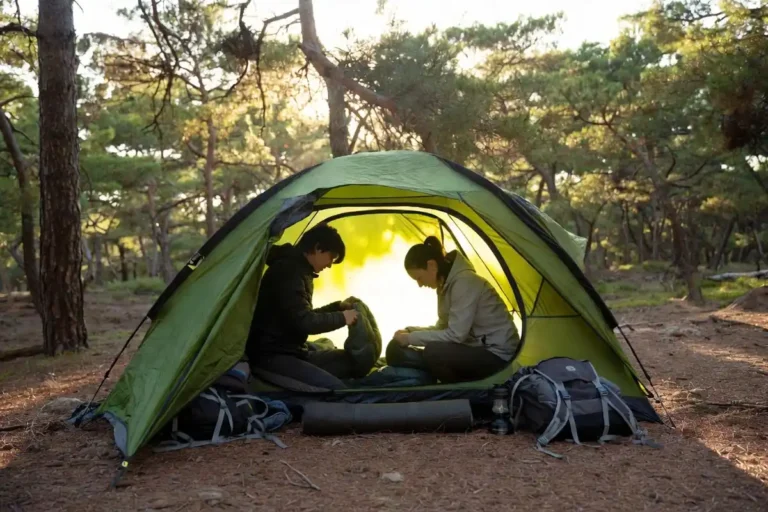
Open the door, get in, close it in one motion. Check the inner mesh for stragglers before sleeping. One fly inside the tent ruins a quiet night.
Natural Fly Repellents That Work in the Field
Some plants and oils repel flies without chemicals. These work for sensitive skin or when you camp with kids:
- Eucalyptus oil sprayed on tent walls
- Lavender bundles hung near the picnic table
- Basil and mint plants in pots on the table
- Cloves stuck in lemon halves on the kitchen surface
- Citronella candles burned during meals
| Preview |
#1

|
#2

|
#3

|
#4

|
|---|---|---|---|---|
| Title | Repel 100 Insect Repellent, 4 Oz | OFF! Botanicals Insect Repellent | Grand Tongo DEET-Free Insect Repellent | Mighty Mint Peppermint Oil Insect Repellent |
| Price |
$1.12
See Latest Price
|
$60,879.00
See Latest Price
|
$1.84
See Latest Price
|
$1.93
See Latest Price
|
| Star Rating |
4.6
(17,162)
|
4.4
(9,225)
|
4.4
(1,775)
|
4.2
(66,705)
|
These cut fly numbers but won’t clear a heavy infestation. Pair them with bag traps and tight food storage.
Store-Bought Tools That Help
A small kit handles most fly problems:
- Disposable fly bag traps (Rescue! and similar brands)
- A handheld electric fly swatter, battery powered
- Sticky fly ribbon for the cooking shelter
- A small fan for the tent vestibule, since flies struggle in moving air
- Permethrin spray for clothes, which lasts about 6 weeks per treatment
Permethrin treats fabric only, never skin. Spray gear at home and let it dry 24 hours before packing.
Mistakes That Bring More Flies to Camp
I see the same errors at almost every group campsite:
- Leaving fish guts or meat scraps in the fire ring
- Tossing fruit peels into bushes near the tent
- Using heavy scented soap and sunscreen at the food prep table
- Drying wet towels and dishrags on tent walls
- Ignoring a trash bag for a full afternoon in the sun
Fix these and you cut fly traffic by half before you even spray repellent.
Safety Notes for Repellents and Bites
Flies bite and spread germs. Deer flies and horse flies leave painful welts. Keep these points in mind:
- Avoid DEET on infants under 2 months old
- Wash repellent off skin once you reach the tent
- Treat bites with cold water and antiseptic
- Watch for swelling or fever, which can signal infection
If a bite turns red, hot, and swollen over 24 hours, see a clinic. For minor reactions on trail, the steps in treating minor cuts and blisters at camp work for fly bites too.
FAQs on Flies Away While Camping

What smells do flies hate the most?
Do dryer sheets keep flies away while camping?
Why are there so many flies at my campsite?
Does Vicks VapoRub keep flies away?
Can flies ruin food at camp?
Final Thoughts
Fly control at camp comes down to three habits: clean food storage, smart site choice, and steady use of repellents. Run that routine on every trip and you’ll spend more time enjoying the fire and less time swatting at your plate. Adjust your kit as the season shifts and pack a few backup traps for the hottest weeks of summer.