How to Prepare for Kedarnath Trek Physically: 8 Smart Steps

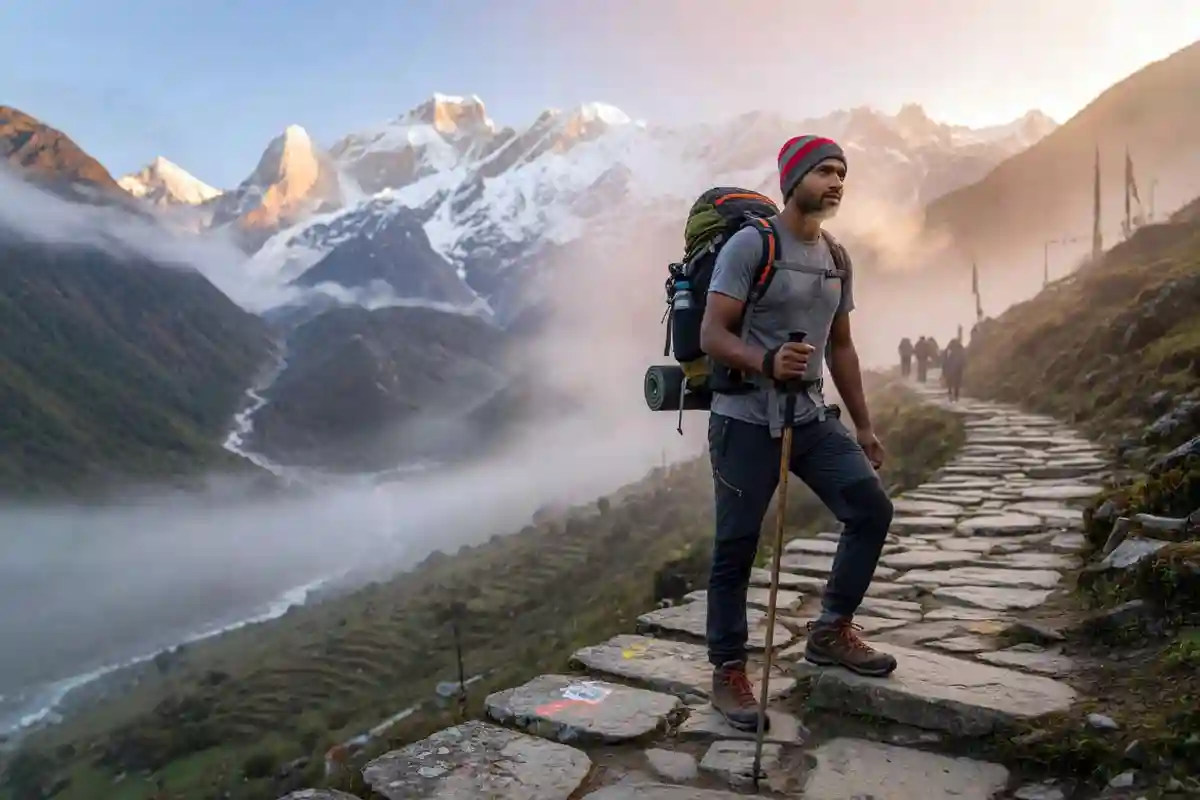
Training for Kedarnath takes 8 to 12 weeks of focused cardio, leg strength, and altitude practice. The 16 km climb from Gaurikund gains close to 1,600 meters, so untrained legs and lungs fade within hours. This guide walks you through how to prepare for Kedarnath trek physically, with weekly drills, food plans, and altitude tactics from my own treks.
To prepare for Kedarnath trek physically, train for 8 to 12 weeks with 4 cardio sessions, 2 leg-strength sessions, and 1 long weekend hike each week. Add stair climbs with a 6 to 8 kg pack, build hiking endurance to 12 km, and practice breath control to handle altitude above 3,000 meters.
What Makes Kedarnath Trek Physically Demanding
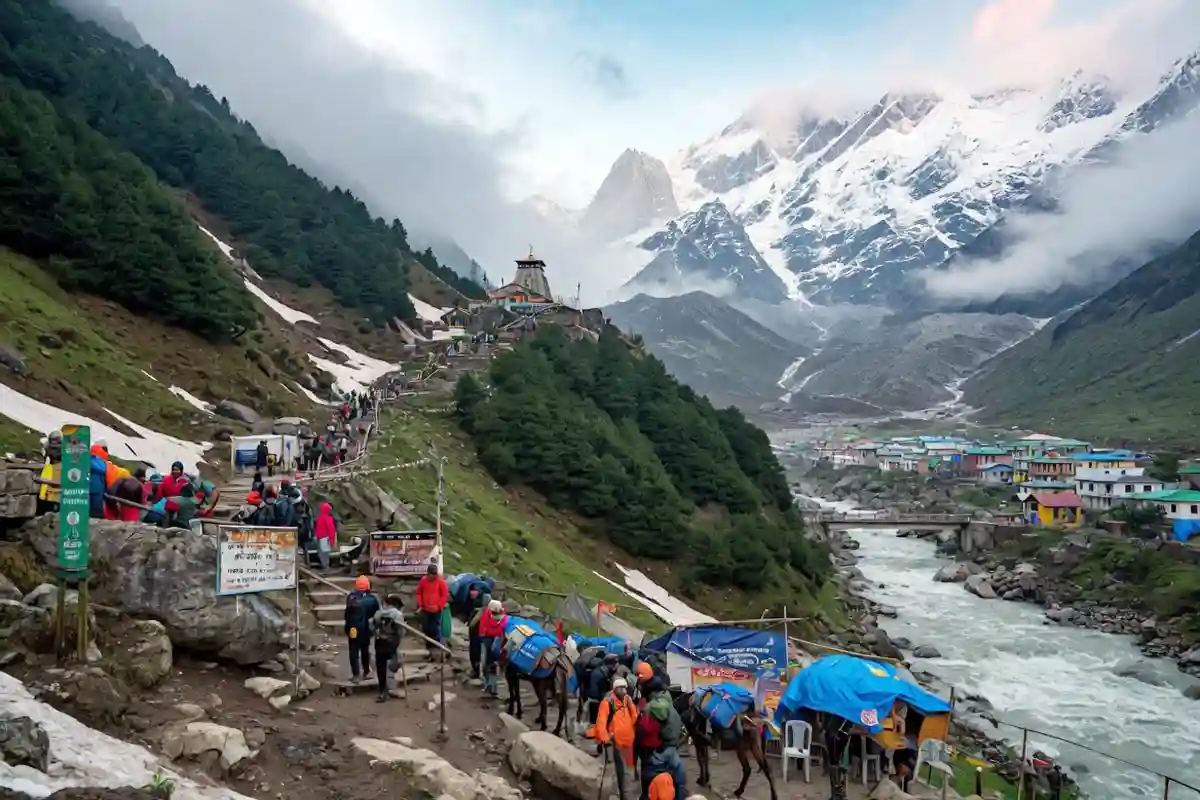
The Kedarnath trek climbs from Gaurikund at roughly 1,982 meters to the temple at around 3,583 meters in the Garhwal Himalaya. The route covers 16 to 18 km of stone-paved path with a steady uphill gradient. Air at 3,000 meters holds about 30 percent less oxygen than sea level, which slows pace and tires legs faster.
Three forces wear down most pilgrims: long uphill duration, heavy pack weight, and lower oxygen. Knees take the load on the descent. A trained body handles all three with less pain.
When to Start Training Before Your Trek Date
Start training 8 weeks before the trek if you walk regularly. Start 12 weeks before if you sit at a desk all day. Beginners with no fitness base need 14 to 16 weeks. The body builds aerobic capacity, leg strength, and joint resilience in that order. I pick a base level that matches actual condition rather than wishful thinking, which I covered in my guide on fitness levels for multi-day trips.
How to Prepare for Kedarnath Trek Physically Week by Week
Here is a 10-week plan I follow with friends heading to Kedarnath.
Weeks 1 to 2: Build the Aerobic Base
- Walk 30 to 45 minutes, 4 days a week, at a pace where you can talk
- Add 2 light leg sessions (squats, lunges, calf raises, 3 sets of 12)
- Hold a 5-minute plank routine for the core
- Climb 5 floors of stairs, 3 rounds, twice a week
Weeks 3 to 5: Add Load and Distance
- Walk 60 minutes, 4 days a week, with a 4 kg backpack
- Run or jog 20 minutes, 2 days a week
- Strength train legs twice with 5 kg dumbbells
- Long Sunday walk of 8 km on uneven ground
Weeks 6 to 8: Trek-Specific Training
- Stair climbs with a 6 to 8 kg pack, 30 minutes, 3 days a week
- Long hike of 10 to 12 km on a hill or steep park trail
- Strength session focused on quads, hamstrings, and glutes
- Breathing drills: 4 seconds in, 6 seconds out, 5 minutes daily
Weeks 9 to 10: Taper and Sharpen
- Cut volume by 30 percent
- Keep one long hike with full pack at trek weight
- Rest 2 full days before travel
- Stretch hips, calves, and hamstrings each evening
Cardio Training for Kedarnath Trek
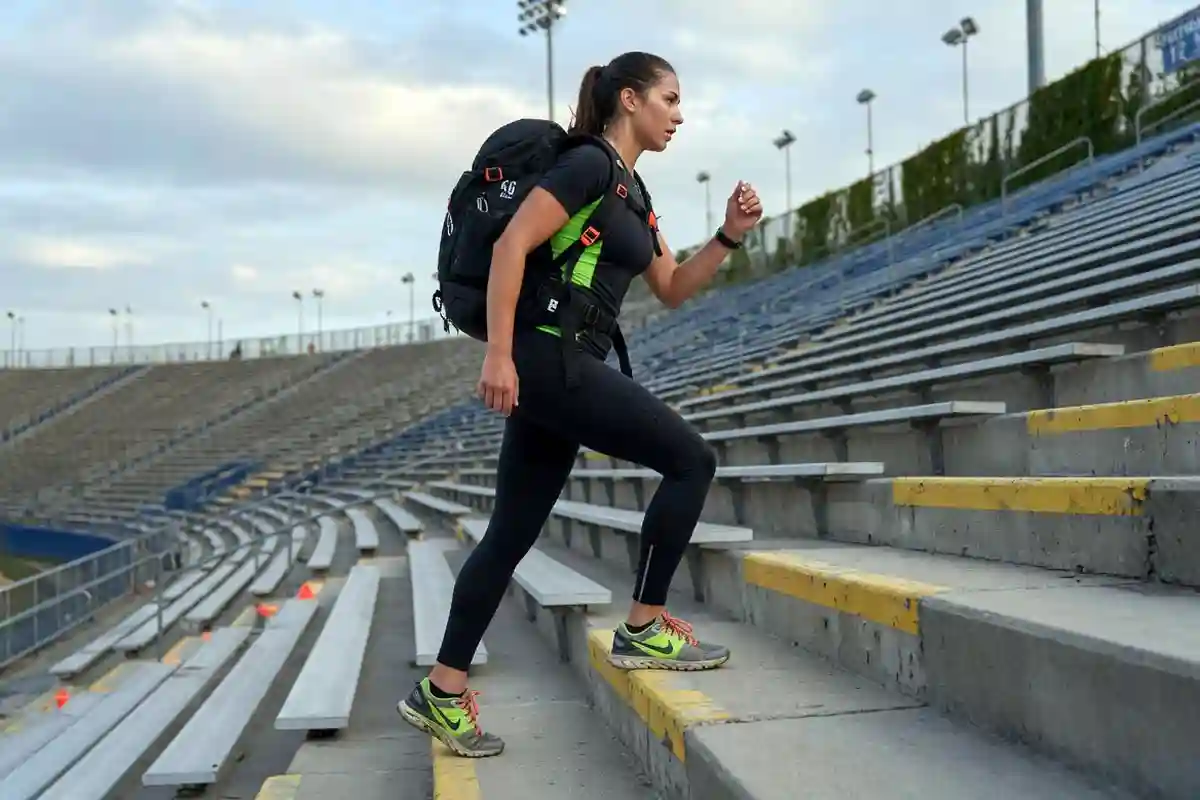
Aim for 150 minutes of moderate cardio per week, the level the CDC recommends for adult heart health. Brisk walking, cycling, swimming, and stair climbing all qualify. Steady-state effort at 60 to 70 percent of max heart rate trains the lungs to deliver oxygen during long climbs.
I pick stair climbing over flat running for Kedarnath because the trek is uphill almost from the first kilometer. Treadmill incline at 8 to 10 percent works when stairs are unavailable. For pacing tips on real climbs, I wrote about climbing uphill without burning out.
Leg and Core Strength Workouts That Help
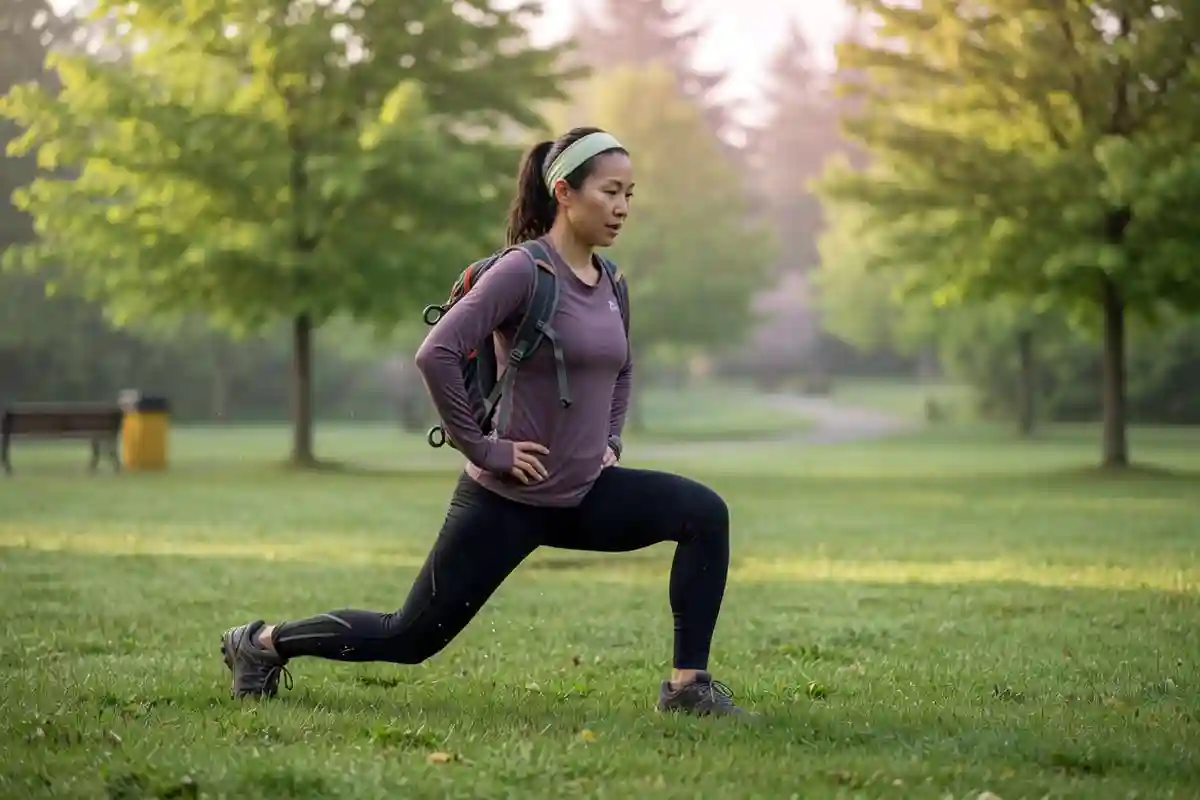
Strong quads protect the knees on the descent from Kedarnath. The downhill takes about 4 hours and pounds joints with every step. Train these moves twice a week:
- Bodyweight squats: 3 sets of 15
- Forward lunges: 3 sets of 10 per leg
- Step-ups on a chair or bench: 3 sets of 12 per leg
- Calf raises: 3 sets of 20
- Glute bridges: 3 sets of 15
- Planks and side planks: 3 rounds of 30 seconds
Add a 4 to 6 kg backpack from week 4 onward for resistance.
How to Train for Altitude Without Living in the Mountains
Acute mountain sickness affects up to 25 percent of unacclimatized travelers who climb above 2,500 meters, per the CDC Yellow Book. Headache, nausea, and fatigue hit hardest on day one at the temple. Fitness alone does not prevent AMS, but a strong heart and lungs reduce overall fatigue at altitude.
A few habits raise your readiness:
- Practice slow, deep breathing for 10 minutes daily
- Sleep 7 to 8 hours nightly in the final 4 weeks
- Add interval training once a week (30-second sprints, 90-second rest)
- Drink 3 liters of water on training days to teach the body to hydrate
On the trek, climb slowly, eat carbohydrates, and rest at Sonprayag or Gaurikund for one night before pushing up.
Practice Hikes Before the Real Trek
Two long practice hikes in the final month build the legs and the mind. Pick a hill trail with steady gradient and walk 12 to 15 km with the same pack you plan to carry. Wear the trekking shoes you will use on Kedarnath. New boots cause blisters by kilometer 5, which is why I always break in hiking boots before a long trail.
Long hikes also teach pacing, which protects your energy on the climb. Beginners often start fast and crash by kilometer 8, a pattern I covered in pacing yourself on long hikes.
Nutrition and Hydration During Training

Eat 50 to 60 percent of calories from carbohydrates during training weeks. Rice, oats, dal, bananas, and sweet potatoes fuel long sessions. Add 1 gram of protein per kilogram of body weight from eggs, lentils, paneer, or chicken to repair muscle.
On the trek, drink 250 ml of water every 30 minutes. Dry mountain air pulls fluid out faster than at sea level. Pack salted nuts, jaggery, dates, and ORS sachets. For day-hike fuel choices, see what to eat before and during a long day hike.
Mistakes to Avoid While Training for Kedarnath
A few errors trip up first-time pilgrims more than poor fitness alone.
- Skipping downhill practice (downhill burns quads and knees)
- Training only on flat ground
- Wearing untested shoes on trek day
- Cutting sleep in the final week
- Carrying a pack heavier on trek day than in any practice session
- Ignoring knee pain during training
If knees ache on descents during practice, fix the cause early. I shared the steps in managing knee pain on downhill hikes.
Safety Notes and Health Checks
Get a basic health check 6 weeks before travel if you are over 40 or have heart, lung, or joint conditions. A doctor flags risks at altitude and reviews any prescribed medication. Carry a basic first-aid kit, ORS, paracetamol, and any altitude medication a doctor approves.
Do not trek alone if you are new to high altitude. Helicopter services from Sersi and Phata reach Kedarnath in 8 minutes for those who cannot walk the full route. Listen to the body. Turning back is a strength, not a failure.
FAQs on Prepare for Kedarnath Trek Physically

How many days of training are enough for Kedarnath?
Can a beginner do the Kedarnath trek?
What is the difficulty level of Kedarnath trek?
Is Kedarnath trek harder than Tungnath or Triund?
How much weight should I carry on Kedarnath trek?
Final Thoughts
Kedarnath rewards prepared legs and patient lungs. Eight to twelve weeks of cardio, leg strength, stair climbs, and a few long practice hikes change how the trek feels at the temple. Train slow, eat well, sleep enough, and respect the altitude. The climb to Bhairavnath and the Mandakini valley feels lighter when the body is ready.