How Much Elevation Gain Is a Lot for Hiking? Honest Hiker Ranges


For most day hikes, anything over 2,000 feet of elevation gain feels like a lot. Over 3,000 feet pushes into strenuous territory for the average hiker. This guide breaks down what counts as a lot of elevation gain by fitness level, distance, and terrain, so you can read a trail profile and set a realistic pace.
For most day hikers, 1,000 to 2,000 feet of elevation gain over 6 to 10 miles is moderate. Over 2,000 feet starts feeling hard. Above 3,000 feet in a single day is strenuous for the average hiker. Any trail climbing more than 500 feet per mile feels steep regardless of total gain.
What Elevation Gain Means on a Hike
Elevation gain is the total vertical climb across a trail, not the difference between the trailhead and the summit. The descents do not subtract. If a trail climbs 500 feet, drops 200, then climbs another 400, the elevation gain is 900 feet. That number, not the peak height, predicts how tired your legs will feel.
Net elevation change is the simple difference between start and end. Cumulative elevation gain adds every uphill stretch. Most apps and trail signs report cumulative gain. That is the figure to plan around.
How Much Elevation Gain Is a Lot for Hiking by Skill Level
The same number of vertical feet feels different depending on your fitness, age, and trail experience. Use these ranges as a starting point, not a hard rule.
- New hikers: Under 1,000 feet of gain feels comfortable. Past 1,500 feet, legs start burning.
- Casual weekend hikers: 1,500 to 2,500 feet of gain is a normal Saturday. Over 3,000 feet starts feeling like a project.
- Conditioned hikers: 3,000 to 4,500 feet of gain is a solid day. Past 5,000 feet, recovery takes longer.
- Peak baggers and trail runners: 5,000 to 8,000 feet happens, but takes targeted training.
Bagging a 14er in Colorado often involves 3,000 to 5,000 feet of gain. A Grand Canyon rim-to-river-to-rim hike crosses about 5,000 feet of gain in roughly 17 miles. Both count as strenuous days for most people.
If you are not sure where you sit, a baseline check on hiking fitness for multi-day trips helps set honest expectations before you commit to a big day.
Gain per Mile: Why It Predicts Difficulty
Total gain only tells half the story. Two trails with 2,000 feet of gain feel different if one climbs over 10 miles and the other over 4. Pace yourself by gain per mile.
| Gain per mile | Trail feel |
|---|---|
| Under 100 ft | Flat to gentle |
| 100 to 200 ft | Rolling |
| 200 to 400 ft | Moderate climb |
| 400 to 600 ft | Steep |
| 600+ ft | Scramble territory |
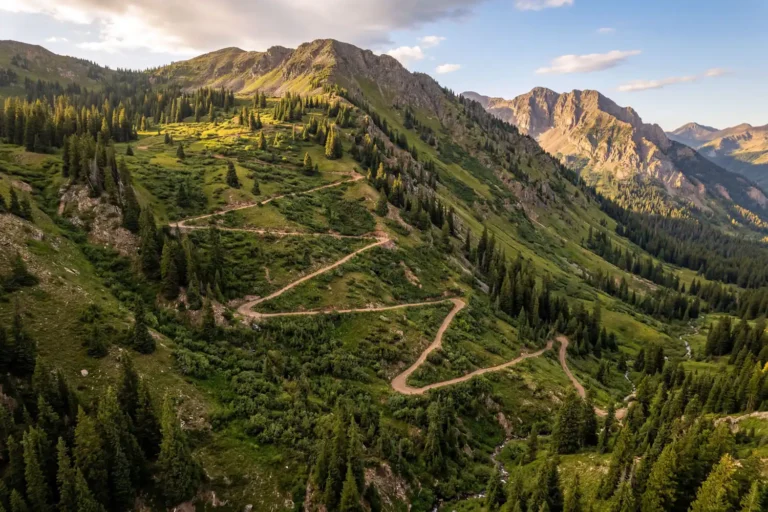
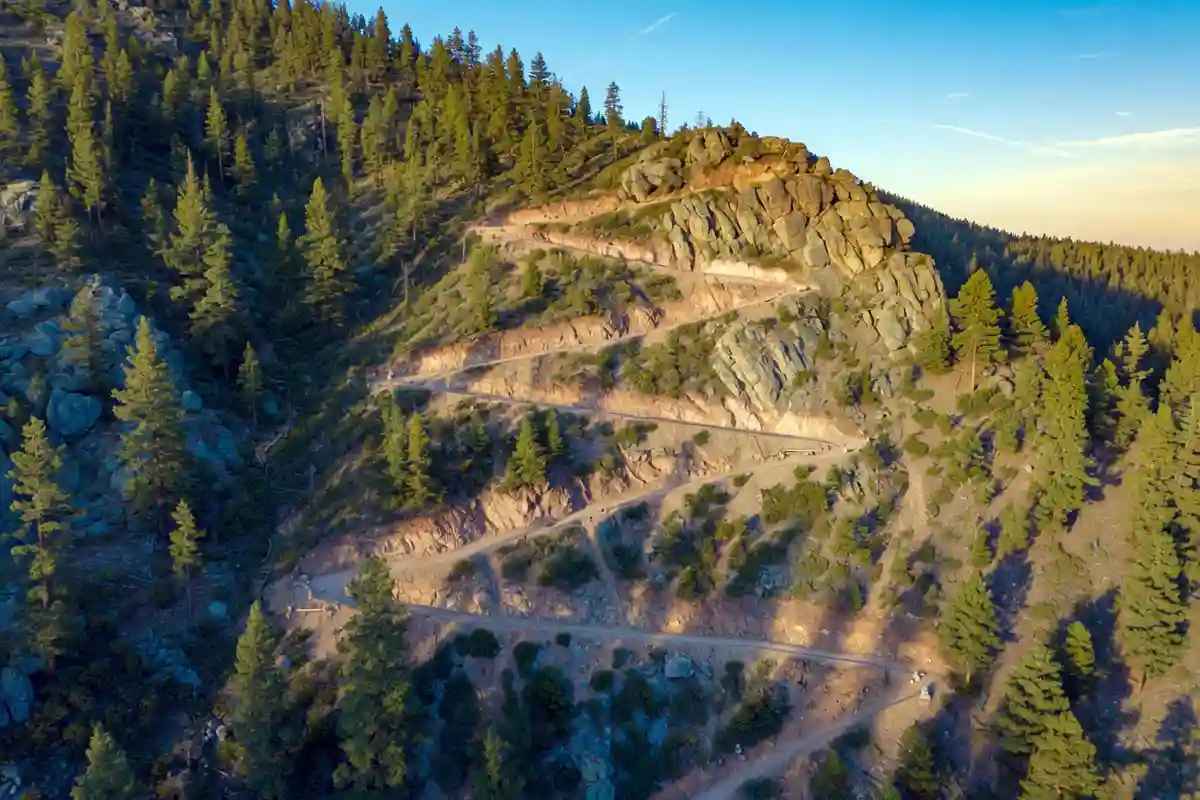
Most US National Park trails sit between 200 and 500 feet per mile. Past 600 feet per mile, you are looking at switchbacks, rock steps, or hands-on scrambling. That terrain slows your pace and burns more calories per mile.
For a deeper read on holding power on the climbs, I covered pacing your way through a long hike without burning out in an earlier piece.
How Distance and Elevation Gain Work Together
A common planning shortcut is Naismith’s rule. Add one hour to your normal walking time for every 2,000 feet of elevation gain. A 6-mile hike with 2,000 feet of gain takes a typical hiker around 4 hours, not 2.
The National Park Service uses a similar formula at Shenandoah. Difficulty equals the square root of elevation gain (in feet) multiplied by twice the distance (in miles). The Shenandoah hike difficulty rating system groups trails from easiest under 50 to most strenuous over 500. It is the cleanest single number I have found for comparing routes side by side.
For climb-heavy trails, climbing technique to keep your energy up on uphill stretches matters as much as raw fitness.
When Elevation Gain Feels Harder Than the Number Suggests
The same 2,500 feet of gain can feel doable or brutal depending on conditions:
- Altitude. Above 8,000 feet, oxygen drops and pace slows by 20 to 30 percent. The CDC notes that altitude illness can start around 8,000 feet for sensitive hikers.
- Pack weight. Every 10 pounds in the pack adds roughly the equivalent of 500 feet of gain in perceived effort.
- Heat and humidity. Hot weather can cut your sustainable climb rate in half.
- Terrain. Loose scree, mud, or rock steps drain leg strength faster than packed dirt.
- Sleep and food. A short night drops climb output the next day. What you eat before a long day on trail affects how the climbs feel by mile 5.
How to Read Elevation Gain on a Trail Map
Most planning apps (AllTrails, Gaia, CalTopo, FarOut) list elevation gain at the top of the trail page. Use this short workflow:
- Read the total gain. Note the figure in feet or meters.
- Open the elevation profile graph. A flat line with one big spike is a single climb. A jagged line is a roller-coaster trail.
- Identify the steepest segments. These dictate where you will slow down.
- Calculate gain per mile. Total gain divided by total distance.
- Compare to a hike you have already done. Use a known reference, not the app’s difficulty label.
- Plan rest stops at the top of major climbs, not the bottom.
GPS-based gain numbers run 10 to 20 percent higher than surveyed numbers because of GPS noise. A trail listed at 2,200 feet on AllTrails may be 1,900 on the park’s own sign. Both are correct in their own way.
Common Mistakes With Elevation Gain
- Confusing peak elevation with elevation gain. A 12,000 foot peak from a 10,000 foot trailhead has only 2,000 feet of gain.
- Ignoring rolling sections. Small bumps add up and can double the listed gain on long routes.
- Underestimating the descent. Going down 4,000 feet wrecks knees more than going up. I wrote about keeping knee pain in check on long downhills for hikers who feel this most.
- Trusting one app. Cross-check elevation gain between two sources before a big trip.
- Skipping the per-mile math. A 10-mile hike with 3,000 feet of gain is moderate. A 5-mile hike with the same gain is steep.
Safety Notes for High Elevation Gain Hikes

Big climbs add more than fatigue. Watch for these:
- Altitude sickness. Headache, nausea, and dizziness above 8,000 feet. Descend if symptoms get worse.
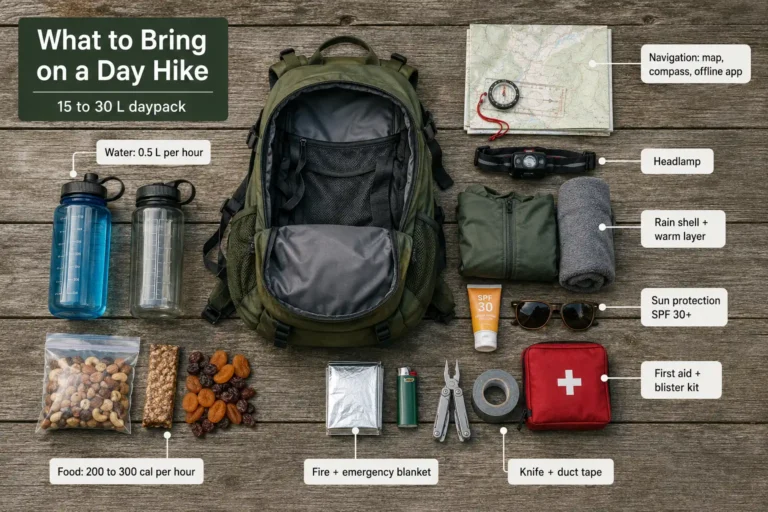
- Dehydration. Climbing increases water loss. Plan for at least half a liter per hour on hot climbs.
- Cold exposure. Temperature drops about 3.5°F per 1,000 feet of gain. The summit can be 20°F colder than the trailhead.
- Late starts. Big elevation days run long. Aim to be off exposed ridges before afternoon storms in summer.
If you are mapping a longer day, planning a day hike so you do not get lost covers the route prep that prevents most rescue calls.
FAQs about Elevation Gain Is Hard for Hiking?

Is 1,000 feet of elevation gain a lot?
What is considered steep elevation gain per mile?
How long does it take to hike 2,000 feet of elevation?
How do I train for big elevation gains?
Does elevation gain include the descent?
Final Thoughts
A lot of elevation gain is whatever sits above your current training plus a comfortable buffer. For most weekend hikers, that line falls somewhere between 2,000 and 3,000 feet in a day. Read the per-mile rate, check the elevation profile, and match the trail to your honest fitness level. The number that wrecks you on Saturday is the number you train for next month.