What to Do If You Wake Up and Find a Snake Inside Your Tent

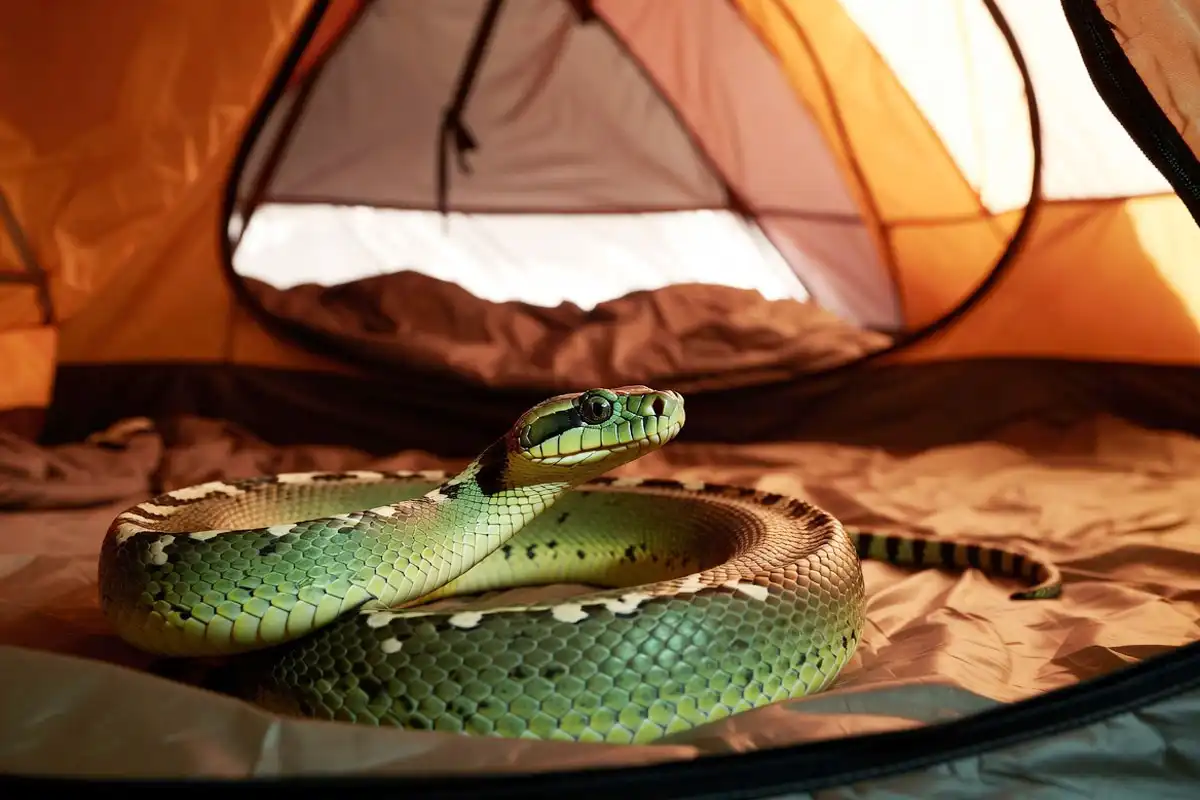
Stay completely still and do not startle the snake, because that is the single most important action when you wake up and find a snake inside your tent. This guide walks through every step: from those first seconds of stillness through safe removal, basic identification, bite response, and prevention. I have camped across forests in Bangladesh and Southeast Asia for over two decades. A calm, methodical response keeps both you and the snake safe.
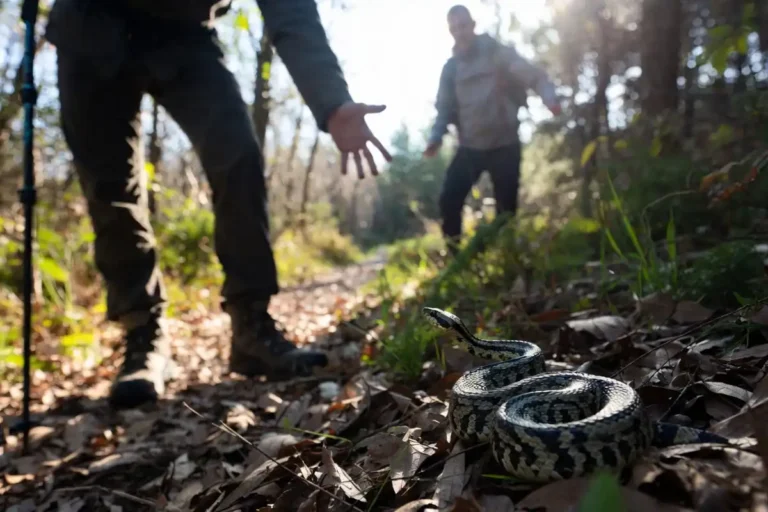
Freeze immediately. Locate the snake without sudden movement. Open the tent door slowly to create a ground-level exit. Do not touch, corner, or strike the snake. Most snakes leave on their own once they have a clear way out. If it stays, use a long stick or trekking pole to guide it gently toward the open door.
Why Do Snakes Enter Tents?
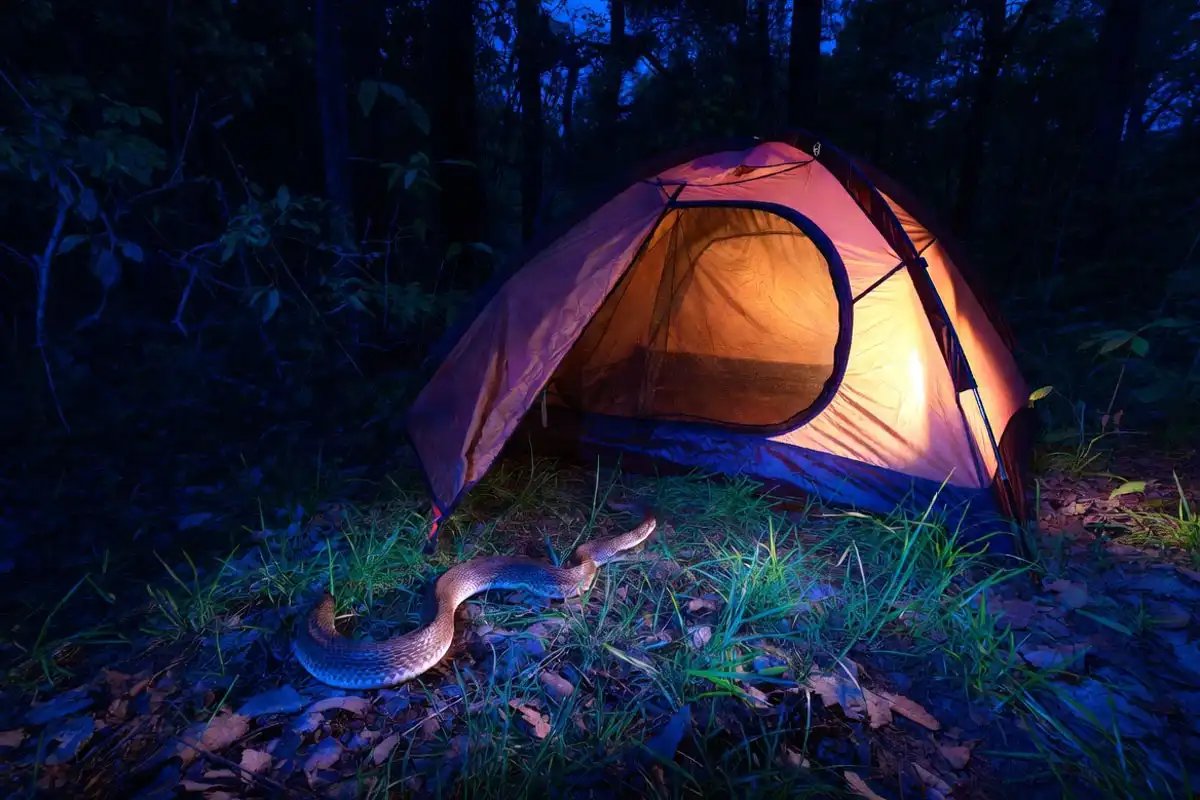
Snakes do not enter tents out of aggression. They seek warmth, shelter from rain, or follow prey like rodents and insects.
A tent floor retains heat through the night. Snakes detect this warmth and move toward it, especially in cooler overnight temperatures.
Food smells draw rodents. Rodents draw snakes. This chain explains most snake encounters near sleeping areas.
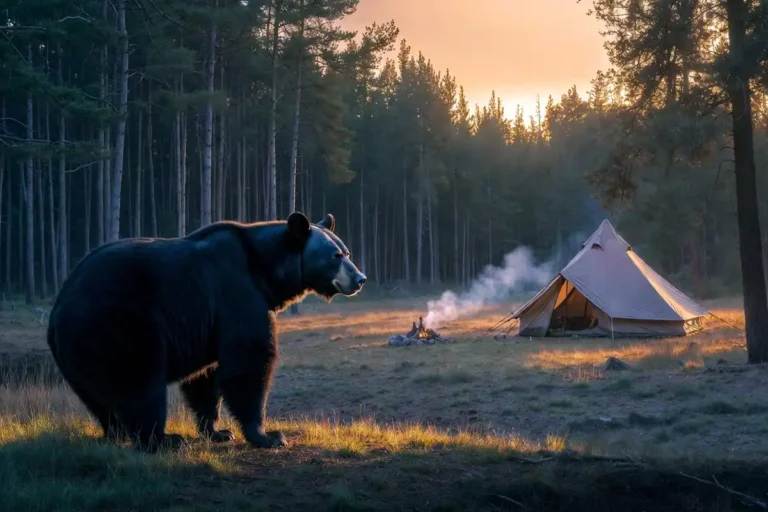
Learn more safety tips: What to Do When a Black Bear Comes to Camp
Can You Identify a Venomous Snake Inside Your Tent?
Treat every snake inside your tent as venomous. Reliable identification in low light while stressed is not possible.
Some venomous pit vipers carry a triangular head wider than the neck. They also have a heat-sensing pit between the eye and nostril. Their pupils are elliptical rather than round.
These features do not apply to every venomous species. Focus on safe removal, not identification.
Step-by-Step: How to Remove a Snake from Your Tent
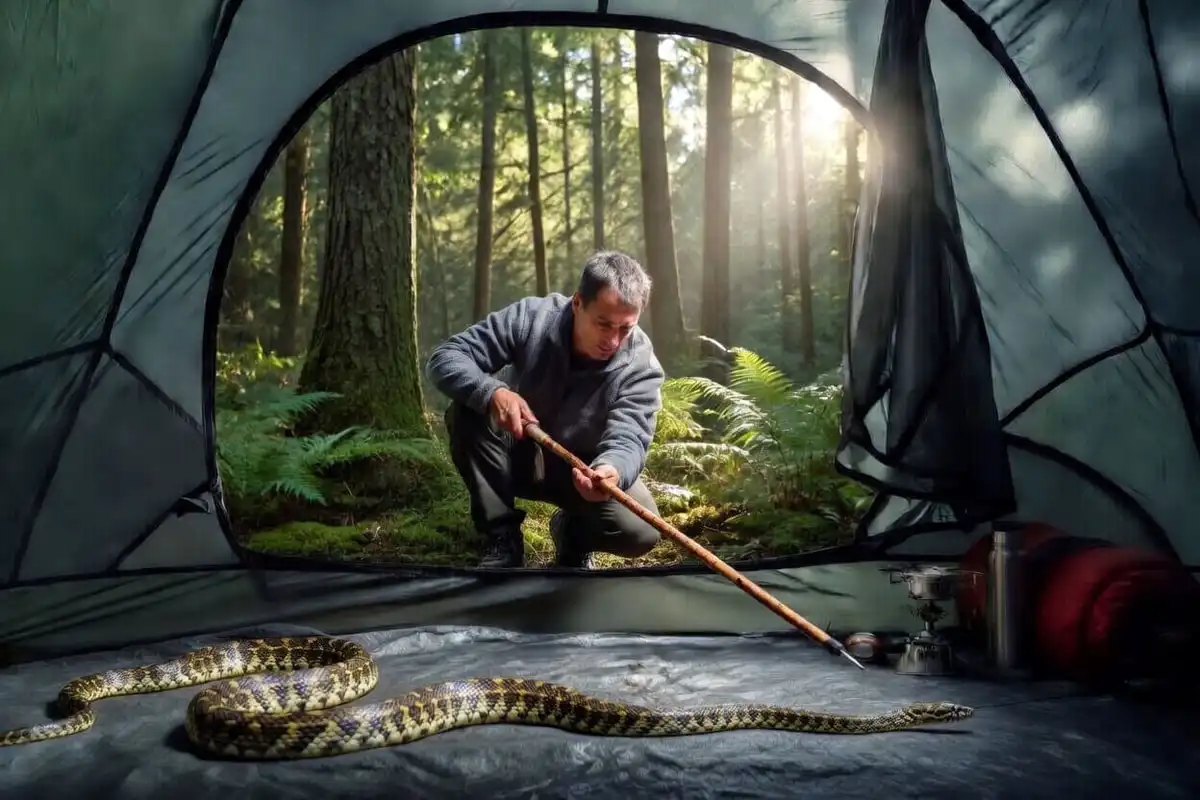
Follow these steps in order. Skipping steps increases your bite risk.
Step 1: Freeze. Do not jerk away or shout. Sudden movement triggers a defensive strike response in most snakes.
Step 2: Locate the snake with slow, controlled movement. Move your eyes first. Then turn your head slowly. Know exactly where the snake is before you act.
Step 3: Wake a tentmate calmly. Use a low, steady voice. A startled sleeping partner creates sudden movement that provokes the snake.
Step 4: Open the tent door slowly. Create a large, ground-level opening. A clear, low exit path gives the snake a way out. Snakes prefer escape over confrontation.
Step 5: Back away and give the snake space. Do not hover over it. Move slowly toward the tent entrance. The snake reads close proximity as a threat.
Step 6: Guide the snake out if it does not leave. Use a trekking pole or long stick. Guide from behind the snake, not in front of it. Do not poke or strike.
Step 7: Secure the tent once the snake exits. Zip every opening immediately. Inspect corners, your sleeping bag, and all gear before settling back in.
What Not to Do
Most tent bites result from these mistakes.
Do not grab the snake. Even trained handlers use tools, not bare hands.
Do not strike it with a shoe or stick. An attacked snake strikes faster and with greater accuracy.
Do not corner the snake. A snake with no exit escalates defensive behavior rapidly.
Do not shine a bright light directly at it. Sudden bright light startles the snake and can trigger a strike.
I covered the full response to a snake bite in my guide on handling a snake bite while camping. Read it before your next trip, particularly if you camp in regions with venomous species.
What to Do If the Snake Bites You
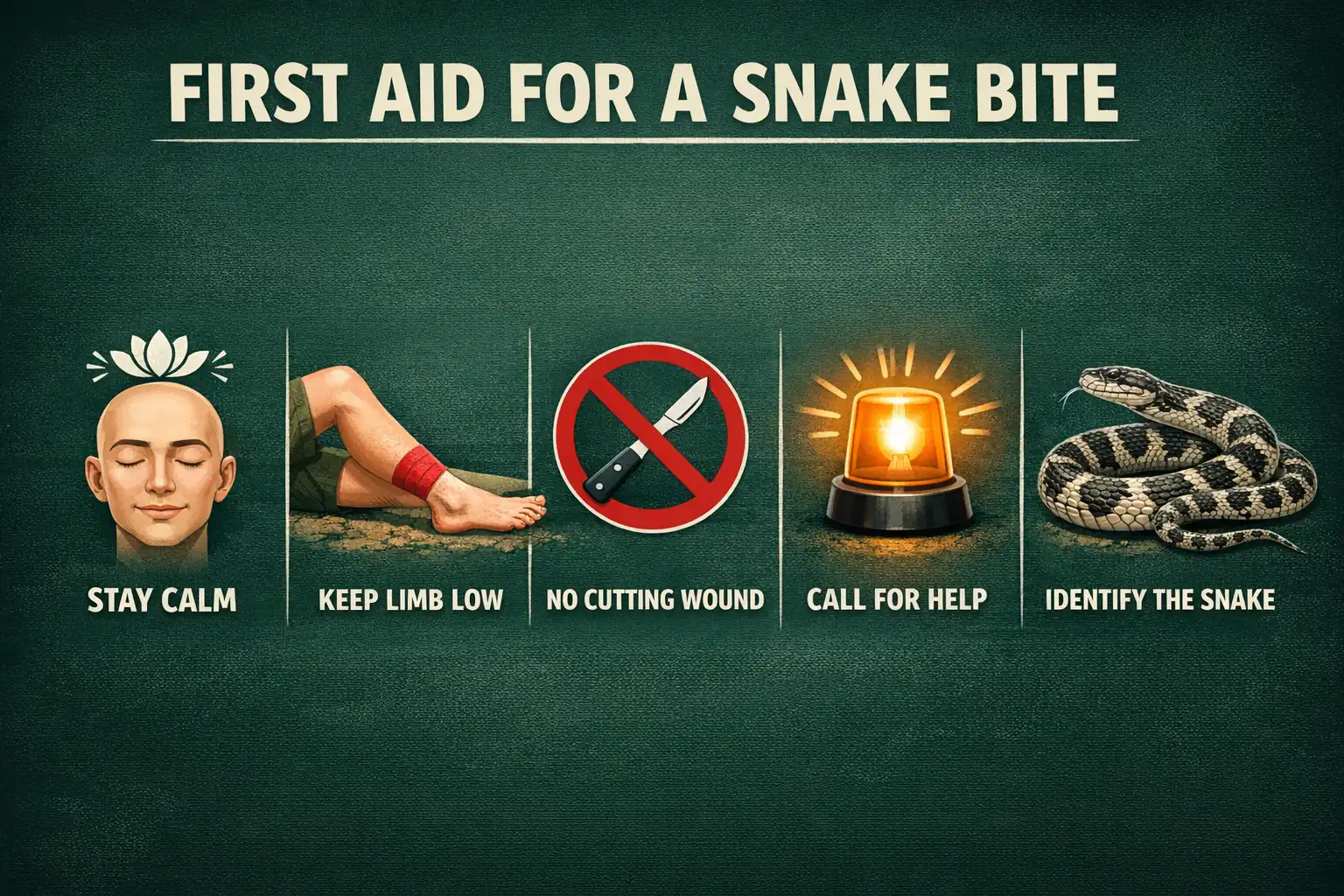
A bite inside a tent is rare when you follow the steps above. If one occurs, act immediately.
Exit the tent first. Distance from the snake prevents a second bite.
Keep the bitten limb below heart level. Elevation and movement increase venom circulation through the body.
Do not cut the wound or attempt to suck out venom. Both actions are ineffective and cause additional injury.
Call for help or activate a personal locator beacon. If you camp alone, my article on backcountry distress signals covers your emergency signaling options in detail.
Note the snake’s appearance if you safely can. Color, pattern, head shape, and approximate size help medical staff select the correct antivenin.
How to Prevent a Snake from Getting into Your Tent
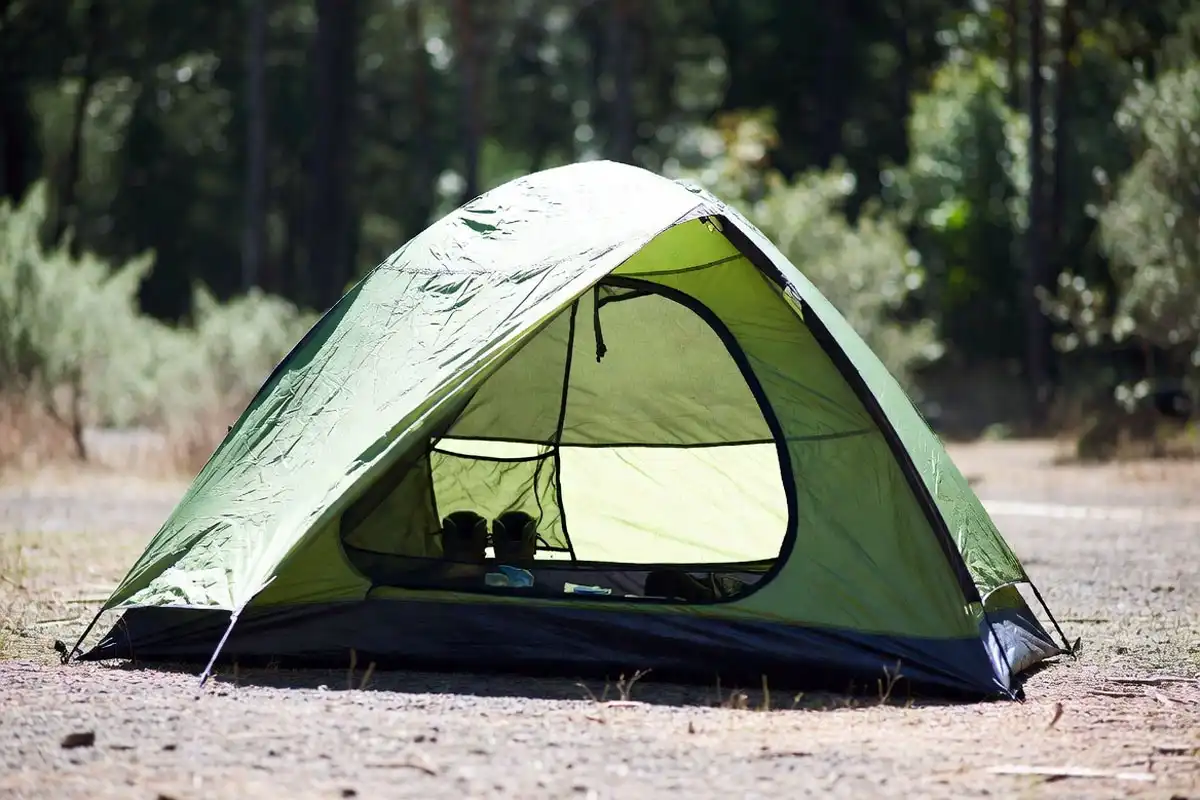
Prevention removes the situation entirely. These habits reduce snake entry significantly.
Zip every tent opening each time you enter or exit. Most entries happen through a door left open for just a few minutes.
Shake boots and gear before bringing them inside. Snakes rest in dark, enclosed spaces like footwear left on the ground overnight.
Store food in sealed containers away from your tent. Food smells attract rodents, and rodents attract snakes.
Pitch your tent away from rock piles, fallen logs, brush, and tall grass. These areas provide prime snake shelter and resting spots.
Use a ground cloth under your tent floor. A solid barrier reduces the chance of a snake pushing through lightweight mesh flooring. I covered ground cloth materials work best under a tent in a separate guide.
Keep the campsite clean. Crumbs and wrappers attract rodents, which draw snakes toward your sleeping area.
If you camp solo, snake awareness connects directly to the broader approach I outlined in my article on solo camping safety tips.
When to Get Emergency Help
Seek medical care immediately in these situations:
- A bite occurs, regardless of whether you believe the snake is venomous.
- Symptoms appear after a bite, including swelling, numbness, blurred vision, breathing difficulty, or nausea.
- The snake is large and does not exit despite guided attempts.
Antivenin works best when given early. Do not wait for symptoms to worsen before seeking care.
FAQs about What to Do if There’s a Snake in Your Tent

Can a snake enter a fully zipped tent?
A fully zipped tent with no fabric tears or floor gaps is very difficult for a snake to enter. Most entries occur through open zippers, unrepaired mesh tears, or gaps along the floor seam where the tent meets the ground.
Should I kill the snake inside my tent?
No. Attempting to kill a snake increases your bite risk significantly. A defensive snake strikes faster and with more accuracy. Guide it out safely instead.
What draws snakes to a campsite at night?
Snakes follow warmth and prey. A heated tent interior, nearby rodent activity, and food smells all attract them toward a campsite. Removing these factors reduces encounters.
Is a snake in my tent likely to be venomous?
Most wild snakes are non-venomous, but identifying species reliably in low light while stressed is not feasible. Treat every snake as potentially dangerous and follow safe removal steps regardless.
What morning habits prevent snake contact?
Shake out your boots before putting them on. Check inside your sleeping bag before climbing in at night. Zip all tent doors each time you leave in the morning.
Final Thoughts
Finding a snake in your tent is unsettling, but it rarely turns dangerous when you stay calm and follow a clear sequence. Freeze, locate, open an exit, give space, and guide only if needed.
A snake inside your tent is not hunting you. It took a wrong turn in search of warmth. Treat it that way, and both of you leave unharmed.