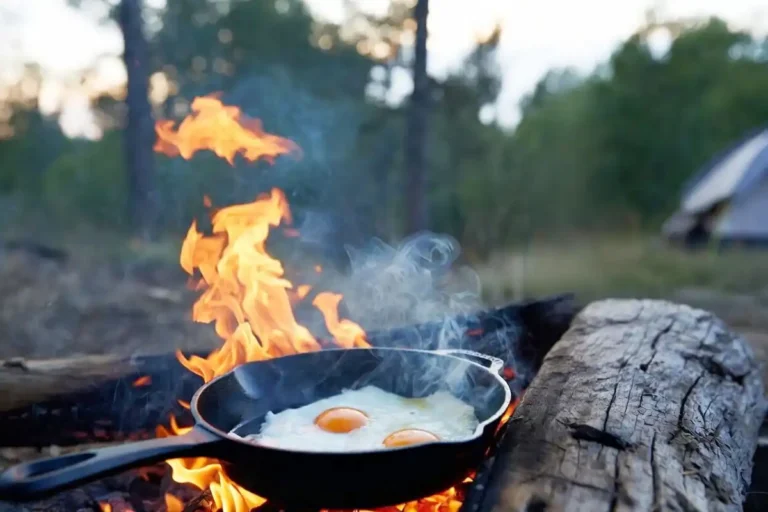
20 Camping Snack Ideas That Are Easy to Pack and Share

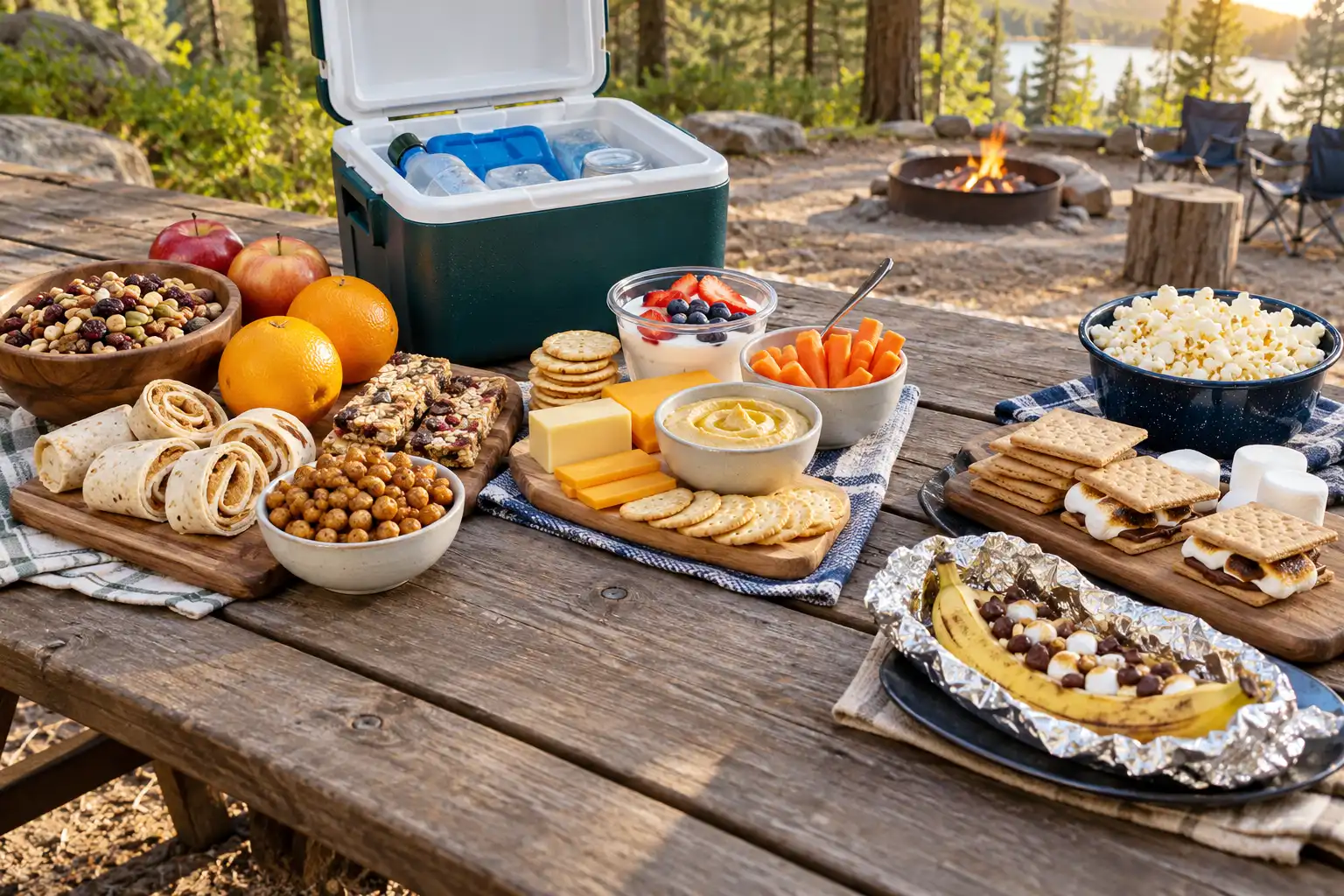
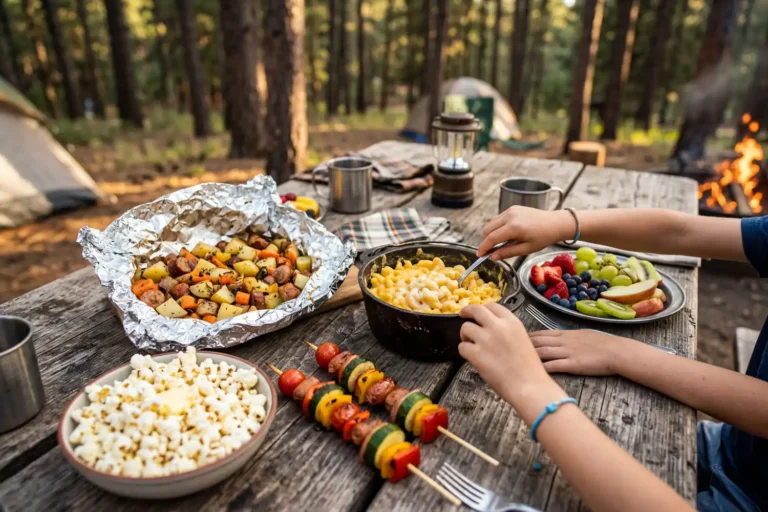
Good camping snacks are easy to carry, simple to serve, and suited to your campsite. I like to pack a mix of sweet, salty, and filling foods so nobody has to cook whenever hunger hits. These camping snack ideas cover no-cooler options, fresh favorites, and warm treats for a permitted campfire.
For no-cook snacks, choose trail mix, nut-butter wraps, fruit, roasted chickpeas, and bars. With a reliable cooler, add cheese, hummus, yogurt, or eggs. For campfire snacks, make banana boats, s’mores, popcorn, or warm cinnamon apples. Pack at least one backup that needs neither heat nor refrigeration.
How to Choose Good Camping Snacks
I start with the type of trip, not the grocery aisle. A long hike calls for compact food that will not crush easily. Car camping gives me room for fresh snacks and a cooler. Meanwhile, a campfire treat makes sense only where fires are allowed.
| Camping situation | Snacks I would prioritize | Main consideration |
|---|---|---|
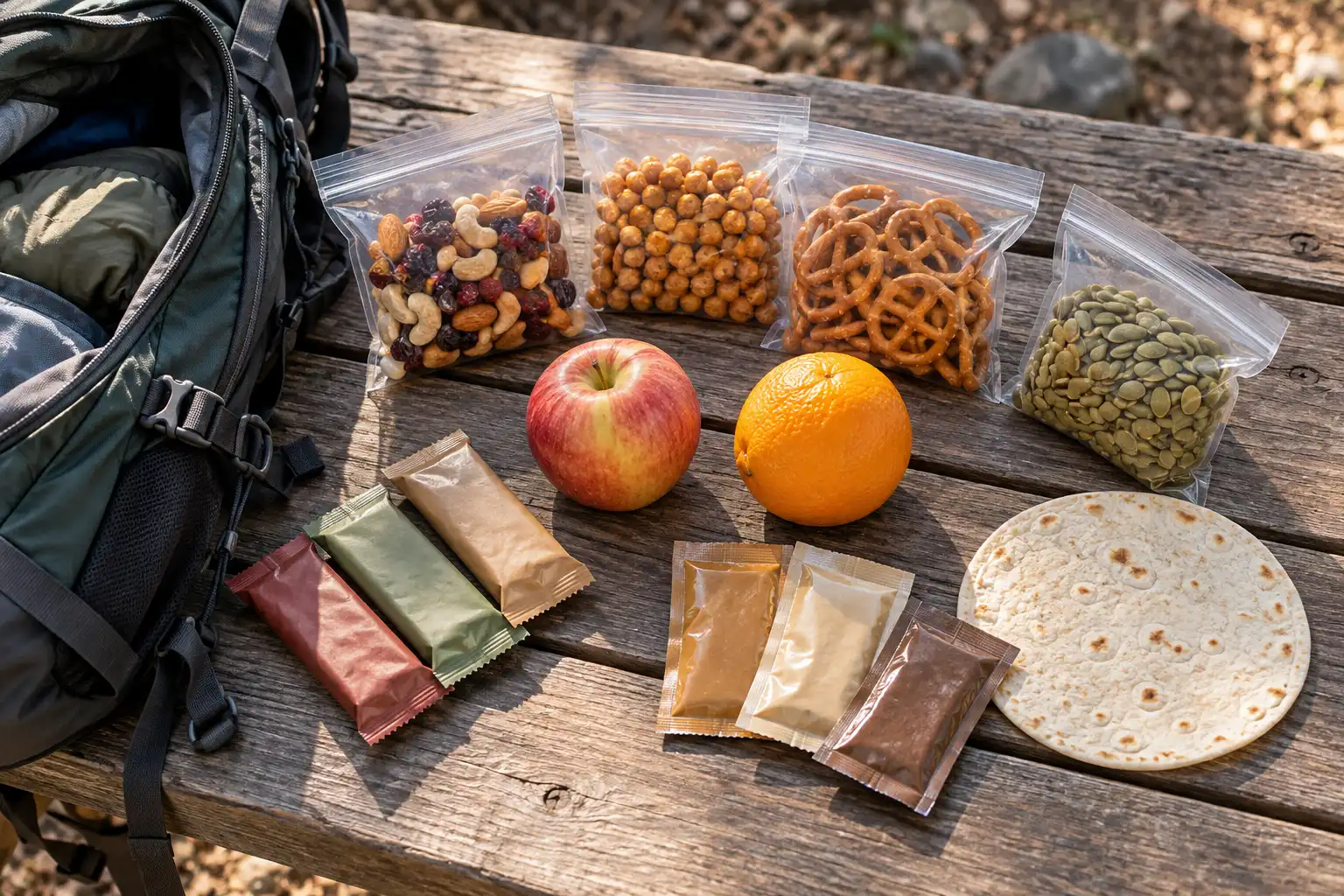
| No cooler or backpacking | Trail mix, bars, roasted chickpeas, whole fruit | Weight, durability, package storage directions |
| Car camping with a cooler | Cheese, hummus, yogurt, chilled fruit | Reliable cold storage |
| Evening around a permitted fire | S’mores, banana boats, popcorn | Fire rules, cookware, supervision |
I also try to pair carbohydrates with a food containing protein or fat, such as crackers with cheese or fruit with nut butter. That makes a snack more satisfying than a handful of sweets alone.
No-Cook Camping Snacks That Take Little Preparation
These four options are easy to serve at a picnic table or eat during a break. None needs cooking, although I still follow the storage directions on each package.
1. Homemade Trail Mix
Combine nuts, pumpkin seeds, raisins, and a little dry cereal. Then divide the mix into small, resealable bags. For a nut-free group, use a seed-based version and check ingredient labels for cross-contact warnings.
2. Peanut Butter and Banana Tortilla Rolls
Spread peanut butter on a tortilla, add a peeled banana, and roll it up. I carry the ingredients separately and assemble the wrap when I am ready to eat so it does not become soggy. Sunflower seed butter is an alternative.
3. Whole Fruit With Single-Serve Nut Butter
Apples and oranges generally travel better whole than as a precut fruit salad. Add a small packet of almond or peanut butter for a more filling break. Choose firm fruit and protect it from heavy gear.
4. Shelf-Stable Applesauce Pouches
Unopened applesauce pouches are convenient for quick snacks, especially with kids. I choose ones labeled shelf-stable, check whether they need refrigeration after opening, and pack the empty pouches out.
Crunchy and Filling Snacks for Longer Camping Trips
For longer trips, I focus on snacks that travel well without refrigeration. Pick a mix of textures rather than packing several bags of the same snack.
5. Crunchy Roasted Chickpeas
Choose packaged roasted chickpeas labeled shelf-stable for an easy savory alternative to chips. I seal the bag tightly after opening because humidity can take away their crunch.
6. Pretzels and Roasted Pumpkin Seeds
Pretzels give you something salty and crisp, while pumpkin seeds add substance. I pack them separately if I want the pretzels to stay crunchy. This combination can also avoid nuts when labels confirm it is suitable.
7. Shelf-Stable Jerky With Crackers
Pair beef, turkey, or plant-based jerky with sturdy whole-grain crackers. Look for jerky specifically labeled shelf-stable, and follow the instructions after opening. This is an easy savory choice when I do not want another sweet bar.
8. Granola Bars or Fruit-and-Oat Bars
Individually wrapped bars fit into pockets and daypacks. I prefer varieties without a thick chocolate coating in hot weather, since they make less mess. Check for nuts, milk, and other allergens when sharing.
Fresh Camping Snacks to Keep in a Cooler
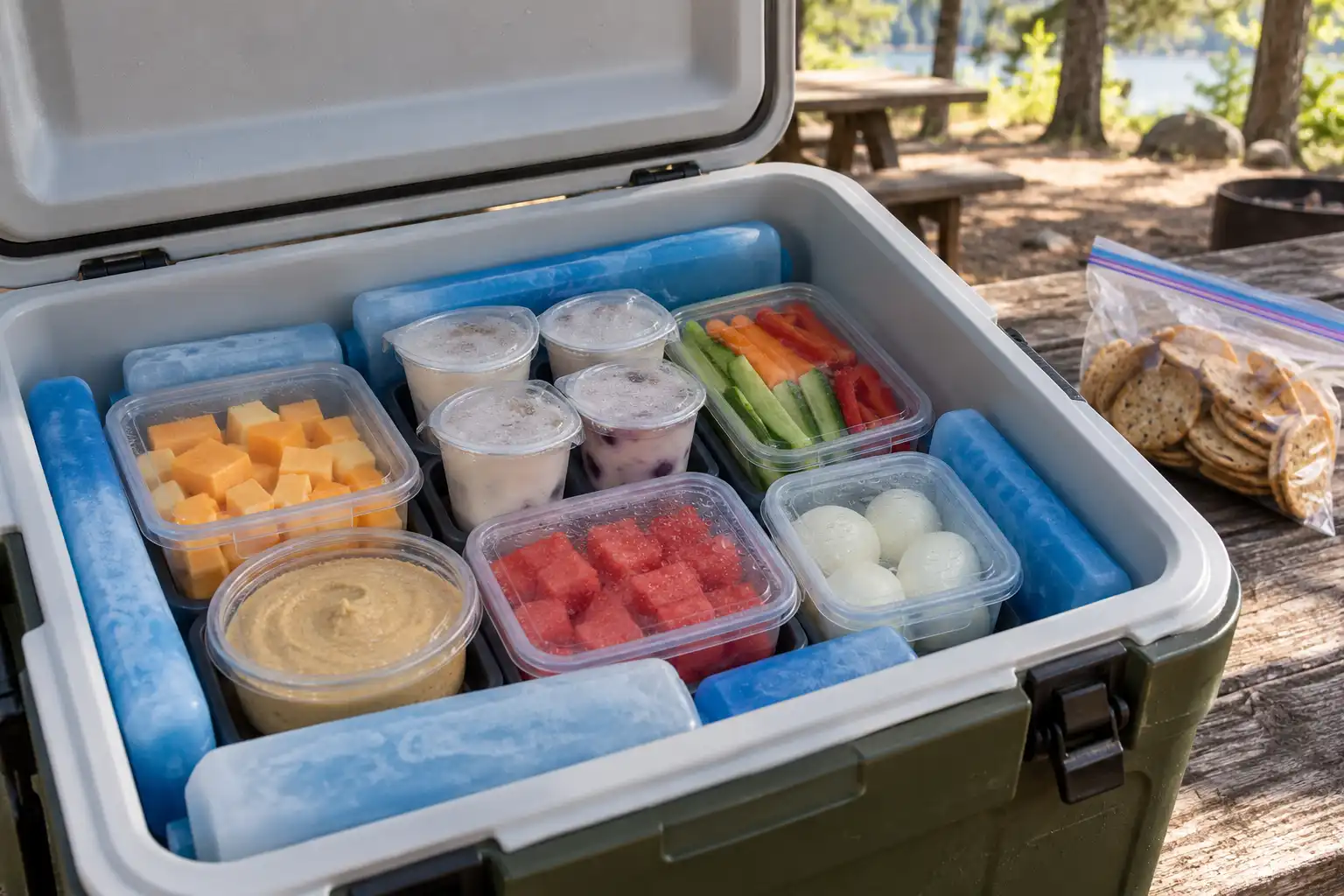
A cooler adds variety, but it also adds responsibility. I pack these foods chilled, use ice or frozen packs, and keep them at a safe temperature until serving.
9. Cheese Cubes and Crackers
Pack cheese cubes in a sealed container and bring the crackers separately. Add grapes or apple slices at serving time. It is simple, savory, and easy to portion.
10. Hummus and Vegetable Sticks
Fill small containers with hummus and pack carrots, bell peppers, or cucumber sticks alongside them. Precut the vegetables at home, then keep both the cut vegetables and hummus chilled.
11. Greek Yogurt With Berries
Use individual yogurt cups and add berries and granola when you eat. Keeping granola dry prevents sogginess. I save this option for car camping with reliable cooler space.
12. Hard-Boiled Eggs and Pita
Cook and chill eggs at home, then pack them in the cooler. Bring pita wedges and a little salt or seasoning. The combination works well after a morning walk.
13. Cold Watermelon or Pineapple Chunks
Precut fruit tastes refreshing on a warm afternoon. Store it in a leakproof container in the cooler and take out only what you will serve. Cut fruit should not sit on the picnic table all day.
14. Turkey and Cheese Pinwheels
Layer sliced turkey and cheese inside a tortilla, roll tightly, and cut into small rounds. Keep the rolls cold until serving. I make these for a more substantial snack between lunch and dinner.
Sweet Campfire Snacks
Warm snacks work only where the campground permits fires. For better control, use a stable grate, suitable cookware, and steady coals rather than cooking in tall flames. Keep children away from hot tools and foil.
15. Classic S’mores
Toast a marshmallow over the heat, then sandwich it with chocolate between graham crackers. Turn the marshmallow slowly instead of putting it directly into flames. Each person can assemble a portion once an adult has managed the roasting.
16. Chocolate Banana Boats
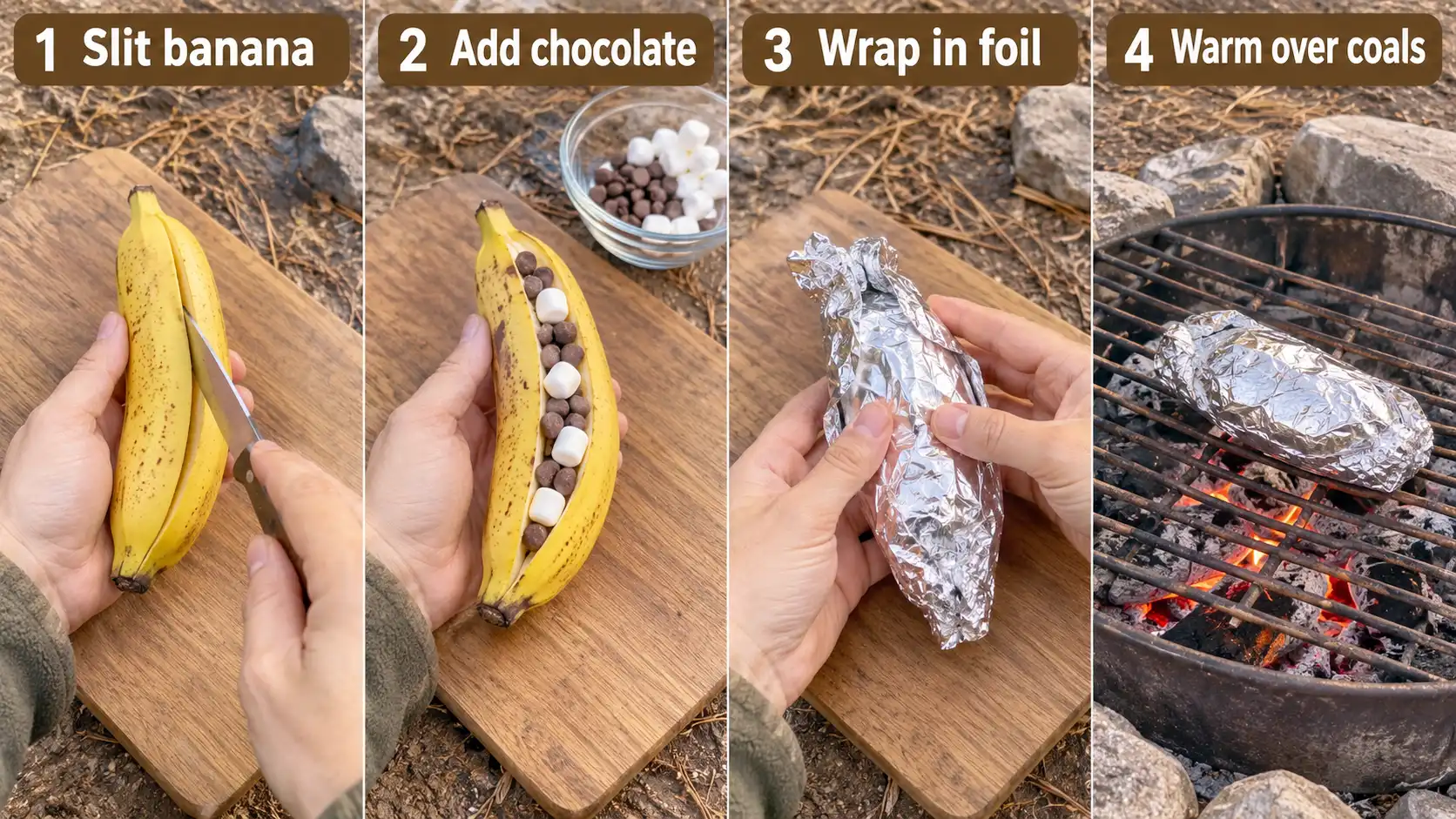
Slit an unpeeled banana lengthwise without cutting through the bottom. Add a little chocolate and mini marshmallows, wrap it in foil, and warm it on a grate above low coals until the filling softens. Open carefully because steam escapes.
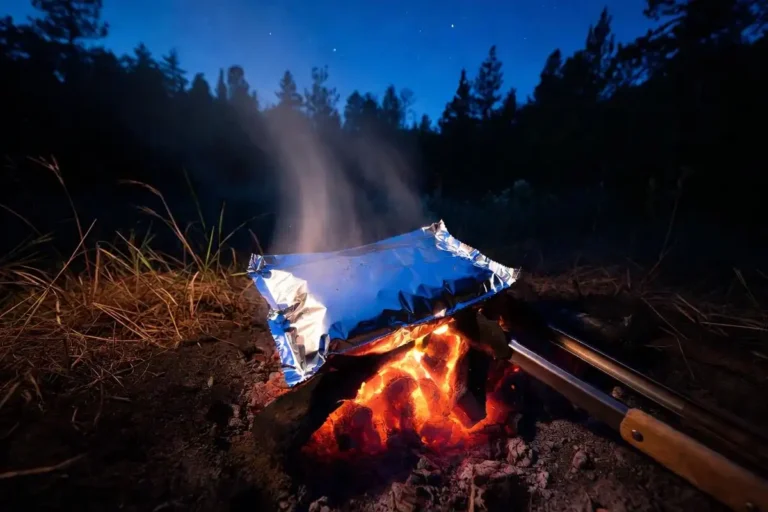
17. Cinnamon Apple Foil Packets
Slice an apple and add cinnamon with a small piece of butter. Close the slices inside a foil packet and warm it on a cooking grate over coals until tender. Use tongs and open the hot packet away from your face.
Savory and Crispy Snacks for the Campfire
These next ideas work well when I want something warm without preparing a full meal.
18. Mini Skillet Quesadillas
Fold shredded cheese inside small tortillas and toast them in a skillet until the cheese melts. Cut them into wedges for sharing. Because the cheese is perishable, I keep it chilled before cooking.
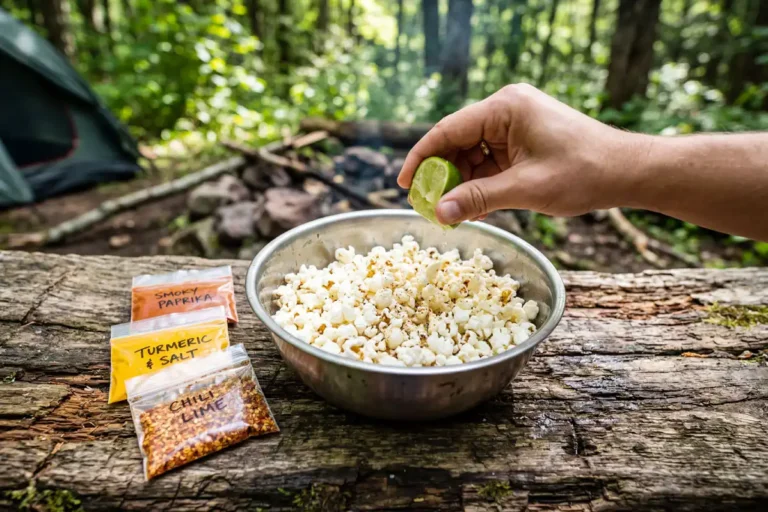
19. Campfire Popcorn
Use a popcorn popper rated for campfire use and follow its instructions over controlled heat. Shake it as directed to reduce scorching. For the full method, see how I make popcorn over a campfire.
20. Cinnamon-Sugar Pita Triangles
Cut pita bread into triangles and lightly brush them with oil. Toast them in a skillet over gentle heat, turning as needed, then toss with cinnamon and a little sugar off the fire. They make an easy warm dessert without a sticky filling.
Match Your Camping Snacks to the People and Weather
For hikers: I favor compact options that can handle a backpack: trail mix, bars, jerky, and sturdy fruit. When weight matters, I use the same approach as choosing lightweight snacks for steady trail energy.
For families with children: Familiar foods often work better than complicated recipes. I pack small portions, check allergies, and prepare foods in age-appropriate shapes to lower choking risks. Snacks also need to fit alongside easy camping meals children will eat.
For hot, humid weather: I rely more on shelf-stable foods and whole fruit unless I have a trustworthy cooler. When planning around Kaptai’s warm conditions, I would rather bring fewer chilled items than risk poor storage.
For dietary needs: Seed butter, roasted chickpeas, fruit, and suitable crackers can cover many preferences. However, I never assume a food is allergy-safe based on its name alone; I read the package and avoid cross-contact.
How Much to Pack and How to Prepare It
I plan snacks around breaks, not an exact number of calories. For a relaxed overnight trip with meals already covered, I start with a portable snack for each likely break, something to share at camp, and a spare option in case plans change. A long, active hiking day needs more food than an afternoon beside the tent.
For example, for two adults on a one-night car camping trip, I might take two apples, two nut-butter packets, two portions of trail mix, two chilled hummus-and-vegetable portions, and enough ingredients for two banana boats. I would also add a couple of shelf-stable bars for delays. That is an example, not a fixed ration.
Before leaving, I divide bulk snacks into portions, wash produce with safe water, and keep crackers away from damp cooler ice. I pack a small bag for wrappers and fruit peels, too. This keeps eating simple and reduces the chance of abandoned litter.
Store Snacks Safely and Keep Wildlife Away
Perishable snacks need a reliable cold source. I use a cooler thermometer and keep cold food at 40°F (4°C) or below. The USDA advises that perishable foods should not stay unrefrigerated for more than two hours, or one hour when the air is above 90°F (32°C). Its camping food-safety guidance explains these limits. If I cannot keep a food cold enough, I choose a shelf-stable snack instead. I also use the same precautions described in preventing food poisoning at camp.
Food storage protects animals as well as campers. I follow site-specific rules for lockers, approved bear-resistant containers, or vehicles where permitted, as the National Park Service recommends. Snacks never go in my tent, and I treat wrappers, crumbs, and fruit peels as food waste. These habits are part of storing campsite food securely.
Finally, I follow Leave No Trace fire practices and do not burn food scraps or foil in a campfire. I carry them out, leave the fire ring clean, and fully extinguish the fire when finished.
Frequently Asked Questions
Can I Bring Chocolate Camping in Hot Weather?
Yes, you can bring chocolate camping in hot weather, but it may soften or melt, so I pack it in a sealed container inside a working cooler or choose less heat-sensitive snacks instead. For s’mores, I keep the chocolate cool until it is time to cook.
Do Homemade Energy Balls Need Refrigeration?
Homemade energy balls may need refrigeration, especially when they contain dairy, fresh fruit, or other moist ingredients, so I would not assume they are shelf-stable just because store-bought bars can be. I follow the recipe’s storage guidance or bring packaged snacks with clear labels.
What Can I Serve When Campfires Are Not Allowed?
When campfires are not allowed, I choose snacks that need no cooking, including trail mix, fruit, crackers, shelf-stable pouches, and nut-butter wraps, or I use an approved stove only if local rules permit it. I never depend on a fire for the only evening snack.
Final Thoughts
Good camping snacks do not need complicated recipes or a bag full of specialty products. A few reliable no-cook choices, one or two chilled favorites if I have a cooler, and a simple fireside treat give me plenty of variety. Choose foods that match your travel style, pack enough for the breaks you expect, and store everything safely. That way, snack time stays easy, whether you are hiking, camping with kids, or relaxing at the tent.