How to Choose Sunscreen for High-Altitude Hiking in 7 Easy Steps

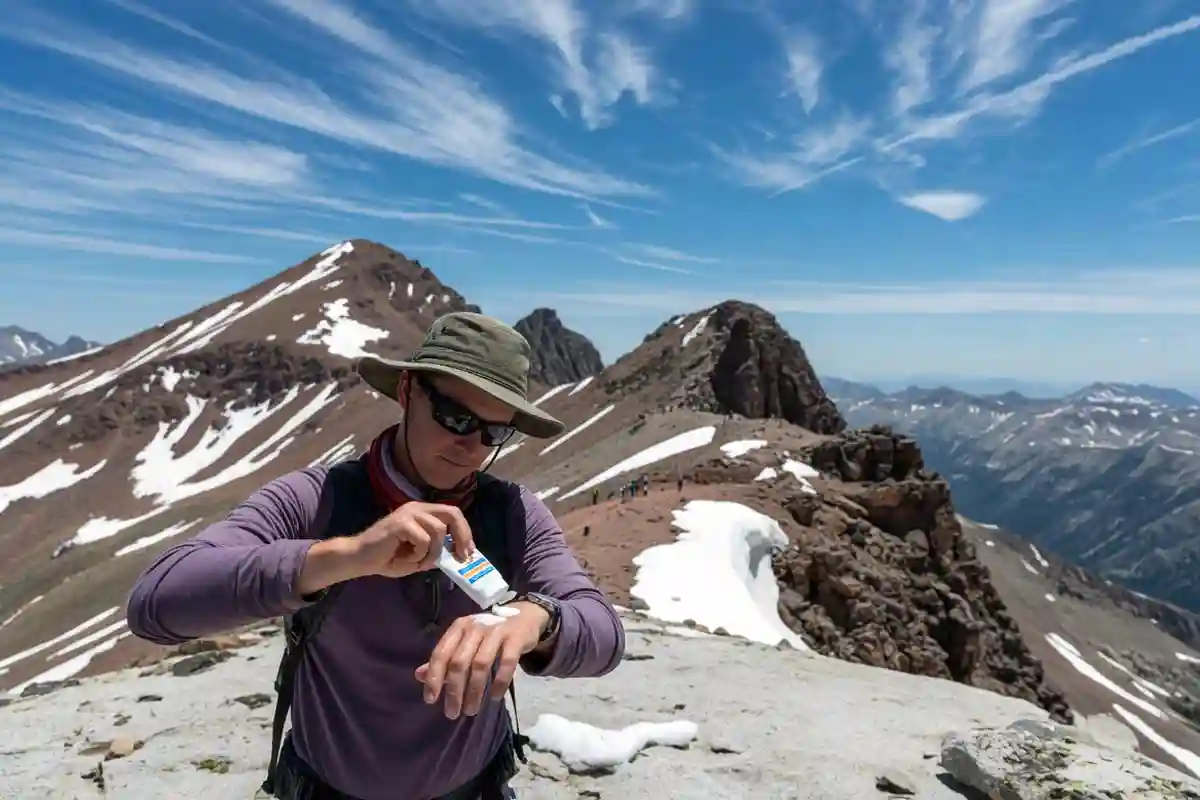
The right sunscreen for high-altitude hiking is broad-spectrum SPF 30 or higher, water-resistant, and small enough to fit a hip belt pocket. This guide covers what features matter above 8,000 feet, mineral versus chemical formulas, how much to apply, and the reapplication schedule that keeps your skin safe on long alpine climbs. I’ll also flag the common mistakes I see hikers make on the trail.
To choose sunscreen for high-altitude hiking, pick a broad-spectrum SPF 30 to 50 formula with water and sweat resistance, mineral active ingredients like zinc oxide for sensitive skin, and a tube under 3 ounces. Apply 1 ounce to exposed skin 15 minutes before the hike, then reapply every 2 hours.
Why High-Altitude Hiking Demands Stronger Sunscreen
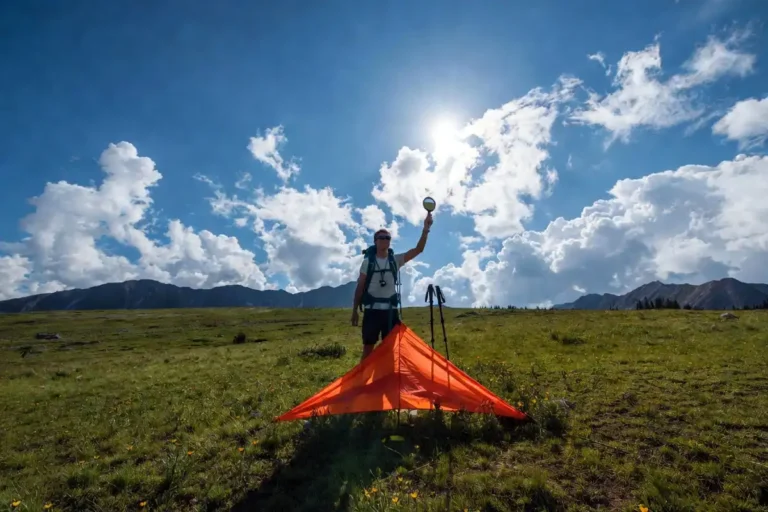
UV radiation rises roughly 10 to 12 percent for every 1,000 meters of elevation gain. At 10,000 feet, your skin takes on more UVB than at sea level on the same clear day. Snow reflects up to 80 percent of UV back at your face. Granite, sand, and water bounce extra rays upward too.

Thinner air filters less radiation, so cloudy days at altitude still cause burns. If heat exhaustion also worries you on long climbs, my notes on hiking safely in extreme heat cover that side of the trip.
What to Look For When You Choose Sunscreen for High-Altitude Hiking
Five features matter most when you pack sunscreen for the mountains.
1. Broad-Spectrum Protection (UVA + UVB)
Broad-spectrum sunscreen blocks both UVA and UVB rays. UVB causes sunburn. UVA drives long-term skin damage and aging. The FDA’s sunscreen labeling rules require broad-spectrum products to pass a critical wavelength test. Look for the broad-spectrum label on the front.
2. SPF 30 to 50
The SPF 30 blocks about 97 percent of UVB. SPF 50 blocks around 98 percent. The American Academy of Dermatology recommends SPF 30 or higher for outdoor activity. Going above SPF 50 adds small extra coverage at a higher cost.

3. Water and Sweat Resistance
Water-resistant sunscreen holds up for 40 or 80 minutes during sweat or water exposure. Pick the 80-minute version for long alpine climbs. Plain formulas wash off in under 30 minutes once you start sweating hard.
4. Mineral or Chemical Active Ingredients
Mineral sunscreens use zinc oxide or titanium dioxide. They sit on the skin and reflect UV. Chemical sunscreens absorb UV and convert it to heat. Both work when applied correctly, but mineral formulas start protecting on contact.
5. Travel-Friendly Size
A 3-ounce tube clears TSA carry-on rules and fits a hip belt pocket. For multi-day trips, repackage into smaller bottles to save weight. Where you stash the tube matters as much as the brand, which I cover in my guide on packing a hiking backpack.
Mineral vs Chemical Sunscreen at Altitude
Mineral sunscreen wins for high-altitude hiking in most cases. Zinc oxide starts blocking UV the moment you apply it. Chemical formulas need 15 to 20 minutes to bond with the skin before they protect. At elevation, where UV is stronger, that lag matters.
Mineral sunscreens also handle heat and sweat better in my experience. They leave a slight white cast on the skin. Tinted versions reduce that look without losing protection.
Chemical sunscreens feel lighter and rub in clear. Hikers with sensitive skin sometimes react to oxybenzone or octinoxate. Many U.S. national parks now restrict those ingredients to protect coral reefs and alpine lakes.
How to Apply Sunscreen on the Trail (Step-by-Step)
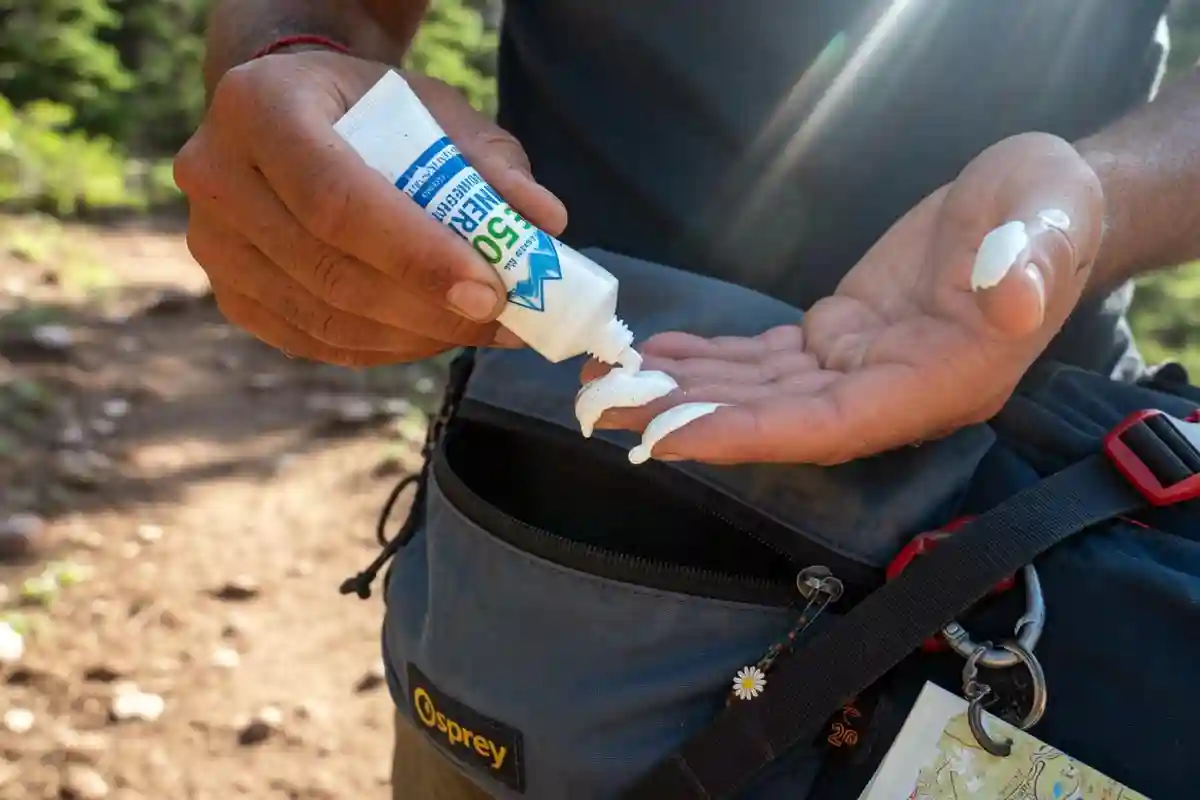
Follow this order before you leave camp.
- Apply 15 minutes before sun exposure. Chemical sunscreens need time to bond with the skin. Mineral formulas work right away, but early application gives even coverage.
- Use 1 ounce for full body coverage. That fills a shot glass. Most hikers use half that and burn by noon.
- Cover often-missed spots. Ears, back of neck, hands, lip line, scalp part, and tops of feet if wearing sandals.
- Reapply every 2 hours. Set a watch alarm or pair it with snack breaks. My piece on pacing on long climbs explains how to time those stops.
- Reapply after heavy sweat, swimming, or face-wiping. Even water-resistant formulas wear down with friction.
- Add a lip balm with SPF 30. Lips burn fast at altitude and crack in dry air.
Don’t Forget Lips, Ears, and Eyes
According to CDC sun safety guidance, lips, ears, and the back of the neck are the most-missed sun protection zones. A wide-brim hat and UV-rated sunglasses cover what sunscreen can’t reach. Glacier glasses with side shields protect against snow glare on alpine traverses above 11,000 feet.
Common Mistakes to Avoid at Altitude
- Using expired sunscreen. Active ingredients break down after the date stamped on the tube.
- Applying once and forgetting. One coat in the parking lot fails by lunch.
- Skipping cloudy days. Up to 80 percent of UV passes through cloud cover.
- Picking spray-only formulas at altitude. Wind blows half the spray away from your skin.
- Trusting all-day claims. The FDA does not allow that label, and no formula lasts 8 hours.
- Ignoring scalp and ear tops. Thin hair and exposed cartilage burn within an hour above 9,000 feet.
Safety Notes for High-Altitude Sun
Sunburn at 12,000 feet can blister within hours. Pair sunscreen with a wide-brim hat, UPF 50 long sleeves, and sunglasses with UV 400 protection. Drink extra water since dehydration speeds up skin damage.
If you notice headache, nausea, or dizziness alongside a burn, descend and rest. Heat and altitude stack quickly. Sun protection pairs with smart clothing layers for cold wind, since alpine weather flips from blazing sun to sleet in under an hour.
FAQs on Sunscreen for High-Altitude Hiking

Is SPF 50 enough for hiking above 10,000 feet?
Does sunscreen expire faster at high altitude?
Can I use facial moisturizer with SPF instead of sunscreen?
Should I pick reef-safe sunscreen for mountain trips?
How much sunscreen do I need for a 7-day backpacking trip?
Final Word
The right sunscreen turns a brutal alpine day into a comfortable one. Pick broad-spectrum SPF 30 to 50, water-resistant, mineral if your skin reacts to chemicals, and small enough to keep in reach. Apply 15 minutes before you start, reapply every 2 hours, and cover ears, lips, and the back of your neck. Up high, the sun does not forgive a missed spot.