How to Shower While Winter Camping Without Getting Cold

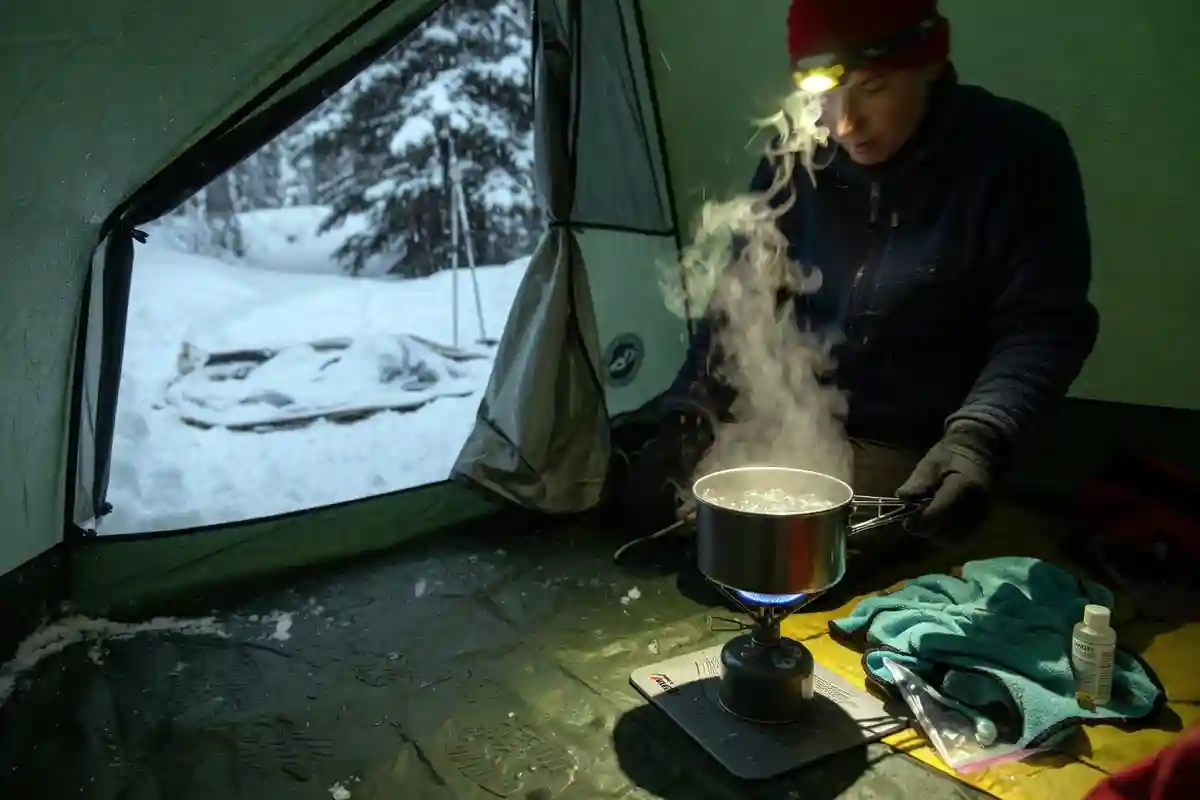
A winter camping shower works best when you heat water in advance, strip in stages inside a wind-blocked space, and wash one body section at a time using minimal water. This guide walks through safe methods, step-by-step techniques, gear setup, common mistakes, and cold-weather safety, so you stay clean and warm without burning fuel or losing body heat.
To shower while winter camping without getting cold, heat 1 to 2 liters of water on a camp stove, set up inside a heated tent vestibule or car, undress in stages, and wash with a microfiber cloth or no-rinse wipes. Dry off fast and dress in pre-warmed clothes within 5 minutes.
What Counts as a Shower in Winter Camping
A winter camp shower means cleaning the body using small amounts of warmed water, no-rinse wipes, or biodegradable soap inside a sheltered space. Most cold-weather campers skip full body rinses and use spot cleaning to protect core heat.
The goal is hygiene without losing 5 to 10 minutes of body warmth that can take hours to rebuild. A full outdoor shower in sub-freezing weather raises hypothermia risk fast. Spot bathing with warm water and a cloth keeps you clean and safe.
When You Should Shower in Cold Weather
Plan your wash for the warmest part of the day, between 11 a.m. and 2 p.m. Showering at night drops core temperature when it is hardest to recover.
Trigger points for a cold-weather wash:
- After heavy sweat from hiking, snowshoeing, or chopping firewood
- Every 2 to 3 days for general hygiene on multi-day trips
- Before climbing into your sleeping bag if you feel salty or damp
- Around feet, armpits, and groin daily to prevent rashes and odor
If outside air sits below 20°F (minus 6°C), skip a full shower and use wipes only. Cold air pulls moisture and heat from skin within seconds.
Where to Shower Safely During Winter Camping
The location matters more than the method. A wind-protected, semi-heated space prevents cold shock.
Best locations:
- Heated four-season tent with proper ventilation
- Tent vestibule with a small stove placed outside fabric reach
- Car or van interior with the heater on
- Campground shower house if open in winter
- Sheltered nook beside a vehicle, blocked from wind
For setup details on keeping the tent warm at night, I covered the steps in an earlier guide on overnight tent warmth, which applies to mid-day washes too. Avoid open clearings, ridgelines, or any spot where wind cuts across bare skin.
How to Shower While Winter Camping (Step-by-Step)
This is the workflow I follow on every cold-weather trip.
Step 1: Heat Water Before You Strip
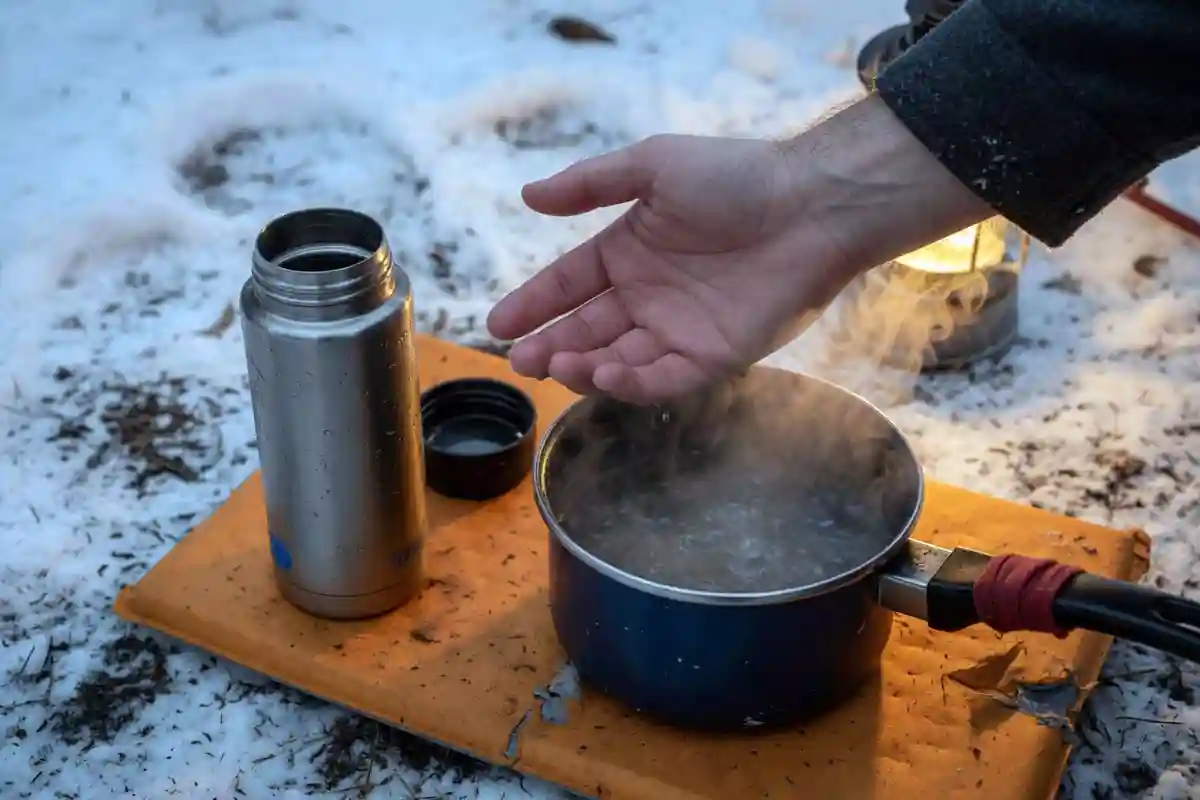
Boil 1 to 2 liters of water on a stove, then mix with cold water until it reaches 100 to 110°F (38 to 43°C). Skin damage starts above 120°F. Pour the warm water into an insulated bottle or hand-pump shower bag.
Step 2: Set Up Your Shelter
Block wind with the tent body, vestibule, vehicle, or a tarp. Make sure the space has airflow if you run a stove inside. Carbon monoxide builds fast in closed tents.
Step 3: Lay Down an Insulated Pad
Stand on a foam sit pad, sleeping pad, or folded towel. Bare feet on frozen ground or snow drains body heat in under a minute.
Step 4: Pre-Warm Your Dry Clothes
Tuck base layers and a dry towel inside your sleeping bag or near a heat source 10 minutes before washing. Cold fabric against wet skin causes shivering.
Step 5: Undress in Stages
Strip one body section at a time. Wash your arms, then redress the upper body before exposing legs. Full nudity in cold air drops skin temperature within 30 seconds.
Step 6: Wash With a Microfiber Cloth
Dip the cloth in warm water, add a drop of biodegradable soap, scrub one area, rinse with the cloth, then dry that area before moving on. Use about 250 ml of water per body section.
Step 7: Dry and Dress Fast
Pat skin dry with a microfiber towel. The total wash should take 5 to 8 minutes. Step into pre-warmed clothes, then put on a hat and warm jacket within seconds of finishing.
Best Cleaning Methods for Cold-Weather Camping
You have five reliable options.
Sponge Bath With Heated Water
The most common method. Uses a pot, microfiber cloth, and 1 to 2 liters of warm water.
No-Rinse Body Wipes
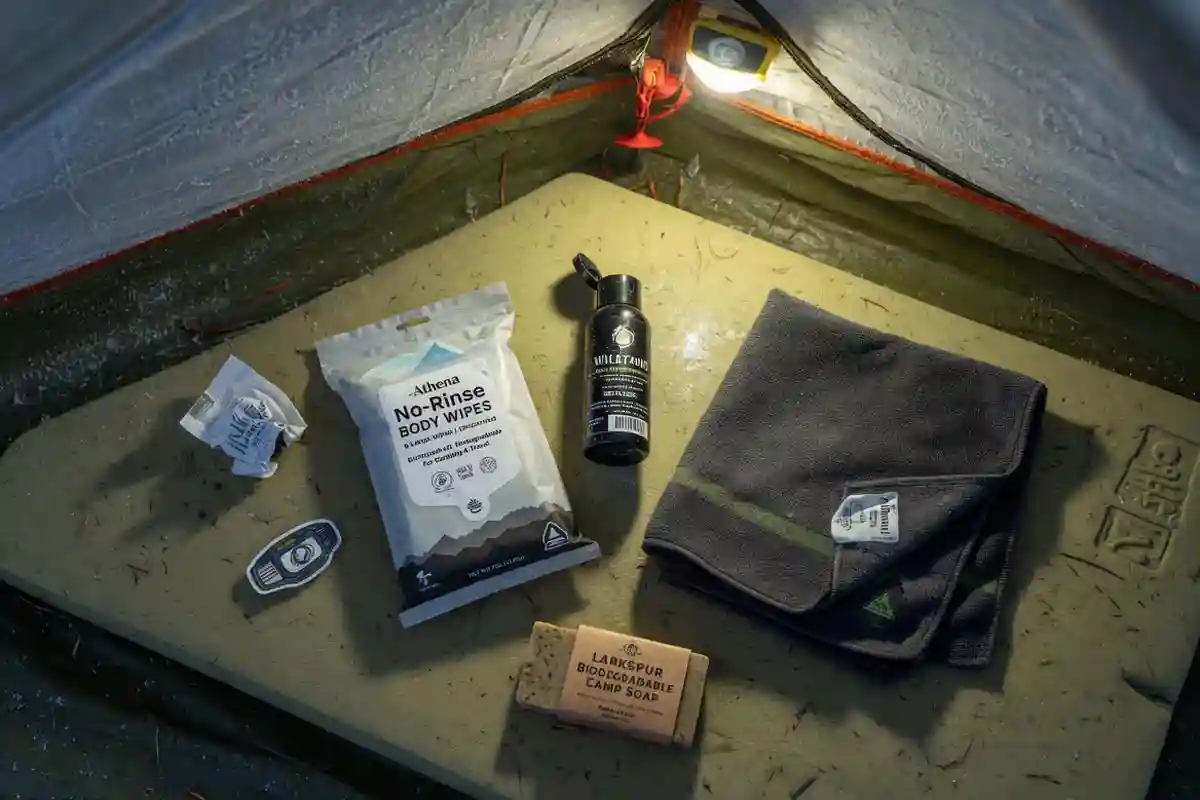
Pre-moistened wipes from outdoor brands work without water. Best for sub-zero conditions or short trips.
Solar Shower Bag (Heated)
A 5-liter black solar bag warmed by stove water or sunlight. Hang inside a tent vestibule and use the spray nozzle. Works well above freezing.
Pressurized Hand-Pump Shower
A small canister with a pump and nozzle. Fills with warm water, sprays for 3 to 5 minutes. Lightweight option for solo campers.
Dry Shampoo and Spot Wipes
Dry shampoo handles hair without water. Spot wipes clean problem areas. Combine both on cold mornings when a full wash is risky.
Gear You Need for a Winter Camp Shower
A small kit covers all five methods:
- Insulated water bottle or thermos (1 liter)
- Camp stove and 0.5 liter pot
- Microfiber towel (small, fast-drying)
- Biodegradable soap (Dr. Bronner’s or similar)
- No-rinse body wipes (10 to 15 per trip)
- Foam sit pad to stand on
- Dry bag for clean clothes
- Headlamp if washing at dawn or dusk
Essential Items for Winter Camp Shower


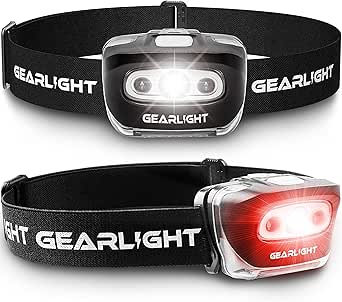


As an Amazon Associate we earn from qualifying purchases.
For drying gear afterward, the steps in my guide on drying wet gear at camp apply to towels and wash cloths too.
Mistakes to Avoid When Showering in Cold Weather
Watch for these slip-ups.
- Showering at night when air temperature drops 10 to 20 degrees
- Using lukewarm water that cools too fast on bare skin
- Standing barefoot on snow, frozen ground, or cold tent floor
- Leaving wet hair untreated, which steals body heat for an hour
- Forgetting to lay out dry clothes within arm’s reach
- Skipping the wind check before undressing
- Running a stove inside a sealed tent (carbon monoxide risk)
If you are unsure about safe overnight temps, the breakdown in my post on cold tent sleep limits covers the threshold.
Troubleshooting Cold-Weather Shower Problems
A few common problems and quick fixes.
Water Freezes in the Bottle or Hose
Store water inside your jacket or sleeping bag. Insulate solar shower hoses with a wool sock.
Soap Will Not Lather
Cold water blocks the soap reaction. Warm the water to at least 90°F (32°C) and use a small drop on a damp cloth.
You Start Shivering Mid-Wash
Stop, dress, get into a sleeping bag, and drink warm liquid. Shivering means your body is losing the warmth battle.
Towel Stiffens or Freezes
Wring it hard, then warm it inside your jacket for two minutes before using. Microfiber recovers fast.
Skin Feels Tight or Burns After Drying
Cold air dries skin within minutes. Apply unscented moisturizer or petroleum jelly after dressing.
Safety Notes for Winter Camp Showers
Cold-weather hygiene carries real risk if rushed. According to CDC guidance on cold-weather exposure, wet skin loses heat 25 times faster than dry skin. That ratio makes a careless shower a hypothermia trigger.
Watch for early hypothermia signs:
- Uncontrolled shivering
- Slurred speech or confusion
- Numb fingers and toes
- Pale or bluish skin
If you notice any sign, stop the wash, get into dry layers, and warm up in a sleeping bag. I covered the response in detail in a post on suspected hypothermia at camp.
Other safety rules:
- Skip showers when wind chill drops below 0°F (minus 18°C)
- Always vent the tent when running a stove (covered in my cold-weather tent airflow guide)
- Drink warm fluids before and after washing
- Dispose of greywater 200 feet from water sources, per NPS Leave No Trace guidance
FAQs about Shower in Winter Camping

How often should I shower during winter camping?
Can I shower outside if my tent has no vestibule?
What water temperature is safe for a winter camp shower?
Will showering in winter make me colder afterward?
Are baby wipes a good substitute for a winter shower?
Final Thoughts
A winter camp shower comes down to preparation. Heat water early, block the wind, stand on insulation, and move fast. Spot cleaning beats a full shower in deep cold every time. Pack wipes for backup and pre-warm your clothes before stripping. With the right setup, you stay clean, warm, and comfortable even when the air outside sits below freezing.