How to Tell If Firewood Has Termites and What to Do Next

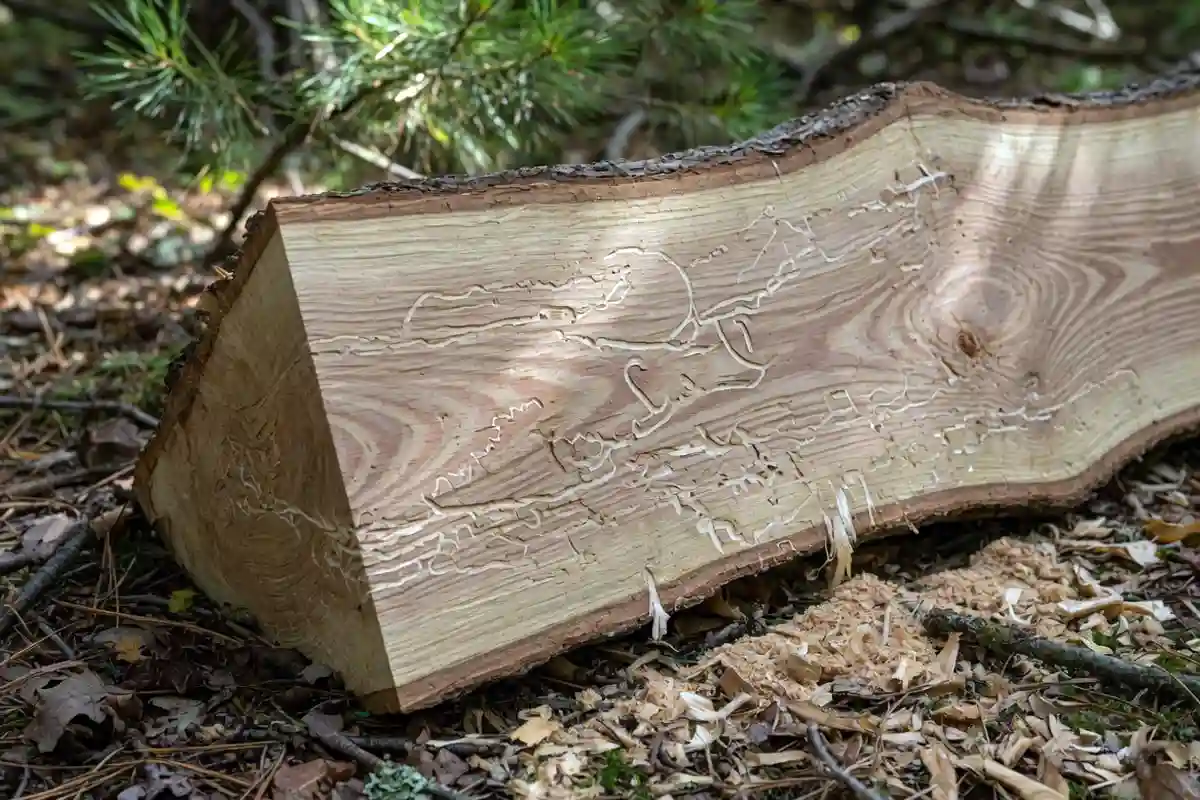
You can tell if firewood has termites by looking for hollow tunnels, mud tubes, fine sawdust piles, and small pinholes across the bark or split faces. Spotting these signs early protects your woodpile, your tent area, and any cabin or structure nearby. This guide covers what termites in firewood look like, where to inspect, how to check each piece, and what steps to take when you find them.
To tell if firewood has termites, check each log for narrow mud tubes on the bark, pale tunnels in split faces, fine pellet-like frass, pinhole exit holes, and a hollow sound when tapped. Inspect cut ends in good light before stacking the wood near your camp, cabin, or home.
What termites in firewood look like
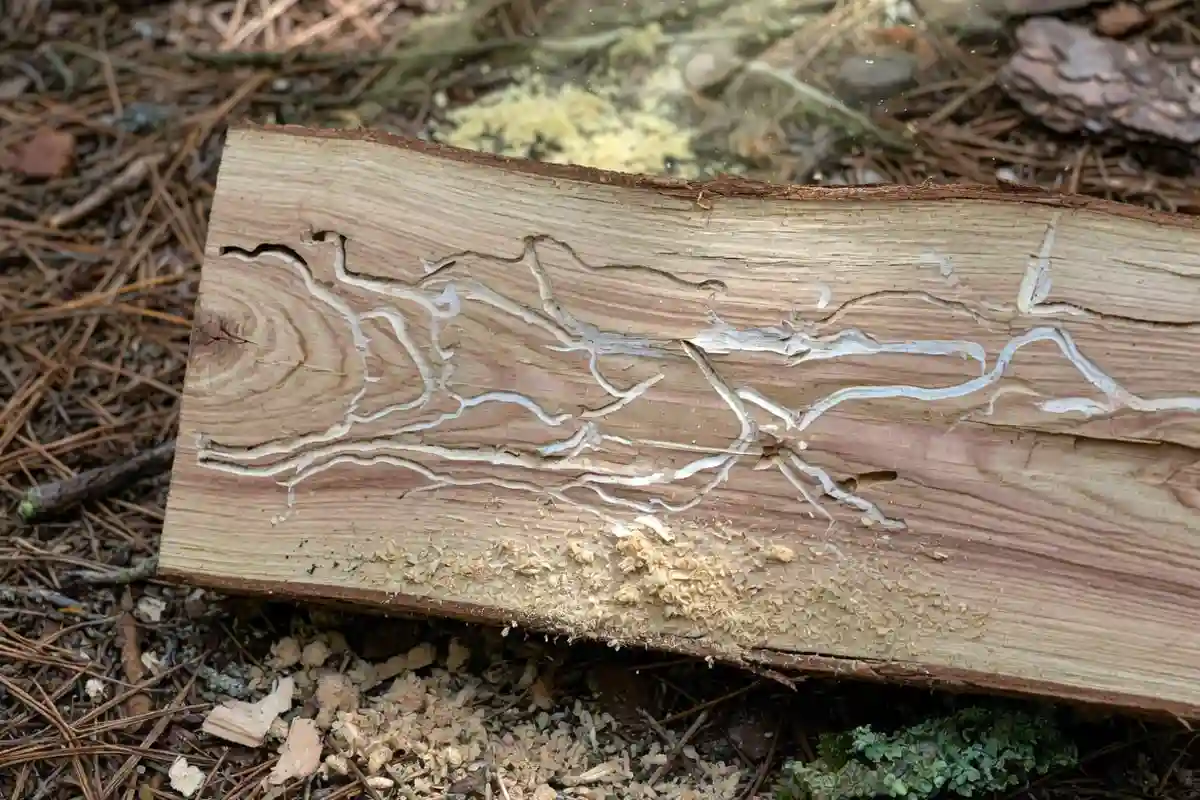
Termites leave clear visual signs once you know where to look. The pests carve smooth tunnels along the grain and pack some passages with dried mud.
Common signs on infested firewood include:
- Narrow mud tubes about the width of a pencil running along the bark
- Pale, papery tunnels visible on split faces
- Soft, crumbly wood that breaks apart by hand
- Tiny pinholes (1 to 2 mm) on bark or end grain
- Pellet-shaped frass that looks like coarse sand
- Live workers: cream-colored, soft-bodied, 4 to 6 mm long
- A hollow knock when you tap a dry log
Subterranean termites build the mud tubes you see most often. Drywood termites leave hard, six-sided pellets near small kick-out holes.
You will not always see live insects. Workers stay inside the wood and avoid light. Look for damage patterns first, then confirm by splitting a suspect piece.
When firewood is most likely to have termites
Termite risk rises in warm, damp seasons and when wood sits on the ground for months. Subterranean termites need soil contact and moisture to feed.
Risk goes up when:
- Wood has been stacked over six months without inspection
- The pile sits directly on bare soil
- The bark stays on and traps moisture
- Local temperatures stay above 50°F (10°C) for long stretches
- The pile sits in deep shade with poor airflow
In the Chittagong Hill Tracts and most of South Asia, monsoon months bring the highest termite pressure. In North America, activity peaks from May through September.
Fresh-cut logs from a downed tree carry higher risk than seasoned wood from a covered shed. Inspect any pile that sat through a rainy season before bringing it near a tent or cabin. My notes on finding firewood at camp cover smart field selection.
Where to look on each piece of firewood
Termites favor specific zones on a log. Knowing the hot spots saves time when you check a large pile.
Inspect these areas first:
- The bark and the cambium layer underneath
- End grain on cut faces
- Cracks and checks along the length
- The bottom side that touched the ground
- Knots and old branch scars
- Any soft, punky section near the heartwood
Roll each log over and look at the underside. Subterranean termites enter through ground contact, so the bottom carries the earliest signs. Mud tubes climb up from the soil and disappear into the bark.
Split a suspect log lengthwise if you have an axe handy. Galleries inside the wood confirm an active or past infestation. Empty tunnels with smooth walls point to old damage. Fresh, moist tunnels with live workers mean an active colony.
How to inspect firewood for termites step by step
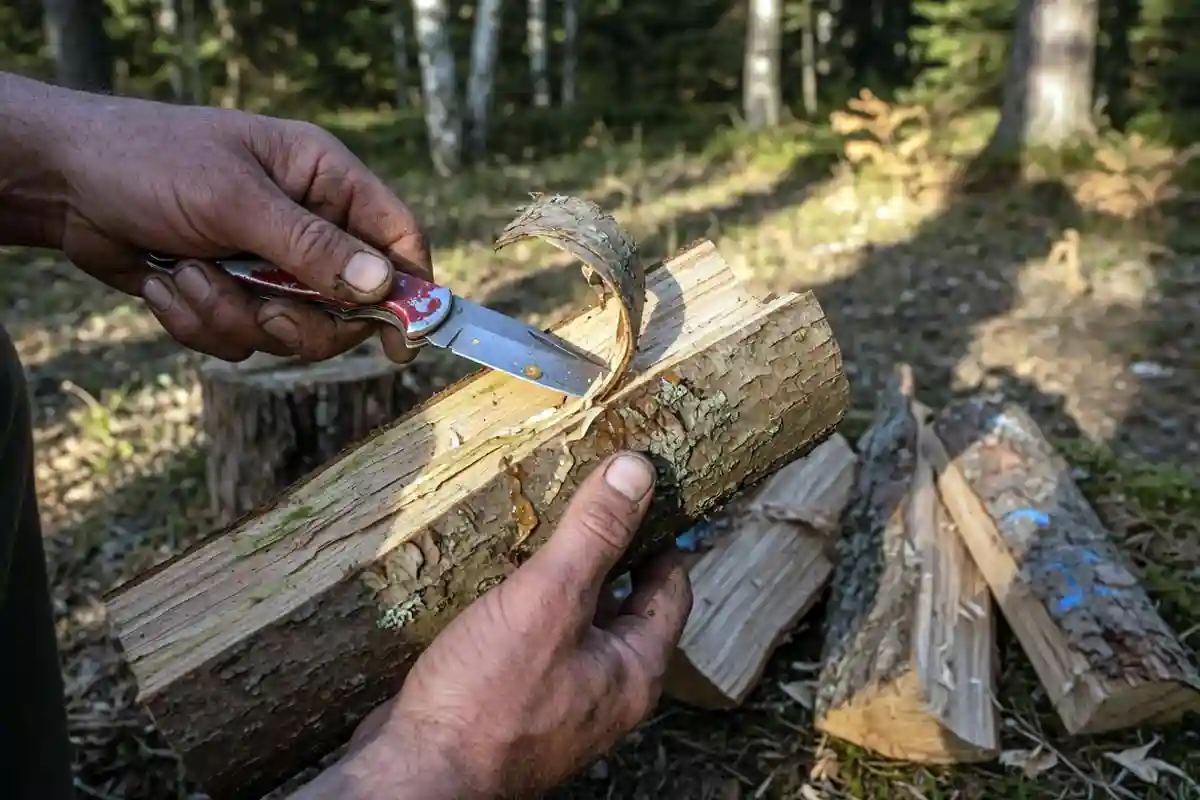
This 6-step inspection takes about 30 seconds per log. Run through it before loading wood into a vehicle, a shed, or near a campsite.
- Look at the bark. Scan for mud tubes, pinholes, and torn patches.
- Check the underside. Roll the log and inspect the side that touched the ground.
- Tap the wood. A solid log sounds sharp. A tunneled log sounds dull and hollow.
- Scrape the bark with a knife. Loose bark hides galleries underneath.
- Inspect the end grain. Look for tunnels following the growth rings.
- Split a suspect log. Open one piece per pile to confirm clean wood inside.
Use bright daylight or a strong headlamp. Termite damage hides in shadow. Wear gloves to avoid splinters and live insects.
How to tell termites from other wood pests
Several pests damage firewood, and people often confuse them. Each one leaves a different signature.
| Pest | Sign on wood | Tunnel size |
|---|---|---|
| Subterranean termite | Mud tubes, soft pale wood | 2-3 mm |
| Drywood termite | Six-sided pellets, kick-out holes | 2-3 mm |
| Carpenter ant | Coarse shavings, polished galleries | 4-6 mm |
| Bark beetle | Squiggly tracks under the bark | 1-2 mm |
| Powderpost beetle | Talc-fine dust, round holes | 1-2 mm |
Carpenter ants leave clean, polished tunnels and push out coarse shavings. Bark beetles work between the bark and the wood, creating spaghetti-like patterns. Powderpost beetles produce flour-fine dust under round exit holes.
Body shape gives the fastest field ID. Termites are cream or pale yellow with soft, straight bodies. Carpenter ants have a hard, dark, segmented body with a pinched waist. According to Penn State Extension, the waist and antennae shape are the quickest visual checks.
What to do when firewood has termites
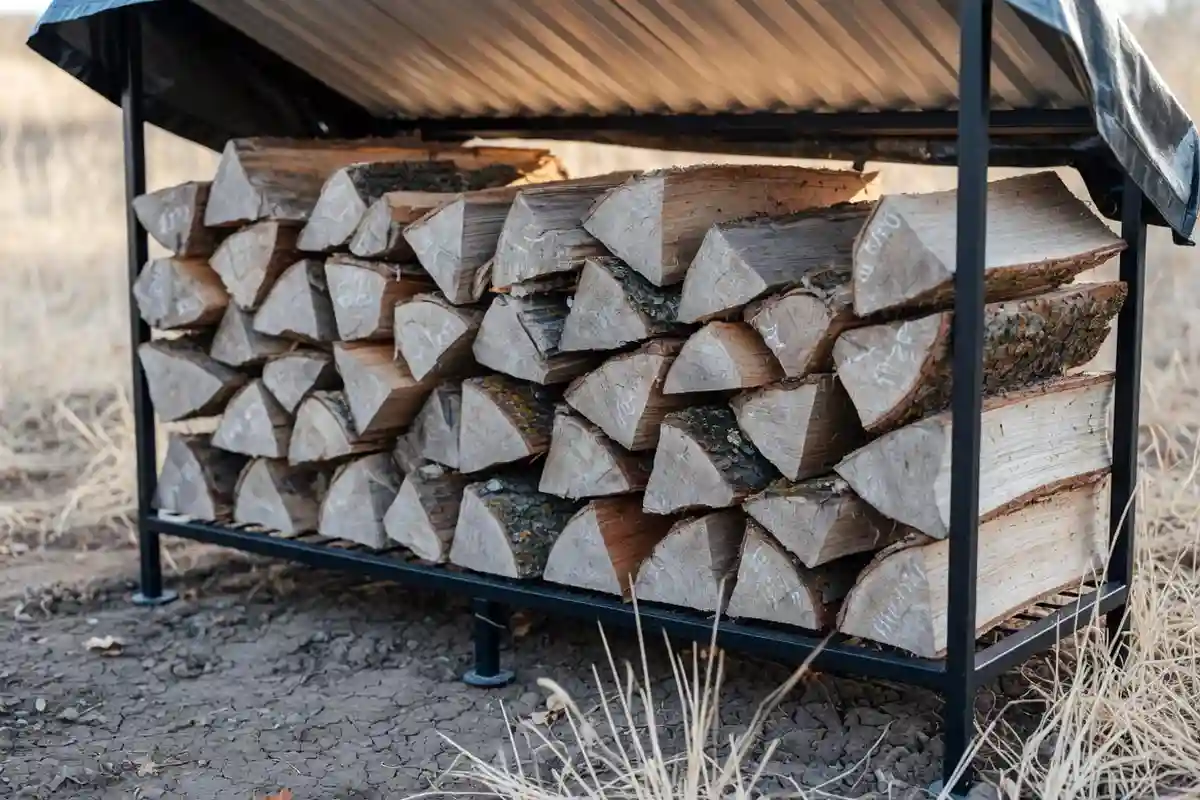
Action depends on where you are and what you plan to do with the wood. Burning kills the insects, but moving infested wood spreads them.
Field-tested options:
- Burn it on site. Flame above 130°F (54°C) kills termites within minutes.
- Do not transport it. Crossing county or park lines spreads pests.
- Keep it 20+ feet from any structure. Protect cabins, sheds, and tent platforms.
- Stack on a metal rack. Lift wood at least 6 inches off the ground.
- Cover the top only. Leave the sides open for airflow.
If the wood sits near a home, burn it before the next warm season. Avoid storing suspect logs in a basement, garage, or porch.
Subterranean colonies do not survive long once wood dries below 15% moisture. Seasoning under cover for 6 to 12 months reduces termite pressure. My article on the amount of firewood to bring for camping covers smart pile sizing.
Mistakes to avoid when checking firewood
Most termite problems start with a missed inspection. A few common errors put your camp or home at risk:
- Skipping the underside of each log
- Treating small pinholes as harmless weather damage
- Storing wood against a wall or fence
- Bringing camp leftovers home in a truck bed
- Trusting bagged retail wood without a quick check
- Splitting wood indoors before inspecting outside
Stacking on bare soil is the biggest single mistake. Soil contact gives subterranean termites a direct path into the pile. Use pallets, concrete blocks, or a steel rack instead.
Another common error is sourcing wood far from where you will burn it. Federal and state campaigns urge campers to gather or buy wood within 50 miles of camp.
Safety notes for handling and burning suspect wood
Termite-infested wood burns the same as clean wood, but a few cautions apply:
- Wear gloves when sorting suspect logs
- Burn outdoors in a fire ring, not indoors
- Avoid burning wood with visible nails or paint
- Keep the fire away from dry grass and tent walls
- Wash hands after handling damp, infested pieces
Smoke from termite-damaged wood is no more toxic than regular smoke, as long as the wood is untreated. The pests die quickly in flame.
Keep your stack downwind of the tent to reduce ant and termite traffic during the night. My write-up on keeping insects out of your tent covers night-time pest control.
FAQs about Tell If Firewood Has Termites

Can termites in firewood spread to my house?
Does burning firewood kill the termites inside?
How long do termites live in cut firewood?
Should I spray firewood with insecticide?
Are termites in firewood dangerous to humans?
Final Verdict
Checking firewood for termites takes under a minute per log once you know the signs. Look for mud tubes, pinholes, hollow taps, and pale tunnels in split faces. Stack each pile off the ground, keep it away from your tent and home, and burn any suspect pieces on site. A short inspection at the source keeps your camp clean and your structures safe through every season.