Camping With Toddlers: Packing, Sleep, Safety, and Activities

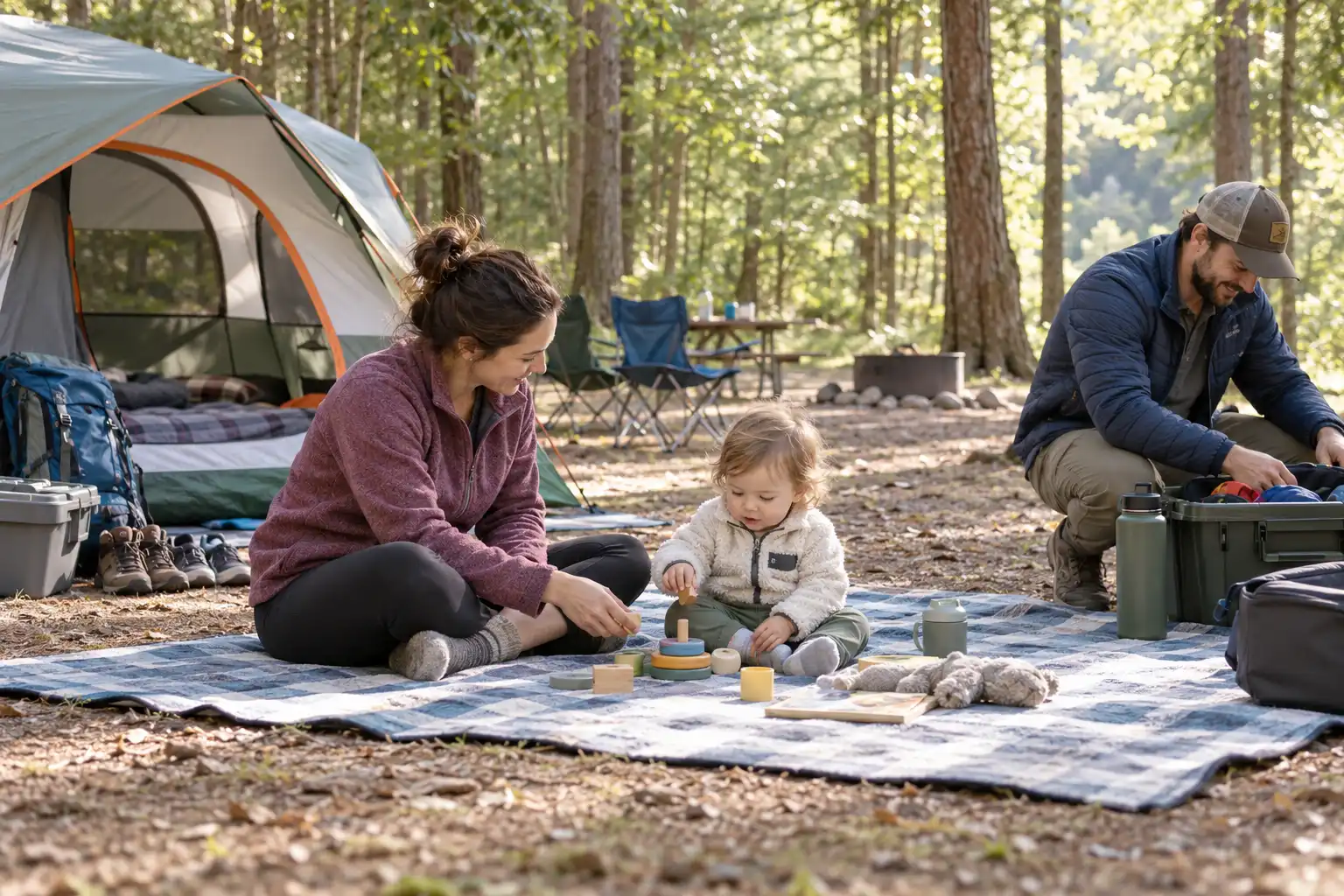
Camping with toddlers is easier when you plan around their needs instead of a busy outdoor schedule. That means sleep, snacks, diaper changes, and constant supervision matter more than how far you hike. I want to help you choose a manageable campsite, pack the right things, and enjoy a first night without avoidable stress.
For a first trip, start with one night at a drive-up campground with restrooms, safe drinking water, and a level tent site. Then bring extra dry clothes, familiar meals, diaper supplies, and a suitable sleeping setup. Above all, keep your toddler under active adult supervision during setup, cooking, and play, even if that means skipping a campfire.
Choose a Campsite That Works for a Toddler
For the first outing, I recommend a developed campground close to home. That way, a short drive gives you an easy way home if your child gets sick, refuses to settle, or the weather turns. Also, choose a mild-weather weekend and check both daytime conditions and the overnight low.
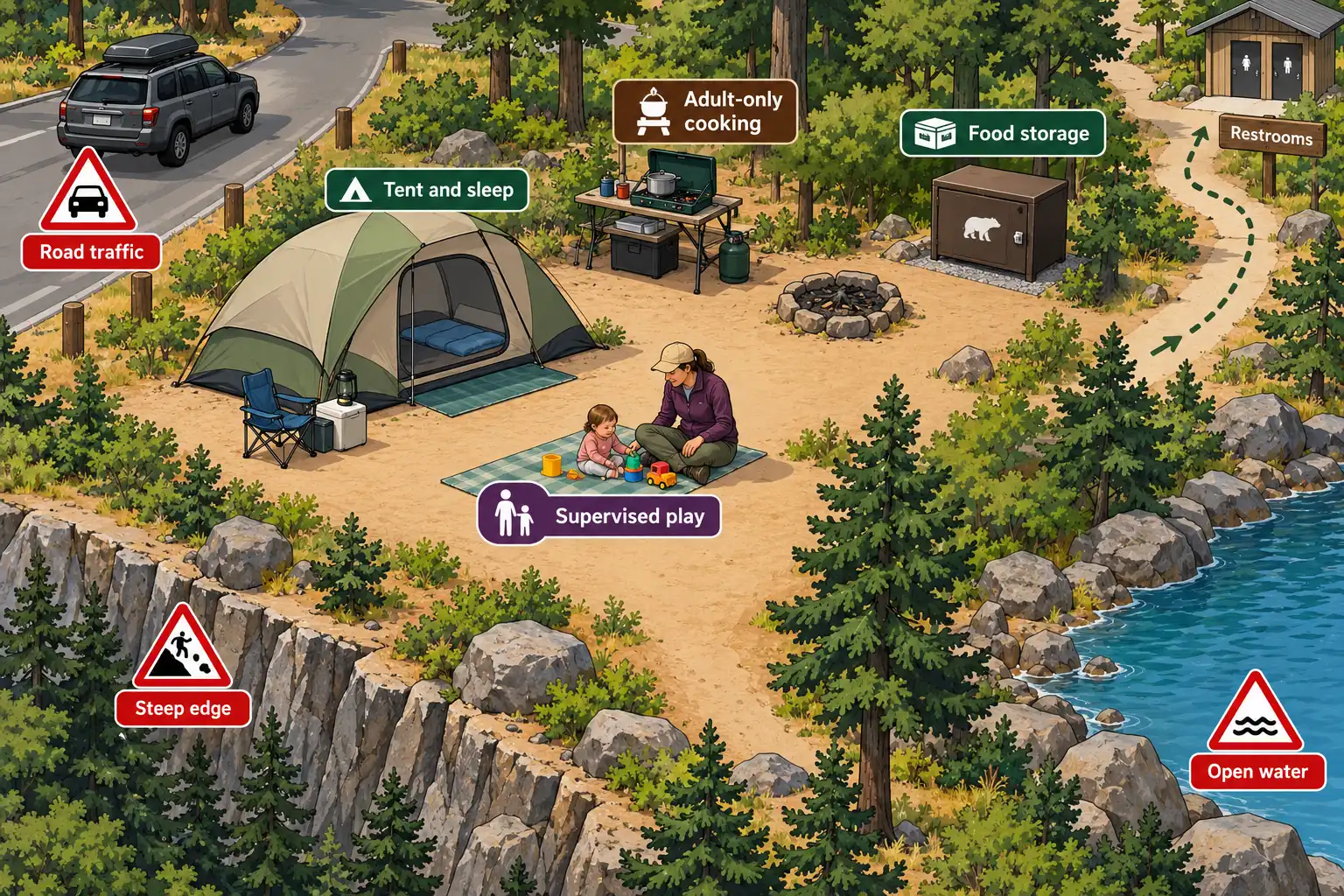
When comparing sites, look for toilets, potable water, shade, and room to pitch the tent without blocking a walking path. Avoid campsites next to roads, steep slopes, ponds, or streams. Also, look above the tent area for dead branches and below it for uneven or poorly drained ground.
From my camping experience in the Rangamati hills, I know a dry tent floor matters. When camping with a toddler, I would prioritize that over an impressive view.
If older siblings are joining the trip, family camping activities for different ages can help you balance their interests with a toddler’s slower pace.
Practice at Home and Arrive Before Dark
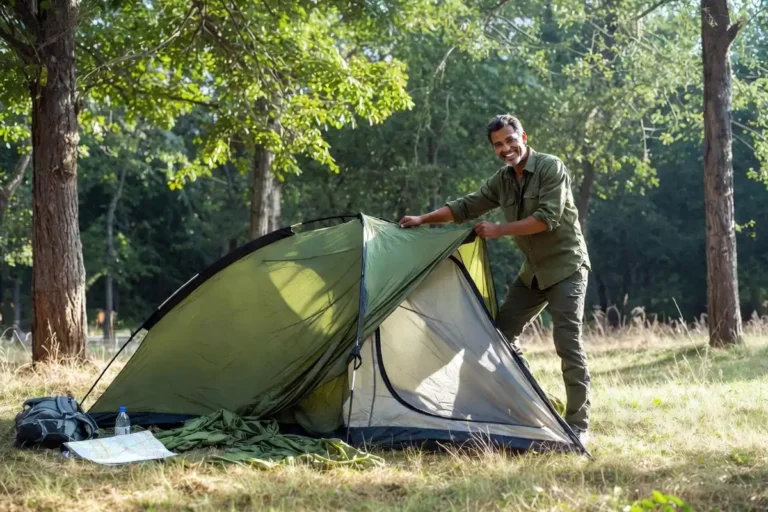
Before the trip, try a short camping session in your yard or living room. Next, pitch the tent, spread out the sleeping gear, and let your toddler look around while you stay close. For example, you can read the usual bedtime book inside. That helps you notice missing gear without being far from home.
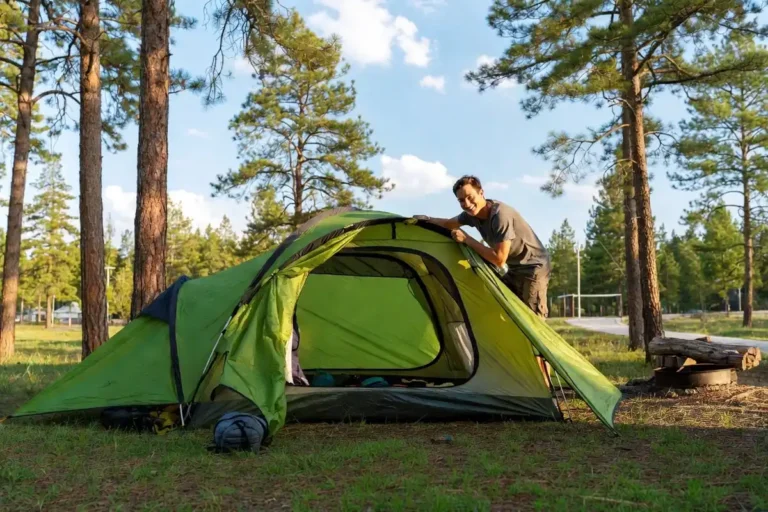
On camping day, leave enough time to set up well before the evening routine. First, put the tent and sleeping area together, then prepare drinking water and a changing spot. Finally, unpack the toys and snacks.
If two adults are going, agree on who is watching your toddler before either of you starts pitching the tent. A walking or climbing toddler can reach tools before you notice. If you are the only adult, choose no-cook meals and skip tasks that would distract you from supervision.
Camping With Toddler Checklist: Things to Bring
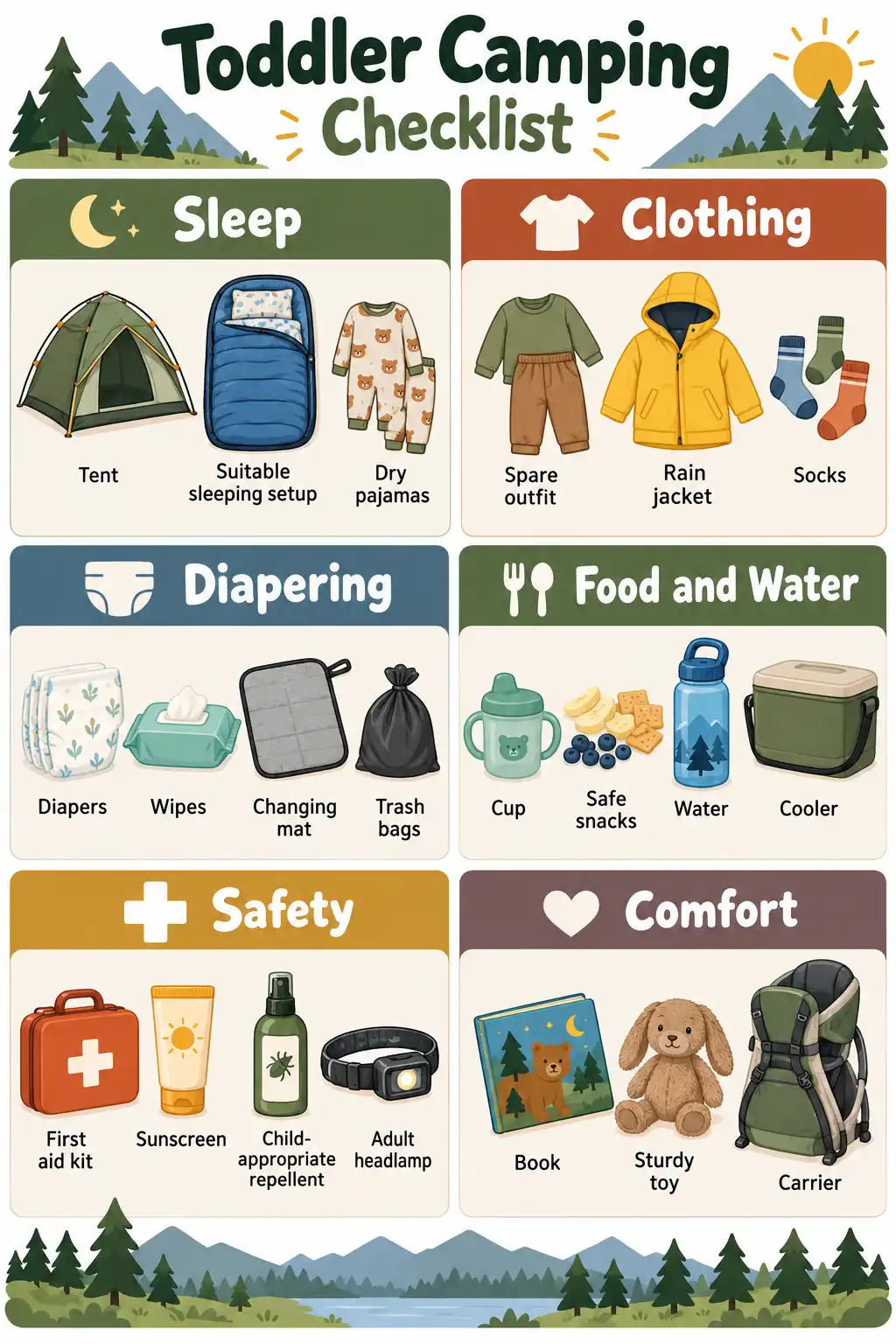
For a one-night car-camping trip, I would pack in these groups. Then adjust the amount for your toddler’s age, toilet training, forecast, and access to facilities.
- Tent and sleep: Weather-appropriate tent, poles, stakes, ground protection if needed, insulating sleep pad or suitable travel crib, child-appropriate sleepwear and bedding, and an adult’s headlamp.
- Clothes: A spare outfit or two, extra socks, dry pajamas, warm layer, rain jacket, sun hat, and closed-toe shoes. Include a bag for muddy or wet items.
- Diapers and hygiene: More diapers than you normally use, wipes, changing mat, soap, handwashing water, toilet paper, trash bags, and a portable potty if your child is training.
- Food and drinks: Familiar meals, toddler-safe snacks, a spill-resistant cup, utensils, plenty of safe water, and a cooler with cold packs and thermometer when needed.
- Health and protection: First-aid kit, prescribed medicine, sunscreen, age-appropriate insect repellent, mosquito netting if useful, and a charged phone with directions saved offline.
- Comfort and play: A favorite book or comfort item, two or three sturdy toys without small detachable parts, a picnic mat, and a carrier or stroller suited to the terrain.
Put nighttime diapers, wipes, clean pajamas, a light, and spare bedding in one easy-to-reach bag. That is the kit I would never bury at the bottom of the car.
Set Up a Campsite You Can Supervise
Before letting your toddler move around the site, inspect it together. Then remove small choking hazards and sharp litter, and look for trip hazards such as guy lines, exposed stakes, and uneven rocks. Keep your child’s play space on level ground where an adult can remain beside them.
Next, separate the play area from the stove, fuel, hot cookware, and any permitted campfire. For example, a picnic mat shows where to sit, but it cannot replace supervision. During cooking, one adult should focus entirely on the toddler, not divide attention between a hot pan and a wandering child.
I would skip a campfire on the first trip. If you do have one, keep your toddler well away from the flames and hot fire ring, and extinguish the fire fully before leaving it. The National Park Service’s campfire guidance emphasizes watching young children closely around fires.
Finally, store matches, knives, medicines, fuel, and button-battery items securely out of reach. Also, follow campground rules for securing food and trash so animals do not come looking for snacks.
Make Sleeping and Naps Feel Familiar
Because toddlers may take longer to settle in a strange tent, give bedtime extra time. So keep the usual order of events, such as dinner, washing up, pajamas, a book, and lights out. Plan the day’s activities around their regular nap rather than assuming they will sleep whenever you stop.
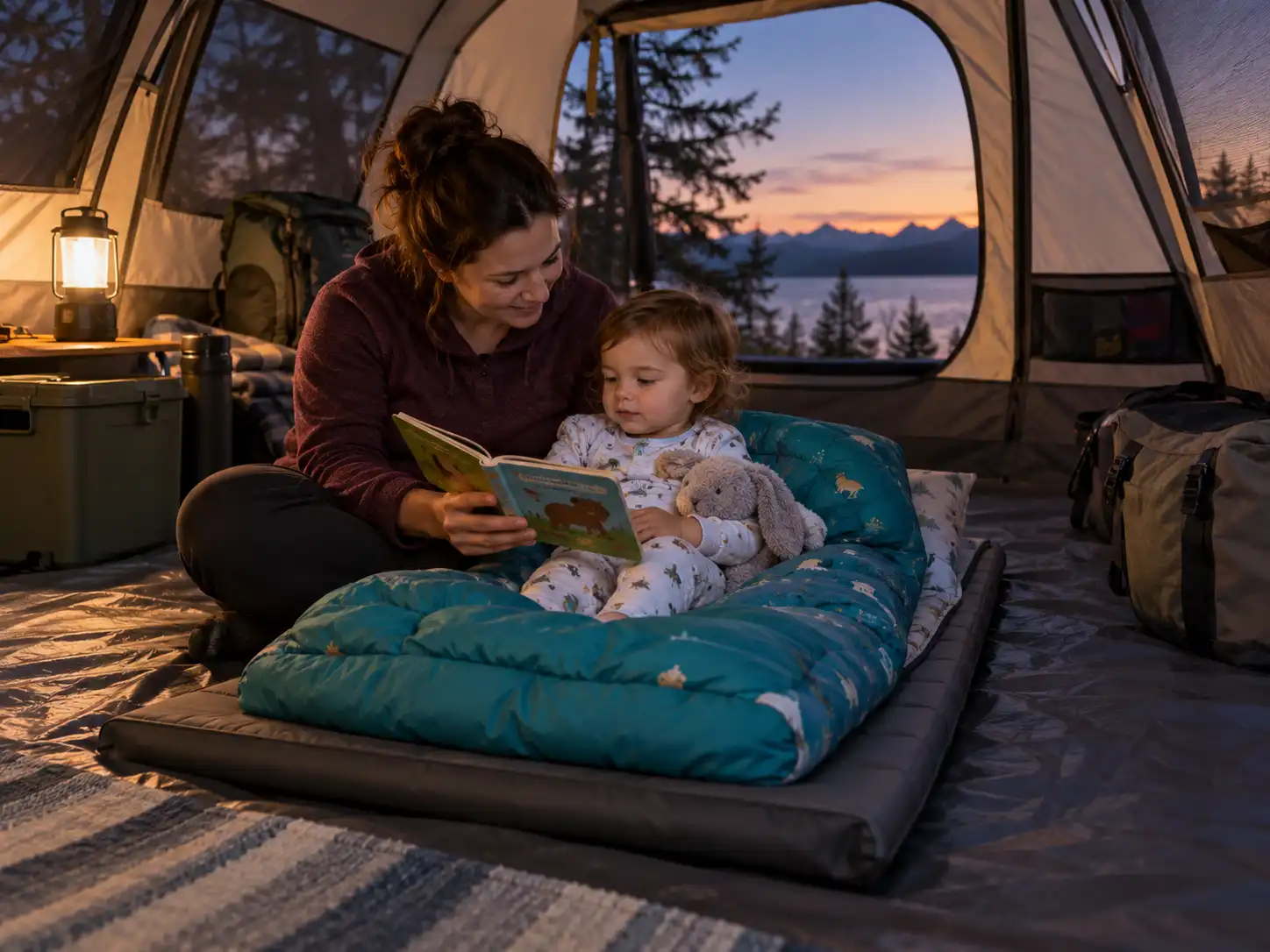
For an older toddler, choose a low, insulated sleeping pad and bedding intended for their age and the forecast. If a younger toddler still uses a travel crib, follow its height, weight, and setup instructions. Avoid loose cords or bedding that could cover the face, and never count on a thick blanket to fix unsuitable cold-weather gear.
Before bed, change into dry clothes, ventilate the tent, and place the adult’s light and nighttime changing kit within reach. I also recommend keeping a clear path to the tent door for late bathroom trips. Never leave a toddler sleeping unattended in the tent or a parked car.
Also, never run a camp stove, charcoal grill, or fuel-burning heater inside a tent. For other ways to keep a tent comfortable at night, focus on insulation and dry bedding instead of indoor flames.
Camping With a Baby Needs a Different Sleep Setup
If you are bringing a baby younger than 12 months, toddler bedding advice does not apply. The American Academy of Pediatrics’ safe-sleep guidance says infants should sleep on their backs, on their own firm, flat, safety-compliant sleep surface, without pillows, loose blankets, or soft toys. Follow the manufacturer’s instructions for a suitable portable crib or play yard.
Also, do not put an infant to sleep on an adult air mattress, inside an adult sleeping bag, or on the same sleeping surface as an adult. The Consumer Product Safety Commission specifically warns against air mattresses for infants. If the campsite cannot accommodate a safe sleep setup and suitable temperatures, postpone the overnight trip.
Keep Meals Simple and Prevent Choking
To keep the first evening easy, I would prepare most food at home. For example, serve familiar choices such as soft sandwiches, oatmeal, banana, or rice with tender vegetables. Also, bring an extra snack for delays, but have your toddler sit still and stay supervised while eating.
Avoid serving whole grapes, nuts, popcorn, marshmallows, and large chunks of food. Cut or modify foods according to your child’s chewing ability. The American Academy of Pediatrics’ choking-prevention advice explains why round, hard, sticky, and poorly chewed foods can be dangerous to young children.
For variety without extra cooking work, choose from these simple kid-friendly meals for camp. Also, calculate drinking water for the whole campsite before you leave. Bring verified safe water rather than relying on a nearby stream.
Meanwhile, keep perishables in a cooler at 40°F (4°C) or colder, as advised by the USDA’s camping food-safety guidance. Finally, wash hands before meals and keep raw food away from ready-to-eat snacks.
Handle Diapers, Potty Breaks, and Messes
Keep a changing mat and supplies ready before the first diaper change. Then use soap and safe water for handwashing after diapering and before preparing food. A sealable wet bag is useful for dirty clothing, but put used diapers in the campground’s approved trash system. Never bury them or leave them beside the tent.
If your toddler is potty training, bring the familiar potty or seat rather than expecting them to use an unfamiliar campground toilet immediately. Also, offer bathroom breaks before a walk and before bed. At night, keep shoes and a light beside the adult’s sleeping spot so nobody has to search through gear in the dark.
Focus on the Safety Rules Toddlers Cannot Manage Alone
- Water: Stay within arm’s reach near ponds, streams, pools, and other water. Do not rely on a toddler to stop at a shoreline. The AAP’s water-safety guidance calls for close, constant supervision.
- Sun and insects: Seek shade, dress in light protective clothing, and use broad-spectrum SPF 30 or higher sunscreen. Follow the label for an EPA-registered insect repellent. The CDC advises against oil of lemon eucalyptus (OLE) or PMD repellents for children younger than three, and says not to apply repellent to a child’s hands. I would also keep bugs outside the sleeping tent by closing the mesh door promptly.
- Animals and plants: Do not let toddlers feed or touch wildlife, unknown berries, mushrooms, or unfamiliar plants. After play near grass or brush, check for ticks.
- Getting separated: Dress your toddler in easy-to-spot clothes and stay close at all times. If your child disappears from sight, search immediately and alert campground staff or emergency services promptly.
- Weather and emergencies: Bring a forecast, know where to find campground staff, and tell someone your site and return plan. Leave or move to proper shelter for dangerous storms, extreme heat or cold, or a child who becomes seriously unwell.
Try Easy Camping Activities for Toddlers
Camping activities for kids do not need a full schedule. So, for toddlers, I would plan one short activity at a time and leave plenty of room for snacks, rest, and spontaneous curiosity.
- Color hunt: Ask your toddler to point out something green, brown, or yellow without picking unknown plants.
- Sound safari: Sit together and listen for birds, wind in leaves, or a distant woodpecker.
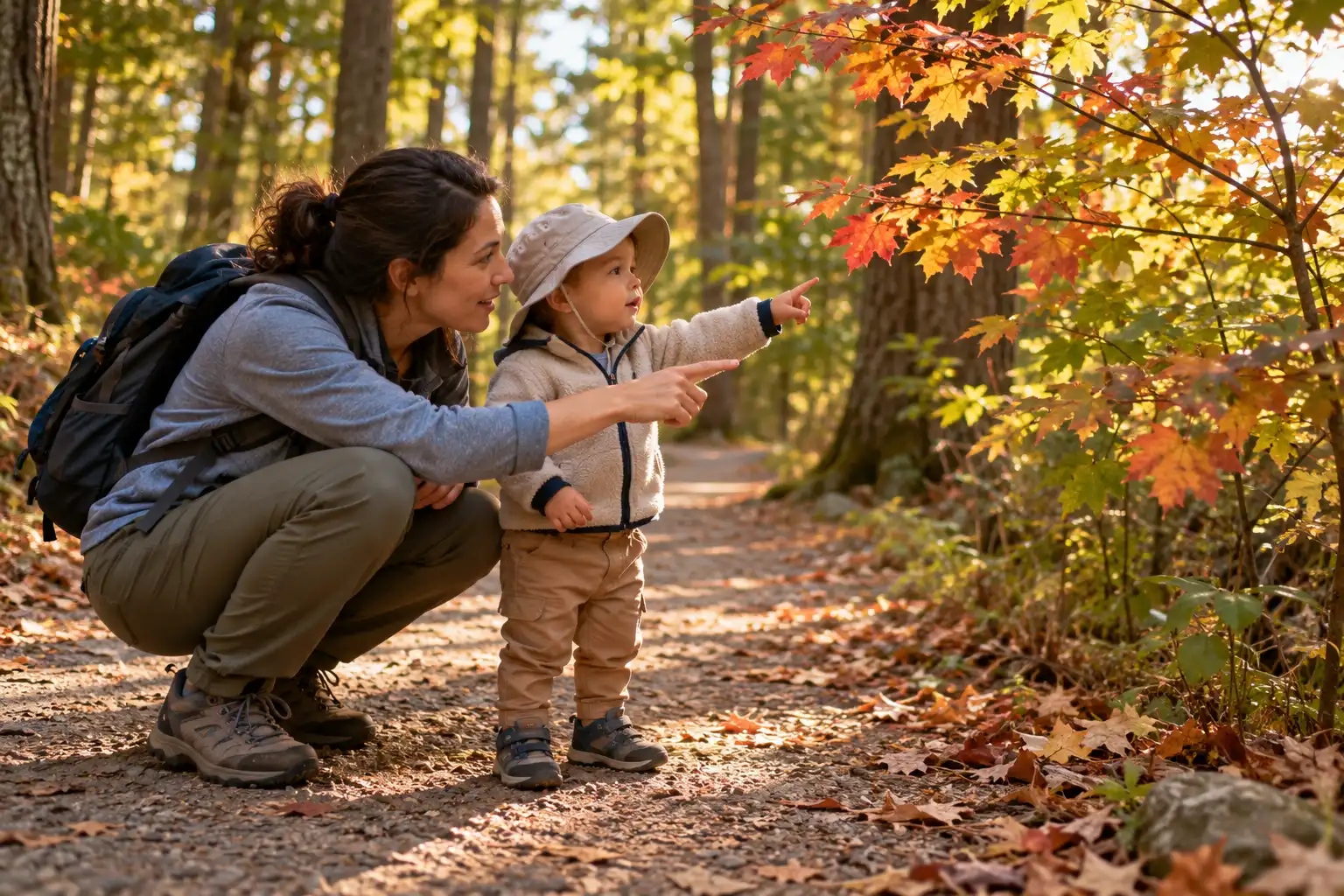
- Mini nature walk: Follow a short, easy path and turn back before your toddler gets exhausted. Use a suitable carrier if needed.
- Picture bingo: Print four large pictures, such as a tree, cloud, leaf, and bird, then help your child spot each one.
- Rainy-day activity: Read a board book, make up animal sounds, or play with two sturdy toys inside the dry tent.
Also, keep small stones, seeds, and other objects that could go into a toddler’s mouth out of play. Instead of collecting everything you find, encourage looking, pointing, and listening. That is enough to make a campsite interesting.
Follow a Flexible One-Night Schedule
| Part of the trip | Simple plan |
|---|---|
| Early afternoon | Arrive, inspect the site, set up shelter, and offer water and a snack. |
| After setup | Rest or take one short nature walk with an adult. |
| Early evening | Cook while one adult supervises the toddler; eat before tiredness sets in. |
| Bedtime | Change diaper or use the potty, put on dry pajamas, and follow the familiar routine. |
| Next morning | Have breakfast, clean up, check for forgotten items, and head home. |
If your child is overtired, skip the walk. Likewise, if the weather deteriorates or the sleeping arrangement is not safe, end the trip early. A successful first campout does not have to last until morning.
Make the First Trip Worth Repeating
Camping with toddlers works best when you keep the plan short and the campsite simple. So I would spend my effort on a safe location, dry sleep gear, familiar food, and a clear supervision plan before adding activities or extra equipment. Then let your toddler enjoy small discoveries at their own pace, and adjust when they need rest. Once you know what went smoothly and what was difficult, you can plan the next outing with more confidence and less gear.