Festival Camping Essentials: What I Actually Pack for a Weekend

Festival camping is camping with extra crowd, dust, noise, and unpredictable weather. After a few weekends spent sleeping in tents next to stages and food trucks, I’ve narrowed my packing list down to gear that actually earns its space.
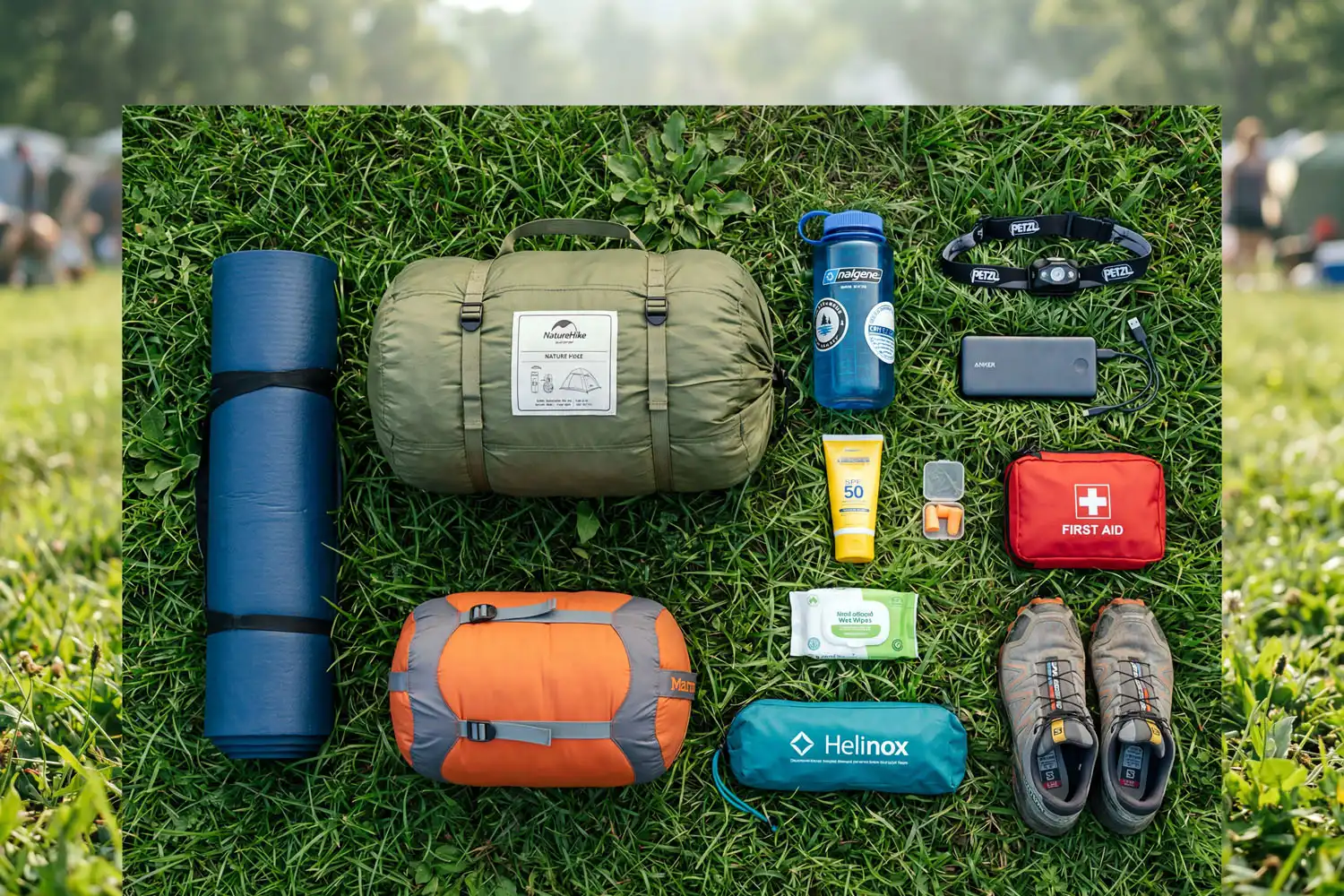
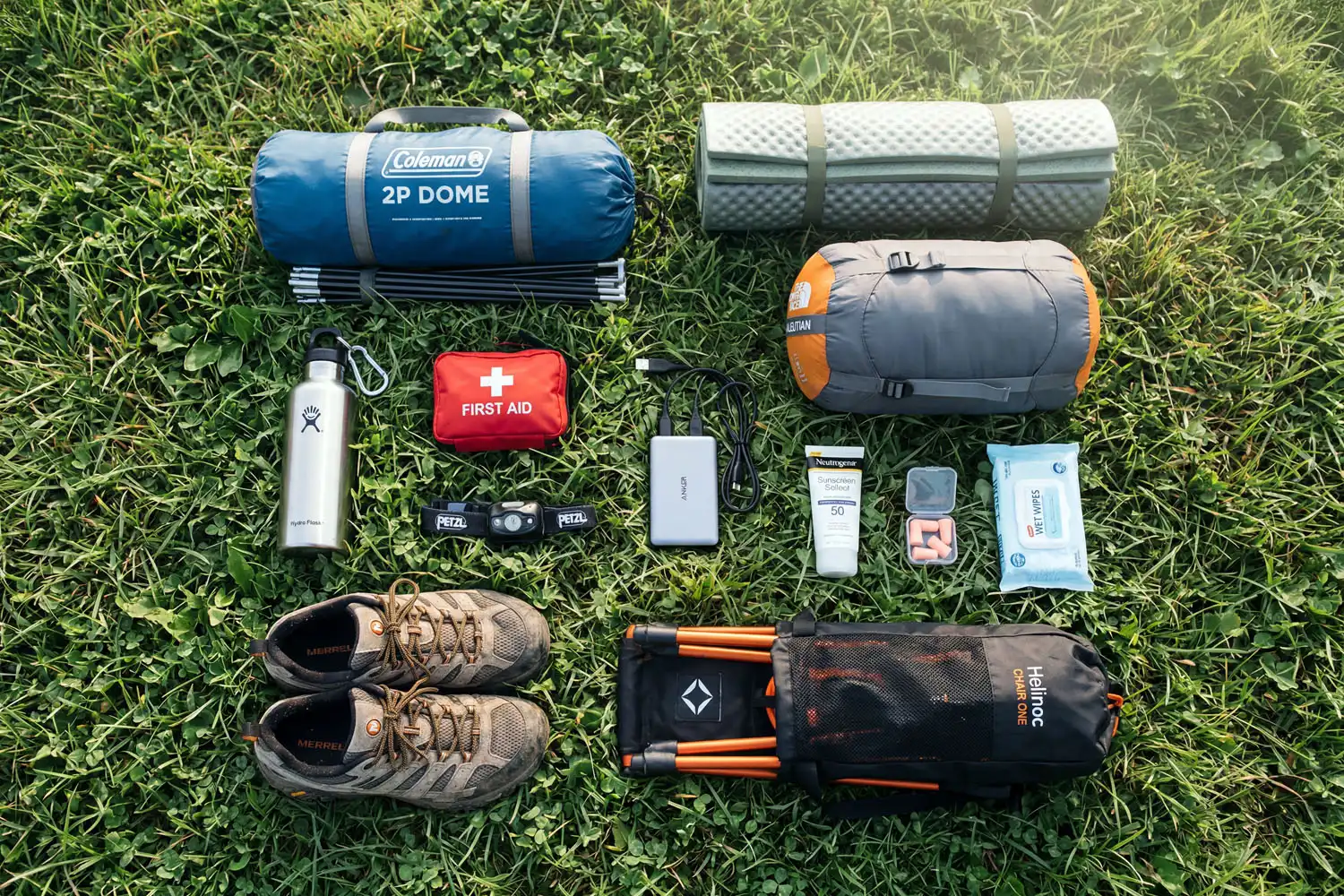
For most music or arts festivals with on-site camping, you’ll need a freestanding tent, a sleeping pad, a warm sleeping bag, refillable water bottles, a headlamp, a power bank, earplugs, sunscreen, a basic first aid kit, quick snacks, hand sanitizer, wet wipes, and a small folding chair. Everything else is comfort, not essential. So if you focus on those items first, the rest of the list is easier to trim. See below for the essentials for a camping festival.
Shelter: Tent, Sleep Pad, and Sleeping Bag
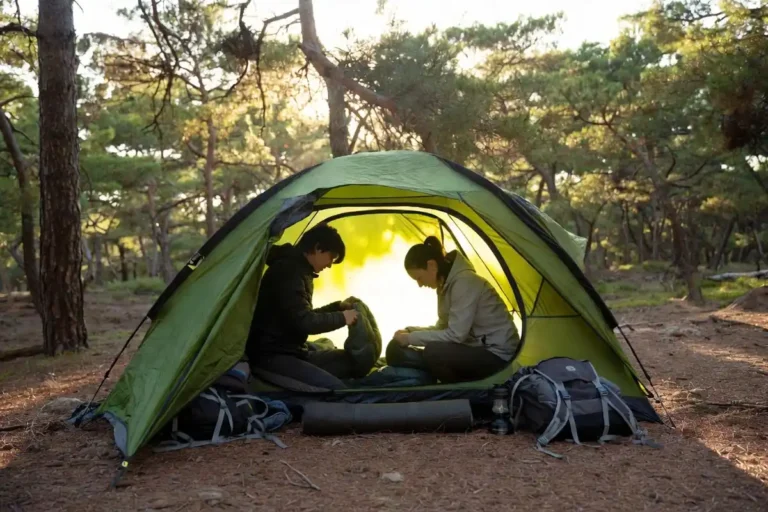
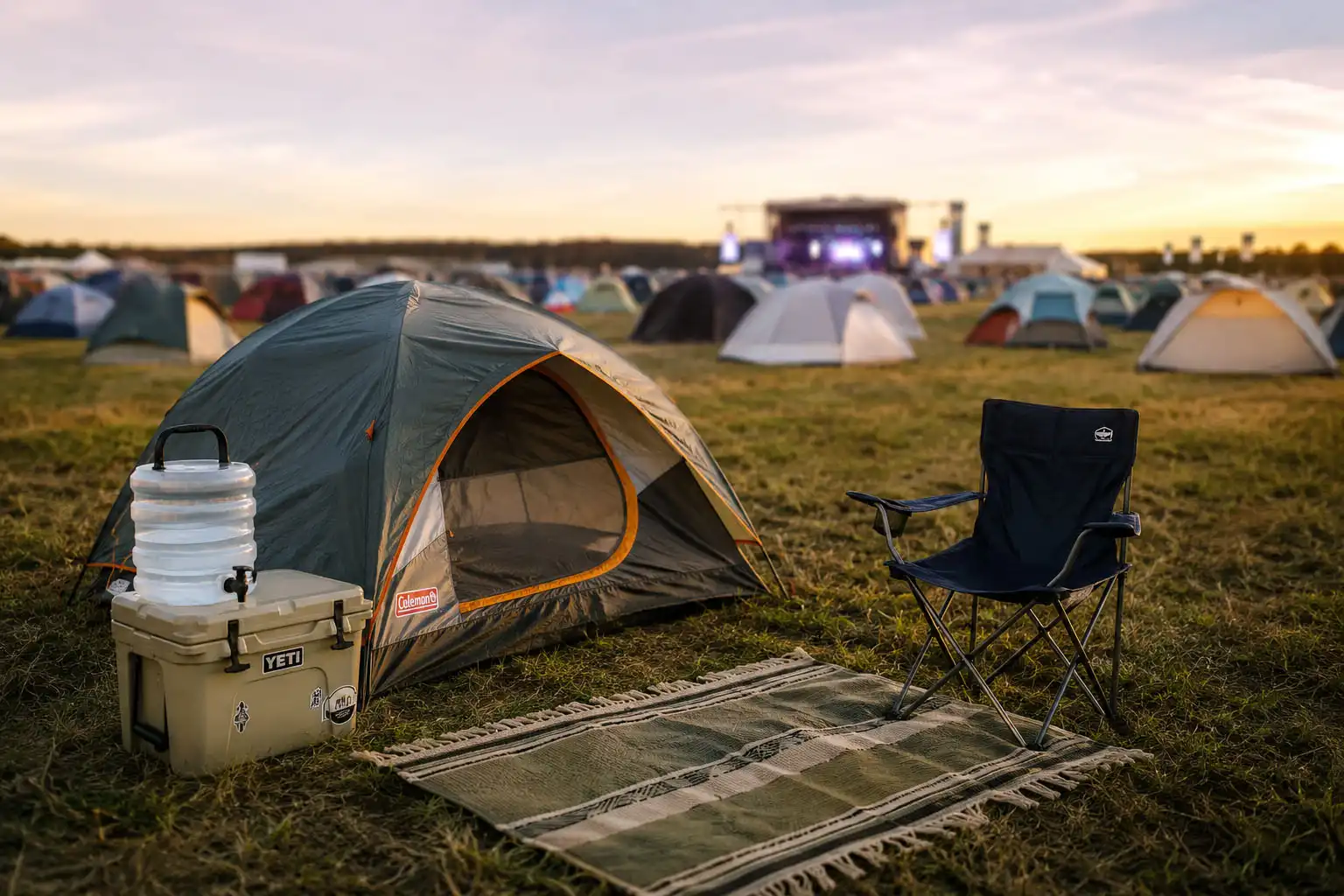
Pick a tent one size larger than your group. Two people sleep better in a three-person tent because you can stash bags inside instead of leaving them in the dust. I lean toward freestanding dome tents because festival fields are usually flat, hard, and full of leftover tent pegs from earlier setups, so anchoring can be tricky. If you’re shopping fresh, my article on choosing a solid two-person camping tent cover the features I look for.
A sleeping pad matters more than the bag. Festival ground is loud, vibrating, and often gravelly. An insulated inflatable pad cuts the chill from the soil and softens the surface. For warmth, a synthetic sleeping bag rated about 10°F below the forecasted overnight low works well, because open fields cool off faster than forest sites. After a few cold nights at summer events, I also started carrying a thin liner. There’s a useful rundown on how a sleeping bag traps body heat if you’re new to ratings.
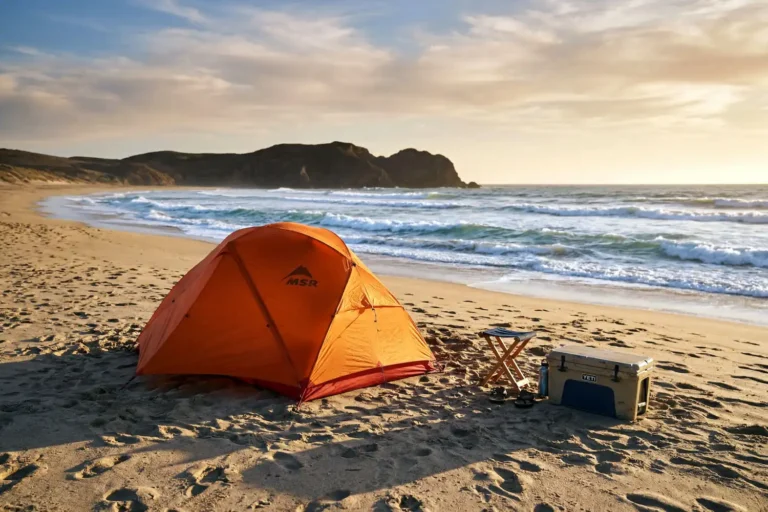
Tent color matters more than people think too. A light-colored tent stays cooler inside on summer mornings, which helps if you partied late and want to sleep past sunrise. My short guide to picking a tent color for different conditions walks through the trade-offs.
Water, Food, and a Real Cooler
Festivals are dehydrating in a way that surprises first-timers. Heat, alcohol, dancing, and walking add up fast. So bring at least one gallon of drinking water per person per day, plus extra for brushing teeth and rinsing off. A 2.5-gallon collapsible jug stores well in a car trunk and refills at most festival water taps.
For food, plan no-cook breakfasts and lunches. Think wraps, hard cheeses, fruit, jerky, and energy bars. Stoves are often restricted inside camping areas, so don’t count on hot meals unless the festival allows them. A hard-sided cooler with block ice lasts about 48 hours in summer heat. If you’re stuck without one, my article on keeping food cold without a cooler cover a few backup tricks.
Clothing and Footwear
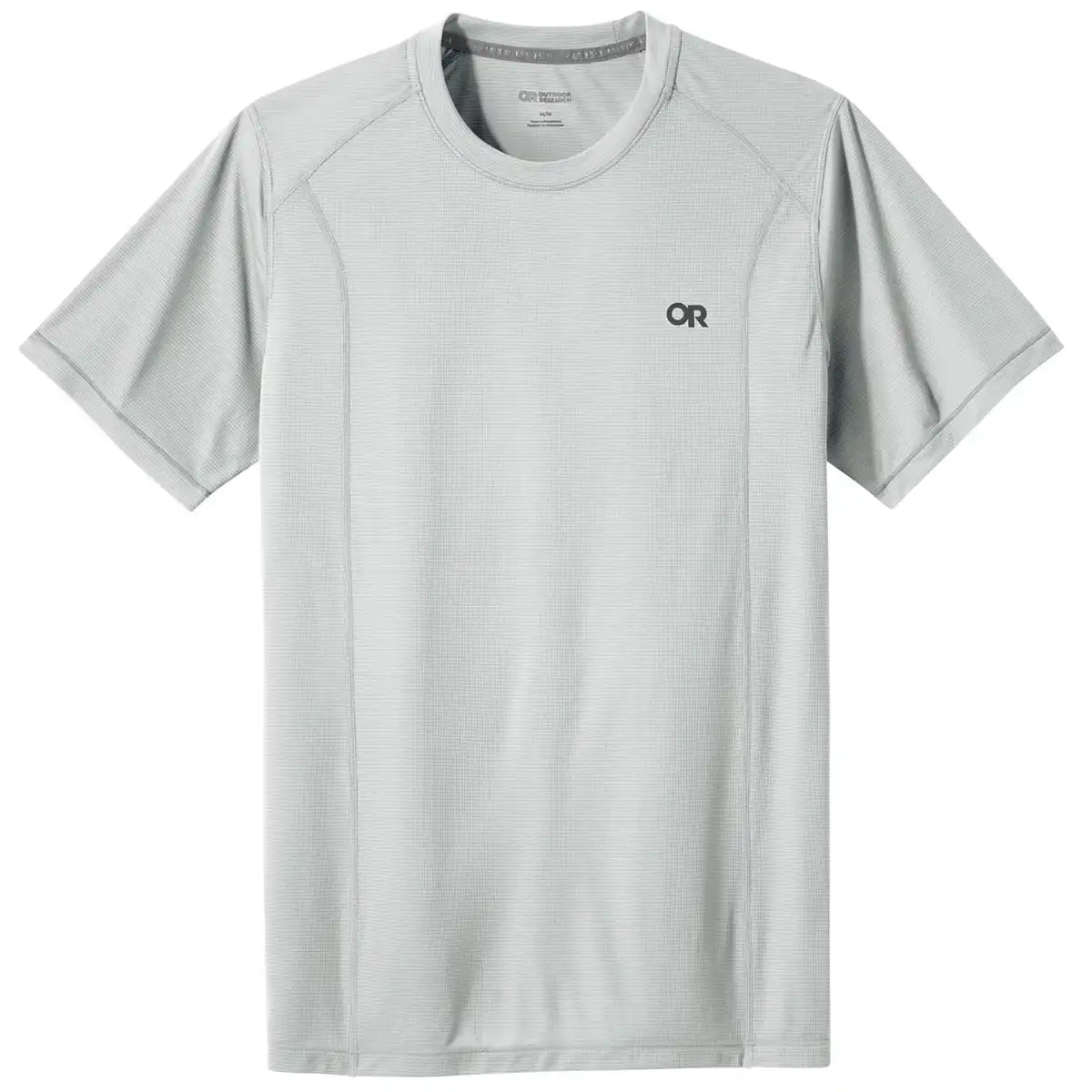
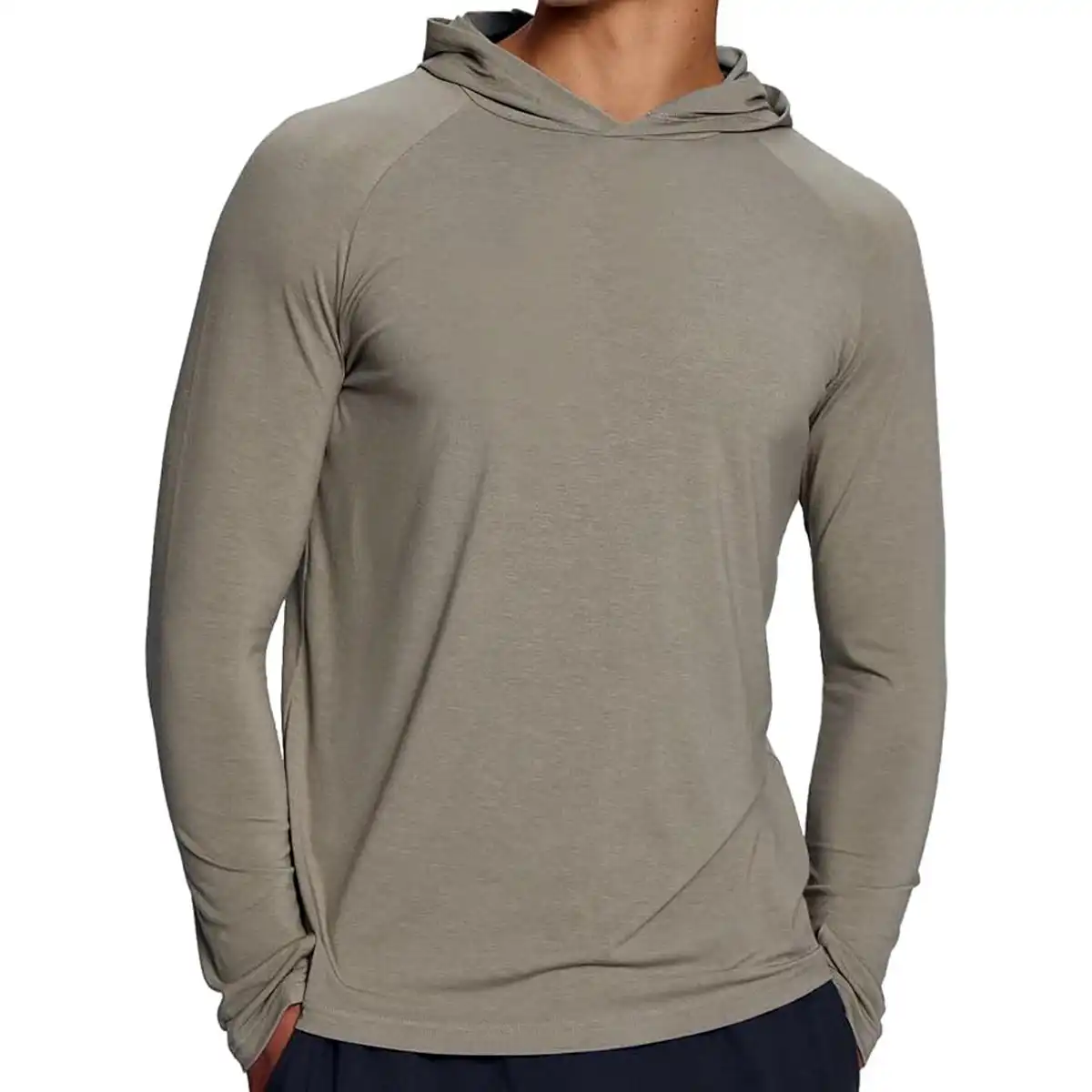
Pack for three weathers, not one. Festival days swing from cold mornings to hot afternoons to chilly nights. So I bring a base layer T-shirt, a fleece, a rain jacket, shorts, long pants, two pairs of socks per day, and a hat for sun.
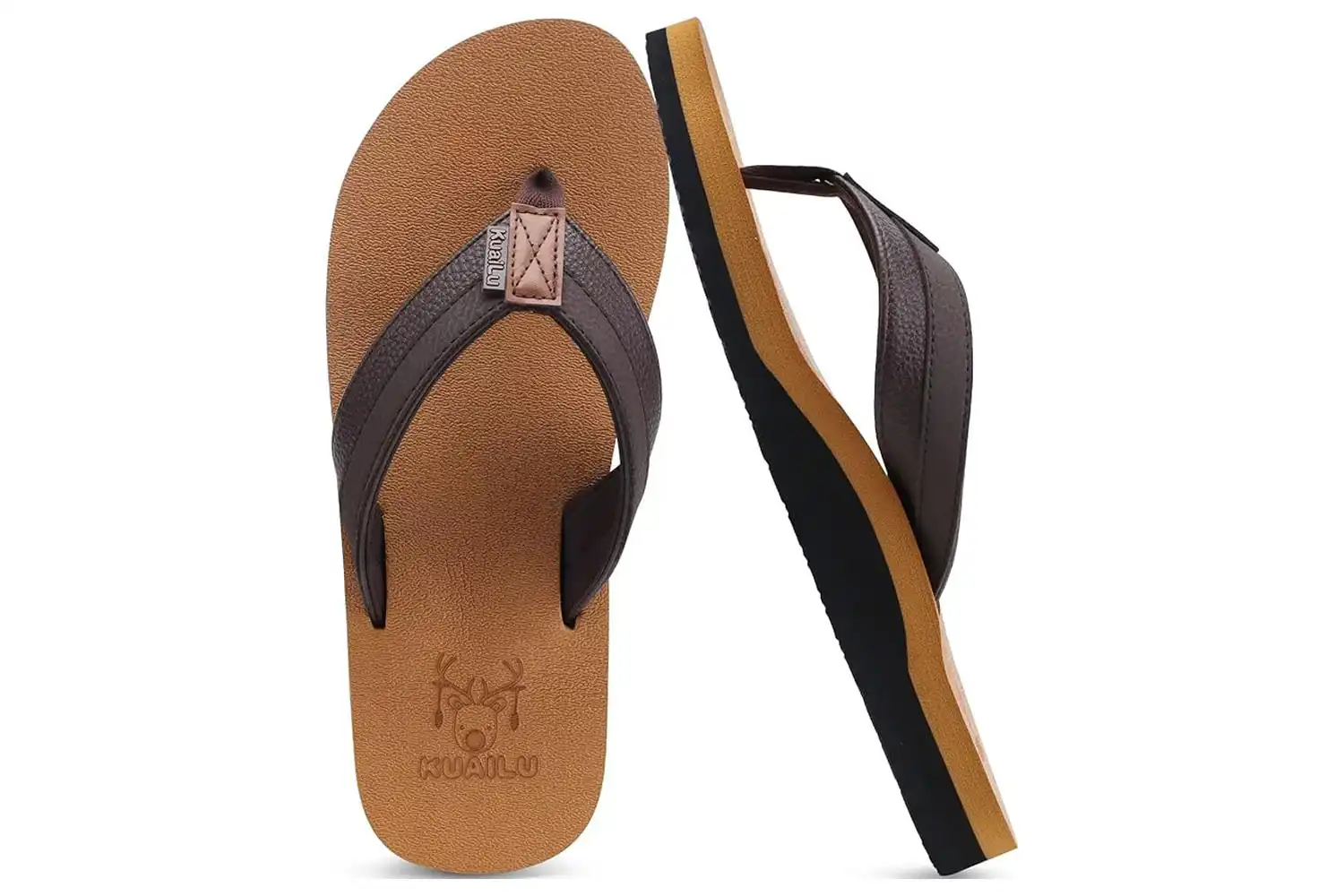
Footwear is where most people mess up. Flip-flops fail by midday because fields turn into mud, grass, or rough gravel. Wear closed-toe shoes that you don’t mind getting destroyed, then keep sandals only for the shower walk. Broken-in trail shoes are ideal because they handle long walking and crowd-standing without the foot pain you get from skate shoes or fashion sneakers.
Hygiene and Personal Care
Showers at festivals are unreliable. Plan to feel grimy. A pack of unscented wet wipes, a microfiber towel, dry shampoo, deodorant, a toothbrush, and biodegradable soap will keep you sane for three days. Pack a small mirror too, because shared mirrors at festival sinks are always crowded.
Sunscreen is non-negotiable. I bring SPF 50 mineral sunscreen because it doesn’t burn the eyes when you sweat. Reapply every two hours during daylight, then add a wide-brim hat for the main-stage hours when shade disappears.
A roll of toilet paper in a zip bag belongs in your day pack. Festival portable toilets run out of paper by early afternoon every single day.
Power, Lighting, and Sound
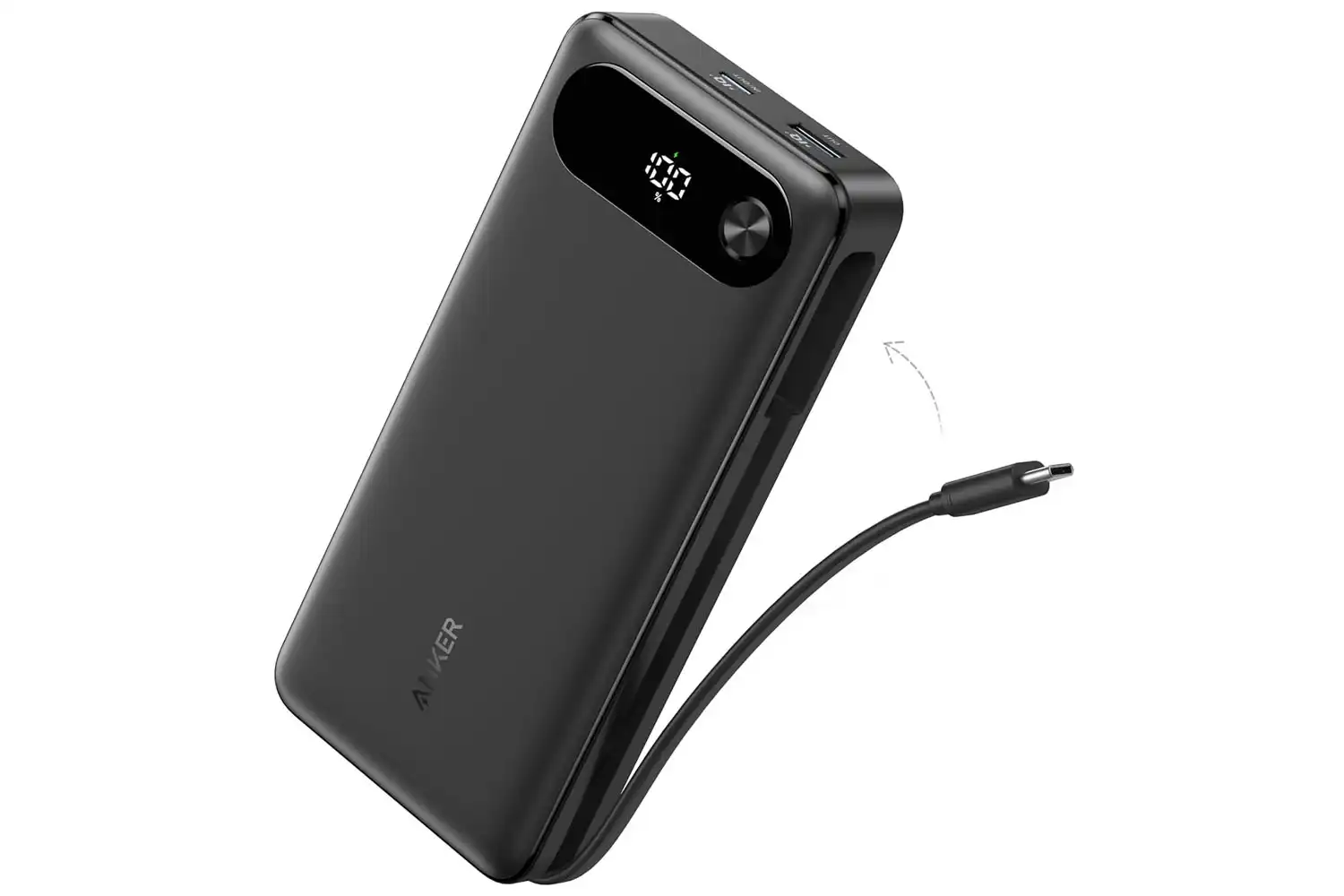
A 20,000 mAh power bank lasts most people the full weekend if they only charge phones. Bring a short cable instead of a long one, because long cables snag on tent zippers and break.
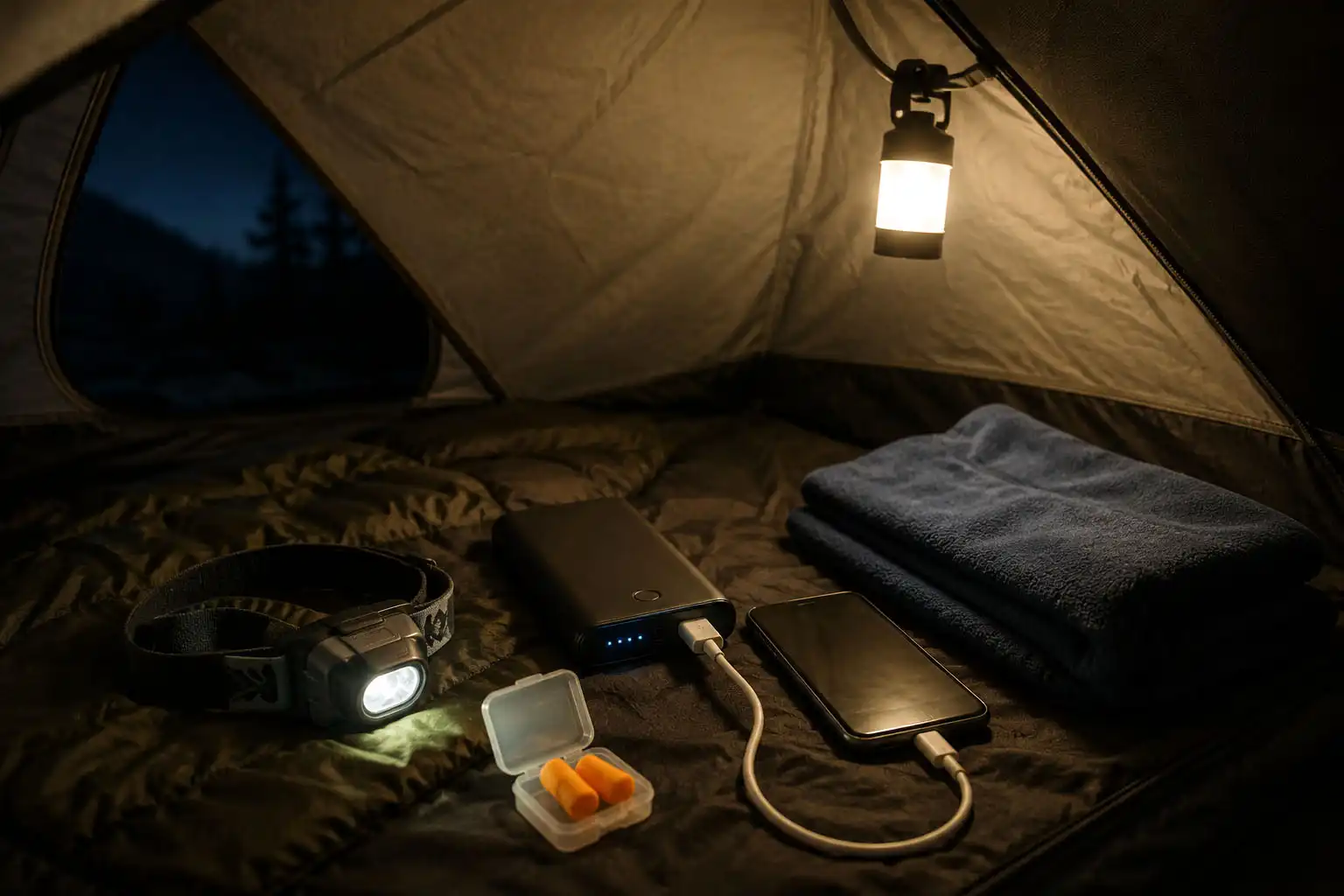
For lighting, you’ll want both a headlamp and a small lantern. A headlamp with 200 to 300 lumens covers walking back to camp at 2 a.m. without blinding everyone you pass. There’s solid info on how many lumens you actually need from a headlamp if you want to compare options. A small clip lantern inside the tent also makes finding stuff in the dark much faster.
Earplugs matter as much as anything else on this list. Festival camping fields stay loud until 4 a.m. and start again at 9. Foam earplugs work, but reusable filtered ones reduce volume without killing music quality if you want to wear them in the crowd too. According to the CDC’s guidance on noise-induced hearing loss, sustained exposure above 85 decibels can damage hearing over time, and festival main stages routinely hit 100 dB or more.
Safety, First Aid, and the Boring Stuff That Saves Trips
A small first aid kit with blister patches, ibuprofen, antihistamines, adhesive bandages, antiseptic wipes, and electrolyte tablets covers most festival injuries. Blisters and dehydration headaches are the most common complaints by a wide margin.
Keep ID, cash, and a backup card in a waterproof pouch around your neck or in a hidden belt. Festival pickpockets do exist, especially in crowd surges near the front of stages. So don’t leave your wallet in a tent during the day.
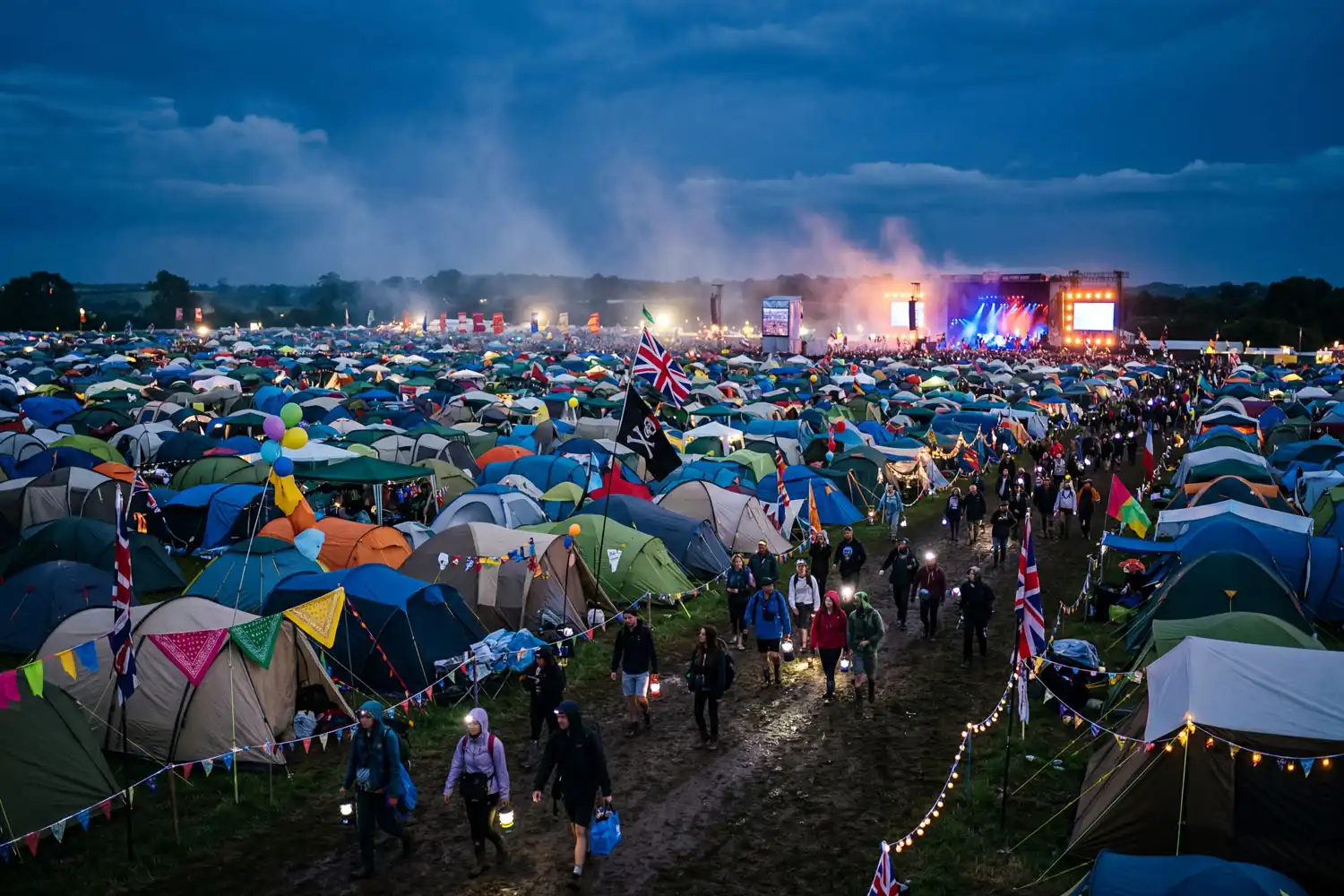
A whistle and a flag or balloon tied to your tent pole help you find your camp after dark, because every tent looks the same in a 5,000-tent field at 1 a.m. I’ve watched friends wander for an hour. After that night, I started flying a bright bandana on a fiberglass pole.
Comfort Items That Earn Their Weight
A folding camp chair changes the entire weekend. Standing or sitting in dirt for three days wrecks your back. For anyone with chronic pain, a supportive option like the ones in my notes on camp chairs for a bad back is worth the trunk space.
Other small wins include a packable rug or tarp outside the tent door to keep dust off your gear, a battery-powered fan for hot nights, ziplock bags for trash and wet clothes, and a deck of cards for the rain delays that always happen.
Pack-Out and Leave No Trace
Festival fields get trashed every year because campers ditch tents and garbage on Sunday. Don’t be that person. Bring extra trash bags, pack out everything you brought in, and break down tent stakes carefully so no one steps on them next year. Most festivals also partner with charities to donate intact gear, so check the info booth before you toss anything still usable.
Final Words
The honest secret to festival camping is bringing less than you think you need but better quality than you’d expect. A solid tent, real sleeping gear, plenty of water, sturdy shoes, sunscreen, and earplugs cover the basics.
Everything else is a luxury, not an essential. So pack the basics well, leave the field cleaner than you found it, and the weekend will take care of itself.