How Many Ricks in a Cord of Firewood? Full Conversion Chart

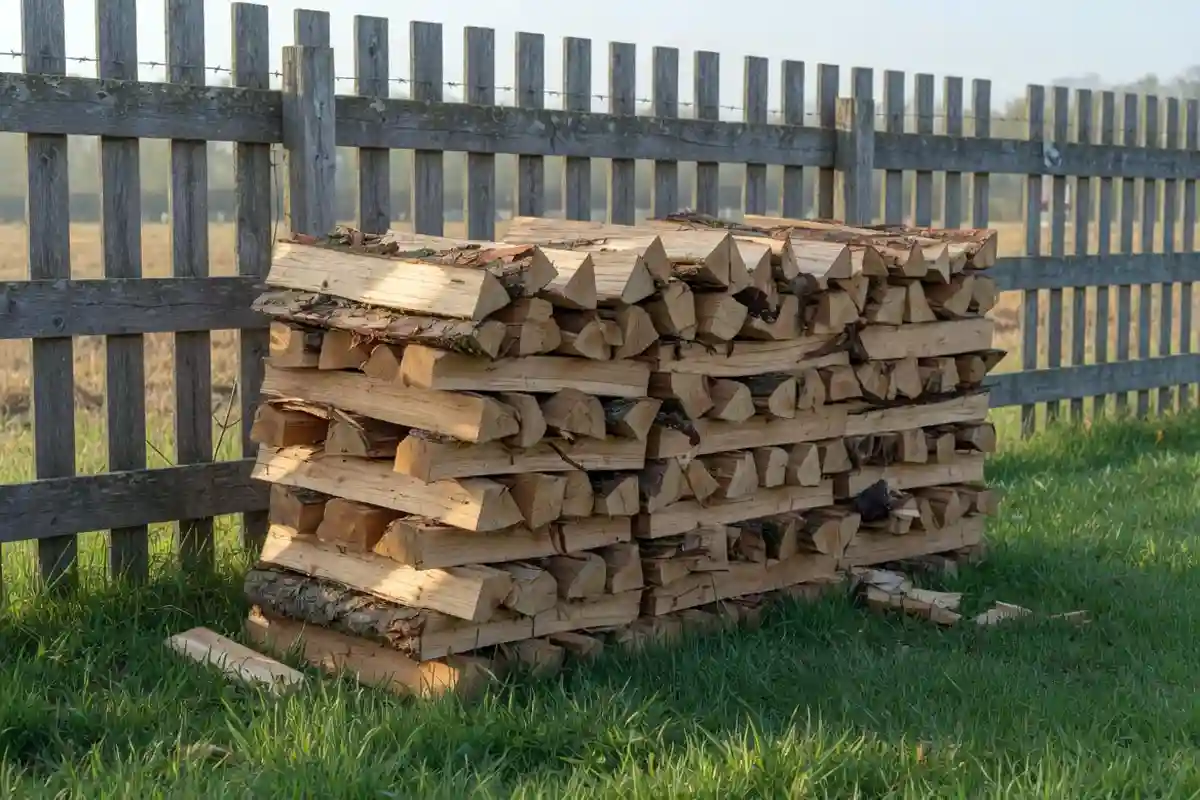
A full cord of firewood holds 3 ricks of 16-inch logs, about 2.4 ricks of 20-inch logs, or 2 ricks of 24-inch logs. A cord stays fixed at 128 cubic feet, but a rick changes depth with log length. This guide breaks down the conversion, the measurements, and the field checks I use before paying any firewood seller.
To convert ricks to a cord, match log length to rick depth. A full cord equals 3 ricks of 16-inch logs, 2.4 ricks of 20-inch logs, or 2 ricks of 24-inch logs. The cord stays at 128 cubic feet, stacked 4 feet wide, 4 feet tall, and 8 feet long.
What Is a Cord of Firewood?
A cord is the legal trade unit for stacked firewood across the United States. One cord equals 128 cubic feet of tightly piled wood. Standard cord dimensions read 4 feet wide, 4 feet tall, and 8 feet long.
The stack includes small air gaps from bark and uneven log shapes. The outer stack volume sets the official count, not the solid wood mass.
What Is a Rick of Firewood?
A rick is a stack of firewood 4 feet tall and 8 feet long, with depth equal to one log length. Sellers in the Midwest, the South, and parts of Canada use the term rick most often. Other regions call the same stack a face cord or short cord.
A rick covers one face of a cord. Three ricks of 16-inch logs build a full cord. For shorter outings, the right amount of firewood for a camping trip sits well below one rick.
How Many Ricks Equal a Full Cord of Firewood?
The number of ricks per cord depends on log length. Use this conversion when buying or stacking:
- 12-inch logs: 4 ricks per cord
- 14-inch logs: 3.4 ricks per cord
- 16-inch logs: 3 ricks per cord
- 18-inch logs: 2.7 ricks per cord
- 20-inch logs: 2.4 ricks per cord
- 24-inch logs: 2 ricks per cord
The math stays straightforward. A cord holds 128 cubic feet. A rick face covers 32 square feet (4 ft × 8 ft). Multiply 32 by the log length in feet, then divide 128 by the result.
Example: 16-inch logs equal 1.33 feet of depth. One rick covers 32 × 1.33 = 42.6 cubic feet. Then 128 ÷ 42.6 = 3 ricks per cord.
How to Measure a Rick or Cord at Delivery
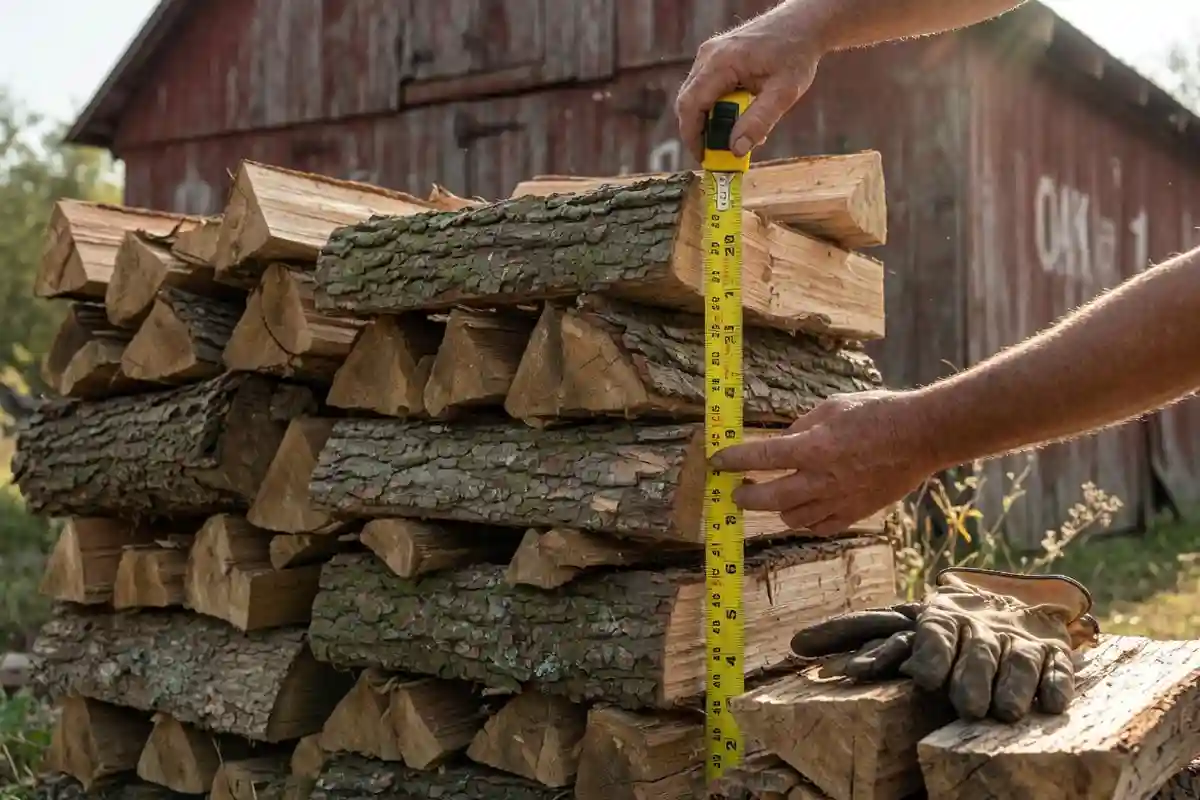
Follow these steps when wood arrives at the property:
- Stack the wood tight, with no gap wider than a flat hand.
- Measure stack height; aim for 4 feet.
- Measure stack length; aim for 8 feet.
- Measure log length using a tape on a sample log.
- Multiply height × length × depth in feet to get cubic feet.
- Divide the total by 128 for the cord fraction.
A thrown pile in a truck bed gives no honest measure. Always restack before paying the driver.
Why Rick Sizes Vary by Region and Seller
Log length drives most of the variation. A 16-inch log fits most wood stoves and matches the standard cord math. A 24-inch log suits open fireplaces and outdoor fire pits. Some dealers cut shorter to make a smaller rick look full at the same price.
Regional language shifts the term too. In Missouri and Kentucky, rick equals a face cord by default. In Pennsylvania and Ohio, the meaning varies by county. Log length also affects how hot a campfire burns and how often you reload the firebox.
Common Mistakes When Buying Ricks of Firewood
A few patterns trip up first-time buyers:
- Assuming every rick equals one third of a cord
- Paying full cord prices for a single face cord
- Skipping the log-length check at delivery
- Trusting a thrown truck-bed pile as a stack
- Accepting wet, unseasoned wood as ready-to-burn fuel
Seasoned hardwood reads 20 percent moisture or less. Use a pin-style moisture meter at delivery to confirm the wood is dry. Damp wood resists ignition, so my notes on starting a fire in wet conditions cover the workarounds when only green wood is available.
How to Stack Firewood for an Accurate Count
Lay logs parallel with bark facing one direction for water shed. Build the base on pallets or dry ground to block ground moisture. Crisscross the end logs or use steel stakes to hold the column upright. Keep gaps tight; a loose rick can hide 10 to 15 percent of the missing wood.
A clean stack also speeds drying. Air flows through neat rows and reduces mold risk before burn season.
Safety Notes for Handling Firewood
Wear leather gloves to block splinters and insect bites. Lift with bent knees and a straight back to protect the spine. Store the stack 20 feet from the house and 6 inches off the ground to slow termite migration. Never burn painted, treated, or moldy wood; the smoke releases toxins like arsenic and formaldehyde.
University extension services such as Penn State Extension advise drying firewood for at least 6 months before burning. Properly cut and seasoned logs also help with regulating fire heat for cooking at home or at camp.
How a Rick Compares to Other Firewood Units
Several units appear in firewood sales:
- Full cord: 128 cubic feet (4 × 4 × 8)
- Half cord: 64 cubic feet (4 × 4 × 4)
- Rick or face cord: 4 × 8 × log length
- Truckload: varies by truck bed; not a legal unit
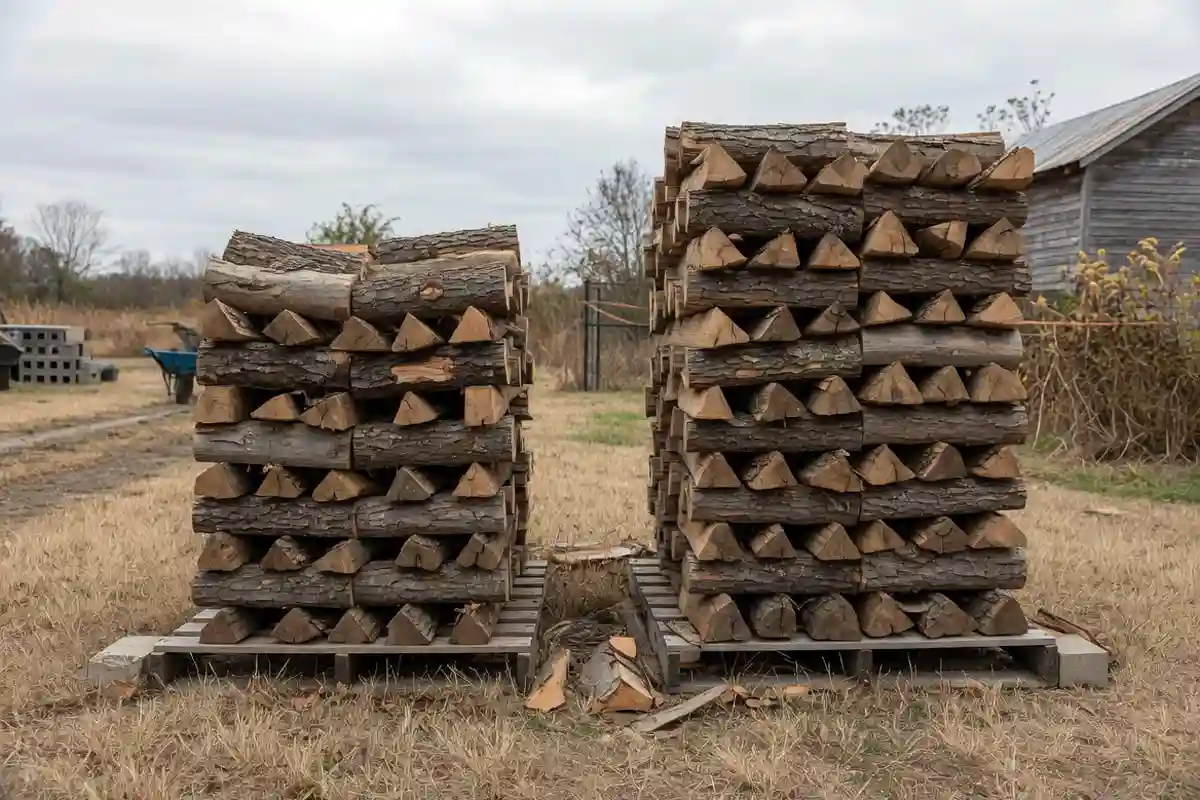
A short pickup bed holds roughly half a rick of 16-inch logs. A standard 8-foot bed holds close to one rick. Truckload pricing without dimensions usually short-changes the buyer. On a campsite, finding firewood at the campsite replaces rick math with a different set of skills.
FAQs on Ricks in a Cord of Firewood

How many ricks of wood are in a cord?
Is a rick the same as a face cord?
How long does a rick of firewood last?
How much does a rick of firewood cost?
Can I check a rick before paying the seller?
Last Notes
A rick gives a quick way to picture firewood, but only the cord locks in the true volume. Match log length to your stove or fireplace before ordering, and confirm 4-foot height and 8-foot length on every delivery. Stack tight, measure twice, and read the moisture before paying. After many seasons hauling and stacking wood in the hills near Kaptai, I trust a tape measure and a moisture reading far more than any printed invoice at the truck door.