Kaptai Lake Travel Guide: How to Reach, Places to Visit, and Costs

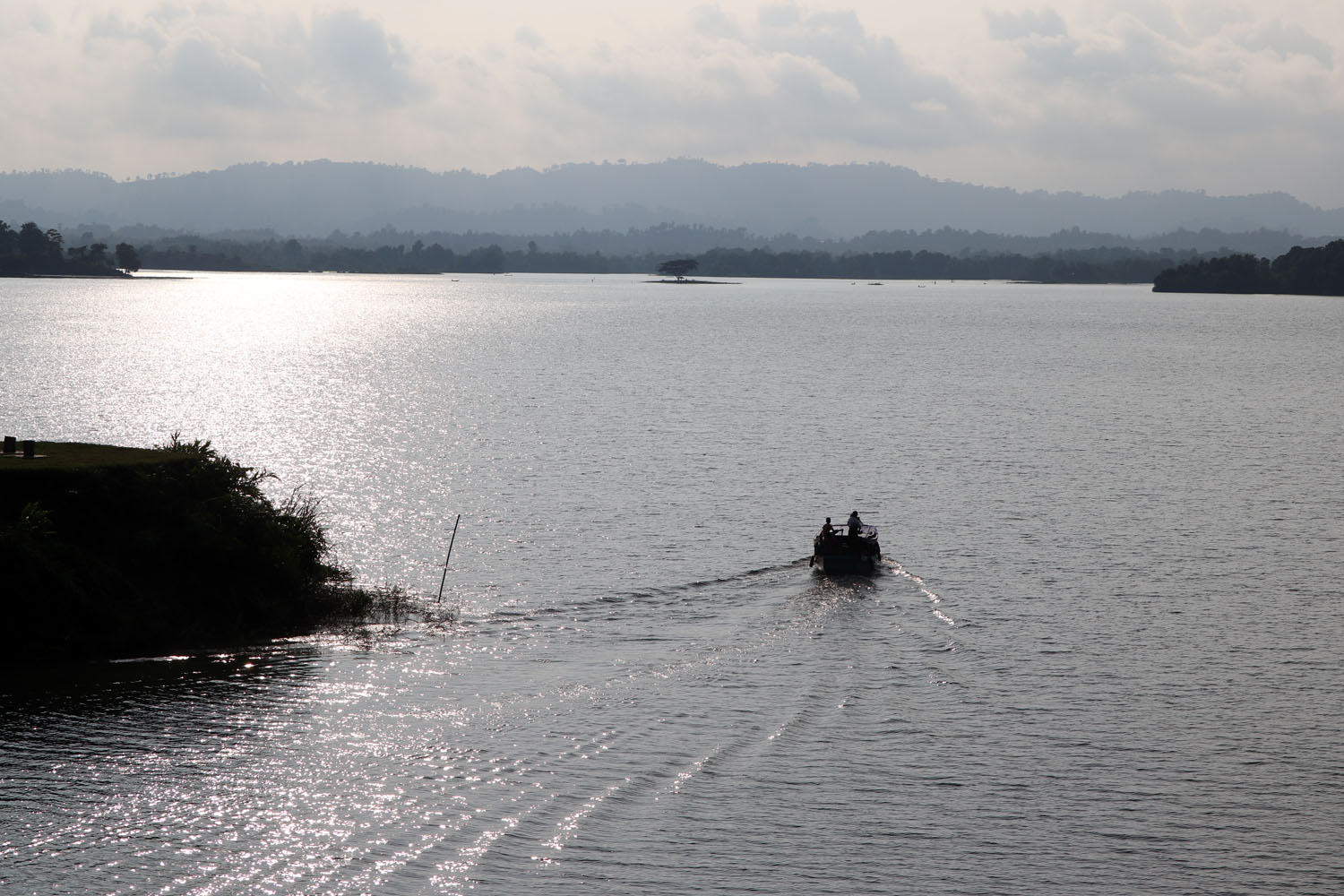
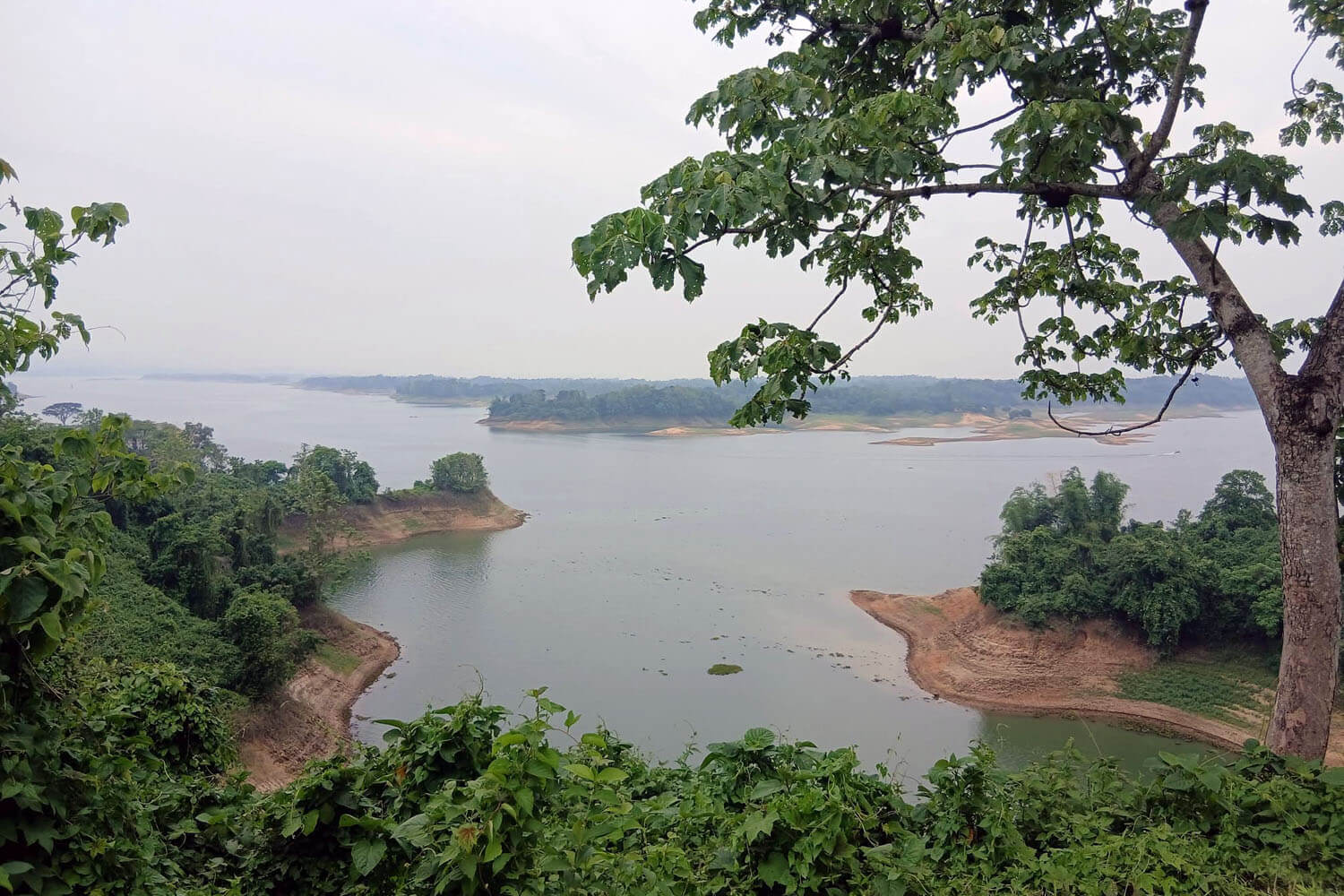
Kaptai Lake (Bengali: কাপ্তাই হ্রদ) is the largest man-made lake in Bangladesh, located in Kaptai upazila of Rangamati District in the Chittagong Hill Tracts. The Kaptai Dam on the Karnaphuli River created this lake, which now feeds the Karnaphuli Hydroelectric Power Station, the largest power station of its kind in the country. Locals on the Kaptai side call the upper water the Rainkhyong, while the river below the dam is the Karnaphuli. Thousands of people come to see Kaptai Lake every day, and many call it the “Beauty of Queen.”
I was born and still live in Kaptai town, in the Notun Bazar area beside the lake. So this guide comes from someone who sees this water daily, not from a quick weekend visit.
How to Reach Kaptai Lake
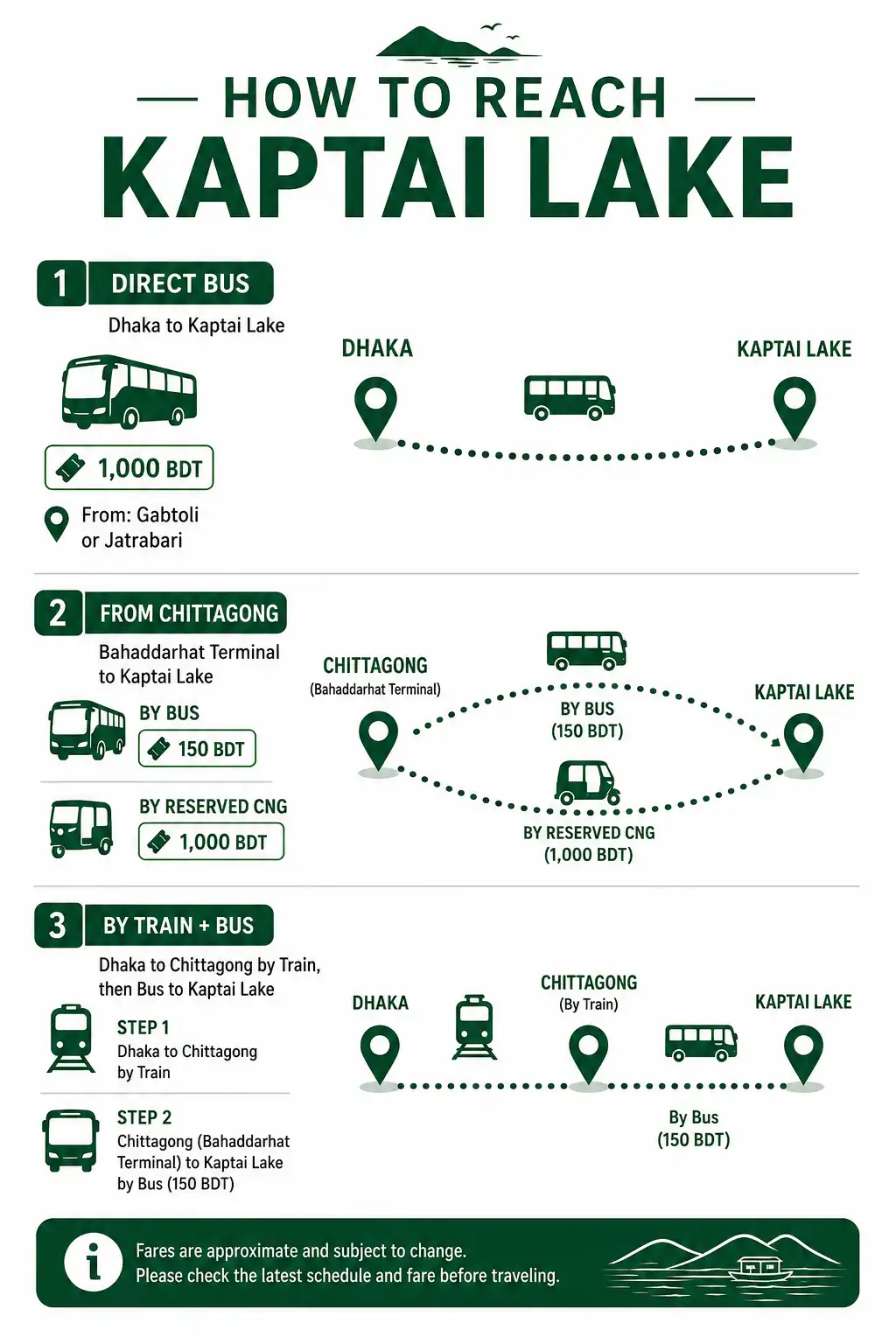
You can reach Kaptai Lake from any part of Bangladesh through Kaptai town. Here is the short version:
- From Dhaka: Take a direct bus from Gabtoli or Jatrabari bus station. One bus takes you all the way to Kaptai, so you never change vehicles.
- From Chittagong: Go to the Bahaddarhat Kaptai bus terminal, then ride a local bus straight to Kaptai.
- From anywhere else: First travel to Chittagong by any direct transport from your area, then follow step 2.
- By train: Trains run from Dhaka to Chittagong only. No rail line reaches Kaptai, so finish the last leg by bus or CNG.
Good to know: You do not need any permit to visit Kaptai Lake or Kaptai town. However, visiting Kaptai Dam requires a gate pass, and you must submit your national ID card (NID) to the gate chief. Photography at the dam is strictly prohibited. Plan at least 3 days if you want to cover the lake and all the main spots around it.
From Dhaka to Kaptai by Direct Bus
Several long-distance operators run between Dhaka and the Chittagong region, including Shyamoli Paribahan, S Alam Paribahan, and Dolphin Paribahan. If you board a direct Kaptai bus with Shyamoli Paribahan or a similar operator, the fare is around 1,000 BDT (roughly 8 USD). You will find these buses at Gabtoli and Jatrabari stations. Because the ride goes straight through, this is the easiest option for first-time visitors.
From Chittagong to Kaptai
If your district has no direct Kaptai bus, come to Chittagong first. After that, head to the Bahaddarhat Kaptai bus terminal. Buses from this terminal cost about 150 BDT (around 1.25 USD) to Kaptai, which is the cheapest way in. On the other hand, a reserved CNG auto-rickshaw from Chittagong to Kaptai costs about 1,000 BDT. The CNG saves time, but the bus saves money. Either way, fares change over time, so confirm current prices before you travel. I also suggest you plan your trip budget before leaving home, because small transport costs add up fast in the hills.
Coming by Train
The train only helps you for part of the journey. Ride from Dhaka to Chittagong by rail, then switch to a bus or CNG for the final stretch. Kaptai has no train station, so do not plan around one.
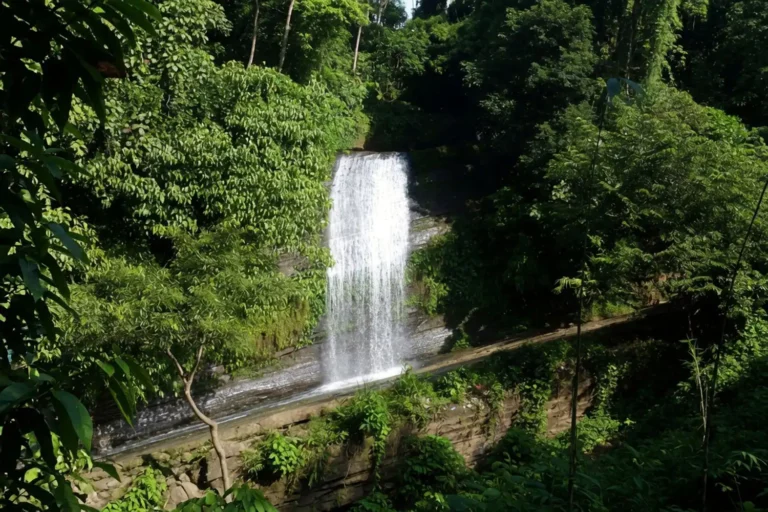
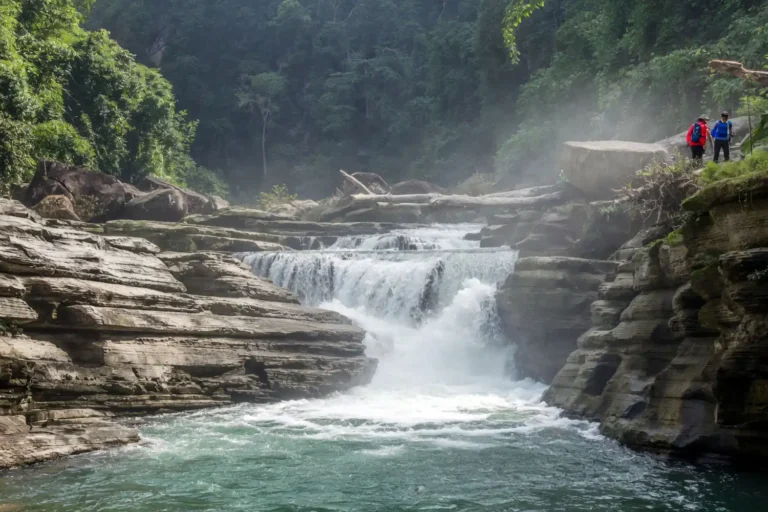
One of my best place you can visit Nafakhum Waterfall, Bandarban
What Is Kaptai Lake?
Kaptai Lake is a man-made reservoir in Rangamati District, formed when engineers dammed the Karnaphuli River at Kaptai to generate hydroelectric power. Work on the dam started in 1956 and finished in 1962, so the lake is older than independent Bangladesh itself.
Every spot in this guide connects back to that one body of water, from the dam and the jetty to the viewpoints and boat routes.
Things to Do at Kaptai Lake
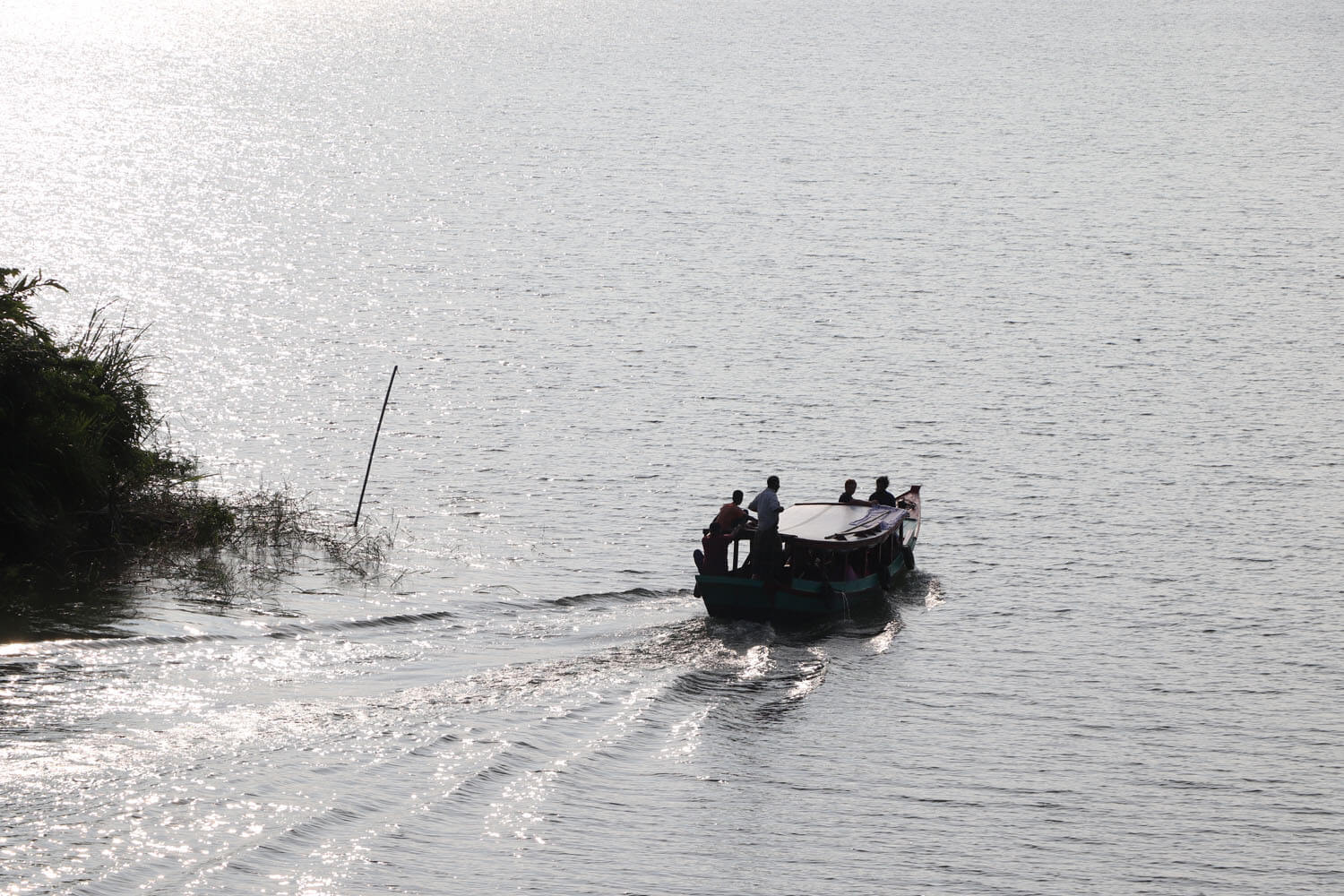
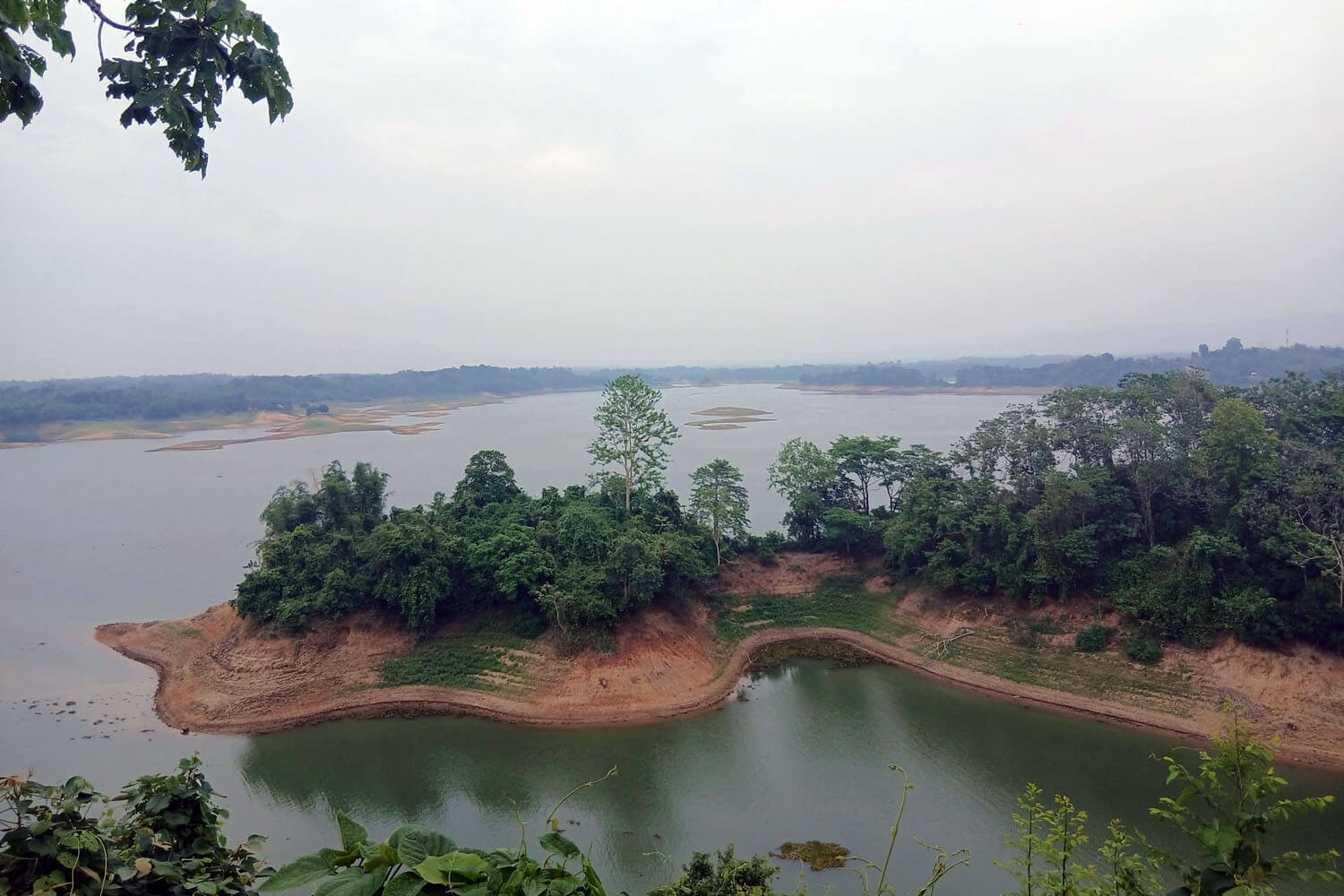
The lake itself deserves your first day. Locals call this upper water the Rainkhyong, and you can enjoy it in several ways.
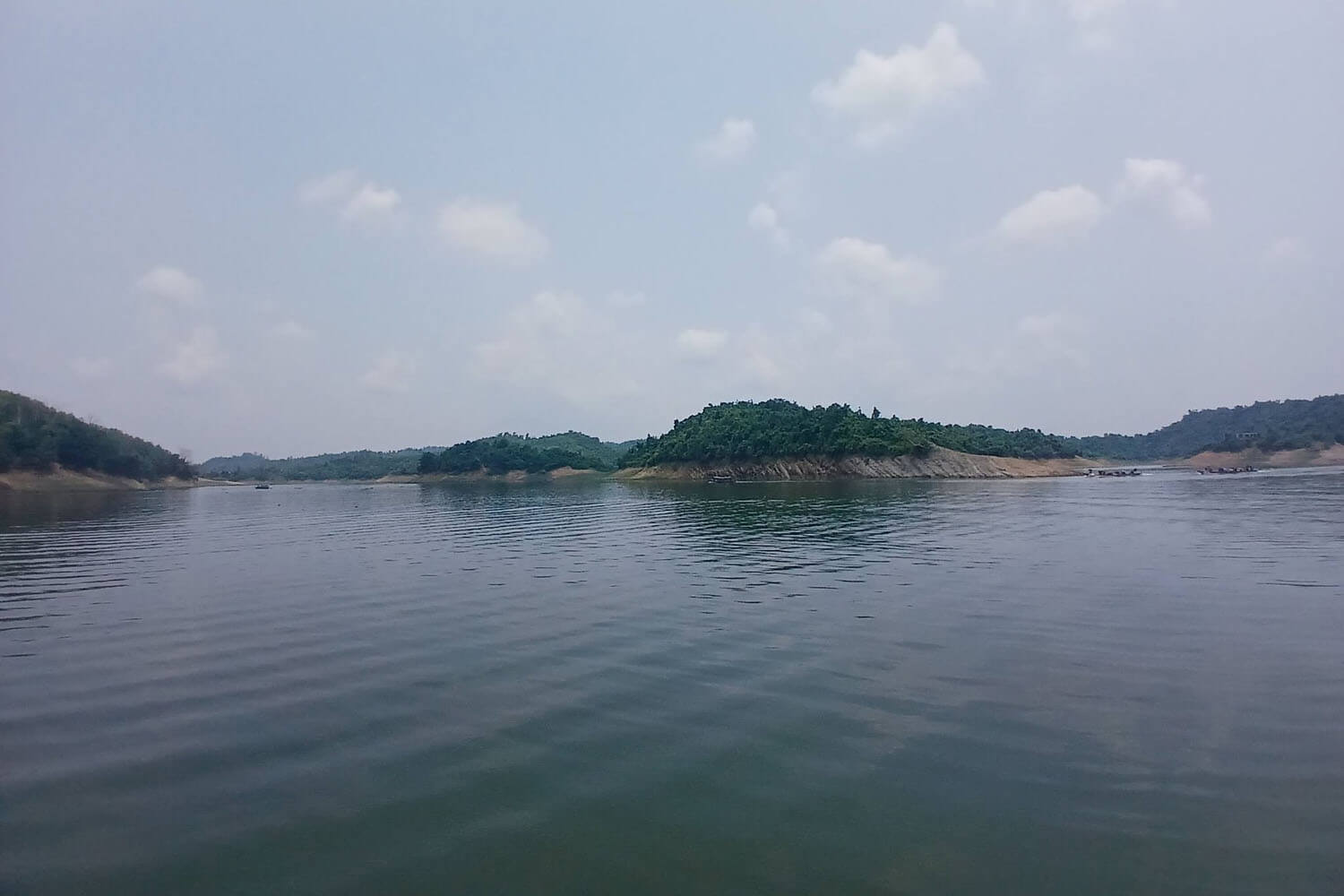
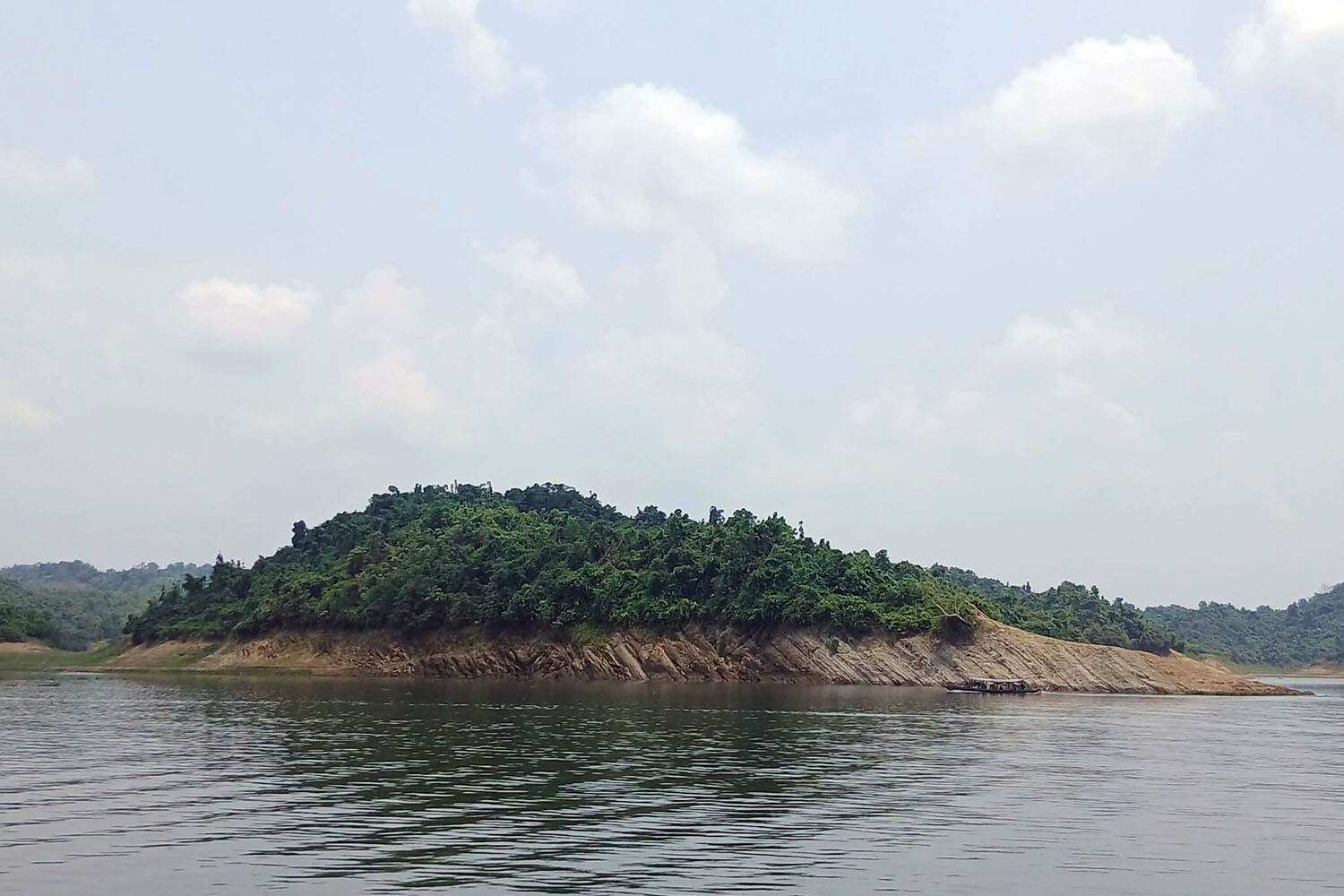
The easiest way is to rent a boat from Kaptai Jetty Ghat and enjoy Kaptai Lake from the water. From Notun Bazar, a vehicle reaches Jetty Ghat in about 2 minutes. Jetty Ghat is the last point of the road in Bangladesh, and you can reserve a boat here at any time. However, remember that no walking path continues past the jetty, so a boat is the only way to see the open lake and the islands out on the water. You will not need any guide for this either, because the local boat drivers of Kaptai will help you along the way.
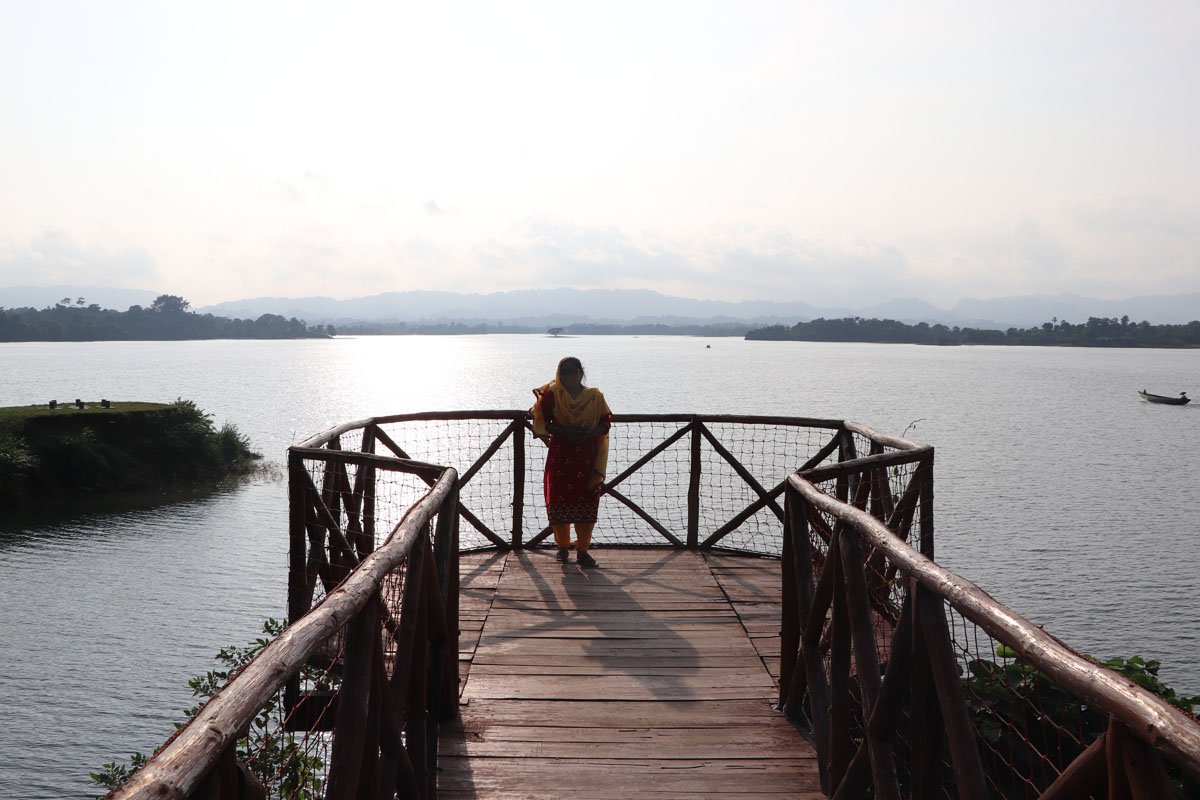
You can also enjoy Kaptai Lake from other directions. First, take a CNG from Kaptai to Morghona, where you get a full open view of Kaptai Lake. While at Morghona, visit the Smriti Mandir (Bengali: স্মৃতি মন্দির), a memorial temple where thousands of tourists stop every day. You can also rest there and try the rong cha, a local red tea that is very popular (made with lemon and ginger).
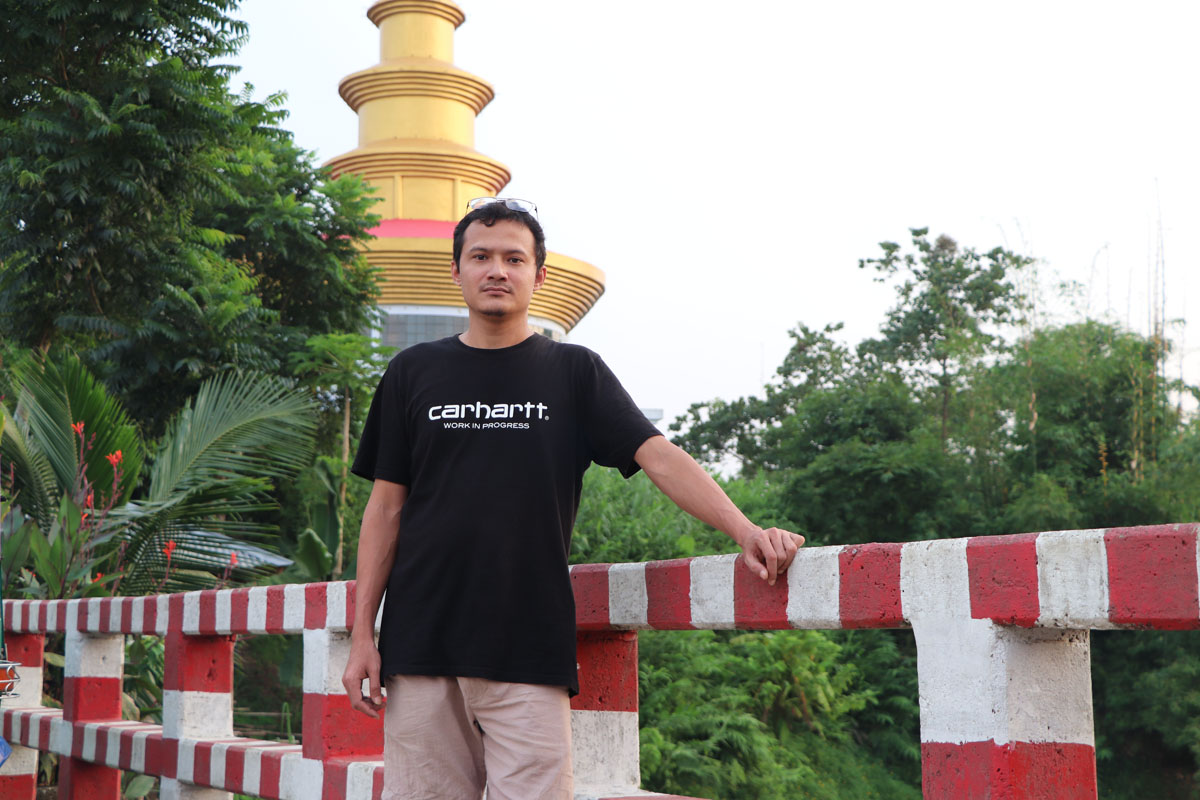
The Smriti Mandir at Morghona is more than a viewpoint. It marks the birthplace of Banabhante (Sadhanananda Mahathero), a deeply respected Buddhist spiritual teacher who lived from 1920 to 2012. People knew him as a “Bana Bhante” and he was widely known for his deep meditation and his compassion. The temple stands in Morghona village, near Maghban union of Rangamati Sadar upazila, close to the Karnaphuli river and the Kaptai Lake area. To honor his life and his birth, the local Buddhist community built this memorial temple and a memorial monument on the spot.
Kaptai Lake boat rides are also available from the Navy Camp area, which I cover below. If boat days excite you, my guide on how to plan a trip around swimming and kayaking will help you prepare.
From my experience, late afternoon gives the best light on the water. If big lakes and hill water draw you in, you will probably also enjoy my Boga Lake travel guide, which covers another famous lake in these hills.
About Kaptai Town: Your Base for the Lake
Kaptai town sits at one edge of Bangladesh. In fact, the vehicle road ends at Kaptai Jetty Ghat, and beyond that point there is no road at all. Travel past the jetty happens by boat.
According to the 2022 census, Kaptai upazila has a population of 55,410 people across 13,118 families. Bengalis live here alongside several indigenous communities, including the Tanchangya, Marma, and Chakma peoples. I belong to the Tanchangya community myself, so the mix of cultures here is part of my everyday life.
The lake also powers a large part of the district. Water flows from the upper Rainkhyong side down into the Karnaphuli river, and the pressure of that water generates electricity at the Karnaphuli Hydroelectric Power Station. Many upazilas and unions across Rangamati District use this electricity.
From my experience, Kaptai is the most secure area in Bangladesh. Compared to other districts, it hosts a heavy presence of Army, Navy, BDR, and police camps. In addition, the town sees almost no major political unrest. As a visitor, you will feel that calm quickly.
Daily life centers on Notun Bazar, the largest market in Kaptai union. Locals buy their daily groceries here, and I live in this exact area. Most of the places in this guide sit within easy reach of the bazar.
Places to Visit Around Kaptai Lake
Beyond the lake itself, Kaptai holds several scenic and historic spots. To see them all, plan to stay at least 3 days. Before you book anything, it helps to choose the right season for your trip, since lake views and boat rides depend a lot on weather.
River View Park
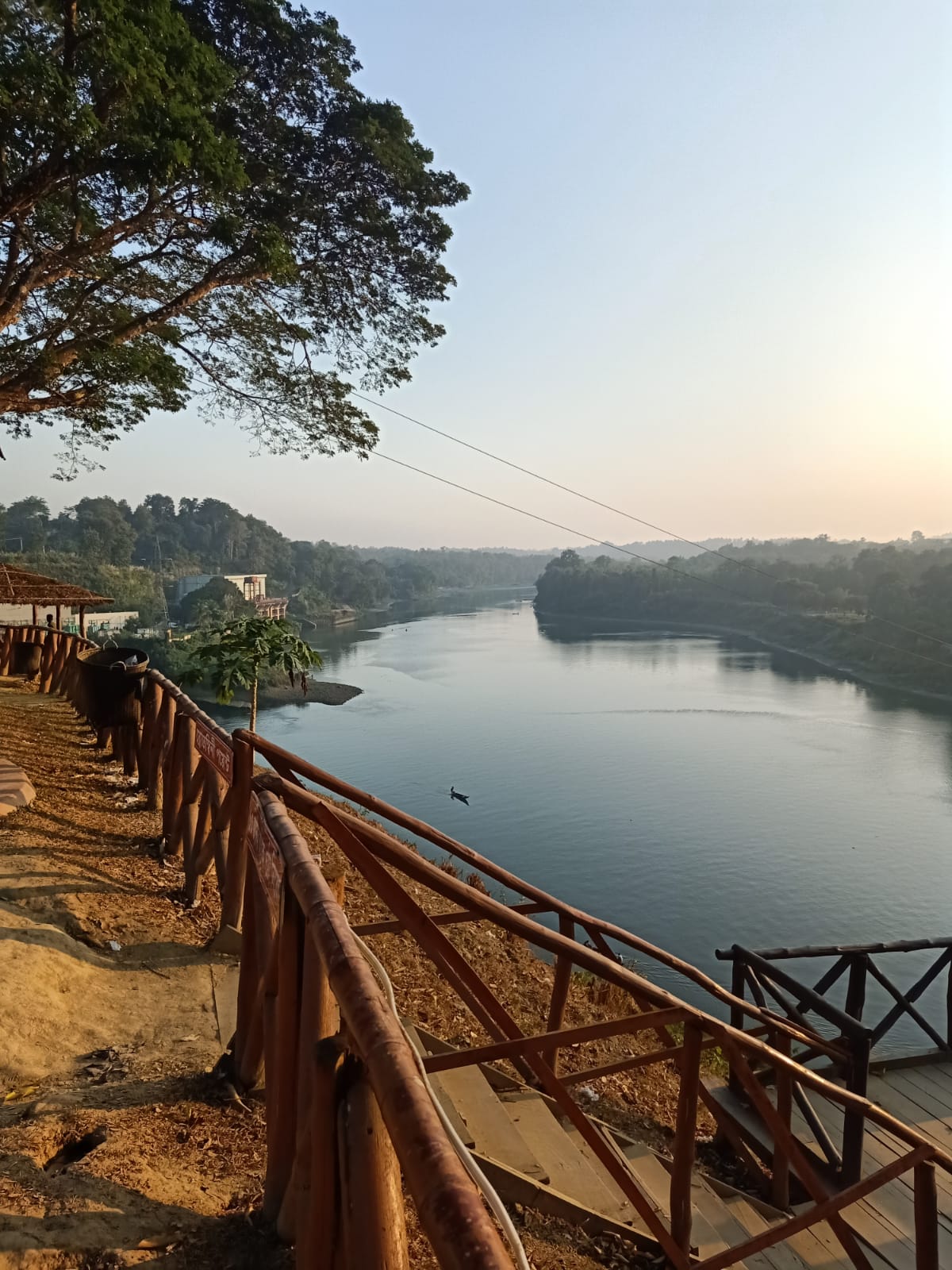
River View Park sits only a 5-minute walk from Notun Bazar. The Army runs this park, and they also operate a restaurant inside where you can get fast food in the afternoon. For me, this is the most peaceful place in Kaptai to sit and rest. From the park, you can see the Karnaphuli river and Sita Pahar hill at the same time. Words do not do the view justice, so go see it yourself.
Kaptai Dam
Kaptai Dam stands between the Rainkhyong and Karnaphuli rivers, and this is where the electricity gets generated. The dam is also the reason Kaptai Lake exists. You can visit it from any hotel or boarding in town. However, you must collect a pass at the gate first, and the gate chief will ask for your national ID card.
One firm rule: photography is prohibited. The Army protects the entire dam area, and if you take photos by mistake, they may confiscate your camera. Respect the rule and you will have no trouble.
My exam center fell in that area during my S.S.C exams, so I visited the dam area many times as a student. The scale of the structure still impresses me every time.
Navy Camp and Katakhal
Kaptai Navy Camp is another outstanding spot, and the Bangladesh Navy manages it. The camp area is huge, so you may need a full day to enjoy the natural beauty properly. From the Navy Camp, you can also rent a tourist boat and ride out on Kaptai Lake.
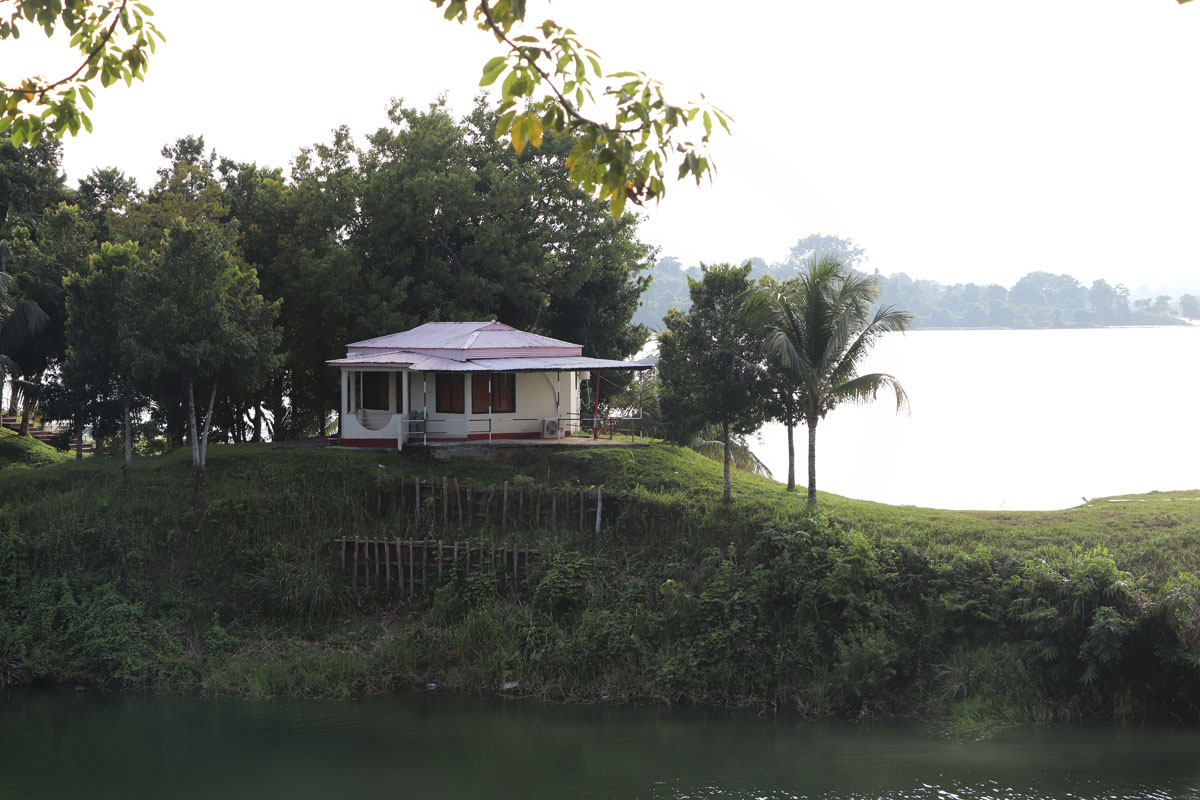
Katakhal sits right beside the Navy Camp, only about 5 minutes away. Therefore, if you reserve a vehicle, you can cover both places in one go. In my opinion, Katakhal is the prettier of the two. The spot is open with water on every side, and the best time to enjoy the view is 4 to 5 PM. The Bangladesh Army manages Katakhal, and visitors receive their services on site. They run their own hotel and park there as well. Just remember one thing: if you want breakfast or lunch at their facility, inform them in advance.
Kaptai Baskendro (Bamboo Center)
Locals also call the Kaptai Baskendro the Karnaphuli Paper Mill operation. Workers crush bamboo at this center, then trucks carry it to Baroghoniya, where the pulp becomes the paper we use every day.
Beyond the mill work, this is one of the largest wholesale bamboo trading markets in Bangladesh. Boats bring bamboo down the lake from remote hill areas of the Chittagong Hill Tracts, such as Baghaichhari and Marishya, to Kaptai Jetty Ghat. From here, traders supply bamboo across the whole country. The Jetty Ghat area, located in the heart of Kaptai upazila, works as the main center of this bamboo trade. Watching the bamboo rafts arrive is worth your time even if you have no interest in the business side.
Chingmrong Buddhist Temple
Chingmrong, also known as Chitmorom, is a Buddhist temple in the Chitmorom union of Kaptai upazila. It stands among the oldest and most traditional Buddhist viharas in the Chittagong Hill Tracts. The temple belongs to the Marma community, and it is famous for their biggest festival, the Sangrai water festival. Every April, the Marma community celebrates their new year with this water festival on the vihara grounds. If your dates line up with April, do not miss it.
Bangladesh Sweden Polytechnic Institute
Bangladesh Sweden Polytechnic Institute (BSPI) is the largest polytechnic institute in Bangladesh, with more than 2,000 students. People here usually call it Kaptai Sweden Polytechnic Institute. The institute was set up in 1962 with the cooperation of the Swedish government, and it first carried the name Swedish-Pakistan Institute of Technology. After Bangladesh gained independence, the institute took its current name.
The campus spreads across 30.95 acres. BSPI runs as a government institution under the Ministry of Education through the Directorate of Technical Education, while the Bangladesh Technical Education Board (BTEB) controls the academic program. Students complete a 4-year, 8-semester Diploma-in-Engineering course here. The institute holds skilled teachers, modern workshops, and well-equipped laboratories, and the green campus alone makes a short visit worthwhile.
Where to Stay Near Kaptai Lake
Kaptai has two boardings, and neither is large. One is Three Star Boarding, and the other is Boalkhali Boarding. Both sit in Notun Bazar. Staying at Notun Bazar gives you the most convenience, because everything you need stays within reach, and transport is easy from there too. Both boardings are cheap, charging about 150 to 300 BDT per day (roughly 1.25 to 2.50 USD). Rates can change, so confirm on arrival.
Because the rooms are basic, set your expectations accordingly. You come here for Kaptai Lake, not for fancy hotels. Travelers who later continue deeper into the hills, for example on a trip to Sajek Valley, will find Kaptai a comfortable and budget-friendly first stop.
Where to Eat in Kaptai
Food will not be a problem during your Kaptai Lake trip, because Notun Bazar has many food hotels. In the morning, every hotel serves paratha, singara, and rice. Rice meals are also available at lunch and dinner.
I will be honest with you here. Compared to other tourist areas, the cooking standard in Kaptai hotels is not that high. However, even if the food is simple, it is certainly healthy. Two hotels in Notun Bazar stay open at all times:
- Kaptai Hotel
- Shahjalal Hotel
Stick to these two and you will always find a hot meal, no matter when you arrive.
Practical Tips for Your Kaptai Lake Trip
A few things I tell every visitor:
- Carry your NID or passport. You cannot enter the Kaptai Dam area without showing identification at the gate.
- Keep your camera away at the dam. The no-photography rule is enforced, so save your shots for the lake and parks.
- Time the lake for late afternoon. The water looks its best between 4 and 5 PM, especially at Katakhal.
- Book meals in advance at Army facilities. The Katakhal hotel needs prior notice for breakfast or lunch.
- Agree on CNG fares before riding. Reserved fares like the 1,000 BDT Chittagong run are common knowledge, so settle the price first. My notes on how to avoid common tourist scams apply here as much as anywhere.
- Plan 3 days minimum. Rushing the lake in a day trip means missing the Navy Camp, Katakhal, or Chitmorom.
All prices in this guide reflect what I know as a local, but transport fares and room rates change. Always confirm current costs before you commit.
FAQ About Visiting Kaptai Lake

How many days do you need at Kaptai Lake?
Is the Kaptai Lake area safe for tourists?
Do you need a permit to visit Kaptai Lake?
How much does it cost to reach Kaptai Lake from Dhaka?
What is the best time of day to visit Kaptai Lake?
Which river is called Kaptai Lake?
Final Thoughts
Kaptai Lake gives you open water, island boat rides, peaceful parks, a historic Buddhist temple, and some of the safest streets in Bangladesh, all at a very low cost. Reach the lake by direct bus from Dhaka or through Chittagong, stay near Notun Bazar, and give yourself 3 days. Then take a boat out in the late afternoon and you will understand why I never left my hometown. If anything in this guide changes by the time you visit, let me know so I can keep it accurate.