Remakri Waterfall Travel Guide: Bandarban’s Sangu River

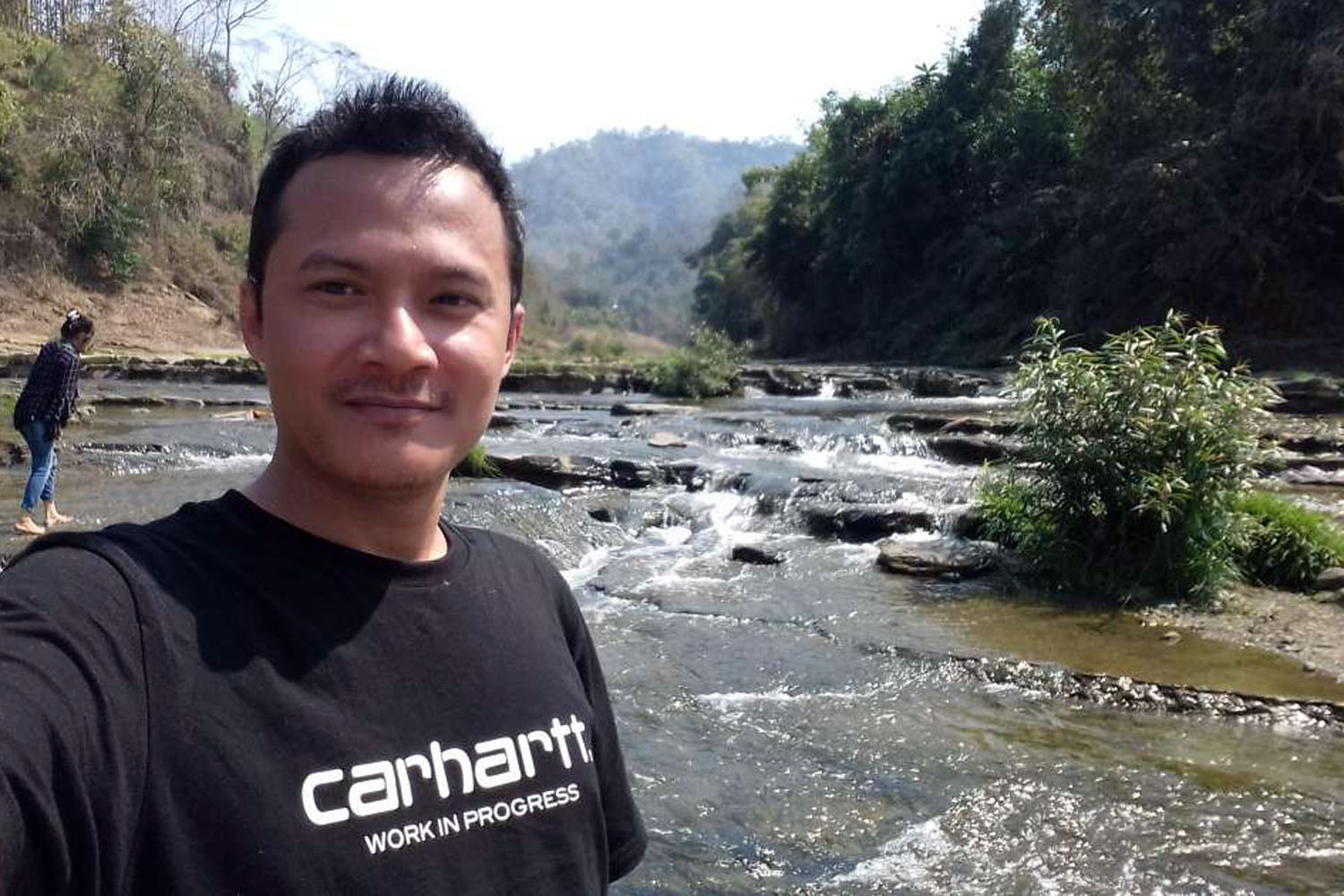
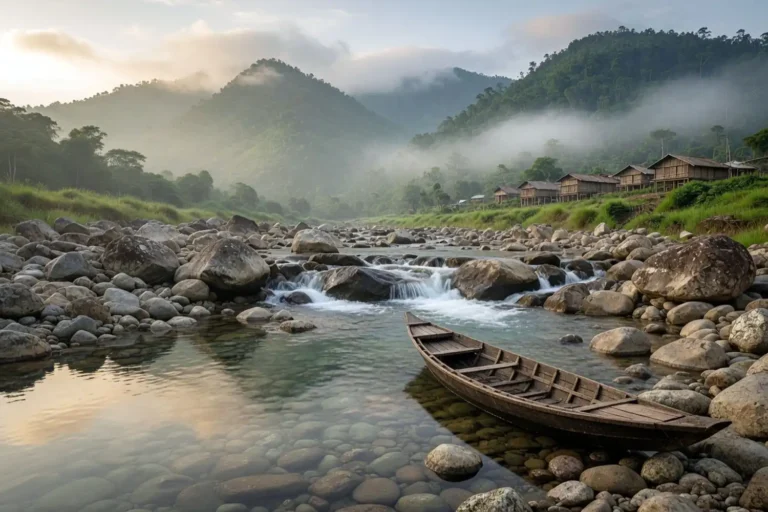
Remakri Waterfall is a wide, scenic cascade in Remakri union, an indigenous Marma area of Thanchi Upazila, Bandarban District, Bangladesh. It sits along the crystal-clear Sangu River, deep in the Chittagong Hill Tracts. The village serves as the main base camp for the trek to Nafakhum waterfall, and Remakri waterfall itself runs wide rather than tall, with a stunning view over smooth rocky terrain.
How to Reach Remakri Waterfall
- Travel from Dhaka to Bandarban by bus or train.
- Take a bus or reserved jeep from Bandarban to Thanchi.
- Hire an engine boat from Thanchi up the Sangu River to Remakri waterfall (about 2 hours).
A licensed guide is mandatory for all visitors. The best time to visit Remakri is September through November.
Also see: Debotakhum Bandarban
Where is Remakri waterfall located?
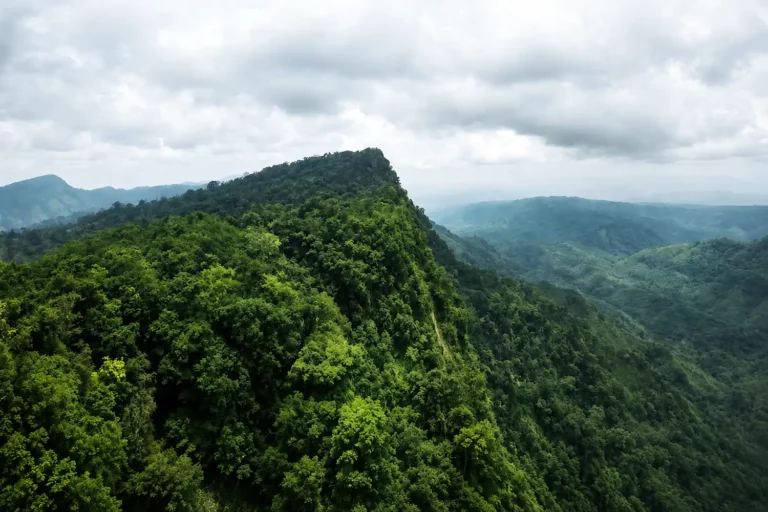
Remakri waterfall sits in Remakri Union, Thanchi Upazila, within Bangladesh’s Bandarban District. The spot lies deep in the Chittagong Hill Tracts, right along the Sangu River. From Dhaka, Bandarban is roughly 325 kilometers away, while Chittagong city sits about 75 kilometers from it. Thanchi Upazila, in turn, is around 79 kilometers from Bandarban town. Finally, Remakri lies about 22 kilometers from Thanchi Bazar by river.
When is the best time to visit Remakri Waterfall?
The best time to visit Remakri runs from September to November, just after the monsoon and before winter. The falls change character with every season. During the monsoon, the water pours through hard and full. By winter, the flow eases off, though it never dries up completely. So those shoulder weeks give you strong water without the worst of the risks.
There’s a practical reason to skip peak monsoon, too. When the Sangu rises close to its danger mark, the administration often holds back permits. Leeches also turn up in greater numbers then. Paths grow slippery, and a sudden downpour can derail your plans in minutes.
How do you get to Remakri Waterfall?
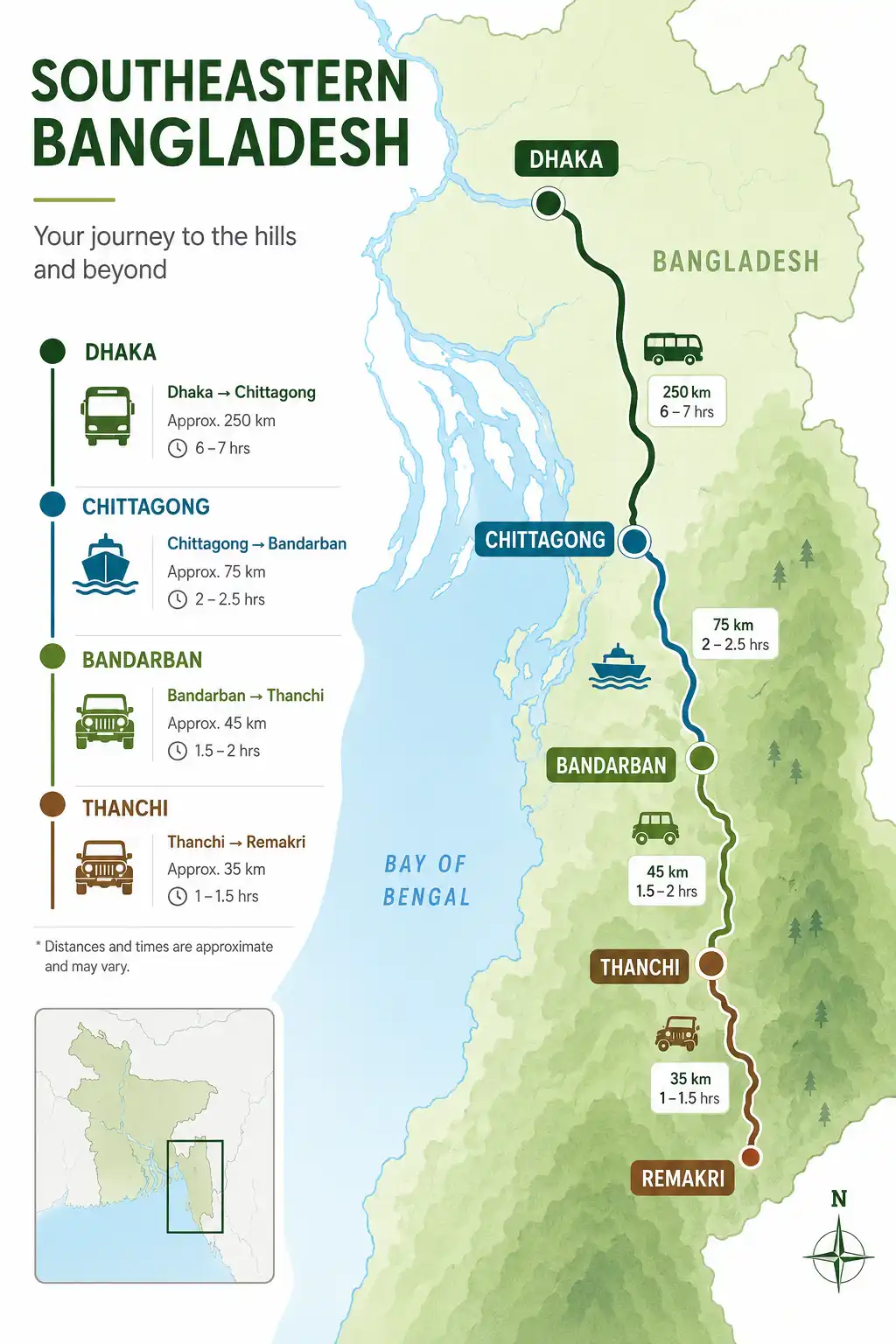
Getting to Remakri takes three legs: Dhaka to Bandarban, then Bandarban to Thanchi, and finally Thanchi to Remakri by boat. Each leg has its own options and costs, so it pays to plan a little ahead.
From Dhaka or Chittagong to Bandarban
Several companies run buses from Dhaka to Bandarban town every day. From the Kalabagan and Arambagh terminals, operators like Shyamoli, Hanif, Saint Martin, and Desh send AC, non-AC, and Hyundai coaches. Non-AC fares sit around 550 to 750 Bangladeshi Taka (BDT) per person, while AC seats cost roughly 1,200 to 1,500 BDT. Board a night bus, and you’ll roll into Bandarban by about 7 a.m.
You can also reach Chittagong first by train or plane. After that, buses to Bandarban leave from the Baddarhat and Dampara stands for about 220 BDT. A reserved microbus runs closer to 3,000 to 3,500 BDT.
From Bandarban to Thanchi
From Bandarban, you reach Thanchi by local bus or by reserved jeep, known here as a Chander Gari. Buses leave the Thanchi stand in Bandarban town every hour. Each seat costs around 200 BDT, and the ride takes 4 to 5 hours. The administration caps the jeep fare at 6,000 BDT, although booking a little before the main stand can shave off 500 to 1,000 BDT.
For a larger group, the Chander Gari makes better sense. It takes about 3 to 3.5 hours and seats 10 to 12 people. Along the way, you’ll pass Milonchhari and the viewpoints near Chimbuk hill, plus Nilgiri and miles of green ridgelines. Feel free to stop and take photos.
From Thanchi to Remakri Waterfall
At Thanchi Bazar, you must hire a registered guide from the list kept at the BGB camp. This step is mandatory for every visitor. The guide fee comes to 1,500 BDT for the trip out and back the next day. After that, you register everyone’s details at both the police station and the BGB camp: full name, address, phone numbers, a National ID copy, your route, and the number of nights. The police also snap a group photo. Throughout, your guide walks you through each step.
Keep one timing rule in mind. Officials issue no permits after 3 p.m., so you need to reach Thanchi before then. Miss that window, and you’ll start the next morning instead. Life jackets rent for 50 BDT each. During the monsoon, grab one for everyone; otherwise, get one at least for anyone who can’t swim.
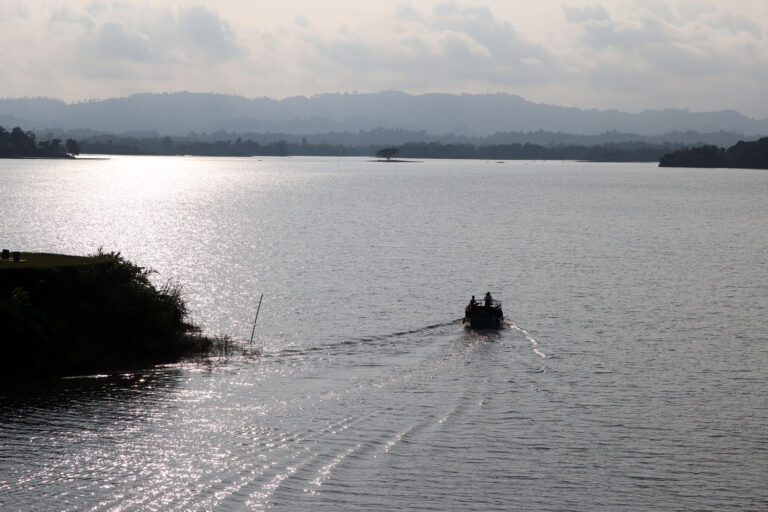
Once your permit clears, rent a small engine boat from the Thanchi ghat. The fixed round-trip fare, with an overnight stay, comes to 4,500 BDT. Each boat seats 4 to 5 people, and the run upriver takes roughly 2.5 hours. When the water sits low, you may need to climb out and wade a few stretches. On my own trips upriver, low water has meant a couple of barefoot wades, but the scenery more than made up for it.
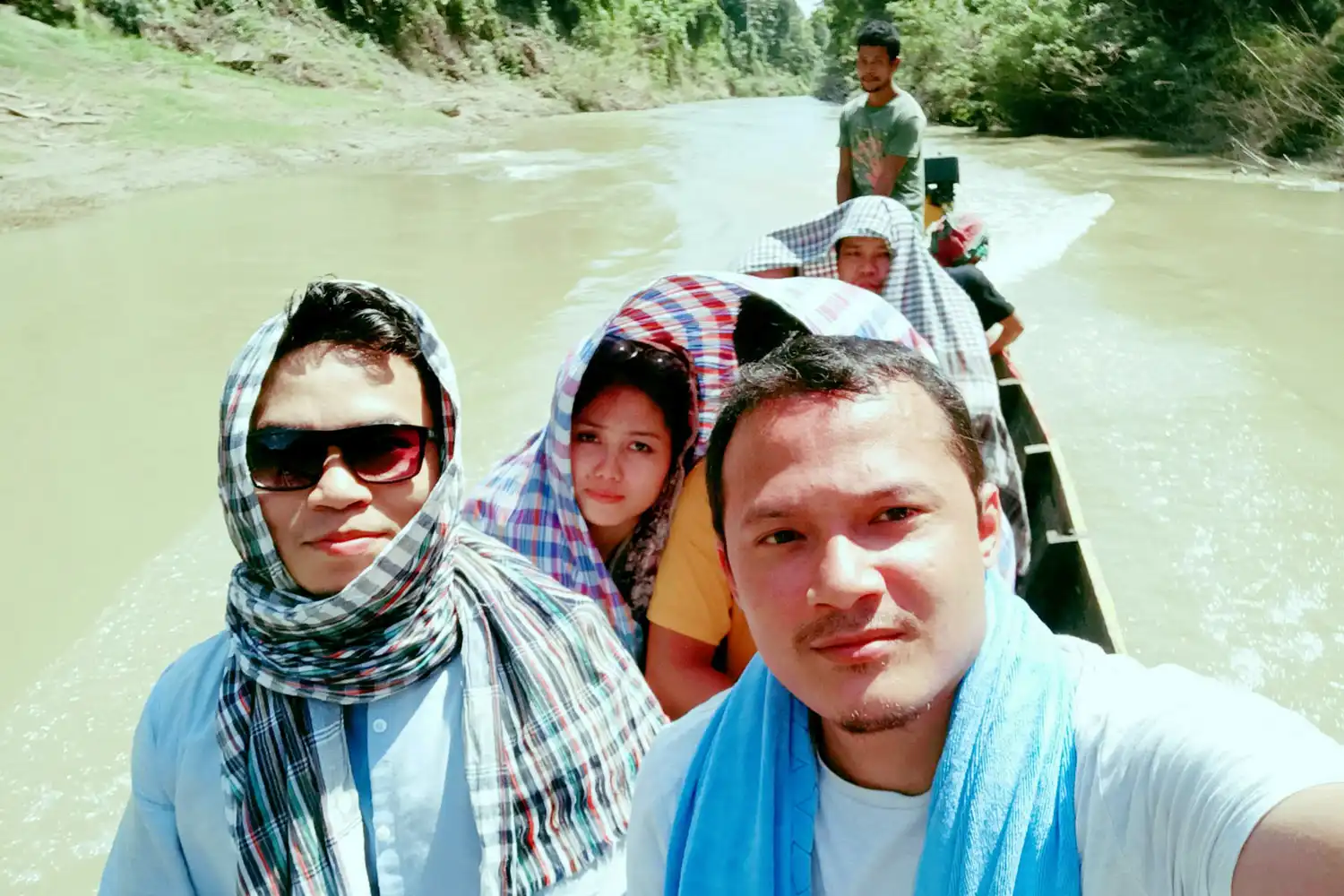
Either way, the Sangu River steals the show the whole way up. You’ll glide past Padmamukh, Tindu, Rajapathor (the King’s Stone), and Boropathor (the Big Stone). Security rules keep boats from stopping everywhere, yet Boropathor is a fine place to step off for photos.
Where can you stay in Remakri?
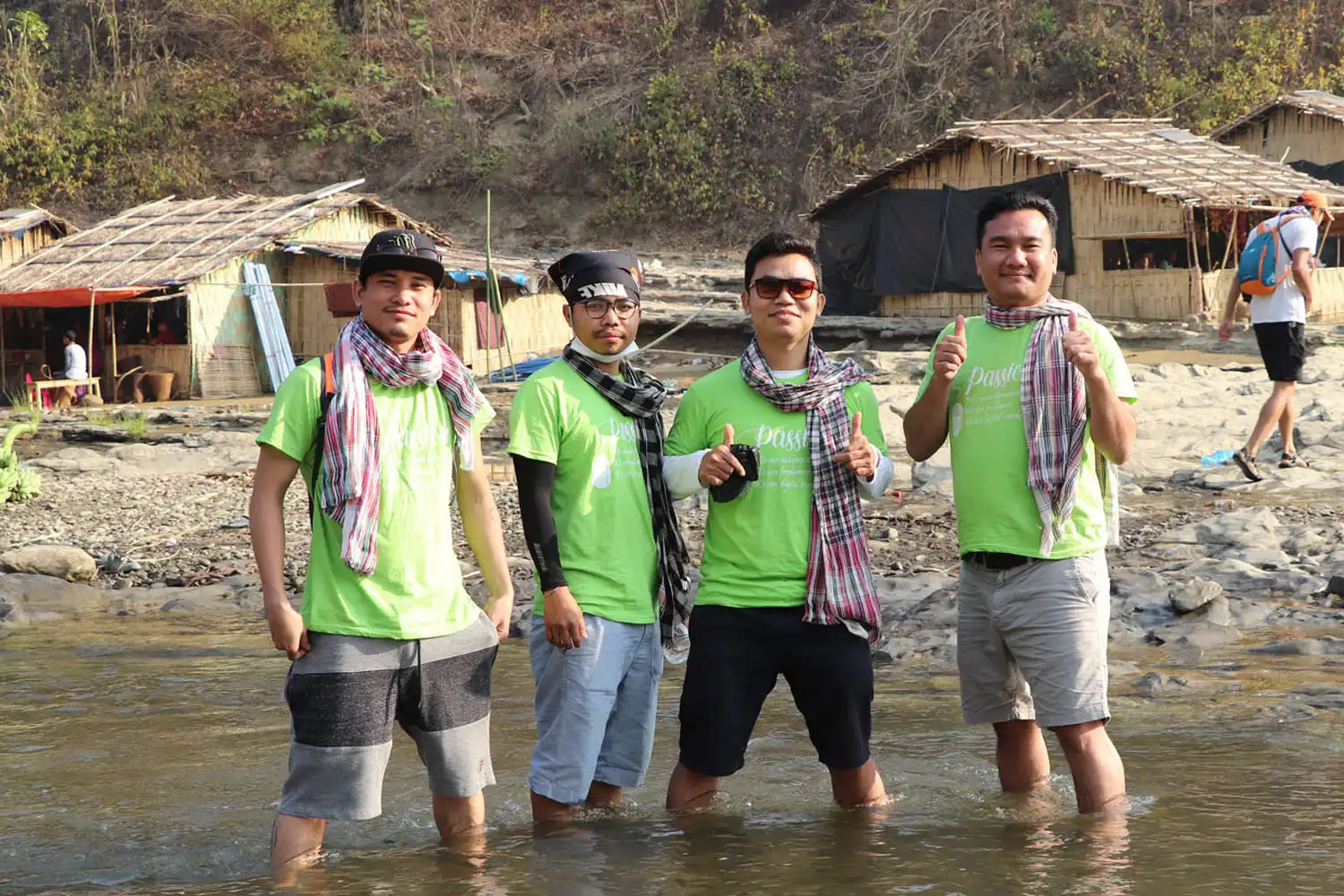
Remakri Bazar has several small cottages for overnight stays. They aren’t fancy, yet each comes with a toilet and a bathing area. A bed runs about 150 to 200 BDT per person, while a room with an attached toilet costs around 200 BDT. If you’d rather, you can also stay in an indigenous family’s home.
Near the falls, there’s the Shilgiri Guest House, which locals call the Chairman’s Guest House. Its owner chairs the Tindu Union Parishad. The building wears a tin roof, yet it still offers toilets, supply water, fans, a dining space, and a generator. That view alone is hard to beat, so I’d happily spend a night here. Power runs until about 10 p.m., though an extra 1,000 BDT keeps the generator going till morning.
Where to eat in Remakri
Each cottage handles meals on-site, so nobody goes hungry. Common sets include boiler chicken, free-range hill chicken (bon morog), eggs, rice, khichuri, and bhorta. Just settle the menu through your guide, who arranges everything back in Thanchi. Costs stay refreshingly low. On top of that, bananas, papayas, and other hill fruits sell for almost nothing, so load up while you’re there.
For snacks, small tong shops at Thanchi and near Nafakhum stock mineral water, soft drinks, and biscuits. Thanchi Bazar covers most basics too. That said, it’s best to skip alcohol and other intoxicants entirely.
Travel tips and safety for Remakri Waterfall
A handful of small habits make this trip smoother and a lot safer.
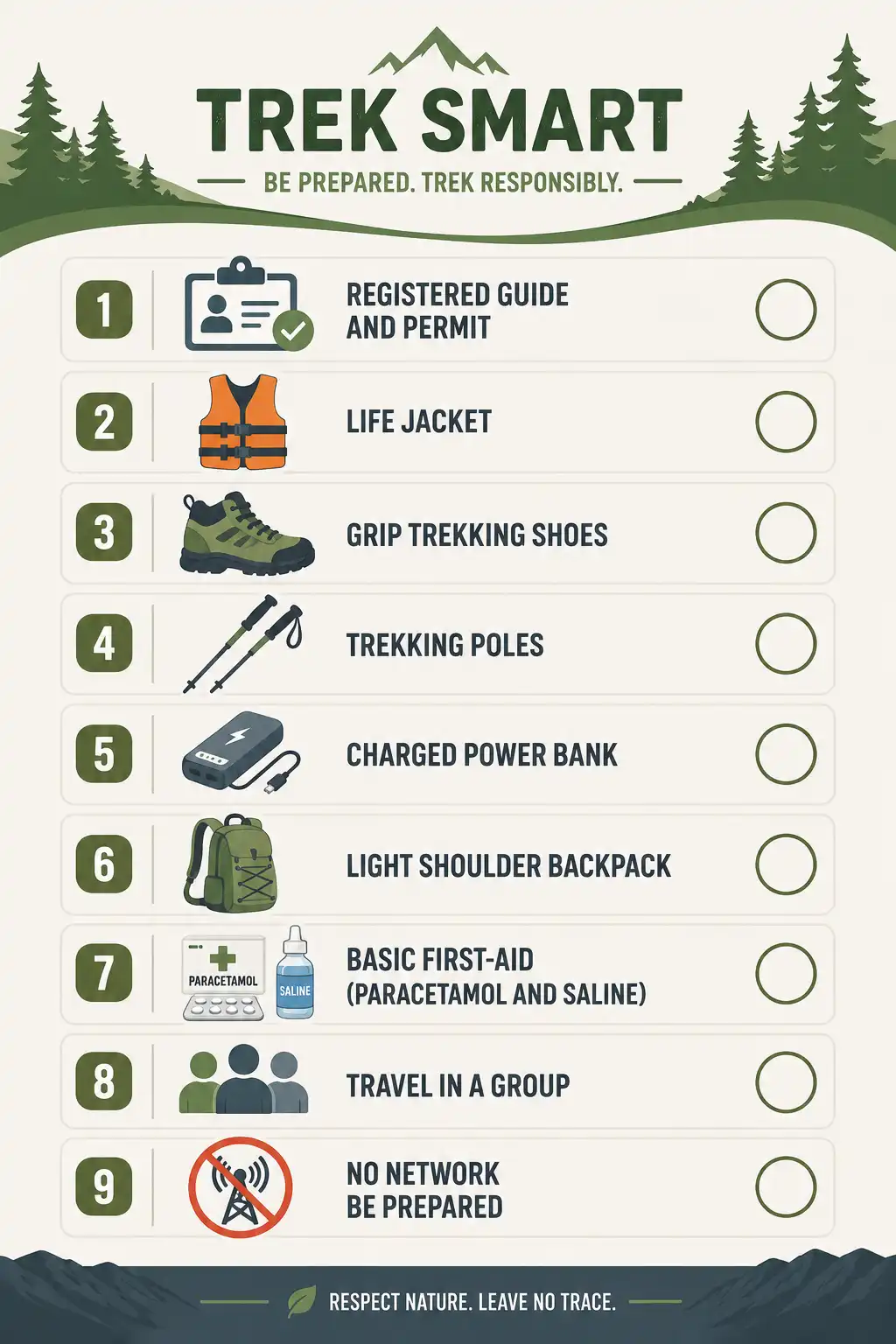
- To cut costs, skip public holidays and travel as a group, since shared boats, jeeps, and guides split the bill nicely.
- Wear shoes with strong grip, and break them in early so you can keep blisters off your feet on the long rocky stretches.
- A set of trekking poles earns its place here, because they steady you across slick boulders.
- If you can’t swim, keep a life jacket on through the monsoon months.
- Past Thanchi, there’s no electricity or mobile signal, so charge your phone and power bank well in advance.
- Carry only a shoulder bag, and keep your load light for the climbs and the boat.
- Bring basic medicine too: paracetamol, an antacid, and oral saline.
- Never wander off alone. Stay with the group, watch out for one another, and treat the Marma community with respect.
FAQs on Remakri Waterfall

Is a guide required to visit Remakri Waterfall?
How long does the boat ride to Remakri Waterfall take?
Is there mobile network in Remakri Waterfall?
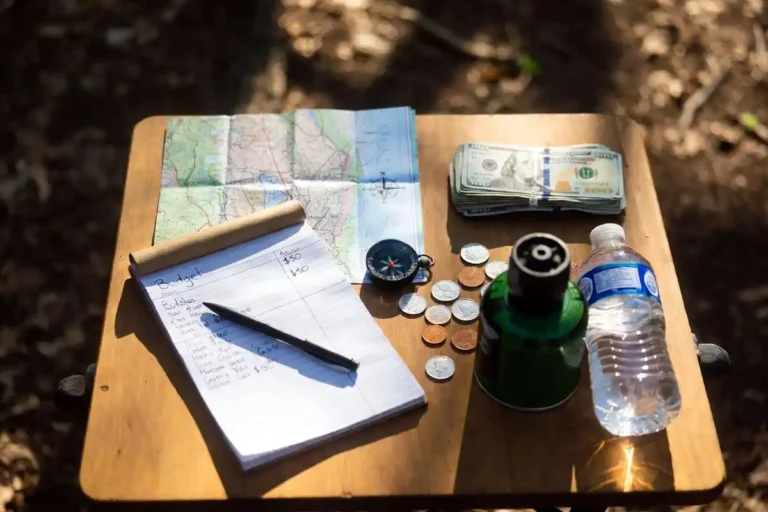
How much does a Remakri Waterfall trip cost?
Final thoughts
Remakri waterfall rewards the effort it asks for. The journey is long, the rules are strict, and the comforts stay simple. Still, the payoff is real: a wide, roaring waterfall, the green Sangu winding through stone, and quiet nights under hill skies. Plan for September through November, sort your guide and permit early, and pack light. Once you’ve seen Remakri, the trail to Amiakhum waterfall makes a natural next chapter. The hills here stay with you long after you head home.