Are Hiking Poles Worth It for Saving Your Knees on Long Hikes?

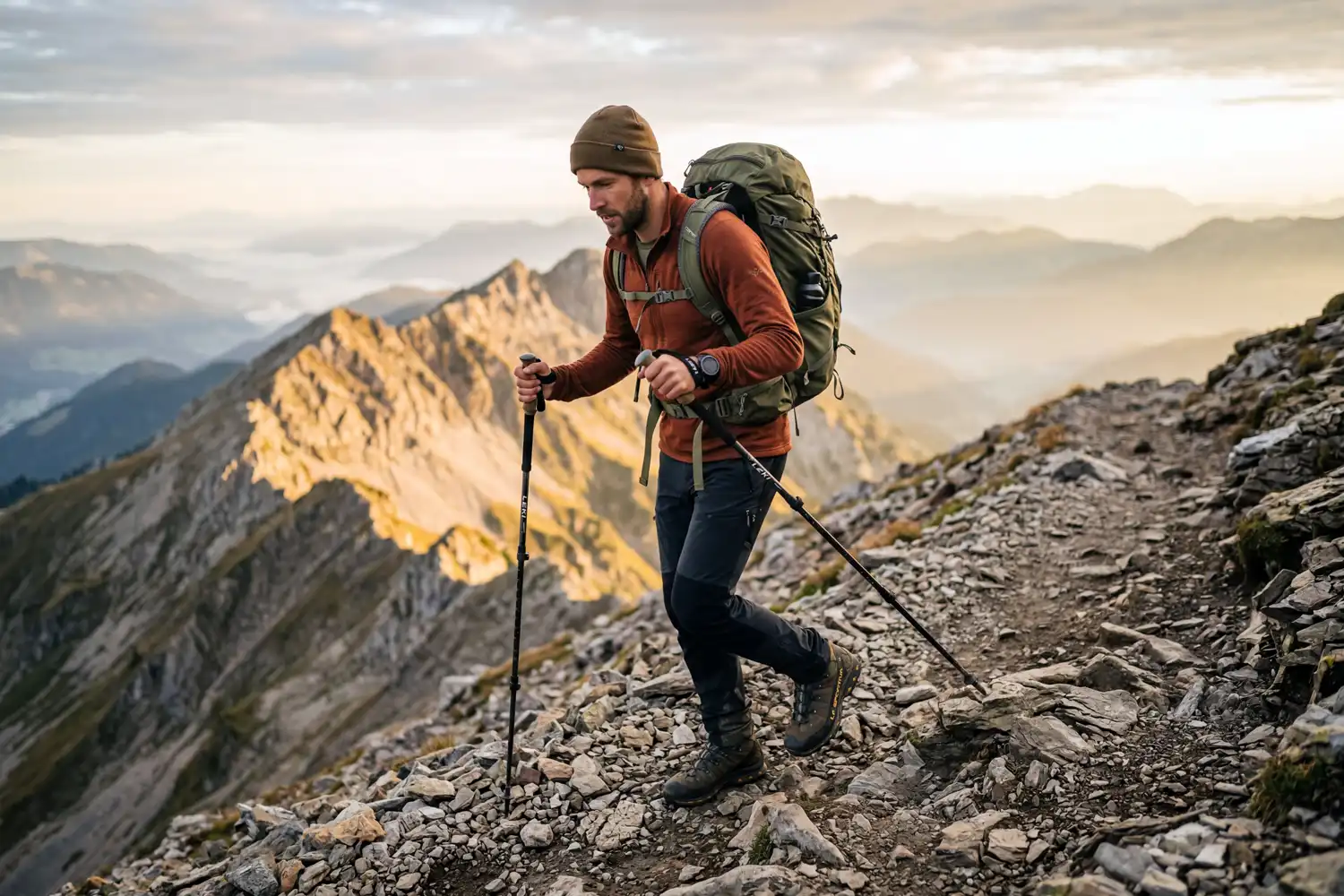
I’ve hiked with poles, without them, and with just one after the other snapped on a wet slope above Keokradong. After years on trails across the Bandarban hills and beyond, my answer is simple: hiking poles are worth it for most people, most of the time. They save your knees on long descents, steady you on slick ground, and stretch your endurance on big days. But poles aren’t magic. They add weight, cost money, and sometimes get in the way. So let me share what I’ve learned about when they help, when they don’t, and how to pick a pair that earns its place in your kit.
Are hiking poles worth the money?
Yes, hiking poles are worth the money for anyone who hikes regularly on uneven terrain, carries a loaded pack, or struggles with knee pain. A decent pair runs $40 to $150, and the joint protection alone often pays for that several times over. Casual flat-trail walkers can usually skip them.

Read next: Tie Hiking Boots for Long Trails and Steep Climbs
What hiking poles actually do
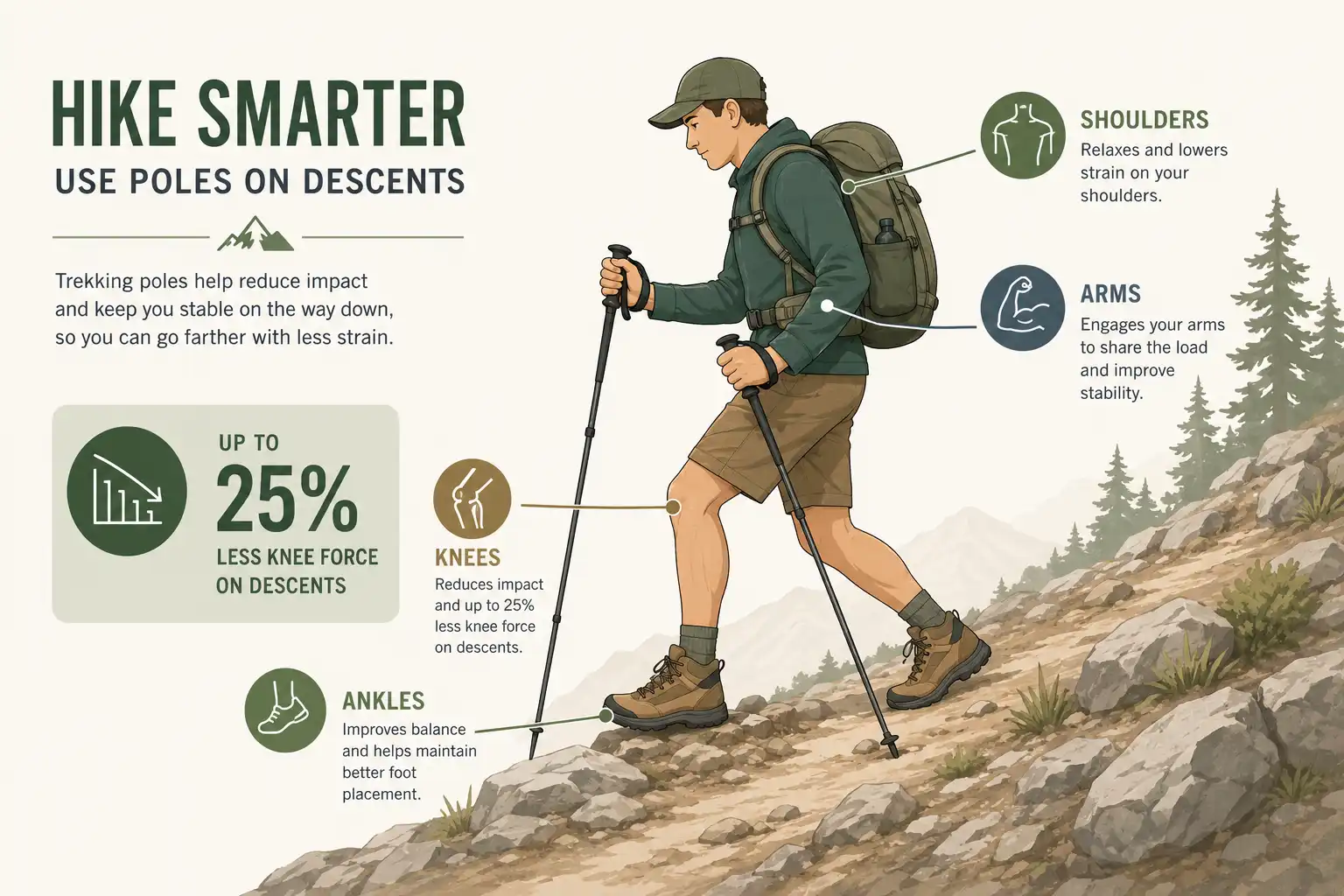
Hiking poles act like two extra legs. They transfer load from your knees and ankles to your arms and shoulders, which spreads the work of walking across your whole body. Research summarized by outdoor medical groups suggests poles can reduce compressive force on the knees by roughly 25% during downhill walking.
Beyond that, they give you four points of contact instead of two. So when a rock shifts under your boot or a root catches your foot, you’ve already got two planted poles holding you upright.
The hiking pole benefits I’ve noticed on the trail
Less knee strain on long descents
The biggest payoff shows up going downhill. Every step down sends a small force shock through your knee, and after a few hours that adds up. Poles let you plant ahead and push some of that load into your arms instead. On the Nafakhum return route, my knees stay fresh for hours longer when I use them. If sore joints already bother you, my notes on handling knee pain on downhill hikes go deeper into the fix.
Better balance on rough ground
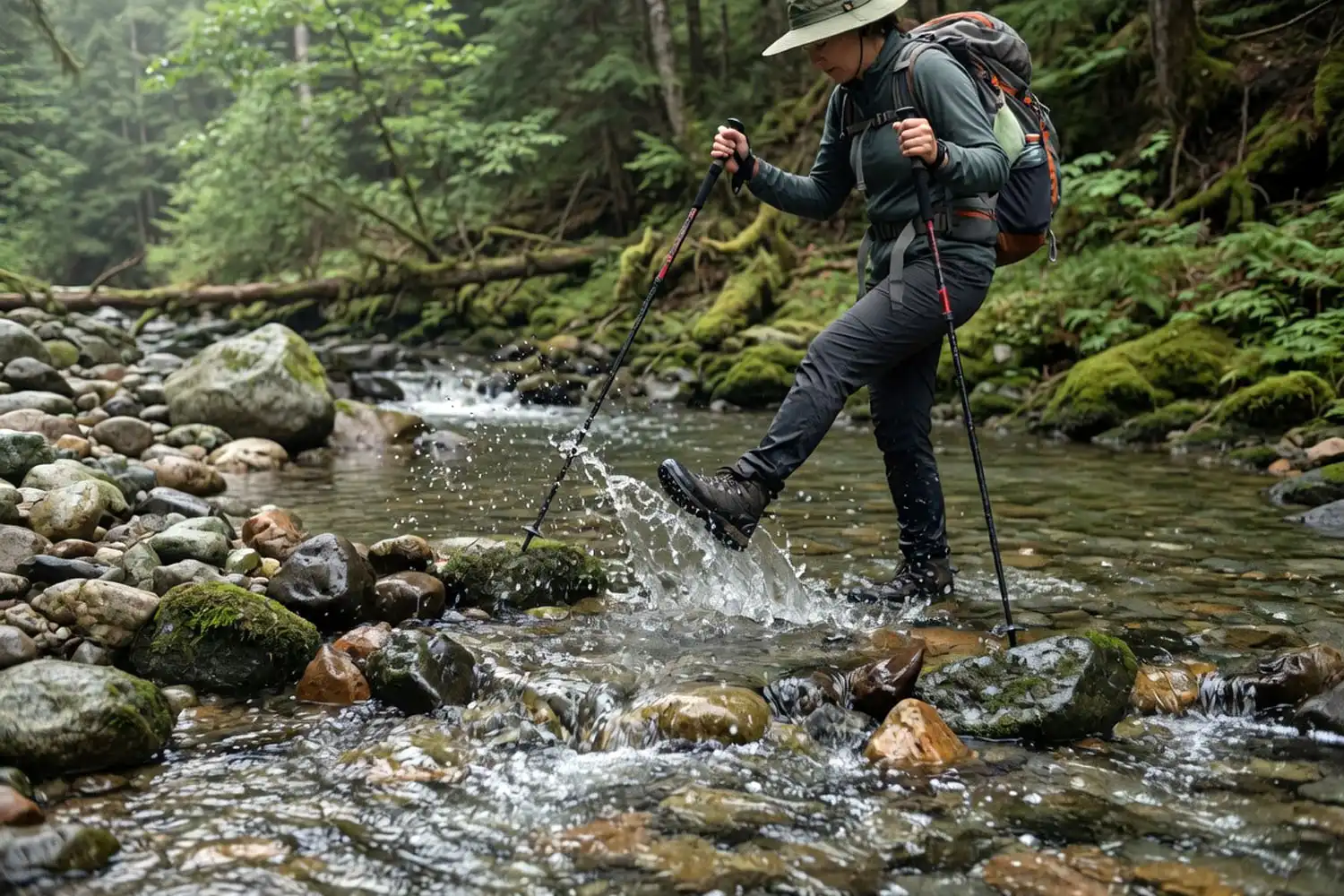
Loose rocks, river stones, mud, snow patches, narrow ridges. All of these become safer with poles in your hands. I crossed three streams on the way to Remakri last year, and the poles turned what would have been slippery balancing acts into steady walks. Wet roots are another place where poles save you. Plant one, shift weight, plant the other. The rhythm becomes automatic after a few hours.
Easier uphill climbs
On steep climbs, poles let you push down with your arms to help drive your body up. It feels like getting a small assist on every step. Over a long ascent, that small assist saves a surprising amount of leg energy. For more on conserving energy upward, my piece on climbing without burning out too fast pairs well with this one.
River crossings and tricky terrain
Crossing a knee-deep stream with a loaded pack is one of the few places where I refuse to hike without poles. The pole becomes a third anchor that holds you steady against the current. Same idea applies to crossing logs, sandy slopes, and loose scree.
When hiking poles aren’t worth it
Poles do have downsides. Short, flat, paved, or well-graded paths rarely justify them. So if your hiking is mostly park loops or city greenways, save the money.
Technical scrambling is another case. Then you need your hands free to grab rocks, so poles just dangle and snag. Folding them away on your pack works, but only if your trail has short scramble sections rather than constant ones.
Photographers and birders often dislike poles too. You can’t shoot or use binoculars while holding sticks, so the constant clipping and unclipping gets tiring. Many people in that group stick to one pole or skip them entirely.
Choosing the right hiking poles
Picking poles confuses a lot of first-time buyers, so here’s what actually matters.
Aluminum vs carbon fiber
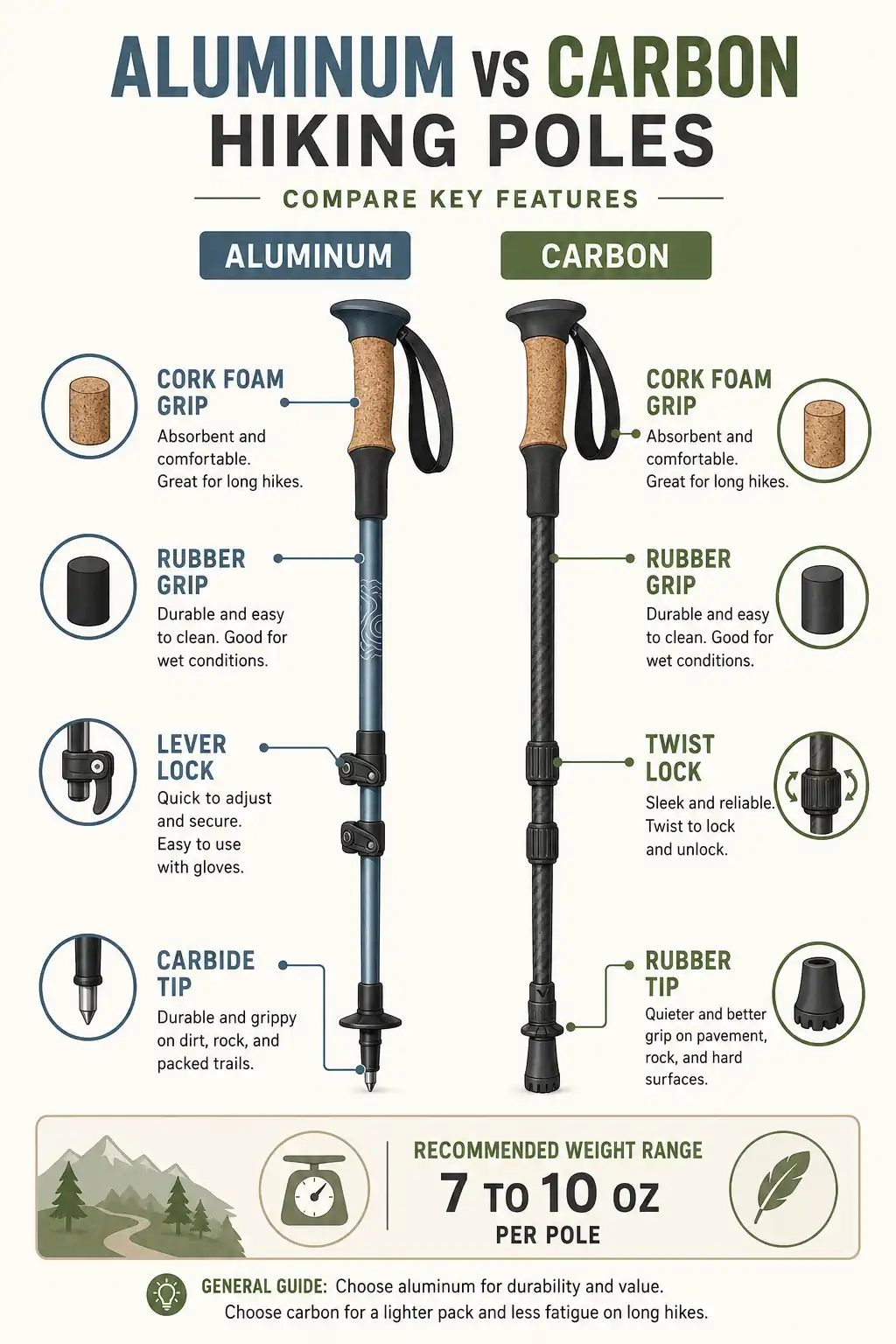
Aluminum poles cost less, take more abuse, and bend instead of snapping under heavy force. Carbon poles weigh less and feel snappier in the hand, but they can break suddenly if pinched between rocks. For most hikers, especially beginners, aluminum is the smarter pick.
Locking mechanism
External lever locks beat internal twist locks every time. Twist locks slip when wet or cold. Lever locks stay put, adjust faster, and let you tweak length on the move.
Grip material
Cork grips wick sweat and shape to your hand over time. Foam grips feel softer and weigh less. Rubber grips heat up and blister your palms on long days, so avoid them unless you only hike in cold weather.
Weight and adjustability
Look for poles in the 7 to 10 ounce range per pole. Telescoping poles adjust to your height, which matters because uphill and downhill use different lengths. A good rule: elbow at 90 degrees on flat ground, shorter going up, longer going down.
How to use hiking poles correctly
Most people use poles wrong, which is why some hikers wrongly conclude poles “don’t help.” Here’s the short version of doing it right.
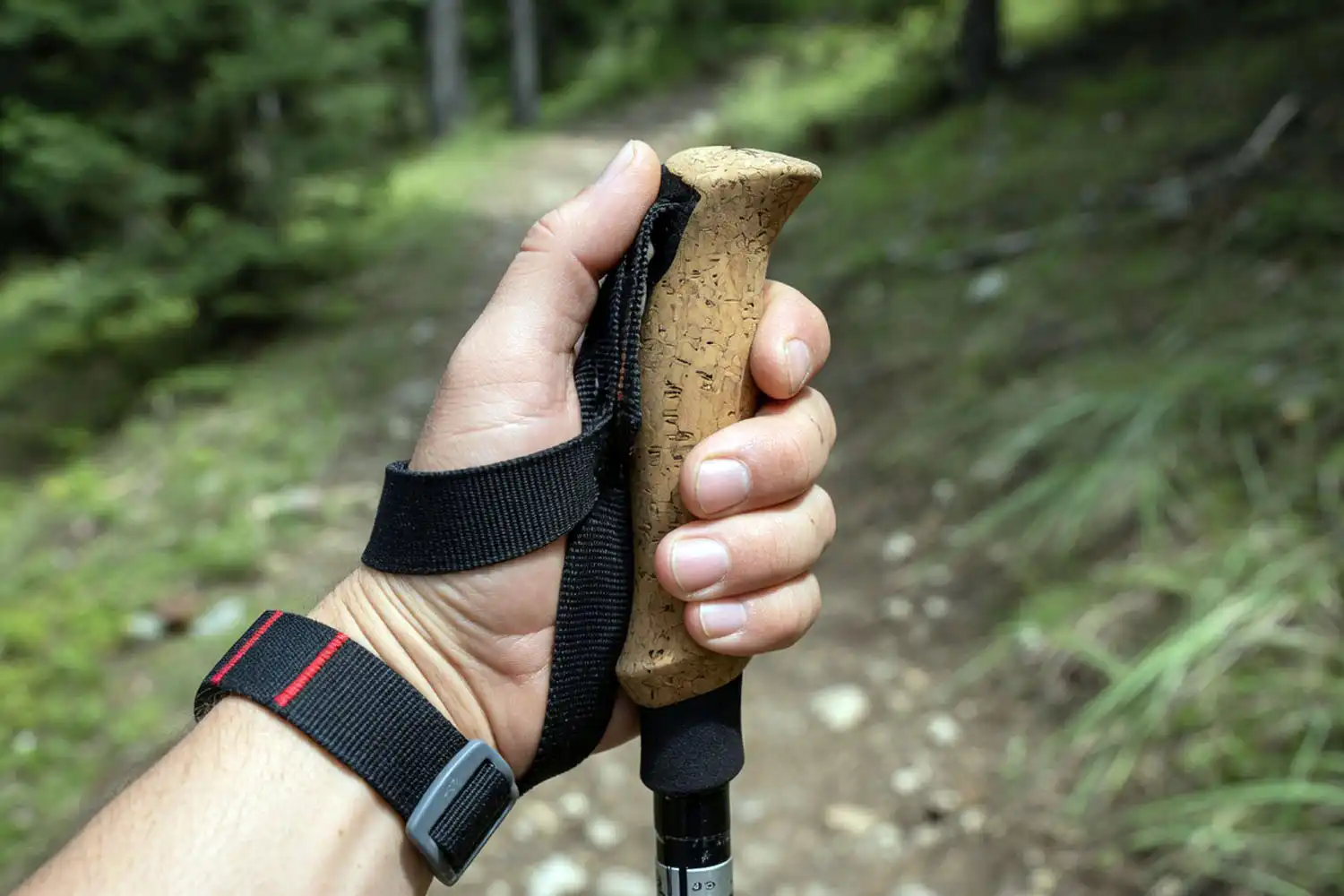
First, set the length so your forearm sits parallel to the ground when the tip touches the trail in front of you. Then slip your hand up through the strap from below and grip down on the strap and handle together. That grip lets you push through the strap on each plant instead of squeezing the handle with tired fingers.
Plant the pole opposite to the forward foot. So your left pole goes down with the right step. The rhythm matches your natural walking gait and feels smooth after a few minutes.
On steep descents, lengthen the poles a few centimeters and plant them ahead and slightly downslope. The forward plant absorbs your weight before your boot lands. On steep climbs, shorten them so you can push down with strong arm angles.
Common mistakes I see on the trail
Three problems show up again and again. Hikers grip too tight, which kills their hands over a long day. Loose grip plus strap support fixes that. Also, many hikers forget to adjust length between climbs and drops, so they fight the poles instead of using them. Finally, beginners plant poles too far ahead or too close, which throws off rhythm. Aim for a natural reach, about one walking step ahead.
If you’re new to trails in general, my list of common hiking mistakes to avoid covers many gear and pacing slip-ups together.
Are hiking poles worth it for beginners?
Yes, hiking poles are especially worth it for beginners because newer hikers tend to have weaker stabilizer muscles and slower balance reflexes. Poles cover both gaps while your body builds trail strength. Most beginners I’ve helped felt steadier within the first kilometer of trying poles for the first time.
For first trips, I usually suggest a basic aluminum pair with lever locks. Spend the saved money on better socks or a properly fitted pack instead. Speaking of which, packing your backpack so your shoulders stay pain-free matters even more than poles for new hikers.
FAQs on Hiking Pole Benefits

Do hiking poles really reduce knee pressure?
Should I use one pole or two?
Can hiking poles damage trails?
Are folding poles or telescoping poles better?
Final thoughts on whether hiking poles are worth it
Hiking poles are worth it for almost anyone who hikes more than a few times a year, especially on uneven ground or with weight on the back. They save your knees, steady your steps, and stretch how far you can walk in a day. A solid aluminum pair under $80 will outlast most other gear in your kit. So if your hiking lives mostly on paved paths or short flat walks, skip them. Otherwise, give a pair a fair trial on real terrain and judge from there.