How to Choose a Hiking Backpack: What Really Matters for Fit

The right backpack can make a long trail feel manageable. The wrong one will dig into your shoulders, throw off your balance, and ruin a perfectly good trip. I learned this the hard way on a multi-day trek to Nafakhum, when an oversized pack with a poor hip belt left me sore for a week. This guide walks you through every choice that matters when picking a hiking backpack, so you avoid the same mistakes.
Choose a hiking backpack by matching pack volume to your trip length, then fitting it to your torso (not your height) with the hip belt sitting on your iliac crest. After that, look at suspension, features, weight, and price. Fit beats brand every time.
Know more from my two guides: Packing a day hike backpack | What Size Hiking Backpack Right For You
Match pack volume to trip length
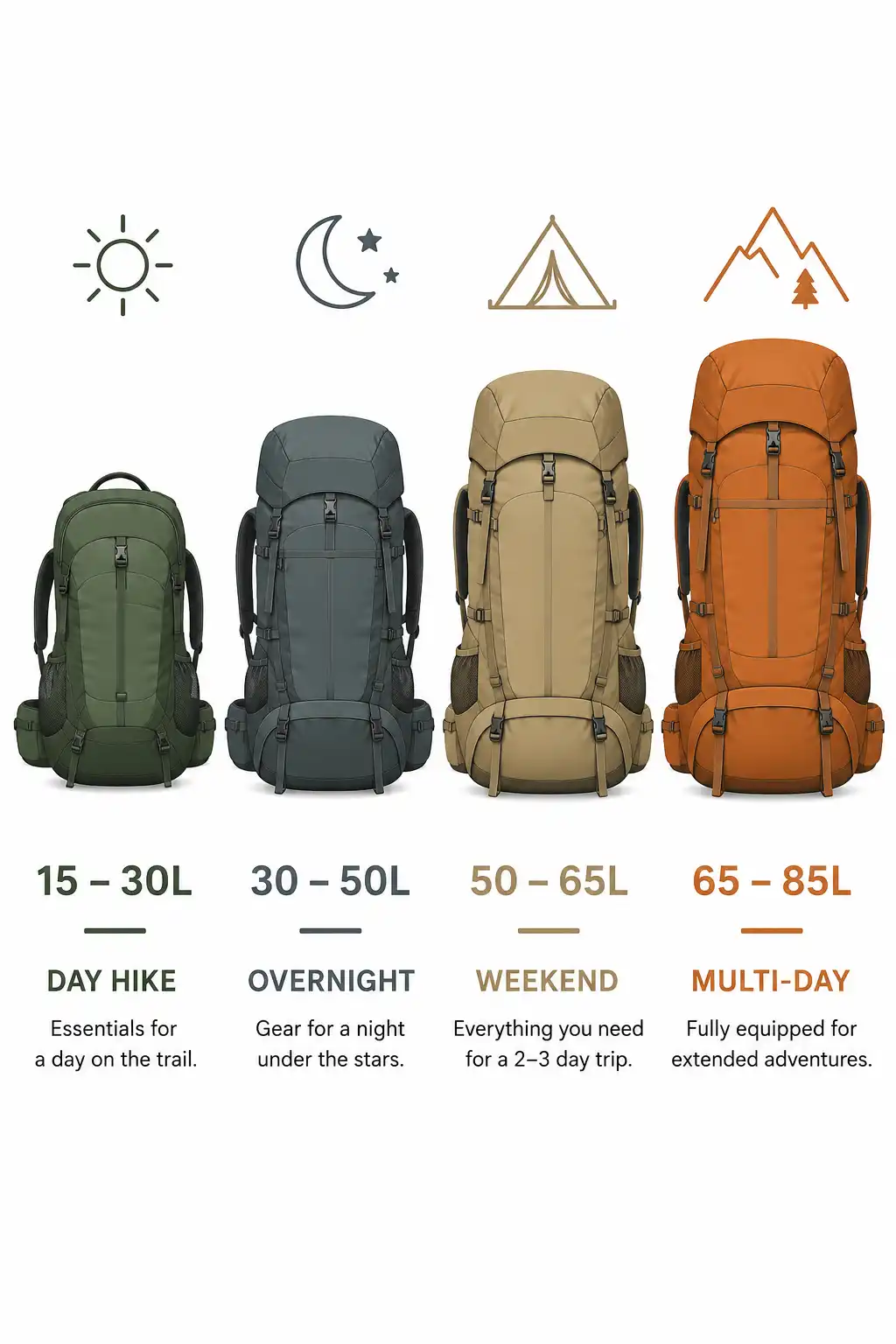
Pack capacity is measured in liters. Pick by trip length, not by what looks “right.”
- Day hikes (under 8 hours): 15 to 30 liters. Enough for water, snacks, layers, and a small first-aid kit.
- Overnight trips: 30 to 50 liters. Room for a compact tent, sleeping bag, food, and extras.
- Weekend (2 to 3 nights): 50 to 65 liters. Beginners often overpack here, so I usually recommend the lower end.
- Multi-day or week-long (4+ nights): 65 to 85 liters. Bulky for winter trips or expedition food loads.
If you camp light, drop down a size. Heavier sleepers and cold-weather campers need extra space. I currently use a 55-liter pack for most three-night trips, and it works once I trim gear properly. For longer trails, also check whether your body is ready for the load with my notes on fitness expectations for multi-day backpacking.

Get the torso length right (this matters more than size)
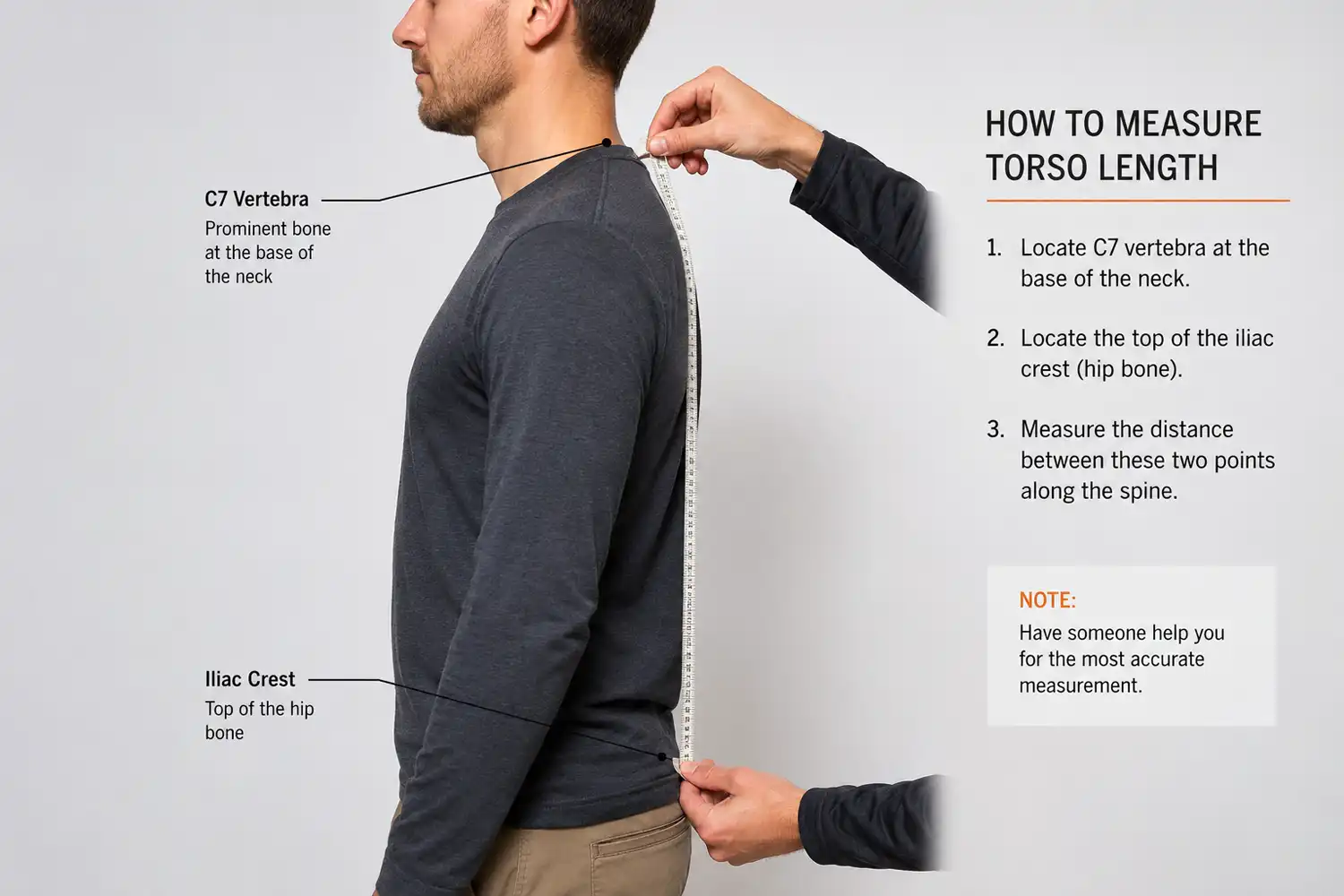
Backpacks are sized by torso length, not overall height. Two hikers the same height can need different pack sizes.
Measure from the bony bump at the base of your neck (C7 vertebra) down to the top of your iliac crest (the highest point of your hip bone). Then match it to the brand’s size chart:
- Short: under 16 inches
- Regular: 16 to 19 inches
- Long: over 20 inches
Many quality packs have adjustable torso lengths, which is a smart pick for beginners and growing teens. If you guess wrong on torso fit, the pack will pull on your shoulders no matter how well you pack it. For more on weight placement after fit is sorted, my breakdown on distributing pack weight evenly goes deeper.
Hip belt fit: where most of the load sits
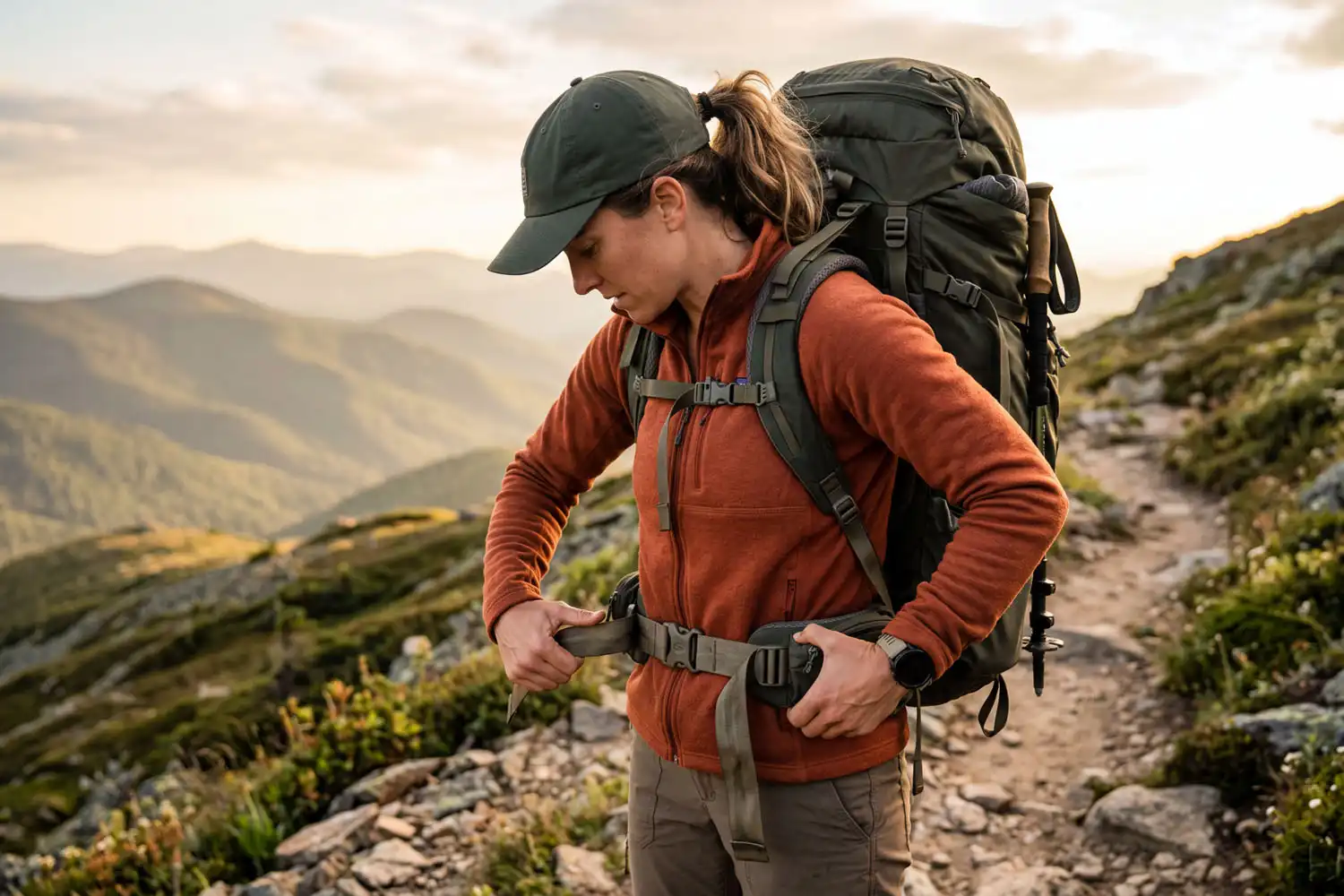
A properly fitted hiking backpack puts about 70 to 80% of the weight on your hips, not your shoulders. The hip belt must sit on the iliac crest, not on the waist or below the hips.
When you try a pack on:
- Loosen all straps.
- Lift the pack and set the hip belt centered on the iliac crest.
- Tighten the hip belt firmly.
- Then snug the shoulder straps.
- Finally, adjust the load lifters (the small straps on top of the shoulder straps) to about 45 degrees.
If your shoulders ache after a short walk, the hip belt is too low or too loose. I cover this in detail in my guide on keeping your shoulders pain-free with smart pack loading.
Frame type and suspension
Modern hiking backpacks fall into three categories:
- Internal frame (most common). Aluminum stays or plastic framesheets keep the load close to your back. Good balance, stable on uneven ground.
- External frame. Mostly old-school. Better airflow and easier to attach bulky gear, but less common today.
- Frameless. Ultralight packs under 30 liters. Only suitable if your total load stays under about 20 pounds.
For most beginners and weekend campers, an internal frame pack is the right pick. It carries heavier loads comfortably and stays stable when scrambling over rocks or roots.
Features worth paying for
Not every feature matters. Focus on these:
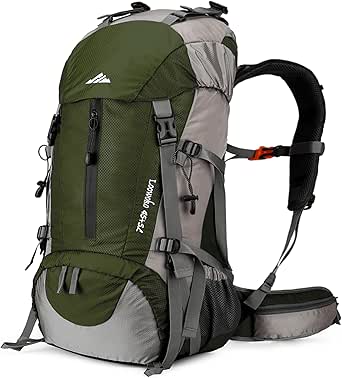
Ventilation. Look for a suspended mesh back panel (often called a “trampoline” or tensioned mesh). On hot days, this single feature changes how you feel after eight hours.
Hip belt pockets. Two zippered pockets on the hip belt for snacks, phone, lip balm, sunscreen. Once you use them, you won’t go back.
Hydration sleeve. Internal sleeve for a 2 to 3 liter water bladder. Almost universal now.
Rain cover. Built-in or included separately. Cheaper packs skip this, so you’ll need to buy one.
Top lid pocket. Quick access for maps, snacks, headlamp.
Sleeping bag compartment. A zippered bottom section that holds a stuffed sleeping bag. Useful if you want it accessible without unpacking. If you go with a top-loader instead, see my walkthrough on the proper way to pack a sleeping bag into your pack.
Compression straps. Side straps that pull the load tight against the frame. Important for stability with partial loads.
Daisy chains and lash points. Loops on the outside for attaching a sleeping pad, ice axe, or trekking poles.
Weight: lighter isn’t always better
Pack weight matters, but ultralight packs cut features and durability. A reasonable weight range:
- Daypacks: 1 to 2 pounds
- Weekend packs: 2.5 to 4 pounds
- Multi-day packs: 3.5 to 5 pounds
Sub-2-pound multi-day packs exist, but they often use thin fabrics and have minimal padding. For most people, a slightly heavier pack with better padding wins on a long trail. If you’re trimming overall load, my notes on cutting tent and gear weight for solo backpacking cover the rest of the kit.
Material and durability
Most packs use ripstop nylon in 70D, 210D, or 420D weights. Higher numbers mean tougher fabric. For rugged terrain, choose at least 210D on high-wear panels (bottom and sides). Ultralight Dyneema packs are durable but expensive, and they shine mostly on long-distance thru-hikes.
Check the stitching at stress points: shoulder strap attachments, hip belt attachments, and the bottom seam. Double or bar-tacked stitching here means the pack will last.
Budget: what to expect at each price
- Under $80: Entry-level daypacks. Fine for short, light hikes.
- $100 to $180: Mid-range overnight and weekend packs. Plenty of choices that fit well.
- $200 to $300: Premium fit, better materials, smarter suspension. Worth it if you hike often.
- Over $300: Specialized ultralight or expedition packs.
Spend more on fit than on brand. A $120 pack that fits your torso beats a $280 pack that doesn’t.
How to test a backpack before buying
If possible, try the pack in a store with weight inside. Most outdoor shops have sandbags for this. Walk around for 10 to 15 minutes, climb stairs, lean forward. Pay attention to:
- Pressure points on shoulders or hips
- Whether the pack shifts when you twist
- How the load lifters pull when fully loaded
For online purchases, load the pack at home with about 20 pounds and walk around the house for 30 minutes. Most retailers accept returns if it doesn’t fit, but only when the pack is clean and unused outdoors.
Final checks before you buy
Before paying, confirm:
- The torso length matches your measurement.
- The hip belt sits on your iliac crest with room to tighten.
- The capacity matches your typical trip length.
- The empty pack weight is reasonable for your needs.
- The features you actually use are present.
Skip features you won’t use. A whistle on the chest strap is useful, but a built-in rain cover isn’t required if you already own one.
FAQs on Selecting the right hiking backpack

Is a 40-liter backpack enough for a weekend?
Can I use a hiking backpack as a travel backpack?
Do I need a women's specific backpack?
How long should a hiking backpack last?
Last Words
A hiking backpack is one of the few pieces of gear that touches your body for every minute on the trail. Get the fit right first, then worry about volume, weight, and features. Measure your torso, set the hip belt on your iliac crest, and test the loaded pack before committing. Spend on fit, not branding. Once your pack rides correctly, the trail gets a lot more enjoyable.