Best Places to Visit in Bandarban, Bangladesh (2026 Local Guide)

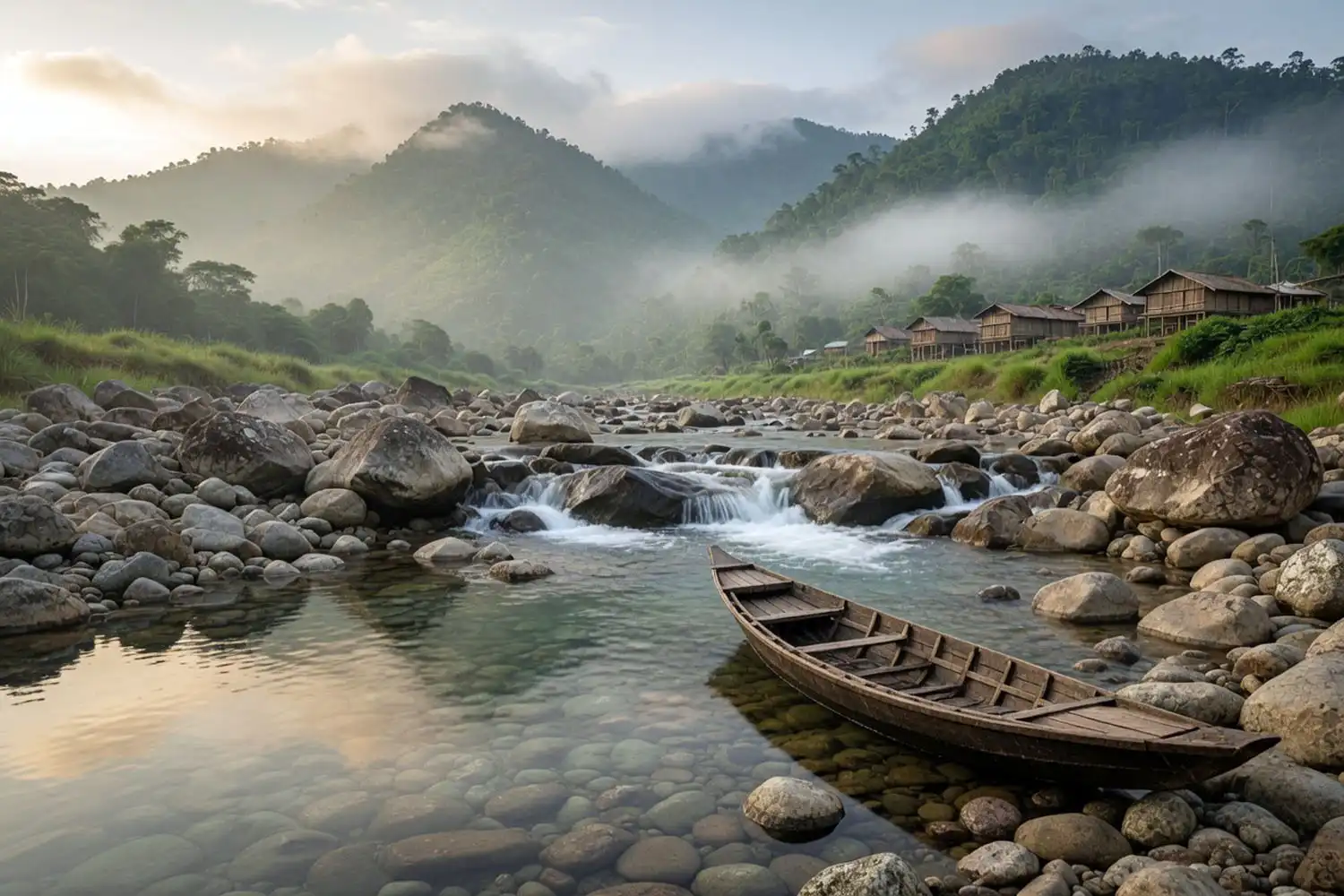
Bandarban has some of the most dramatic hills, tallest peaks, and biggest waterfalls in Bangladesh. I live a few hours away in Kaptai, Rangamati, so I have traveled many of these routes myself. Below are my 16 favorite places to visit in Bandarban. For each one, I share my personal opinion and how to visit there.
The 16 Best Places to Visit in Bandarban at a Glance
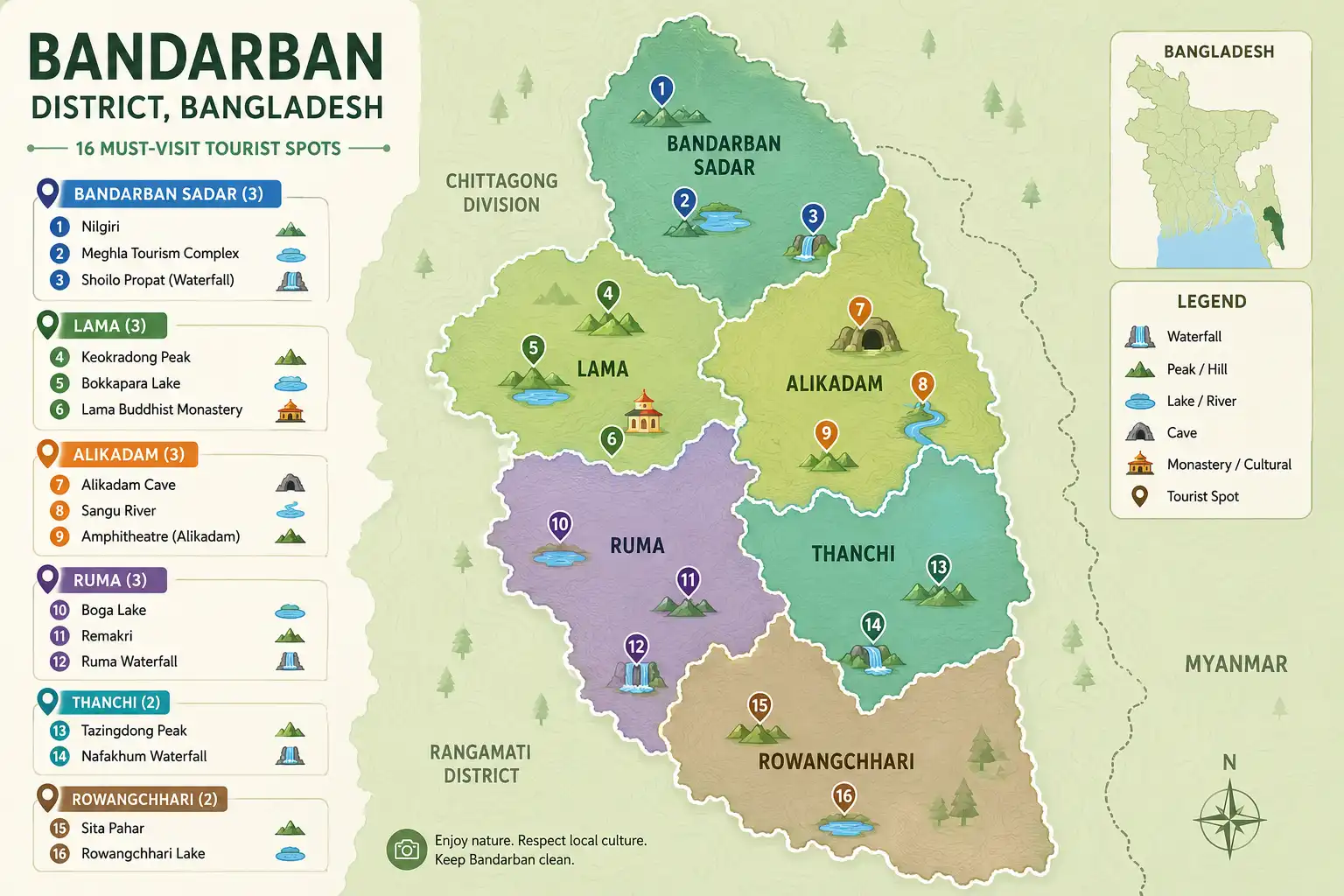
Here are the 16 spots covered in this guide:
- Nafakhum Waterfall
- Keokradong Peak
- Debotakhum
- Boga Lake
- Remakri Waterfall
- Nilgiri
- Chingri Jhorna
- Toma Tungi Resort
- Velakhum
- Mirinja Valley
- Langlok Waterfall
- Kumari Waterfall
- Amiakhum Waterfall
- Thankowain Waterfall
- Damtua Waterfall
- Prantik Lake
How to reach Bandarban
Bandarban connects to the rest of the country through Chittagong. From Dhaka, night coaches run straight to Bandarban town in about nine to eleven hours. You can also take a train or bus to Chittagong first, then a local bus to Bandarban, which takes two to three hours.
Inside the district, most travel happens by chander gari, the open jeeps that handle the steep hill roads. For longer trips, like Thanchi or Ruma, you hire the jeep for the whole route. Fares change often, so confirm the current rate before you set off.
Best time to visit Bandarban
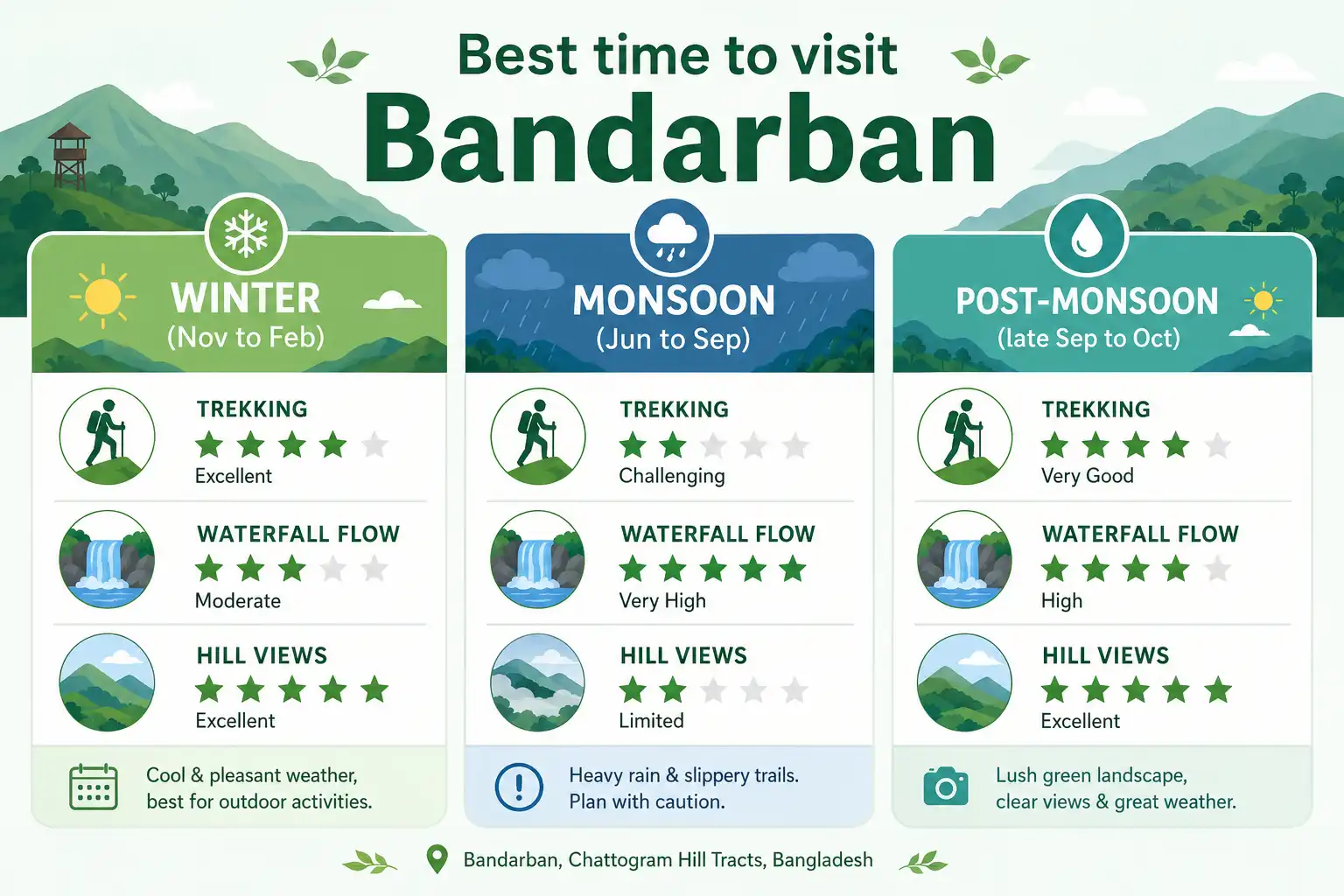
The best time to visit Bandarban runs from November to March, the cool, dry season. During these months the trails stay firm, the rivers calm down, and the views open up. Winter mornings also bring the cloud cover that makes Nilgiri and Nilachal near the town so popular at sunrise.
The monsoon, from June to September, fills the waterfalls but turns trails slippery and boat rides risky. So waterfall lovers often pick late September or October, right as the rain eases. Summer gets hot and hazy, with weaker views. For most first trips, plan around December to February.
Permits, guides, and access in 2026
Yes, Bandarban is open to tourists in 2026, but a few rules now apply across the whole district. After the long closures of 2023 and 2024, the administration reopened all seven upazilas in mid 2025. The reopening came with three standing conditions, and these still shape every trip.
First, you must travel only on the routes the administration has approved. Second, you must hire a registered local guide from the district or upazila. Third, you must register your details at the check post or tourist information center before you head in.

Deep zones need extra care. For remote spots like Nafakhum, Remakri, Amiakhum, and Velakhum, you also collect on-site permission from the army, BGB, and police camps at Thanchi. Officials there share the latest security update, and they can pause access at short notice. So the smart move is simple. Check the current status with your guide or the local administration a day or two before you travel.
One more note for foreign travelers. Several governments, including the US and the UK, still advise against travel to the Chittagong Hill Tracts, and foreign nationals need prior approval from the Ministry of Home Affairs to enter. Bangladeshi travelers face no such approval, only the guide and check-post steps above.
The 16 Best Places to Visit in Bandarban
1. Nafakhum Waterfall
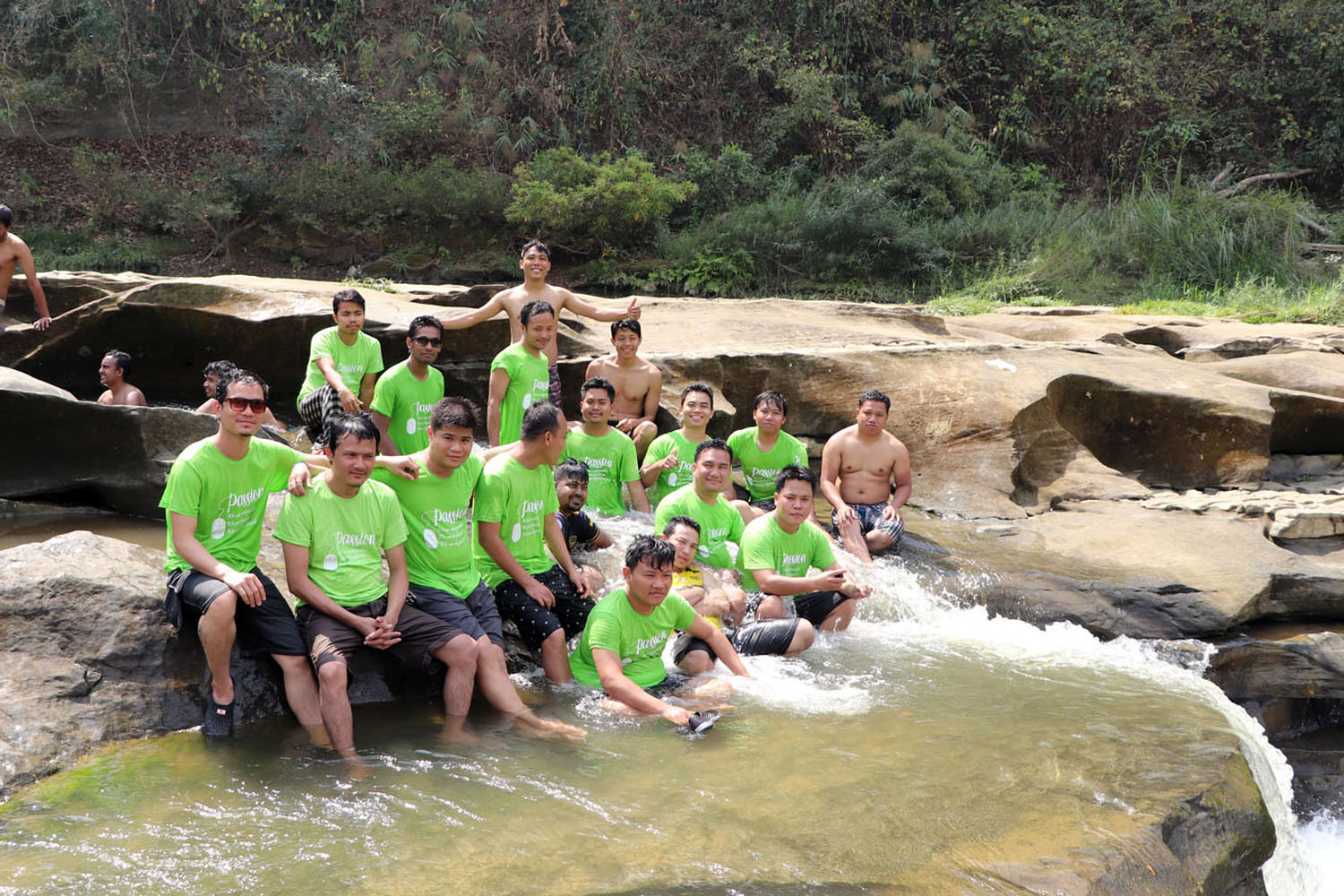
Nafakhum is a wide, powerful waterfall on the Sangu River near Remakri in Thanchi. People often call it one of the largest waterfalls in Bangladesh by water volume. The route runs from Thanchi by boat to Remakri, then a walk of about two to three hours through the hills.
So you need at least two days, with a night at Remakri. The water roars loudest from July to October, just after the monsoon. This sits in the deep Thanchi zone, so you need both a registered guide and on-site camp permission. For the boat fares, the trail, and where to sleep, here is how I reached Nafakhum waterfall and what the trip costs.
2. Keokradong Peak
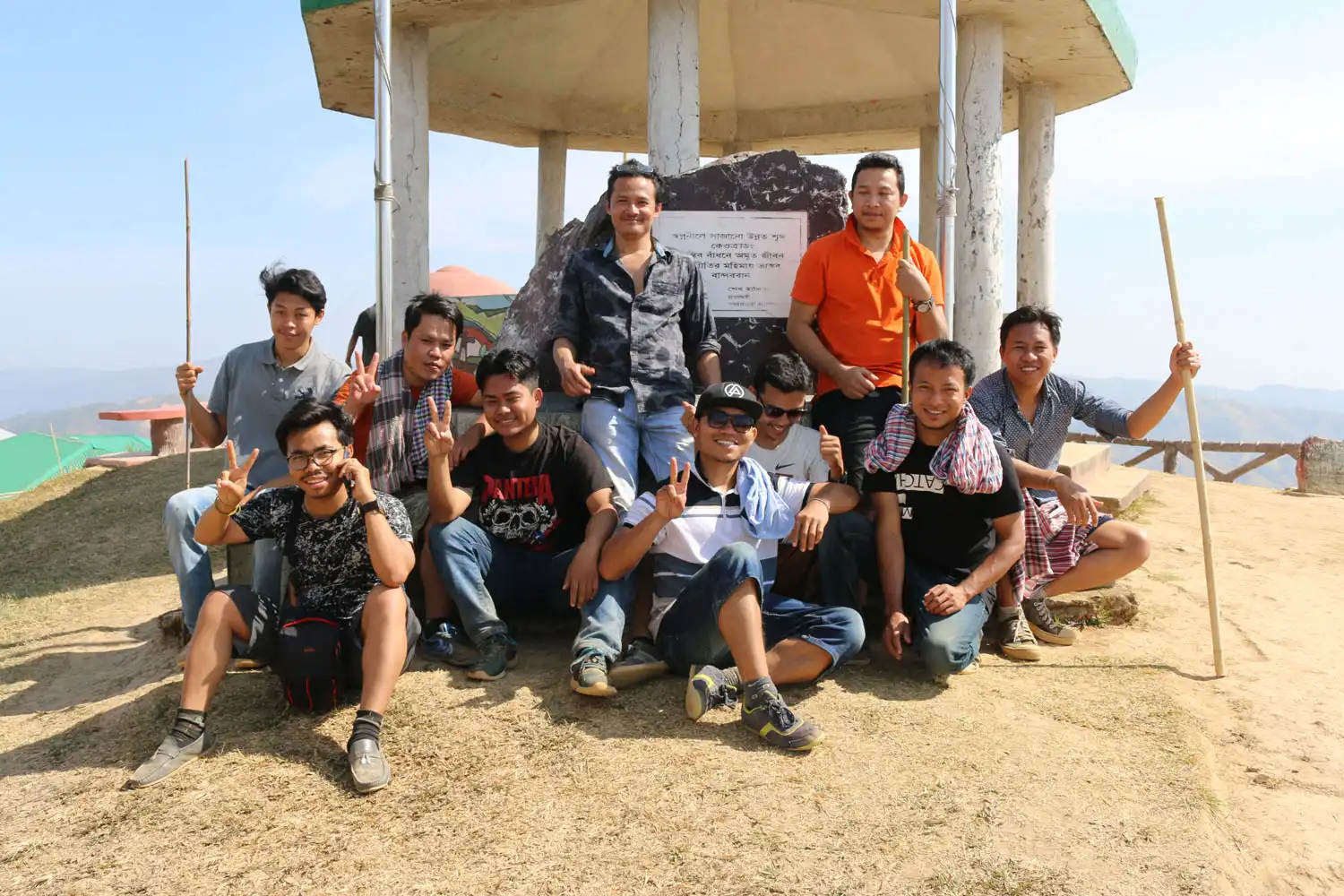
Keokradong is one of the best known summit treks in Bandarban, set high in the hills of Ruma. The climb usually starts from Boga Lake, then follows a ridge trail to the top. From the summit you look over rolling green hills, and on clear winter mornings, low clouds often sit below the ridge.
Plan for a guide and check-post registration in Ruma, since the rules cover the whole upazila. Winter, from November to February, gives the clearest views and the easiest walking. The sunrise here earns the early start, every time. I break down the trail, permits, and cottages in the full Keokradong Peak guide.
3. Debotakhum
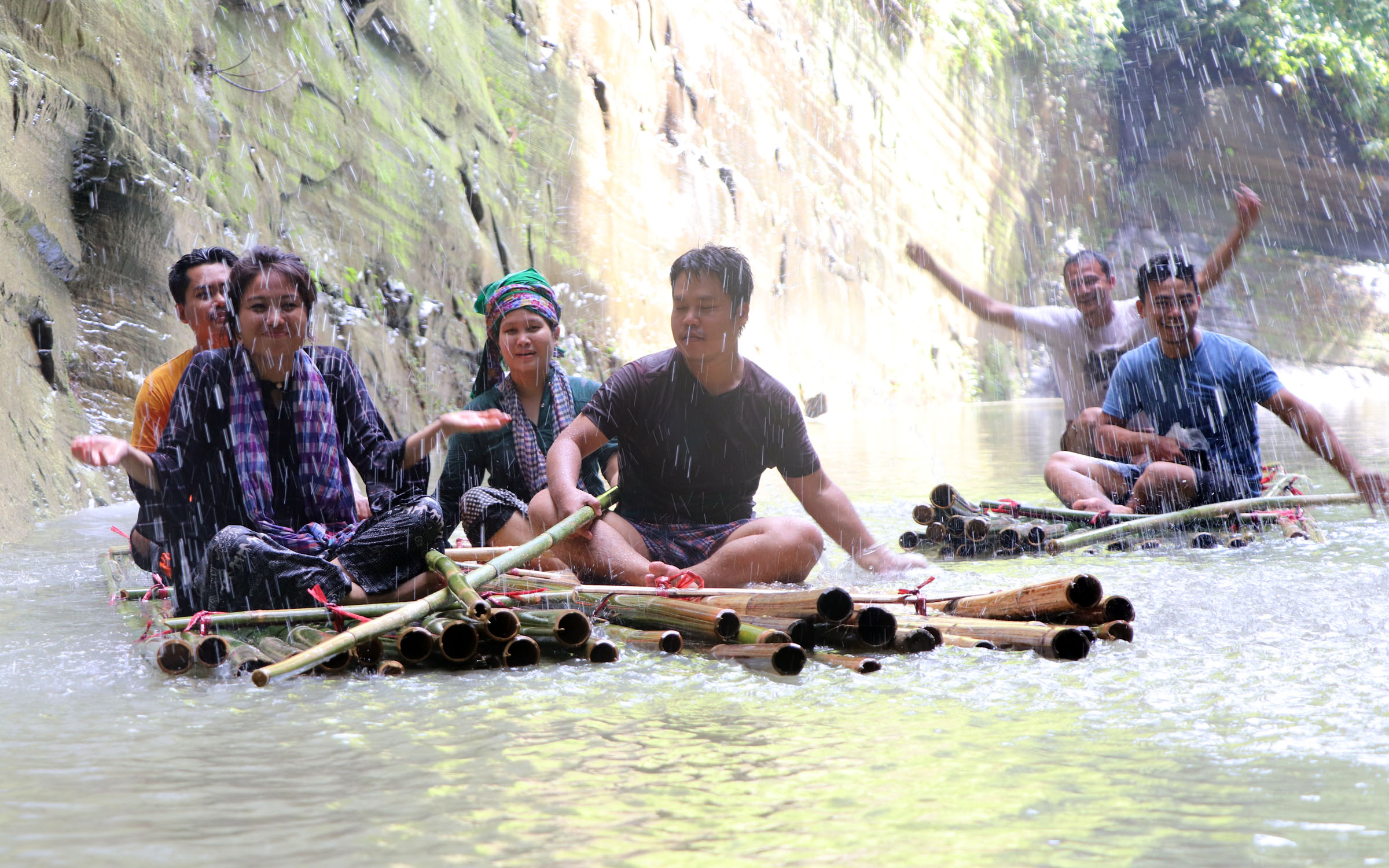
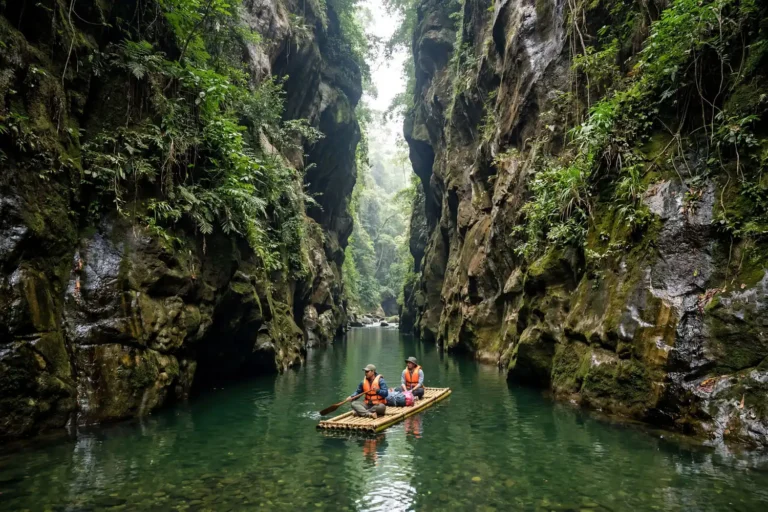
Debotakhum is a narrow gorge in Rowangchhari, where you float through still, deep green water on a bamboo raft. The walls rise steep on both sides, so the light stays dim even at midday. You reach it by road to Rowangchhari, then a guided trek to the raft launch, and finally the float through the gorge.
After the long closure, Rowangchhari reopened, though you still need a guide and registration. The water is calm and safe in the dry months, roughly November to March, while the monsoon makes it risky. To plan the trek and the raft ride, read my notes on visiting Debotakhum.
4. Boga Lake
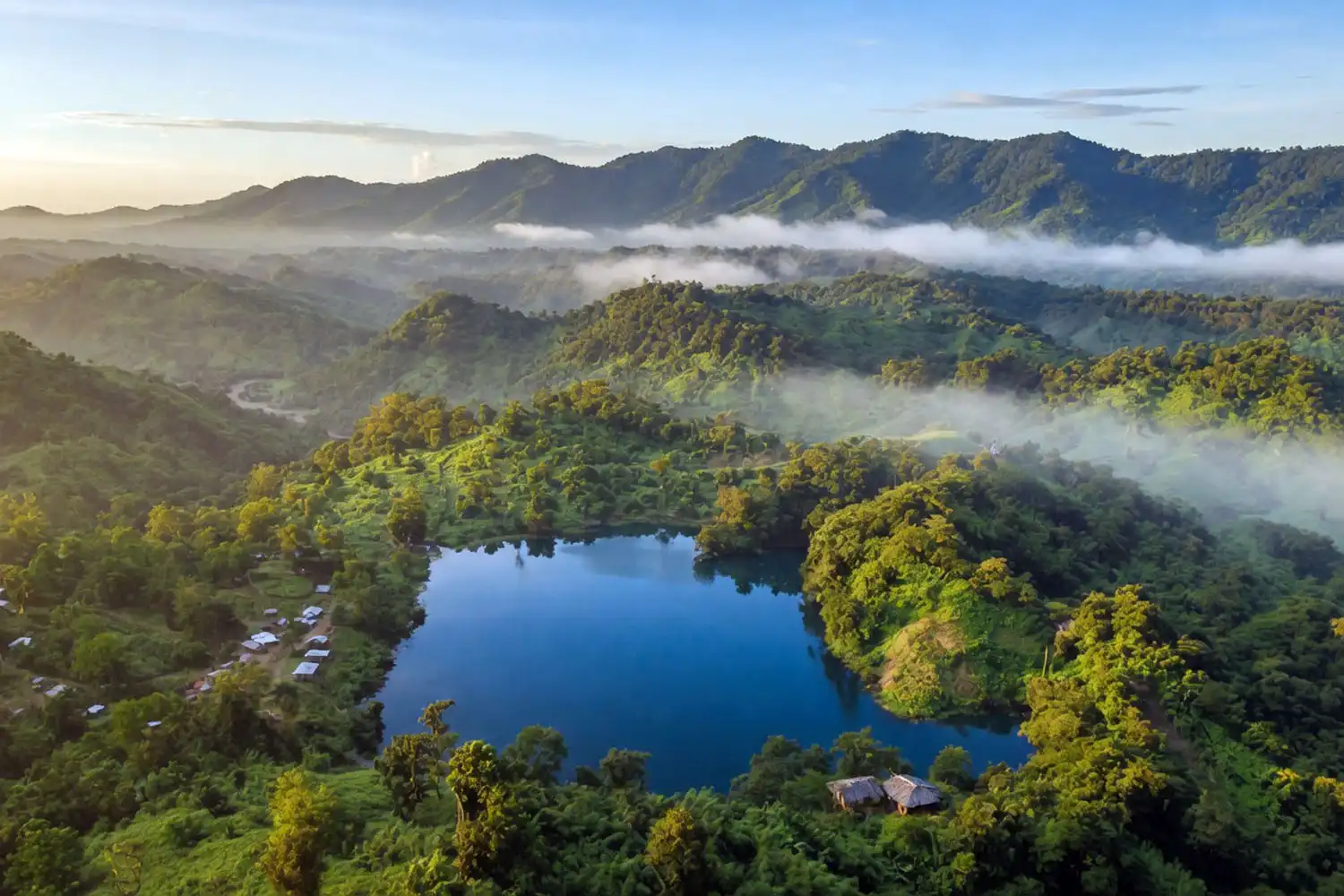
Boga Lake is a natural lake high in the hills of Ruma, ringed by green slopes. The water shifts color through the day, from deep blue to a softer green. Most people stay overnight in the small cottages by the shore, which makes the Keokradong climb easier the next morning.
You travel by chander gari (the open jeep) from Ruma, then a short, steep walk up to the lake. You also need a guide and check-post registration here. November to March stays cool and dry, the best window for a trip. I always tell first-timers to spend a night, because the quiet after dark is the real reward. See how to plan a Boga Lake trip for booking and the route up.
5. Remakri Waterfall
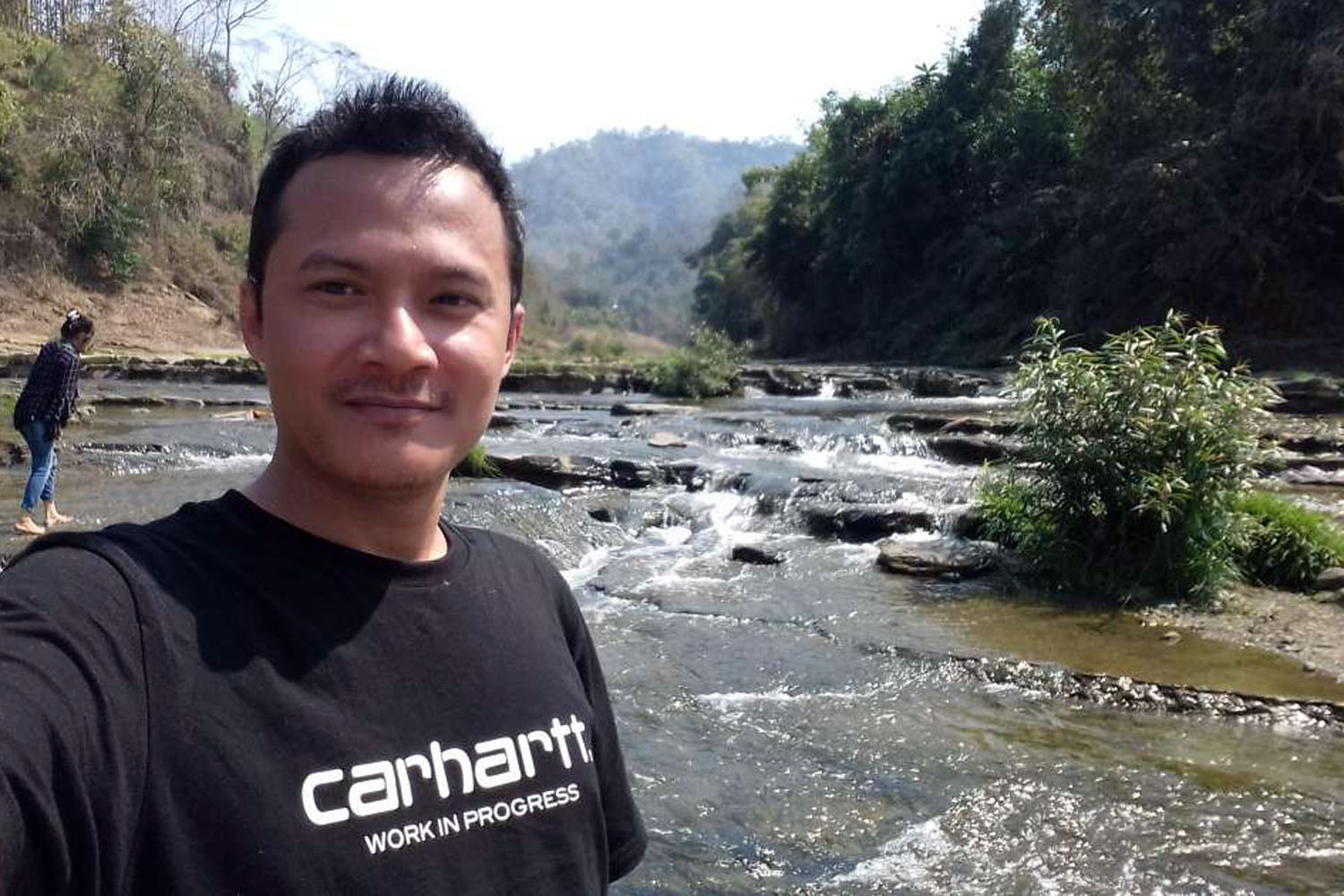
Remakri is a broad, low waterfall on the Sangu River, right beside Remakri village in Thanchi. Boats pass it on the way to Nafakhum, so most travelers see both on one trip. The rocks here spread wide, and the river splits into many small channels.
Since this falls inside the deep Thanchi zone, the same guide and camp permission rules apply. The Sangu runs high and fast in the monsoon, while winter brings calmer, clearer water. I usually stop here for lunch and a short rest. My guide on the Remakri waterfall route covers fares and what to expect.
6. Nilgiri
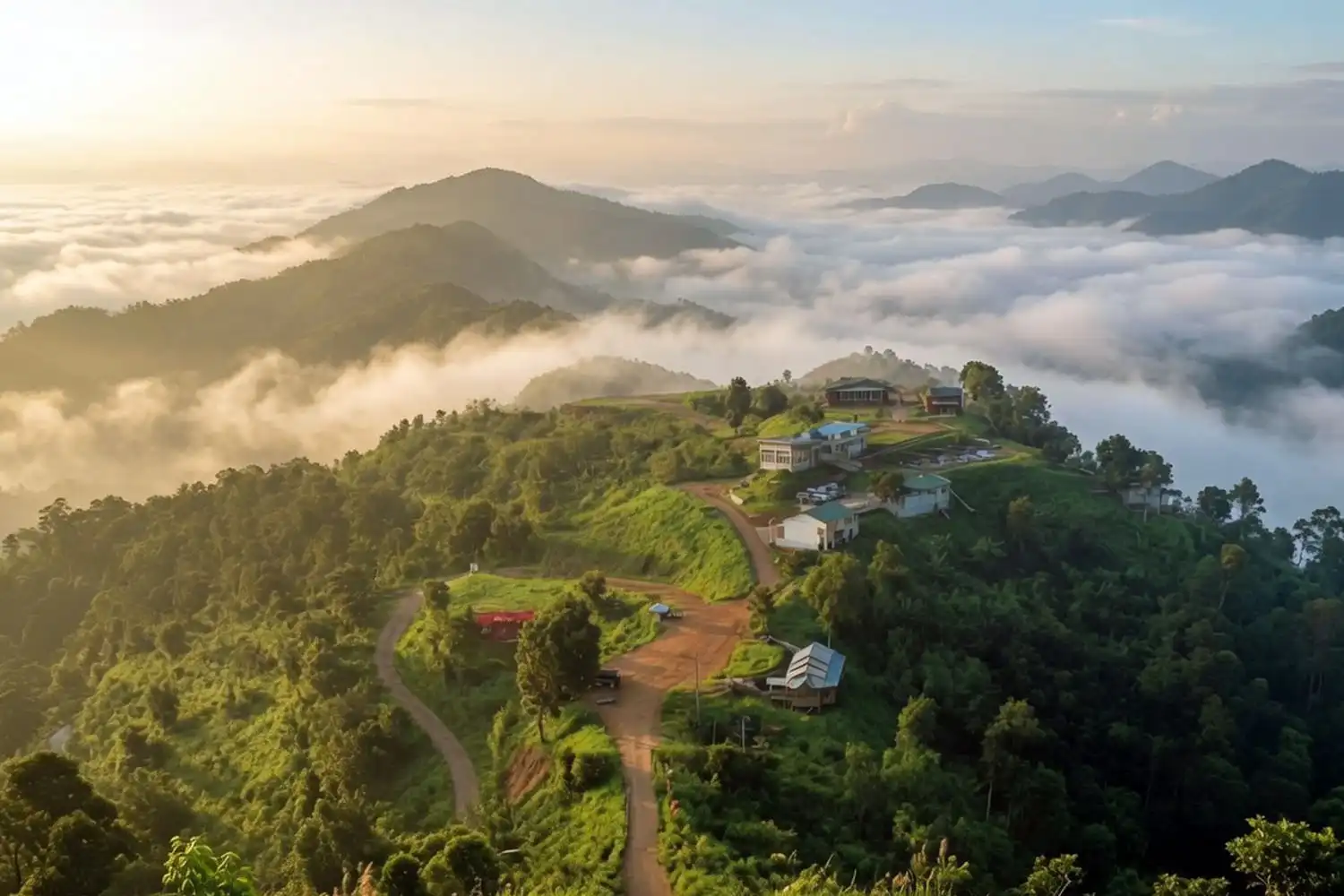
Nilgiri is a hilltop resort area about 47 kilometers from Bandarban town, known for high views and morning clouds. On many mornings the clouds settle right at the cottage level, so you wake up above them. The army runs the resort, and day visitors can enter for a fee.
The road climbs through Chimbuk Hill on the Nilgiri route, which makes a good stop on the way. Access stays simple compared with the deep treks, though the gate keeps set timings. October to February gives the best cloud shows and cool air. For cottage booking and sunrise timing, check my full Nilgiri travel guide.
7. Chingri Jhorna
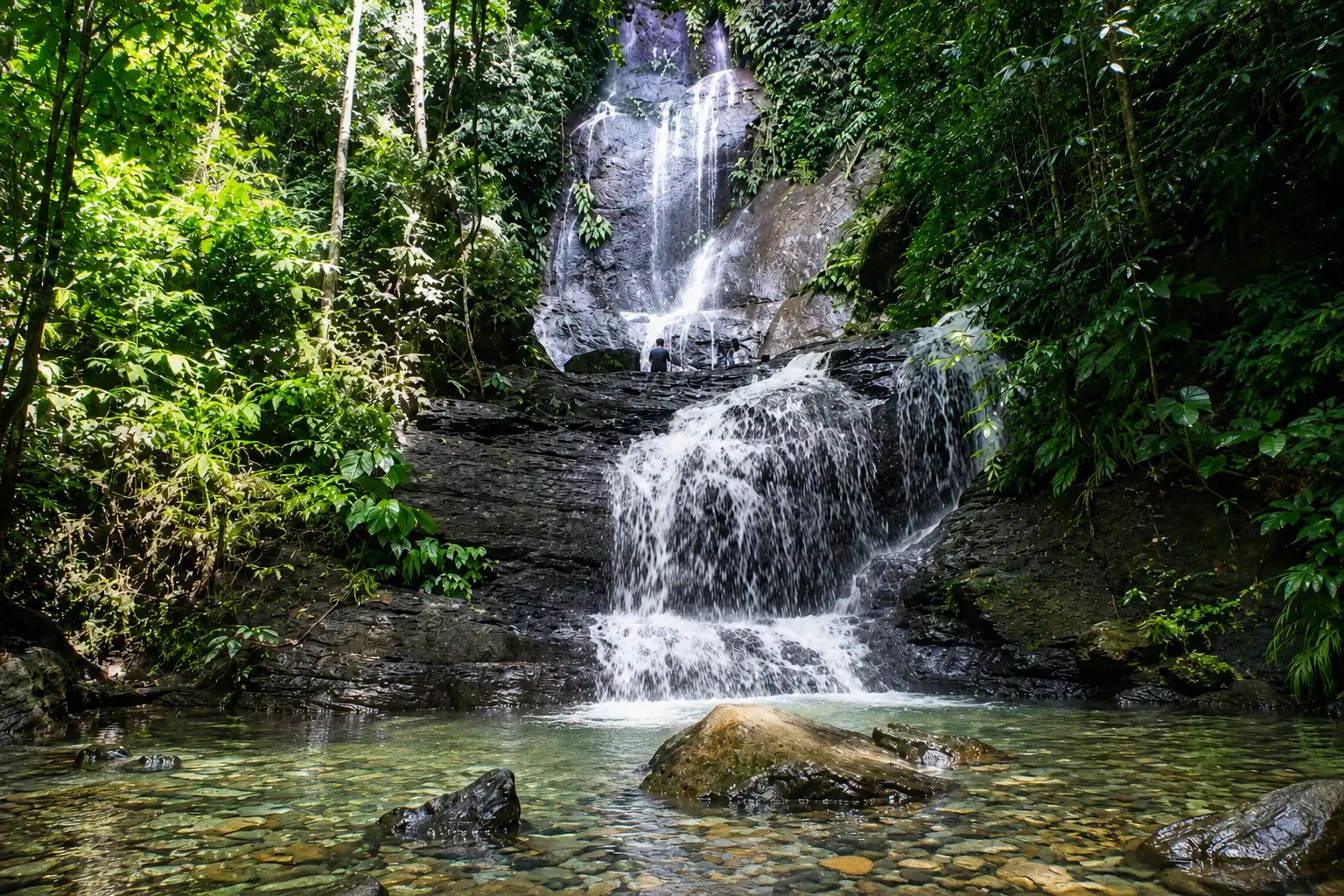
Chingri Jhorna is a waterfall on the way to Boga Lake, in the Ruma direction. Locals named it for the shrimp-like shape of its stream. You leave the jeep on the Ruma road and walk through a shallow canal to reach it.
The walk is short and easy, which makes it a favorite quick stop before the bigger climbs. Because it sits on the Ruma route, the same guide and registration rules cover it. The flow is strongest in the rainy season, from June to September. Here is how to find Chingri waterfall with the short trail and best time.
8. Toma Tungi Resort
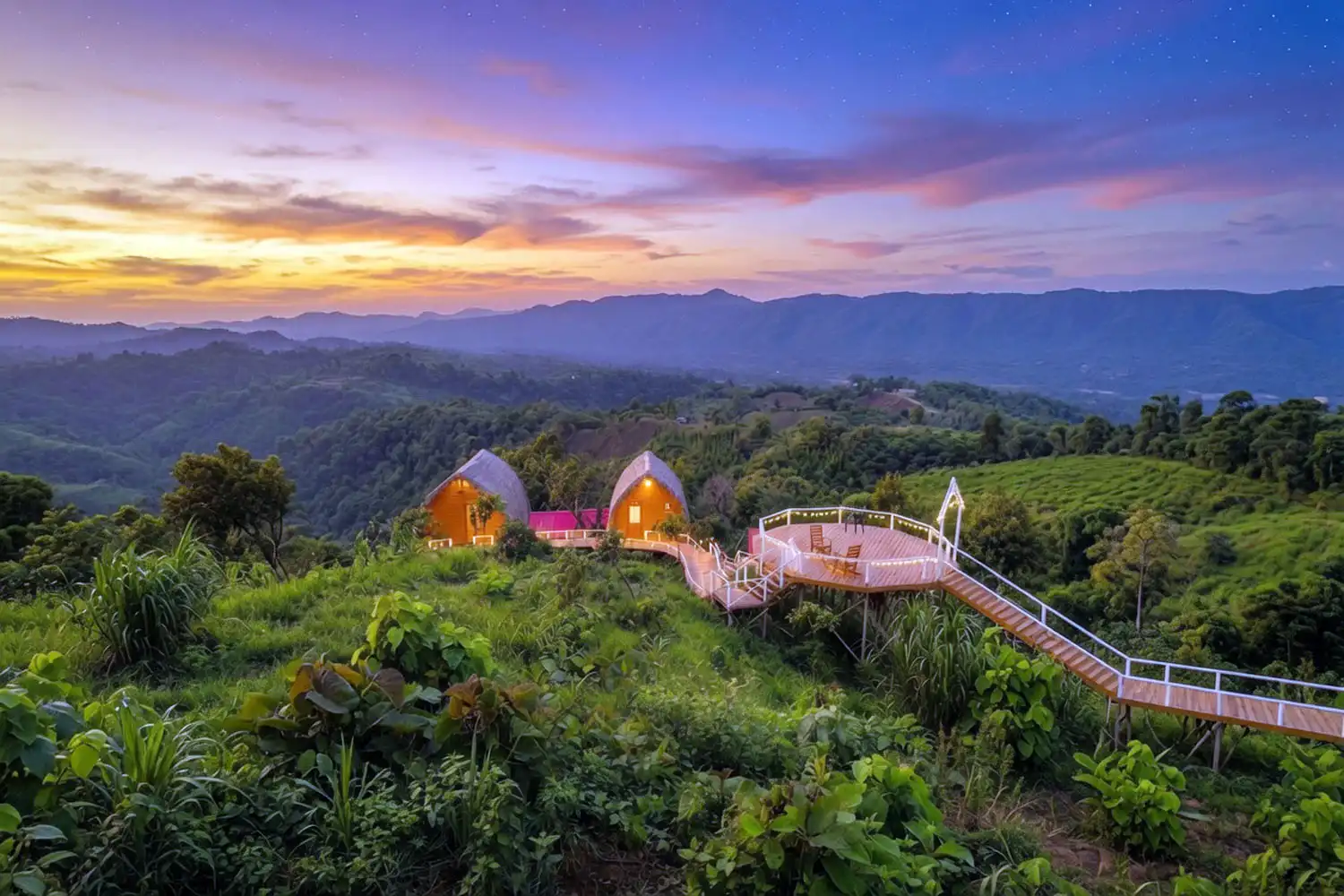
Toma Tungi (locals also call it Tama Tungi) is a high resort and viewpoint in Thanchi, on the Baklai Para route. The administration approved this route when it reopened the area, so it now sits on the standard Thanchi circuit.
You get wide hill views and simple rooms, with cool air through most of the year. The drive is rough in places, then a short walk brings you to the cottages. Carry cash, because card payment does not work up here. Read what Toma Tungi resort offers visitors for rooms and the drive.
9. Velakhum
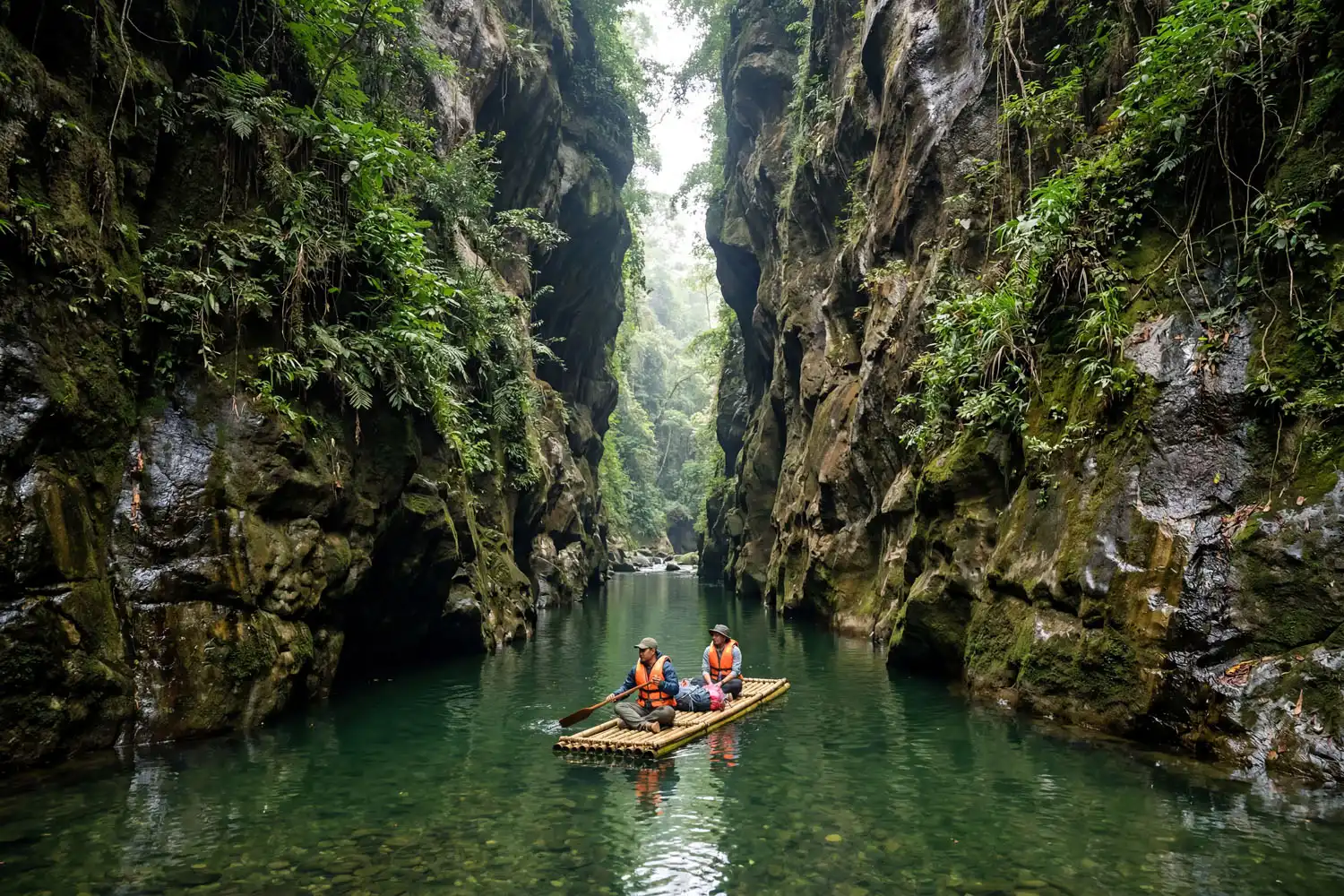
Velakhum (some maps spell it Bhelakhum) is a deep, calm pool inside a rocky gorge near Amiakhum in Thanchi. You cross the water on a bamboo raft, with high cliffs pressing in on both sides. The trek to reach it is long and hard, and most people pair it with Amiakhum and Satvaikhum over several days.
This sits in the deepest part of Thanchi, so you need solid guide support and camp permission, and conditions can change fast. The dry season, December to March, is the only sensible time, while the monsoon makes the rafts unsafe. My Velakhum trek guide lays out the plan and what to pack.
10. Mirinja Valley
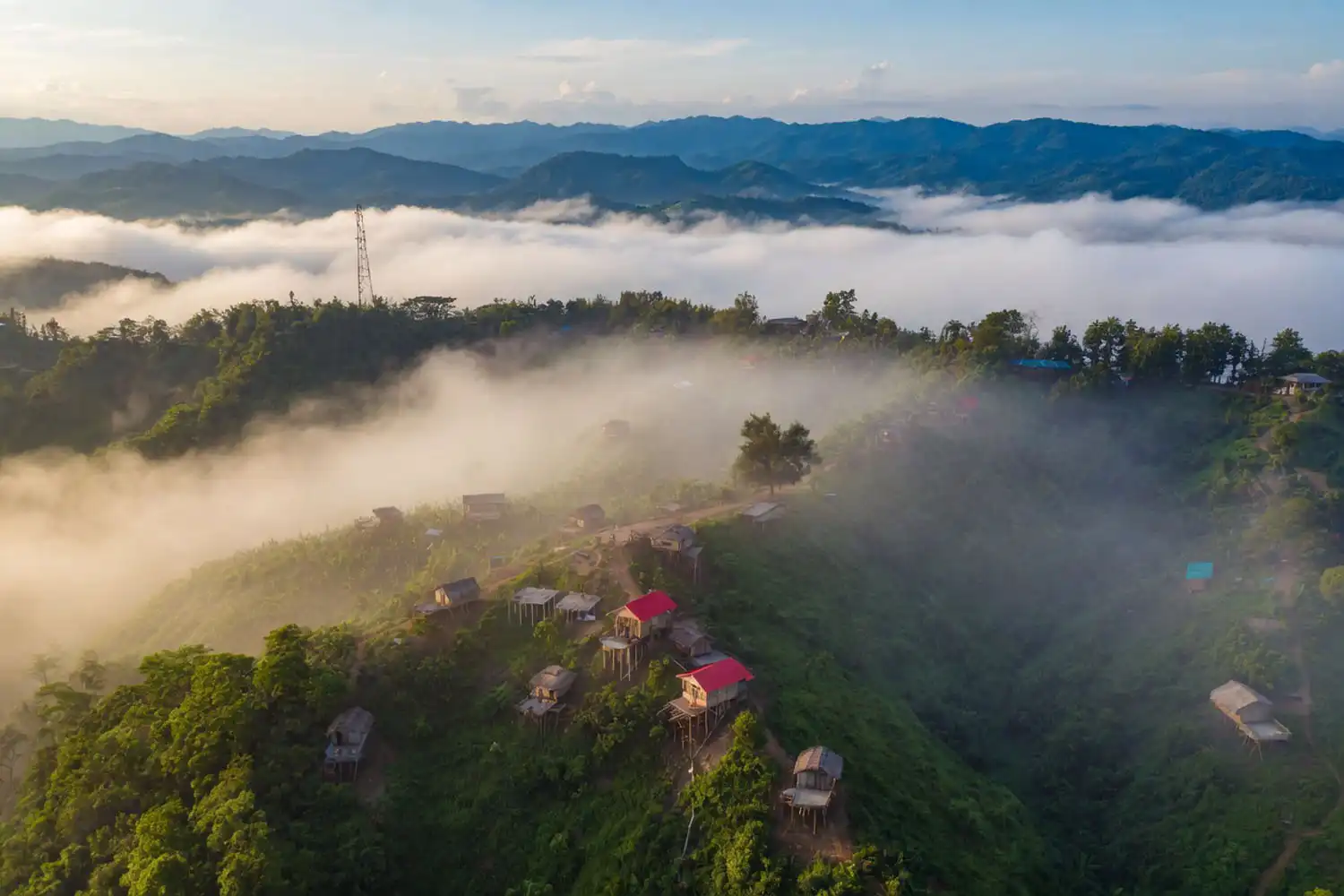
Mirinja Valley sits in Lama, close to the Chittagong to Bandarban road, which makes it one of the easiest spots to reach. A short climb leads to viewpoints, a small tower, and rows of food stalls. The hilltop fills with cloud on cool mornings, so sunrise draws the biggest crowds.
Lama reopened early, and the route stays simple, with no hard trekking. November to February brings the clearest skies. I like Mirinja for a first taste of the hills without a tough walk. See planning a trip to Mirinja valley for timings and things to do.
11. Langlok Waterfall
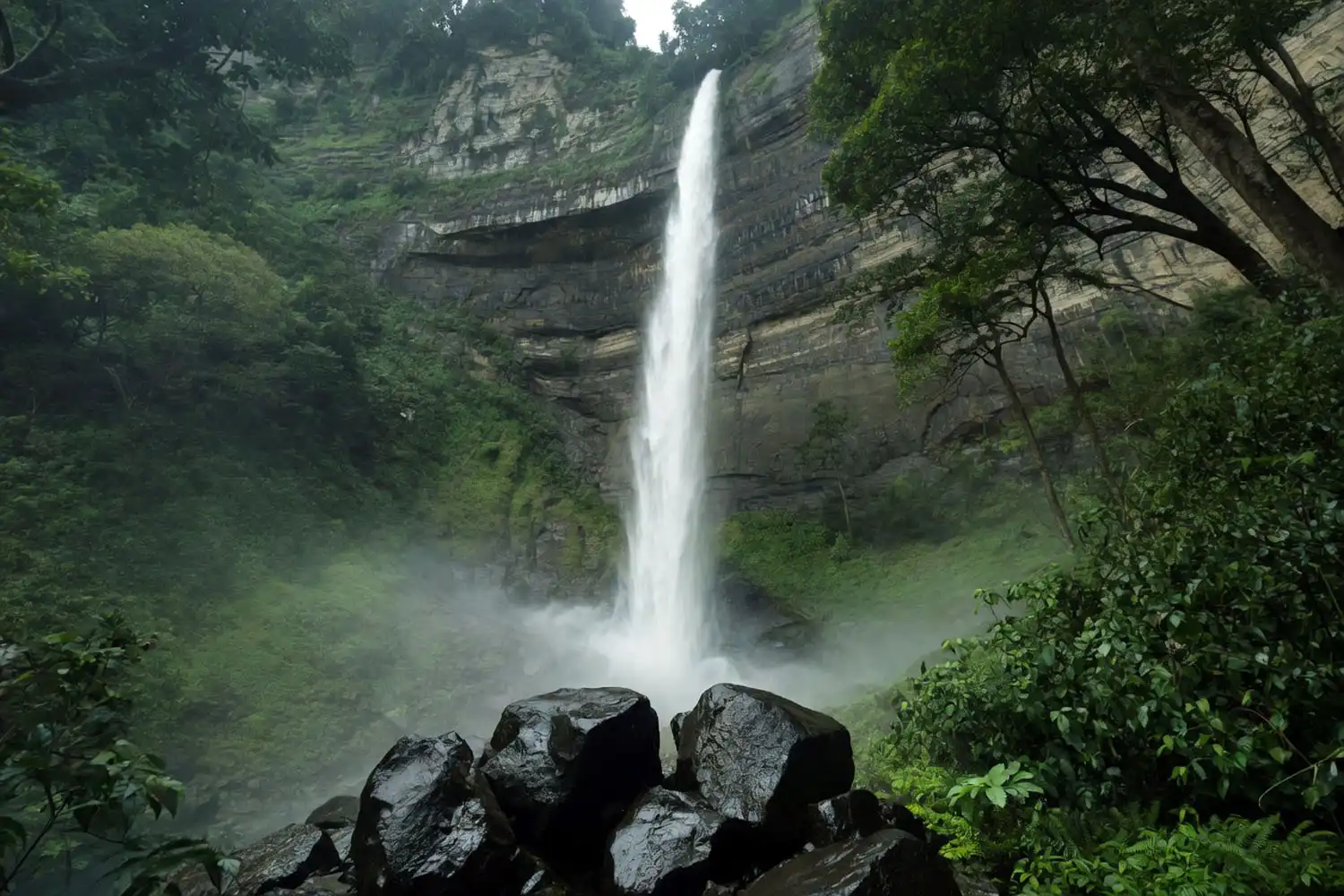
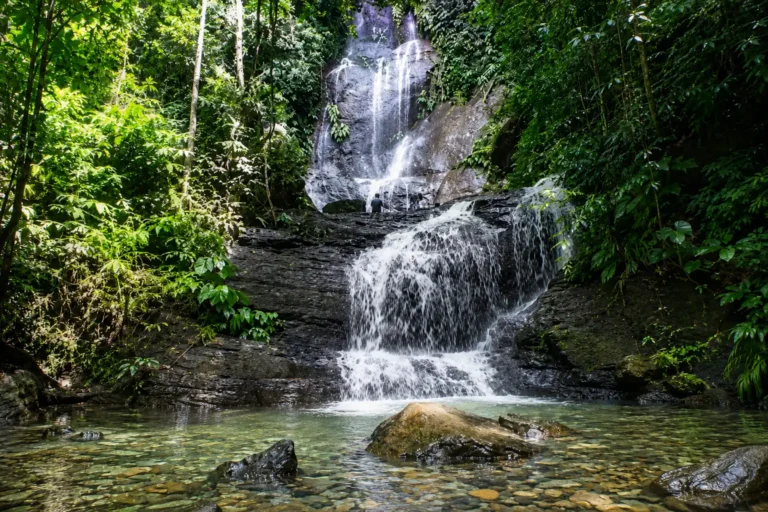
Langlok is a tall, multi-step waterfall tucked in the hills of the Lama and Alikadam belt. The trek runs through forest and stream beds, so waterproof shoes help a lot. It stays quieter than the famous falls, which suits travelers who want fewer crowds.
The flow peaks in the monsoon, from June to September, when the steps run full. Take a local guide who knows the turns, because the trail stays faint in places. For the route and the best season, here is how to reach Langlok waterfall.
12. Kumari Waterfall
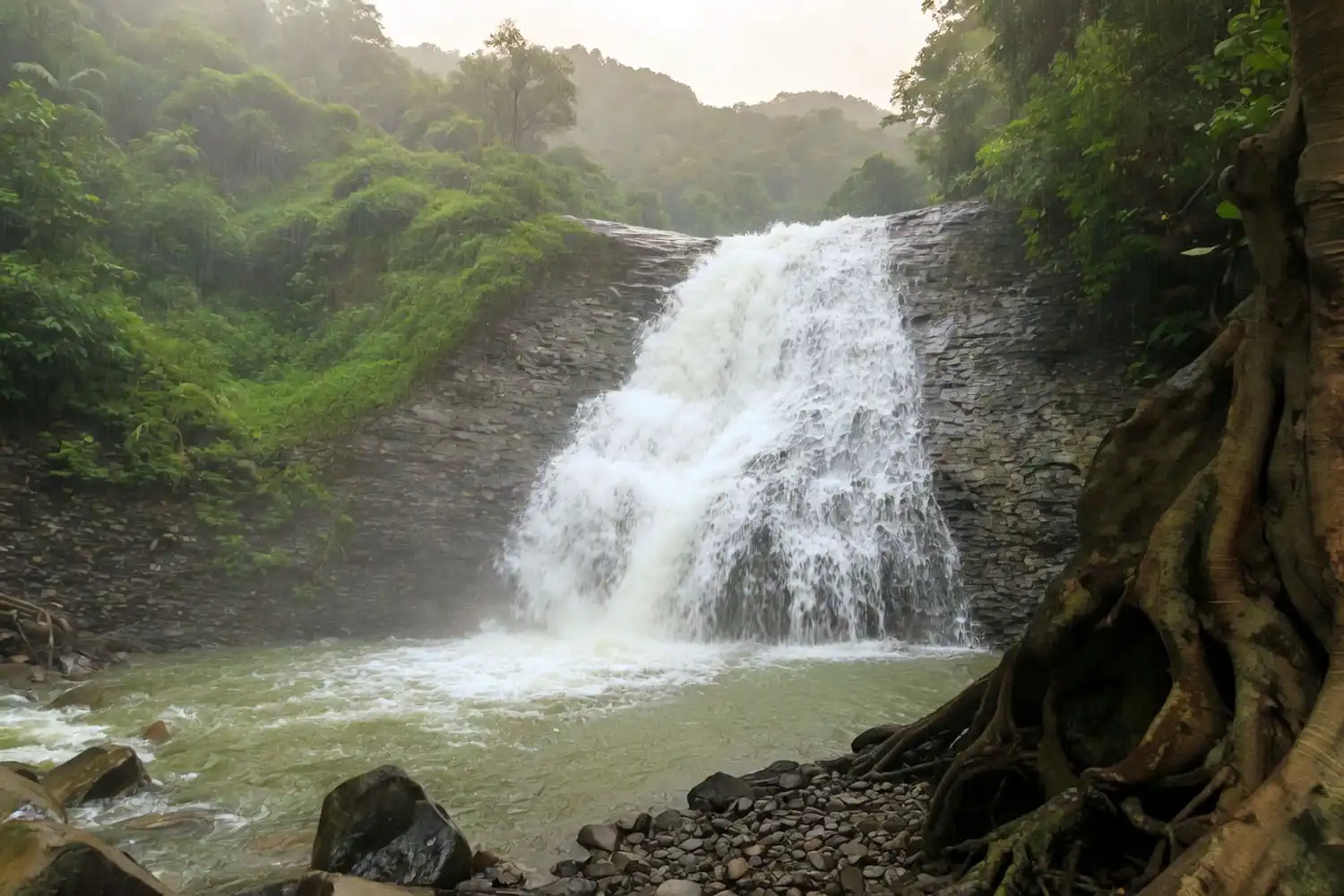
Kumari Waterfall drops in a clean single sheet in the Lama area of Bandarban. The pool at the base is wide enough for a careful dip in the dry months. You walk in from the nearest road point, so expect a moderate trek through hills and small streams.
Lama stays open with the usual guide and registration steps. The fall runs strongest right after the monsoon, around September and October. I wrote the trail and safety notes in the article on how to reach Kumari waterfall.
13. Amiakhum Waterfall
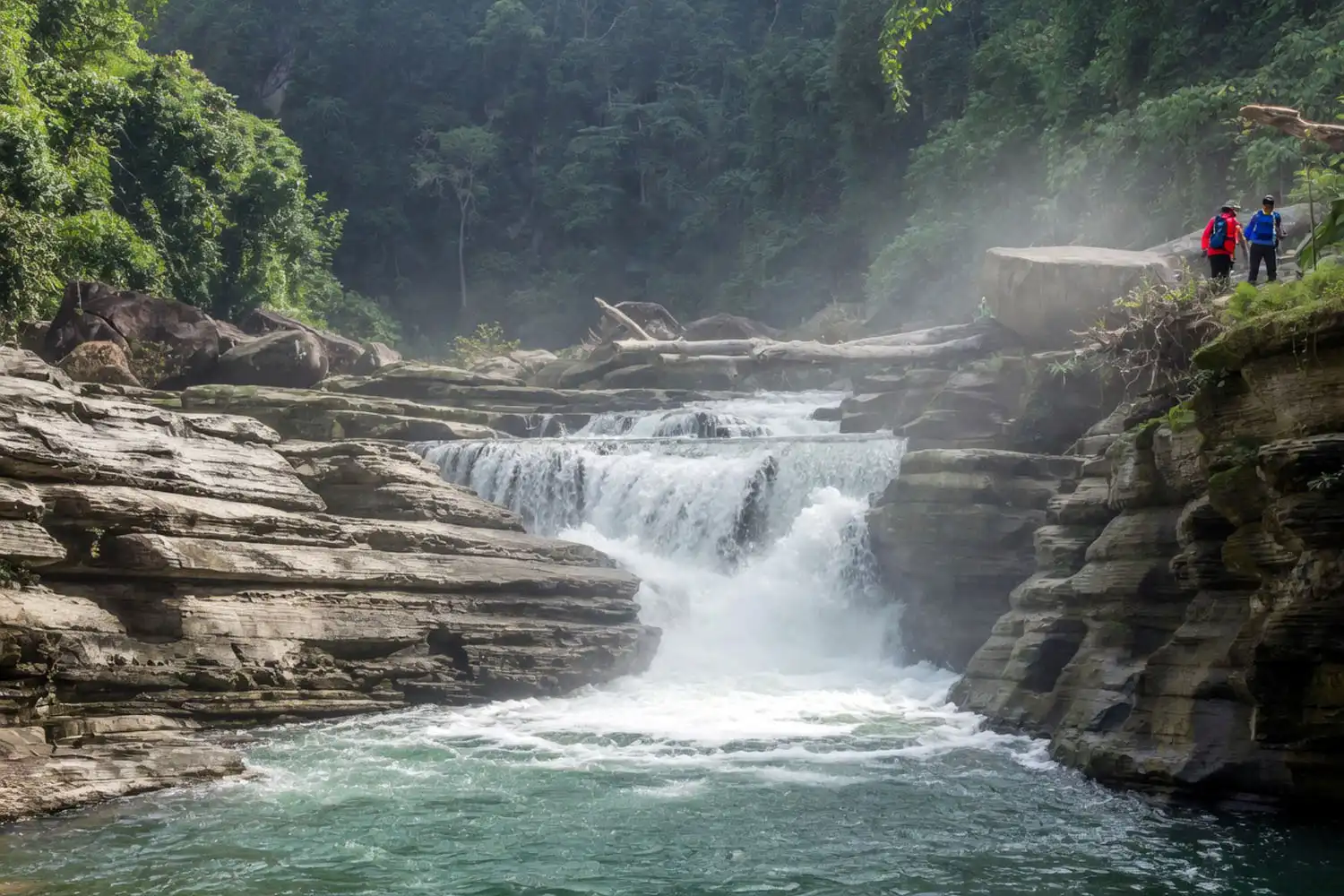
Amiakhum is a wide, stepped waterfall in the deepest part of Thanchi, near Velakhum and Satvaikhum. Many trekkers rate it the most beautiful waterfall in the country, and the trek to reach it is the hardest on this list.
You travel from Thanchi by boat, then walk for hours over hills and river crossings. Because it sits far inside the restricted belt, you need both a guide and on-site camp permission, and you must check the latest status first. December to March is the safe window, while the monsoon shuts the route. Read my Amiakhum waterfall guide for the full multi-day plan.
14. Thankowain Waterfall
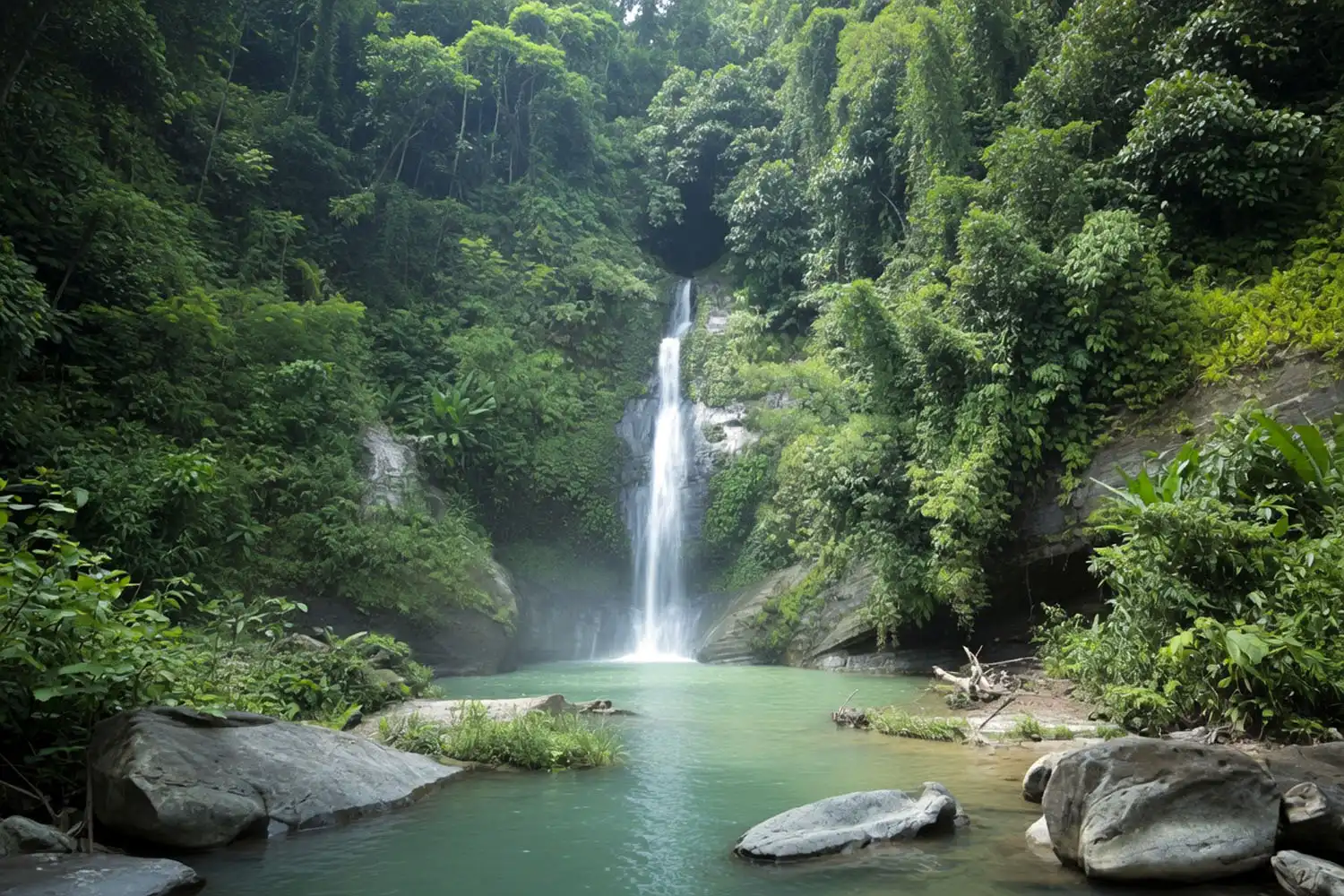
Thankowain is a powerful waterfall in Alikadam (locals also call it Tongkabati). The route mixes a jeep ride with a stream walk and a few rope-assisted sections. It draws fewer visitors than the Thanchi falls, so the trail feels calm. Alikadam reopened with the standard guide and check-post rules.
The fall is at its fullest in the rainy season, from July to September. Reach it early in the day, because the light fades fast in the gorge. See reaching Thankowain waterfall in Alikadam for the route and difficulty.
15. Damtua Waterfall
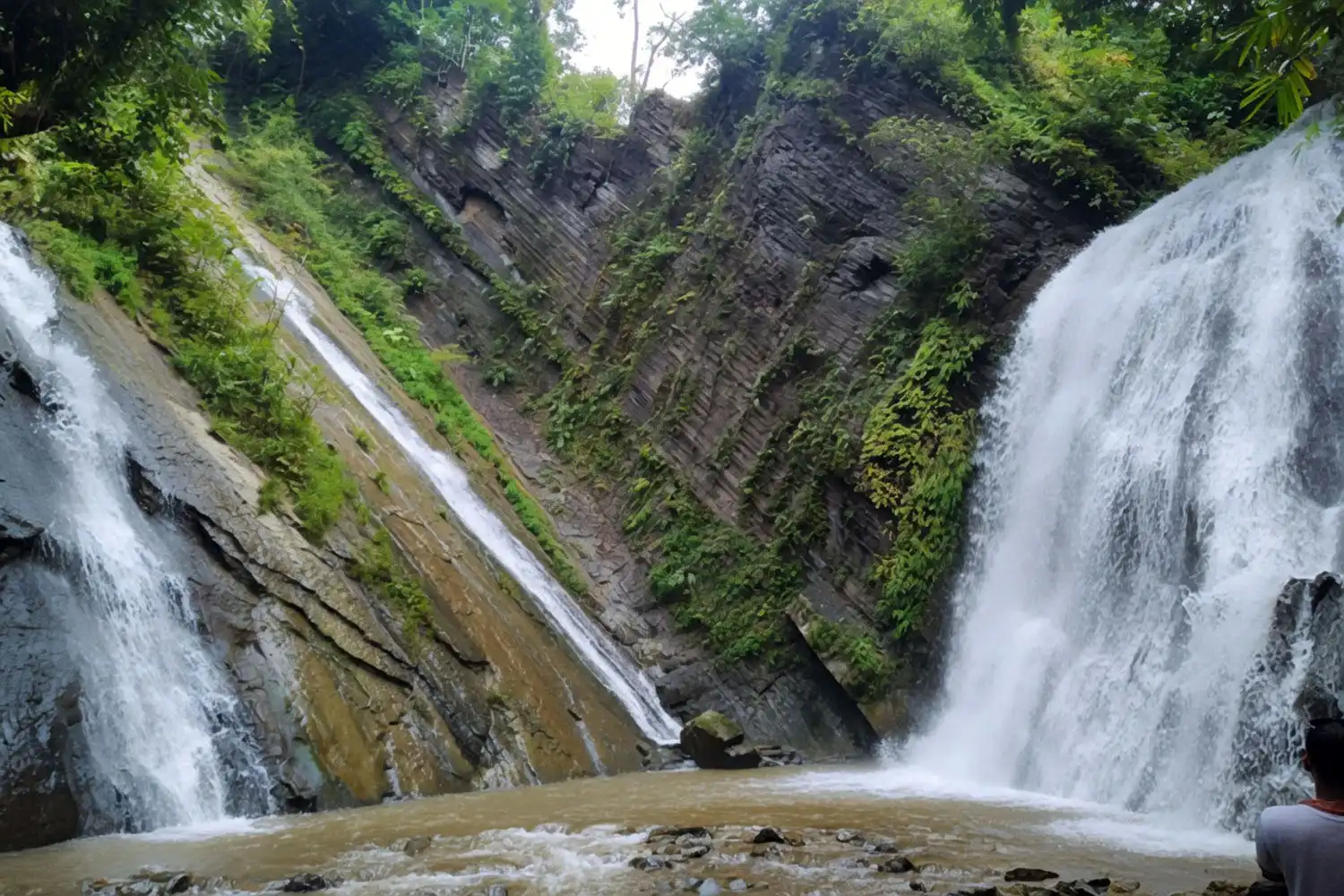
Damtua is a tall, scenic waterfall in Alikadam, and guides often group it with the nearby Wakkhrai and Tuk Abong falls. The trek climbs through bamboo forest and open ridges, moderate but steady. You start near the Alikadam to Thanchi road and follow a guide along the hill trail.
Since it falls in Alikadam, the same simple permit steps apply. The best flow comes after the monsoon, around September to November. My guide to the Damtua waterfall trek shows the route and timing.
16. Prantik Lake
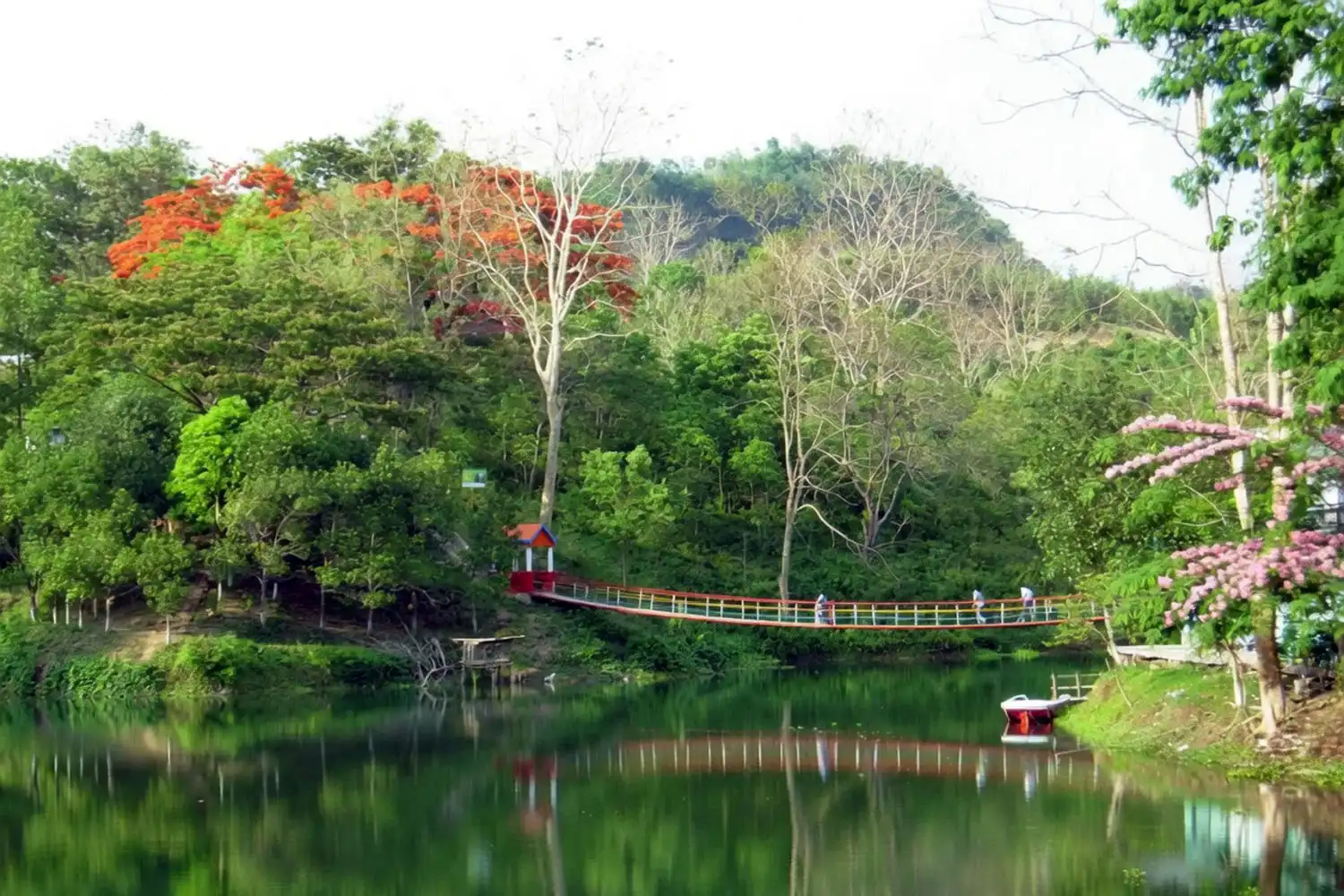
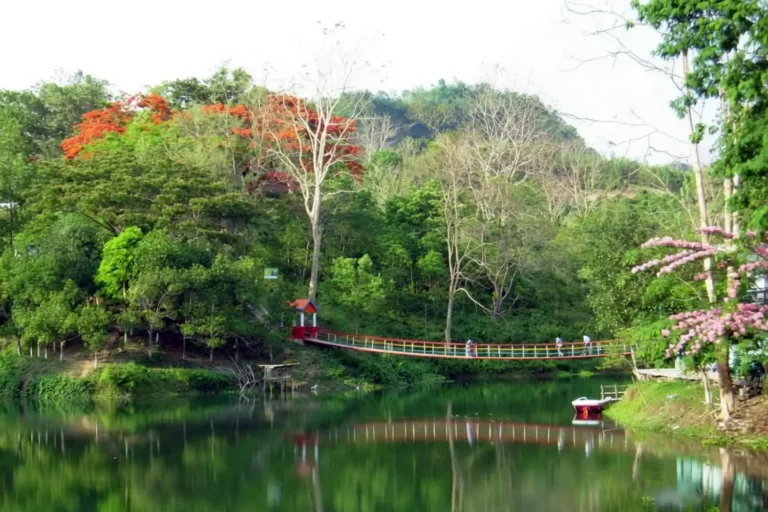
Prantik Lake sits close to Bandarban town, beside the Chittagong road, which makes it the easiest stop on this list. You can paddle a small boat, walk the shore path, or just sit and watch the hills.
The lake works well as a relaxed half day trip, with no trekking and no special permits. Because it sits in Bandarban Sadar, you skip the deep-zone rules entirely. Any season works, though winter mornings feel the nicest. For a quick plan, see what to see at Prantik Lake.
Practical tips for visiting Bandarban
A few habits make a Bandarban trip smoother. Carry enough cash in BDT, because ATMs sit only in the town and cards rarely work in the hills. Mobile networks fade fast once you leave the main roads, so share your plan with someone before you go.
Pack light, with grippy shoes, a rain layer, a power bank, and basic first aid. Drink treated or bottled water on the trails, since clean sources run thin. Respect the local communities, ask before photos, and carry your trash back out. Hire your guide through a known agency or the local tourist office, not a roadside tout.
Many travelers also spend a half day around the town, where the roadside falls at Shoilopropat make an easy stop. As a Buddhist from Rangamati, I always suggest the Golden Temple, also called Buddha Dhatu Jadi, where entry is free, so dress modestly and remove your shoes at the shrine.
FAQs about Visitng Bandarban

Is Bandarban safe to visit in 2026?
Do I need a permit for Bandarban?
How many days do you need for Bandarban?
Which Bandarban place is best for first-timers?
What is the best month to see the waterfalls?
Final thoughts
Bandarban rewards a bit of planning more than almost anywhere in Bangladesh. Start with the easy spots like Nilgiri, Mirinja, and Prantik Lake if it is your first trip. Then build up to Boga Lake, Keokradong, and the deep Thanchi falls as your legs and confidence grow. Always travel with a registered guide, keep your paperwork simple by checking in at the posts, and confirm access before you set off. Do that, and these hills will give you some of the best days you will spend outdoors.