Tindu Bandarban Travel Guide: How to Reach, and What to See

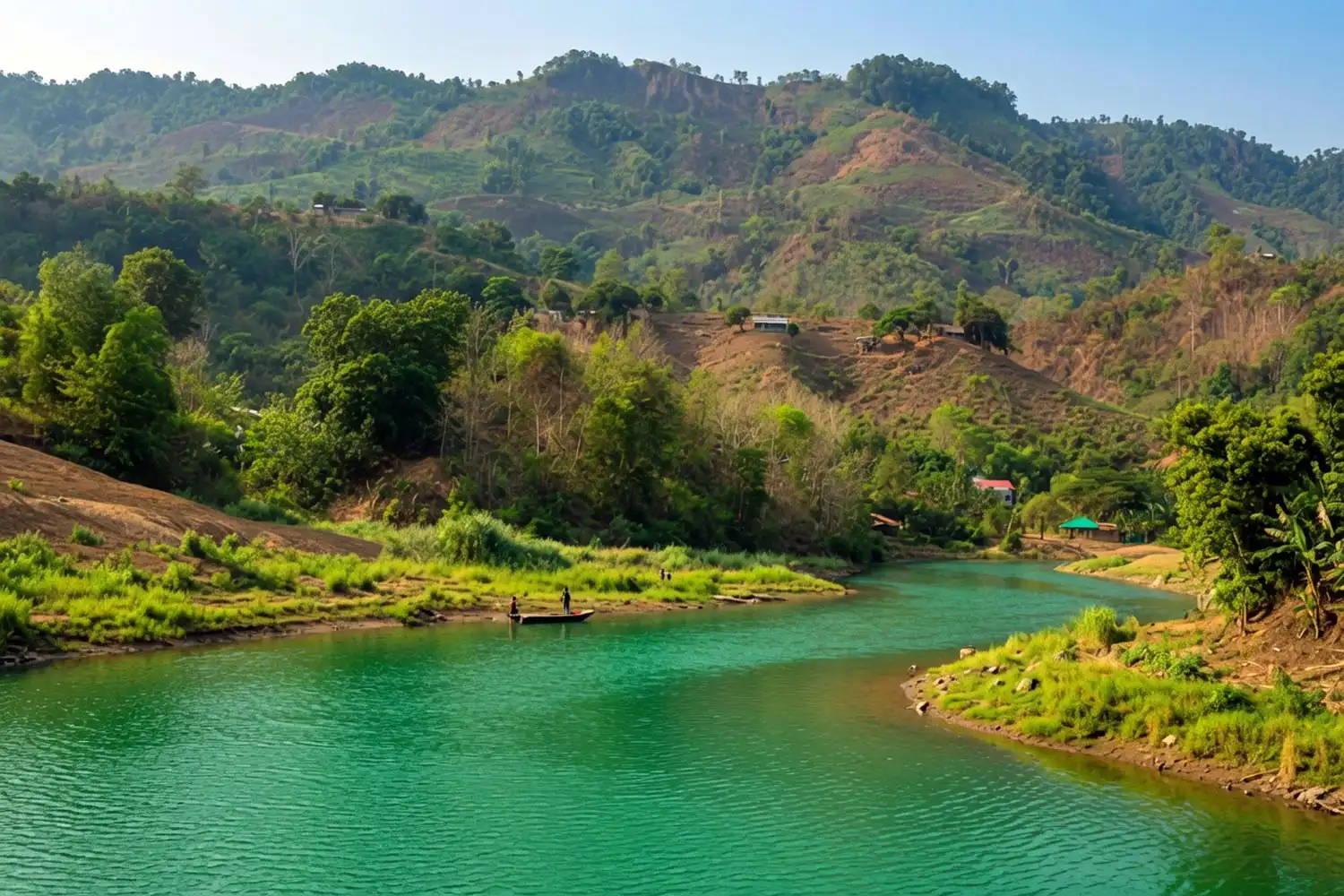
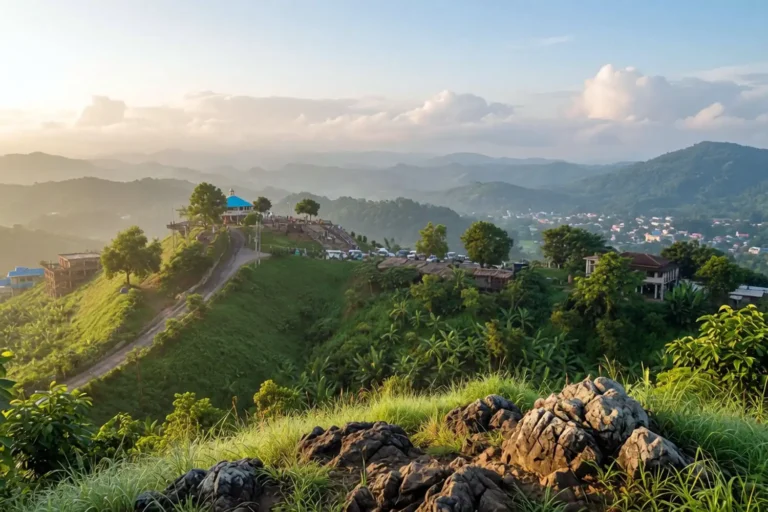
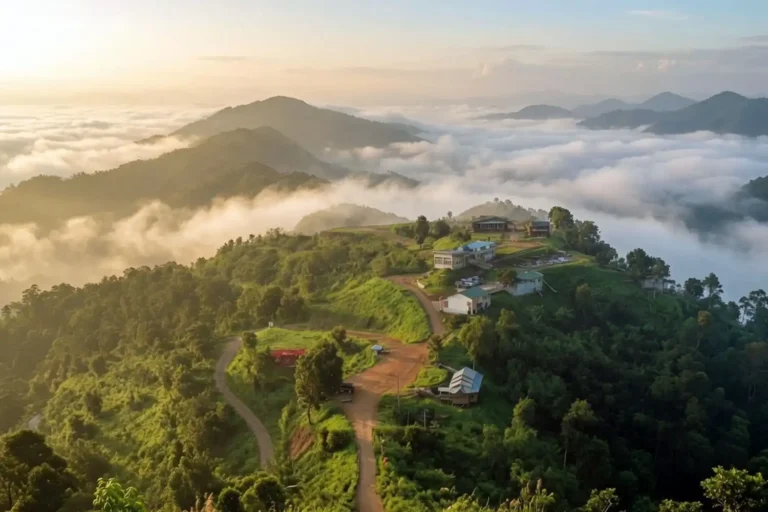
Tindu (তিন্দু) is a remote union and village in Thanchi Upazila of Bandarban district, deep in the Chittagong Hill Tracts of Bangladesh. It sits along the Sangu River, surrounded by hills and clouds. Adventure travelers come here for the clear river water, the giant rocks, the quiet indigenous villages, and a slower pace far from the city.
Is Tindu open for tourists in 2026?
Yes, Tindu is open for tourists. The Bandarban district administration lifted a long travel ban on Thanchi in June 2025 and reopened Tindu among other approved spots. The same June 2025 notice also reopened the Boga Lake route in Ruma, along with Munlai Para. However, you can travel only as far as Tindu and the Boro Pathor area. The administration still restricts travel onward to Remakri and Nafakhum as of late 2025.
The district set three clear rules for this zone. First, you may visit only the approved spots, based on the current security situation. Second, you must travel with a registered district or upazila guide. Third, every traveler has to register their details at the check post or tourist information center. So skip any idea of going off on your own. In November 2025, a tourist went missing at Nafakhum after his group entered the restricted area without permission or a guide, which shows exactly why these rules matter.
Quick facts for 2026: Tindu is open. A registered guide is mandatory. Register at the Thanchi check post before you go, and carry your national ID or a photocopy. Remakri and Nafakhum stay off-limits for now.
When is the best time to visit Tindu?
You can visit Tindu at any time of the year, and each season shows a different side of it. The cool, dry months from November to April are the most comfortable for the boat ride and the trek. In the monsoon, roughly June to September, the Sangu River runs high and the clouds sit low over the hills, so the scenery turns dramatic but the water gets rough. In winter, meanwhile, fog and thick cloud settle around the river in the early morning. For most first-timers, I suggest the November to April window, because the weather stays steady and the boat ride feels safer.
Read next: Dhuppani Waterfall: How to Reach
How do you reach Tindu?
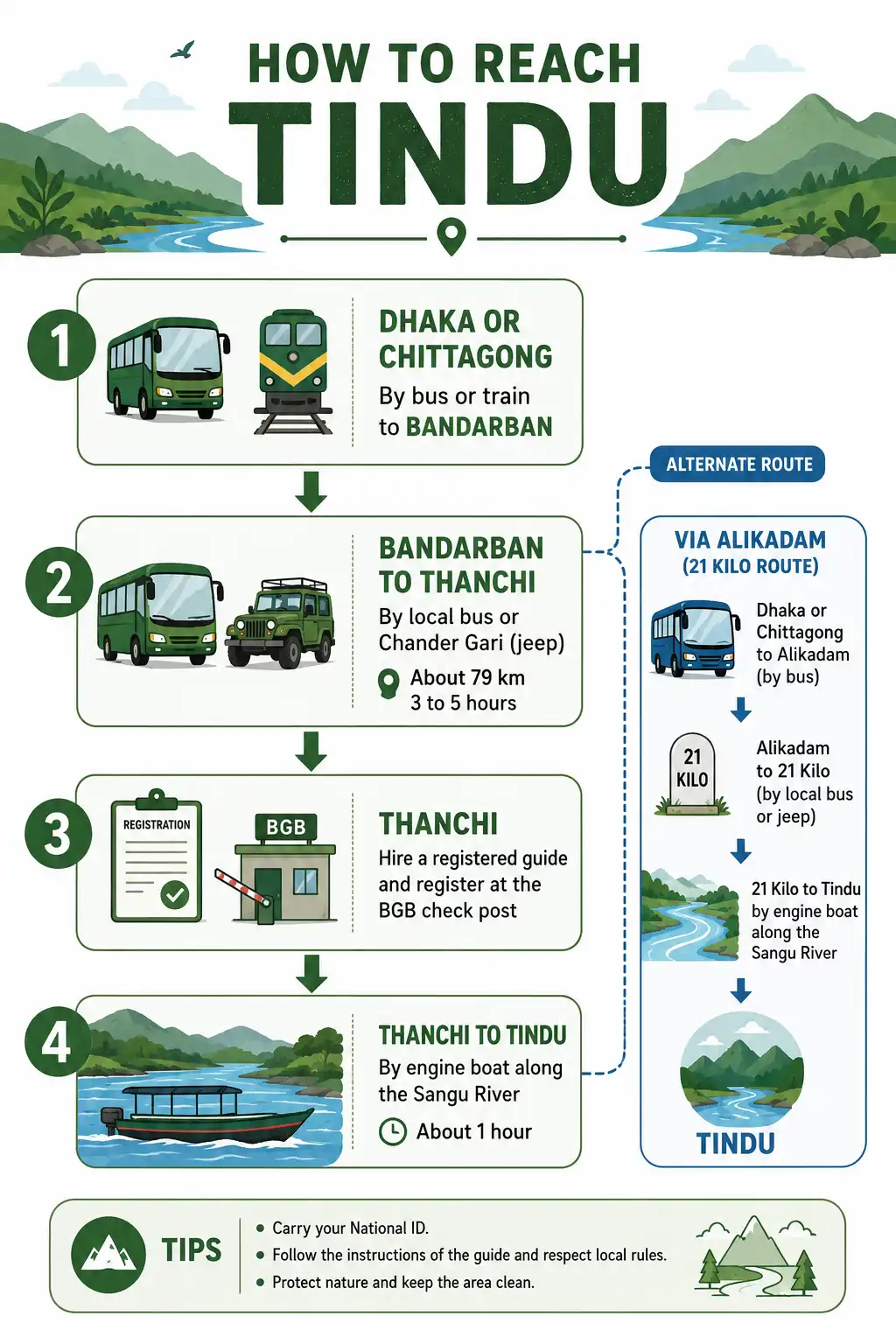
You reach Tindu in one of two ways. The common route runs through Bandarban town to Thanchi, then up the Sangu River by engine boat to Tindu Bazar. The other route goes through Alikadam, then by vehicle or on foot via the spot known as 21 Kilo on the Alikadam-Thanchi road. Either way, you first have to reach Bandarban or Alikadam from Dhaka or Chittagong.
Dhaka to Bandarban
Buses to Bandarban leave Dhaka every night from Kalabagan, Saidabad, Gabtali, and Fakirapool. Operators like Shyamoli, Hanif, Unique, S Alam, and Dolphin run this route, and most depart between 10:00 pm and 11:30 pm. Per-person fares fall roughly between 800 and 1,800 BDT for non-AC and AC coaches. Alternatively, you can take a train from Dhaka to Chittagong first, then continue to Bandarban by bus. Trains such as Parjatak Express, Cox’s Bazar Express, Sonar Bangla, Suborna, and Mahanagar serve Chittagong, with fares around 405 to 1,398 BDT depending on class.
Chittagong to Bandarban
From Chittagong, you can catch a Bandarban bus at the Notun Bridge bus station. Pubali and Purbani buses run this route, and the fare is about 150 to 180 BDT per person. Buses also leave from the Dampara stop. If you prefer more comfort, a rented microbus from Chittagong to Bandarban costs roughly 2,500 to 3,500 BDT.
Bandarban to Thanchi
Thanchi sits about 79 km from Bandarban town, and you can get there by local bus or by reserved jeep. Local buses leave the Thanchi bus stand in Bandarban about once an hour. The fare is around 280 BDT per person, and the trip takes four to five hours. A reserved jeep, the local Chander Gari, costs about 6,000 to 7,500 BDT and seats twelve to fourteen people, with a faster run of roughly three hours if you do not stop much. On the way you pass Milanchari, then the Chimbuk range, and the cloud views at Nilgiri. Honestly, the hill scenery on this stretch keeps your eyes busy the whole way.
Thanchi to Tindu by boat
At Thanchi, you must hire a guide before going to Tindu, since travel without one is not allowed. Any guide approved by the upazila administration can take you. The guide fee is about 1,500 BDT if you stay one night, or around 800 BDT for a same-day round trip. You can arrange a guide after you reach Thanchi, or contact one you already know in advance. After that, your guide helps you get permission at the Thanchi BGB camp or police station, where every member of the group writes down their name, address, phone number, destination, and length of stay.
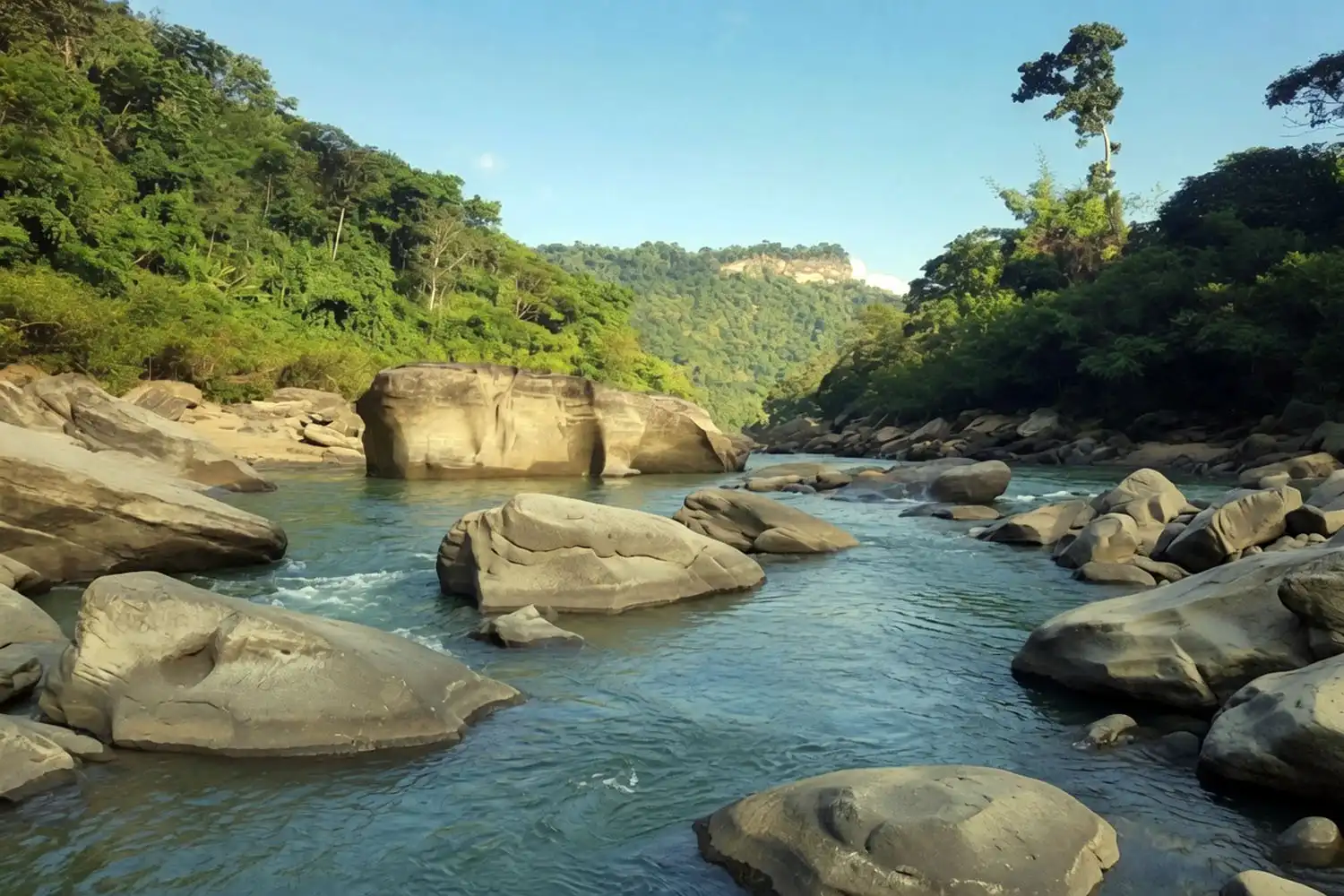
Once you have permission, hire a small engine boat from the Thanchi ghat. Each boat carries up to five people. A reserved boat to Tindu and back the next day runs about 3,000 to 3,500 BDT, while a same-day return costs roughly 2,000 to 2,500 BDT. The boat ride from Thanchi to Tindu takes around an hour. When the Sangu runs low, you may need to step out and walk through a few shallow spots, so it can take a little longer. For me, the river views on this leg are the real highlight of the trip.
Alikadam to Tindu via 21 Kilo
The Alikadam route is also popular. You can reach Alikadam by bus from Dhaka, or from Chittagong by way of Chakaria. From Alikadam, you take a motorbike or a Chander Gari along the Alikadam-Thanchi road to the point called 21 Kilo, then continue toward Tindu. When the road is in good shape, a vehicle can take you close to Tindu Para directly. Otherwise, you trek in from 21 Kilo, which takes about two hours on foot.
Where can you stay and eat in Tindu?
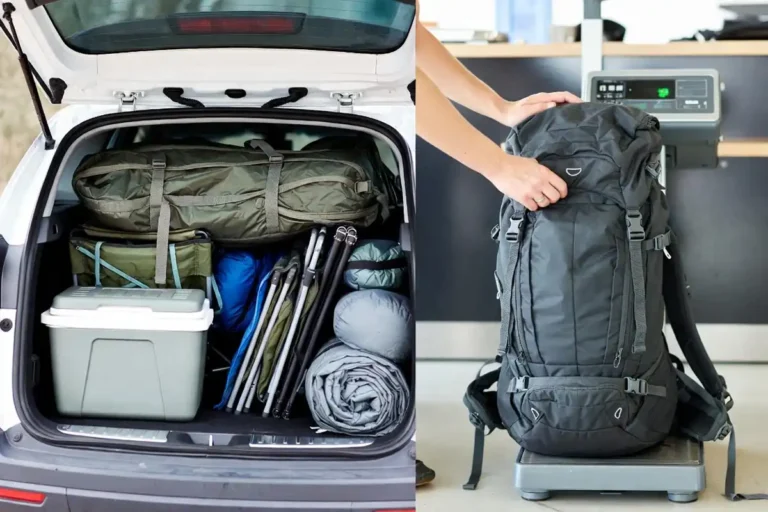
In Tindu you stay in the bamboo-and-wood Machang houses of the indigenous families, or in a small bungalow that the local Union Parishad woman member built. You can also pitch a tent and camp if you carry your own gear. The indigenous homes are tidy, and the hosts treat guests warmly. For food, there are no real restaurants, so the family you stay with cooks your meals. Alternatively, you can buy supplies in Thanchi and cook them yourself. A night in an indigenous house costs about 100 to 200 BDT per person, and each meal runs roughly 150 to 300 BDT. Expect fresh fish from the Sangu, hill chicken, dal, and mashed potato.
What else can you see near Tindu?
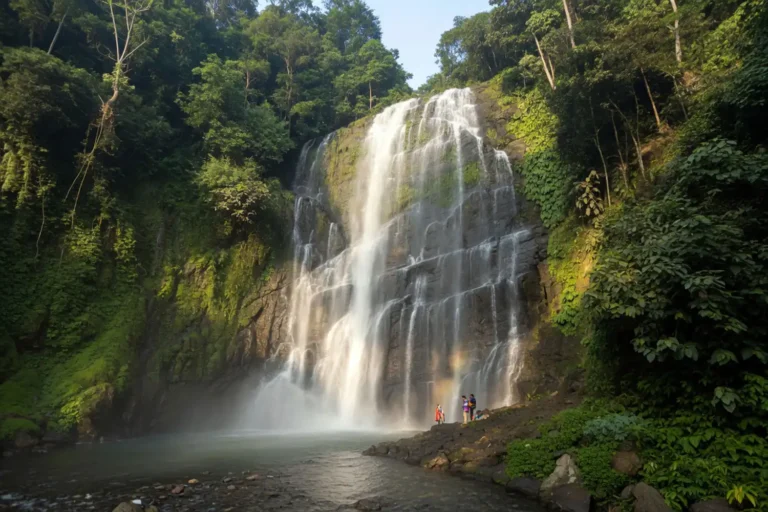
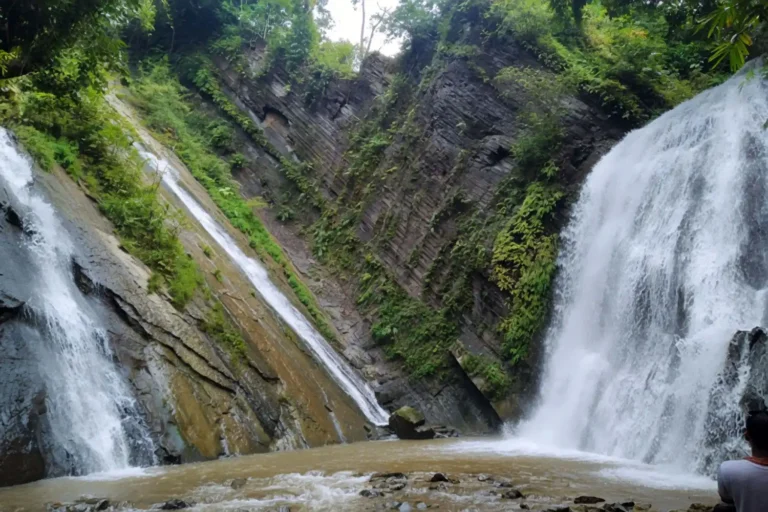
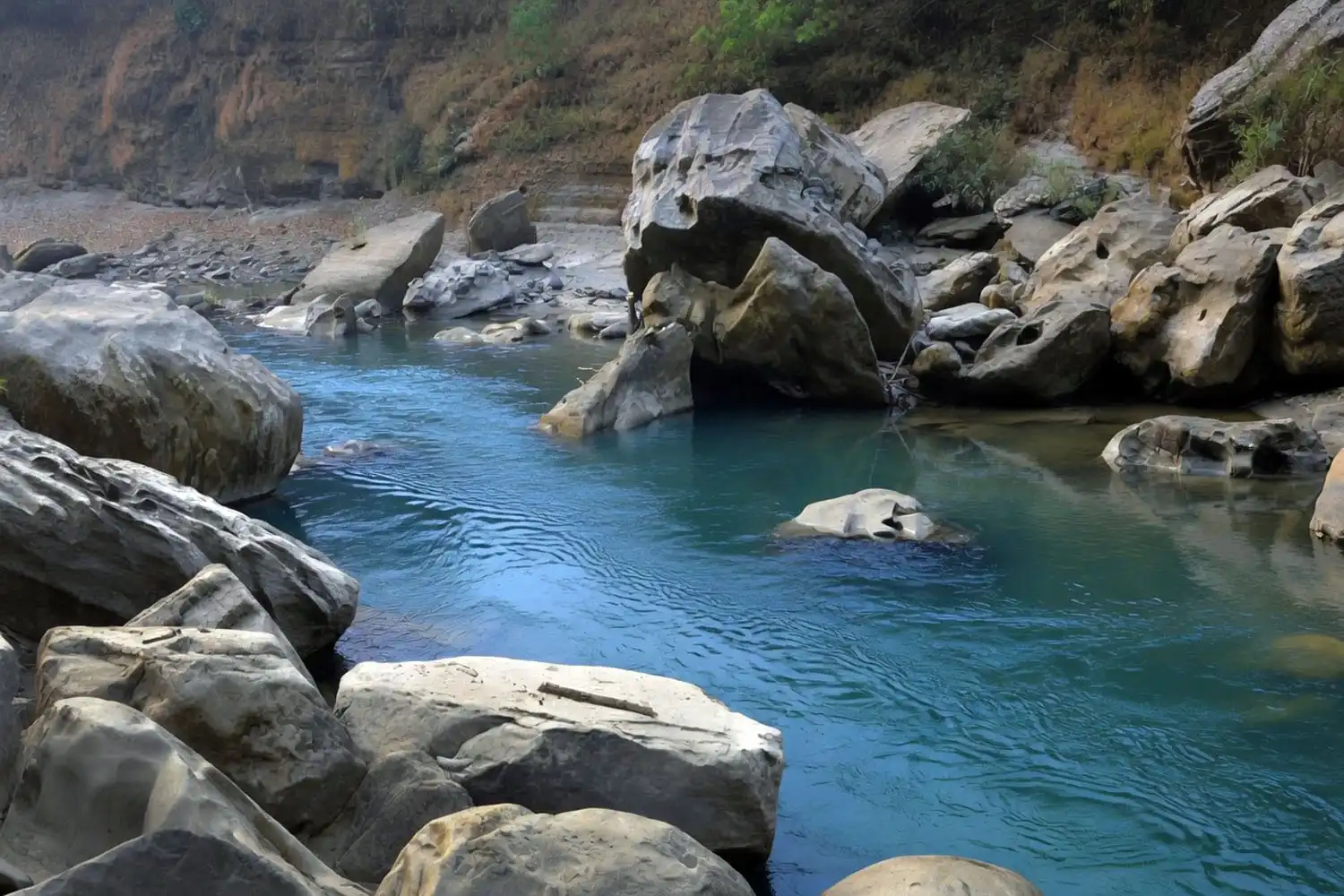
Tindu sits within reach of a few more spots worth your time. Just across the river from Tindu Bazar is Kumari Jhorna, a waterfall that runs full and strong in the monsoon. The walk to the Kumari falls nearby takes only 10 to 20 minutes after you cross the river. About 20 minutes upstream from Tindu, you reach the Raja Pathor and Boro Pathor area, where huge boulders fill the Sangu and your boat threads through the gaps between them. The Boro Pathor stretch, which simply means big stone, is the scenic high point near Tindu. Further along, roughly an hour upstream by boat, you reach Remakri, and about two hours beyond that sits the famous Nafakhum falls. Keep in mind, though, that the route to Remakri further upstream and to the popular Nafakhum falls is closed to tourists right now. So plan your 2026 trip around Tindu and Boro Pathor instead.
Travel tips and safety for Tindu
A few practical notes will make your Tindu trip smoother and safer.
- A BGB camp sits at Tindu, so security in the area is well managed.
- The Thanchi-to-Tindu leg runs on the river, so carry a life jacket outside the dry winter months.
- Always get permission in Thanchi before you set out, and keep your national ID or a photocopy with you.
- Mobile coverage is patchy. Robi and Airtel tend to work better than other networks in spots.
- Power comes only from solar panels here, so bring a charged power bank.
- The Sangu current runs strong, so take care if you go into the water to bathe.
- Do not damage the environment or leave trash behind.
- Treat the local indigenous people with respect at all times.
- Always ask before you photograph or film anyone, and avoid anything that makes residents uncomfortable.
FAQs about Tindu Travel

Do you need a guide to visit Tindu?
Can you visit Nafakhum from Tindu in 2026?
How long is the boat ride from Thanchi to Tindu?
Is there mobile network in Tindu?
Is Tindu safe for travelers?
Final thoughts
Tindu rewards the effort it takes to get there. You travel deep into Bandarban, ride the Sangu by boat, and wake up to hills wrapped in cloud. For 2026, keep your plan simple and legal. Reach Thanchi, hire a registered guide, register at the check post, and enjoy Tindu and the Boro Pathor stretch. Skip the closed routes to Remakri and Nafakhum until the administration reopens them. Go in the dry season if you can, respect the people who host you, and you will come home with a trip worth remembering.