Jadipai Waterfall: Routes, Guide Rules and What to Pack

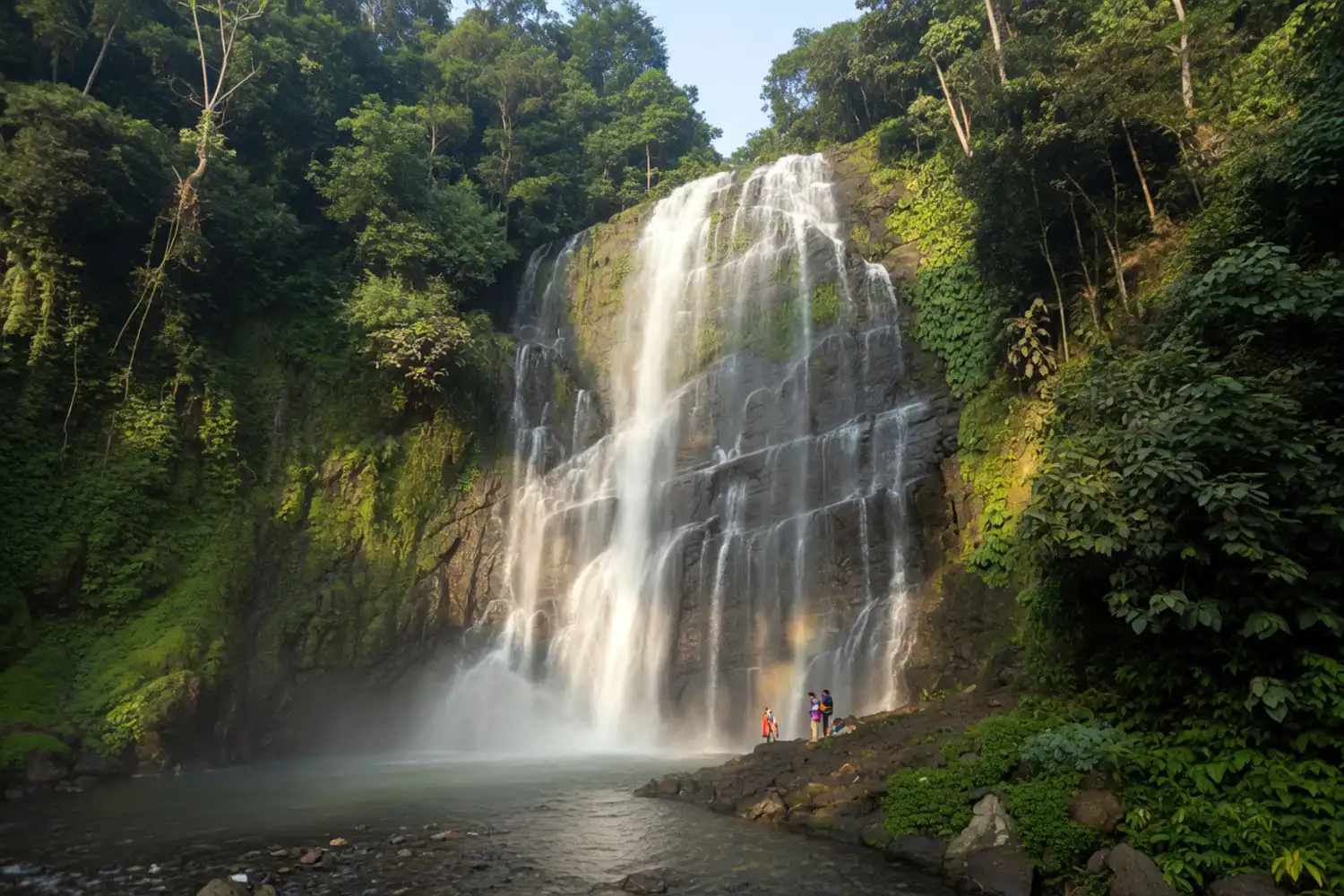
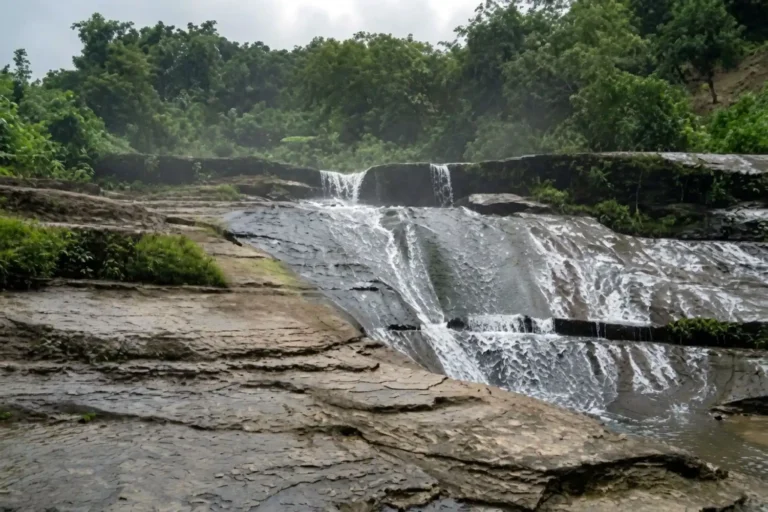
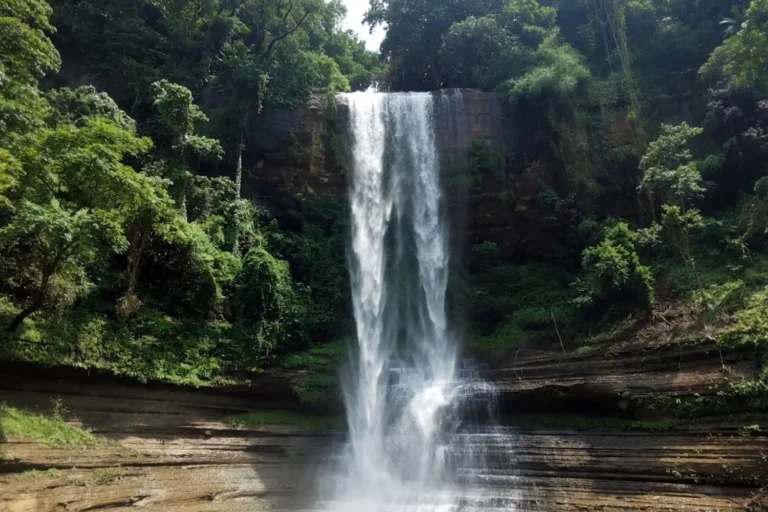
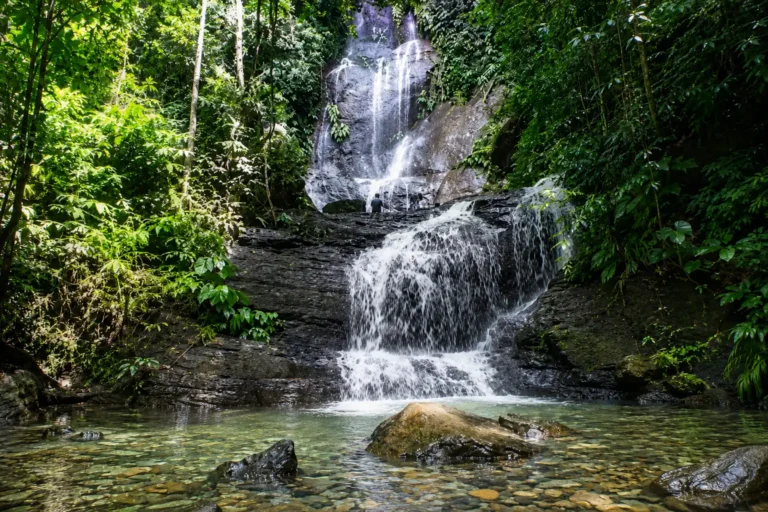
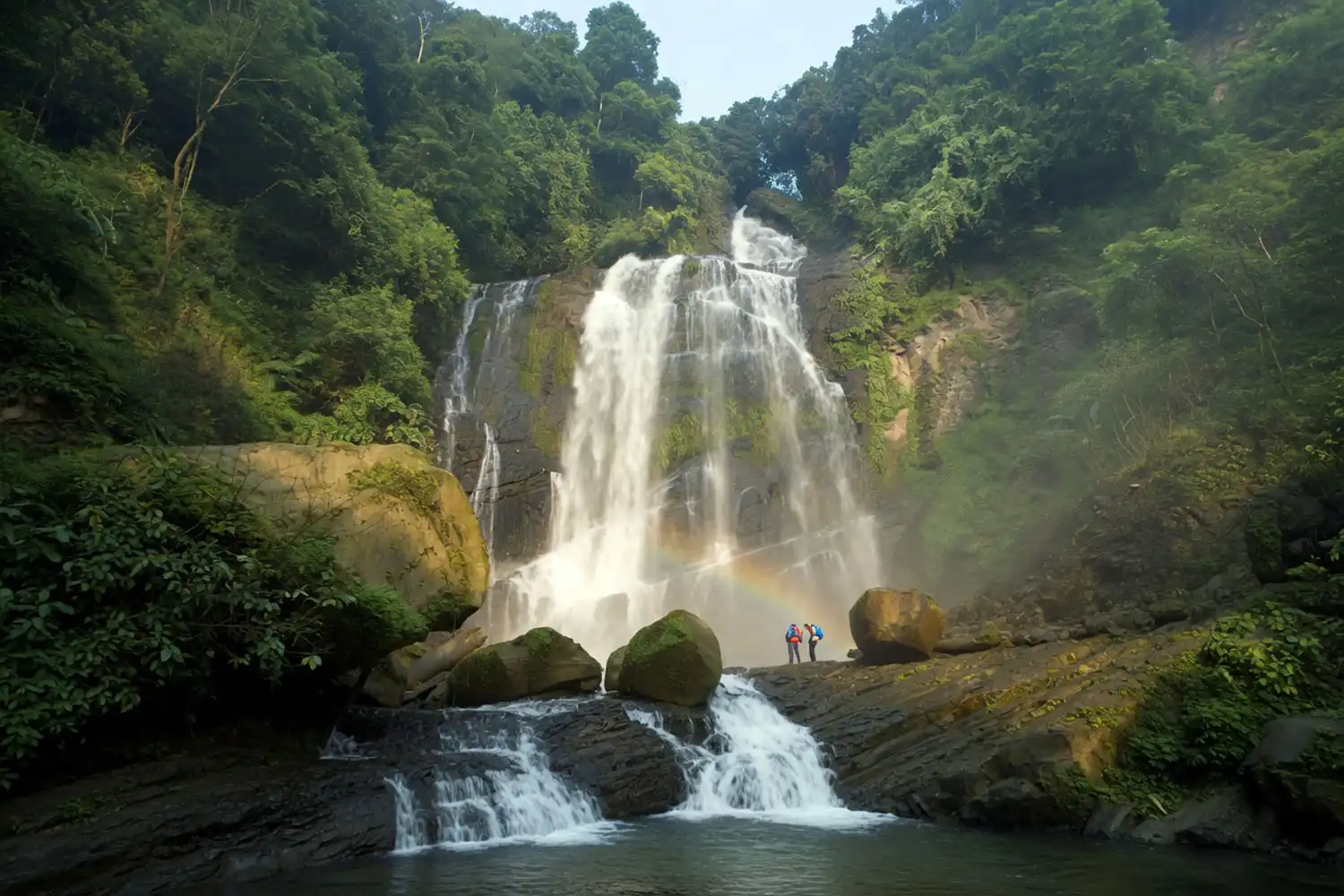
Jadipai Waterfall (জাদিপাই ঝর্ণা) is a wide, stepped waterfall in Ruma Upazila of Bandarban, Bangladesh. It sits about 1.5 kilometers from the Keokradong peak. Three hill streams meet here and drop roughly 200 feet (about 60 meters) down a black rock face before the water joins the Sangu River. Many travelers call it the queen of Bangladesh’s waterfalls.
How to reach Jadipai Waterfall
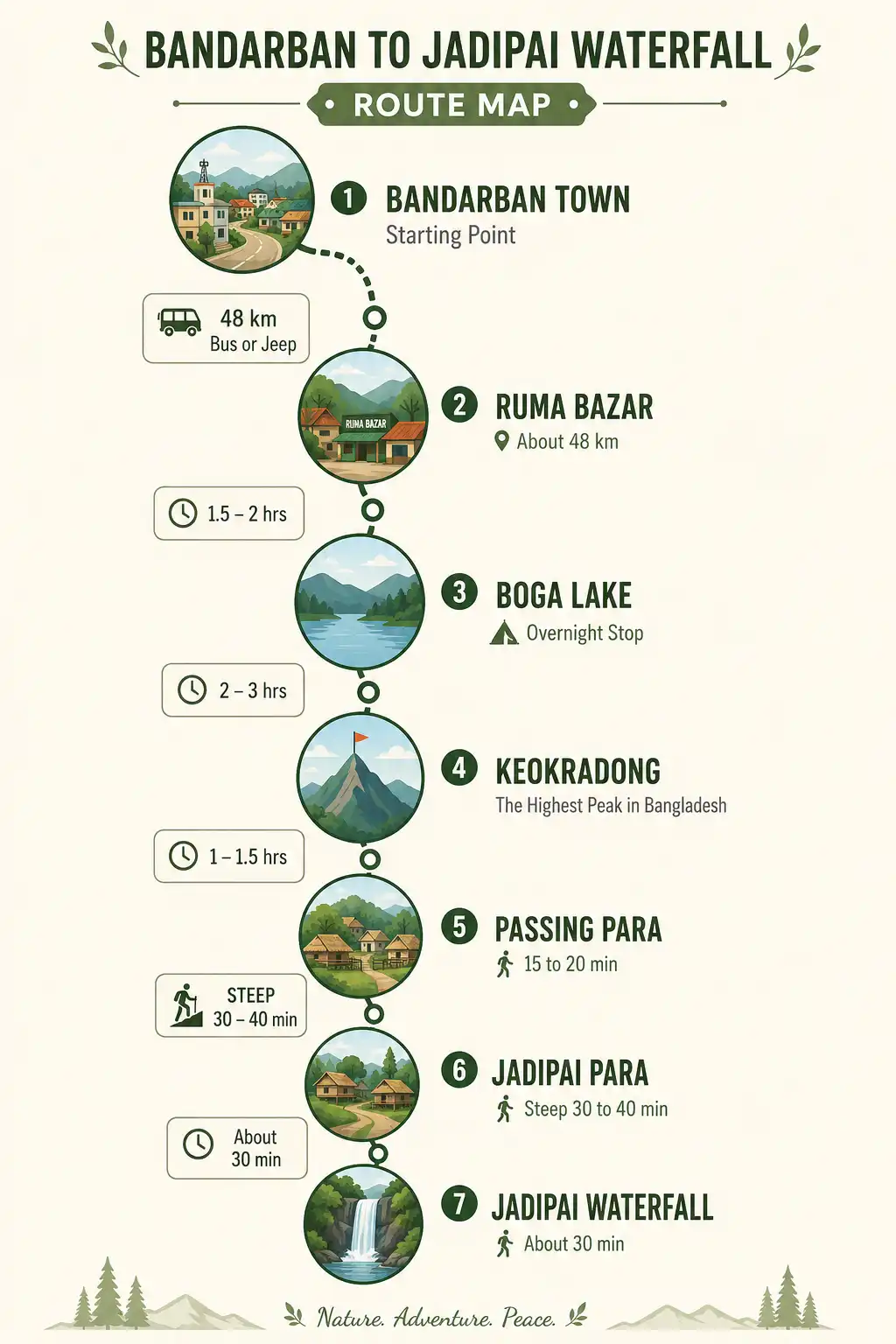
Reaching Jadipai Waterfall means a long route through Ruma, Boga Lake, and the Keokradong summit, because you cannot get to the falls directly. Here is the path, step by step.
- Bandarban town to Ruma Bazar. First, travel about 48 kilometers from Bandarban to Ruma Bazar. You can take a local bus from the Ruma bus stand, or hire a jeep (Chander Gari) from the Bandarban jeep station. Some groups instead reserve a vehicle straight to Boga Lake.
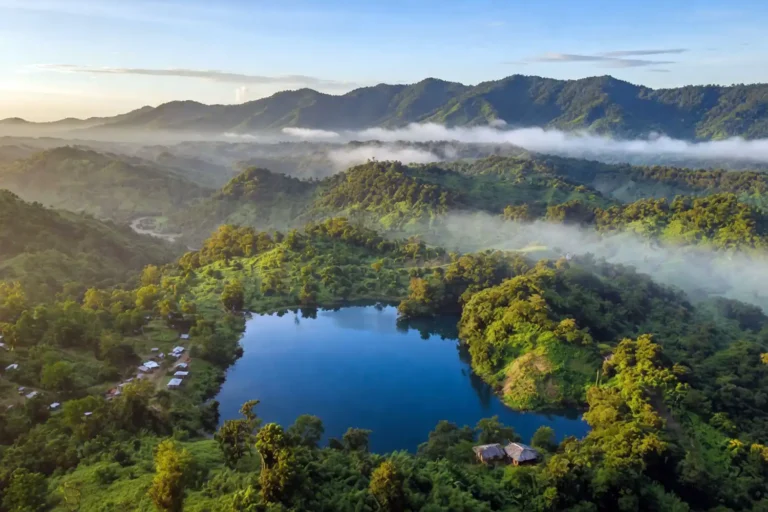
- Ruma Bazar to Boga Lake. Next, continue from Ruma up to Boga Lake by reserved jeep or motorbike on the hill road. Most people spend the first night here, and I cover the cottages and the army camp in my notes on staying overnight at Boga Lake.
- Boga Lake to Keokradong. After that, head toward Keokradong. A new motorable road now reaches the top, though many trekkers still walk part of this stretch. The full route up to the Keokradong summit deserves its own day, so plan to sleep at Boga Lake or near the peak.
- Keokradong to Passing Para. From the peak, walk 15 to 20 minutes to Passing Para, the highest village in this part of Bandarban.
- Passing Para to Jadipai Para. Then descend the steep path for about 30 to 40 minutes down to Jadipai Para. Honestly, this section is the hardest part of the whole trip.
- Jadipai Para to the falls. Finally, walk another 30 minutes or so down to Jadipai Waterfall. The last stretch near the water turns slippery and steep, so slow right down.
Along the way you also pass Darjeeling Para and Munlai Para, an indigenous Bawm village often called the cleanest in the country.
Before you go (2026 update): Ruma reopened to tourists in October 2025 after staying closed for about three years. As of 2026, the route to Boga Lake, Keokradong, and Jadipai is open again. A registered guide is mandatory, and you must carry photocopies of your National ID, or your passport if you are a foreign visitor, for the army check posts. Go in the post-monsoon months for the safest trek. Because this is a sensitive border area, rules can change, so confirm the current situation at the Ruma Tourist Registration Office before you travel.
Where is Jadipai Waterfall located?
Jadipai Waterfall sits in Ruma Upazila of Bandarban, deep in the Chittagong Hill Tracts. It is about 1.5 kilometers from the Keokradong peak, one of the country’s most famous high hills.
Three streams feed the falls. According to locals, the waters of Keokradong, Janchia, and Jadipai join together and pour about 200 feet down a black rock wall. The stream then runs on to meet the Sangu River. Because the water spreads out as it falls instead of dropping in one narrow line, Jadipai ranks among the widest waterfalls in Bangladesh.
One quick note on the peak. You will see Keokradong called the highest, the second highest, or the third highest mountain in the country, depending on the source. The exact ranking stays unsettled, and newer surveys put peaks like Saka Haphong higher. For this trip, what matters is simple: Keokradong is high, remote, and the gateway to Jadipai.
What is the best time to visit Jadipai Waterfall?
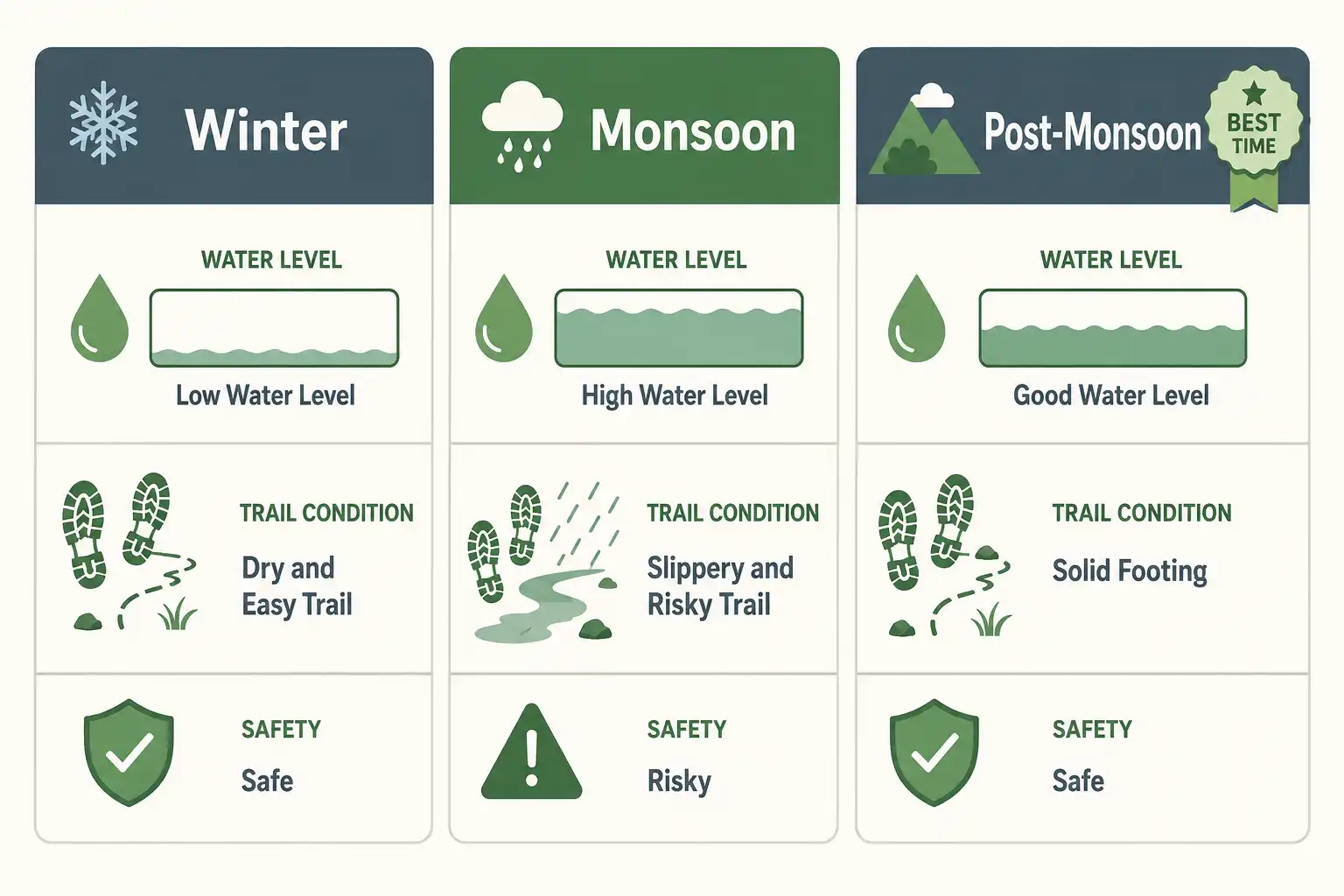
The best time to visit Jadipai Waterfall is the post-monsoon stretch, roughly October through early March. You can go in any season, but each one feels different.
In winter the falls carry less water, yet the trail stays dry and the trek is easier and safer. During the monsoon the flow turns powerful and the rainbow over the falls looks its best, but the steep paths get slippery and risky. So the months right after the rains give you the best mix, with decent water plus solid footing. I always tell friends to plan around the season first, and I go deeper on that in my guide to picking the right season for a trip.
How hard is the trek to Jadipai Waterfall?
The trek to Jadipai Waterfall is moderately hard, mostly because of one brutal section. From the Keokradong summit, reaching the falls takes about two to two and a half hours one way.
The path from Passing Para down to Jadipai Para is very steep and, in places, genuinely dangerous. On the way down, the trail near the waterfall also turns slippery and demands real care. Going down is tiring, but the climb back up is the part that tests your legs and lungs. Since you face a steep descent to reach the falls and a hard uphill to return, your knees take a beating, so I share how I save my knees on long downhills in a separate post. You do not need to be an athlete, but basic fitness and steady footing help a lot.
Do you need a guide and permit for Jadipai Waterfall?
Yes, a registered guide is mandatory, and you must complete security formalities to reach Jadipai Waterfall. This is not optional in the Ruma area.
Here is how it works as of 2026. First, you reach Ruma and stop at the Tourist Assistance Center, where you fill out a form (a small fee, around 50 BDT) and make several photocopies for the check posts ahead. Then, at Ruma Bazar, you hire a guide through the local guide association, because you cannot continue without one. Along the route, army camps at Ruma, Boga Lake, and Keokradong will check your papers, so always carry copies of your National ID or birth certificate. Foreign visitors need a passport and may require extra permission, which is usually arranged in Bandarban.
Also, start early. You generally will not get clearance to head up toward Boga Lake late in the afternoon. Remember too that the guide association sets the fee, and you cover the guide’s food and lodging on top of it. Confirm the current rate when you register, since it changes over time.
Where can you stay and eat near Jadipai Waterfall?
You stay and eat at the indigenous Bawm homes around Boga Lake or Keokradong, since there are no hotels or restaurants near the falls. Most travelers base themselves at Boga Lake for the first night.
The cottages are simple. A bed in a shared room usually costs around 100 to 200 BDT per person, and your guide can help you find a spot, including a separate room for couples or women when needed. For meals, local families serve set plates of rice, vegetable mash (vorta), meat, and dal for about 100 to 200 BDT. Order ahead so they can cook for your whole group, and also carry dry food and snacks for the trek itself.
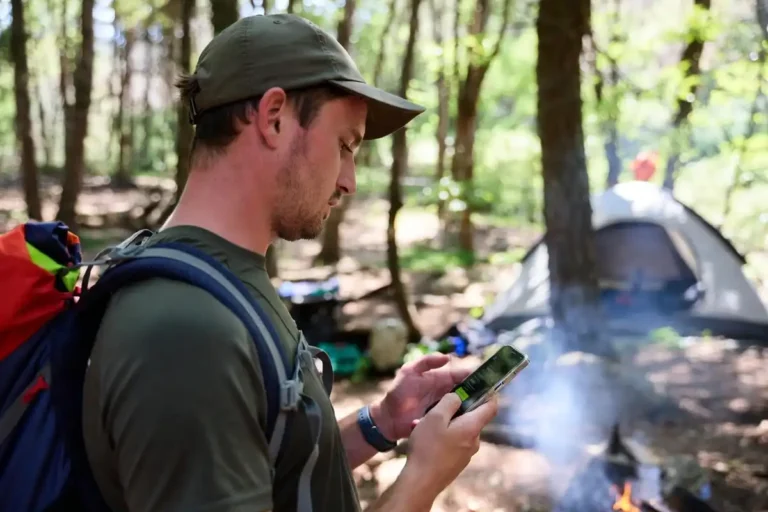
Two practical notes here. First, there is no mobile network and no mains electricity at Boga Lake or Keokradong, so bring a power bank and a flashlight. Second, water needs planning. When your bottle runs low, you refill from the hill streams (jhiri), so I treat that water first, and I explain a few easy ways to make stream water safer to drink.
What should you carry for the Jadipai trek?
Pack light, but do not skip the gear that keeps you safe on steep, slippery ground. Your feet, your water, and your footing matter most here.
- Grip trekking shoes. Good traction is the single most useful thing on these trails, so break them in before the trip.
- Trekking poles. Locals descend with two sticks for balance, and frankly a good pair of trekking poles does the same job better on this steep ground.
- Water plus oral saline and glucose. Refill from streams when needed, then treat the water before you drink.
- A power bank and a flashlight, because there is no electricity up there.
- Several photocopies of your ID, ready for the army check posts.
- Cash in small notes, since there are no ATMs once you leave Bandarban.
- A light first aid kit and insect repellent.
FAQs about Jadipai Waterfall

Is Jadipai Waterfall open to visitors in 2026?
How far is Jadipai Waterfall from Keokradong?
Can you visit Jadipai Waterfall in one day from Bandarban?
Is the trek to Jadipai dangerous?
Is there mobile network at Jadipai Waterfall?
Final thoughts
Jadipai Waterfall is one of the toughest day treks I know in Bandarban, and also one of the most rewarding. The route runs through Ruma, Boga Lake, and Keokradong, so plan for two or three days rather than a quick visit. Go after the monsoon for safe footing, hire your guide in Ruma, and carry the right shoes, water, and ID copies. Get those basics right, and the wide sheet of water at the end makes every steep step worth it.