Munlai Para Travel Guide: Bangladesh’s First Community Tourism Village

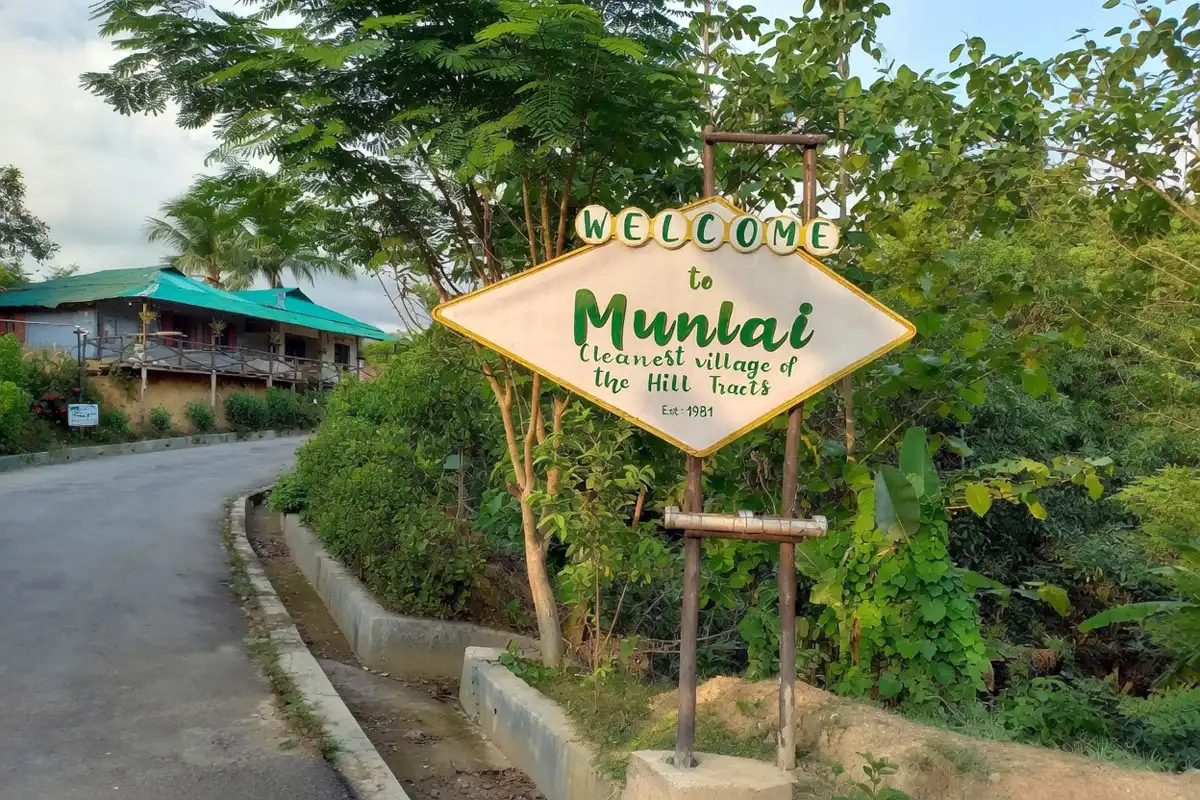
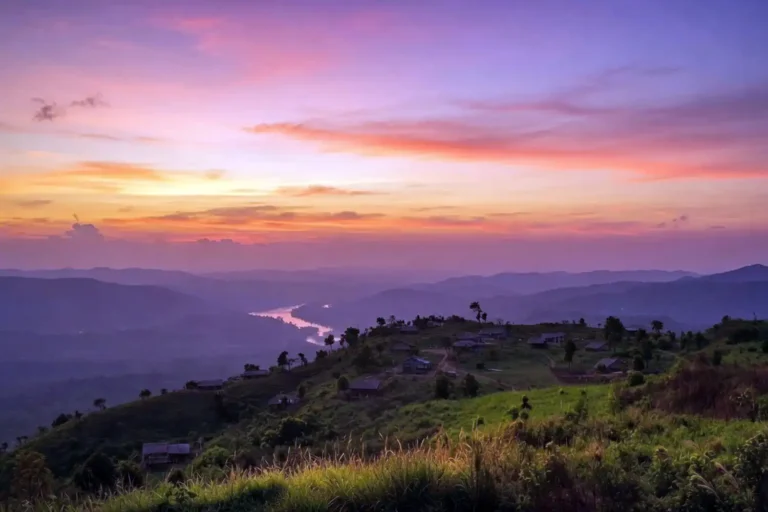
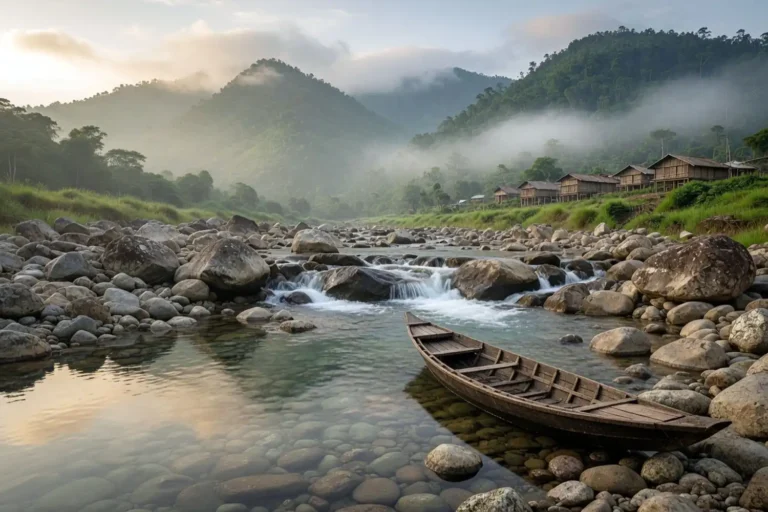
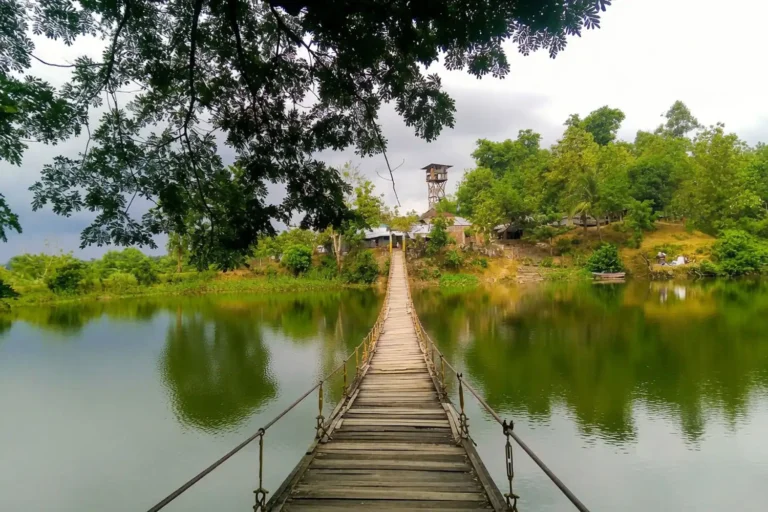
Munlai Para (মুনলাই পাড়া) is a Bawm hill village in Ruma Upazila of Bandarban, set at roughly 1,800 feet above sea level on the route toward Boga Lake and Keokradong. Around 70 Bawm families live here. Most people know it as the home of Bangladesh’s first community-based tourism project. In 2019, the Chittagong Hill Tracts Development Board named it one of the most planned, clean, and well-kept villages across the three hill districts. This guide walks through how to get there, where to stay and eat, what to do, what it costs, and the current access rules.
How to reach Munlai Para
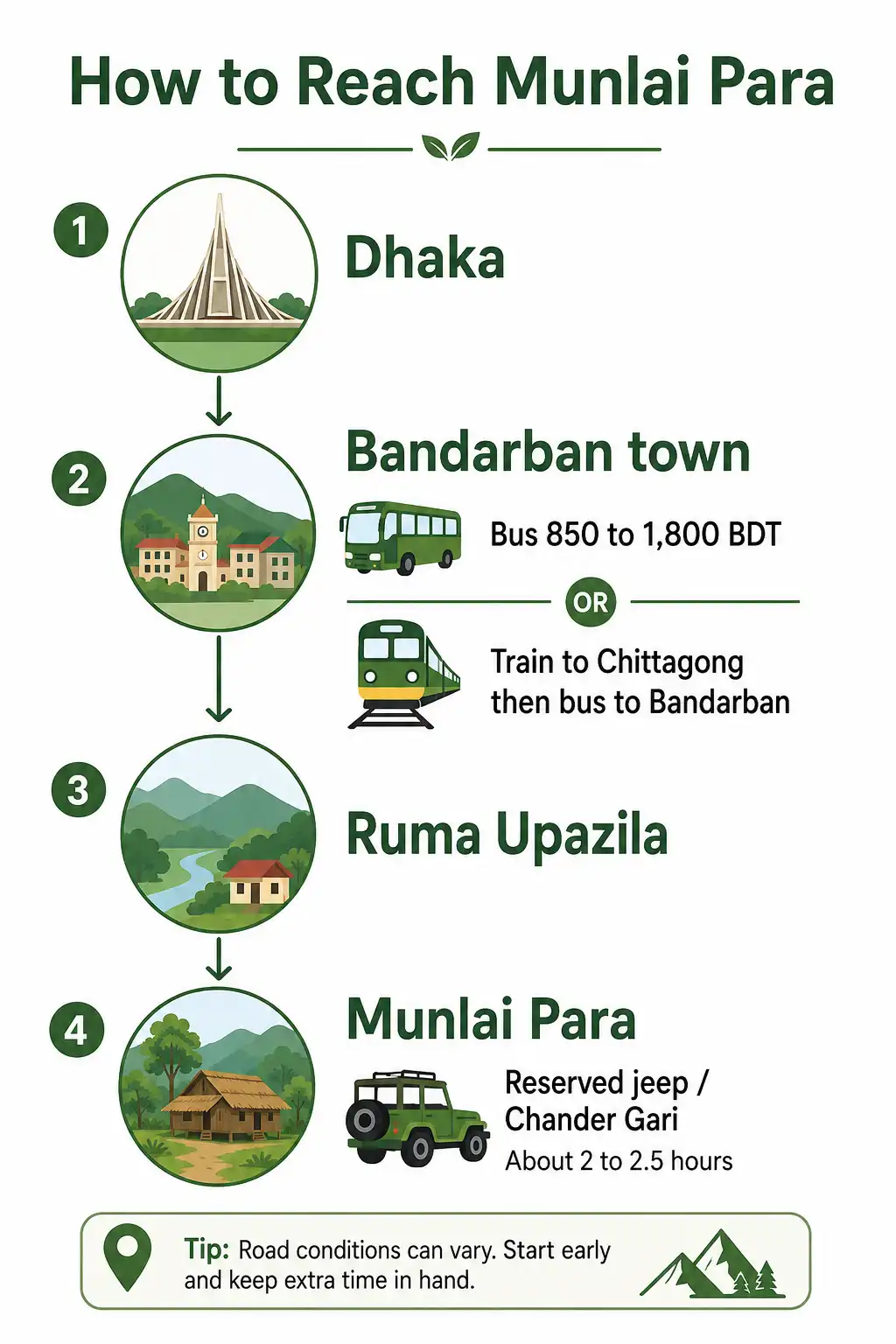
Reaching Munlai Para happens in two stages: get to Bandarban town first, then continue to the village by reserved jeep. Here is the route at a glance.
- Travel from Dhaka (or your city) to Bandarban town by bus, or take a train to Chittagong and then a bus onward.
- From Bandarban town, hire a reserved jeep, locally called a Chander Gari, straight to Munlai Para. The drive takes about 2 to 2.5 hours.
- Alternatively, go to Ruma Upazila first, then continue to Munlai Para by jeep, Chander Gari, or motorbike.
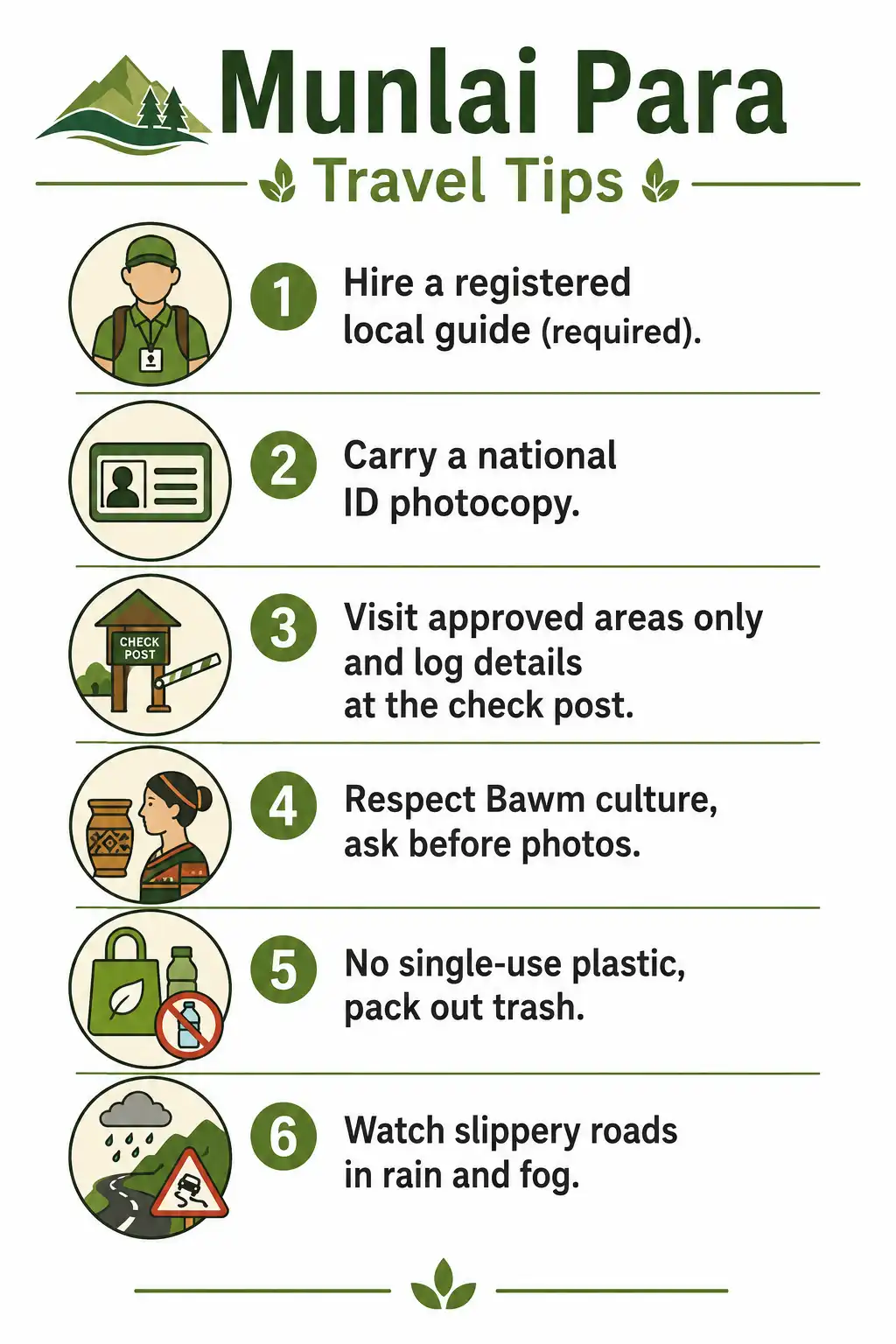
Before you go: The Ruma route, including Munlai Para and Boga Lake, reopened to tourists in June 2025 after a long closure. A registered local guide is now required, you may only visit administration-approved areas, and you must log your travel details at the relevant check post. Carry a photocopy of your national ID card, and confirm the latest situation with the Ruma upazila administration before you travel, because rules here have changed more than once.
Also see: Risang Waterfall Travel Guide
How do you get from Dhaka to Bandarban?
The simplest way from Dhaka to Bandarban is a direct bus. Coaches run regularly from Sayedabad, Arambagh, and Kalabagan, with operators such as Shyamoli, Hanif, Saudia, and Saint Martin serving the Bandarban route. Non-AC fares usually land around 850 to 900 BDT, while AC coaches run roughly 1,200 to 1,800 BDT. You can also take a Chittagong-bound train from Kamalapur Railway Station, then catch a bus from Chittagong to Bandarban. In US dollars the bus works out to about $7 to $15, though that figure shifts with the exchange rate.
How long does it take from Bandarban to Munlai Para?
From Bandarban town, a reserved jeep or Chander Gari reaches Munlai Para in about 2 to 2.5 hours. You can ride straight through, or stop at Ruma Upazila first and pick up local transport there. Motorbikes, jeeps, and Chander Gari all cover the Ruma-to-Munlai stretch. Because the road climbs and twists through the hills, plan for a slow, bumpy ride rather than a quick hop. I have done this kind of hill road many times around Ruma, and that last climb always feels longer than the clock says.
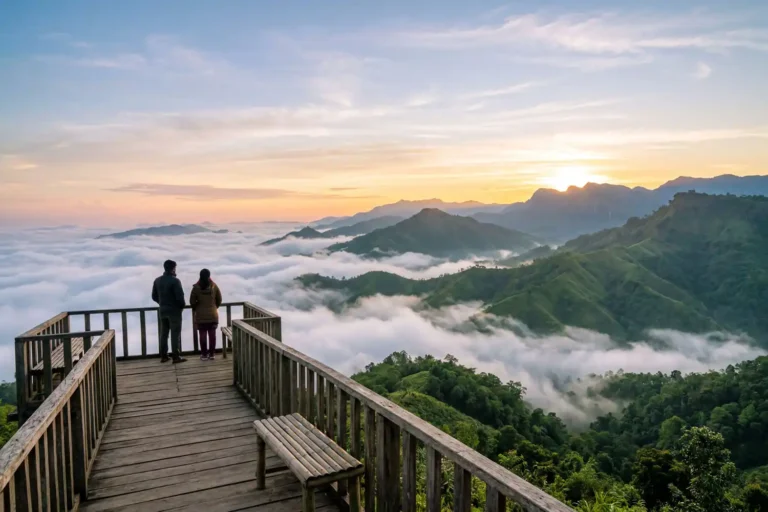
Since the village sits right on the way up, it fits neatly into a bigger Bandarban trip. Plenty of travelers pair it with the climb up to Boga Lake and the Keokradong trek further on. You also pass through Bandarban town either way, so it is worth a night there to catch the clouds and sunset at Nilachal before heading deeper into the hills.
What can you see and do in Munlai Para?
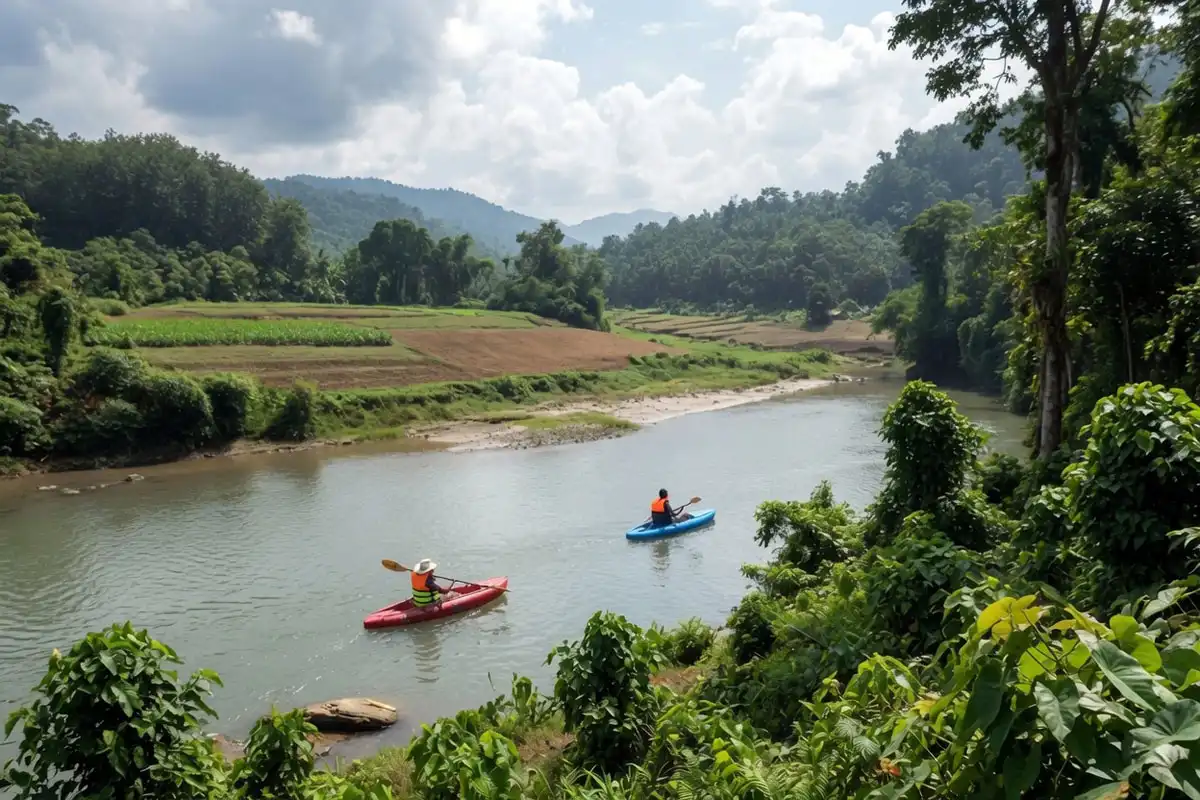
Munlai Para runs on community-based tourism, so the main draw is hands-on hill activities organized with the Bawm community. The lineup includes treetop activities, kayaking, zip lining, an evening barbecue, and a campfire after dark. Beyond the adventure side, a lot of the appeal is quieter. You can walk the tidy lanes, look at the flower-filled yards, and watch everyday Bawm life and handmade crafts up close.
This tourism setup did not appear by accident. From what I have read, the Bawm community built the project in 2017 together with Base Camp (Basecamp Adventures), the Bandarban Hill District Council, and ICIMOD, with the aim of supporting local livelihoods while protecting the village’s culture and surroundings.
Where can you stay in Munlai Para?
You stay inside the village, in Bawm homestays and eco cottages run as part of the community tourism project. Guests get separate rooms, toilets, and clean bedding. The wooden houses sit on raised stilts and stay neat and carefully kept. For travelers who want a little more comfort, the project also runs eco cottages that hold on to the hill feel while adding modern facilities. Basecamp Adventures Limited manages the whole operation, and a share of what you pay goes back to the Bawm families, which is the entire point of community tourism.
Where can you eat in Munlai Para?
There are no large restaurants in Munlai Para, so your homestay or cottage handles every meal. Whichever place you book will cook for you. Expect simple, filling home food: hill jhum rice, local chicken, hill potatoes, and seasonal hill vegetables. The cooking is plain in the best way, and it suits the slow rhythm of the village.
When is the best time to visit Munlai Para?
The cooler, drier months generally make the easiest time to visit Munlai Para and the wider Ruma area. Heavy rain and fog can turn the hill roads slick and slow, so the monsoon is the hardest window for getting around. If you can, line your trip up with the dry season, and it helps to read about picking the right season for a trip before you lock in dates.
What does a Munlai Para trip cost?
Most of a Munlai Para budget splits across transport, your stay, food, and activities. Bus fares from Dhaka sit around 850 to 900 BDT for non-AC and 1,200 to 1,800 BDT for AC, and a reserved jeep from Bandarban adds a shared cost on top. Homestay, food, and activity rates change with the season, your group size, and the package you book, so confirm current prices directly before you travel. To keep it simple, I plan an outdoor trip budget early and add a buffer for the reserved jeep and the guide. All prices here are approximate and quoted in Bangladeshi taka.
Travel tips for Munlai Para
A few simple habits make a Munlai Para trip smoother and kinder to the village.
- Take a registered local guide. On this route a guide is required anyway, and a good one smooths out transport and permissions.
- You should also carry a photocopy of your national ID card, since you may need it at check posts.
- Respect Bawm culture and the families who live here. Ask before photographing people.
- Pack out your trash and skip single-use plastic, so the village stays as clean as its reputation.
- Mind your footing in rain or fog, because the hill roads get slippery fast.
- Expect bugs on forested stretches, so it pays to know a bit about dealing with mosquitoes on the trail.
FAQs on Munlai Para

Is Munlai Para open to tourists now?
Where is Munlai Para located?
How do I get to Munlai Para from Bandarban?
Do I need a permit or guide for Munlai Para?
Why is Munlai Para famous?
Final Thoughts
Munlai Para is a rare kind of stop, a clean and calm Bawm village where your visit directly supports the people hosting you. For me it works best as part of a wider Ruma trip, paired with Boga Lake or a Keokradong climb rather than rushed on its own. Go in the drier months, book a registered guide, pack light, and treat the village and its people with care. Do that, and you come away with a quiet hill experience that few places in Bandarban can match.